

Why go
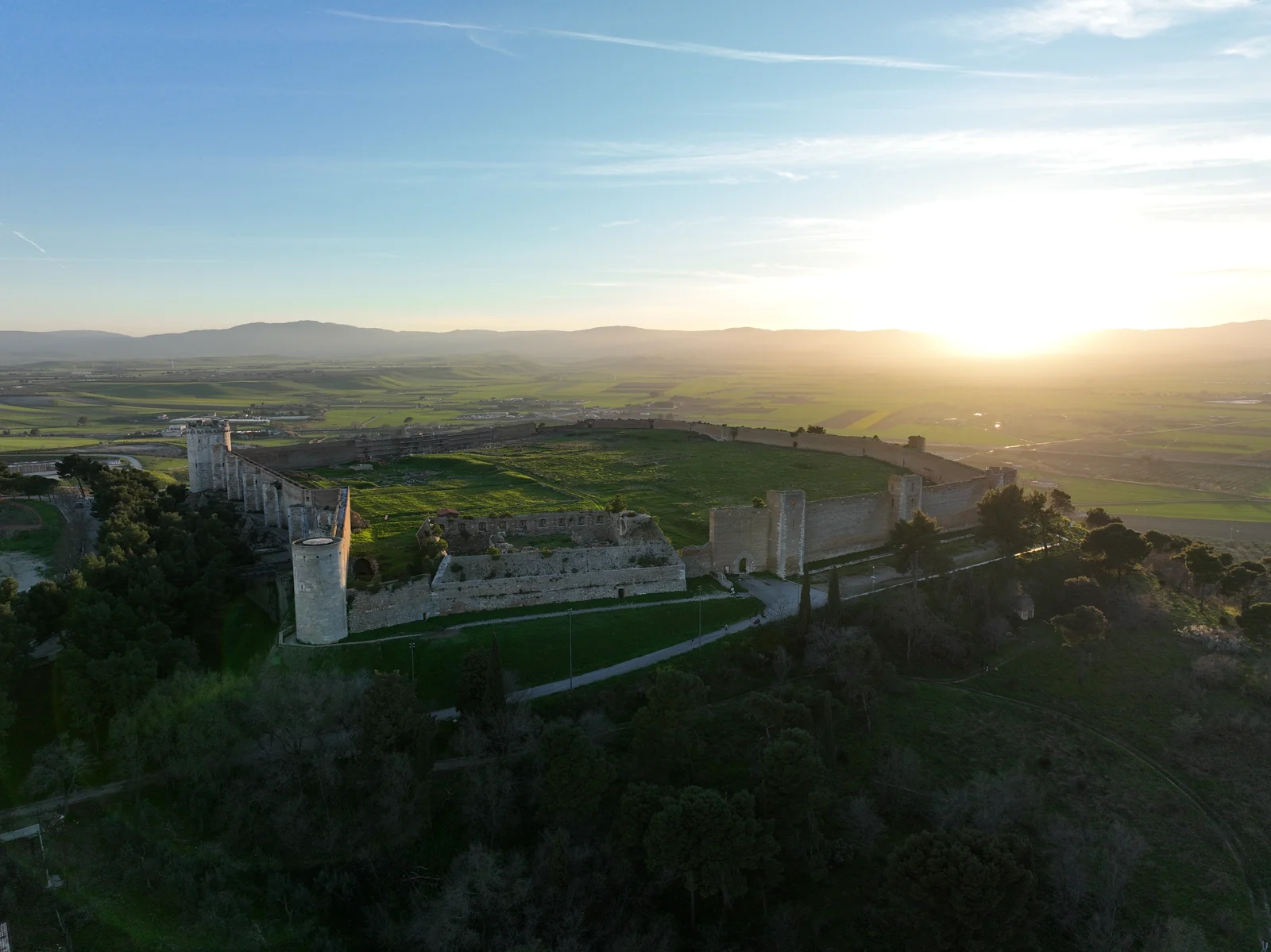
People come to Lucera above all for the Swabian-Angevin fortress. On the town’s highest hill, where the Roman acropolis stood, the Angevin walls run for 900 metres with 22 towers and enclose the remains of the palace that Frederick II had built around 1233. The town council describes it as a bulwark facing the mountains of the Daunian Subapennine and a lookout over the whole expanse of the Tavoliere delle Puglie.
On the eastern edge of town lies the Roman amphitheatre, built under Augustus for 16,000 to 18,000 spectators; in the old town stand the cathedral of Santa Maria Assunta, which Charles II of Anjou had built after 1300 and which the diocese calls one of the most intact creations of Angevin Gothic architecture, and the church of San Francesco, where Saint Francesco Antonio Fasani, the Lucera-born “Padre Maestro”, is buried.
In 2025 Lucera was Puglia’s Capital of Culture, after being one of the ten finalists for Italian Capital of Culture 2026 with the project “Crossroads of peoples and cultures”; it took over the title from Monte Sant’Angelo, Puglia’s Capital of Culture in 2024. Its countryside produces the “Cacc’e mmitte di Lucera” DOC wine, approved in 1975.
Sources: Comune di Lucera — Fortezza Svevo-Angioina (aggiornato il 26 ottobre 2026) · Comune di Lucera — Anfiteatro Romano (aggiornato il 2 luglio 2026) · Comune di Lucera — Basilica di Santa Maria Assunta (aggiornato il 2 luglio 2026) · Diocesi di Lucera-Troia — Notizie storiche · Comune di Lucera — Santuario di San Francesco (aggiornato il 2 luglio 2026) · Comune di Lucera — Argomento «Lucera Capitale Cultura Puglia 2025» · Comune di Lucera — 15 marzo: cerimonia di inaugurazione di Lucera Capitale della Cultura di Puglia 2025 · Ministero dell’agricoltura (MASAF), Registro nazionale delle varietà di vite — Disciplinare della DOC «Cacc’e mmitte di Lucera»
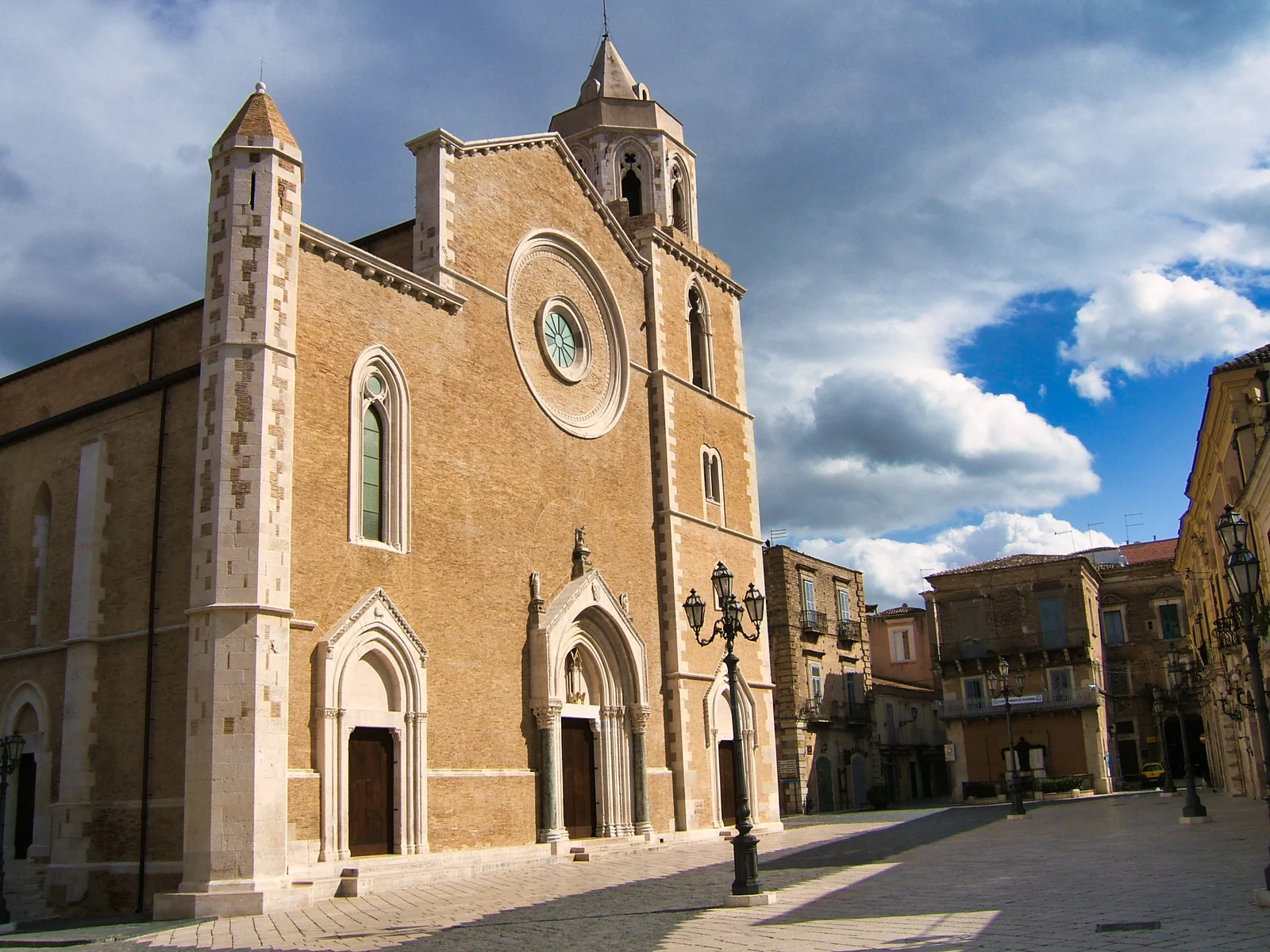
Photo: Bariom 0.2 / Wikimedia Commons — CC BY-SA 4.0 · Resized and converted to WebP.
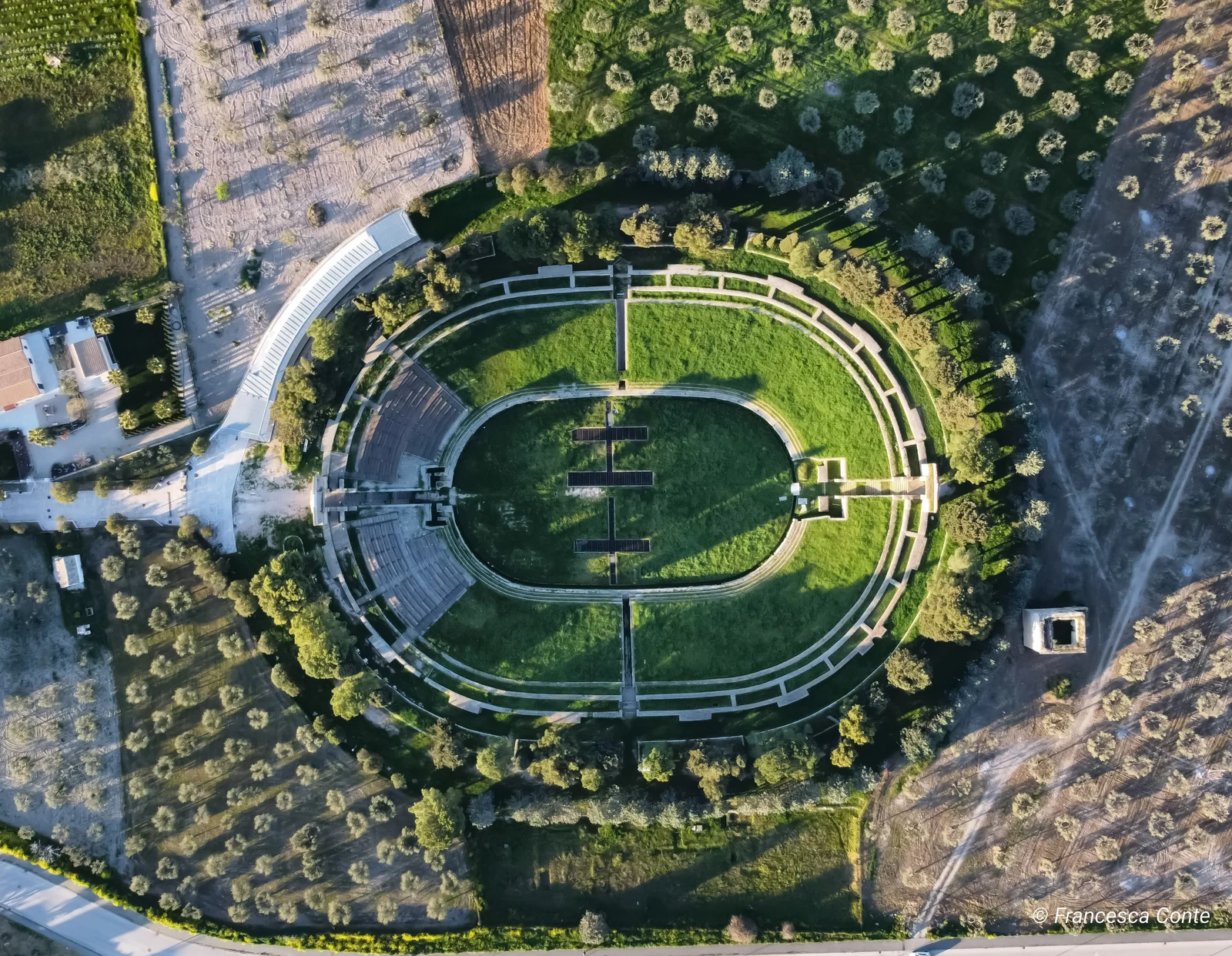
Photo: Francesca Conte / Wikimedia Commons — CC BY-SA 4.0 · Resized and converted to WebP.
The municipality at a glance
Lucera is a municipality in the province of Foggia, in Puglia. Its ISTAT code is 071028. On 1 January 2025 it had 30,591 residents. The municipal territory covers 339.79 km² and ranges from 49 to 334 metres above sea level; the town hall stands at about 220 metres.
The town stands on a hill overlooking the Tavoliere delle Puglie, between the mountains of the Daunian Subapennine and the Gargano massif. In 2025 it was Puglia’s Capital of Culture.
Sources: ISTAT, Codici statistici delle unità amministrative territoriali: elenco dei comuni al 21 febbraio 2026 · ISTAT, Popolazione residente per età, sesso e stato civile al 1° gennaio 2025 (POSAS) · ISTAT, Principali statistiche geografiche sui comuni: superficie e altimetria al 31 dicembre 2021 · Comune di Lucera — Villa Comunale (aggiornato il 2 luglio 2026) · Comune di Lucera — Fortezza Svevo-Angioina (aggiornato il 26 ottobre 2026) · Comune di Lucera — Argomento «Lucera Capitale Cultura Puglia 2025»
History
According to the town council, Lucera became a colony under Latin law in 314 BC, with broad autonomy, the right to mint coins and its own magistrates; under Augustus a second colonial settlement brought a deep renewal of the town. The amphitheatre was built at that time, on private land and at the expense of Marcus Vecilius Campus, who offered it to the emperor Augustus and to the colony, as the inscription on the architrave says. It was destroyed in 663 by Constans II and brought back to light by excavations begun in 1932 and completed with the restoration of 1948.
The diocese notes that Lucera has been a documented bishop’s see since the end of the fifth century. Between 1223 and 1233 Frederick II moved large groups of the Saracen population there from Sicily and built his Palatium on Monte Albano. After Charles I of Anjou defeated the Swabians (1268), the Angevins enclosed the palace within a circuit of walls, turning it into a self-contained military citadel.
In 1300, once the Saracens had been defeated, Charles II of Anjou had the cathedral built, probably on the remains of a mosque, as well as the church of San Francesco (1300-1304). The town, which the council recalls as “Luceria Saracenorum”, was renamed “Civitas Sanctae Mariae”. The Croatian bishop Augustin Kažotić, in Lucera from 1322 to 1323, is venerated there as a blessed. In 1522 a diploma of Charles V declared Lucera a town of the royal demesne; the document is kept in the town library, together with the “Book of Privileges”, which gathers 70 royal documents from 1301 to 1547.
Francesco Antonio Fasani was born in Lucera on 6 August 1681; a Conventual Franciscan friar, he was a teacher, preacher and confessor in his home town, where he died on 29 November 1742; John Paul II canonised him on 13 April 1986. The present Diocese of Lucera-Troia was created on 30 September 1986.
Sources: Comune di Lucera — Anfiteatro Romano (aggiornato il 2 luglio 2026) · Diocesi di Lucera-Troia — Notizie storiche · Comune di Lucera — Fortezza Svevo-Angioina (aggiornato il 26 ottobre 2026) · Comune di Lucera — Basilica di Santa Maria Assunta (aggiornato il 2 luglio 2026) · Comune di Lucera — Santuario di San Francesco (aggiornato il 2 luglio 2026) · Comune di Lucera — Biblioteca Comunale «R. Bonghi» (aggiornato il 26 ottobre 2026) · Comune di Lucera — La Capitale della Cultura festeggia San Francesco Antonio Fasani con il Festival Fasani (17 novembre 2025)
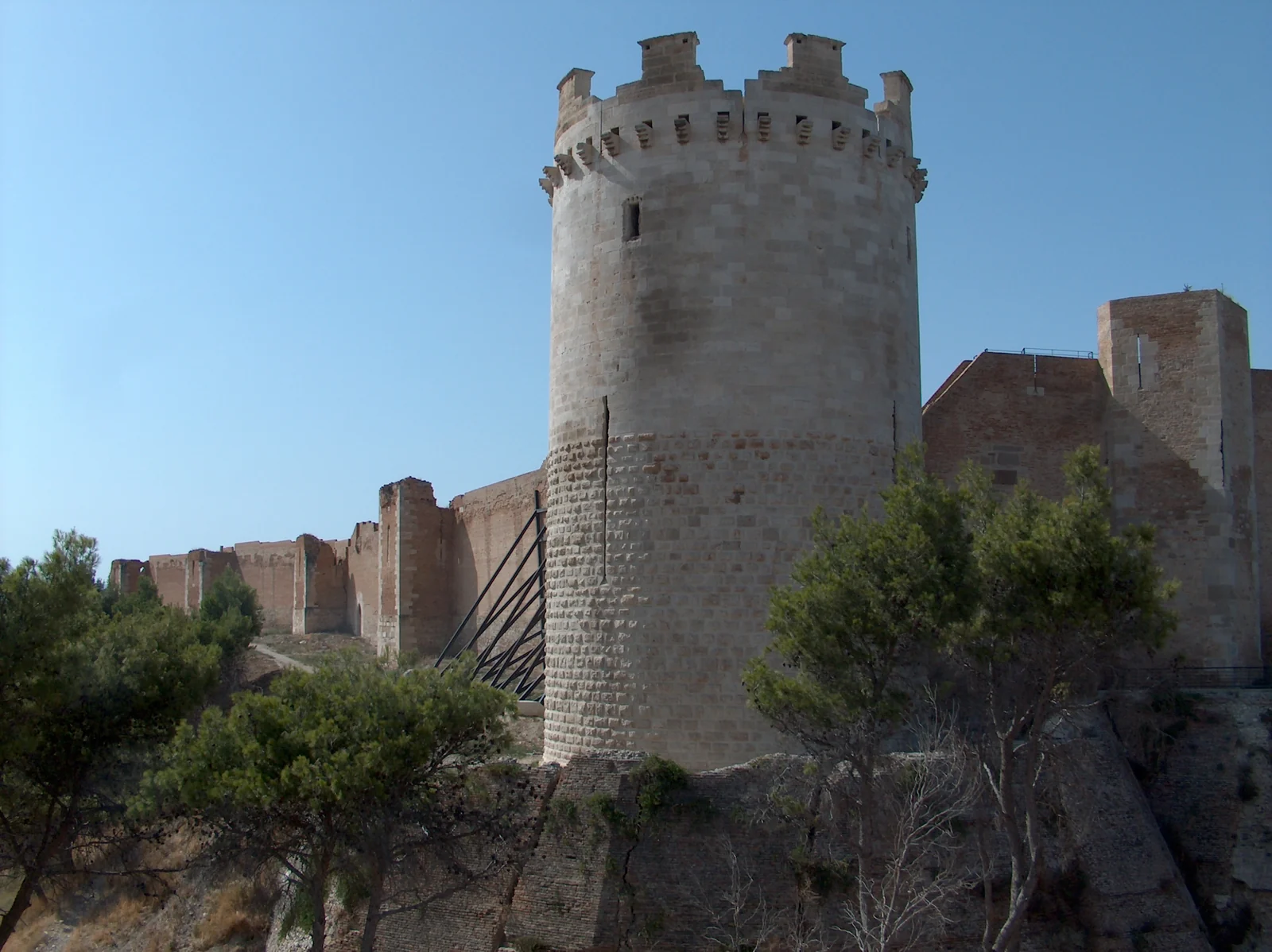
Photo: Rg2550 at Italian Wikipedia / Wikimedia Commons — Public domain · Resized and converted to WebP.
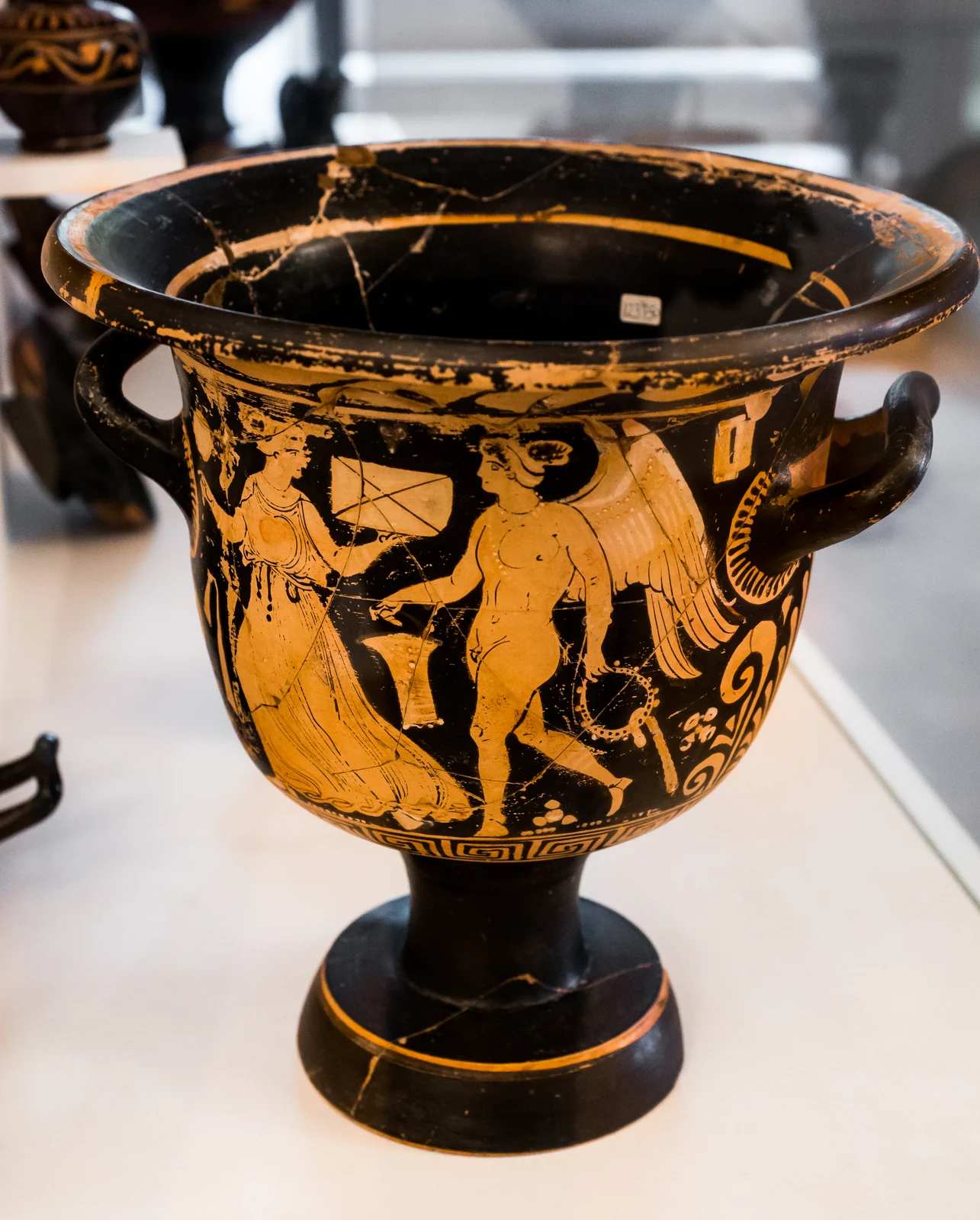
Photo: ArchaiOptix / Wikimedia Commons — CC BY-SA 4.0 · Resized and converted to WebP.
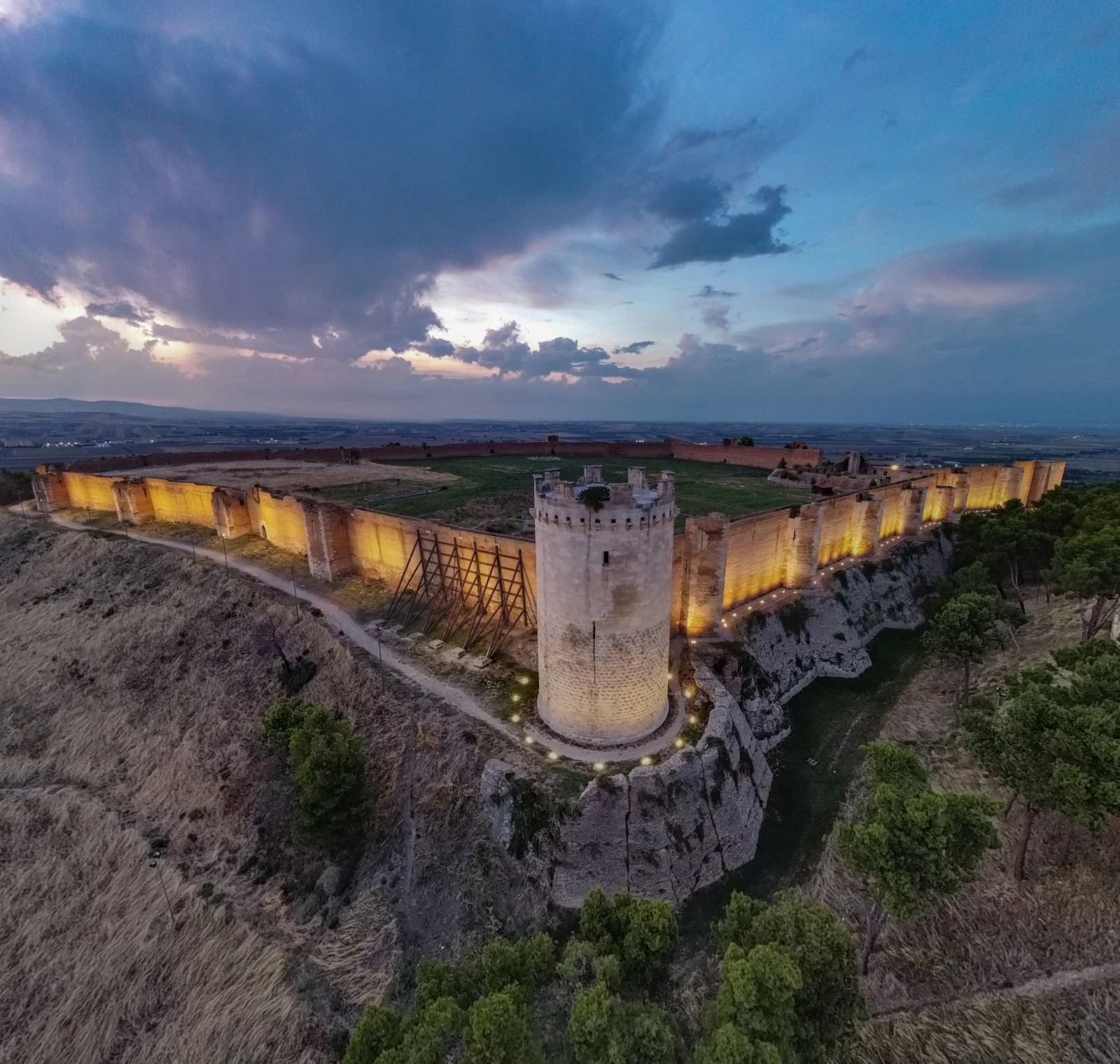
Photo: Conte Francesca / Wikimedia Commons — CC BY-SA 4.0 · Resized and converted to WebP.
What to see
The Swabian-Angevin fortress. You enter from Piazza Padre Angelo Cuomo, through Porta Lucera and a wood-and-iron bridge built in 2000, which crosses the moat between the Lioness Tower and the Lion Tower. Inside the walls the town council points out Neolithic huts, Roman and Swabian ruins, water channels and the remains of a single-nave church dedicated to Saint Francis of Assisi. Of Frederick II’s Palatium there remain the base, the battered wall with nine loopholes per side of the “archers’ gallery” and the courtyard with the basin of its fountain: on the top floor the plan turned into an octagon, anticipating the design of Castel del Monte. The town’s tourist guides lead free guided tours of the site.
The Roman amphitheatre, at the end of Viale Augusto, is elliptical, 126.8 metres long and 94.5 metres wide on the outside; the arena measures 75.20 by 43.20 metres. You enter through the two great gateways with Ionic columns, architrave and pediment; beneath the arena runs a gallery that widens into three pits for the services, animals and machinery of the shows. The restoration completed in 2009 gave the western sector new tiered seating for about a thousand spectators.
The cathedral of Santa Maria Assunta, in Piazza del Duomo, has been a minor basilica since 1834 and a national monument since 1874. Its asymmetrical façade has three portals, a small turret and a square bell tower topped by an octagonal lantern. Inside: the fifteenth-century baptistery, the pulpit made from a sixteenth-century sarcophagus, Fabrizio Santafede’s altarpiece of the Assumption, the fourteenth-century monument of an Angevin knight, the frescoed Gallucci chapel, the wooden crucifix of the Rhenish school and, as high altar, the table of Frederick II brought from Castelfiorentino, where the emperor died on 13 December 1250. In the left transept stands the fourteenth-century wooden statue of Santa Maria Patrona, holding the keys of the town.
The church of San Francesco, in Piazza Tribunali, blends Romanesque and Gothic elements: a gabled façade, a Gothic portal with the Angevin coat of arms, a sixteen-spoke rose window, a single tall nave with wooden trusses and an 18-metre triumphal arch. In the apse, in a bronze urn, lies the body of Saint Francesco Antonio Fasani; the church has been a diocesan sanctuary since 2001. The statues of Saint Francis and of the Immaculate Conception are by Giacomo Colombo (1713 and 1718).
The “Giuseppe Fiorelli” civic museum, named after the archaeologist who organised the first systematic excavations at Pompeii, has been housed since 1936 in the eighteenth-century Palazzo Cavalli-De Nicastri, at Via De Nicastri 36; since December 2025 a hologram of Frederick II has guided visitors through ten stories. The diocesan museum, in the bishop’s palace on Piazza del Duomo, holds the bishops’ picture gallery, a thirteenth-century jasper pyx, the cloak of Saint Francesco Antonio Fasani and the fourteenth-century Madonna of the Stars. In the former convent of the Santissimo Salvatore, the “Ruggero Bonghi” library keeps 34 incunabula, 153 parchments and one of the four known copies of Niccolò Malermi’s Bible (Venice, 1477), the town picture gallery with works of the Posillipo School and the early Christian mosaics of San Giusto, found during the building of the dam on the Celone and on view again since July 2025.
The Teatro Garibaldi, inside the town hall of Palazzo Mozzagrugno on Corso Garibaldi, opened on 7 June 1838 as the “Real Teatro Maria Teresa Isabella”; enlarged in 1908 to a design by Angelo Messeni, the engineer of Bari’s Petruzzelli, it was restored and reopened in March 2005. The Villa comunale, on the Belvedere hill, is a park of almost 4 hectares, laid out between 1903 and 1915 and always open: from the Salvatore lookout the view stretches from the Daunian Subapennine to the Gargano.
Sources: Comune di Lucera — Fortezza Svevo-Angioina (aggiornato il 26 ottobre 2026) · Comune di Lucera — Anfiteatro Romano (aggiornato il 2 luglio 2026) · Comune di Lucera — Basilica di Santa Maria Assunta (aggiornato il 2 luglio 2026) · Comune di Lucera — Santuario di San Francesco (aggiornato il 2 luglio 2026) · Comune di Lucera — Museo Civico «G. Fiorelli» (aggiornato il 26 ottobre 2026) · Comune di Lucera — Federico II di Svevia diventa la guida virtuale del Museo «G. Fiorelli» (5 dicembre 2025) · Comune di Lucera — Museo Diocesano (aggiornato il 2 luglio 2026) · Comune di Lucera — Biblioteca Comunale «R. Bonghi» (aggiornato il 26 ottobre 2026) · Comune di Lucera — Lucera riscopre i mosaici di San Giusto (2 luglio 2025) · Comune di Lucera — Teatro Civico «G. Garibaldi» (aggiornato il 2 luglio 2026) · Comune di Lucera — Sede comunale, Palazzo Mozzagrugno (aggiornato il 2 luglio 2026) · Comune di Lucera — Villa Comunale (aggiornato il 2 luglio 2026)
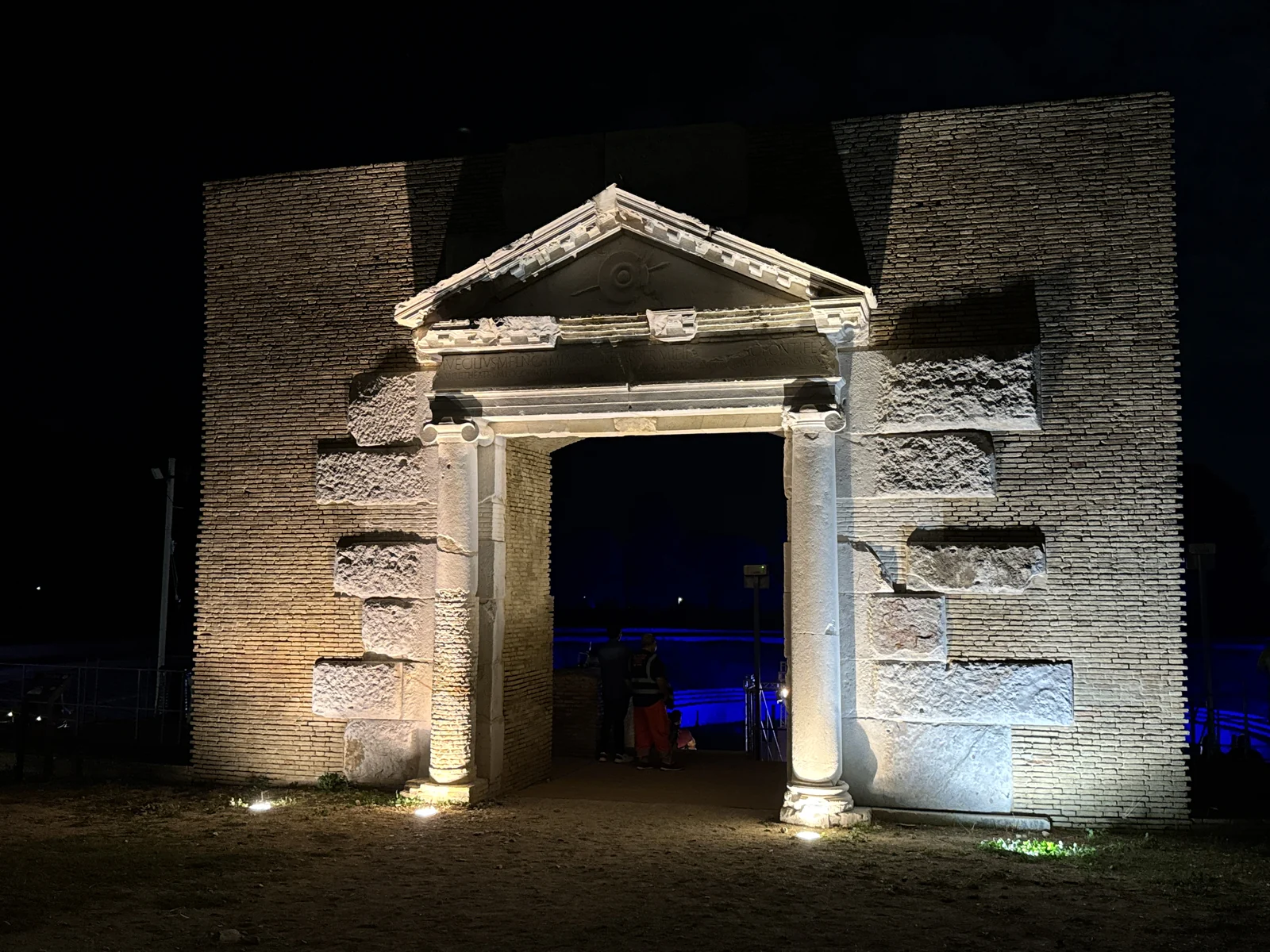
Photo: Faccilongo / Wikimedia Commons — CC BY-SA 4.0 · Resized and converted to WebP.
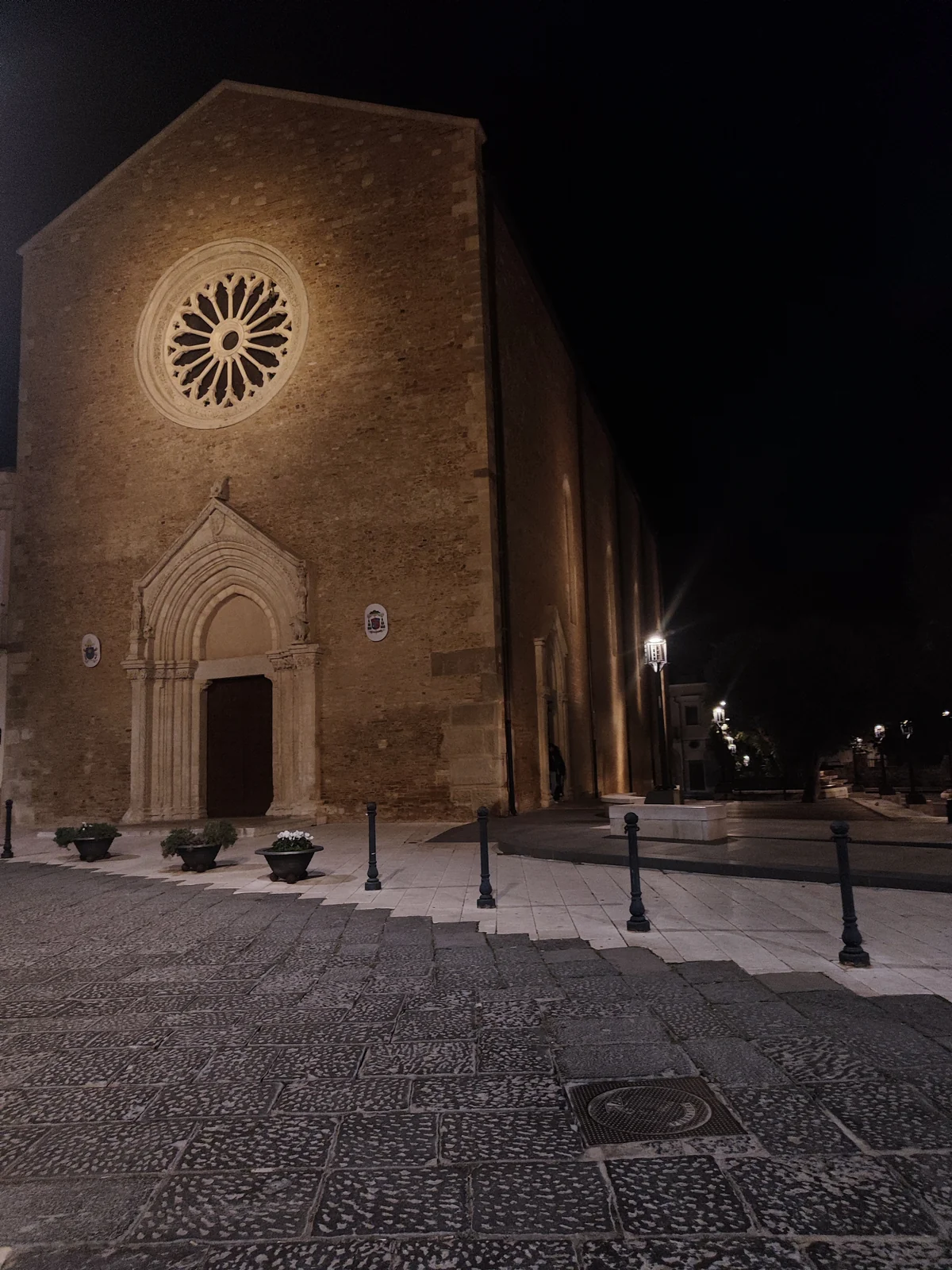
Photo: Biagiofg / Wikimedia Commons — CC BY-SA 4.0 · Resized and converted to WebP.
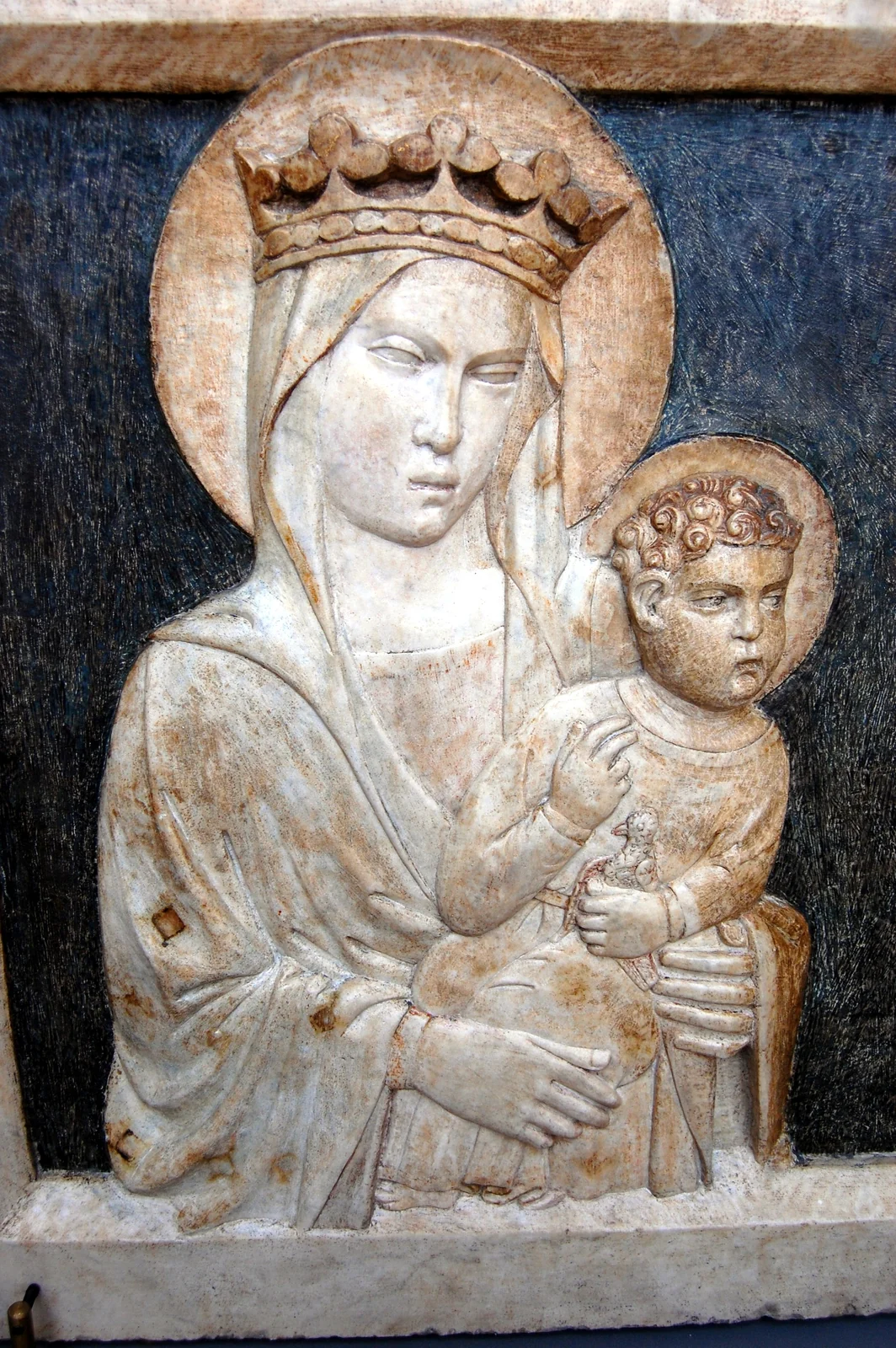
Photo: don Tommaso / Wikimedia Commons — CC BY-SA 2.0 · Resized and converted to WebP.
Food and wine
The town’s wine is “Cacc’e mmitte di Lucera”, a controlled designation of origin approved by presidential decree on 13 December 1975 and registered as a PDO in the European eAmbrosia register. It is a red: the production rules require 35 to 60% Uva di Troia, known in Lucera as Sumarello, 25 to 35% Montepulciano, Sangiovese and Malvasia nera di Brindisi, and 15 to 30% white grapes (Trebbiano toscano, Bombino bianco, Malvasia bianca). The grapes come from the municipalities of Lucera, Troia and Biccari and are made into wine within the same area; the vintage must appear on the label.
Lucera’s land also lies within the area of the “Tavoliere delle Puglie” or “Tavoliere” DOC, with its red and rosé made from at least 65% Nero di Troia and its “Nero di Troia” from at least 90%. Its extra virgin olive oil falls under the “Dauno” PDO: Lucera belongs to the “Sub-Appennino” geographical mention, which requires at least 70% Ogliarola, Coratina and Rotondella olives.
In November 2025 the town council marked the designation’s fiftieth anniversary with the first Lucera Jazz & Wine Festival, in the courtyards of Palazzo Cavalli and the church of Santa Maria delle Grazie alle Cammarelle, with tastings from Lucera’s wineries.
Sources: Ministero dell’agricoltura (MASAF), Registro nazionale delle varietà di vite — Disciplinare della DOC «Cacc’e mmitte di Lucera» · Commissione europea — eAmbrosia, registro delle indicazioni geografiche dell’Unione · Ministero dell’agricoltura (MASAF), Registro nazionale delle varietà di vite — Disciplinare della DOC «Tavoliere delle Puglie» o «Tavoliere» · Ministero dell’agricoltura (MASAF) — Disciplinare dell’olio extravergine di oliva DOP «Dauno» (testo in Gazzetta Ufficiale del 25 gennaio 2012) · Comune di Lucera — Il Jazz incontra il Cacc’e Mmitt al Lucera Jazz & Wine Festival (14 novembre 2025)
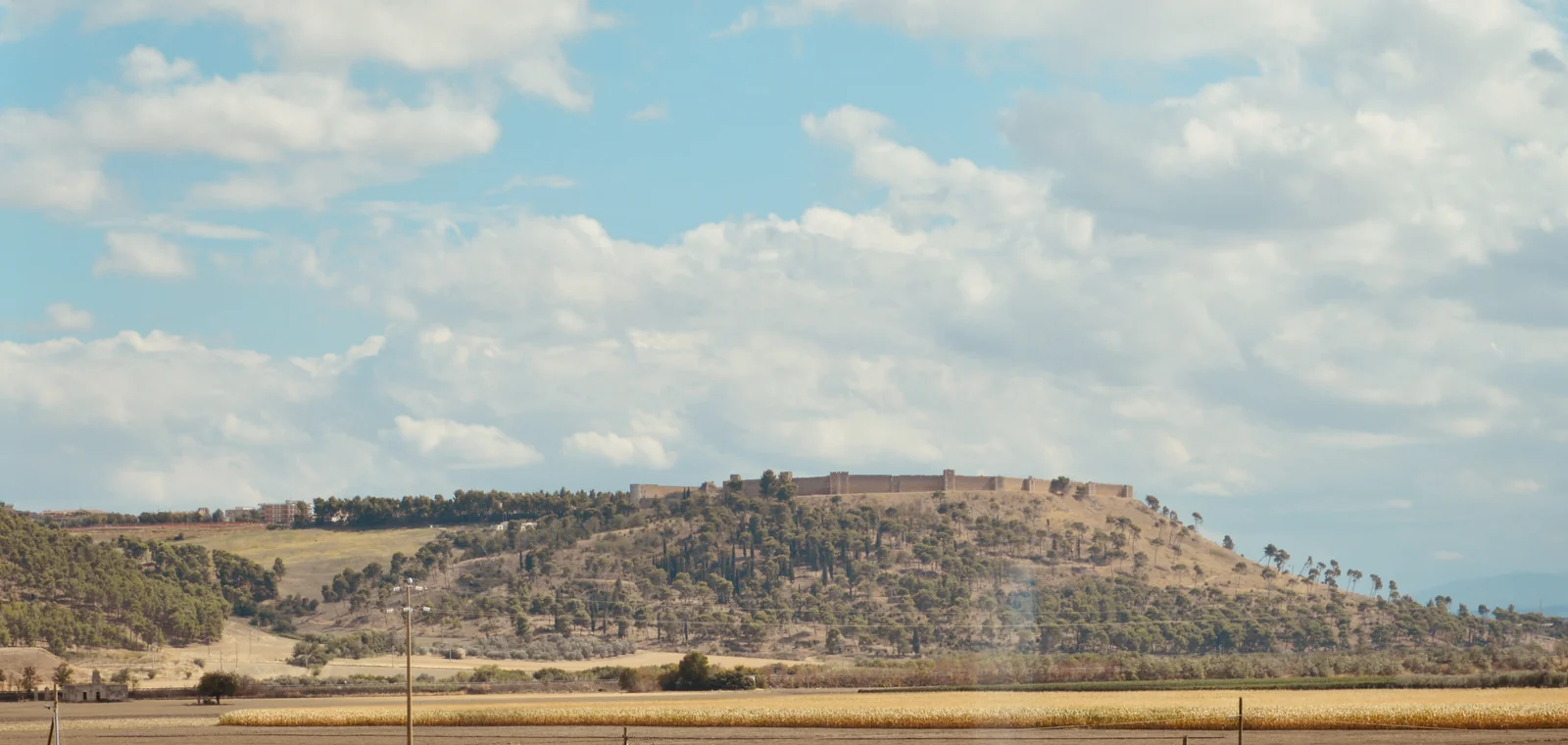
Photo: Limonimo / Wikimedia Commons — CC BY-SA 4.0 · Resized and converted to WebP.
Things to do
From the Villa comunale you can walk up to the fortress along Viale Castello, the panoramic road that starts at the statue of Augustus at the entrance to the park. The town council renovated it and reopened it in June 2025, with new lighting for the avenue and the park’s fountain.
Inside the fortress the town’s guides lead visitors free of charge; through the toll-free number of the tourist information centre, 800 767606, free tours of the fortress and of the old town can be booked, subject to availability. The cathedral and San Francesco are a few minutes apart on foot: from Piazza del Duomo you cross Piazza Nocelli and take Via Zuppetta.
At the Teatro Garibaldi, after its restoration, the first drama season was held in 2006. During its 2025 year as Capital of Culture the town launched festivals meant to stay, among them the Festival Fasani and the Lucera Jazz & Wine Festival.
Sources: Comune di Lucera — Fortezza Svevo-Angioina (aggiornato il 26 ottobre 2026) · Comune di Lucera — Il nuovo viale Castello (12 giugno 2025) · Comune di Lucera — Centro Informazione Turistica (aggiornato il 2 luglio 2026) · Comune di Lucera — Santuario di San Francesco (aggiornato il 2 luglio 2026) · Comune di Lucera — Teatro Civico «G. Garibaldi» (aggiornato il 2 luglio 2026) · Comune di Lucera — Il Jazz incontra il Cacc’e Mmitt al Lucera Jazz & Wine Festival (14 novembre 2025) · Comune di Lucera — La Capitale della Cultura festeggia San Francesco Antonio Fasani con il Festival Fasani (17 novembre 2025)
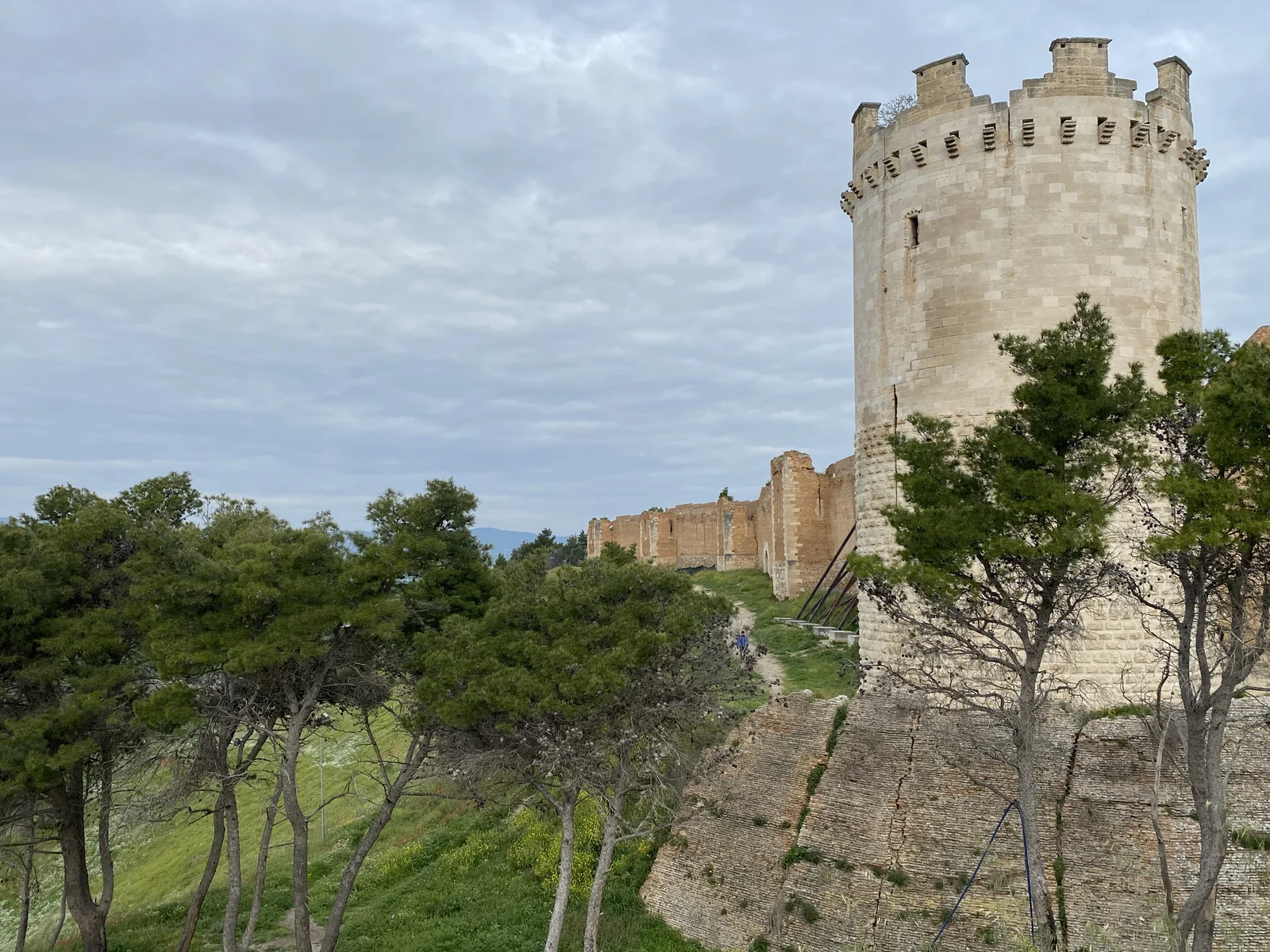
Photo: Antonio Colatruglio / Wikimedia Commons — CC BY-SA 4.0 · Resized and converted to WebP.
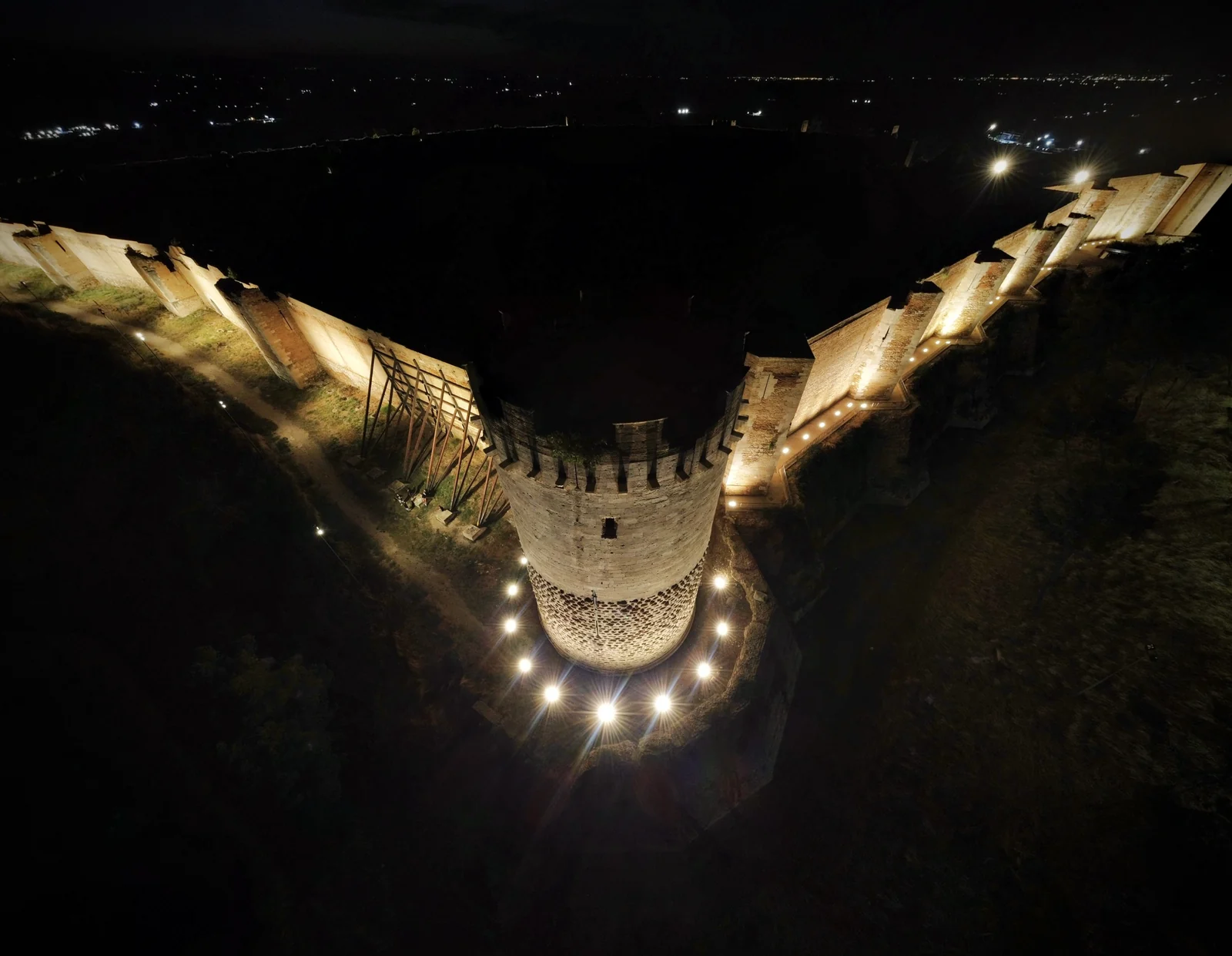
Photo: FrancescaConte2023 / Wikimedia Commons — CC BY-SA 4.0 · Resized and converted to WebP.
When to go
On 29 November, the day of his death, Lucera celebrates Saint Francesco Antonio Fasani: in 2025 the feast included a solemn mass in the basilica and a procession through the town with the saint’s wooden statue and his relic. 2026 marks forty years since his canonisation.
Getting there and around
Lucera has its own railway: Ferrovie del Gargano regional trains link Foggia and Lucera, stopping at Don Bosco and Lucera 2 on the way. In the January 2026 timetable the journey takes about twenty minutes; departures from Foggia run from 5:30 to 22:40, and the table shows which trains run on Sundays and public holidays. Lucera station is on Via Montello, with a ticket machine, free parking, a waiting room, bus connections and step-free routes for disabled travellers; up to three bicycles can be taken on each train.
By car, according to the town council, you can reach the amphitheatre without entering the town: from the SS 17 turn at the first roundabout into Via Delle Porte Antiche and follow Viale Giovanni Paolo II. Cars reach the fortress via Via Mazzini and return to the centre along Viale Castello. Coaches cannot reach the fortress: they drop passengers in Via Fiume, near the Villa comunale, and park in Piazzale Ferrovia; for directions the council refers to the local police (0881 540009).
Accessibility, according to the council’s pages: the cathedral, the Fiorelli museum, the library and the Teatro Garibaldi have entrances accessible to people with disabilities; the amphitheatre and the diocesan museum do not.
Sources: Ferrovie del Gargano — Orari Foggia-Lucera (gennaio 2026) · Ferrovie del Gargano — Stazione di Lucera · Comune di Lucera — Anfiteatro Romano (aggiornato il 2 luglio 2026) · Comune di Lucera — Fortezza Svevo-Angioina (aggiornato il 26 ottobre 2026) · Comune di Lucera — Basilica di Santa Maria Assunta (aggiornato il 2 luglio 2026) · Comune di Lucera — Museo Civico «G. Fiorelli» (aggiornato il 26 ottobre 2026) · Comune di Lucera — Biblioteca Comunale «R. Bonghi» (aggiornato il 26 ottobre 2026) · Comune di Lucera — Teatro Civico «G. Garibaldi» (aggiornato il 2 luglio 2026) · Comune di Lucera — Museo Diocesano (aggiornato il 2 luglio 2026)
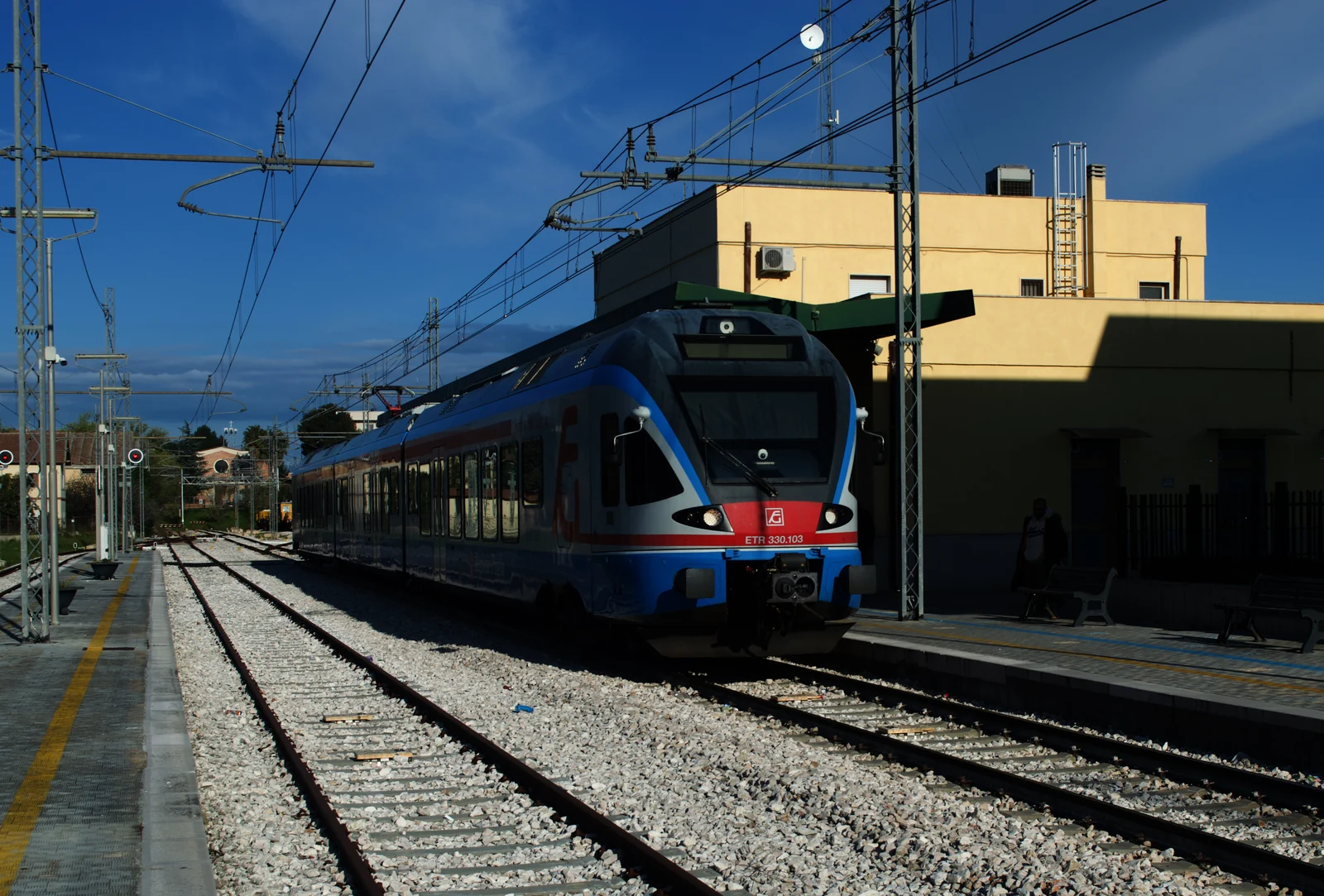
Photo: Phil Richards / Wikimedia Commons — CC BY-SA 2.0 · Resized and converted to WebP.
Tourism
The Basilica Cathedral, in piazza del Duomo, is open from 8 am to 12:30 pm and from 4:30 to 8 pm, according to the directory of the Diocese of Lucera-Troia consulted in November 2026. On Sundays and holidays Mass in the cathedral is at 9 am, 10:30 am, 7 pm and 8:30 pm, plus the noon Mass, suspended in July and August; on weekdays Mass is at 7 pm. Those who come to see the church choose the hours outside the services.
“Come to Lucera as a guest, not as a tourist: that is how these places truly let you know them.”
Accommodation in figures
In the Ministry of Tourism’s national database of accommodation (BDSR), on 12 October 2026, Lucera had 61 establishments with a verified national identification code (CIN): 5 hotel-type establishments, 22 non-hotel establishments and 34 other establishments. Puglia’s regional census of accommodation lists 18 with a verified national CIN, by type: 10 guest rooms, 5 hotel, 2 farm stay and 1 B&B.
Sources: Ministero del Turismo – Banca Dati Strutture Ricettive (dashboard pubblica) · Regione Puglia – ARET Pugliapromozione (DMS)
Nearby
Foggia is about twenty minutes away by train. Troia and Biccari share with Lucera the “Cacc’e mmitte” wine area; Troia has been part of the same diocese since 1986, and the diocese calls its cathedral an exemplary work of Apulian Romanesque art. A few kilometres away lies Castelfiorentino, where Frederick II died and where the table of the cathedral’s high altar comes from; east of the town, in the Celone valley, is the archaeological area of San Giusto, whose mosaics are now in the town library.
Lucera leads the Monti Dauni in the Capital of Culture project: from the fortress and the Villa comunale the view reaches across the Tavoliere plain to the mountains of the Daunian Subapennine.
Sources: Ferrovie del Gargano — Orari Foggia-Lucera (gennaio 2026) · Ministero dell’agricoltura (MASAF), Registro nazionale delle varietà di vite — Disciplinare della DOC «Cacc’e mmitte di Lucera» · Diocesi di Lucera-Troia — Notizie storiche · Comune di Lucera — Basilica di Santa Maria Assunta (aggiornato il 2 luglio 2026) · Comune di Lucera — Biblioteca Comunale «R. Bonghi» (aggiornato il 26 ottobre 2026) · Comune di Lucera — Argomento «Lucera Capitale Cultura Puglia 2025» · Comune di Lucera — Fortezza Svevo-Angioina (aggiornato il 26 ottobre 2026) · Comune di Lucera — Villa Comunale (aggiornato il 2 luglio 2026)
The town council
The official website of the Comune di Lucera, registered in IndicePA, the index of the digital addresses of Italy’s public administrations, is the reference for the town council’s offices, opening hours and news. Its address is listed among the sources of this section.
The town hall is Palazzo Mozzagrugno, at Corso Garibaldi 74; the switchboard answers on 0881 541111. The town’s tourist information centre, open since 2000, is at Piazza Famiglia Nocelli 6, with the toll-free number 800 767606; for the fortress and the Fiorelli museum the tourist office answers on 0881 541662 and 0881 541664.
Sources: Comune di Lucera, sito istituzionale · IndicePA (AgID), Indice dei domicili digitali delle pubbliche amministrazioni: dataset Enti · Comune di Lucera — Sede comunale, Palazzo Mozzagrugno (aggiornato il 2 luglio 2026) · Comune di Lucera — Centro Informazione Turistica (aggiornato il 2 luglio 2026) · Comune di Lucera — Fortezza Svevo-Angioina (aggiornato il 26 ottobre 2026)
Where to stay
In the municipality of Lucera the national database of the Ministry of Tourism lists 61 accommodation businesses with a verified CIN code: 5 hotels, 22 other licensed accommodation and 34 other types such as B&Bs and private rentals.
Licensed businesses from the official list of accommodation named as the source in this section. Where the list gives it, the property's official identification code appears next to its name: the national CIN code, or the code assigned by the Region or by the body that keeps the list. Private individuals are not listed. This list is the official census of licensed businesses, not a list of Apulica partners: to stay in Lucera you do not have to check one property after another yourself; write to Apulica and we look for the stay that suits your journey, checking availability and conditions before any confirmation.
GRAND HOTEL VIGNA NOCELLI
Hotel · ★★★★★
CIN IT071028A100021883
BORGO VINCERI
Farm stay
CIN IT071028B500086544
KASA LUPUS
B&B
CIN IT071028B400062351
CASAVACANZE MASSERIA CASANOVA
Guest rooms
CIN IT071028B400049338
HOTEL BALCONATA 2.O
Hotel · ★★★★
CIN IT071028A100032392
MASSERIA SANT'AGAPITO
Farm stay
CIN IT071028B500021035
DIMORA AURORA LUXURY
Guest rooms
CIN IT071028B400124100
HOTEL SORRISO
Hotel · ★★★★
CIN IT071028A100023849
FLOS GUEST HOUSE
Guest rooms
CIN IT071028B400026674
NSM PALACE HOTEL
Hotel · ★★★★
CIN IT071028A100094604
First the places that presented themselves to Apulica, the latest first; then one place of each type in turn, by official category and stars, then by name. No position is paid for.
All 18 entries in alphabetical order
Page 1 of 2
| Name | Type | CIN |
|---|---|---|
| BORGO VINCERI | Farm stay | IT071028B500086544 |
| CASAVACANZE MASSERIA CASANOVA | Guest rooms | IT071028B400049338 |
| DIMORA AURORA LUXURY | Guest rooms | IT071028B400124100 |
| FLOS GUEST HOUSE | Guest rooms | IT071028B400026674 |
| GRAND HOTEL VIGNA NOCELLI | Hotel | IT071028A100021883 |
| HOTEL BALCONATA 2.O | Hotel | IT071028A100032392 |
| HOTEL FEDERICO II | Hotel | IT071028A100129544 |
| HOTEL SORRISO | Hotel | IT071028A100023849 |
| KASA LUPUS | B&B | IT071028B400062351 |
| LA CASA DI ASMEI LUCERA | Guest rooms | IT071028B400025398 |
Ask Apulica for a stay in Lucera We reply shortly, within a few hours at most, with a proposal for you to consider.
Sources: Regione Puglia – ARET Pugliapromozione (DMS), CC BY 4.0, 2026-10-12 · Ministero del Turismo – Banca Dati Strutture Ricettive (dashboard pubblica), 2026-10-12
YOUR JOURNEY
How to shape a journey here
To include Lucera in a trip, or to ask for a guide or a transfer, you can write to Apulica with the button below.
Plan your tripKeep exploring
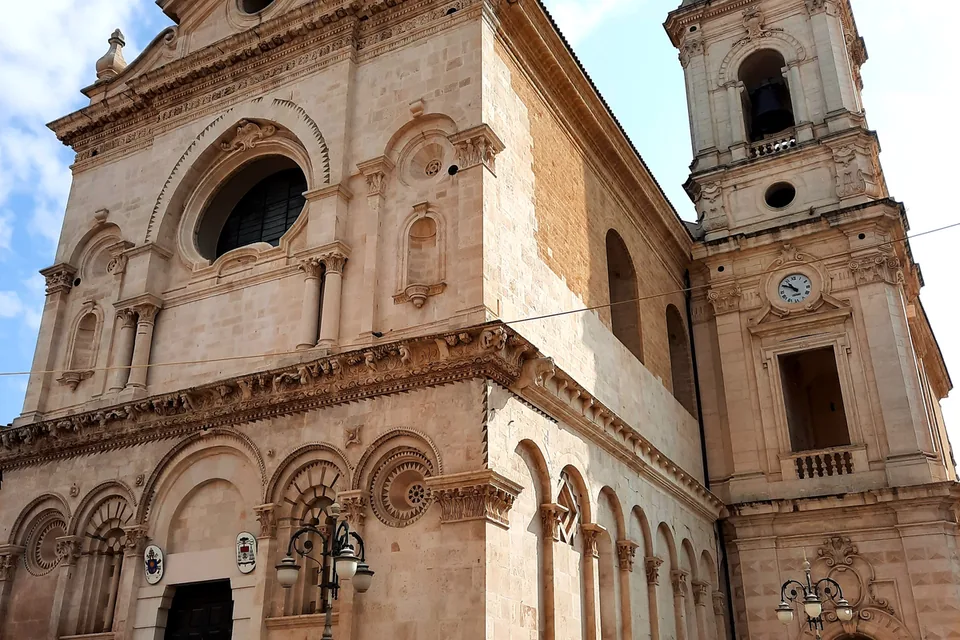
Foggia
The capital of the Capitanata: the Romanesque cathedral with the Iconavetere, the arch of Frederick II’s palace and the Museo civico with the tombs of Arpi, Piazza Cavour, the Teatro Giordano of 1828, pancotto and the Bosco dell’Incoronata.
Read the guide →Photo: Nick Borisenko / Wikimedia Commons — CC BY-SA 4.0 · Resized and converted to WebP.

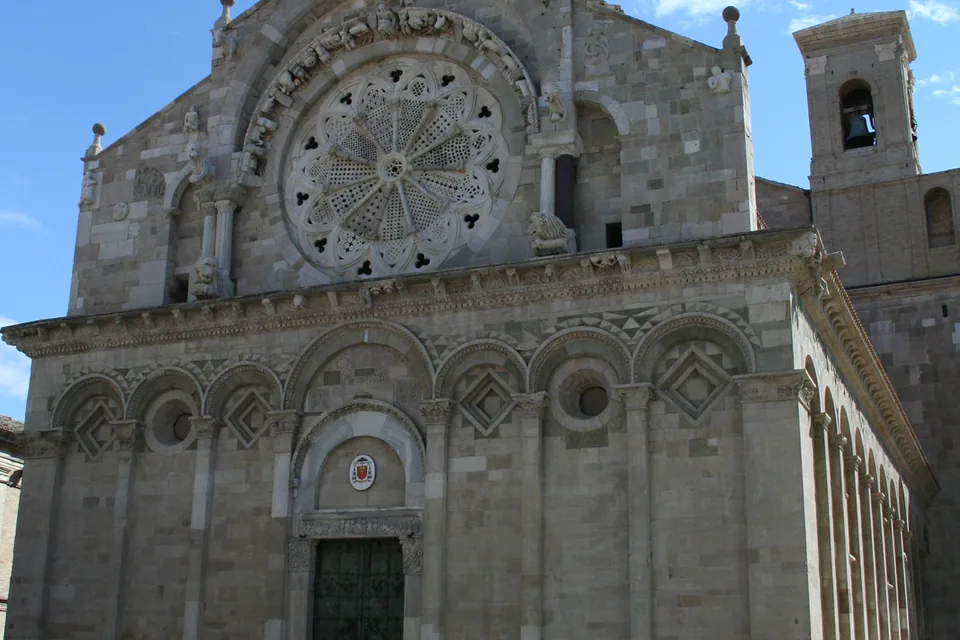
Troia
Troia (FG), Puglia: 6,574 residents, 168.25 km². The official facts of the municipality, its town council website and its registered accommodation. The Romanesque cathedral with its eleven-column rose window and the bronze doors by Oderisio da Benevento, the Exultet scrolls, the July feast of the Patron Saints and the wines of the “Tavoliere” and “Cacc’e mmitte di Lucera” DOCs.
Read the guide →Photo: Barambani / Wikimedia Commons — CC BY-SA 3.0 · Resized and converted to WebP.

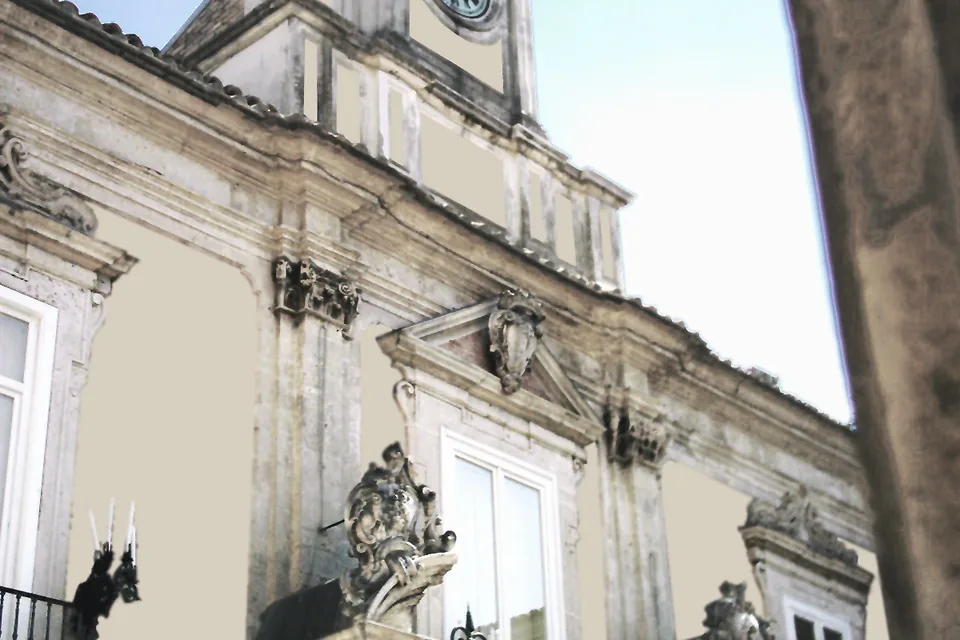
San Severo
San Severo (FG), Puglia: 49,136 residents, 336.30 km². The official facts of the municipality, its town council website and its registered accommodation.
Read the guide →Photo: Autore su Wikimedia Commons / Wikimedia Commons — CC BY-SA 3.0 · Resized and converted to WebP.

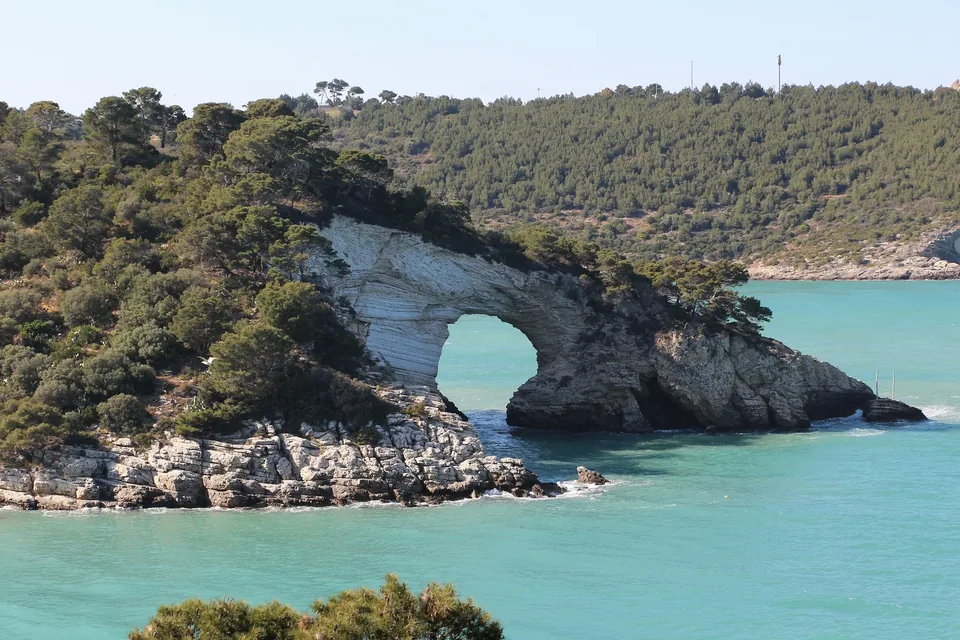
Gargano
Gargano: villages, woodland and coast. Beech woods, lagoons and white villages in the national park, the Archangel’s mountain and Ogliarola olives.
Read the guide →Photo: Bernard Gagnon / Wikimedia Commons — CC0 · Resized and converted to WebP.

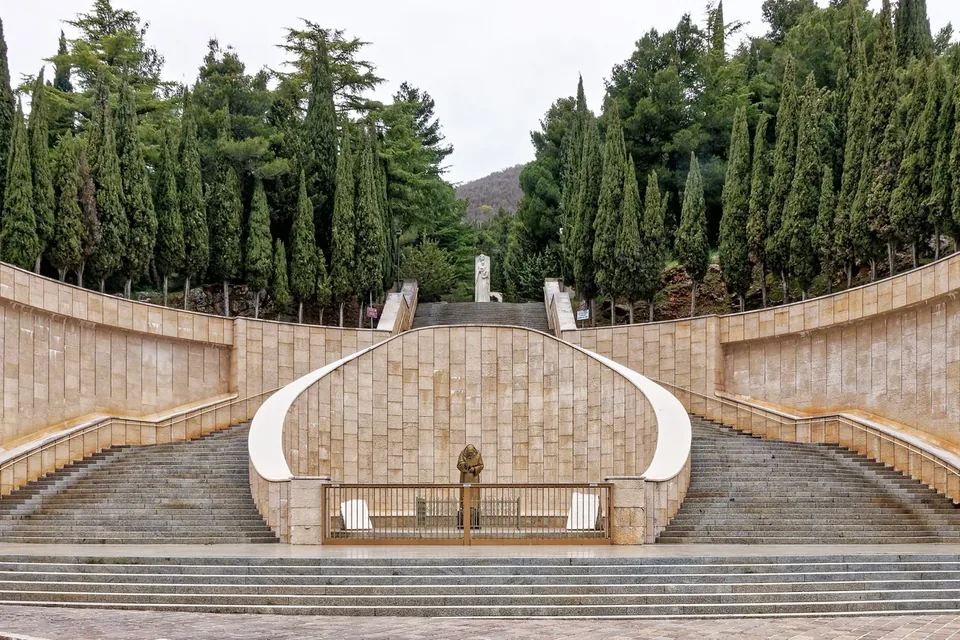
San Giovanni Rotondo
San Giovanni Rotondo: pilgrimage and town. Padre Pio’s pilgrimage centre in the heart of the Gargano, below Monte Calvo, and a town walled in the 1300s.
Read the guide →Photo: Holger Uwe Schmitt / Wikimedia Commons — CC BY-SA 4.0 · Resized and converted to WebP.

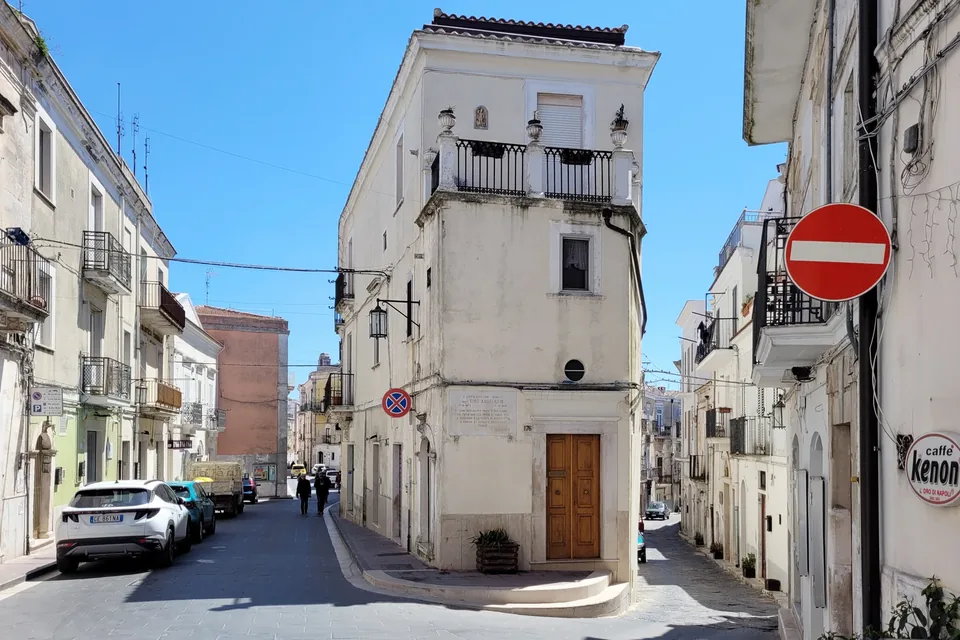
Monte Sant’Angelo
Monte Sant’Angelo: the cave and Junno quarter. The Archangel Michael’s cave sanctuary on the Via Francigena, a cult spread by the Lombards and a round loaf.
Read the guide →Photo: Bernard Gagnon / Wikimedia Commons — CC0 · Resized and converted to WebP.

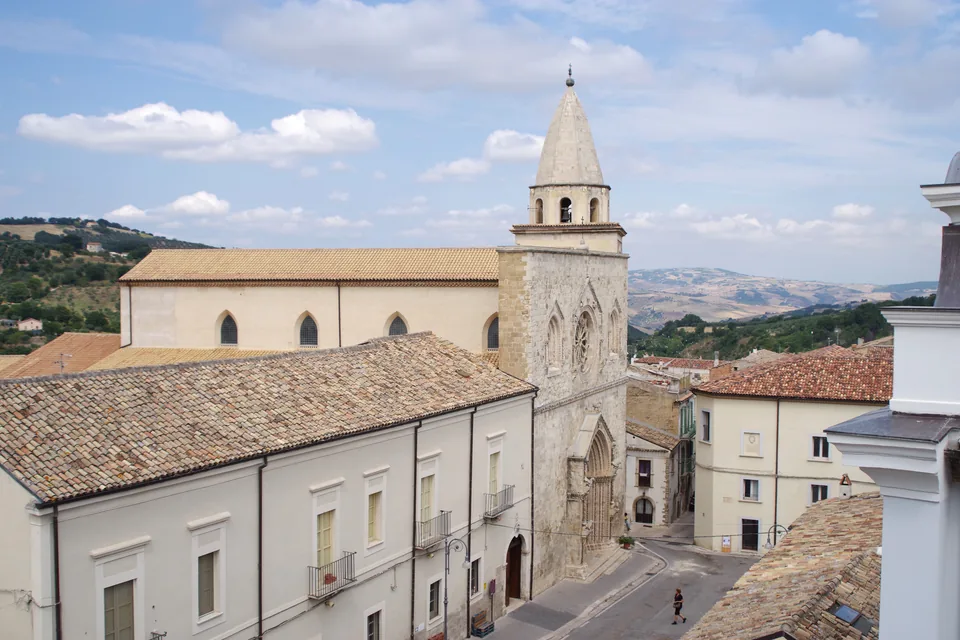
Larino
Larino (CB), Molise: 6,281 residents, 88.77 km². The official facts of the municipality, its town council website and its registered accommodation. The cathedral of 1319 with its rose window, the Roman amphitheatre of Larinum, the Diocesan Museum, the feast of San Pardo with its flower-covered carts drawn by oxen and the “Molise” PDO oil from the Gentile di Larino olive.
Read the guide →Photo: Termauri / Wikimedia Commons — CC BY-SA 4.0 · Resized and converted to WebP.
