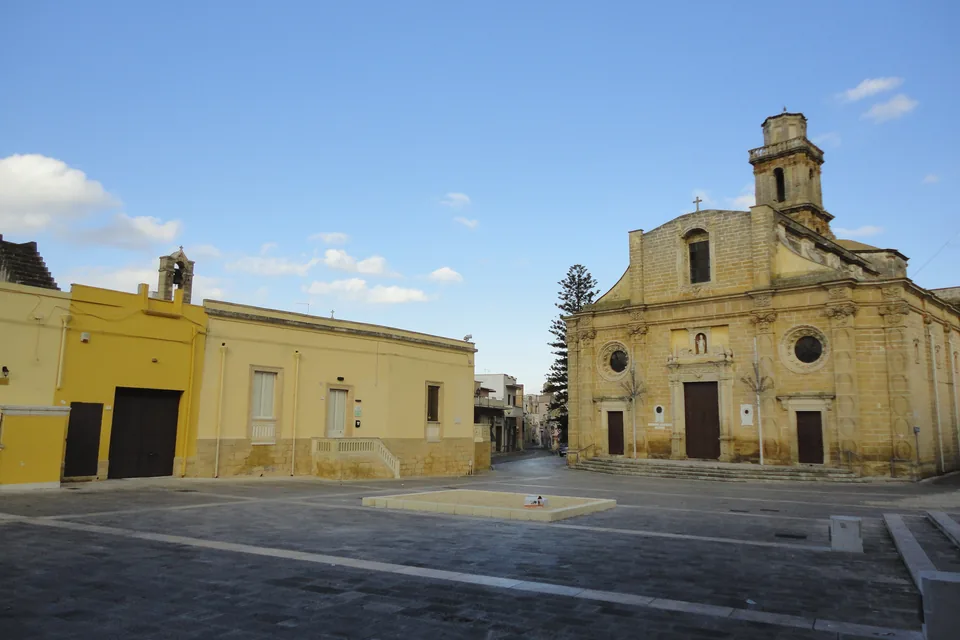
Squinzano (LE), Puglia: 13,320 residents, 31.16 km². The official facts of the municipality, its town council website and its registered accommodation. The “Squinzano” DOC wine made mainly from Negroamaro, the town band founded in 1876, the mother church of San Nicola, the sanctuary of the Madonna del Garofano and the seaside village of Casalabate.
Read the guide →Photo: Lupiae / Wikimedia Commons — CC BY-SA 3.0 · Resized and converted to WebP.
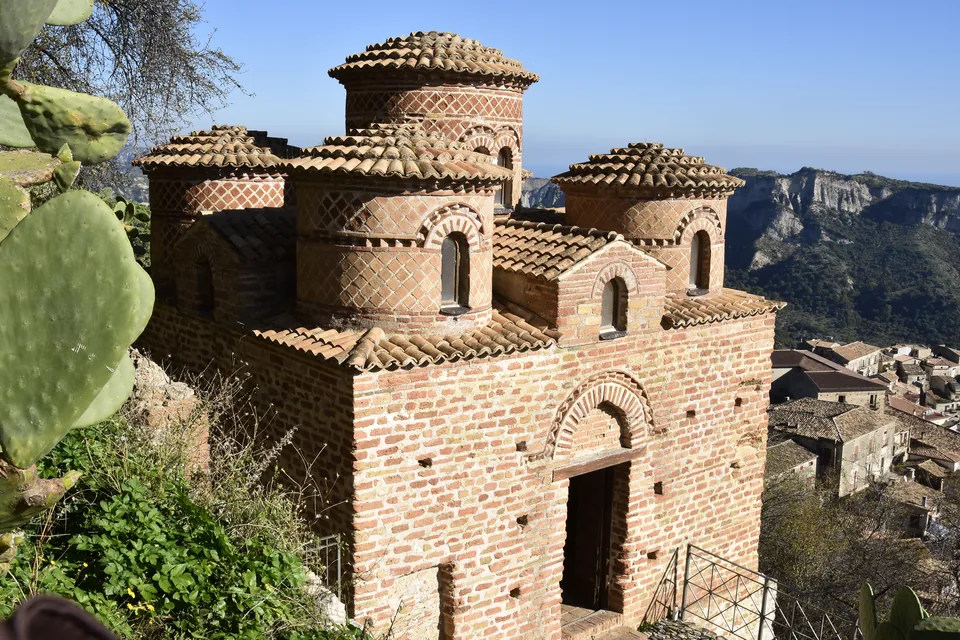
Stilo (RC), Calabria: 2,306 residents, 78.11 km². The official facts of the municipality, its town council website and its registered accommodation. The Byzantine Cattolica on Monte Consolino, the Norman castle, the birthplace of Tommaso Campanella, the Palio di Ribusa, the “Bivongi” DOC wine and the Ferdinandea in the Serre park.
Read the guide →Photo: Bearbil2 / Wikimedia Commons — CC BY-SA 4.0 · Resized and converted to WebP.
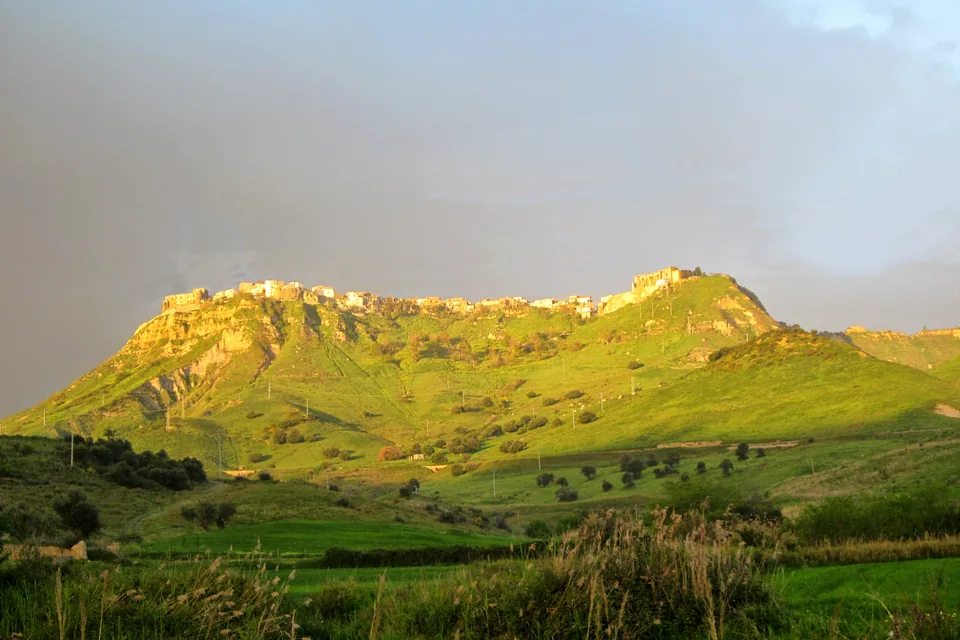
Strongoli (KR), Calabria: 6,145 residents, 85.58 km². The official facts of the municipality, its town council website and its registered accommodation. The castle on the hill, ancient Petelia, the Val di Neto and Melissa DOC wines, the Isola Capo Rizzuto fennel PGI and the Ceraudo estate with the Dattilo restaurant.
Read the guide →Photo: Maarten Sepp / Wikimedia Commons — CC BY-SA 3.0 · Resized and converted to WebP.
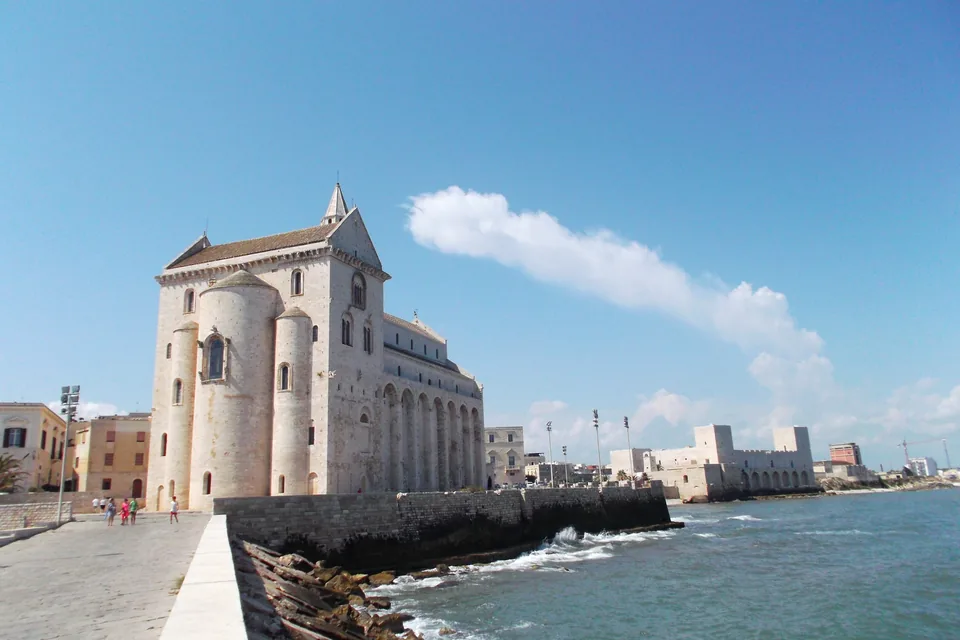
Cathedral, castle and Jewish heritage for a coastal ending with cultural depth. The Romanesque cathedral on the sea with Barisano’s bronze door, Frederick II’s castle of 1233, the two medieval synagogues of the Giudecca, the harbour and the monastery of Colonna on its peninsula.
Read the guide →Photo: Termauri / Wikimedia Commons — CC BY-SA 4.0 · Resized and converted to WebP.
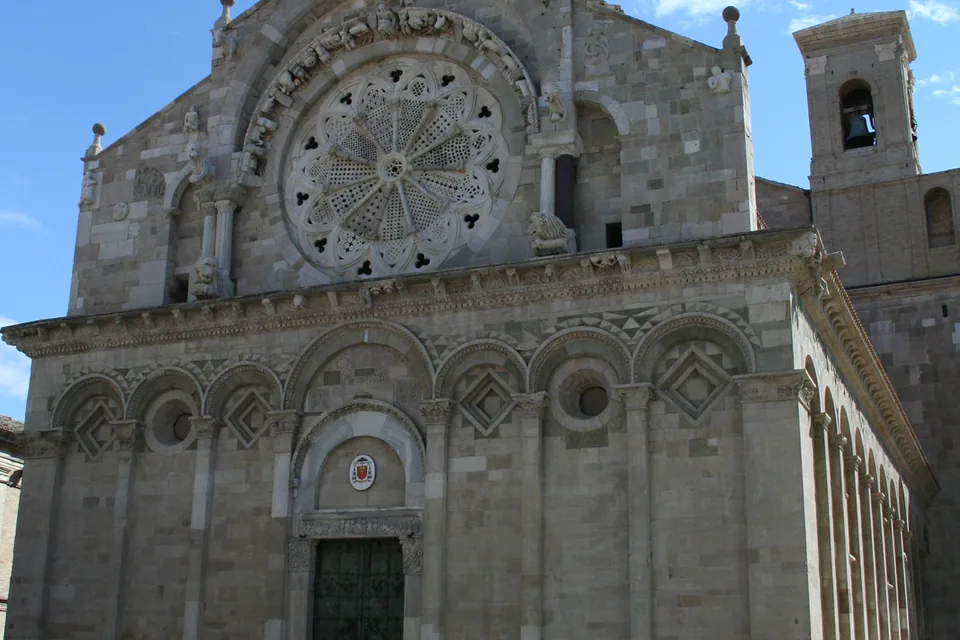
Troia (FG), Puglia: 6,574 residents, 168.25 km². The official facts of the municipality, its town council website and its registered accommodation. The Romanesque cathedral with its eleven-column rose window and the bronze doors by Oderisio da Benevento, the Exultet scrolls, the July feast of the Patron Saints and the wines of the “Tavoliere” and “Cacc’e mmitte di Lucera” DOCs.
Read the guide →Photo: Barambani / Wikimedia Commons — CC BY-SA 3.0 · Resized and converted to WebP.
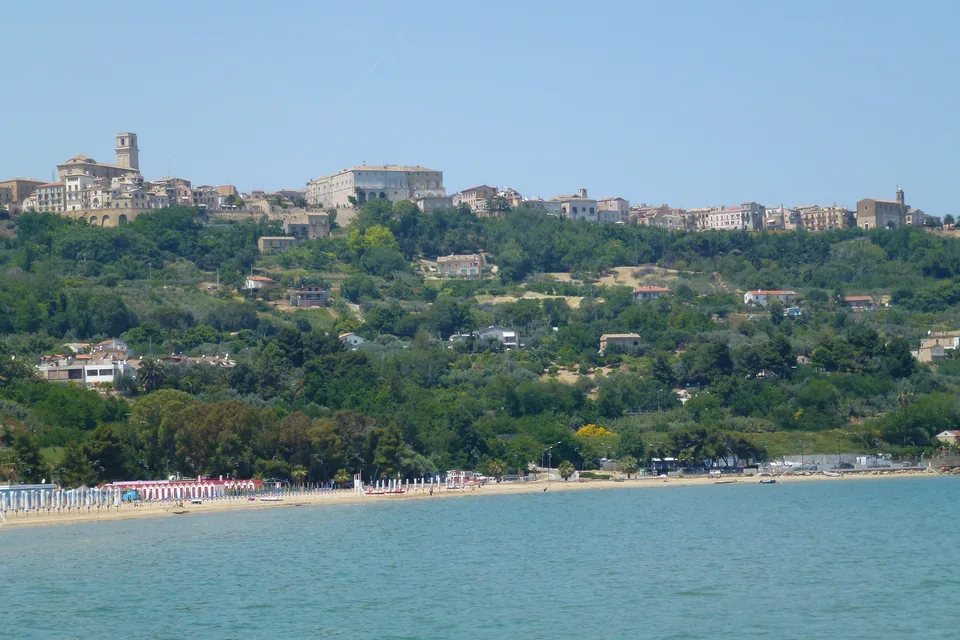
Vasto (CH), Abruzzo: 40,861 residents, 71.37 km². The official facts of the municipality, its town council website and its registered accommodation. Palazzo d’Avalos with the civic museums and the Neapolitan garden, the Caldoresco Castle, the Roman baths, Vasto Marina and the Punta Aderci nature reserve, the “Colline Teatine” PDO olive oil with the “Vastese” mention and the feast of San Michele.
Read the guide →Photo: maury3001 / Wikimedia Commons — CC BY 3.0 · Resized and converted to WebP.
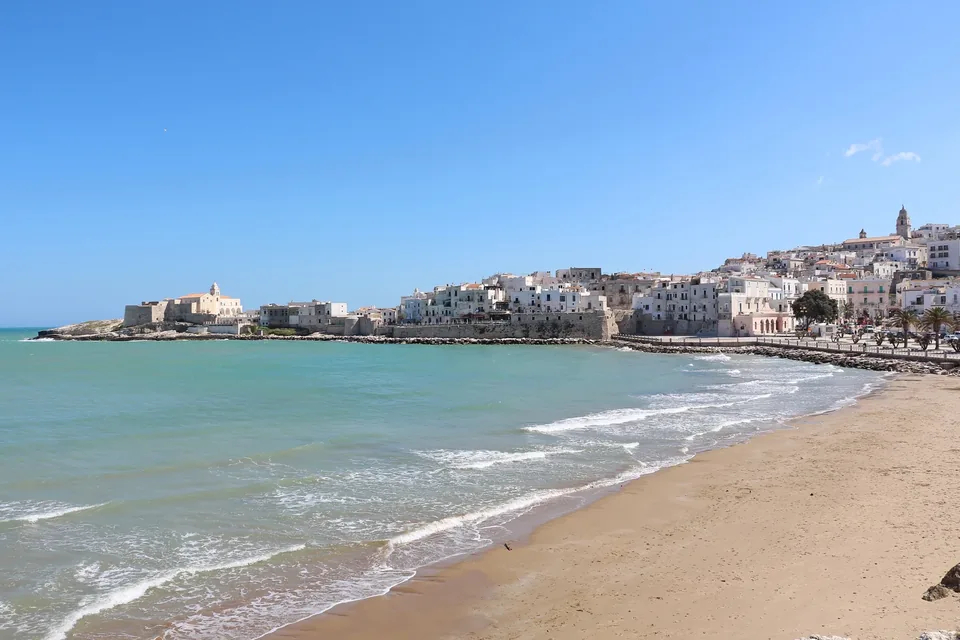
Vieste: old lanes and fishing structures. An old town on a rocky spur above the sea, its castle and cathedral, the Petrone viewpoint and trabucchi. The guide also covers the La Salata necropolis, the Sant’Eufemia lighthouse, the Petrone Museum with finds from the Defensola flint mine and the Pilgrims’ Way to Monte Sant’Angelo.
Read the guide →Photo: Bernard Gagnon / Wikimedia Commons — CC0 · Resized and converted to WebP.
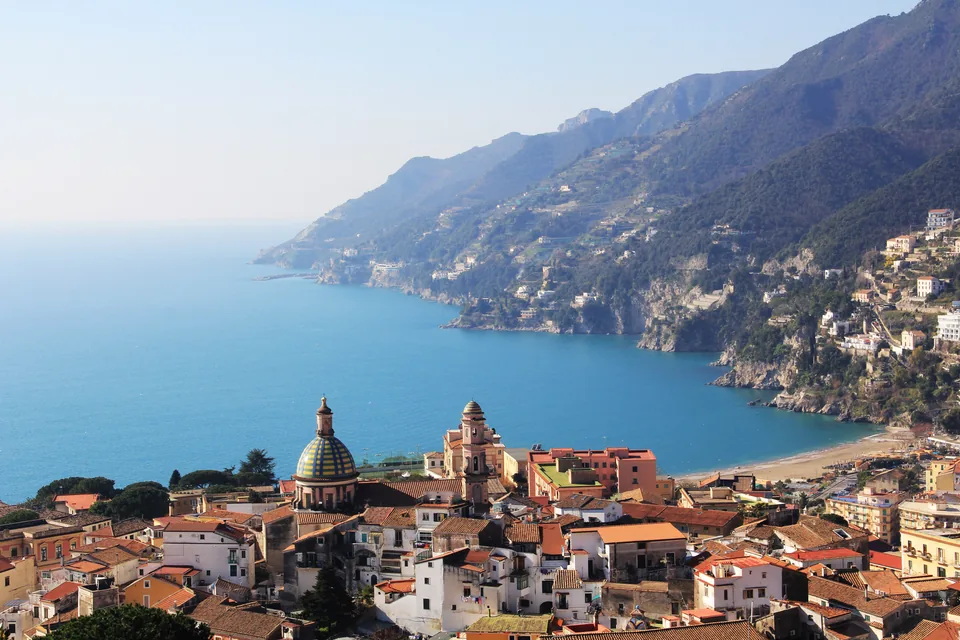
Vietri sul Mare (SA), Campania: 6,962 residents, 9.53 km². The official facts of the municipality, its town council website and its registered accommodation. Vietri ceramics, from the old faenzere workshops to today’s shops, the cathedral with its majolica dome, the Ceramics Museum at Villa Guariglia, Paolo Soleri’s Solimene factory, the Limone Costa d’Amalfi PGI lemon and the beaches of the Marina.
Read the guide →Photo: Anila amataj / Wikimedia Commons — CC BY-SA 4.0 · Resized and converted to WebP.
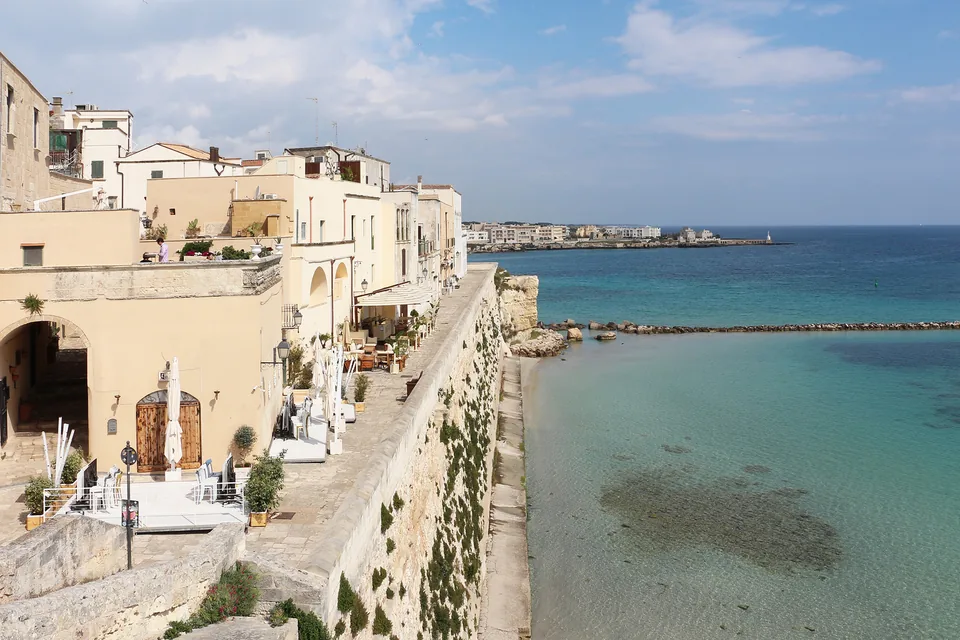
The cathedral, Adriatic landscape and time to explore the historic centre. Inside and around the walls: Pantaleone’s mosaic of 1163-1165, the crypt with its forty-two columns, the Byzantine church of San Pietro, the Aragonese castle of Walpole’s novel, the Punta Palascìa lighthouse and the Grotta dei Cervi at Porto Badisco.
Read the guide →Photo: Bernard Gagnon / Wikimedia Commons — CC0 · Resized and converted to WebP.
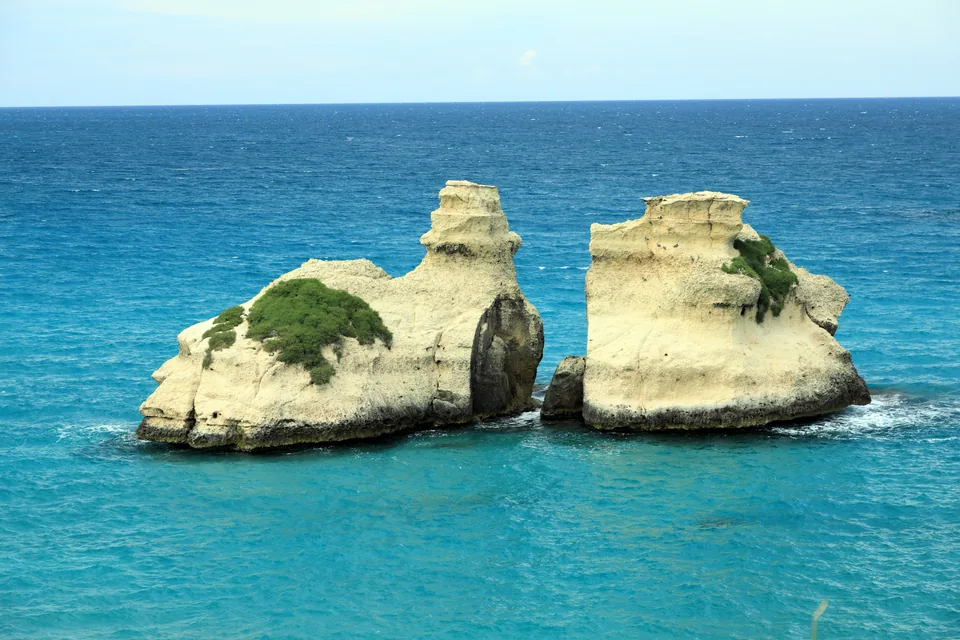
Sea stacks, pine woodland and a contrast with Melendugno’s inland villages. The bay holds the 2026 Blue Flag: to the north stands the 1568 coastal tower that gave it its name, at the other end the cave of San Cristoforo, a seaside sanctuary from the fourth century BC, and the Two Sisters sea stacks.
Read the guide →Photo: Falk2 / Wikimedia Commons — CC BY-SA 4.0 · Resized and converted to WebP.
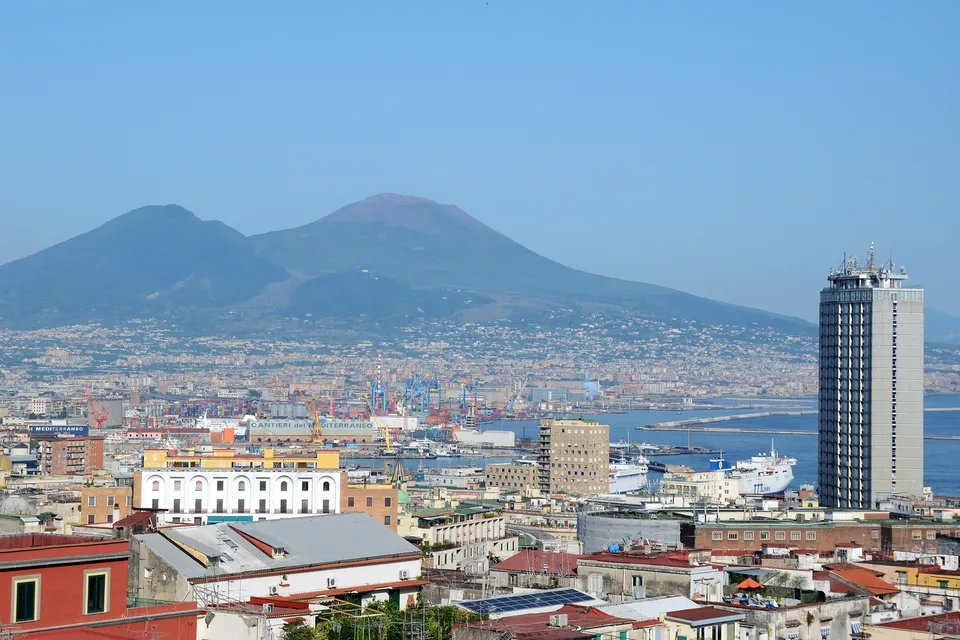
Naples (NA), capital of Campania: 909,013 residents, 119.24 km². The UNESCO-listed historic centre, the museums, the San Carlo, pizza as UNESCO heritage, San Gennaro and, nearby, Vesuvius, Pompeii and the islands.
Read the guide →Photo: Livioandronico2013 / Wikimedia Commons — CC BY-SA 4.0 · Resized and converted to WebP.
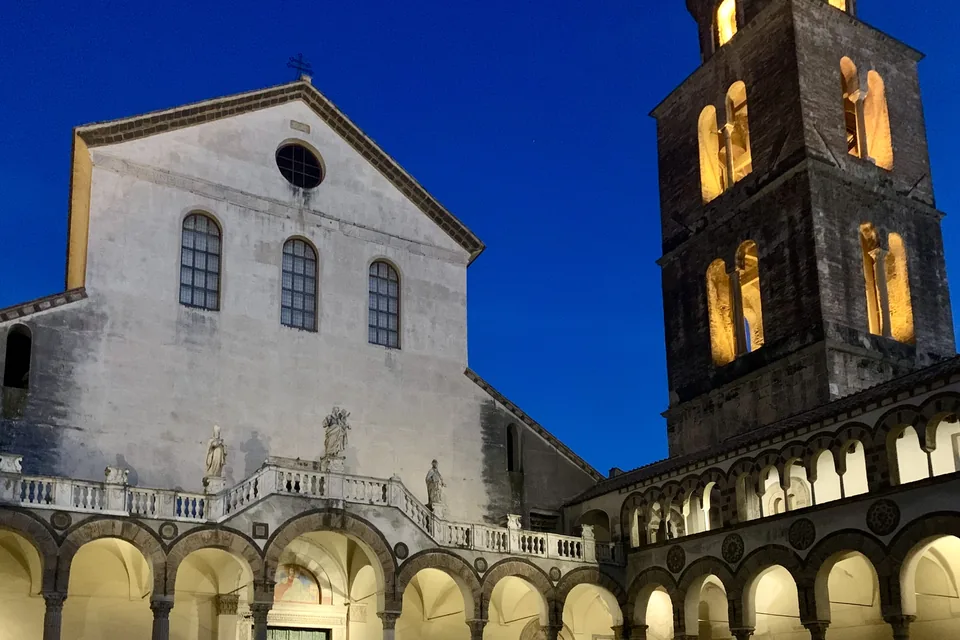
The provincial capital on the gulf between the Amalfi Coast and Paestum: the Norman cathedral, Arechi castle, the Minerva Garden, the Teatro Verdi, the seafront, Saint Matthew and the winter Luci d’Artista.
Read the guide →Photo: Emanuele Oliveto / Wikimedia Commons — CC BY-SA 4.0 · Resized and converted to WebP.
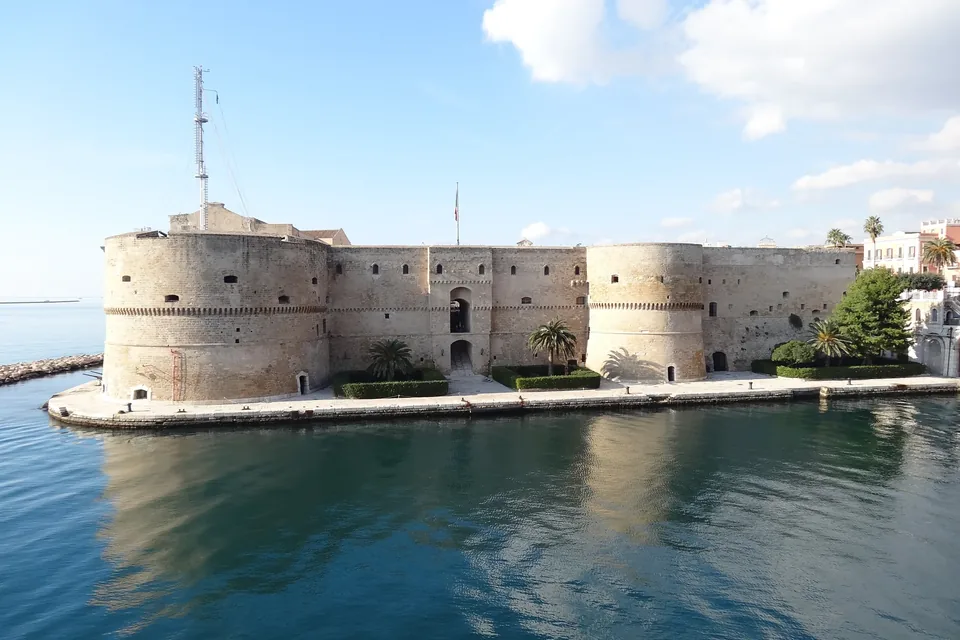
Taranto: two seas and archaeology. The Mar Grande and Mar Piccolo, a polis founded by Spartan colonists, the MArTA museum and Taranto’s mussels.
Read the guide →Photo: Livioandronico2013 / Wikimedia Commons — CC BY-SA 3.0 · Resized and converted to WebP.
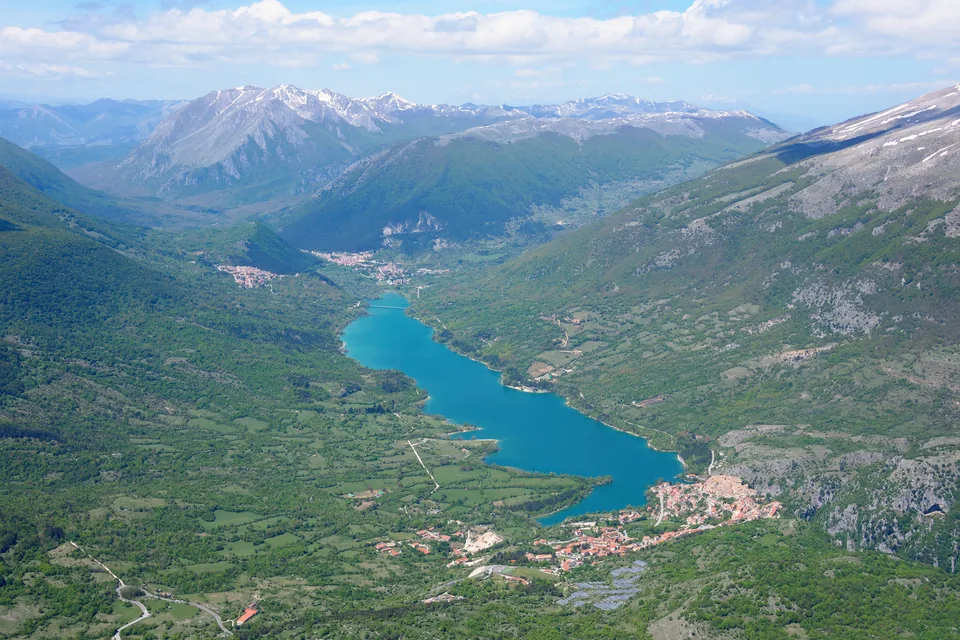
The historic Park of the central Apennines: valley villages, wildlife museums and the forests of the Marsican bear.
Read the guide →Photo: Carsten Steger / Wikimedia Commons — CC BY-SA 4.0 · Resized and converted to WebP.
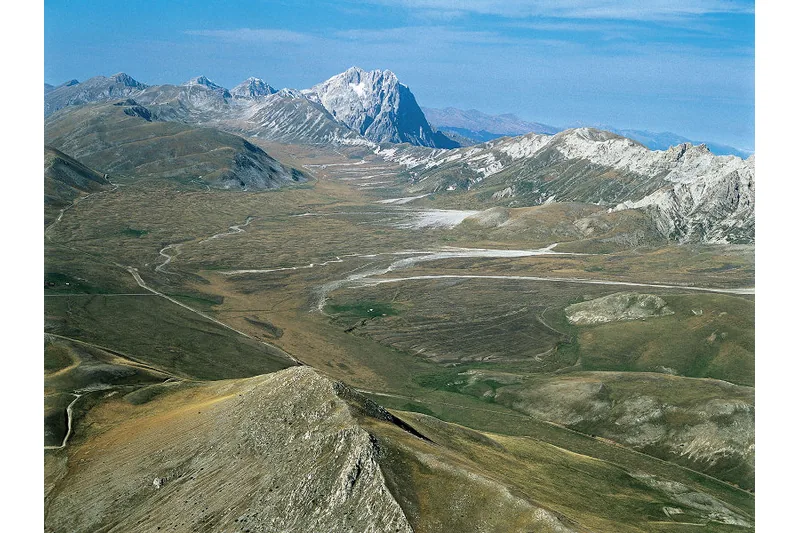
The park of Corno Grande and Campo Imperatore: three mountain groups, 44 municipalities, stone villages, Laga forests and the food of transhumance.
Read the guide →Photo: Ente Parco Nazionale del Gran Sasso e Monti della Laga · Resized and converted to WebP.
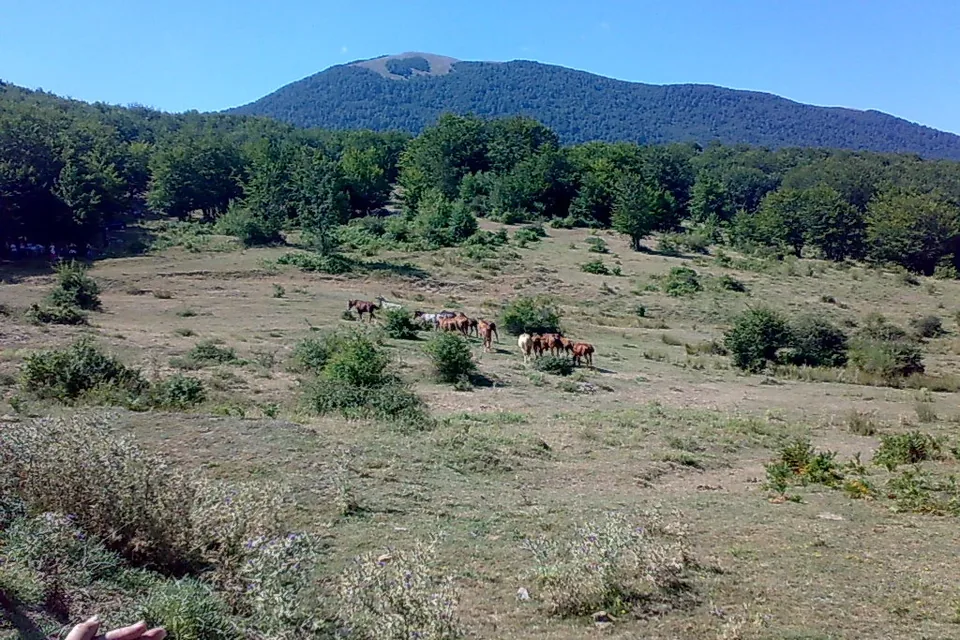
A mountain landscape shared by Calabria and Basilicata, explored through walks, villages and a considered pace.
Read the guide →Photo: Gianni Lupindo / Wikimedia Commons — CC BY-SA 3.0 · Resized and converted to WebP.
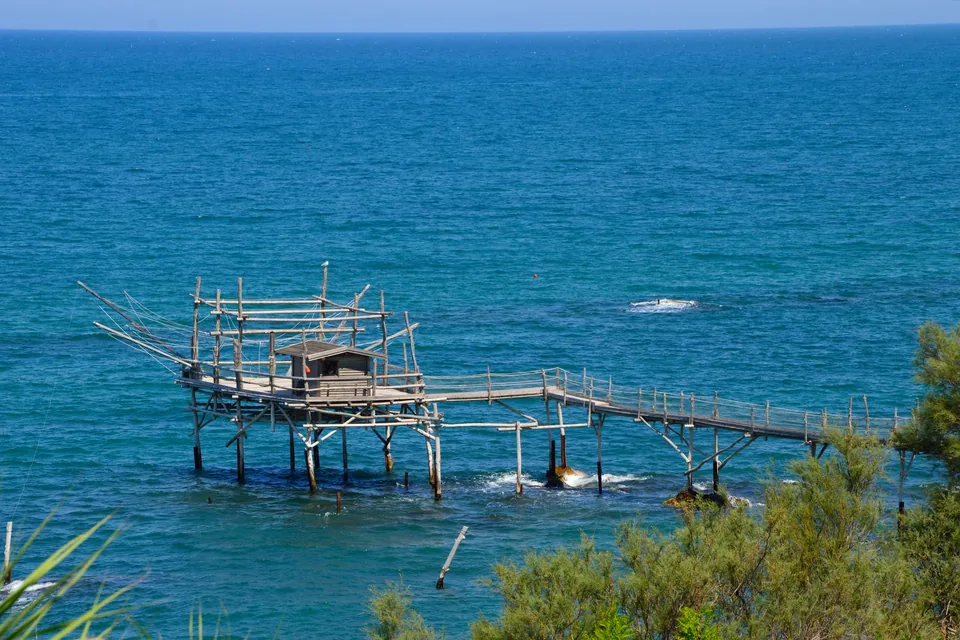
The Chieti coastline between Ortona and Vasto, with some thirty wooden trabocchi and the hermitage where D’Annunzio stayed.
Read the guide →Photo: Francesca Piersanti / Wikimedia Commons — CC BY-SA 4.0 · Resized and converted to WebP.
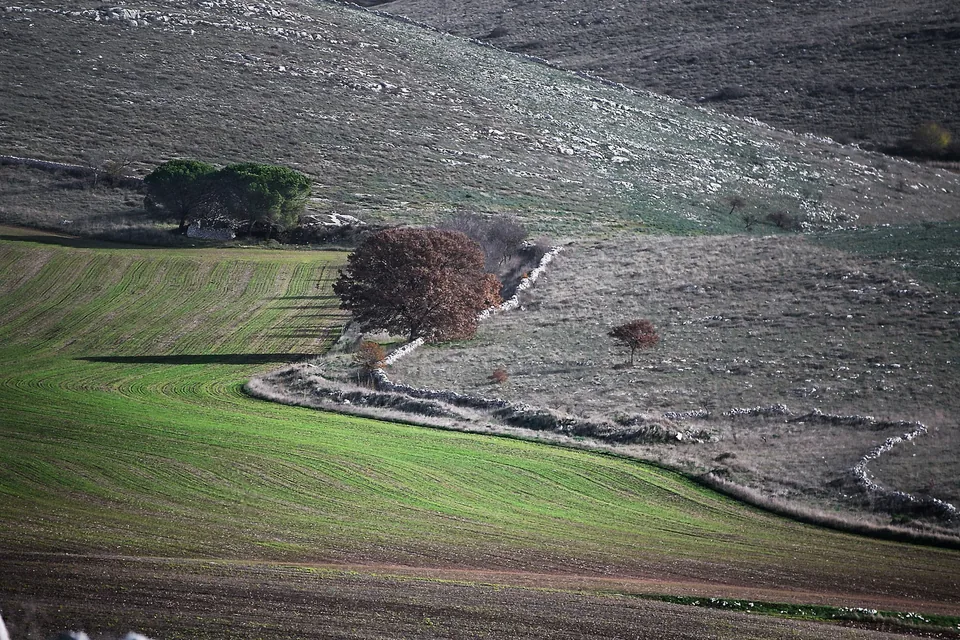
Stone, pasture and farming to explore the landscape beyond the towns. A national park of Mediterranean steppe, durum-wheat bread and cardoncello mushrooms.
Read the guide →Photo: Acquario51 / Wikimedia Commons — CC BY-SA 4.0 · Resized and converted to WebP.
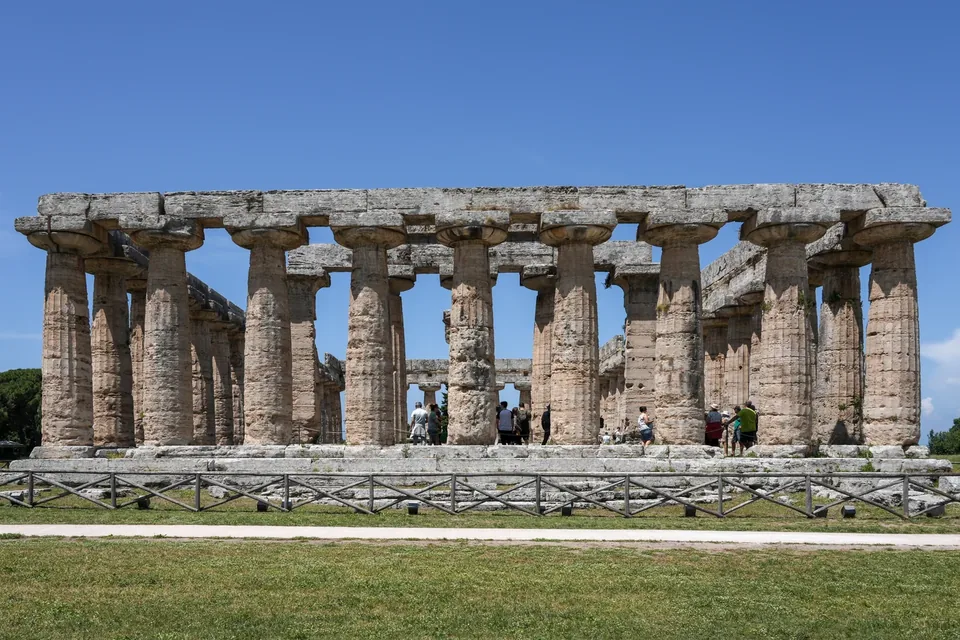
The Cilento, Vallo di Diano and Alburni National Park: coastline, karst mountains, Paestum, Velia and the Padula Charterhouse.
Read the guide →Photo: PaestumPaestum / Wikimedia Commons — CC BY-SA 4.0 · Resized and converted to WebP.
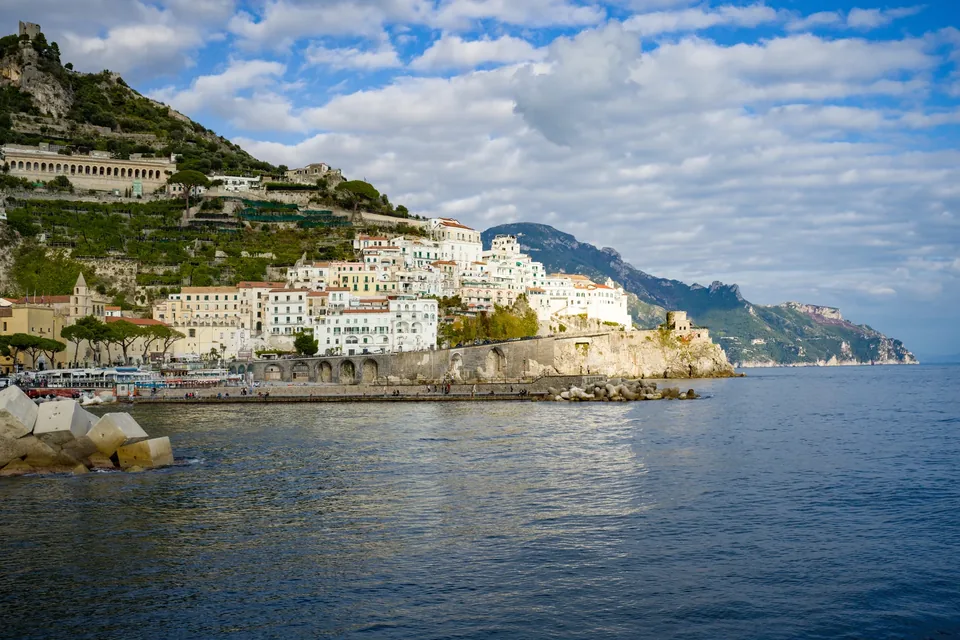
The UNESCO cultural landscape between Positano and Vietri sul Mare: citrus terraces, footpaths, inland valleys and the history of a maritime republic.
Read the guide →Photo: Wolfgang Moroder / Wikimedia Commons — CC BY-SA 3.0 · Resized and converted to WebP.
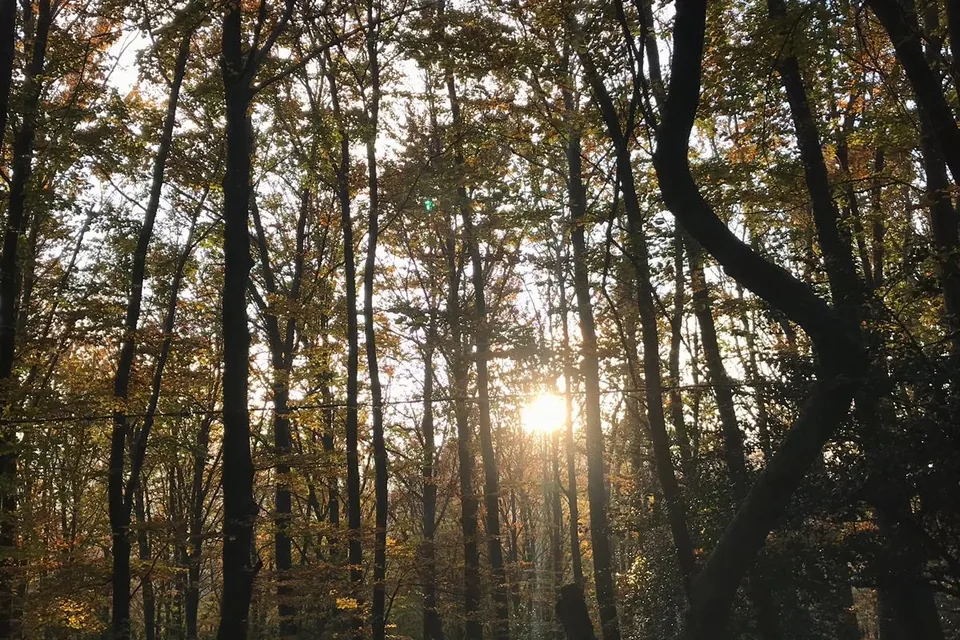
Foresta Umbra: Gargano beneath the beech trees. About 10,500 hectares of forest in the national park, with ancient beech woods on the UNESCO list since 2017.
Read the guide →Photo: Francesca Lenoci / Wikimedia Commons — CC BY-SA 4.0 · Resized and converted to WebP.
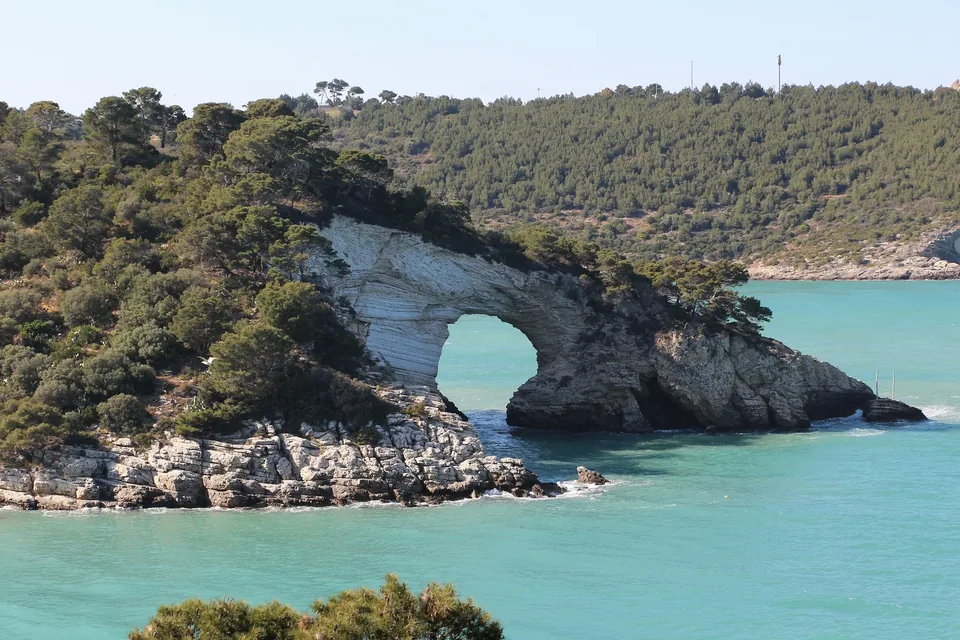
Gargano: villages, woodland and coast. Beech woods, lagoons and white villages in the national park, the Archangel’s mountain and Ogliarola olives.
Read the guide →Photo: Bernard Gagnon / Wikimedia Commons — CC0 · Resized and converted to WebP.
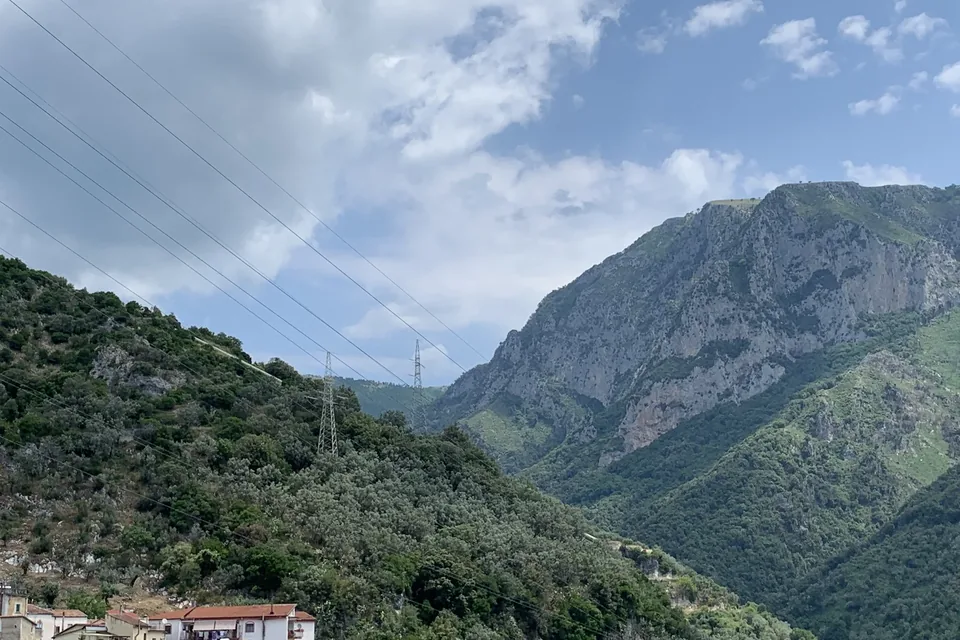
A regional park of beech woods, springs and hill villages, with Giffoni Valle Piana and its film festival for young people.
Read the guide →Photo: Csal1933 / Wikimedia Commons — CC BY-SA 4.0 · Resized and converted to WebP.
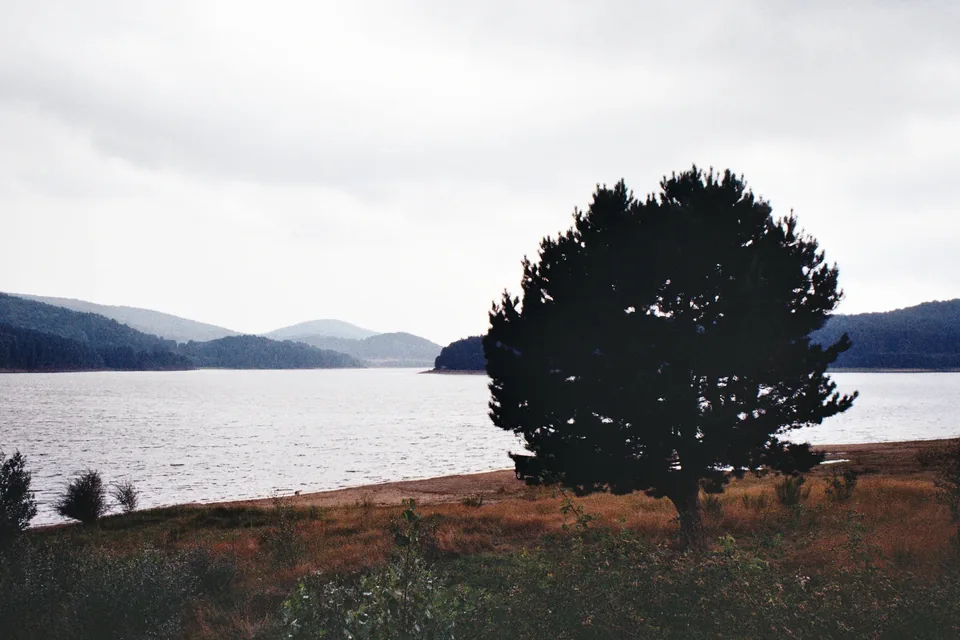
Sila National Park: a plateau of forests, lakes and pastures between Cosenza, Catanzaro and Crotone, and a UNESCO biosphere reserve.
Read the guide →Photo: Ugo Leonetti / Wikimedia Commons — CC BY-SA 4.0 · Resized and converted to WebP.
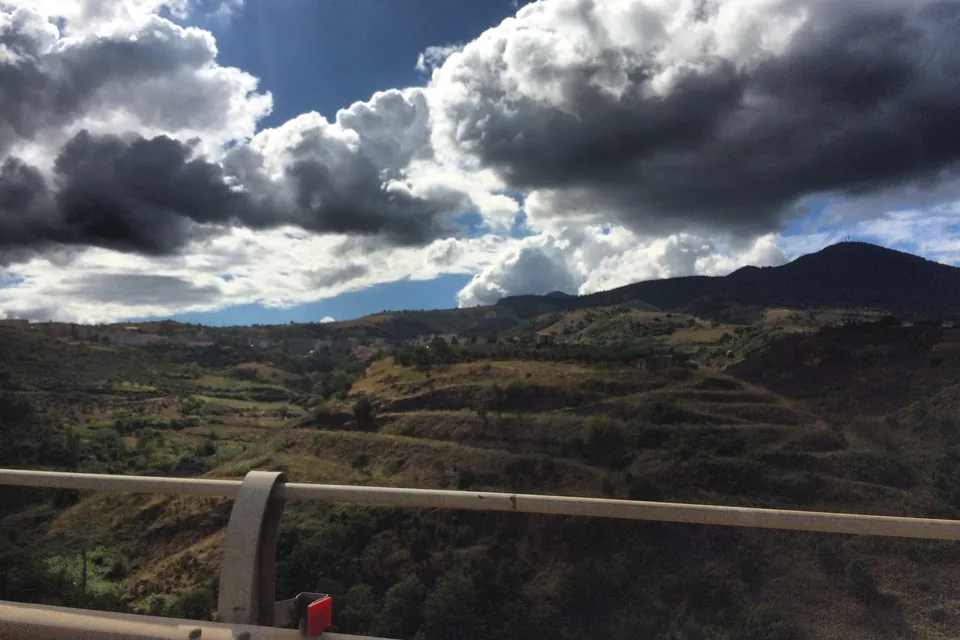
Monticchio lakes, Rionero and wine culture: explore Vulture beyond a single tasting.
Read the guide →Photo: Gianmarco Tirico / Wikimedia Commons — CC BY-SA 4.0 · Resized and converted to WebP.
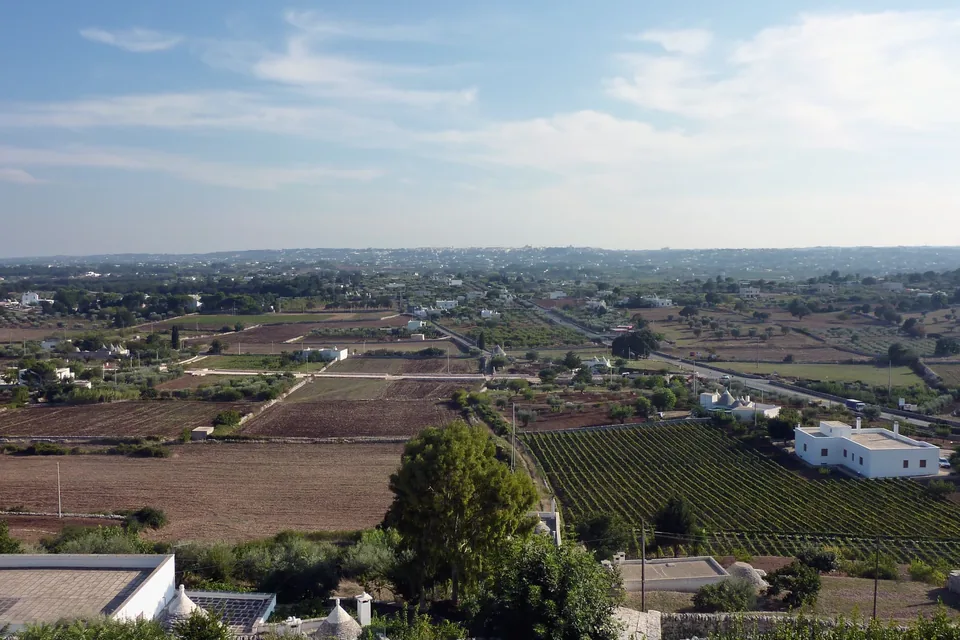
Rural architecture, towns and food as parts of the same journey. Trulli across the countryside, Locorotondo, Cisternino, Martina Franca and Slow Food capocollo.
Read the guide →Photo: Adbar / Wikimedia Commons — CC BY-SA 3.0 · Resized and converted to WebP.



