

Why go
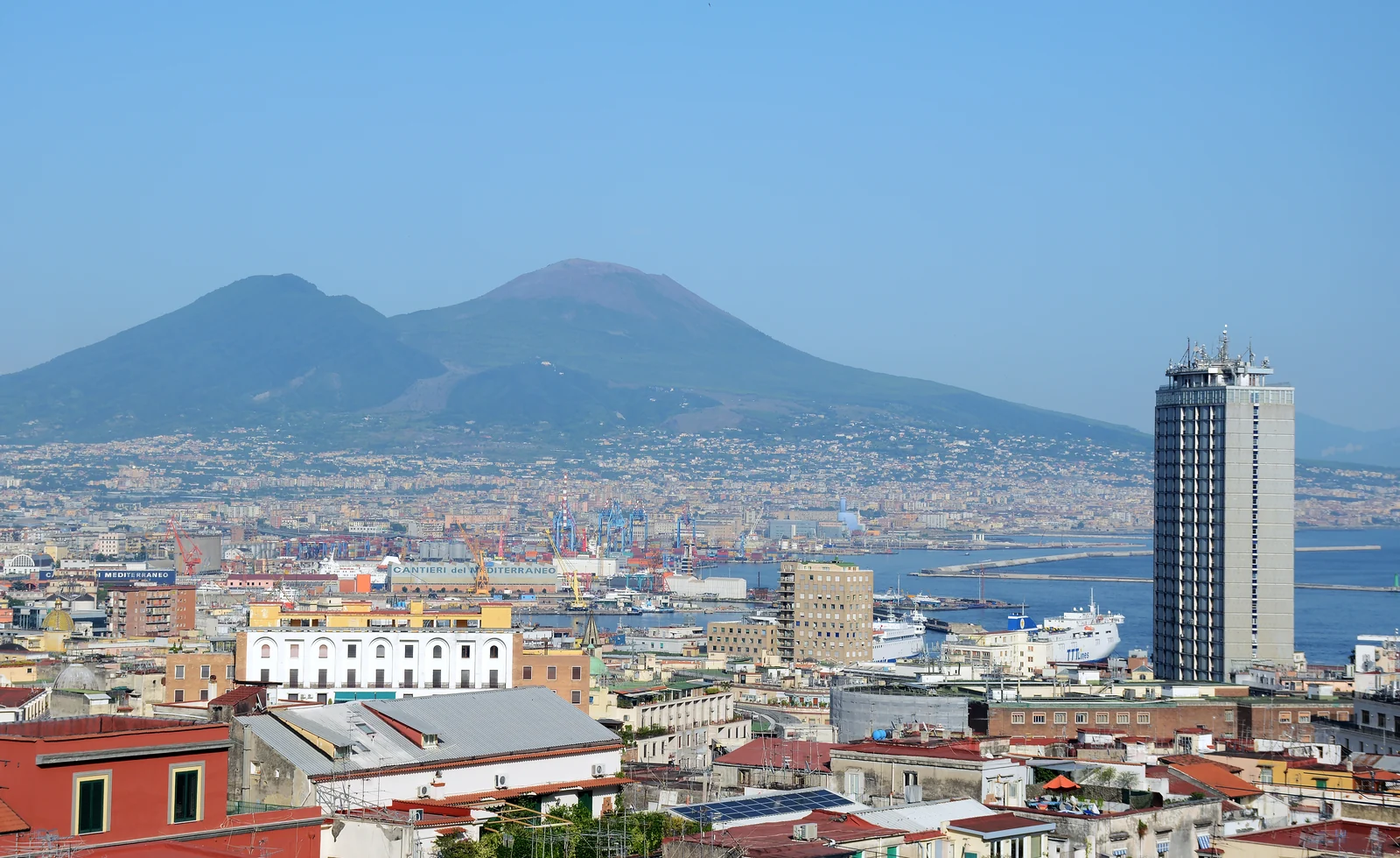
Naples is the capital of Campania and one of the cities the world recognises at first glance: the gulf opening towards Capri, Ischia and Procida, Vesuvius closing the horizon, and a historic centre that UNESCO inscribed on the World Heritage List in 1995. Here history is not kept in a museum district: the streets laid out by the Greeks are still the streets where people walk, work and eat, and the city holds three UNESCO recognitions — the historic centre, the art of the Neapolitan pizzaiuolo, and the Fondo Apodissario of the Neapolitan public banks (1573-1809). People come to Naples for its museums, among them the National Archaeological Museum and the Capodimonte palace; for the Veiled Christ in the Sansevero Chapel; for the Teatro di San Carlo, founded by Charles of Bourbon and opened in 1737; for the castles along the shore, from Castel dell’Ovo to the Maschio Angioino; for the nativity-scene workshops of San Gregorio Armeno, open all year round. And they come for the table: pizza, of which Naples is the capital, sfogliatella, babà, pastiera and coffee. Naples is also the natural starting point for everything around the gulf: the excavations of Pompeii and Herculaneum, the crater of Vesuvius, the islands and the Sorrento peninsula. For the 2,500 years since the founding of Neapolis the Council of Ministers set up the national committee “Neapolis 2500”.
Naples is also a city of learning and of music. Here in 1224 Frederick II founded the Studium, which the university now named after the emperor describes as the oldest state university in the world, because it was founded by a lay public authority; and here the San Pietro a Majella Conservatory, declared royal in 1807, carries on the legacy of the conservatories founded between 1537 and 1583 as institutions for needy and abandoned children, later specialised in musical training. The sea comes into the city: at Posillipo the Gaiola Underwater Park keeps, above and below the water, the remains of Roman villas, among them the Pausilypon, the «place where sorrows end».
Sources: Italia.it (Ministero del Turismo) — Napoli · Italia.it (Ministero del Turismo) — Napoli, guida, storia e curiosità · Italia.it (Ministero del Turismo) — Il centro storico di Napoli patrimonio UNESCO · Commissione Nazionale Italiana per l’UNESCO — «Neapolis 2500»: al via il Comitato nazionale · UNESCO, Intangible Cultural Heritage — Art of Neapolitan ‘Pizzaiuolo’ (12.COM, 2017) · Italia.it (Ministero del Turismo) — Teatro San Carlo · Italia.it (Ministero del Turismo) — San Gregorio Armeno · Italia.it (Ministero del Turismo) — Napoli capitale mondiale della pizza · Italia.it (Ministero del Turismo) — Capri, Procida e Ischia, le isole del golfo · Italia.it (Ministero del Turismo) — Pompei, Ercolano e Torre Annunziata · Università degli Studi di Napoli Federico II — Cenni storici · Conservatorio di Musica San Pietro a Majella — Storia · Area Marina Protetta Parco Sommerso di Gaiola
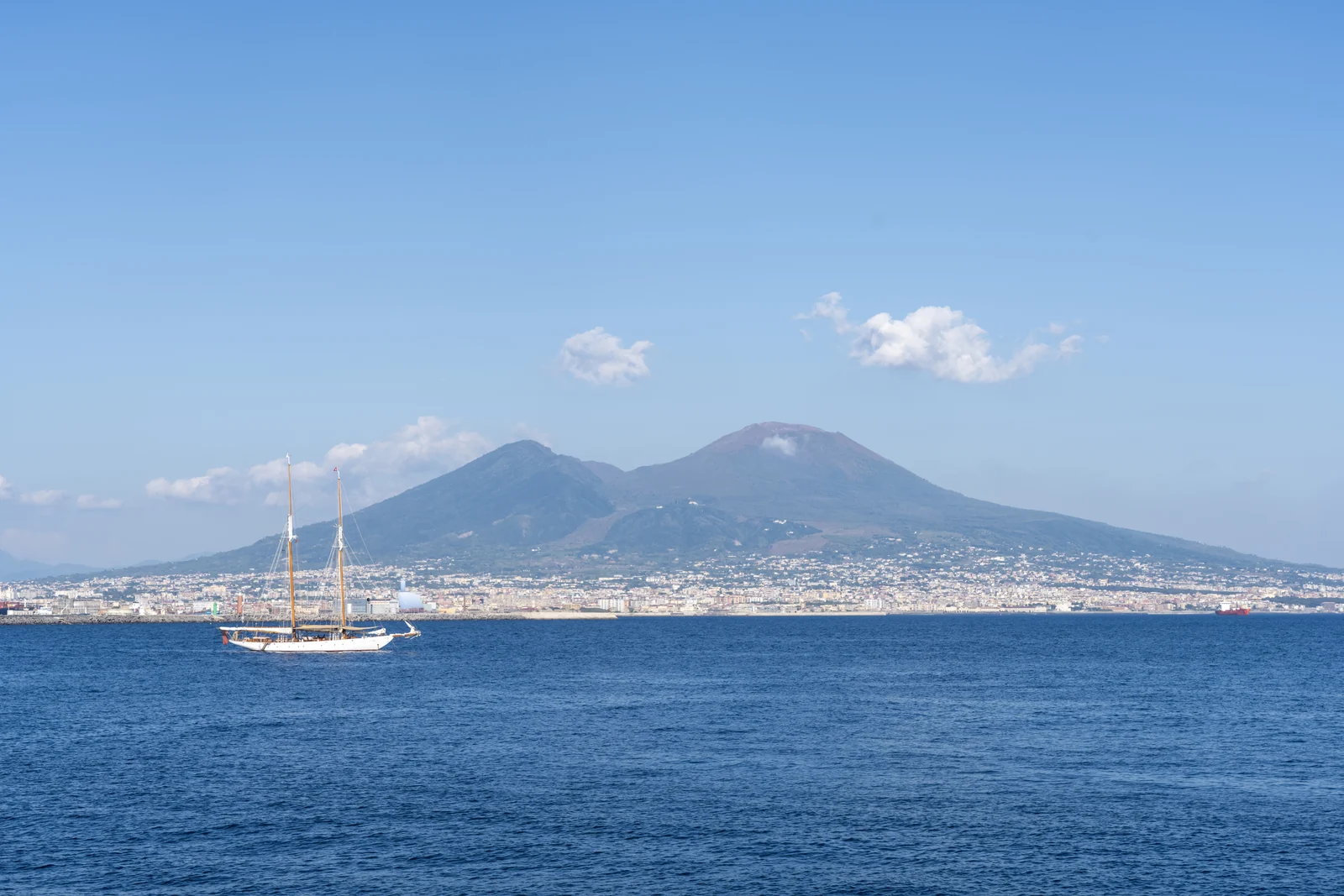
Photo: PaestumPaestum / Wikimedia Commons — CC BY-SA 4.0 · Resized and converted to WebP.
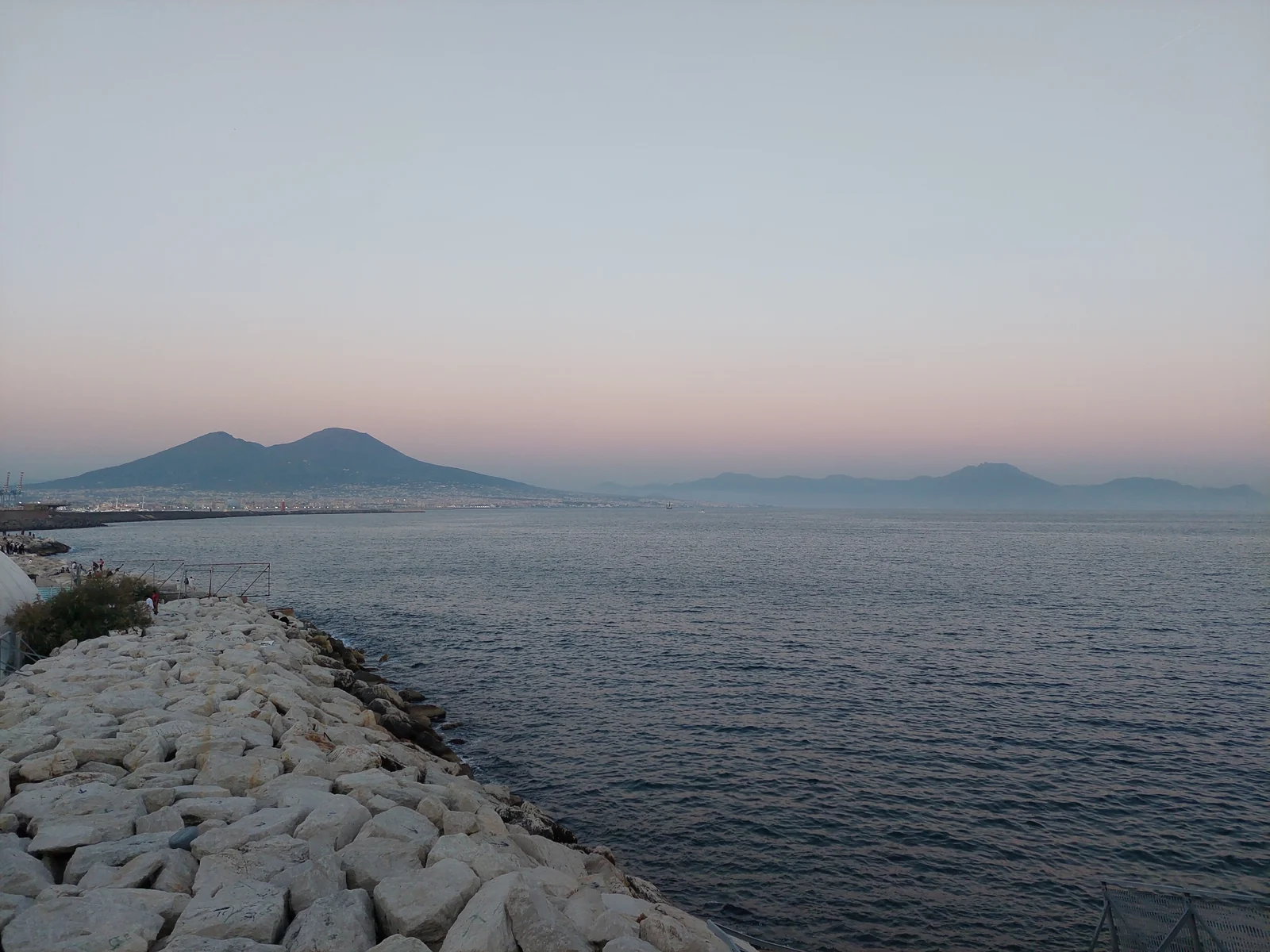
Photo: GioeleM / Wikimedia Commons — CC BY 4.0 · Resized and converted to WebP.
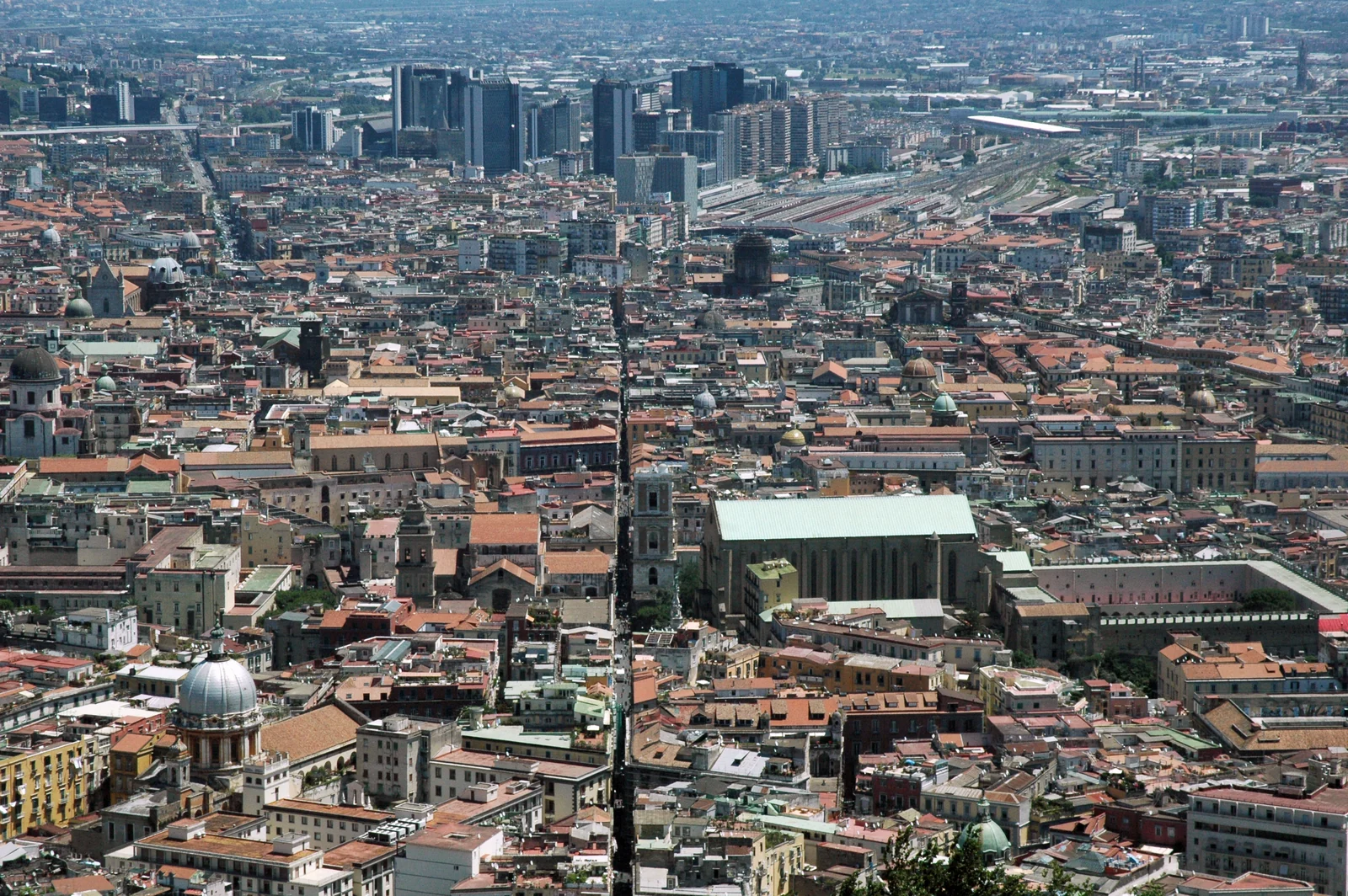
Photo: DimiTalen / Wikimedia Commons — CC0 · Resized and converted to WebP.
The municipality at a glance
Naples is a municipality in the Metropolitan City of Naples, in Campania. Its ISTAT code is 063049. It is the capital of the Metropolitan City of Naples. On 1 January 2025 it had 909,013 residents. The municipal territory covers 119.24 km² and ranges from -13 to 462 metres above sea level; the town hall stands at about 42 metres.
Sources: ISTAT, Codici statistici delle unità amministrative territoriali: elenco dei comuni al 21 febbraio 2026 · ISTAT, Popolazione residente per età, sesso e stato civile al 1° gennaio 2025 (POSAS) · ISTAT, Principali statistiche geografiche sui comuni: superficie e altimetria al 31 dicembre 2021
History
Naples has Greek origins. According to the Italian National Commission for UNESCO, Greek colonists had already founded the city of Parthenope in the 6th century BC on the islet of Megaride, where Castel dell’Ovo stands today, naming it after the siren of the legend; Italia.it places the landing of the Cumaeans, of Euboean origin, in the 7th century BC. Beside it rose the new city, Neapolis: the tradition recalled by the national committee “Neapolis 2500” dates its founding by the Cumaeans to 21 December 475 BC, while the Commission for UNESCO dates it to 470 BC. Naples was one of the most important cities of Magna Graecia and passed to Rome in 326 BC. In the early Middle Ages, after the Byzantine conquest, the local nobility turned it into the Duchy of Naples, an autonomous state that lasted more than five centuries, until the Normans arrived in 1139. In 1266 Charles I of Anjou defeated Manfred and Naples became Angevin; from 1282 it was the capital of the Kingdom of Naples. The Angevins (1265-1442) extended it to its suburbs and built Castel Nuovo, the Maschio Angioino, a royal seat and centre of culture visited by Giotto, Petrarch and Boccaccio; under the Aragonese the castle became a military fortress. During two centuries of Spanish rule the city was reorganised and enclosed by walls reinforced by four castles, and the Royal Palace was built. After a short Habsburg interlude (1707-1734) Naples again became the capital of an independent kingdom under the Bourbons, who enlarged the port and made it a great European capital: those years saw the Teatro di San Carlo, the Capodimonte palace — whose building site opened on 10 September 1738 — and the library that is now National. In 1799 the Parthenopean Republic lasted a few months; after the Restoration Naples was the capital of the Kingdom of the Two Sicilies until the unification of Italy. The twentieth century brought the destruction of two world wars: the cavities dug beneath the city served as air-raid shelters. The history of Naples is also that of its patron saint. San Gennaro was beheaded at Pozzuoli in 305; in the 5th century Bishop John I brought his remains to the catacombs of Capodimonte, which became a place of pilgrimage, and the catacombs then grew with the Crypt of the Bishops and a three-aisled underground basilica. Stolen in 831, the saint’s bones returned to Naples in 1497. The city has 52 patron saints: the 51 silver busts of the co-patrons, kept in the Cathedral, accompany San Gennaro in procession on the Saturday before the first Sunday of May. Capodimonte, too, tells the succession of rulers: born as King Charles’s hunting reserve, it was a royal residence of the Bourbons, of Joseph Bonaparte and Joachim Murat and then of the House of Savoy.
Some of the institutions born in Naples tell the city’s story as well as its dynasties do. In 1224 Frederick II of Swabia announced the founding of the Neapolitan Studium with the Licterae generales, attributed to Pier della Vigna: the professors were paid by the emperor, and students were invited to reach Naples before 29 September, the feast of St Michael, which remained the customary start of the academic year; since 1992 the university has borne the name of Frederick II. Music had its schools in the conservatories, founded as charitable institutions for poor and abandoned children: Santa Maria di Loreto in 1537, Sant’Onofrio a Capuana from a confraternity formed in 1578, the Pietà dei Turchini in 1583. Merged between 1797 and 1807, they gave rise to the conservatory declared royal in June 1807 by decree of Joseph Napoleon, with the musical direction entrusted to Giovanni Paisiello as president, together with Fedele Fenaroli and Giacomo Tritto; in 1826 the school moved into the former Celestine convent of San Pietro a Majella, where it still is.
The National Archaeological Museum began with Charles of Bourbon, king of Naples from 1734 to 1759, who promoted the exploration of the towns buried by Vesuvius in AD 79 and brought to Naples the Farnese collection inherited from his mother Elisabetta; his son Ferdinand decided to unite the two collections in the present building, restored and enlarged from 1777. It became the Real Museo Borbonico in 1816 and National in 1860, and took its shape as an archaeological museum when the picture gallery moved to Capodimonte in 1957. Castel Sant’Elmo, on the hill, is recorded around 1275 as an Angevin fortified residence called Belforte; in 1329 Robert of Anjou had it enlarged by Tino di Camaino, and its six-pointed star plan comes from the rebuilding ordered between 1537 and 1547 by the viceroy Don Pedro de Toledo and designed by the military architect Pedro Luis Escrivà. It long served as a prison: Tommaso Campanella was held there and, in 1799, patriots of the Neapolitan revolution such as Gennaro Serra, Mario Pagano and Luigia Sanfelice, and it remained a military prison until 1952. Italian railways also start here: on 3 October 1839 the Naples–Portici line opened, the first railway in Italy, 7,411 metres long and covered in 11 minutes. In 1840 Ferdinand II founded at Pietrarsa, on the sea at San Giovanni a Teduccio, the Royal works that from 1843 built and repaired locomotives and carriages; completed in 1853, the workshops closed in 1975 and since 7 October 1989, the 150th anniversary of the Naples–Portici line, they have been the National Railway Museum.
Sources: Commissione Nazionale Italiana per l’UNESCO — Centro storico di Napoli · Commissione Nazionale Italiana per l’UNESCO — «Neapolis 2500»: al via il Comitato nazionale · Italia.it (Ministero del Turismo) — Castel dell’Ovo · Italia.it (Ministero del Turismo) — Napoli, guida, storia e curiosità · Italia.it (Ministero del Turismo) — Castel Nuovo, detto Maschio Angioino · Italia.it (Ministero del Turismo) — Teatro San Carlo · Museo e Real Bosco di Capodimonte — La storia · Italia.it (Ministero del Turismo) — Biblioteca Nazionale di Napoli · Associazione Napoli Sotterranea, percorso autorizzato · Catacombe di Napoli — Catacombe di San Gennaro · Università degli Studi di Napoli Federico II — Cenni storici · Conservatorio di Musica San Pietro a Majella — Storia · Ministero della Cultura — Museo archeologico nazionale di Napoli · Ministero della Cultura — Castel Sant’Elmo e Museo del Novecento a Napoli · Ferrovie dello Stato Italiane, Fondazione FS — Il Museo Nazionale Ferroviario di Pietrarsa, guida per il visitatore (2017) · Fondazione Campania dei Festival — I luoghi del Campania Teatro Festival
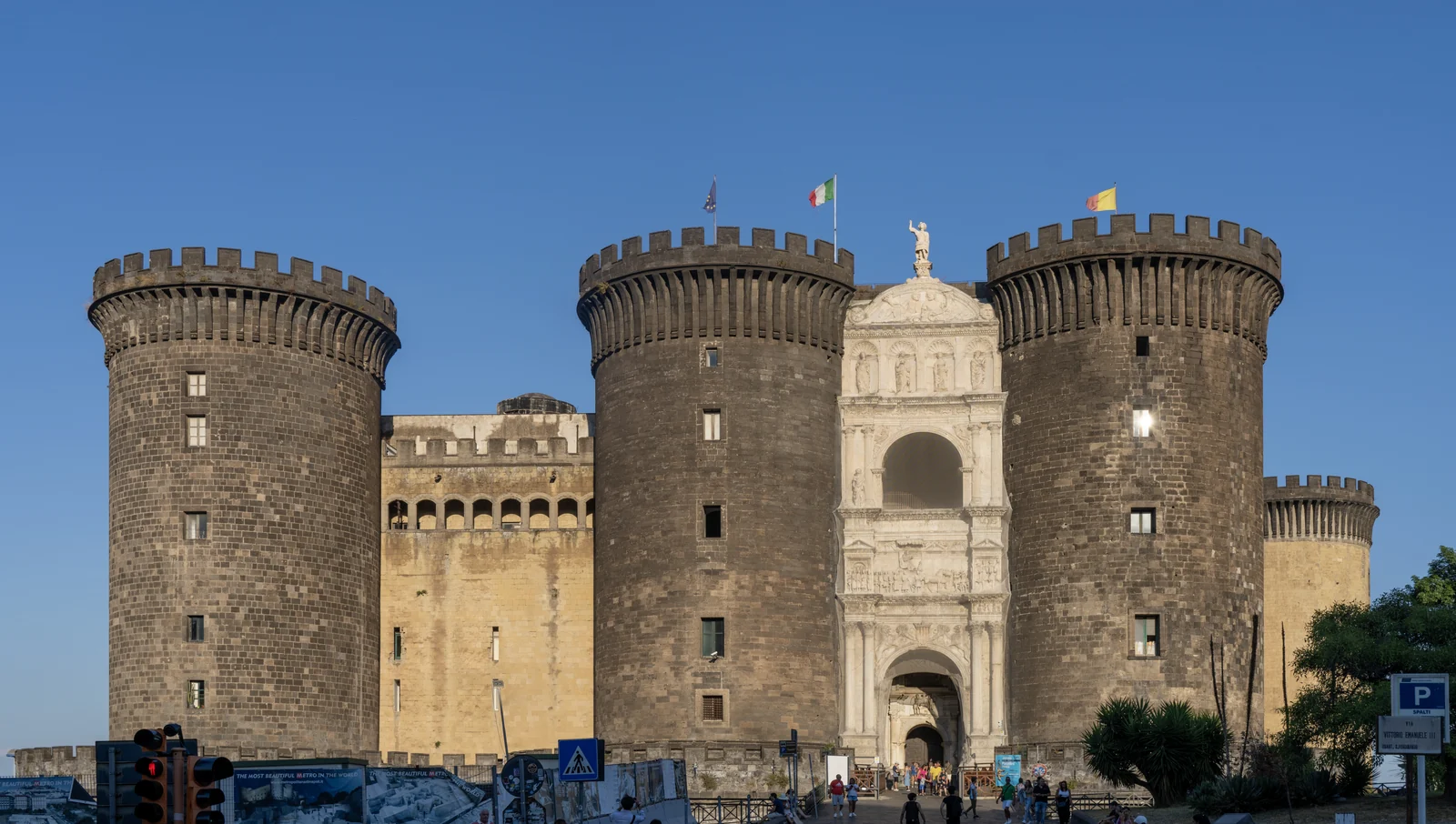
Photo: PaestumPaestum / Wikimedia Commons — CC BY-SA 4.0 · Resized and converted to WebP.
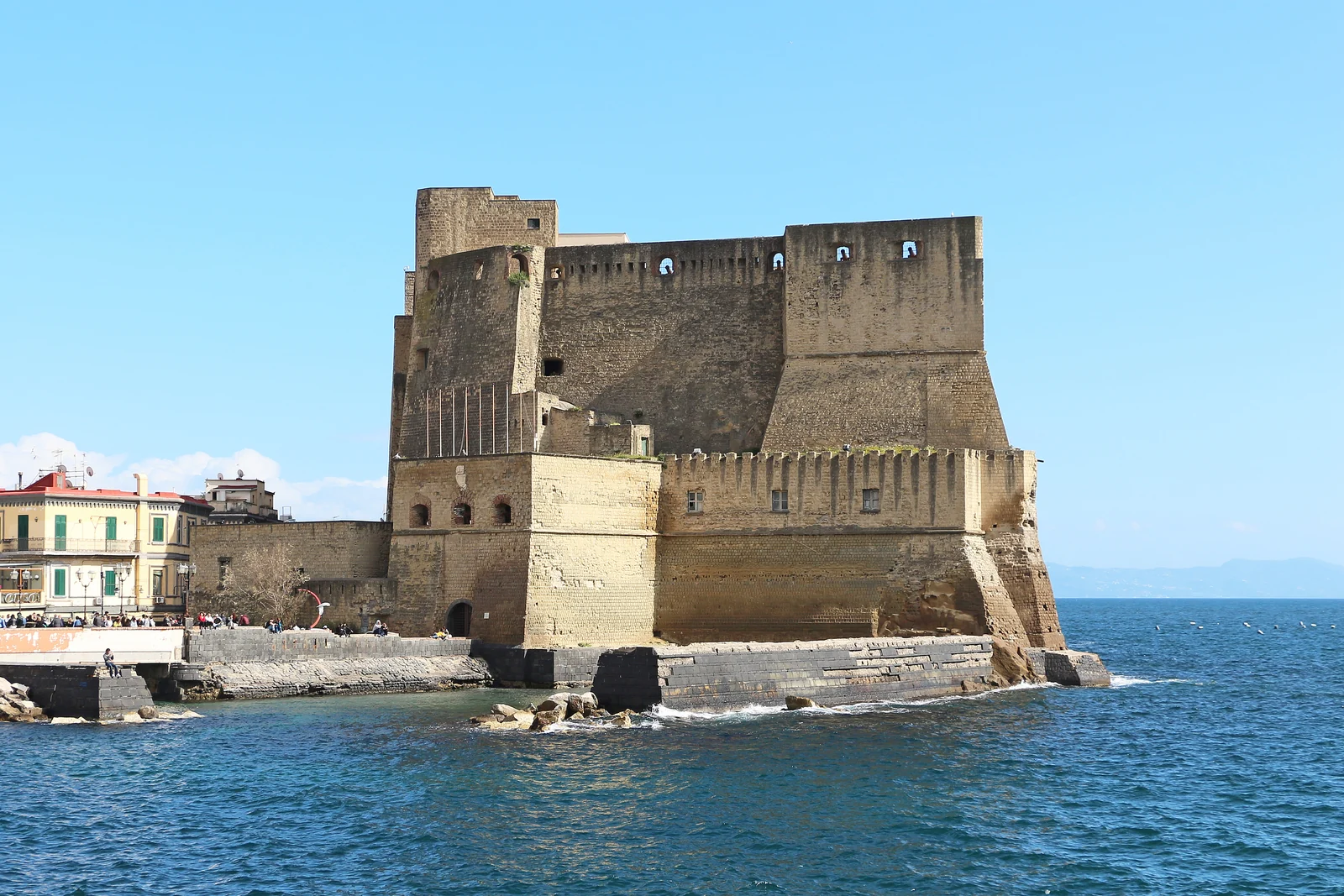
Photo: Bernard Gagnon / Wikimedia Commons — CC BY 4.0 · Resized and converted to WebP.
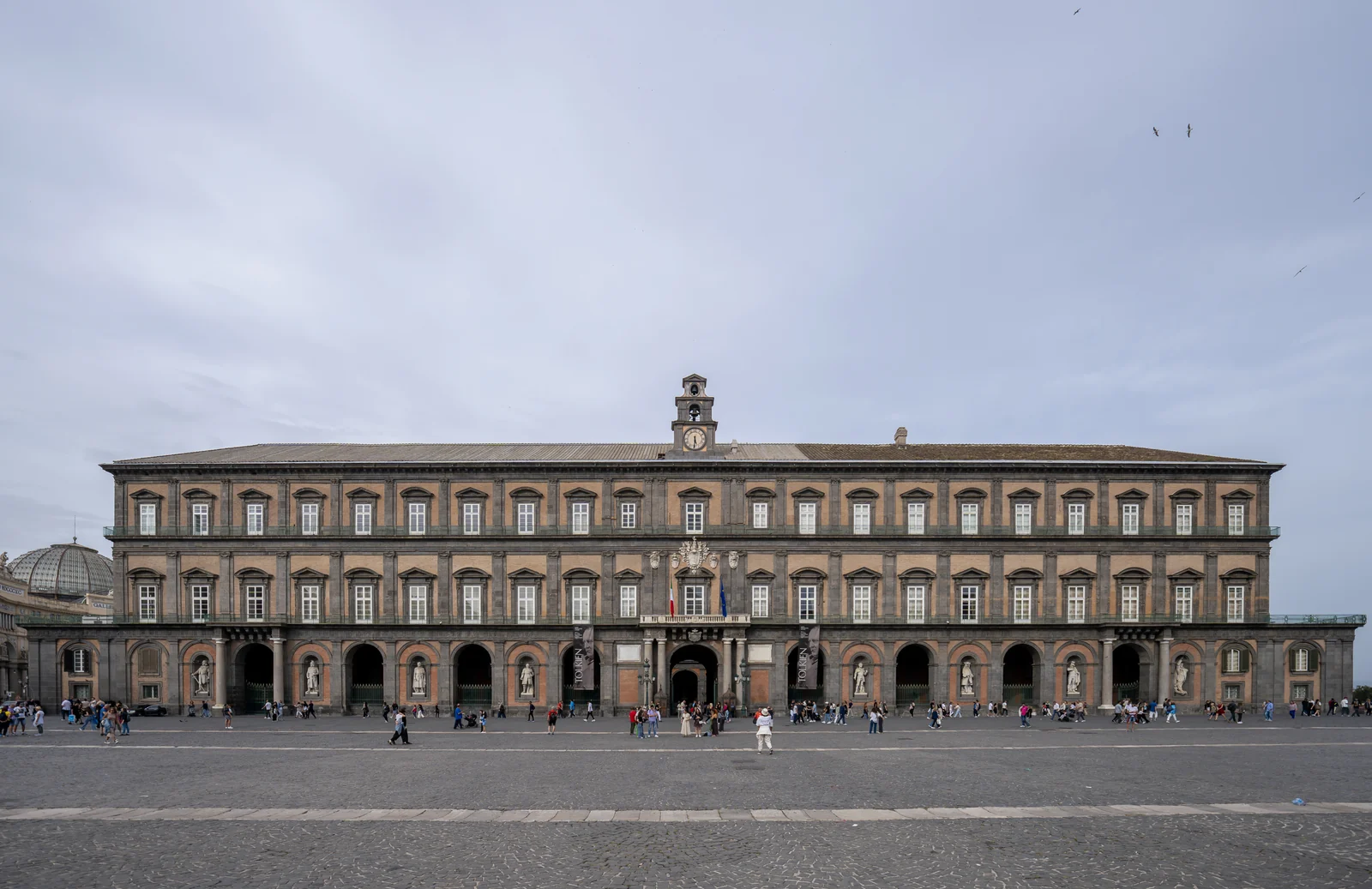
Photo: PaestumPaestum / Wikimedia Commons — CC BY 4.0 · Resized and converted to WebP.
What to see
The historic centre is the first place to walk through. Spaccanapoli, the artery of the old centre that cuts the city in two, and Via dei Tribunali lead among churches, palaces and obelisks. The Duomo, the Cathedral of Santa Maria Assunta, combines fourteenth-century Gothic with nineteenth-century Neo-Gothic and keeps the phials with the blood of San Gennaro; next to it, the Museum of the Treasure of San Gennaro, opened in December 2003, displays jewels, silverware and paintings by Luca Giordano, Domenichino and Massimo Stanzione. In the monumental complex of Santa Chiara, begun in 1310, the cloister of the Poor Clares was covered with majolica tiles to a design by Domenico Vaccaro in 1742: 64 columns and benches painted with scenes of the life of the time. San Domenico Maggiore, completed in 1324, keeps the Aragonese staircase, the cell of Saint Thomas Aquinas and the tombs of the Aragonese rulers. At the Pio Monte della Misericordia, an institution founded in 1602, you can see Caravaggio’s Seven Works of Mercy, painted in 1607. In the Sansevero Chapel, the family chapel of the di Sangro renewed by Raimondo di Sangro from the 1740s, stands Giuseppe Sanmartino’s Veiled Christ, of 1753: the veil over the body is carved from the same block of marble. The chapel was born around 1590 as Santa Maria della Pietà, the “Pietatella”; alongside the Veiled Christ stand the Modesty and the other statues of the Virtues. Towards the sea opens Piazza del Plebiscito, 25,000 square metres between the basilica of San Francesco di Paola with its colonnade and the Royal Palace, the equestrian statues of Charles III and Ferdinand I and, on one corner, the Gran Caffè Gambrinus. In the Royal Palace you can visit the ceremonial apartment and the Romantic Garden, free to enter. Nearby, Castel Nuovo houses the Hall of the Barons, the Palatine Chapel and the Civic Museum; Castel dell’Ovo, on the islet of Megaride, has terraces overlooking the gulf and inner rooms open by booking. On the Vomero hill the Certosa di San Martino, founded in the fourteenth century, houses the National Museum with the Cuciniello nativity scene, 800 eighteenth-century figures; above it Castel Sant’Elmo hosts the Museo del Novecento with more than 170 works. The National Archaeological Museum keeps the Farnese Collection, the Epigraphic and Numismatic collections, the finds of the Villa of the Papyri and the Secret Cabinet. At Capodimonte the Bourbon palace is a museum holding the Farnese collection of paintings, brought to Naples in 1735, with masterpieces such as Caravaggio’s Flagellation; around it lies the Real Bosco, 134 hectares with more than 400 plant species, where the Royal factory still stands in which Capodimonte porcelain was made from 1743; its masterpiece is Queen Maria Amalia’s small drawing room of 1757-1759, its walls entirely of porcelain. The National Library, in the Royal Palace, holds about four million volumes and the Herculaneum papyri. Beneath the city you descend into the Catacombs of San Gennaro, on two levels, at Capodimonte, into the Fontanelle ossuary in the Rione Sanità — dug into the tuff, it received the victims of the 1656 plague, was put in order in 1872 by Canon Gaetano Barbati with the women of the district, closed in 1969 and reopened in 2010, and is the place of the cult of the “anime pezzentelle”, skulls adopted in exchange for favours — and into Napoli Sotterranea, the authorised route 40 metres below ground among Greek quarries, Roman aqueduct and Second World War shelters. The Rione Sanità, at the foot of the Capodimonte hill, has the baroque Palazzo dello Spagnuolo, built in 1738 to a design by Ferdinando Sanfelice, and the basilica of Santa Maria della Sanità, with its yellow and green majolica dome, from which you enter the catacombs of San Gaudioso. The Capodimonte Museum is closed on Wednesdays; the prices given here are those published by the museum on 13 November 2026, and opening hours and fees of every site should be checked on its official website.
The National Archaeological Museum displays about 18,000 finds: the Vesuvian collections, with frescoes, mosaics, the Temple of Isis, objects of daily life, the model of Pompeii and the Villa of the Papyri; the Farnese collections of sculpture and gems; the Secret Cabinet; the Numismatic, Egyptian and Epigraphic sections and those on Roman Campania, Magna Graecia, prehistory and protohistory. On the Vomero hill the Certosa di San Martino, founded in 1325 by Charles of Calabria, son of King Robert of Anjou, keeps the great Gothic undercrofts of Tino di Camaino’s design; its Baroque face is above all the work of Cosimo Fanzago, who worked there from 1623 to 1656, and among the painters were Battistello Caracciolo, Massimo Stanzione, Giovanni Lanfranco, Jusepe de Ribera, Luca Giordano and Francesco Solimena. When the religious orders were suppressed in 1866 the charterhouse became a museum at the wish of Giuseppe Fiorelli and opened to the public in 1867: besides the church, the Prior’s quarters and the cloisters, it has the nativity section, the richest collection of eighteenth-century crib figures, a naval section with the royal barges, and gardens with terraces over the city and the gulf. From the ramparts of the star-shaped Castel Sant’Elmo the whole surrounding land is in view, from the islands to Vesuvius, from the Phlegraean Fields to the Matese mountains; in the parade ground the Novecento a Napoli museum, opened in 2010, gathers works made from 1910 onwards by Neapolitan artists or artists working in the city. The national museums of the Vomero also include the Villa Floridiana, which King Ferdinand of Bourbon bought in 1817 for his morganatic wife Lucia Migliaccio, Duchess of Floridia, and which Antonio Niccolini renewed in neoclassical style; bought by the State in 1919, it houses the Duca di Martina Museum, founded in 1926, with more than six thousand works of Western and Eastern decorative arts from the twelfth to the nineteenth century, mostly ceramics.
At Via Toledo 177, in the building Marcello Piacentini designed at the end of the 1930s for the Banco di Napoli, the Gallerie d’Italia show Neapolitan art from the seventeenth to the twentieth century, a collection of Attic and Magna Graecia pottery and the Martyrdom of Saint Ursula, Caravaggio’s last masterpiece. For contemporary art there is the Madre, the Donnaregina museum of contemporary art, on the three floors of the nineteenth-century Palazzo Donnaregina in the historic centre.
Sources: Italia.it (Ministero del Turismo) — Il centro storico di Napoli patrimonio UNESCO · Italia.it (Ministero del Turismo) — Napoli, guida, storia e curiosità · Italia.it (Ministero del Turismo) — Napoli in due giorni · Italia.it (Ministero del Turismo) — Museo del Tesoro di San Gennaro · Italia.it (Ministero del Turismo) — Complesso monumentale di Santa Chiara · Italia.it (Ministero del Turismo) — Chiesa di San Domenico Maggiore · Italia.it (Ministero del Turismo) — Pio Monte della Misericordia · Museo Cappella Sansevero — La storia della Cappella · Museo Cappella Sansevero — La statua del Cristo velato · Italia.it (Ministero del Turismo) — Piazza del Plebiscito · Palazzo Reale di Napoli — Informazioni per la visita · Italia.it (Ministero del Turismo) — Castel Nuovo, detto Maschio Angioino · Italia.it (Ministero del Turismo) — Castel dell’Ovo · Italia.it (Ministero del Turismo) — Certosa e Museo di San Martino · Italia.it (Ministero del Turismo) — Castel Sant’Elmo · Italia.it (Ministero del Turismo) — Museo Archeologico Nazionale di Napoli · Italia.it (Ministero del Turismo) — Museo e Real Bosco di Capodimonte · Museo e Real Bosco di Capodimonte — La storia · Museo e Real Bosco di Capodimonte — Orari · Museo e Real Bosco di Capodimonte — Biglietti · Italia.it (Ministero del Turismo) — Biblioteca Nazionale di Napoli · Italia.it (Ministero del Turismo) — Palazzo Reale di Napoli · Catacombe di Napoli — Catacombe di San Gennaro · Catacombe di Napoli — Cimitero delle Fontanelle · Associazione Napoli Sotterranea, percorso autorizzato · Italia.it (Ministero del Turismo) — Le catacombe di Napoli · Italia.it (Ministero del Turismo) — Napoli Sotterranea · Catacombe di Napoli — Il Rione Sanità · Ministero della Cultura — Museo archeologico nazionale di Napoli · Ministero della Cultura — Certosa e Museo di San Martino · Ministero della Cultura — Castel Sant’Elmo e Museo del Novecento a Napoli · Ministero della Cultura — Museo della Ceramica Duca di Martina in Villa Floridiana · Ministero della Cultura — Musei nazionali del Vomero · Gallerie d’Italia — Napoli, via Toledo 177 · Madre · museo d’arte contemporanea Donnaregina — Chi siamo
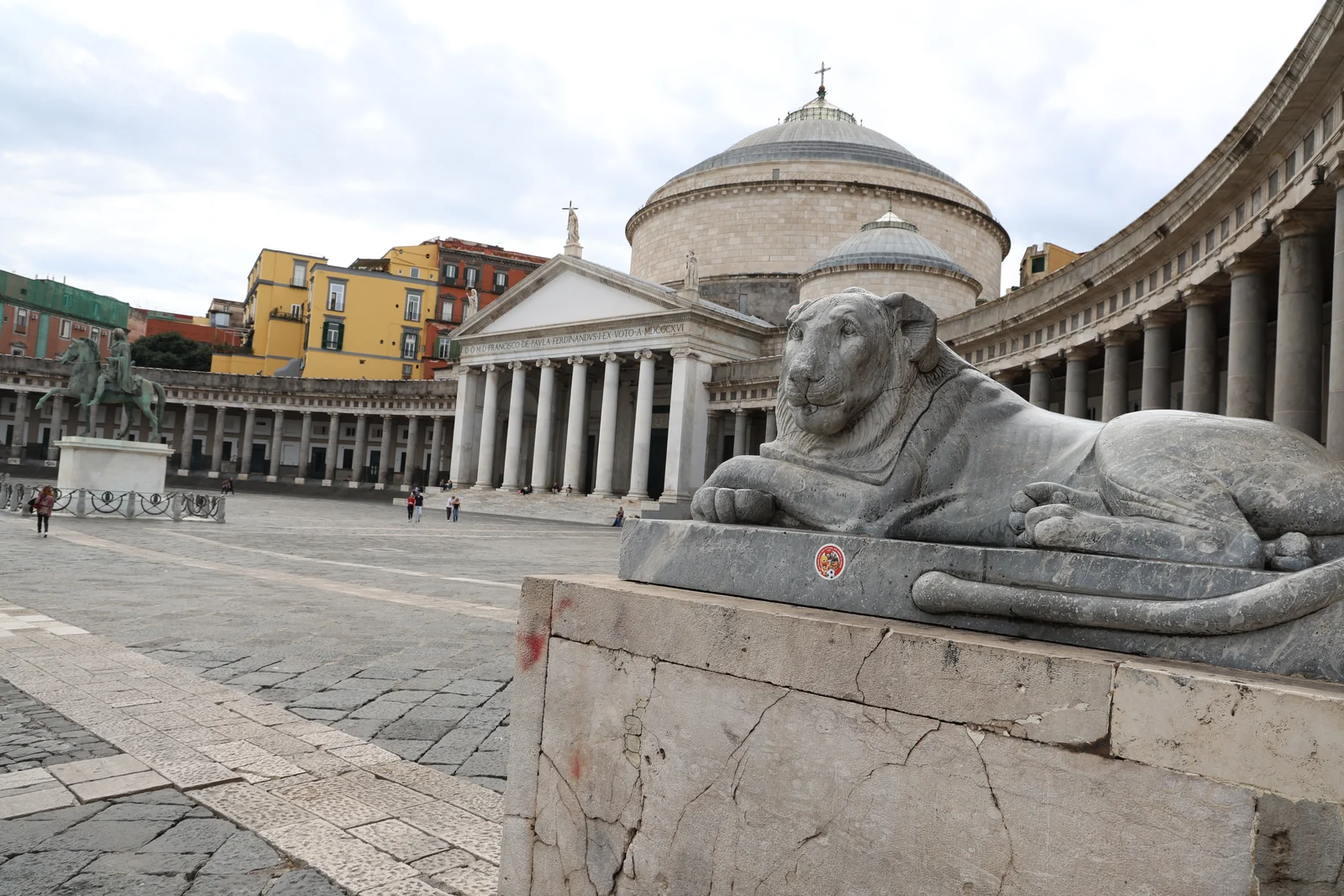
Photo: Lucia Montanaro / Wikimedia Commons — CC BY-SA 4.0 · Resized and converted to WebP.
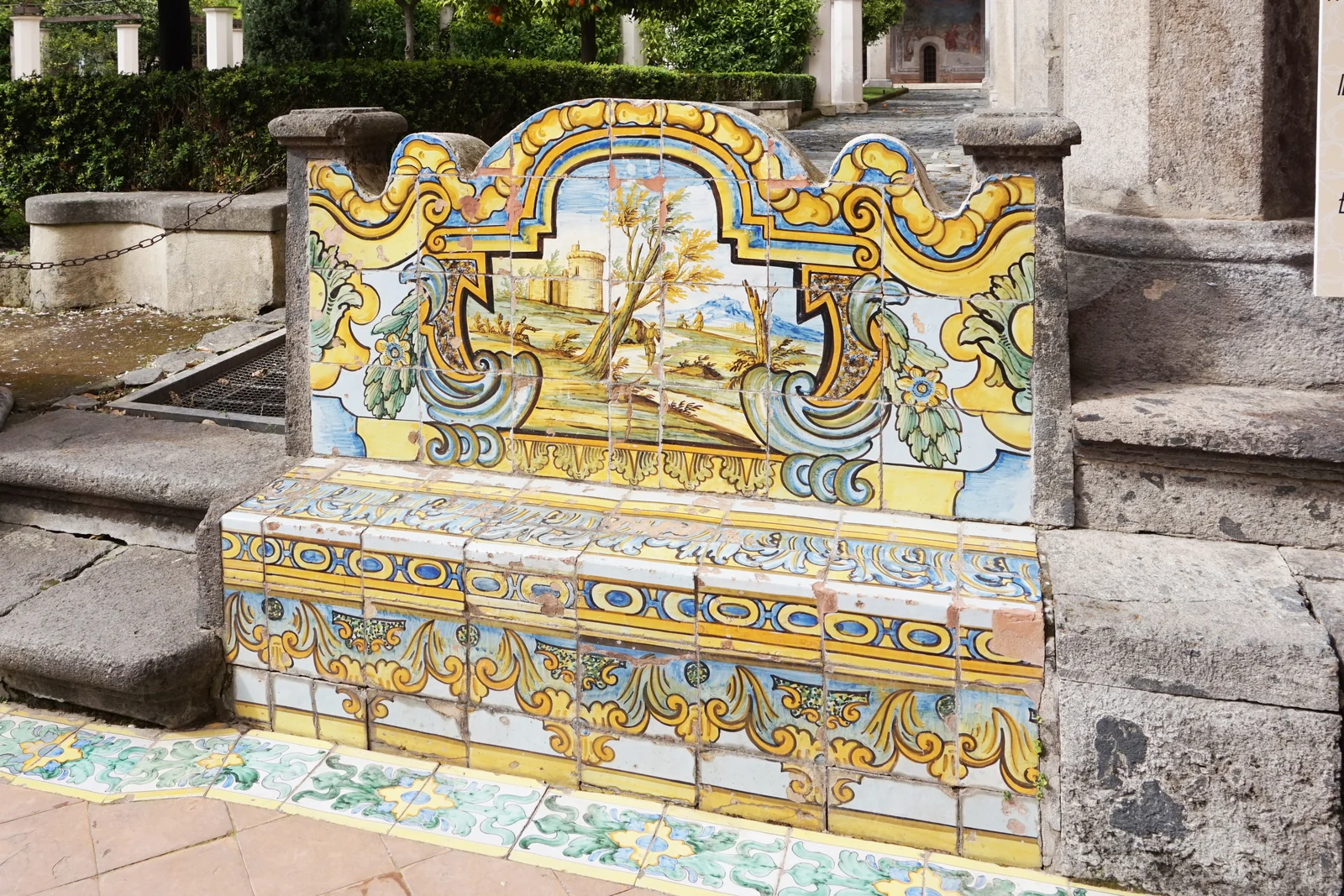
Photo: Bernard Gagnon / Wikimedia Commons — CC BY 4.0 · Resized and converted to WebP.
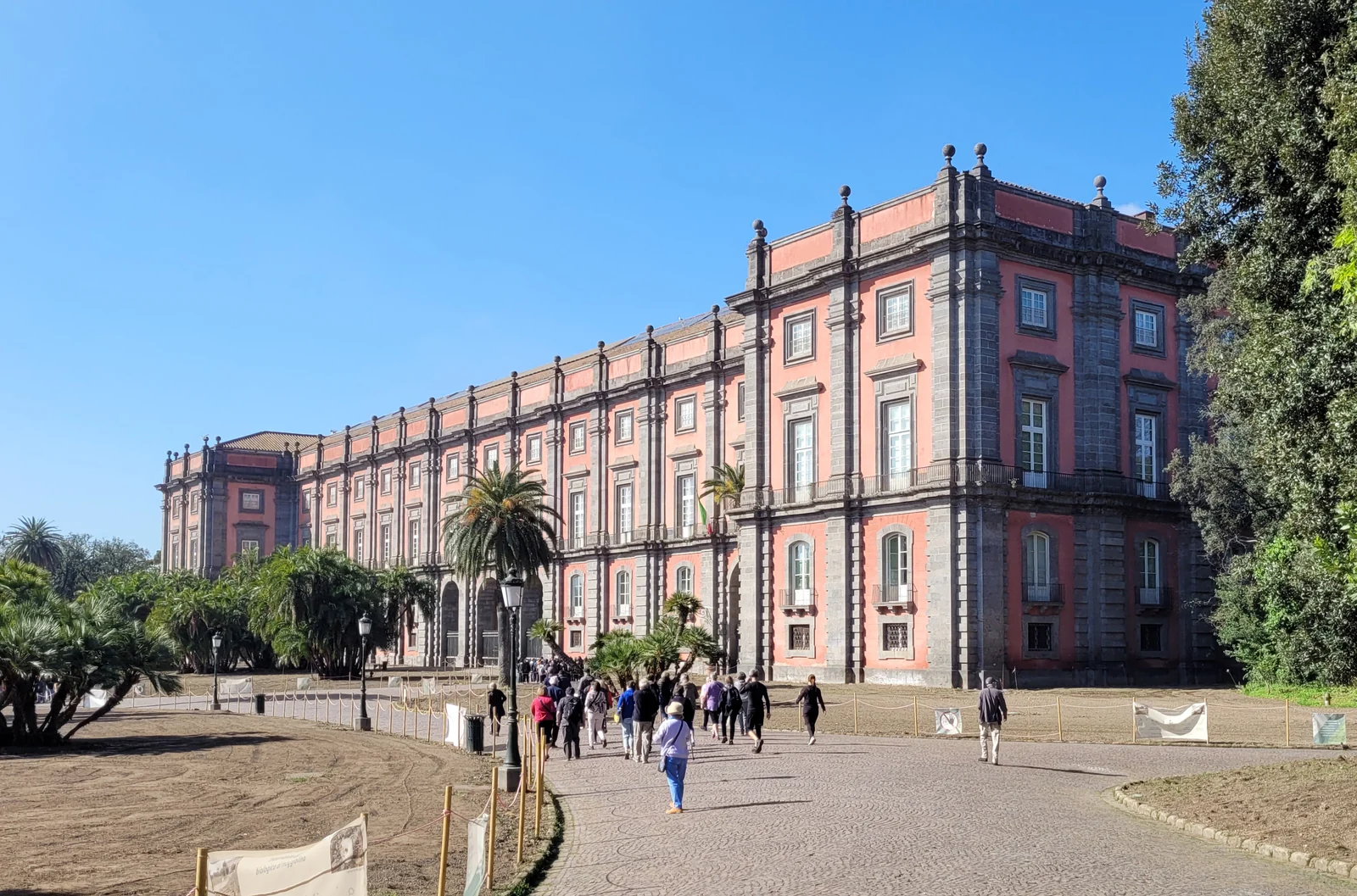
Photo: Bernard Gagnon / Wikimedia Commons — CC BY 4.0 · Resized and converted to WebP.
Flavours
Naples is the world capital of pizza — not because of the water, says Italia.it, but because of the pizzaioli’s skill in the “arte bianca”, the art of kneading. In 2017 UNESCO inscribed the art of the Neapolitan pizzaiuolo on the Representative List of the Intangible Cultural Heritage of Humanity: a craft handed down in the workshop, made of precise gestures in preparing the dough and baking it in a wood-fired oven, with three figures — the master pizzaiuolo, the pizzaiuolo and the baker. “Pizza Napoletana” is also a Traditional Speciality Guaranteed: the specification published in Italy’s Official Gazette in 2010 requires the dough to be stretched by hand only, without a rolling pin, into a disc no wider than 35 centimetres with a centre about 0.4 centimetres thick and a 1-2 centimetre rim, baked in a wood-fired oven at about 485 degrees for 60-90 seconds, with two classic toppings: marinara, with tomato, garlic, oregano and oil, and margherita, with tomato, mozzarella and basil. The same specification notes that pizzerias were already at work in the city in the eighteenth century. The story of 1889, the pizza dedicated to Queen Margherita, is a legend according to Italia.it: pizzas with tomato and mozzarella arranged “like a daisy” were already described in 1853. Street food is a chapter of its own: pizza a portafoglio, served folded to be eaten while walking, and fried pizza; the cuoppo, a paper cone filled with fried seafood or vegetables; the frittatina of macaroni; taralli with lard and pepper. At the table there are ragù, cooked for hours, and sausage with friarielli; and buffalo mozzarella from Campania, the only mozzarella made solely from buffalo milk to hold the PDO mark. Each pastry has its moment: sfogliatella, riccia or frolla, filled with ricotta, semolina and candied peel; babà, soaked in rum; Easter pastiera, with ricotta, cooked wheat and orange blossom; Christmas struffoli. Coffee, in Naples, is a ritual to be celebrated in the historic cafés of the centre. Among the food places already featured by Apulica is L’Antica Pizzeria da Michele, listed in the section “Already on Apulica”.
Sources: Italia.it (Ministero del Turismo) — Napoli capitale mondiale della pizza · UNESCO, Intangible Cultural Heritage — Art of Neapolitan ‘Pizzaiuolo’ (12.COM, 2017) · Ministero dell’agricoltura (MASAF) — Disciplinare della specialità tradizionale garantita «Pizza Napoletana» (GU n. 56 del 9 marzo 2010) · Italia.it (Ministero del Turismo) — La pizza · Italia.it (Ministero del Turismo) — Il migliore street food di Napoli · Italia.it (Ministero del Turismo) — Napoli, guida, storia e curiosità · Italia.it (Ministero del Turismo) — Napoli in due giorni · Consorzio di Tutela Mozzarella di Bufala Campana DOP · Italia.it (Ministero del Turismo) — Prodotti e piatti tipici campani · L'Antica Pizzeria da Michele, sito ufficiale
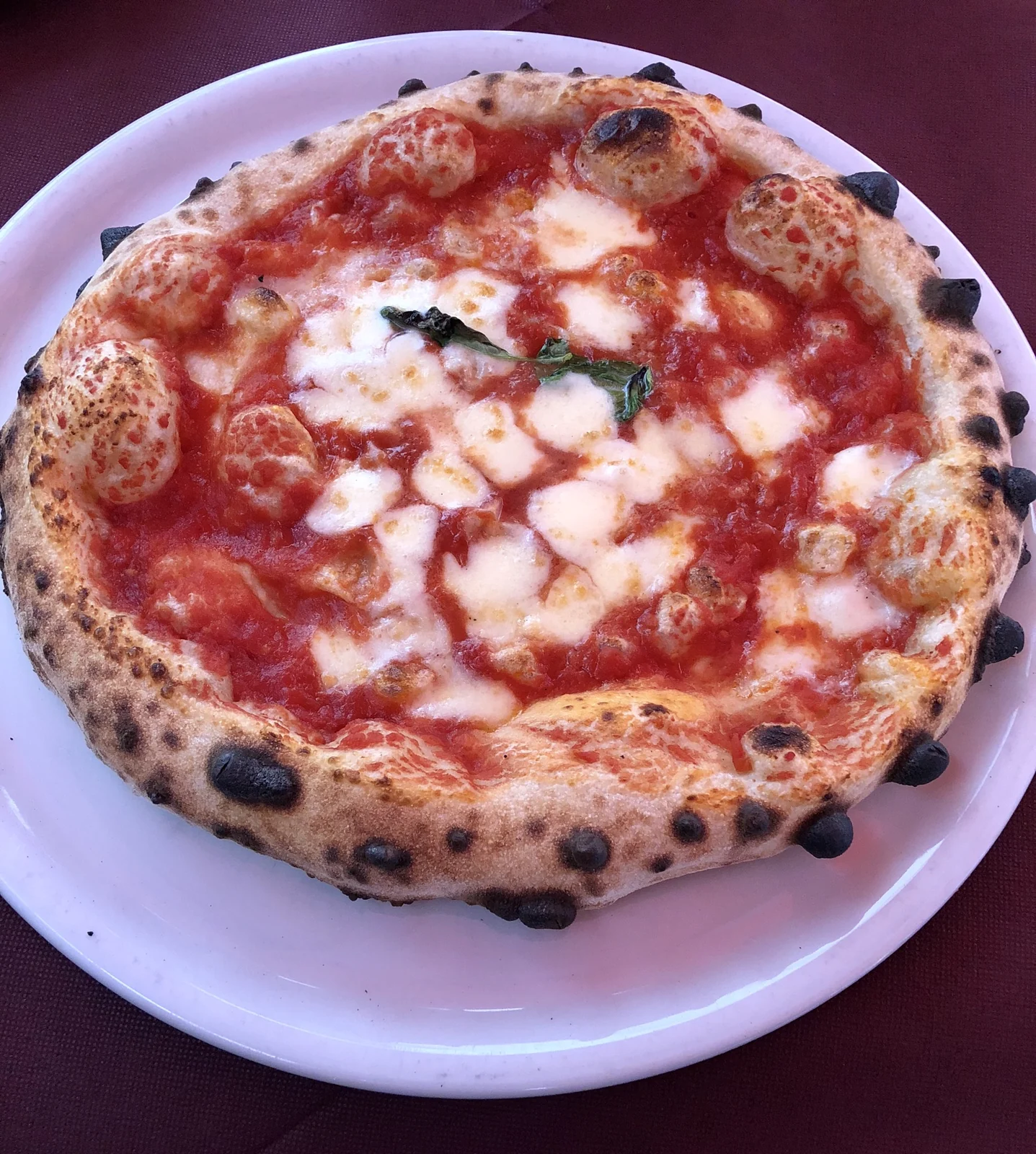
Photo: Fabryx98 / Wikimedia Commons — CC BY-SA 4.0 · Resized and converted to WebP.
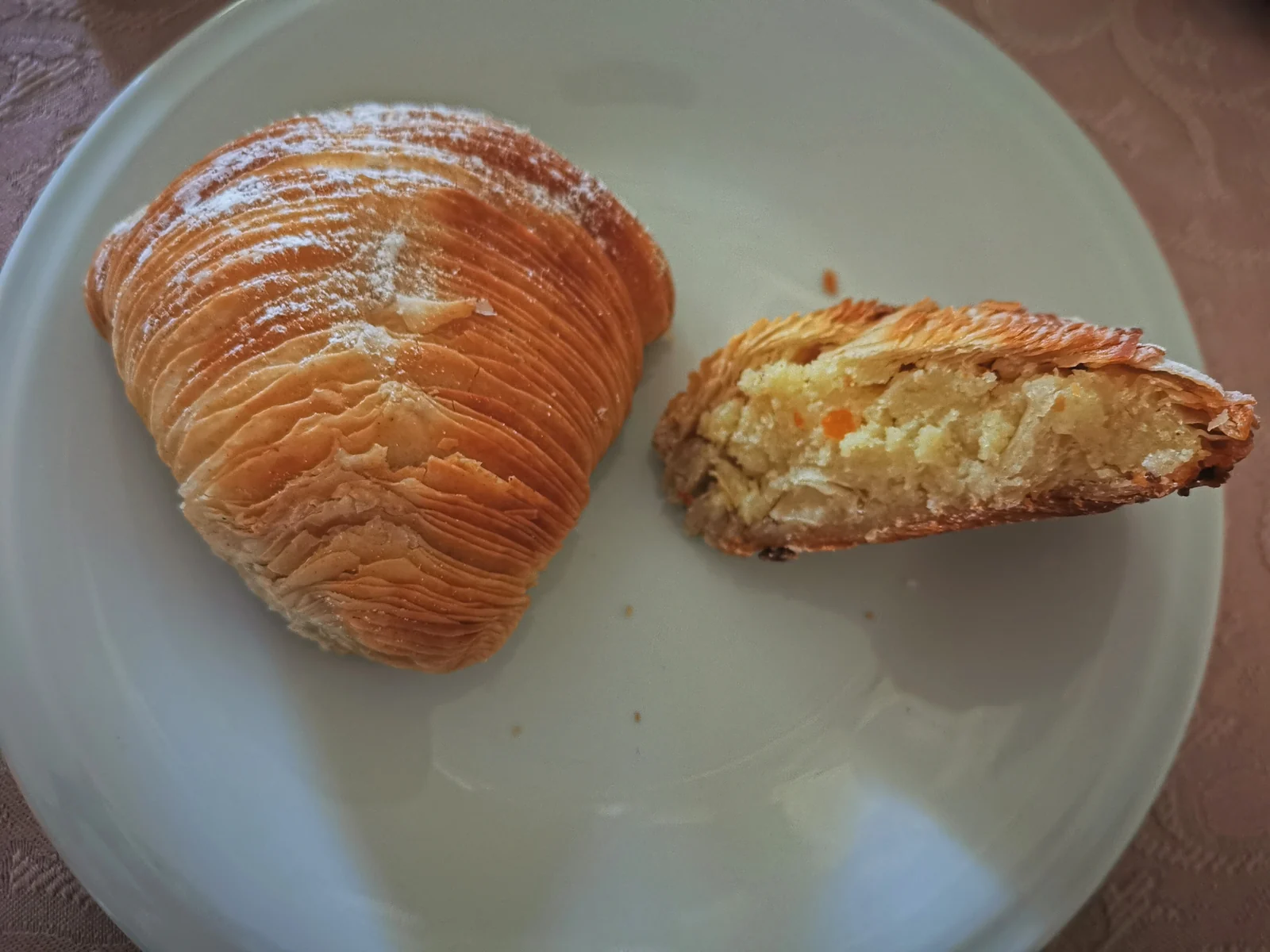
Photo: Saggittarius A / Wikimedia Commons — CC BY-SA 4.0 · Resized and converted to WebP.
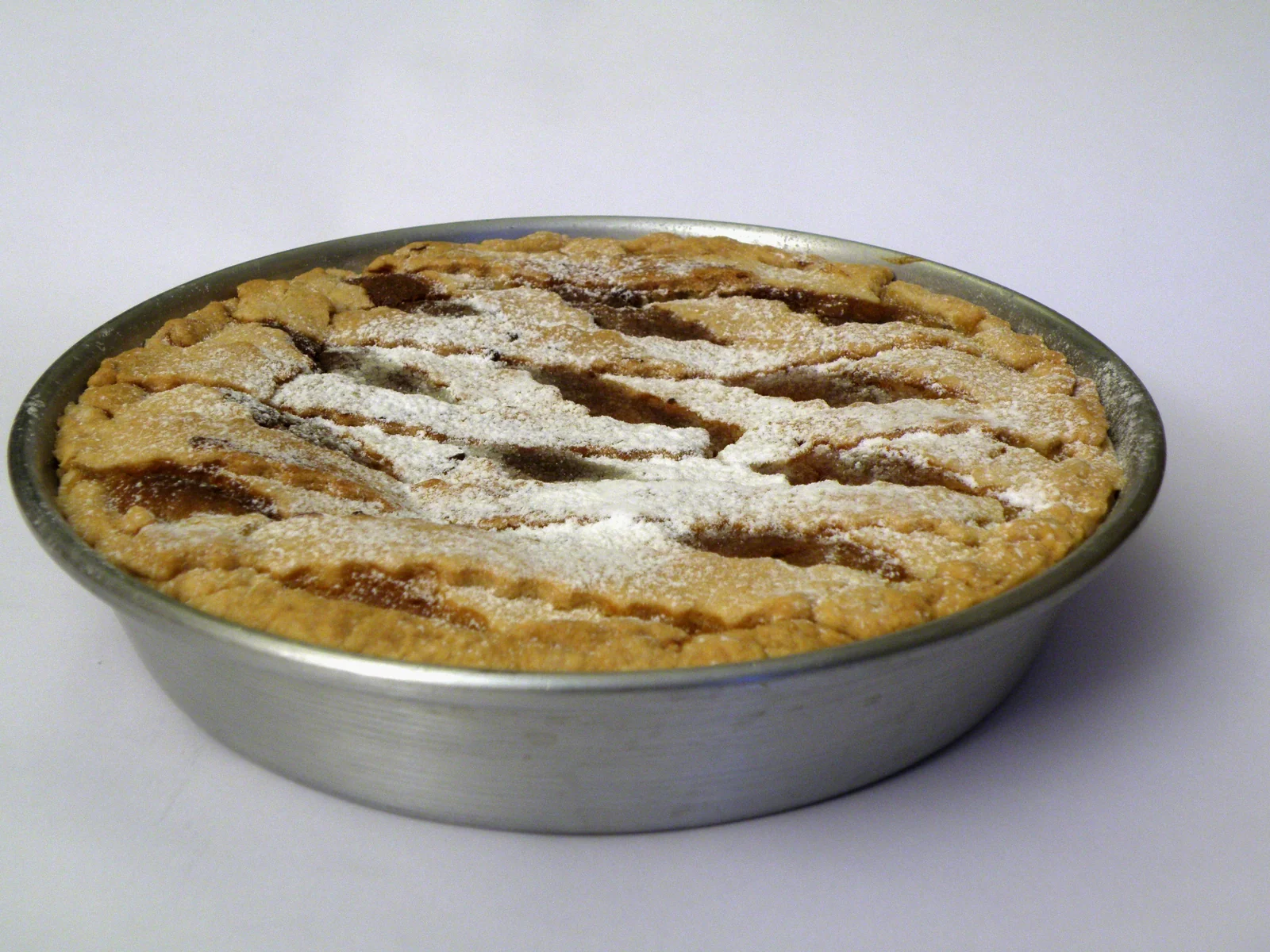
Photo: Mattia Luigi Nappi / Wikimedia Commons — CC BY-SA 3.0 · Resized and converted to WebP.
Things to do
The Teatro di San Carlo, in Naples since 1737, was founded by Charles of Bourbon and designed by Giovanni Antonio Medrano, with Angelo Carasale as builder; it has five tiers of boxes and opened with Achille in Sciro, on a libretto by Metastasio. An evening of opera or ballet is the most direct way to see it: the theatre sells full-price tickets online, while reduced and under-30 tickets are bought at the box office, and it is reached by Metro Line 1, Municipio stop, or by the Funicolare Centrale, Augusteo stop. The Teatro di Napoli, a national theatre, programmes drama at the Mercadante and the San Ferdinando; the Trianon Viviani, in the heart of Forcella, is the theatre of Neapolitan song. The Diego Armando Maradona stadium, in Fuorigrotta, is the home of SSC Napoli, Italian champions for the fourth time in 2025, two years after the 2023 title. It is reached by Trenitalia’s metropolitan service, line 2, Campi Flegrei stop, and on match days services may run beyond the usual timetable. For walking: the seafront, about three kilometres from Mergellina to Via Nazario Sauro along Via Caracciolo and the Villa Comunale, with Vesuvius opposite; Borgo Marinari, at the foot of Castel dell’Ovo, with its small harbour and boat workshops; Via Toledo, opened in 1536, and the Quartieri Spagnoli with the mural dedicated to Maradona; the funicular up to the Vomero for the view over the gulf. Toledo metro station is a work of art to walk through. In the Villa Comunale the aquarium of the Anton Dohrn Zoological Station, founded in 1872, is the oldest public aquarium in Italy, with thirty tanks connected to the sea by an underground channel. San Gregorio Armeno is the street of nativity scenes: the craft workshops are busy all year round, and next to the traditional figures appear statuettes of people in the news. In the Rione Sanità the Miglio Sacro, on Saturdays, Sundays and holidays, crosses the district where Totò was born; at Posillipo the Gaiola Underwater Park, a 41.6-hectare marine protected area since 2002, keeps the remains of Roman villas above and below the sea. In the evening, Piazza Bellini is the place for an aperitivo. For shopping there are Via Toledo and Via Chiaia, a short walk from Piazza del Plebiscito, and the Posillipo market. And for those looking for the unusual city: the Galleria Borbonica, the Vigna San Martino on the Vomero hill, the spiral staircase of Palazzo Mannajuolo, Palazzo Sanfelice in the Sanità, the Museum of Anatomy, among the oldest in the world, and the church of the Gesù Nuovo, striking for its look of a noble residence.
For theatre and music the city has many halls besides the San Carlo. The Teatro Bellini, opened in 1864 as an opera house, was closed by a fire for more than twenty years after its decline in the 1960s and reopened on 19 November 1988 with Brecht’s Threepenny Opera; since 2015 the Ministry of Culture has recognised it as a theatre of significant cultural interest, and today it has two halls, the Bellini and the Piccolo Bellini. In the Royal Palace the MeMus, opened on 1 October 2011, is the museum and historical archive of the San Carlo. The San Pietro a Majella Conservatory is at Via San Pietro a Majella 35. The Campania Teatro Festival, produced by the Fondazione Campania dei Festival, a body of the Region founded in 2007, takes live performance to many places in the city: the Real Bosco di Capodimonte, its home since 2020, the courtyards and Romantic Garden of the Royal Palace, the Real Albergo dei Poveri, the Archaeological Museum and the Madre, and the theatres, from the San Carlo to the Mercadante, from the Trianon to the Bellini. At Fuorigrotta the Mostra d’Oltremare is the city’s largest venue for fairs, congresses and shows, with eight pavilions, the Teatro Mediterraneo and a park open to residents and visitors, with tennis courts and a swimming pool open in the summer months.
The Gaiola Underwater Park, established in 2002 and managed by the Centro Studi Interdisciplinari Gaiola, runs from the hamlet of Marechiaro to the bay of Trentaremi and is part of the Natura 2000 special area of conservation «Fondali marini di Gaiola e Nisida». Its name comes from the two islets a few metres off the Posillipo coast. The Pausilypon villa was built by Publius Vedius Pollio and on his death, in 15 BC, became an imperial villa: it occupied much of the park’s coast, where seaside villas, tuff quarries, landings, nymphaea and fish ponds can be seen today above and below the sea because of bradyseism.
Sources: Teatro di San Carlo — sito ufficiale · Italia.it (Ministero del Turismo) — Teatro San Carlo · Teatro di San Carlo — Acquisti e prenotazioni · Teatro di Napoli — Teatro Nazionale (Mercadante, San Ferdinando) · Fondazione Trianon Viviani — teatro della Canzone napoletana · SSC Napoli — Arrivare allo stadio Diego Armando Maradona · SSC Napoli — Il secolo azzurro · Italia.it (Ministero del Turismo) — 4 itinerari di 10.000 passi per il centro di Napoli · Italia.it (Ministero del Turismo) — Borgo Marinari · Italia.it (Ministero del Turismo) — Stazione Toledo · Italia.it (Ministero del Turismo) — Napoli in due giorni · Italia.it (Ministero del Turismo) — Stazione Zoologica Anton Dohrn · Italia.it (Ministero del Turismo) — I presepi più belli di Napoli e della Campania · Italia.it (Ministero del Turismo) — San Gregorio Armeno · Catacombe di Napoli — Miglio Sacro · Catacombe di Napoli — Il Rione Sanità · Area Marina Protetta Parco Sommerso di Gaiola · Italia.it (Ministero del Turismo) — Napoli, guida, storia e curiosità · Italia.it (Ministero del Turismo) — Piazza del Plebiscito · Fondazione Teatro di Napoli – Teatro Bellini — Storia · Teatro di San Carlo — MeMus, Museo e Archivio Storico · Conservatorio di Musica San Pietro a Majella — Storia · Fondazione Campania dei Festival — La Fondazione e il Campania Teatro Festival · Fondazione Campania dei Festival — I luoghi del Campania Teatro Festival · Mostra d’Oltremare — sito ufficiale
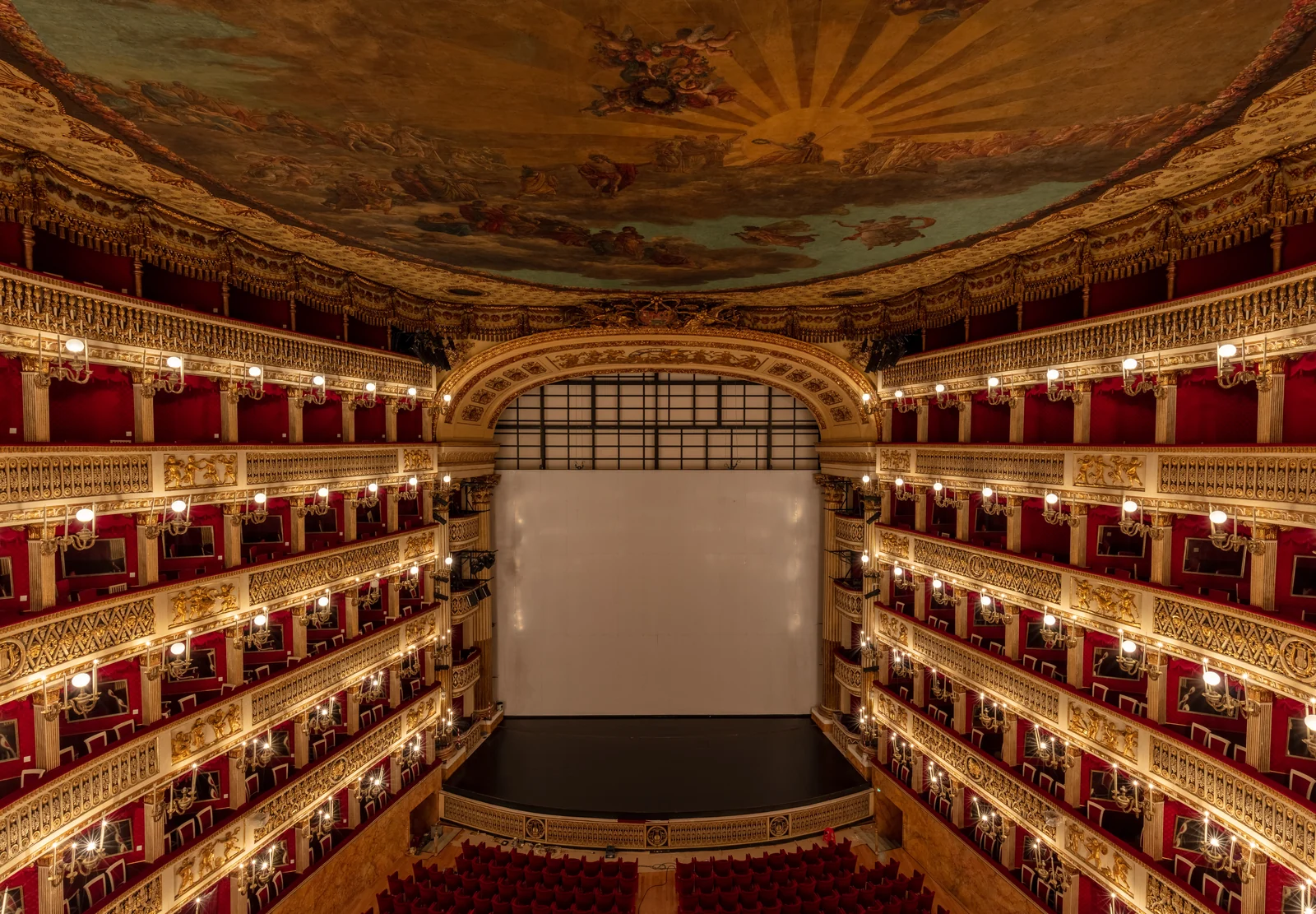
Photo: Diego Delso / Wikimedia Commons — CC BY-SA 4.0 · Resized and converted to WebP.
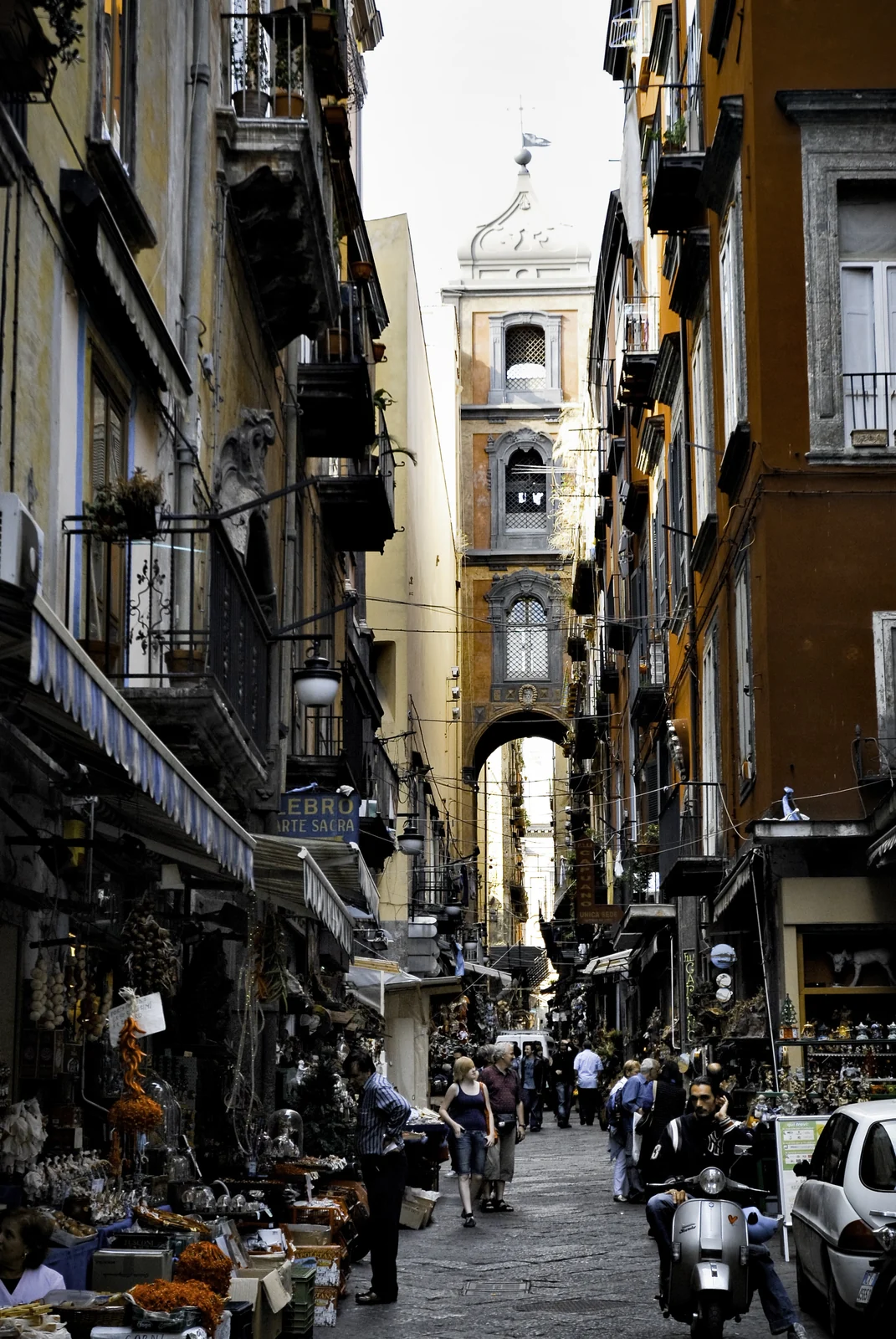
Photo: Mstyslav Chernov / Wikimedia Commons — CC BY-SA 3.0 · Resized and converted to WebP.
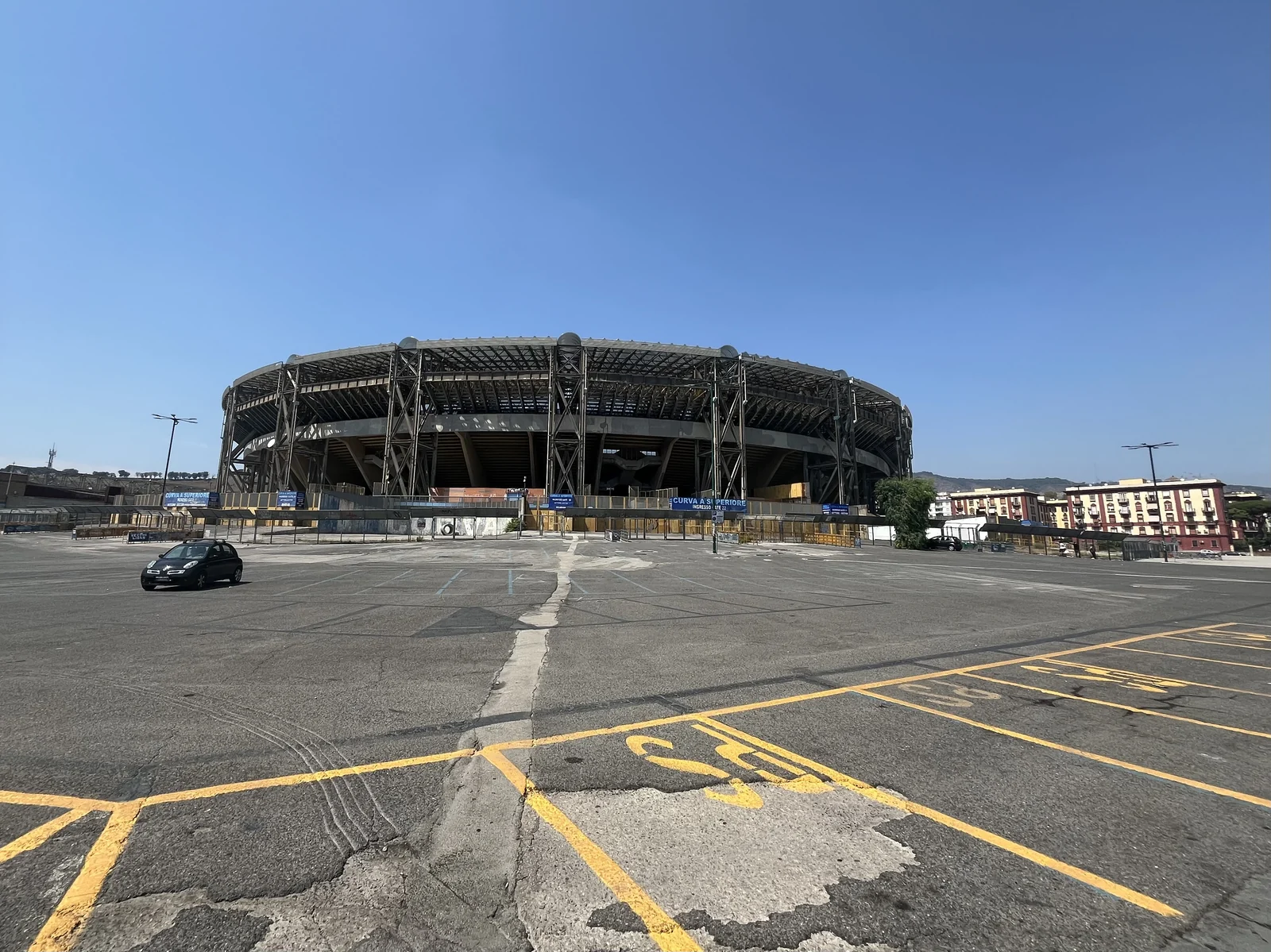
Photo: Calciopedia / Wikimedia Commons — CC0 · Resized and converted to WebP.
When to go
Naples can be visited all year round, but some dates change its face. The miracle of the liquefaction of the blood of San Gennaro, the city’s patron saint, is awaited three times a year in the Cathedral: on the Saturday before the first Sunday of May, on 19 September, his feast day, and on 16 December, the anniversary of the 1631 eruption of Vesuvius. After 19 September the phial remains on display for eight days, with stalls and illuminations in the streets. The Treasure Museum recalls that the blood was given in 1305 by Charles of Anjou. December is the month of nativity scenes: San Gregorio Armeno is open all year, but at Christmas the street fills up, and at Christmas time you can also see the Cuciniello nativity scene in the Certosa di San Martino and the Banco di Napoli nativity scene in the Royal Palace, more than 300 original eighteenth-century figures. Struffoli and roccocò speak of Christmas, pastiera and casatiello of Easter. Spring and autumn are the best seasons for long walks and for climbing Vesuvius; summer brings the sea of Posillipo and the islands. Performances follow the theatre seasons: the Teatro di Napoli, for example, takes its summer break from 1 to 31 August. Napoli’s league titles, in 2023 and 2025, were celebrated by the whole city — “the song of an entire people”, as the club puts it. Event programmes change every year and are published on the organisers’ websites.
Among the live performance events is the Campania Teatro Festival of the Fondazione Campania dei Festival, which in 2025/2026 reached its ninth consecutive edition under the artistic direction of Ruggero Cappuccio and since 2020 has been based in the Real Bosco di Capodimonte; each year’s programme is on the Foundation’s website. For those who come to Naples for the nativity scenes, the nativity section of the Certosa di San Martino holds the richest collection of eighteenth-century crib figures.
Sources: Italia.it (Ministero del Turismo) — Festa di San Gennaro a Napoli · Italia.it (Ministero del Turismo) — Museo del Tesoro di San Gennaro · Italia.it (Ministero del Turismo) — Napoli in due giorni · Italia.it (Ministero del Turismo) — I presepi più belli di Napoli e della Campania · Italia.it (Ministero del Turismo) — San Gregorio Armeno · Italia.it (Ministero del Turismo) — Prodotti e piatti tipici campani · Parco Nazionale del Vesuvio — Il Gran Cono · Teatro di Napoli — Teatro Nazionale (Mercadante, San Ferdinando) · Fondazione Trianon Viviani — teatro della Canzone napoletana · SSC Napoli — Il secolo azzurro · Fondazione Campania dei Festival — La Fondazione e il Campania Teatro Festival · Fondazione Campania dei Festival — I luoghi del Campania Teatro Festival · Ministero della Cultura — Certosa e Museo di San Martino
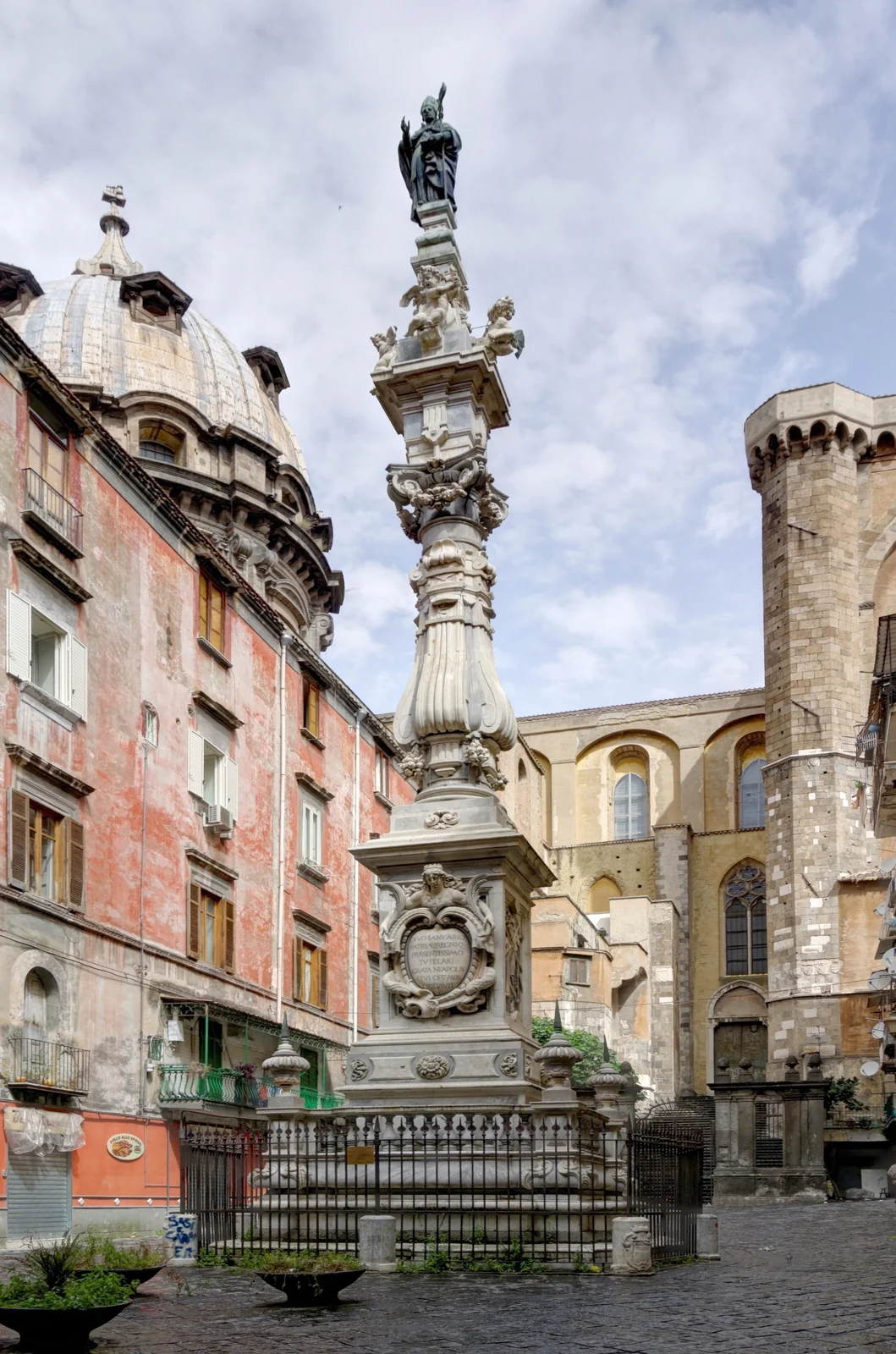
Photo: Berthold Werner / Wikimedia Commons — CC BY-SA 3.0 · Resized and converted to WebP.
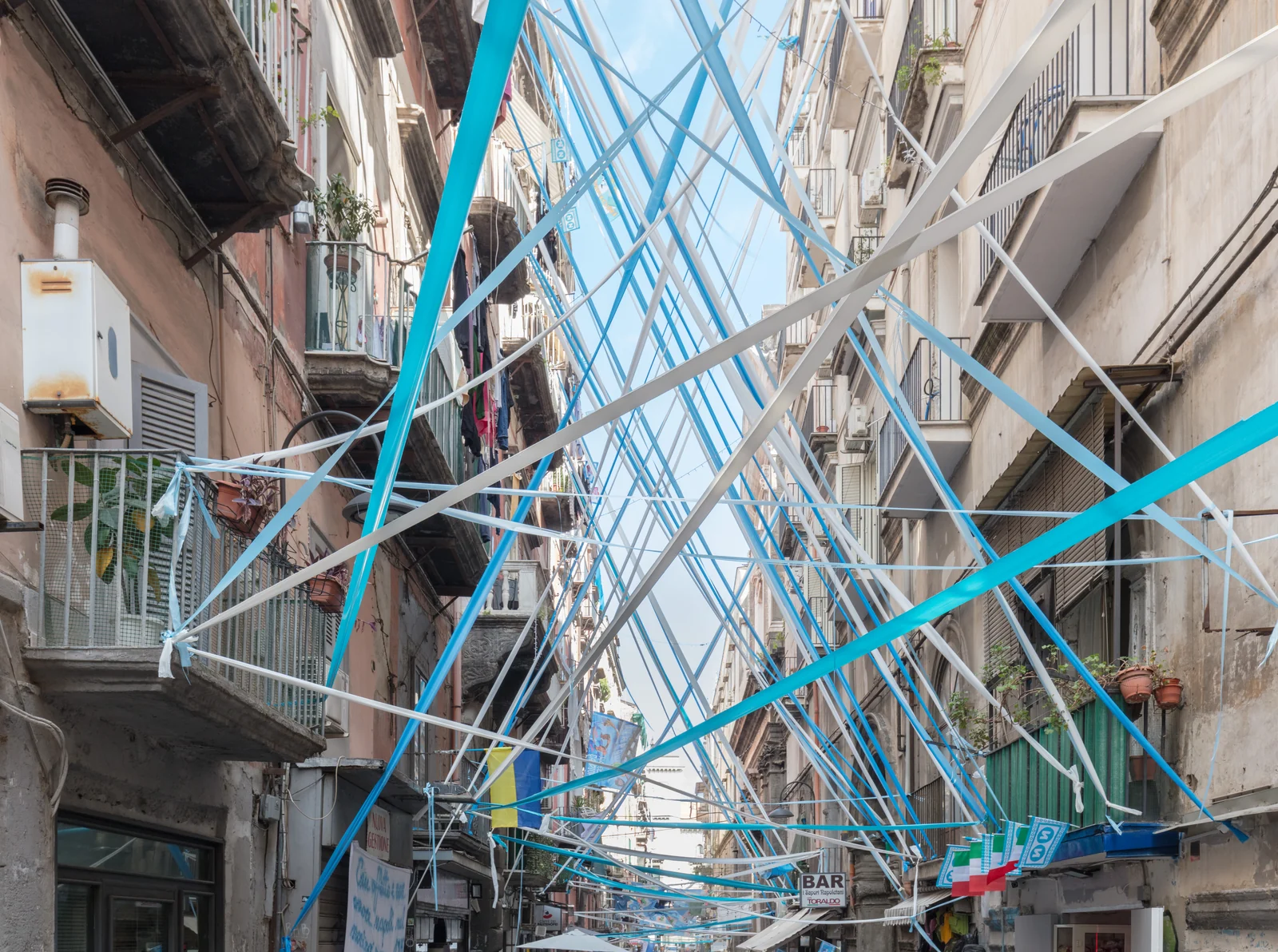
Photo: Diego Delso / Wikimedia Commons — CC BY-SA 4.0 · Resized and converted to WebP.
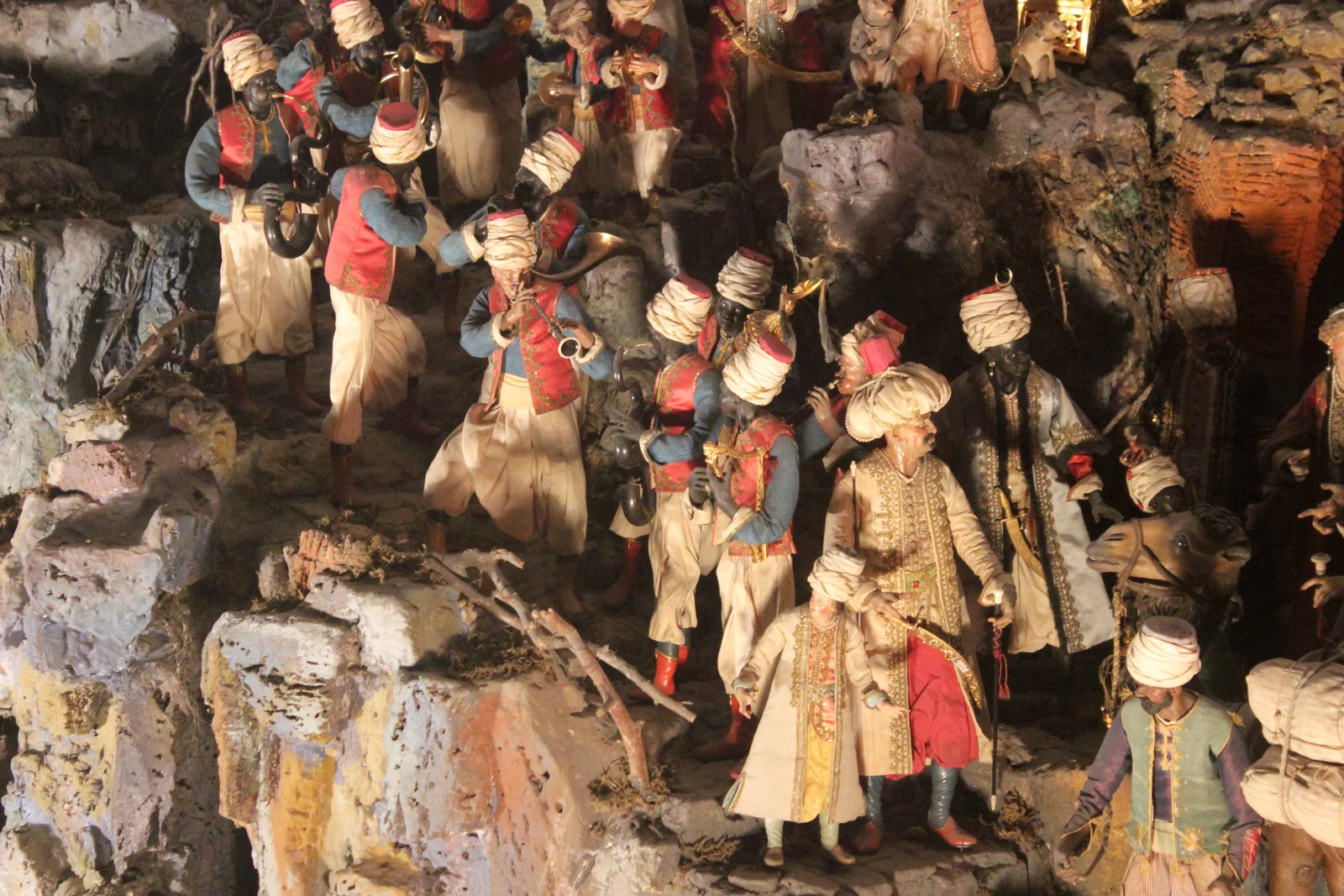
Photo: Miguel Hermoso Cuesta / Wikimedia Commons — CC BY-SA 4.0 · Resized and converted to WebP.
Getting there and around
Naples International Airport is at Capodichino, inside the city, and is closed from 22:30 to 03:30 except for exceptional flight delays. Alibus, the line run by the city transport company ANM, is the fast link between the airport and the centre: from the forecourt of Napoli Centrale station it serves the airport in one direction and, in the other, the port, with the Immacolatella and Molo Beverello stops. Trenitalia also sells a single train-plus-Alibus ticket to the airport and the ports. From the airport, taxis apply fixed fares on set routes. Napoli Centrale, on Piazza Garibaldi, is the city’s main railway station: it has 23 platforms for passenger trains and the Sale Blu assistance service for people with disabilities or reduced mobility. Molo Beverello is one of the city’s ports that Alibus links to the station and the airport. Around the city you move by metro — Toledo station, with the mosaics of its “Gallery of the Sea”, is considered one of the most beautiful in Europe — by line 2 of Trenitalia’s metropolitan service, by the funiculars that climb to the Vomero and by bus. Tickets and passes for public transport in Campania are on the website of the UnicoCampania consortium. The historic centre is best crossed on foot: if you come by car, leave it outside the centre and check the limited traffic zones on the Comune’s website.
According to the Port System Authority of the Central Tyrrhenian Sea, the port of Naples has separate quays for each kind of traffic: for the islands of the gulf and the Sorrento coast, hydrofoils leave from Molo Beverello and ferries from Calata Porta di Massa; services to Sicily and Sardinia use Molo Piliero and the Immacolatella Vecchia pier; cruise ships berth at Molo Angioino, at the Stazione Marittima. In coastal shipping the port accounts for 50% of Italian traffic. For the surrounding area there are the EAV railways: the six Vesuvian lines, the Circumvesuviana, run around Vesuvius, along the coast towards Sorrento on the Naples–Pompei Scavi–Sorrento line and inland, on the slopes of Monte Somma, as far as Nola, Baiano and the Nocera–Sarno plain; the Cumana, along the coast, and the Circumflegrea, inland, both leave from Napoli Montesanto and end at Torregaveta; the EAV metro line starts at Piscinola, where it connects with Metro Line 1, and runs to Aversa. The railway to Salerno runs alongside the Pietrarsa National Railway Museum.
In an emergency call 112, the single European emergency number, free from landlines and mobiles even without a SIM or credit; where the single answering centre is not yet active, the service is provided by the operations centres of the Carabinieri. The Antonio Cardarelli national hospital, at Via A. Cardarelli 9, has an emergency department; the switchboard is +39 081 747 1111.
Sources: Aeroporto Internazionale di Napoli — Come arrivare · Trenitalia — Napoli Air&Port Link con Alibus · RFI — Stazione di Napoli Centrale · Teatro di San Carlo — Acquisti e prenotazioni · Italia.it (Ministero del Turismo) — Stazione Toledo · Catacombe di Napoli — Catacombe di San Gennaro · SSC Napoli — Arrivare allo stadio Diego Armando Maradona · Italia.it (Ministero del Turismo) — Napoli in due giorni · Parco Nazionale del Vesuvio — Il Gran Cono · Consorzio UnicoCampania — titoli di viaggio integrati · Comune di Napoli, sito istituzionale · Autorità di Sistema Portuale del Mar Tirreno Centrale — Passeggeri · Autorità di Sistema Portuale del Mar Tirreno Centrale — Porto di Napoli · EAV, Ente Autonomo Volturno — Le nostre linee · Ferrovie dello Stato Italiane, Fondazione FS — Il Museo Nazionale Ferroviario di Pietrarsa, guida per il visitatore (2017) · Ministero della Salute — Numero unico europeo per le emergenze NUE 112 · Azienda Ospedaliera di Rilievo Nazionale Antonio Cardarelli — sito istituzionale
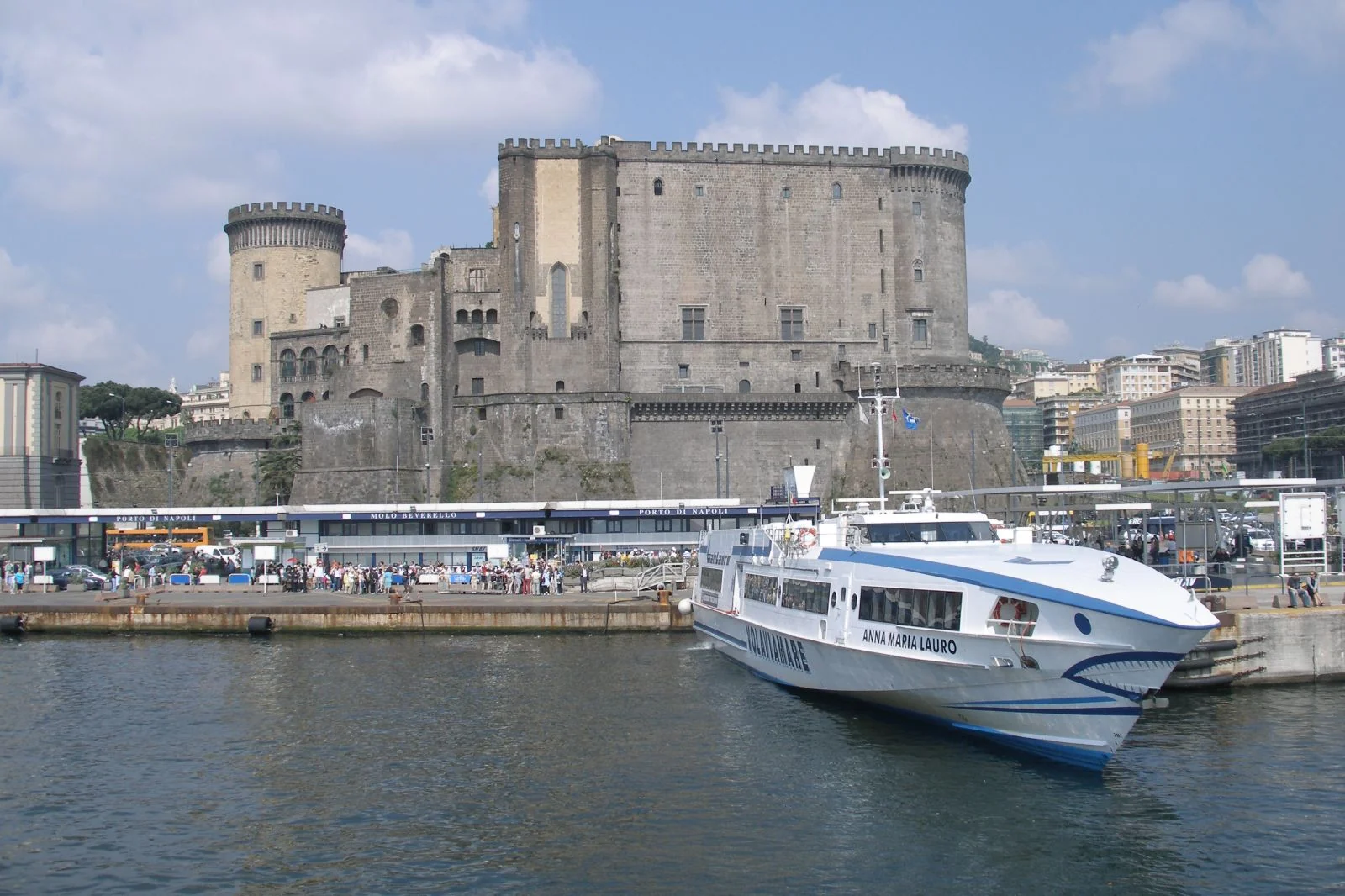
Photo: Vyacheslav Argenberg / Wikimedia Commons — CC BY 2.0 · Resized and converted to WebP.
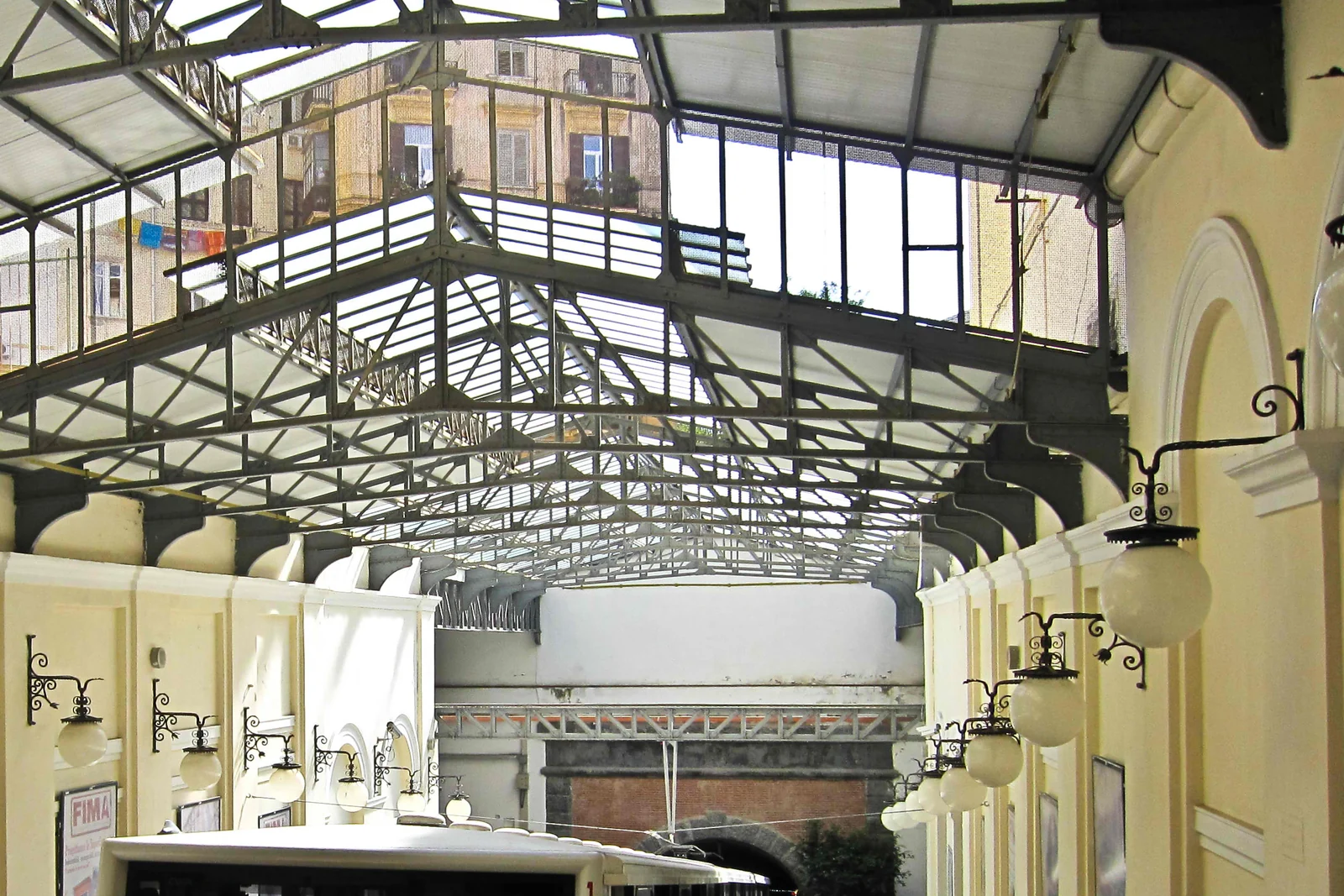
Photo: Armando Mancini from Napoli, Italia / Wikimedia Commons — CC BY-SA 2.0 · Cropped, resized and converted to WebP.
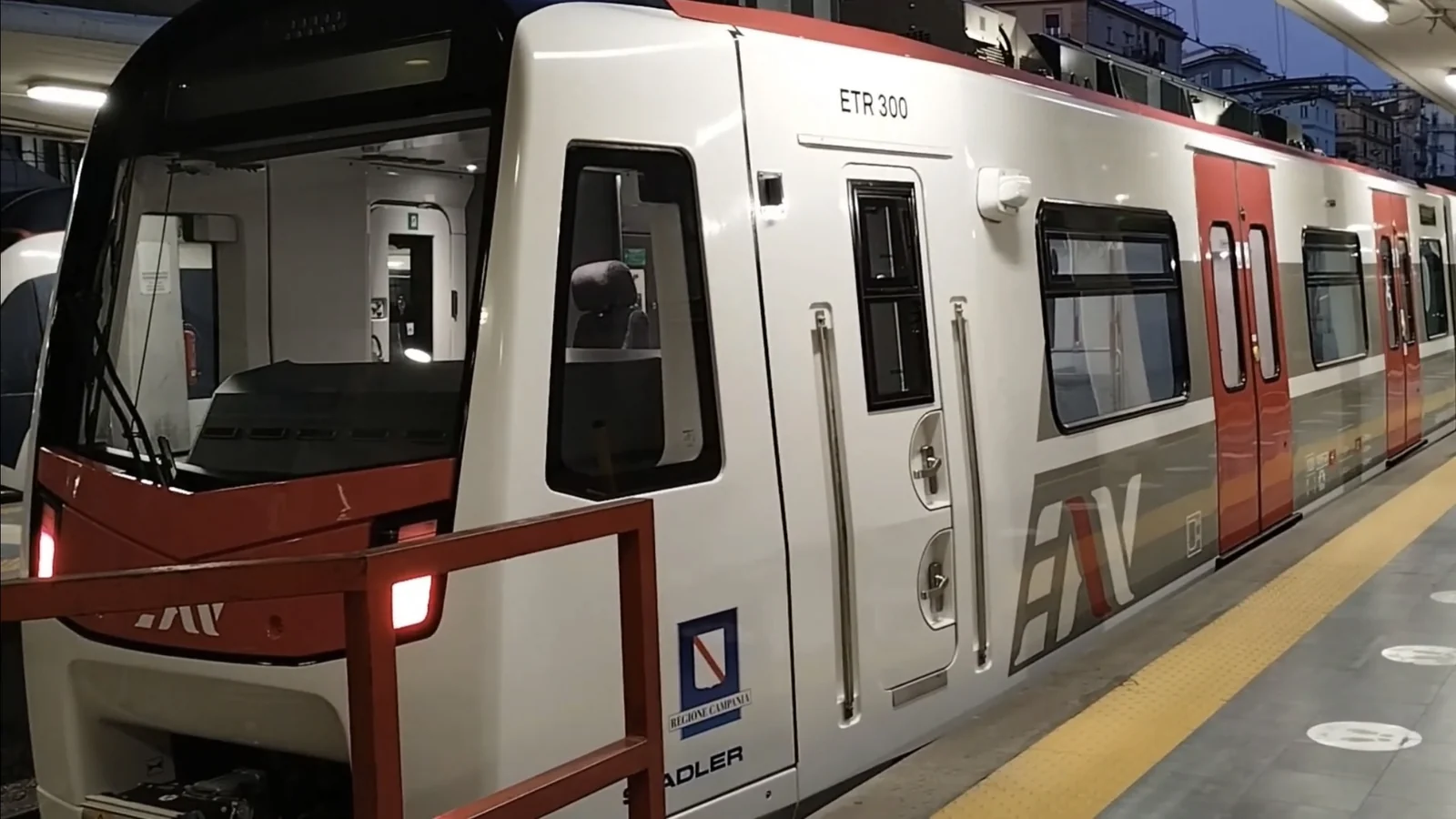
Photo: Yeagvr / Wikimedia Commons — CC0 · Resized and converted to WebP.
Where to stay
Naples has a large supply of accommodation: the Ministry of Tourism’s database lists more than ten thousand establishments with a national identification code, as the section “Accommodation in figures” reports. The choice of district matters more than the single address. The historic centre, between Spaccanapoli and Via dei Tribunali, puts churches, museums and pizzerias within a few steps, and is the place for those who want the city as it is lived. The area of Piazza del Plebiscito, Via Toledo and Via Chiaia is convenient for the Royal Palace, the San Carlo and shopping. The seafront, between Chiaia, the Villa Comunale and Santa Lucia, faces the gulf and Castel dell’Ovo. The Vomero, reached by funicular, is a residential district on the heights, with the Certosa di San Martino, Castel Sant’Elmo and the view over the gulf. Those arriving by train or leaving early for the airport find the most direct connections around Napoli Centrale. Apulica does not list paid placements: for a night or an itinerary you can write to us with the button at the bottom of the page.
On the Vomero, the park of the Villa Floridiana was redesigned by Antonio Niccolini as an English garden, with lawns, groves and terraces following the ground as it slopes towards the sea; the open-air theatre, the Ionic temple, the greenhouses and the grottoes for exotic animals are the original architectural features still standing.
Sources: Ministero del Turismo – Banca Dati Strutture Ricettive (dashboard pubblica) · Italia.it (Ministero del Turismo) — Napoli in due giorni · Italia.it (Ministero del Turismo) — 4 itinerari di 10.000 passi per il centro di Napoli · Italia.it (Ministero del Turismo) — Piazza del Plebiscito · Italia.it (Ministero del Turismo) — Certosa e Museo di San Martino · RFI — Stazione di Napoli Centrale · Trenitalia — Napoli Air&Port Link con Alibus · Ministero della Cultura — Museo della Ceramica Duca di Martina in Villa Floridiana · Ministero della Cultura — Musei nazionali del Vomero
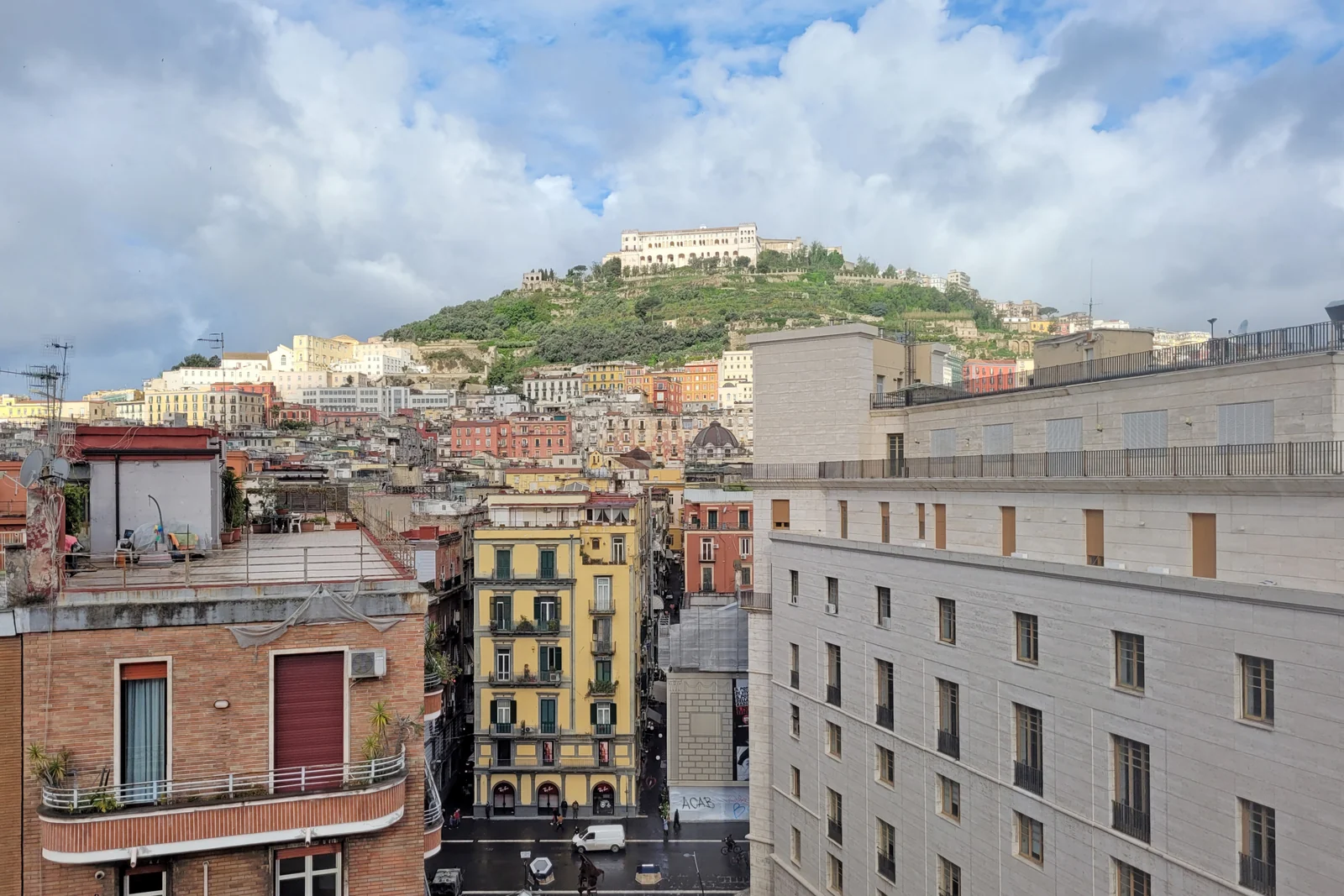
Photo: Bernard Gagnon / Wikimedia Commons — CC BY 4.0 · Resized and converted to WebP.
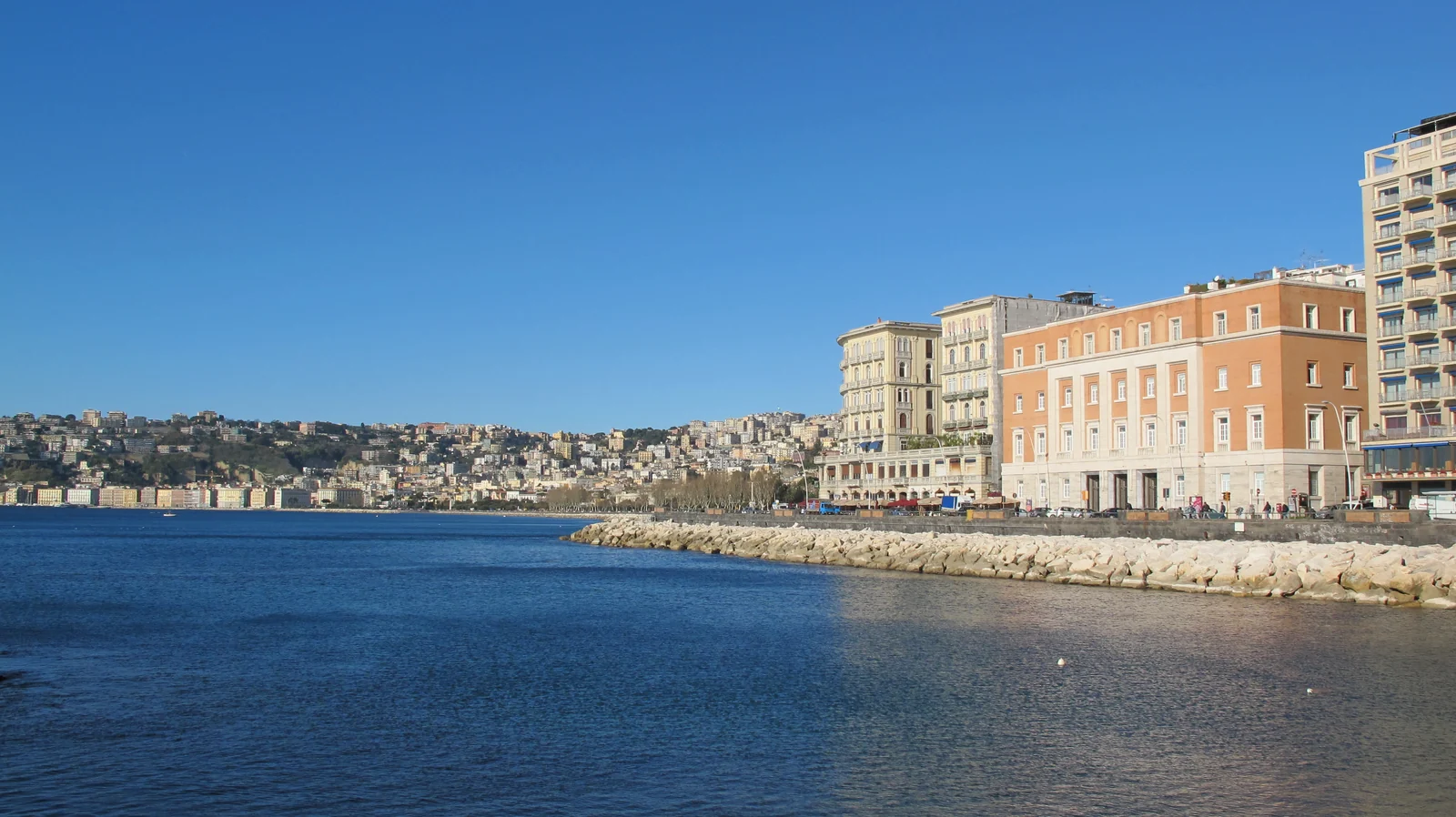
Photo: pietro scerrato / Wikimedia Commons — CC BY 3.0 · Resized and converted to WebP.
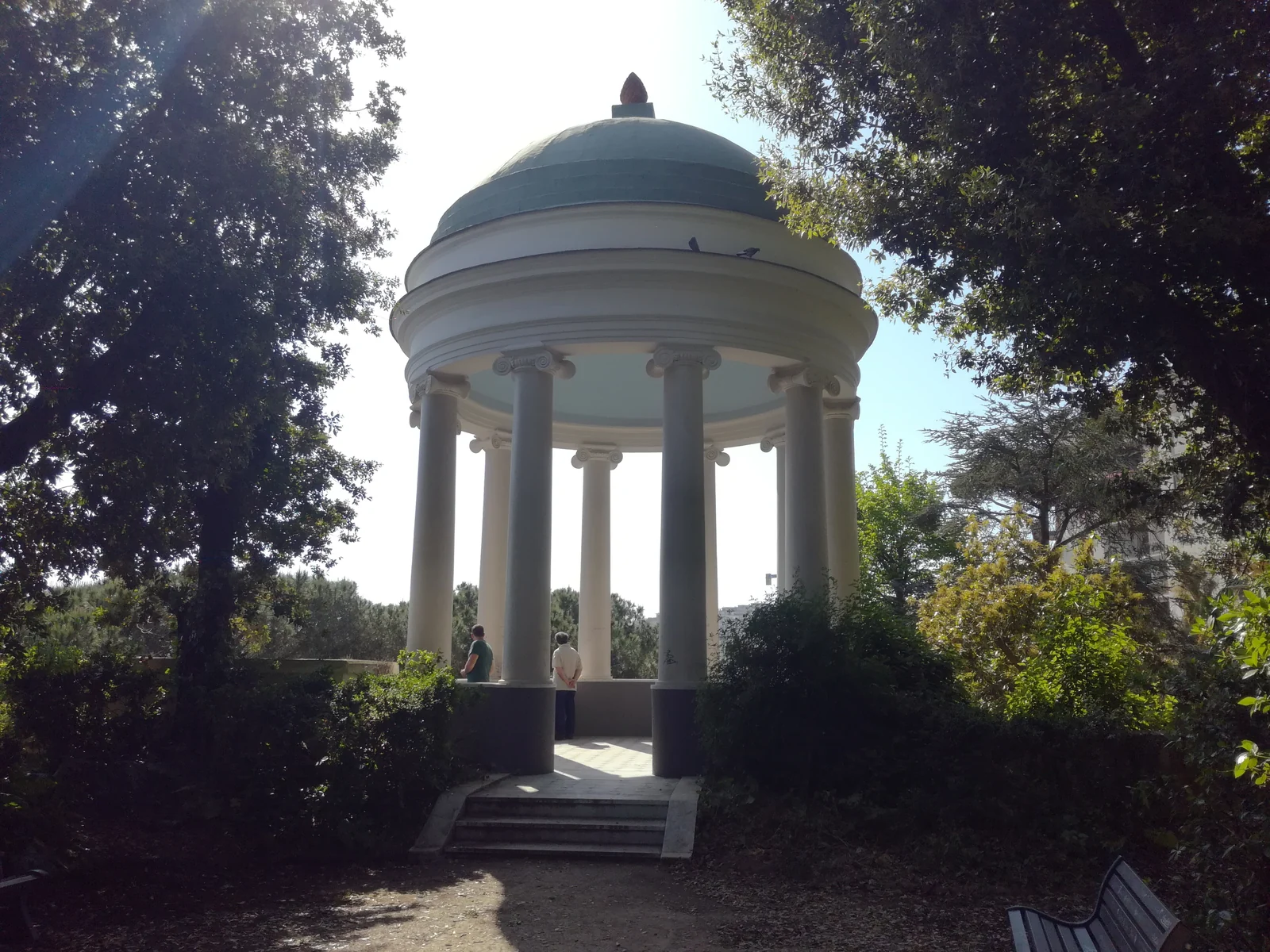
Photo: Baku / Wikimedia Commons — CC BY-SA 4.0 · Resized and converted to WebP.
Accommodation in figures
In the Ministry of Tourism’s national database of accommodation (BDSR), on 12 October 2026, Naples had 10,141 establishments with a verified national identification code (CIN): 158 hotel-type establishments, 2,579 non-hotel establishments and 7,404 other establishments.
Sources: Ministero del Turismo – Banca Dati Strutture Ricettive (dashboard pubblica)
Nearby
Vesuvius, the only active volcano on the European mainland, is the symbol of Naples and is protected by the National Park. Trail number 5, “The Great Cone”, starts from the car park area at 1,000 metres in the municipality of Ercolano and climbs to the rim of the crater, 450 metres wide and 300 deep, shaped by the last eruption, in 1944. Tickets are sold online only, through the vendor named by the Park, thirty days in advance; “last minute” tickets are personal. At the foot of the volcano lie the excavations of Pompeii and Herculaneum, the cities buried by the eruption of AD 79: the Archaeological Park of Pompeii has a daily limit of 20,000 visitors and personalised tickets. Facing Ischia and Procida lies Pozzuoli, the Roman Puteoli, with the Rione Terra, the Macellum known as the Temple of Serapis, the Flavian Amphitheatre, the third largest in Italy, and the Solfatara. In the gulf, Procida, the smallest island, with the Abbey of San Michele Arcangelo on the Terra Murata headland; Ischia, the largest in Campania, with the Aragonese Castle and its spas; Capri, with the Piazzetta, the Blue Grotto and the Faraglioni. From Sorrento come the lemon and limoncello, a liqueur exported and imitated all over the world. Inland, the Royal Palace of Caserta keeps a large eighteenth-century Neapolitan nativity scene.
At Pozzuoli the Flavian Amphitheatre, built in the first century AD where the Via Domitiana met the road to Naples, was smaller in capacity only than the Colosseum and the amphitheatre of Capua among those in Italy; its seating rose in three tiers. The «Circuito Flegreo» combined ticket is valid for three consecutive days at four sites: the Archaeological Museum of the Phlegraean Fields in Baia Castle, the Baths of Baia archaeological park, the archaeological park of Cumae and the Flavian Amphitheatre.
Sources: Italia.it (Ministero del Turismo) — Parco Nazionale del Vesuvio · Parco Nazionale del Vesuvio — Il Gran Cono · Italia.it (Ministero del Turismo) — Pompei, Ercolano e Torre Annunziata · Parco Archeologico di Pompei — portale ufficiale · Parco Archeologico di Ercolano · Italia.it (Ministero del Turismo) — Pozzuoli · Italia.it (Ministero del Turismo) — Capri, Procida e Ischia, le isole del golfo · Italia.it (Ministero del Turismo) — Prodotti e piatti tipici campani · Italia.it (Ministero del Turismo) — I presepi più belli di Napoli e della Campania · Ministero della Cultura — Parco archeologico dei Campi Flegrei, Anfiteatro Flavio di Puteoli
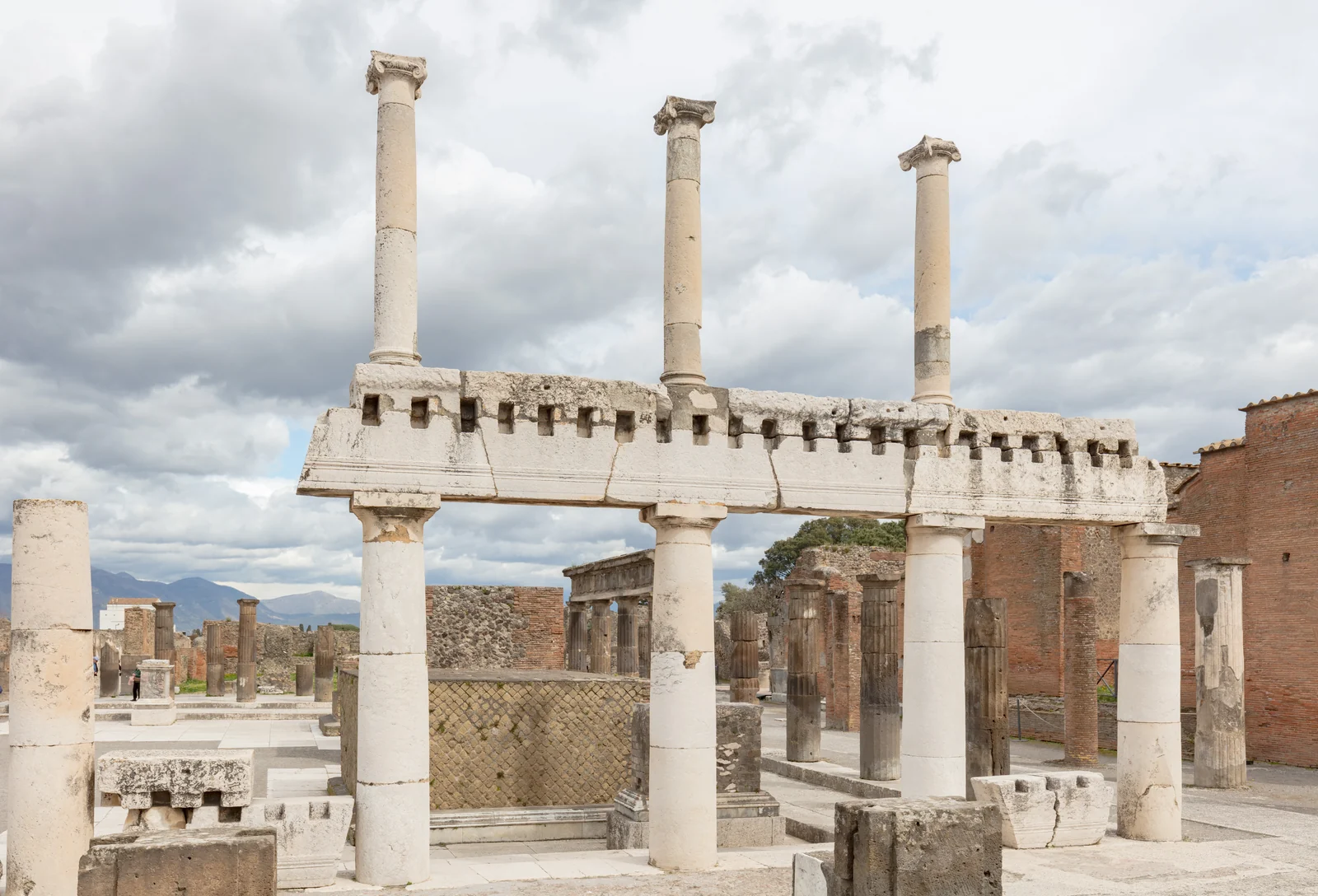
Photo: Diego Delso / Wikimedia Commons — CC BY-SA 4.0 · Resized and converted to WebP.
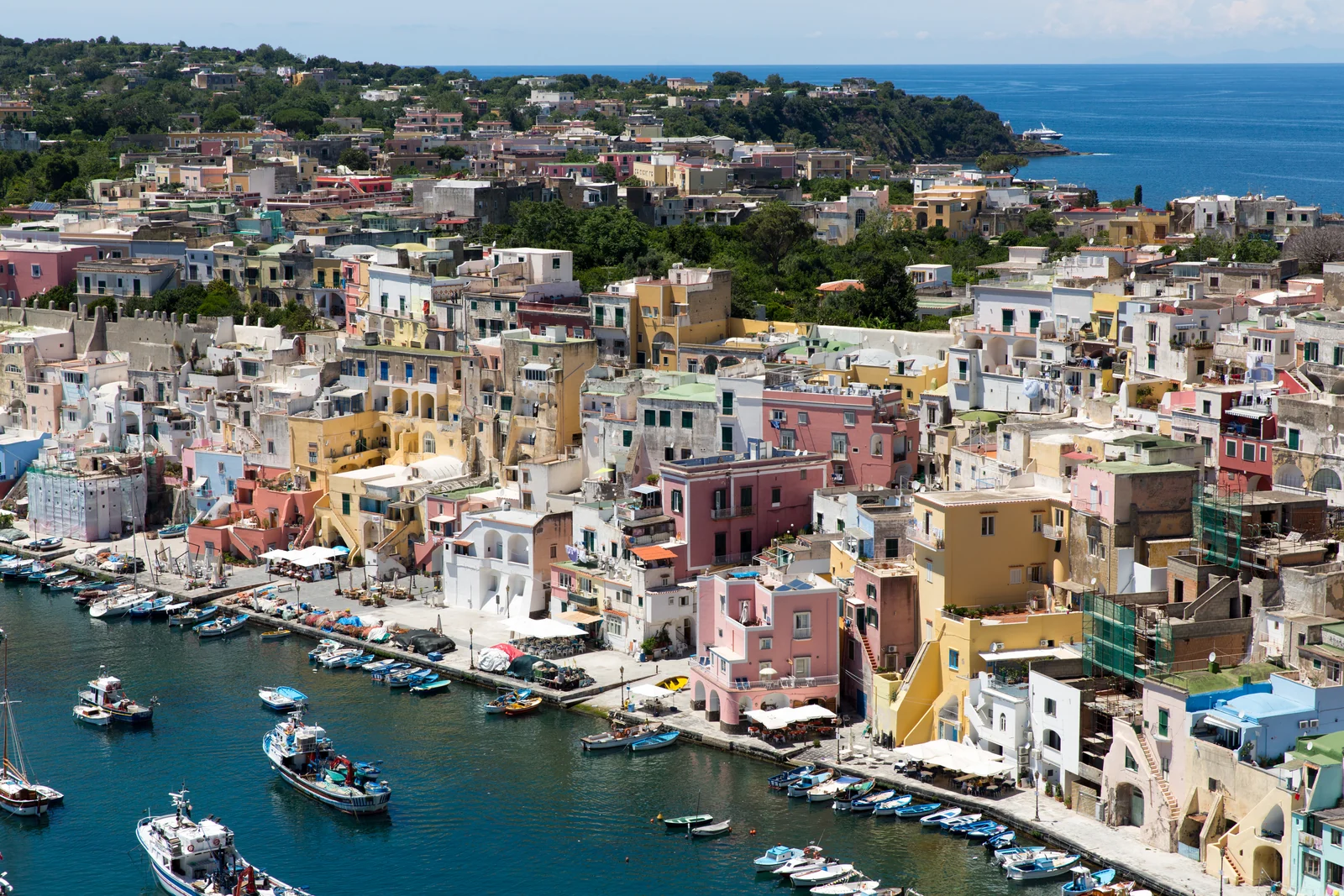
Photo: Ekrem Canli / Wikimedia Commons — CC BY-SA 4.0 · Resized and converted to WebP.
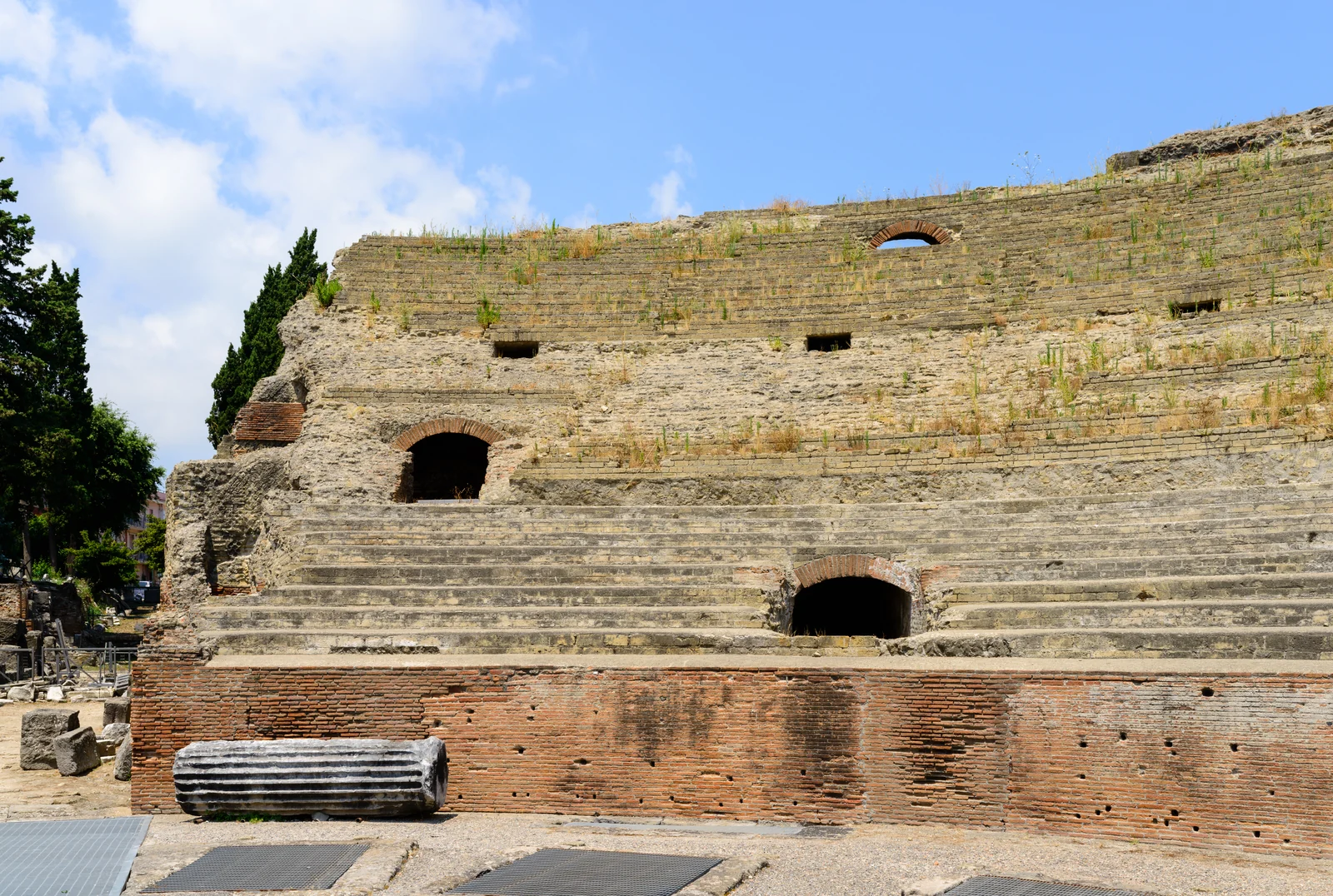
Photo: Norbert Nagel / Wikimedia Commons — CC BY-SA 3.0 · Resized and converted to WebP.
The town council
The official website of the Comune di Napoli, registered in IndicePA, the index of the digital addresses of Italy’s public administrations, is the reference for the town council’s offices, opening hours and news. Its address is listed among the sources of this section.
Sources: Comune di Napoli, sito istituzionale · IndicePA (AgID), Indice dei domicili digitali delle pubbliche amministrazioni: dataset Enti
Already on Apulica
L'Antica Pizzeria da Michele (pizzeria), one of the food places featured by Apulica, is based in Naples. Apulica’s events calendar includes «VitignoItalia Preview» in Naples; the latest recorded edition is 2026. Apulica’s events calendar includes «Gustus food and hospitality trade fair» in Naples; the latest recorded edition is 2026.
Sources: L'Antica Pizzeria da Michele, sito ufficiale · Anteprima VitignoItalia all'Hotel Excelsior di Napoli · Gustus 2026, salone professionale dell'agroalimentare
Where to stay
In the municipality of Napoli the national database of the Ministry of Tourism lists 10141 accommodation businesses with a verified CIN code: 158 hotels, 2579 other licensed accommodation and 7404 other types such as B&Bs and private rentals.
Licensed businesses from the official list of accommodation named as the source in this section. Where the list gives it, the property's official identification code appears next to its name: the national CIN code, or the code assigned by the Region or by the body that keeps the list. Private individuals are not listed. This list is the official census of licensed businesses, not a list of Apulica partners: to stay in Napoli you do not have to check one property after another yourself; write to Apulica and we look for the stay that suits your journey, checking availability and conditions before any confirmation.
DE BONART
Hotel · ★★★★★
Regional code (CUSR) 15063049ALB1147
AGRIRESORT RIAMA
Farm stay
Regional code (CUSR) 15063049EXT7891
15063049EXT3358
Guest rooms
Regional code (CUSR) 15063049EXTK1MA
6 Small Rooms - 1st Floor
Hostel
Regional code (CUSR) 15063049EXTVH5L
ASSOCIAZIONE EDUARDO VITALI ODV – LA CASA DEL SORRISO
Holiday house
Regional code (CUSR) 15063049EXT2219
GRAND HOTEL PARKER'S
Hotel · ★★★★★
Regional code (CUSR) 15063049ALB0510
TENUTA DON ALFONSO
Farm stay
Regional code (CUSR) 15063049EXT2723
174 URBAN STAY NAPOLI
Guest rooms
Regional code (CUSR) 15063049EXTZZP9
6 Small Rooms - 3rd Floor
Hostel
Regional code (CUSR) 15063049EXTHMKL
CASA ALBA LAETA
Holiday house
Regional code (CUSR) 15063049EXT0280
First the places that presented themselves to Apulica, the latest first; then one place of each type in turn, by official category and stars, then by name. No position is paid for.
All 2163 entries in alphabetical order
Page 1 of 217
| Name | Type | Identification code |
|---|---|---|
| 15063049EXT3358 | Guest rooms | Regional code (CUSR) 15063049EXTK1MA |
| 174 URBAN STAY NAPOLI | Guest rooms | Regional code (CUSR) 15063049EXTZZP9 |
| 1811 PALACE | Hotel | Regional code (CUSR) 15063049ALB1U7W |
| 1970 ROOMS | Guest rooms | Regional code (CUSR) 15063049EXT0015 |
| 2 Naples | Guest rooms | Regional code (CUSR) 15063049EXT3523 |
| 2 NAPLES ROOM | Guest rooms | Regional code (CUSR) 15063049EXT4828 |
| 21 ARMENO | Guest rooms | Regional code (CUSR) 15063049EXT2426 |
| 3 BIEN CENTRALE | Guest rooms | Regional code (CUSR) 15063049EXT3160 |
| 319 al duomo | Guest rooms | Regional code (CUSR) 15063049EXT4403 |
| 4cameRe bedrooms | Guest rooms | Regional code (CUSR) 15063049EXT9975 |
Ask Apulica for a stay in Napoli We reply shortly, within a few hours at most, with a proposal for you to consider.
Sources: Ministero del Turismo – Banca Dati Strutture Ricettive (dashboard pubblica), 2026-10-12
YOUR JOURNEY
How to shape a journey here
In Naples we can arrange a guided visit to the historic centre and the museums, an evening at the San Carlo, a day at Pompeii or on Vesuvius and transfers to the islands and the coast. To include Naples in a trip, or to ask for a guide or a transfer, you can write to Apulica with the button below.
Plan your tripKeep exploring
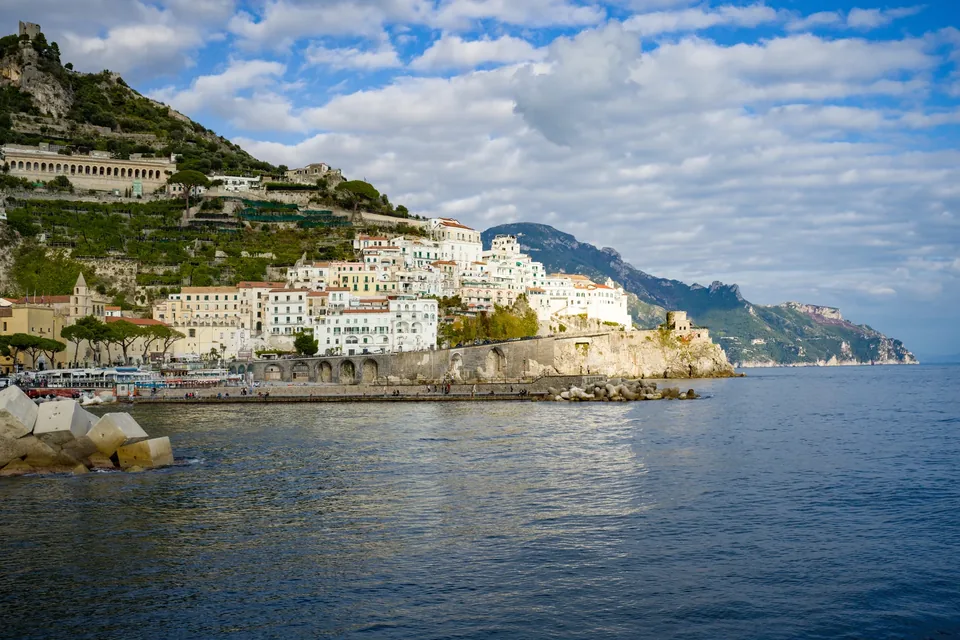
Amalfi Coast
The UNESCO cultural landscape between Positano and Vietri sul Mare: citrus terraces, footpaths, inland valleys and the history of a maritime republic.
Read the guide →Photo: Wolfgang Moroder / Wikimedia Commons — CC BY-SA 3.0 · Resized and converted to WebP.

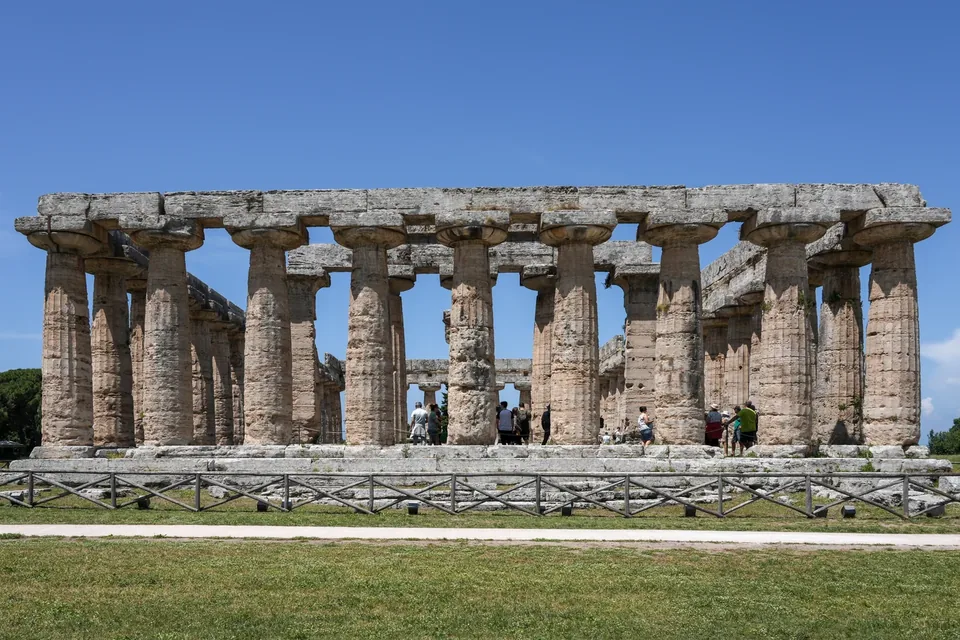
Cilento
The Cilento, Vallo di Diano and Alburni National Park: coastline, karst mountains, Paestum, Velia and the Padula Charterhouse.
Read the guide →Photo: PaestumPaestum / Wikimedia Commons — CC BY-SA 4.0 · Resized and converted to WebP.

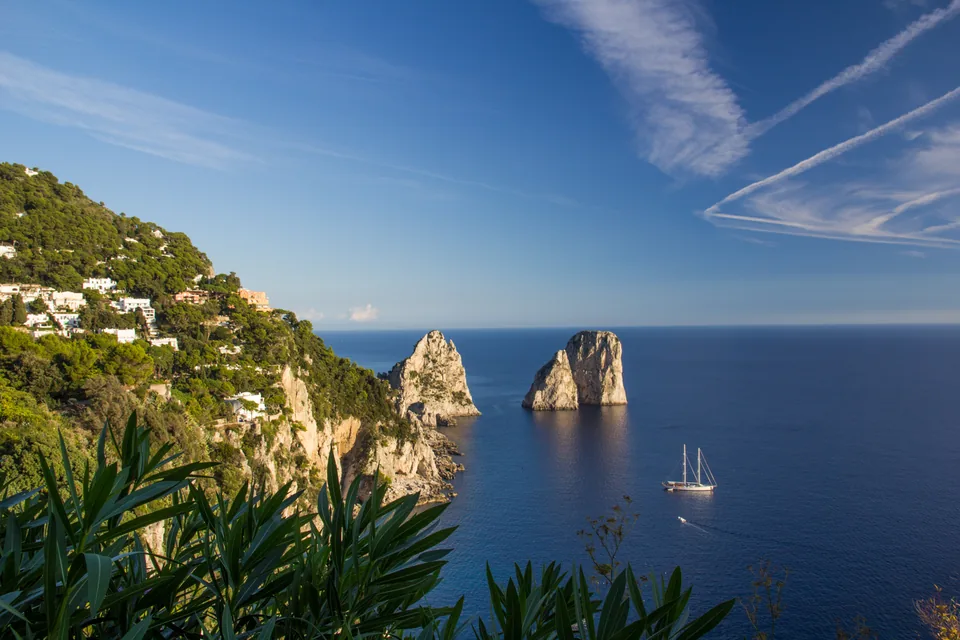
Capri
Capri (NA), Campania: 6,722 residents, 4.06 km². The official facts of the municipality, its town council website and its registered accommodation. The Faraglioni, the Piazzetta, the Gardens of Augustus and Via Krupp, the Certosa di San Giacomo with the Archaeological Museum, Tiberius’s Villa Jovis, Villa Lysis, and the island’s PGI lemon and DOC wine.
Read the guide →Photo: Marlis Börger / Wikimedia Commons — CC BY-SA 2.0 · Resized and converted to WebP.

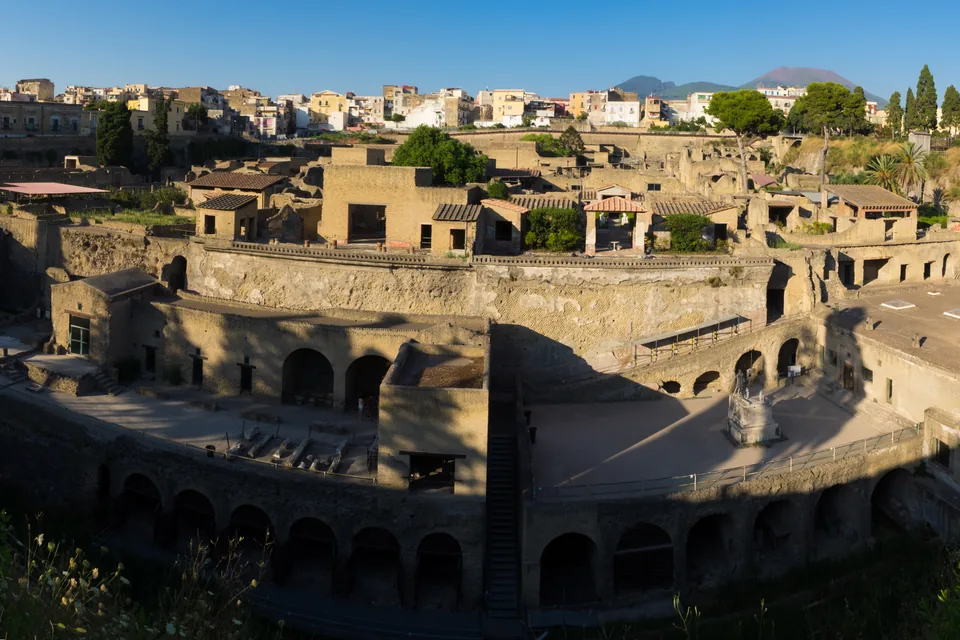
Ercolano
Ercolano (NA), Campania: 49,505 residents, 19.92 km². The official facts of the municipality, its town council website and its registered accommodation. The excavations of Herculaneum, a UNESCO World Heritage site, the Antiquarium and the boat from the ancient beach, the villas of the Miglio d’Oro, the Resina market, the piennolo cherry tomato PDO, Lacryma Christi wine and the Gran Cono trail up Vesuvius.
Read the guide →Photo: Sarahhoa / Wikimedia Commons — CC BY-SA 2.0 · Resized and converted to WebP.

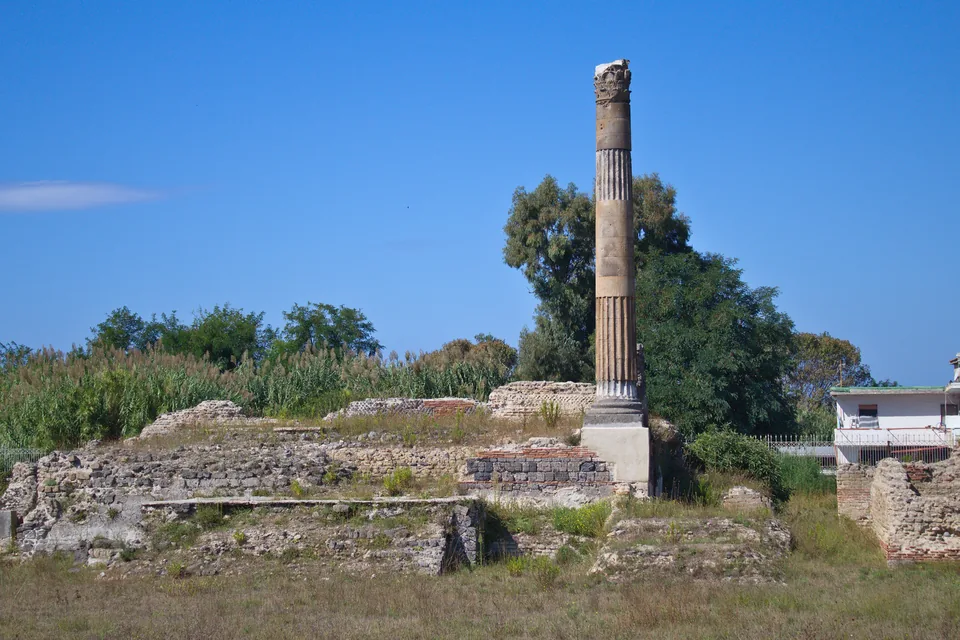
Giugliano in Campania
Giugliano in Campania (NA), Campania: 125,032 residents, 94.71 km². The official facts of the municipality, its town council website and its registered accommodation. Liternum and Scipio Africanus, Lake Patria, the coast of Licola and Varcaturo, the annurca apple, Giambattista Basile and the Flight of the Angel.
Read the guide →Photo: PhotoNp / Wikimedia Commons — CC BY-SA 4.0 · Resized and converted to WebP.

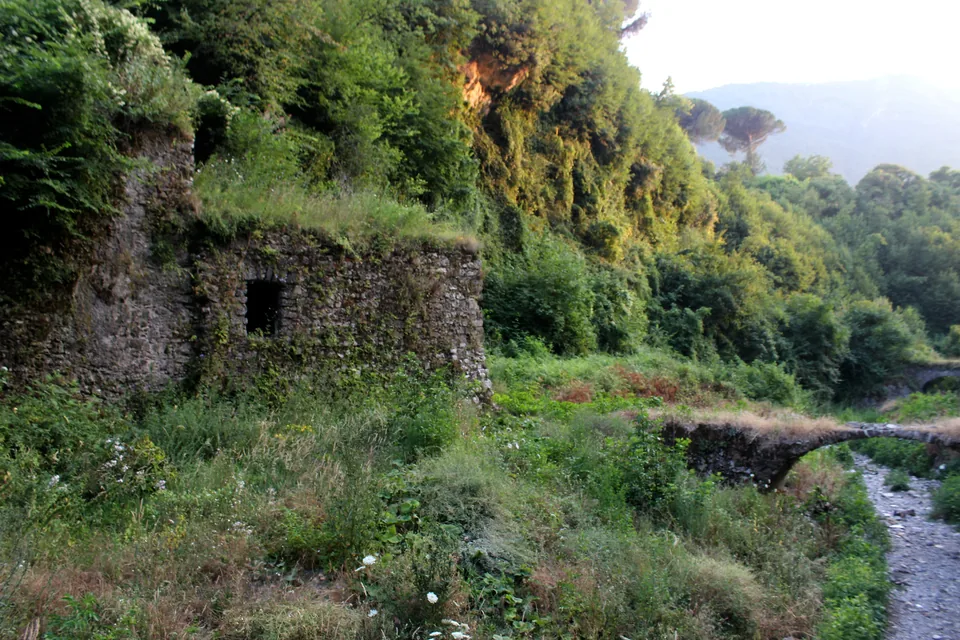
Gragnano
Gragnano (NA), Campania: 27,694 residents, 14.64 km². The official facts of the municipality, its town council website and its registered accommodation. The City of Pasta: Pasta di Gragnano PGI, the Valley of the Mills, Via Roma laid out for the wind, the Corpus Domini church and Santa Maria Assunta at Castello, the Roman villa of Carmiano and the September pasta festival.
Read the guide →Photo: Miguel Hermoso Cuesta / Wikimedia Commons — CC BY-SA 4.0 · Resized and converted to WebP.

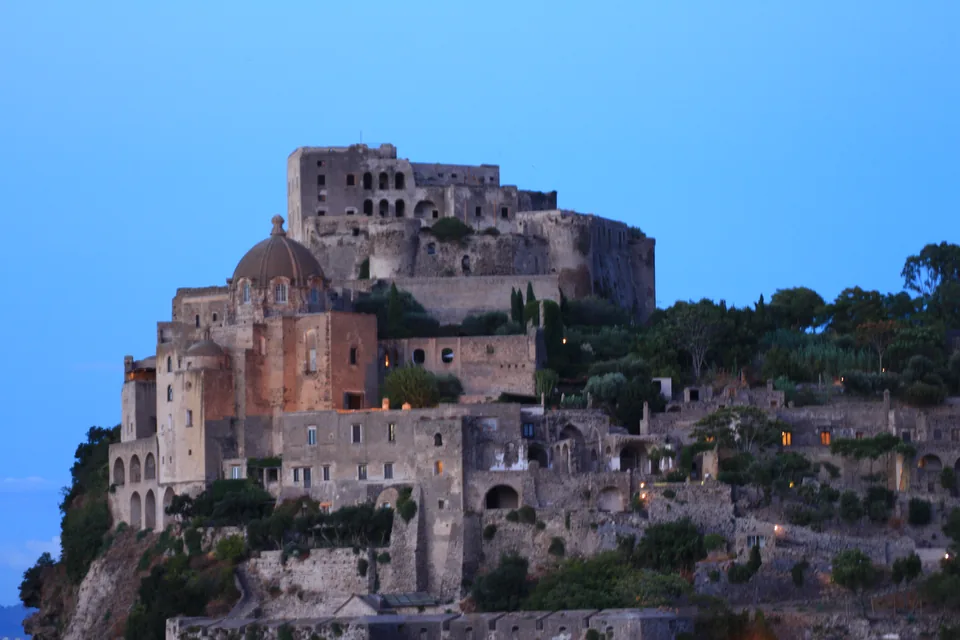
Ischia
Ischia (NA), Campania: 19,492 residents, 8.14 km². The official facts of the municipality, its town council website and its registered accommodation. The Aragonese Castle and the old village of Ischia Ponte, the Guevara Tower and the bay of Cartaromana, the Bourbon harbour, the cathedral of the Assunta, DOC “Ischia” wine and the Sea Festival at the rocks of Sant’Anna.
Read the guide →Photo: Pask928 / Wikimedia Commons — CC BY-SA 4.0 · Resized and converted to WebP.

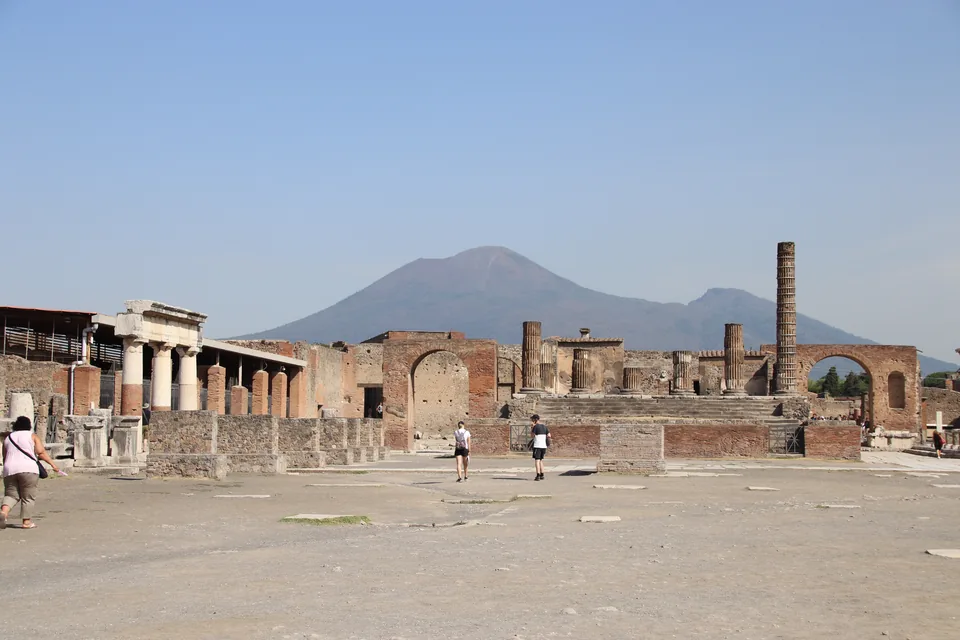
Pompei
Pompei (NA), Campania: 23,647 residents, 12.43 km². The official facts of the municipality, its town council website and its registered accommodation. The ancient city buried by Vesuvius in AD 79, a UNESCO World Heritage site since 1997, with the Forum, the Amphitheatre, the Villa of the Mysteries and the Antiquarium; the Shrine of the Blessed Virgin of the Rosary founded by Saint Bartolo Longo, and the Supplication of 8 May and October.
Read the guide →Photo: Gary Todd from Xinzheng, China / Wikimedia Commons — Public domain · Resized and converted to WebP.

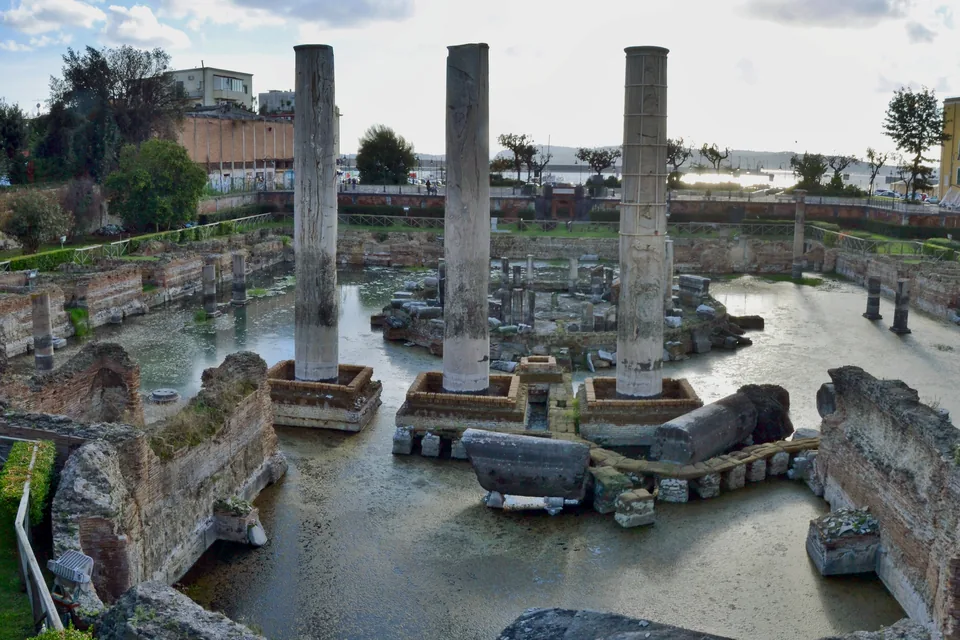
Pozzuoli
Pozzuoli (NA), Campania: 75,375 residents, 43.84 km². The official facts of the municipality, its town council website and its registered accommodation. The Flavian Amphitheatre, the Macellum, the Rione Terra, the Phlegraean Fields and bradyseism, the port for Ischia and Procida.
Read the guide →Photo: Rolf Cosar / Wikimedia Commons — CC BY-SA 4.0 · Cropped, resized and converted to WebP.

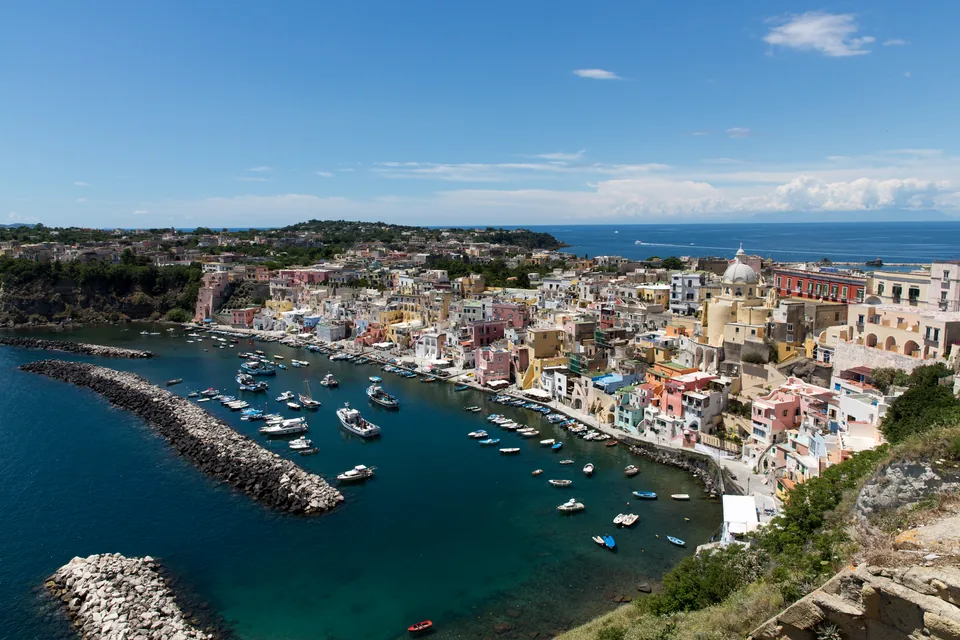
Procida
Procida (NA), Campania: 10,004 residents, 4.26 km². The official facts of the municipality, its town council website and its registered accommodation. Marina Corricella, the walled quarter of Terra Murata with the Abbey of San Michele and Palazzo d’Avalos, the Vivara nature reserve, the Misteri of Good Friday, the Procida lemon and the ferries from Naples and Pozzuoli.
Read the guide →Photo: Ekrem Canli / Wikimedia Commons — CC BY-SA 4.0 · Resized and converted to WebP.

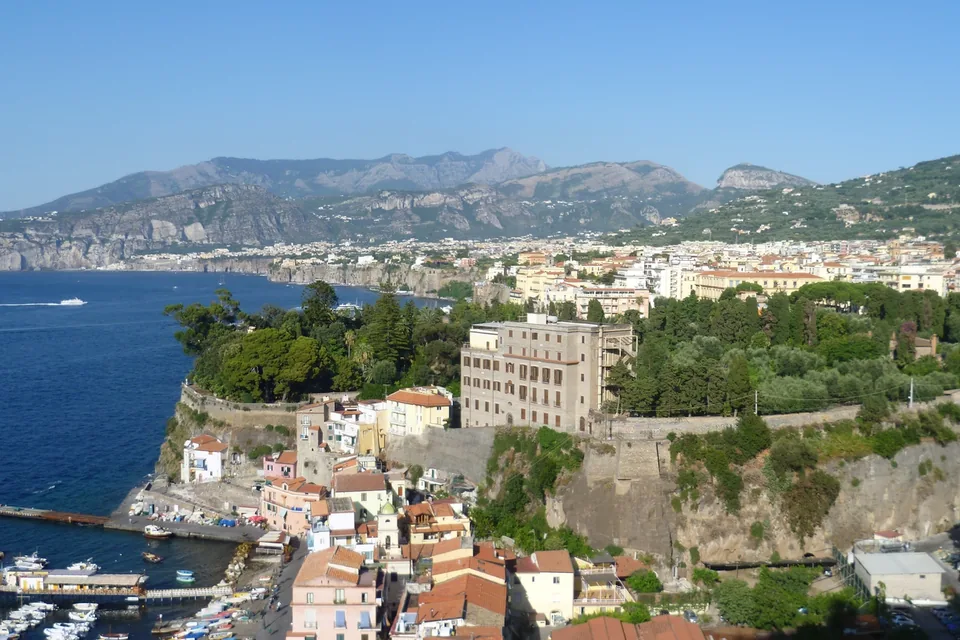
Sorrento
Sorrento (NA), Campania: 15,152 residents, 10.00 km². The official facts of the municipality, its town council website and its registered accommodation. The town on its tuff cliff, the old centre with the basilica of Sant’Antonino and the cloister of San Francesco, the Museo Correale, the Sorrento Lemon PGI, the marinas and the train from Naples.
Read the guide →Photo: Kim Traynor / Wikimedia Commons — CC BY-SA 3.0 · Resized and converted to WebP.

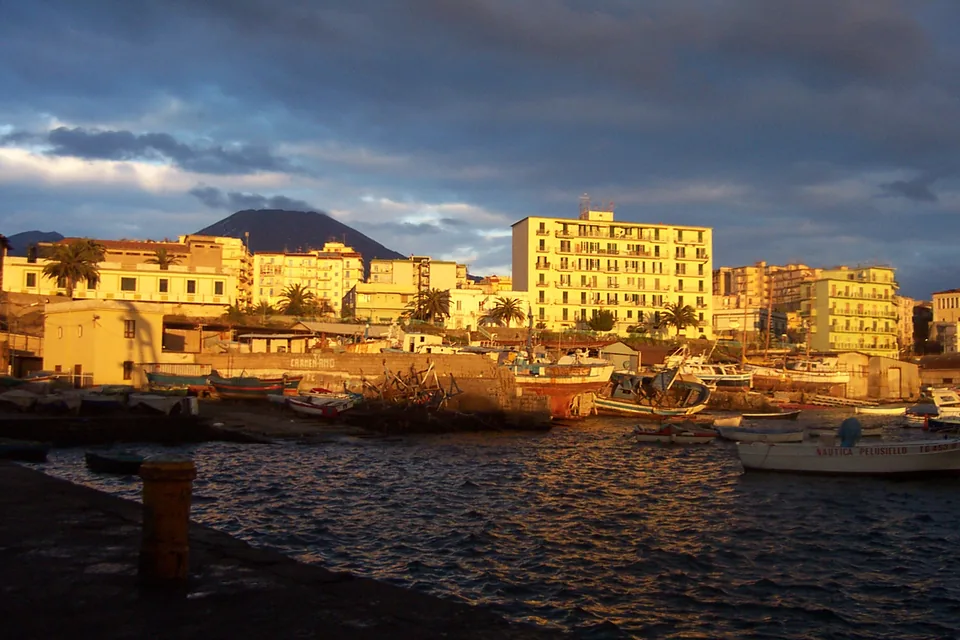
Torre del Greco
Torre del Greco (NA), Campania: 79,397 residents, 30.67 km². The official facts of the municipality, its town council website and its registered accommodation. Coral and cameos, Vesuvius and the eruptions of 1631 and 1794, Leopardi’s Villa delle Ginestre, the basilica of Santa Croce and the Feast of the Four Altars.
Read the guide →Photo: Simone Di Somma / Wikimedia Commons — CC BY-SA 3.0 · Resized and converted to WebP.

“Come to Naples as a guest, not as a tourist: that is how these places truly let you know them.”