

Why go
Gragnano is known as the City of Pasta. Pasta di Gragnano PGI can be produced only within the municipal territory, and according to the protection consortium the Protected Geographical Indication obtained in 2013 was the first EU quality recognition given to pasta in Italy and in Europe.
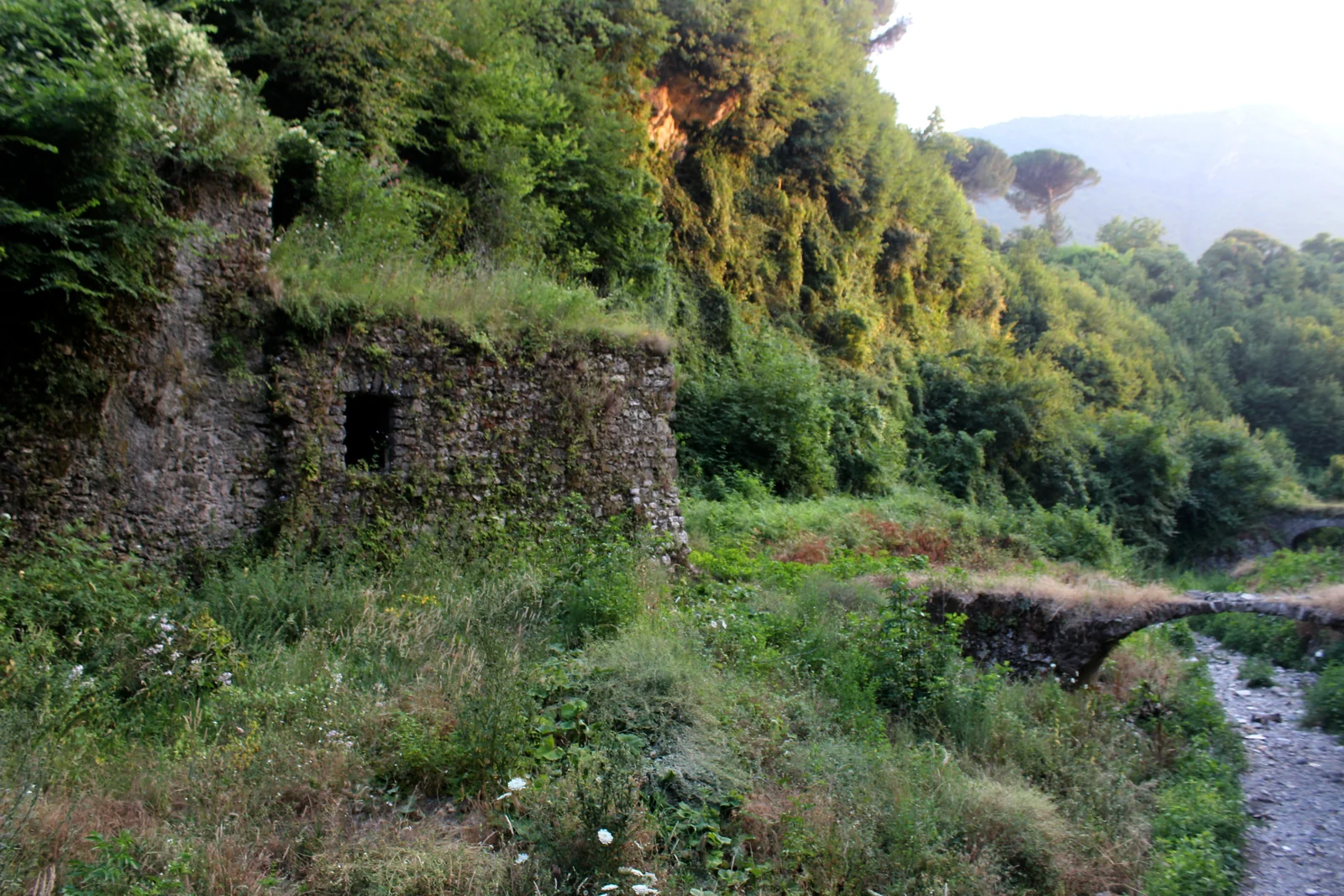
The history of pasta can be seen in the town. Along the Vernotico stream, in the Valley of the Mills, the old watermills that ground the grain still stand; Via Roma was redesigned in the mid-nineteenth century so that sun and wind would dry the macaroni hung out in the open, so much so that it was called «the street of the wind». The fountains in the squares give the water of the Lattari Mountains, the same water the production rules tie to the pasta.
The town council regards the church of Corpus Domini as the most important place of worship in the town, with a canvas of about 400 square metres on its ceiling; in the hamlet of Castello the church of Santa Maria Assunta has been a national monument since 1927. In September the Gragnano Città della Pasta festival brings pasta factories, mills and kitchens into the streets.
Sources: Consorzio di Tutela della Pasta di Gragnano IGP — Il Consorzio · Consorzio di Tutela della Pasta di Gragnano IGP — Il territorio · Comune di Gragnano — Cultura e Turismo: Gragnano Città della Pasta · Ministero delle politiche agricole alimentari e forestali — Disciplinare di produzione della IGP «Pasta di Gragnano» (testo aggiornato al 12 febbraio 2020, pubblicato dal Consorzio di tutela) · Comune di Gragnano — Cultura e Turismo: Attività principali (pasta, acqua, vino, panuozzo, prodotti) · Comune di Gragnano — Chiesa del Corpus Domini · Arcidiocesi di Sorrento-Castellammare di Stabia, Servizio pastorale per il turismo — Luoghi d’arte da visitare a Gragnano · Comune di Gragnano — Festa della Pasta 2025, 23ª edizione
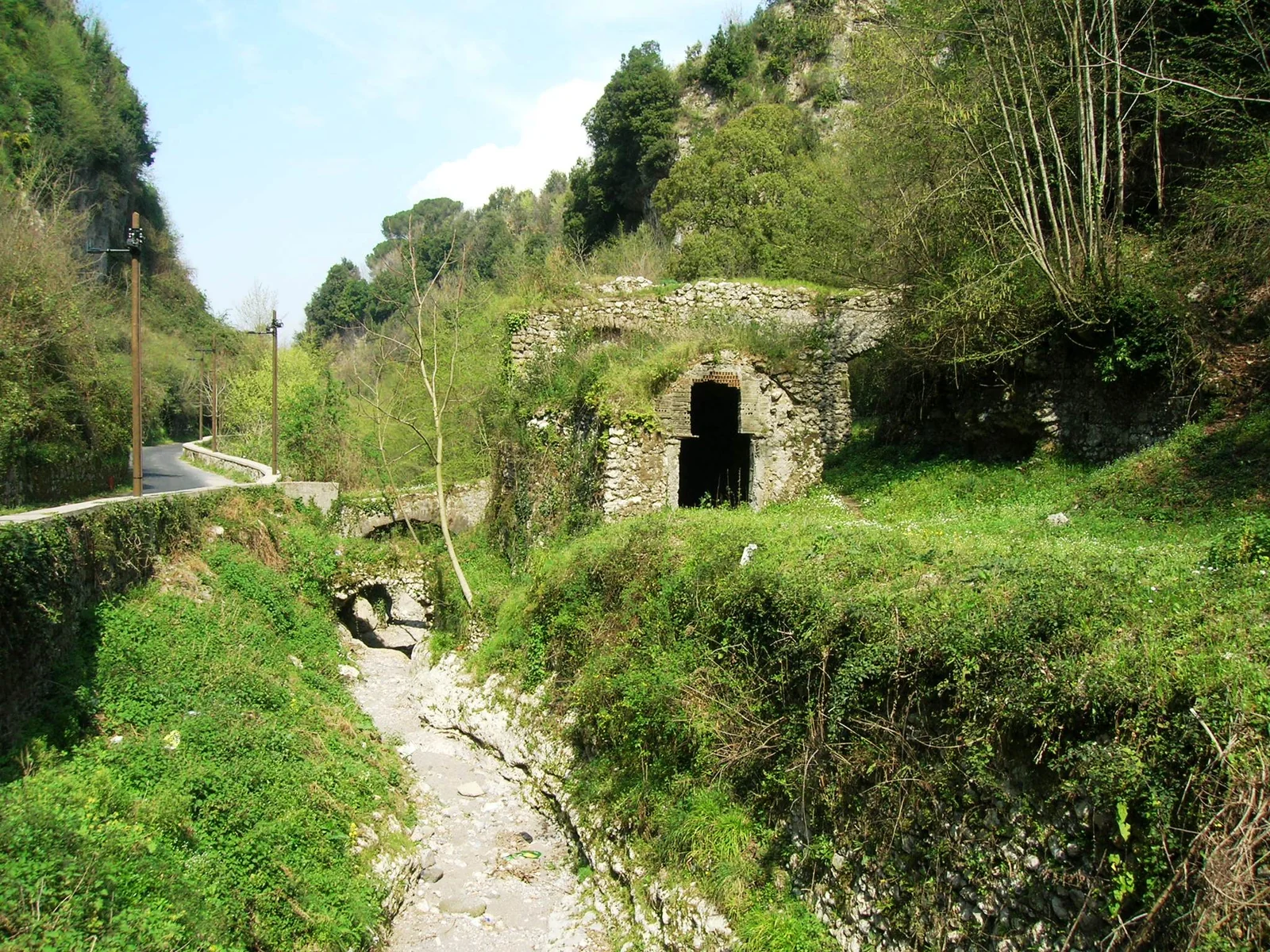
Photo: Mentnafunangann / Wikimedia Commons — CC BY-SA 3.0 · Resized and converted to WebP.
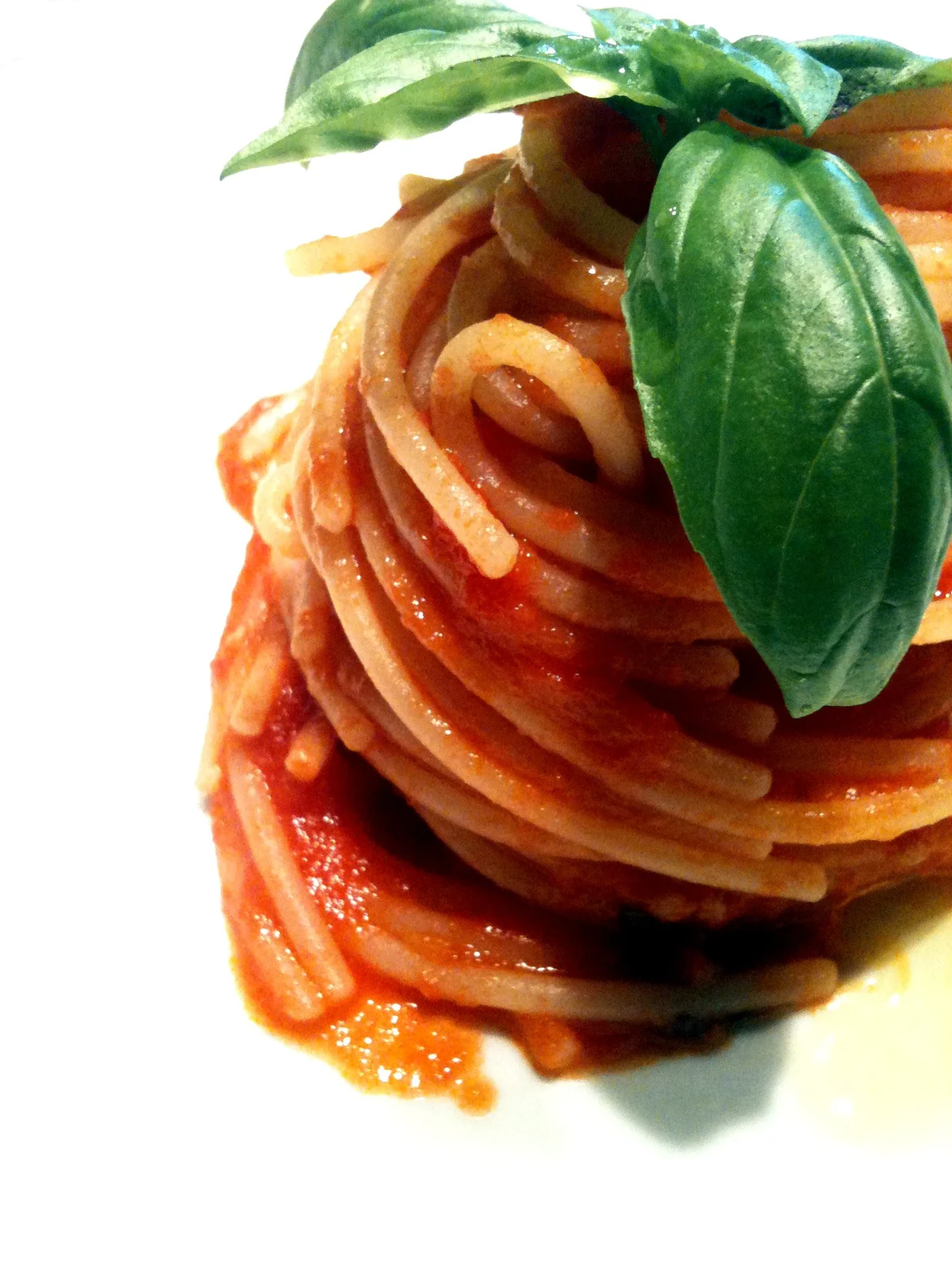
Photo: Micaela & Massimo / Wikimedia Commons — CC BY-SA 2.0 · Resized and converted to WebP.
The municipality at a glance
Gragnano is a municipality in the Metropolitan City of Naples, in Campania. Its ISTAT code is 063035. On 1 January 2025 it had 27,694 residents. The municipal territory covers 14.64 km² and ranges from 34 to 1,131 metres above sea level; the town hall stands at about 120 metres.
Gragnano lies between the Gulf of Naples and the Lattari Mountains, on the first slopes of the range; the pasta consortium describes its mild climate and its sea and mountain breezes. Besides the centre, the town council mentions the old hamlets of Castello and Caprile and the Rosario quarter.
Sources: ISTAT, Codici statistici delle unità amministrative territoriali: elenco dei comuni al 21 febbraio 2026 · ISTAT, Popolazione residente per età, sesso e stato civile al 1° gennaio 2025 (POSAS) · ISTAT, Principali statistiche geografiche sui comuni: superficie e altimetria al 31 dicembre 2021 · Consorzio di Tutela della Pasta di Gragnano IGP — Il territorio · Comune di Gragnano — Cultura e Turismo: Vivi la città · Comune di Gragnano — Cultura e Turismo: Gragnano Città della Pasta · Comune di Gragnano — Chiesa di San Giovanni Battista
History
Gragnano’s territory was part of the ager Stabianus, the countryside of ancient Stabiae. The Archaeological Park of Pompeii counts about 50 farm villas in this area, small estates suited to vines and olives; one is the villa of Carmiano, in the municipality of Gragnano, whose dining room with Dionysian paintings, linked to wine making, has been reassembled at the centre of the «Libero D’Orsi» Archaeological Museum of Stabiae. The eruption of AD 79 buried villas and fields.
According to the town council, around 1180 Gragnano’s feudal lord Giovanni Ferrario, a master of the Salerno Medical School, advised eating well-cooked vermicelli in a treatise on fevers. Between the late sixteenth century and the first decade of the seventeenth, the Quiroga family, owners of the waters and channels of the Vernotico stream, built some thirty millstone mills; macaroni making for sale developed in the sixteenth and seventeenth centuries, and the production rules date Gragnano pasta to that period.
At the end of the seventeenth century the town centre moved from the hamlets of Castello and Caprile to Piazza San Leone and the Trivione, where people bought the grain arriving from the Tavoliere plain in Puglia and from Sicily. In the last decades of the eighteenth century the workshops became factories, with larger presses and rooms for indoor drying; new trades appeared, such as the «spannatori» who cut the macaroni and hung them on canes. In 1799 Sanfedist troops quartered in the factories burned presses and kneading troughs, and on 21 January 1841 a landslide from Monte Pendolo blocked the grain roads.
In July 1845 King Ferdinand II visited the pasta factories; according to the consortium he granted Gragnano’s makers the right to supply the court with all its long pasta. In the decade before Italian unification the town council counts about a hundred factories and about a thousand quintals of macaroni a day; the production rules say they employed 70 per cent of the working population. Architects redesigned the «macaroni street», today’s Via Roma, setting the width of the road and the height of the buildings for light and wind, and in 1885 the railway the industrialists had asked for was opened, with a goods yard.
Mechanisation cut the factories to 40 in 1901, with the same output as the 120 of 1872, and many workers emigrated, above all to the United States. Self-sufficiency policy, war and competition closed many firms; today the town council counts about twenty pasta factories. In 2004 the historic firms founded the consortium, the pasta became a PGI with Commission Implementing Regulation (EU) No 969/2013 of 2 October 2013, and since 17 January 2019 the consortium has carried out the protection of the name.
Sources: Parco archeologico di Pompei — Inaugurazione del Museo archeologico di Stabia «Libero D’Orsi» (24 settembre 2020) · Comune di Gragnano — Cultura e Turismo: Cenni storici · Comune di Gragnano — Cultura e Turismo: Gragnano Città della Pasta · Ministero delle politiche agricole alimentari e forestali — Disciplinare di produzione della IGP «Pasta di Gragnano» (testo aggiornato al 12 febbraio 2020, pubblicato dal Consorzio di tutela) · Consorzio di Tutela della Pasta di Gragnano IGP — Il territorio · Consorzio di Tutela della Pasta di Gragnano IGP — La storia del Consorzio · Consorzio di Tutela della Pasta di Gragnano IGP — Il Consorzio · Regione Campania, Assessorato Agricoltura — Prodotti tipici: Pasta di Gragnano I.G.P.
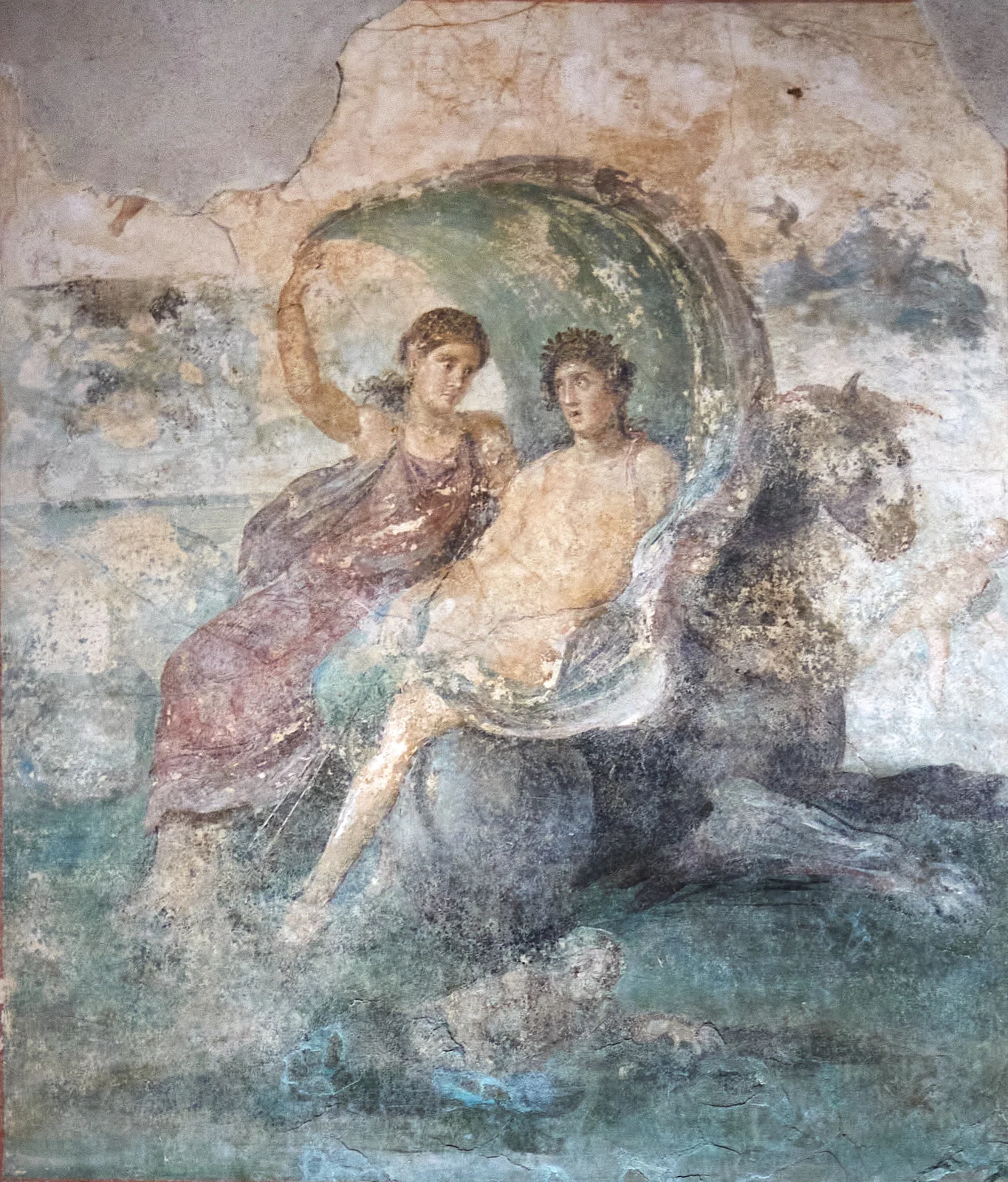
Photo: BeakheadIntrados / Wikimedia Commons — CC BY-SA 4.0 · Resized and converted to WebP.
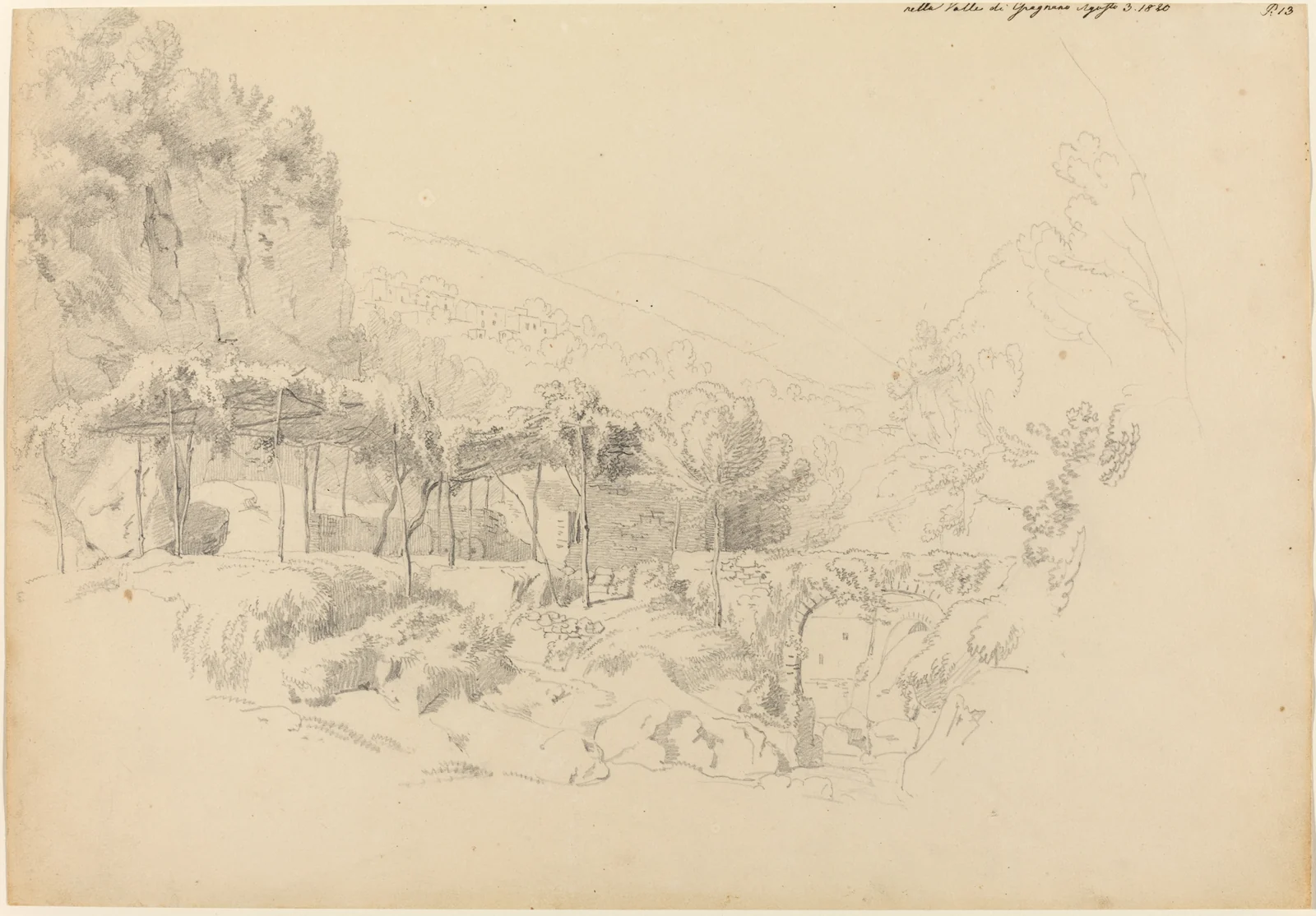
Photo: Johann Adam Klein / Wikimedia Commons — CC0 · Resized and converted to WebP.
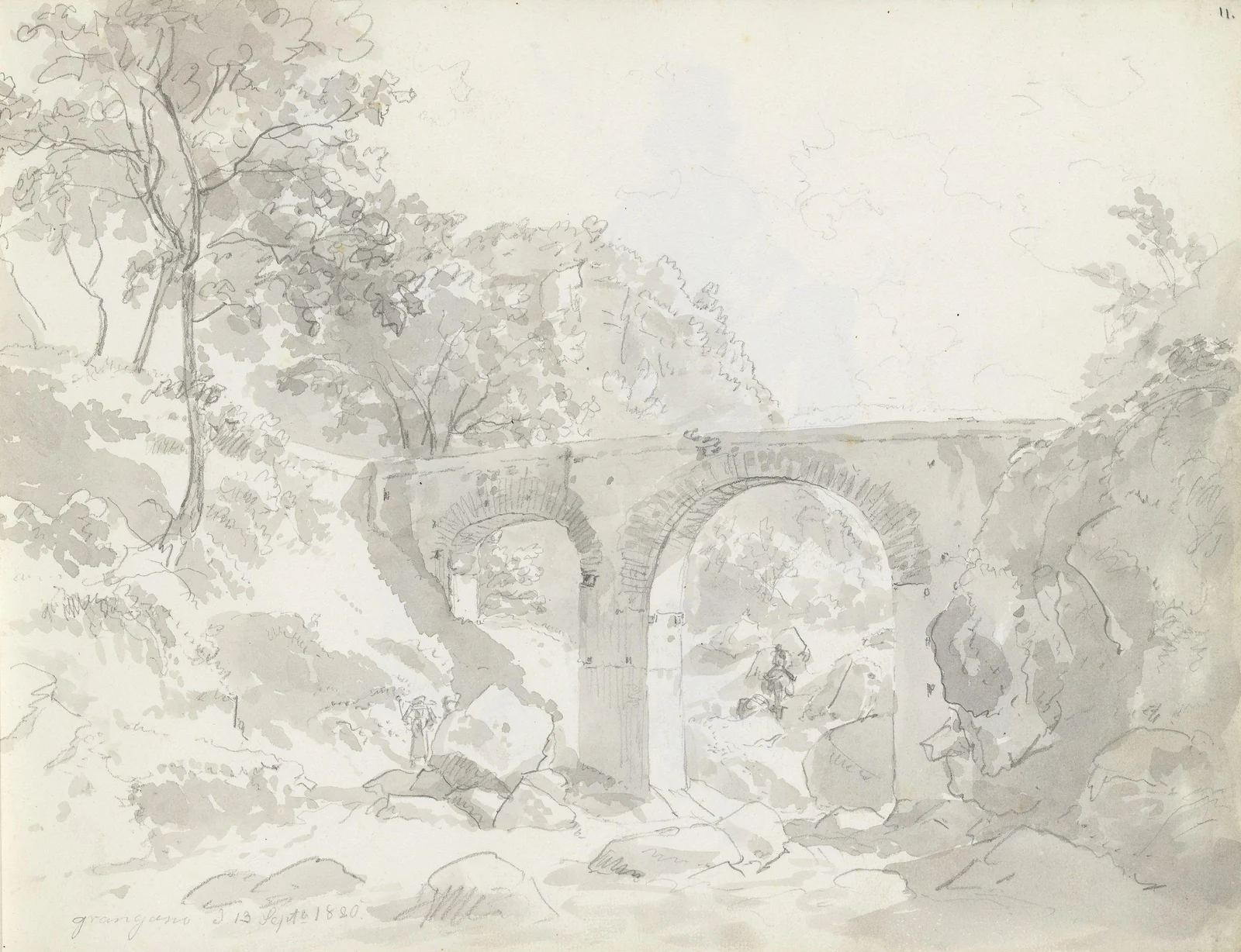
Photo: Johan Christian Dahl / Wikimedia Commons — Public domain · Resized and converted to WebP.
What to see
The Valley of the Mills follows the Vernotico stream along the old path from Castellammare to Amalfi; the consortium counts 13 brick and stone mills there and an aqueduct that regulated the water so that the mills could grind in sequence. The Lo Monaco mill and the Porta Castello mill open on special days, such as World Pasta Day. Next to the Porta Castello mill and the Forma spring there are small fountains where you can drink the water at its source.
In the centre, Via Roma, Piazza San Leone (today Piazza Marconi) and Piazza Matteotti, the old Trivione, were the places where pasta dried in the open air. The nineteenth-century fountains are in piperno, a lava stone: the one in Piazza Aubry is called «Ace of Cups» for its Roman-vase shape. The fountain in Piazza Marconi, in limestone and marble, has elements from 1604, carved ears of wheat and the inscription HIS VIVITUR, «here is life».
The church of Corpus Domini was founded in 1555 and finished in 1571. A lava-stone staircase leads up to it; the wooden portal bears the date 1584, the façade dates from 1836 by the architect Camillo Ranieri, and the Romanesque bell tower rises on the left. Inside: Francesco Maria Russo’s ceiling canvas of about 400 square metres, Giacinto Diano’s Last Supper on the high altar, a Madonna in Glory by Luca Giordano, Marco Pino’s Transfiguration and Domenico Morelli’s Supper at Emmaus, with eighteenth-century altars in polychrome marble.
In the hamlet of Castello, Santa Maria Assunta has three naves divided by eight columns that are all different, capitals included, a sixteenth-century Neapolitan triptych with the Madonna and Saints Peter and Paul, and a square bell tower in Romanesque and Moorish style; the Diocese notes that historians debate its origin, between the fifth and the tenth century. The church of the Madonna del Carmine, from the first half of the sixteenth century, has an altar of the Immaculate Conception from 1763 and a wooden statue from 1759; devotion to Our Lady of Mount Carmel became tied to the protection of the pasta makers. Sant’Agostino was enlarged in 1383 by Aniello Barone and keeps canvases by Mozzillo; in the Rosario quarter, San Giovanni Battista has a dome with eighteenth-century frescoes by Diano.
The «Michele Cavaliere» municipal library covers about 700 square metres, with more than 9,000 works and early collections. In the same building the permanent exhibition room has a nativity scene in eighteenth-century Neapolitan style, historic pasta-factory labels collected by the Pro Loco and fossils found locally, and the Biodiversity and CITES Museum shows about 150 specimens of species protected by the Washington Convention.
Sources: Consorzio di Tutela della Pasta di Gragnano IGP — Il territorio · Consorzio di Tutela della Pasta di Gragnano IGP — La storia del Consorzio · World Pasta Day 2026 a Gragnano: mulini e pastifici aperti · Comune di Gragnano — Cultura e Turismo: Attività principali (pasta, acqua, vino, panuozzo, prodotti) · Comune di Gragnano — Chiesa del Corpus Domini · Arcidiocesi di Sorrento-Castellammare di Stabia, Servizio pastorale per il turismo — Luoghi d’arte da visitare a Gragnano · Comune di Gragnano — Chiesa della Madonna del Carmine · Comune di Gragnano — Chiesa di Sant’Agostino · Comune di Gragnano — Chiesa di San Giovanni Battista · Comune di Gragnano — Cultura e Turismo: Chiese · Comune di Gragnano — Biblioteca comunale «Michele Cavaliere» · Comune di Gragnano — Sala Esposizioni Permanenti · Comune di Gragnano — Museo della Biodiversità e CITES
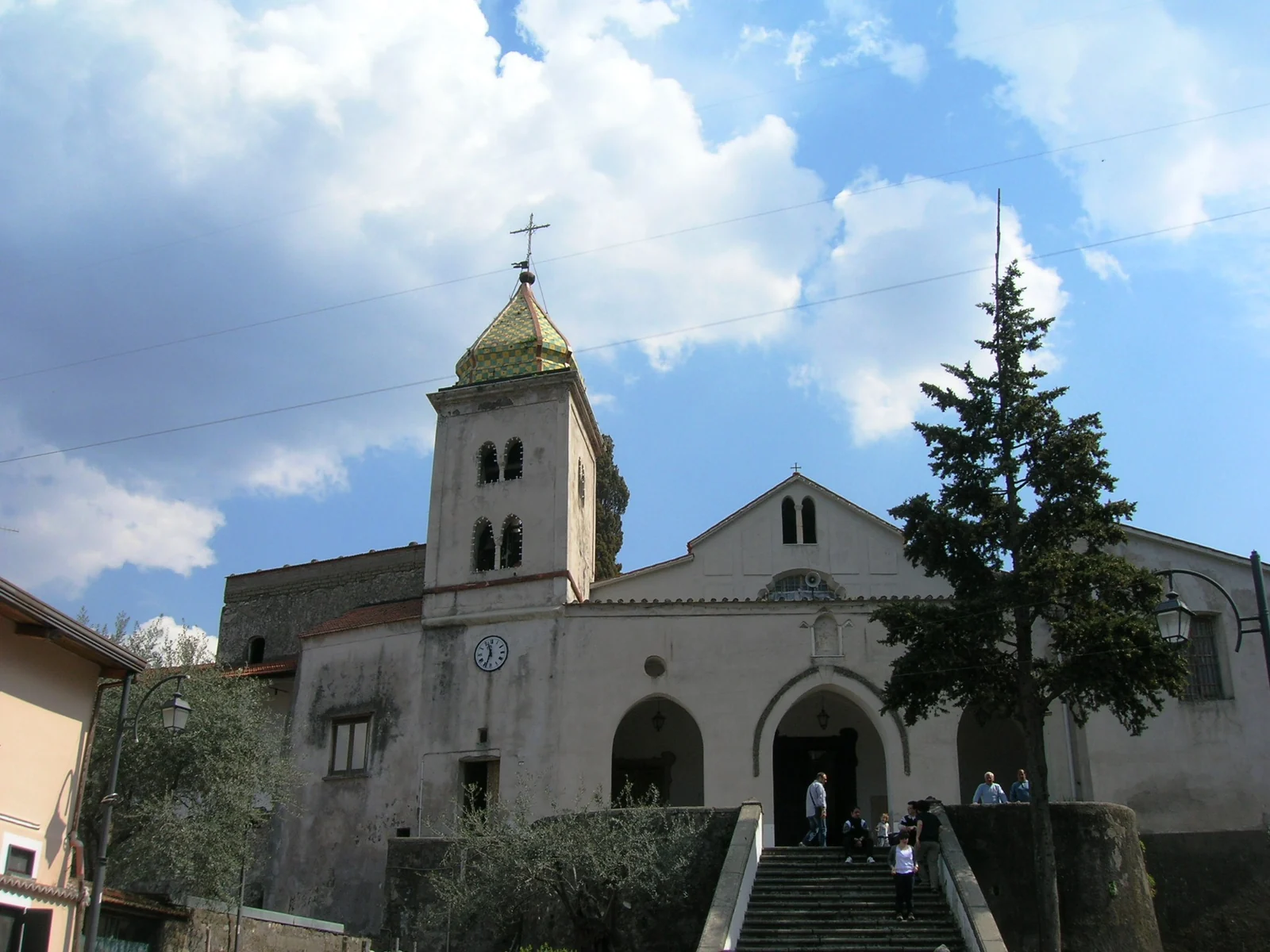
Photo: Mentnafunangann / Wikimedia Commons — CC BY-SA 3.0 · Resized and converted to WebP.
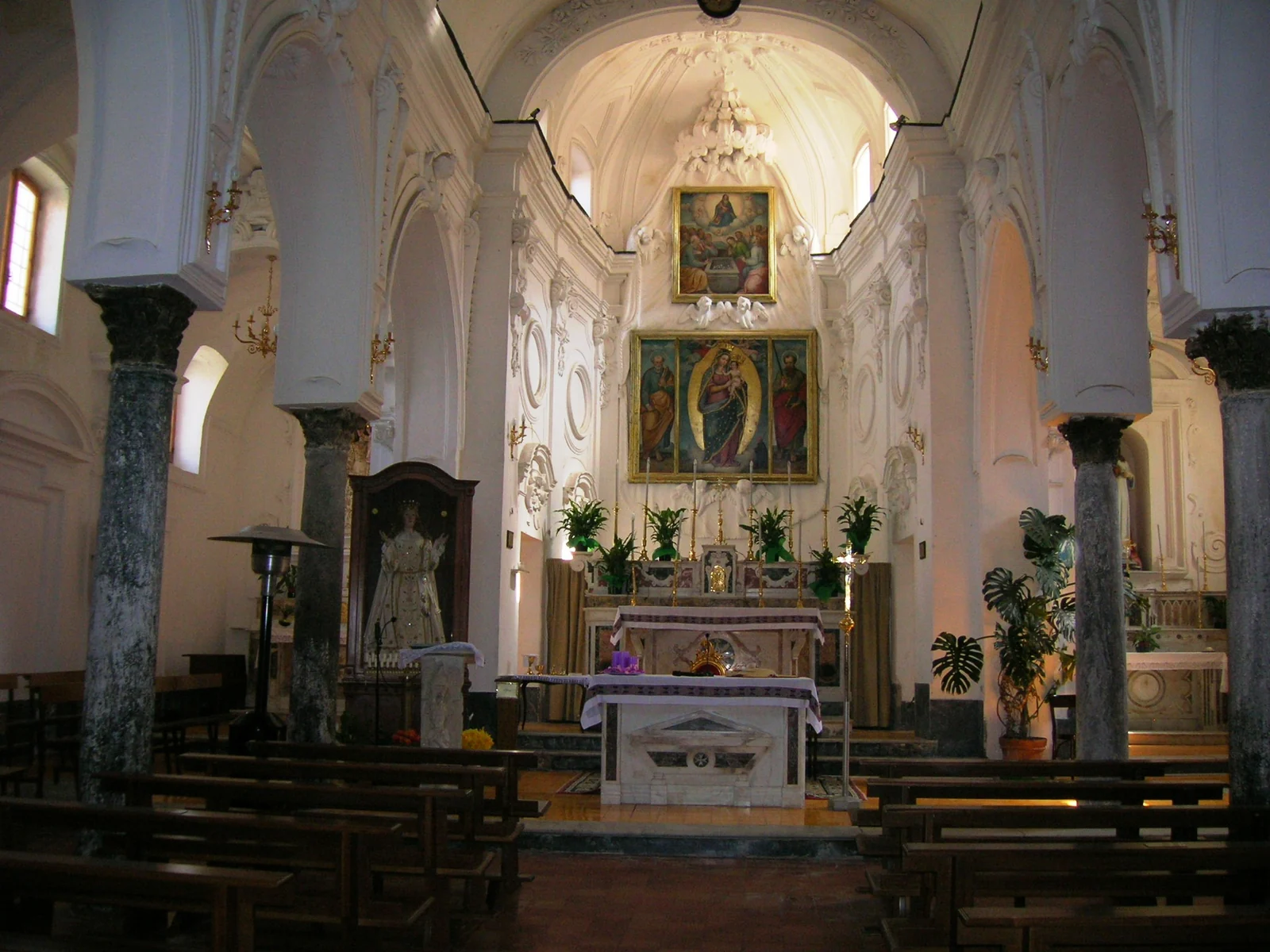
Photo: Mentnafunangann / Wikimedia Commons — CC BY-SA 3.0 · Resized and converted to WebP.
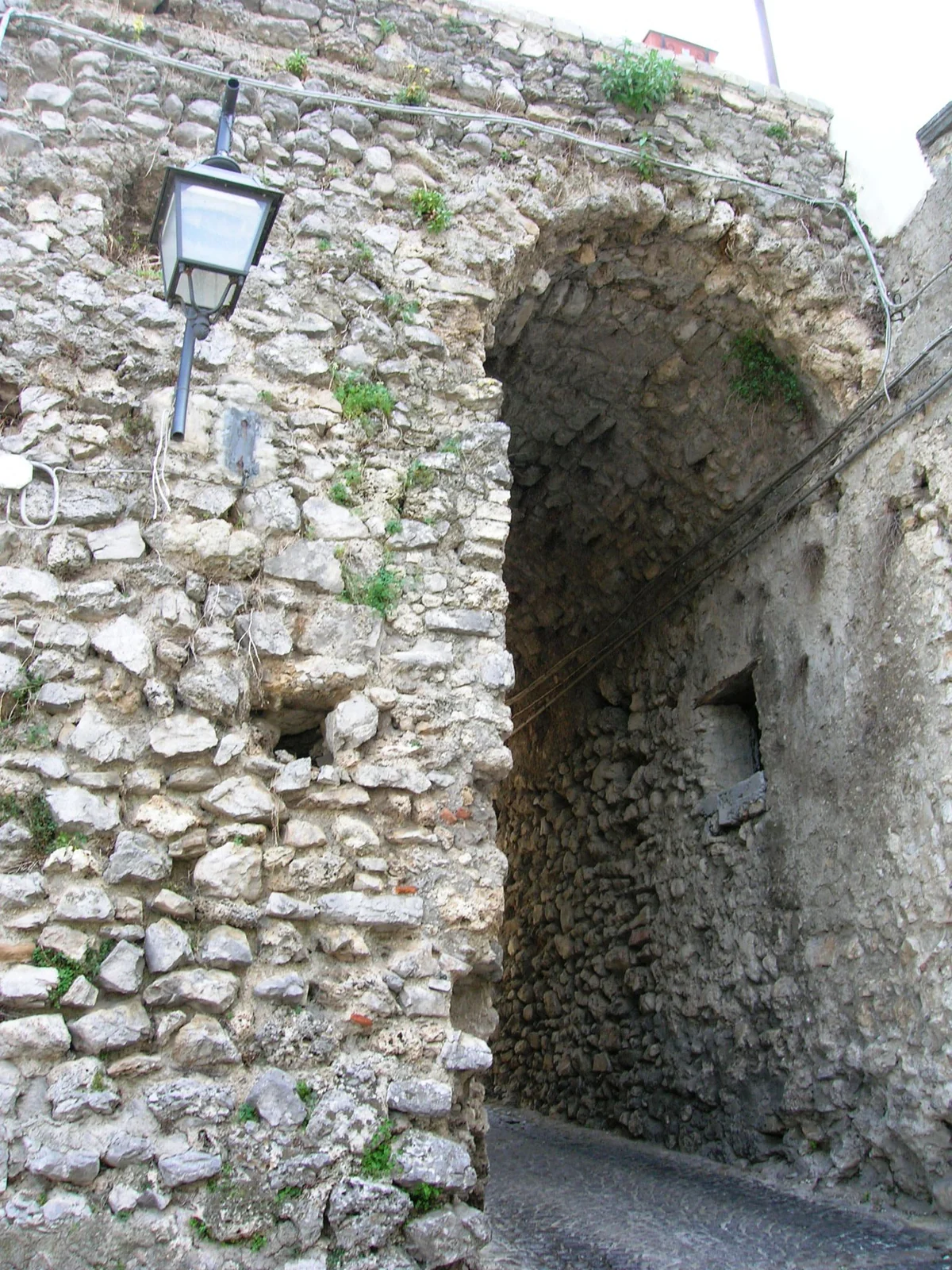
Photo: Mentnafunangann / Wikimedia Commons — CC BY-SA 3.0 · Resized and converted to WebP.
Food and drink
Pasta di Gragnano PGI is made from durum wheat semolina and water from the local water table, mixed with no more than 30 per cent water. The production rules require dies made only of bronze, which give the rough surface, drying at 40 to 85 °C for 4 to 60 hours depending on the shape, and packing at the place of production within 24 hours. The pasta must be straw yellow, with a glassy break, moisture of no more than 12.5 per cent and at least 13 per cent protein on dry matter; once cooked it stays firm and elastic, with a decided taste of durum wheat. The production area is the whole municipal territory.
The packs must carry both the EU Protected Geographical Indication logo and the round «Pasta di Gragnano IGP» logo. The protection consortium has 15 members today, and certified production in 2024 exceeded 100,000 tonnes. The town council counts about twenty pasta factories and about 200 shapes: almost all have a showroom, and next to PGI pasta they sell pasta made the ordinary way.
The panuozzo is a sandwich about 30 centimetres long made with pizza dough, the classic one with pancetta and mozzarella: according to the town council it took off in Gragnano at the end of the 1980s. Provolone del Monaco PDO, an aged stretched-curd cheese of raw milk, is also produced in Gragnano’s territory, and the Agerolese cow, the local breed that gives its milk, is now found, according to the Region, only in Agerola and Gragnano. The town council also mentions the DOC wine, dairy products such as fior di latte and, in the first two weeks of June, the cherries of Castello.
Sources: Ministero delle politiche agricole alimentari e forestali — Disciplinare di produzione della IGP «Pasta di Gragnano» (testo aggiornato al 12 febbraio 2020, pubblicato dal Consorzio di tutela) · Consorzio di Tutela della Pasta di Gragnano IGP — Come riconoscerla · Consorzio di Tutela della Pasta di Gragnano IGP — Il Consorzio · Comune di Gragnano — Cultura e Turismo: Attività principali (pasta, acqua, vino, panuozzo, prodotti) · Regione Campania, Assessorato Agricoltura — Prodotti tipici: Pasta di Gragnano I.G.P. · Regione Campania, Assessorato Agricoltura — Prodotti tipici: Provolone del Monaco DOP
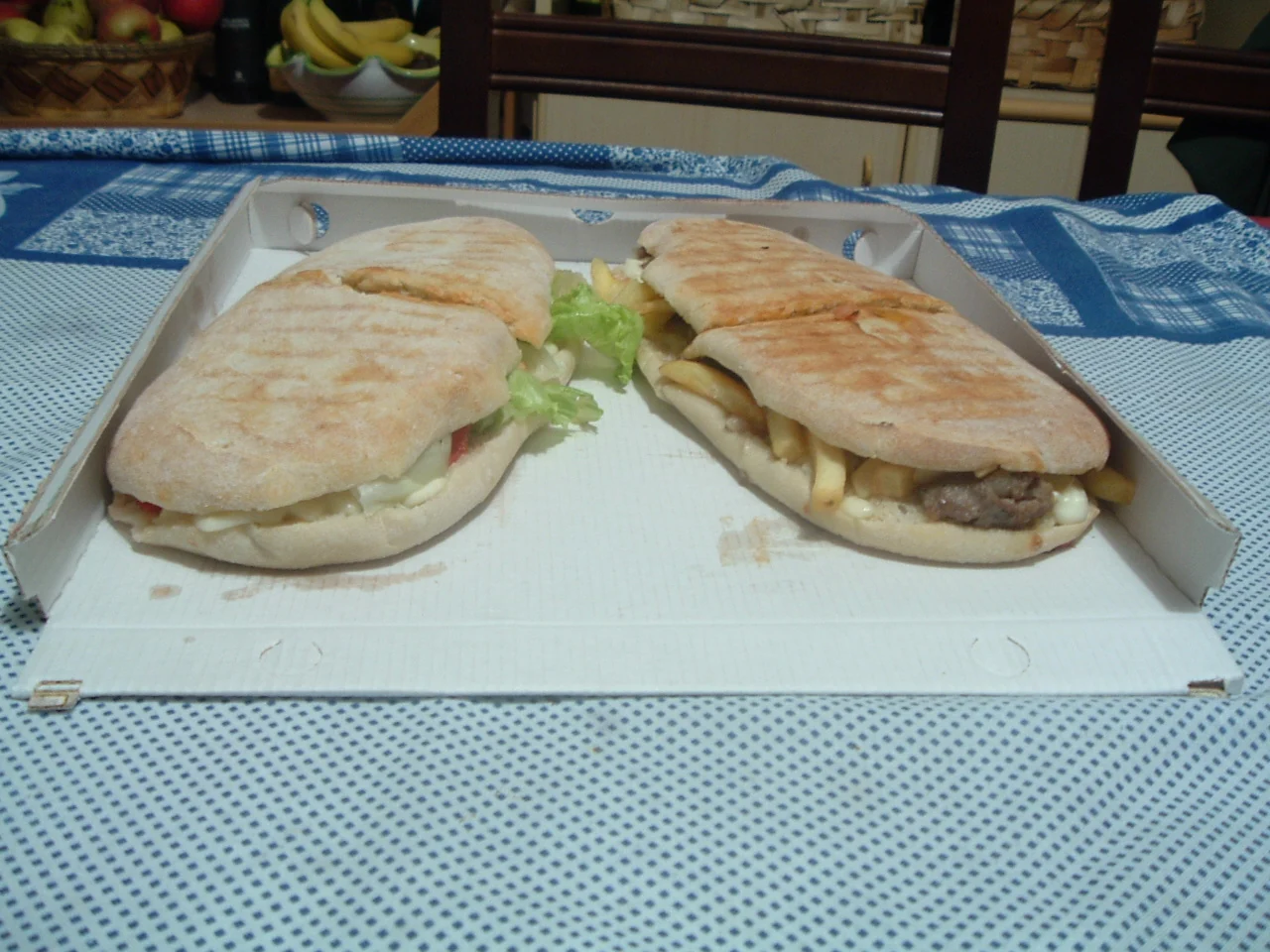
Photo: Mess / Wikimedia Commons — Public domain · Resized and converted to WebP.
Experiences
The Valley of the Mills can be walked: the consortium describes it as a walk through history and nature, already a stop for Grand Tour artists in the eighteenth and nineteenth centuries. For World Pasta Day on 25 October 2026 the town council and the consortium opened two pasta factories for booked visits and the Lo Monaco and Porta Castello mills in the morning, with workshops for children in the streets of the centre.
The town council suggests a water route: from Via San Giuseppe, at the start of Via Caprile, a shell-shaped marble fountain in front of Villa della Rocca; a piperno staircase climbs to the old wash-houses and towards Monte Muto. From the small square of Caprile, with the church of San Ciro, a climb of about a hundred metres leads to a level path along the remains of aqueducts as far as the Botto dell’acqua, fed by the Bolle spring; in winter, on the right, a long waterfall can be seen. Higher up, the Valle dell’Imbuto is rich in water and plants.
Sources: Consorzio di Tutela della Pasta di Gragnano IGP — Il territorio · World Pasta Day 2026 a Gragnano: mulini e pastifici aperti · Comune di Gragnano — Cultura e Turismo: Attività principali (pasta, acqua, vino, panuozzo, prodotti)
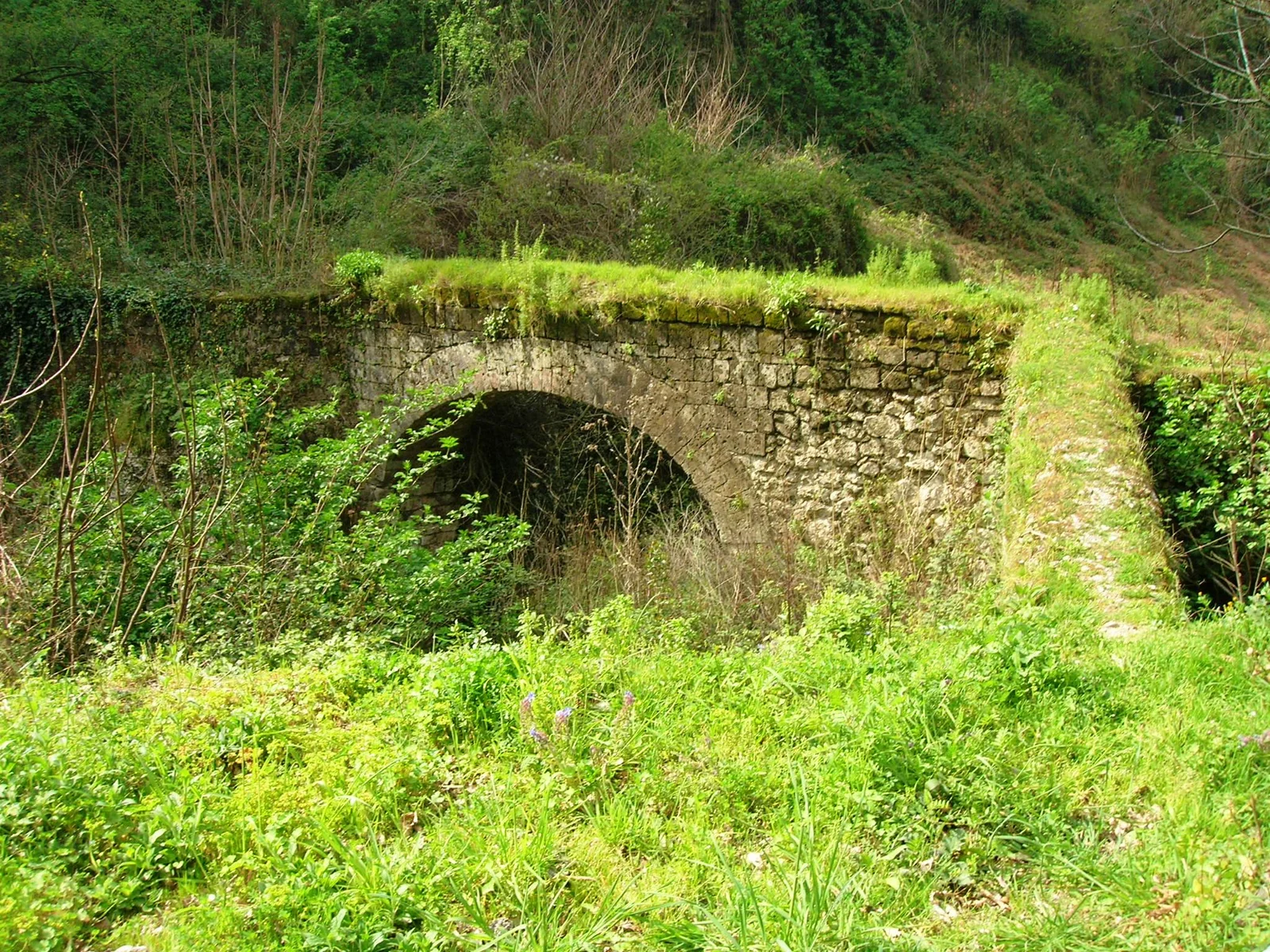
Photo: Mentnafunangann / Wikimedia Commons — CC BY-SA 3.0 · Resized and converted to WebP.
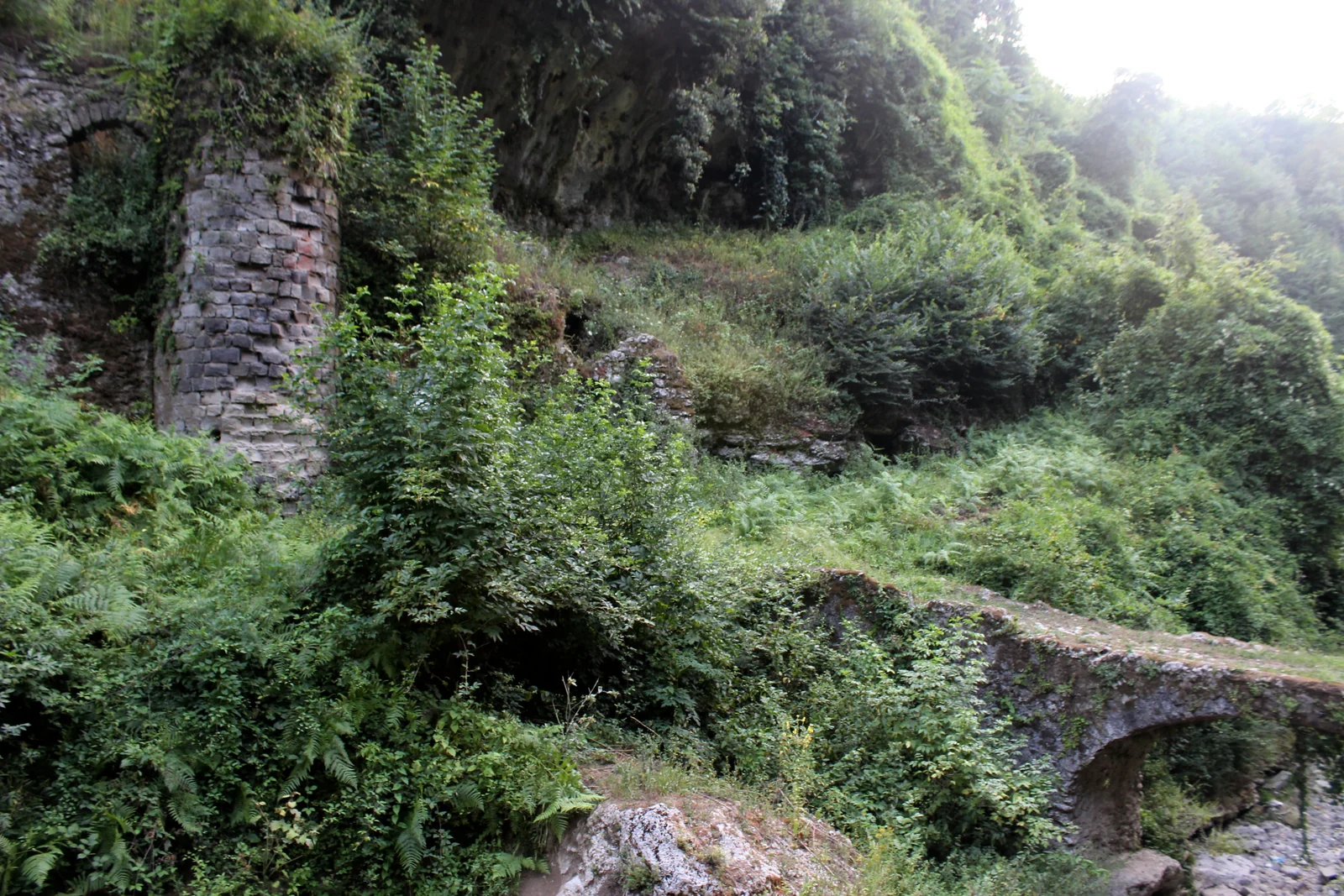
Photo: Miguel Hermoso Cuesta / Wikimedia Commons — CC BY-SA 4.0 · Resized and converted to WebP.
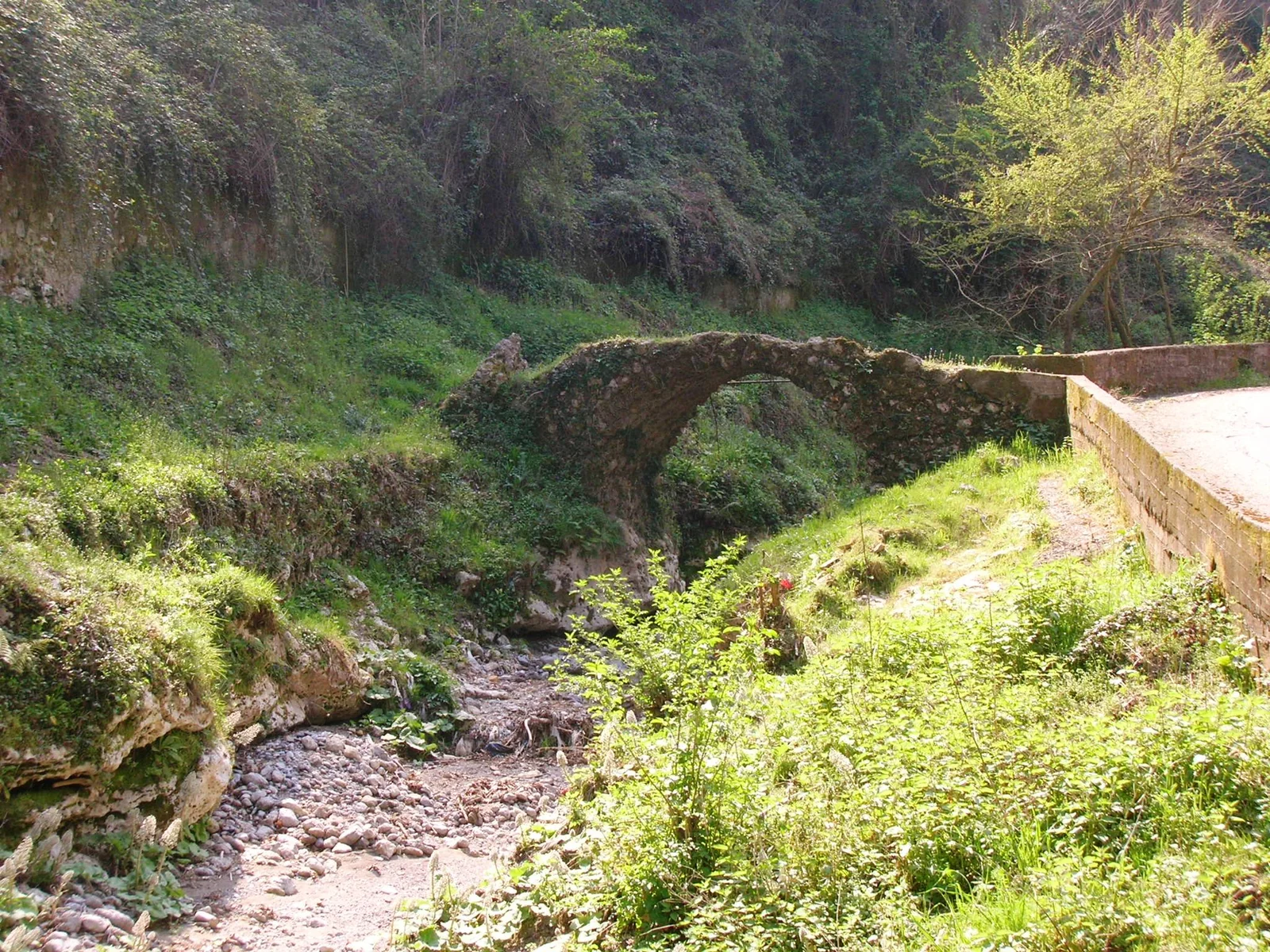
Photo: Mentnafunangann / Wikimedia Commons — CC BY-SA 3.0 · Resized and converted to WebP.
When to go
The patron saint is Saint Sebastian. On the evening of 19 January a great bonfire is lit in Piazza Aubry, and on 20 January the town celebrates him with religious and civic festivities. In mid-June the hamlet of Castello holds the cherry festival, in the weeks when the cherries of Castello are most in demand.
In September comes Gragnano Città della Pasta, promoted by the consortium with the town council and the Campania Region: the 23rd edition, from 12 to 14 September 2025, took place among the mills of the Valley and the open pasta factories, with tastings, concerts, children’s workshops and the cutting of the spaghetti; the 2026 edition, «MONDOPASTA!», was held from 11 to 13 September and came with a stamp dedicated to Pasta di Gragnano PGI. On 25 October, World Pasta Day, the consortium and the town council open pasta factories and mills.
Sources: Comune di Gragnano — Cultura e Turismo: Santo Patrono · Comune di Gragnano — Gallerie immagini e video (Valle dei Mulini, Sagra della ciliegia, presepe) · Comune di Gragnano — Cultura e Turismo: Attività principali (pasta, acqua, vino, panuozzo, prodotti) · Comune di Gragnano — Festa della Pasta 2025, 23ª edizione · Consorzio di Tutela della Pasta di Gragnano IGP — Gragnano Città della Pasta 2026, «MONDOPASTA!», 11-13 settembre 2026 · World Pasta Day 2026 a Gragnano: mulini e pastifici aperti
Getting there
By car, leave the A3 Naples-Salerno motorway at the Castellammare di Stabia exit and continue on state road 145, which has a Gragnano exit: it is also the road the Archaeological Park of Pompeii gives for Villa San Marco. By train, the Circumvesuviana Naples-Sorrento line stops at Castellammare di Stabia. Gragnano’s railway, requested by the pasta industrialists together with a goods yard, was opened in 1885.
Sources: Parco archeologico di Pompei — Dove siamo e come raggiungerci · Parco archeologico di Pompei — Inaugurazione del Museo archeologico di Stabia «Libero D’Orsi» (24 settembre 2020) · Comune di Gragnano — Cultura e Turismo: Gragnano Città della Pasta
Accommodation in figures
In the Ministry of Tourism’s national database of accommodation (BDSR), on 12 October 2026, Gragnano had 57 establishments with a verified national identification code (CIN): 3 hotel-type establishments, 11 non-hotel establishments and 43 other establishments.
Sources: Ministero del Turismo – Banca Dati Strutture Ricettive (dashboard pubblica)
Already on Apulica
28 Pastai (pasta maker), one of the food places featured by Apulica, is based in Gragnano. Pastificio Gentile (pasta maker), one of the food places featured by Apulica, is based in Gragnano. Apulica’s events calendar includes «Gragnano Città della Pasta» in Gragnano; the latest recorded edition is 2026. Apulica’s events calendar includes «World Pasta Day in Gragnano» in Gragnano; the latest recorded edition is 2026.
Sources: 28 Pastai, sito ufficiale · Pastificio Gentile, sito ufficiale · Gragnano Città della Pasta 2026: visite FAI alla Valle dei Mulini · World Pasta Day 2026 a Gragnano: mulini e pastifici aperti
Around Gragnano
In Castellammare di Stabia, in the rooms of the Reggia di Quisisana, the «Libero D’Orsi» Archaeological Museum of Stabiae, opened by the Archaeological Park of Pompeii on 24 September 2020, shows the dining room of the Carmiano villa together with the villas of the Varano plateau, such as Villa San Marco and Villa Arianna. Gragnano is among the municipalities of the Provolone del Monaco PDO area, with Agerola, Casola di Napoli, Castellammare di Stabia, Lettere, Pimonte, Vico Equense, Sorrento and the other municipalities of the area as far as Massa Lubrense; behind the town rise the Lattari Mountains.
Sources: Parco archeologico di Pompei — Inaugurazione del Museo archeologico di Stabia «Libero D’Orsi» (24 settembre 2020) · Regione Campania, Assessorato Agricoltura — Prodotti tipici: Provolone del Monaco DOP · Consorzio di Tutela della Pasta di Gragnano IGP — Il territorio
The town council
The official website of the Comune di Gragnano, registered in IndicePA, the index of the digital addresses of Italy’s public administrations, is the reference for the town council’s offices, opening hours and news. Its address is listed among the sources of this section.
The council website gives its seat at Via Vittorio Veneto 15; the switchboard answers on 081 8732111.
Sources: Comune di Gragnano, sito istituzionale · IndicePA (AgID), Indice dei domicili digitali delle pubbliche amministrazioni: dataset Enti
Where to stay
In the municipality of Gragnano the national database of the Ministry of Tourism lists 57 accommodation businesses with a verified CIN code: 3 hotels, 11 other licensed accommodation and 43 other types such as B&Bs and private rentals.
Licensed businesses from the official list of accommodation named as the source in this section. Where the list gives it, the property's official identification code appears next to its name: the national CIN code, or the code assigned by the Region or by the body that keeps the list. Private individuals are not listed. This list is the official census of licensed businesses, not a list of Apulica partners: to stay in Gragnano you do not have to check one property after another yourself; write to Apulica and we look for the stay that suits your journey, checking availability and conditions before any confirmation.
Le Zagare
Hotel · ★★★★
Regional code (CUSR) 15063035ALB0006
Azienda agrituristica Casa Scola
Farm stay
Regional code (CUSR) 15063035EXT0002
BRASS APPARTAMENT
Guest rooms
Regional code (CUSR) 15063035EXT0059
Balestrieri Eva
Holiday house
Regional code (CUSR) 15063035EXT0011
HOTEL DEGLI ULIVI
Hotel · ★★★
Regional code (CUSR) 15063035ALB0001
GRANIA - LE RADICI
Farm stay
Regional code (CUSR) 15063035EXTSJEQ
Capriccio di pasta
Guest rooms
Regional code (CUSR) 15063035EXT0009
Chierchia Giuseppe Peppe's Home
Holiday house
Regional code (CUSR) 15063035EXT0016
HOTEL IRENE S.R.L.
Hotel · ★★★
Regional code (CUSR) 15063035ALB0004
Carfora Fabio
Guest rooms
Regional code (CUSR) 15063035EXT0014
First the places that presented themselves to Apulica, the latest first; then one place of each type in turn, by official category and stars, then by name. No position is paid for.
All 19 entries in alphabetical order
Page 1 of 2
| Name | Type | Identification code |
|---|---|---|
| Azienda agrituristica Casa Scola | Farm stay | Regional code (CUSR) 15063035EXT0002 |
| Balestrieri Eva | Holiday house | Regional code (CUSR) 15063035EXT0011 |
| BRASS APPARTAMENT | Guest rooms | Regional code (CUSR) 15063035EXT0059 |
| Capriccio di pasta | Guest rooms | Regional code (CUSR) 15063035EXT0009 |
| Carfora Fabio | Guest rooms | Regional code (CUSR) 15063035EXT0014 |
| Chierchia Giuseppe Peppe's Home | Holiday house | Regional code (CUSR) 15063035EXT0016 |
| DOLCI MOMENTI | Guest rooms | Regional code (CUSR) 15063035EXTDK1H |
| GRANIA - LE RADICI | Farm stay | Regional code (CUSR) 15063035EXTSJEQ |
| HOTEL DEGLI ULIVI | Hotel | Regional code (CUSR) 15063035ALB0001 |
| HOTEL IRENE S.R.L. | Hotel | Regional code (CUSR) 15063035ALB0004 |
Ask Apulica for a stay in Gragnano We reply shortly, within a few hours at most, with a proposal for you to consider.
Sources: Ministero del Turismo – Banca Dati Strutture Ricettive (dashboard pubblica), 2026-10-12
YOUR JOURNEY
How to shape a journey here
To include Gragnano in a trip, or to ask for a guide or a transfer, you can write to Apulica with the button below.
Plan your tripKeep exploring
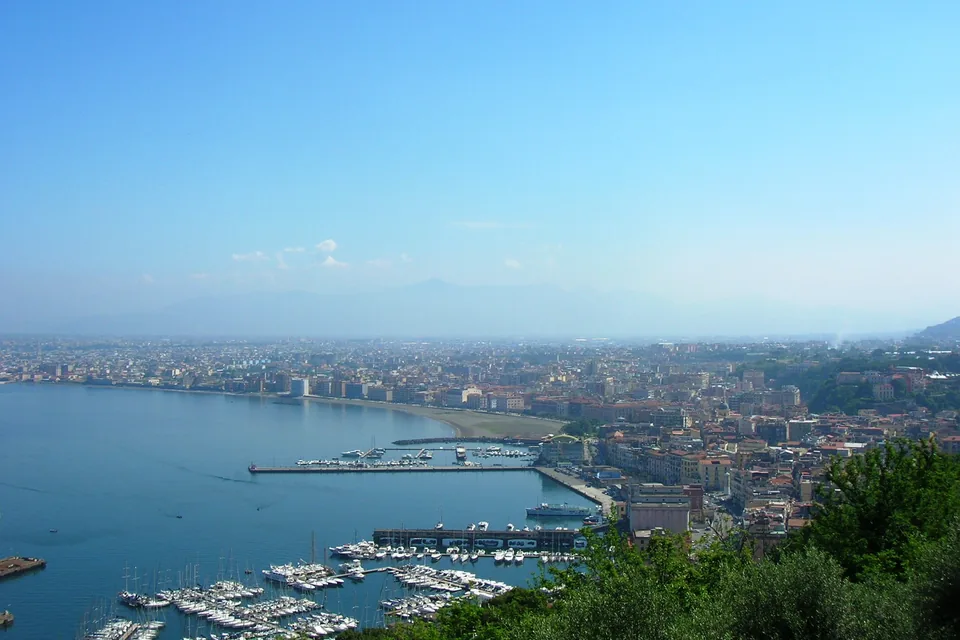
Castellammare di Stabia
Castellammare di Stabia (NA), Campania: 62,320 residents, 17.99 km². The official facts of the municipality, its town council website and its registered accommodation.
Read the guide →Photo: Mentnafunangann / Wikimedia Commons — CC BY-SA 3.0 · Resized and converted to WebP.

Lettere
Lettere (NA), Campania: 6,054 residents, 12.02 km². The official facts of the municipality, its town council website and its registered accommodation.
Read the guide →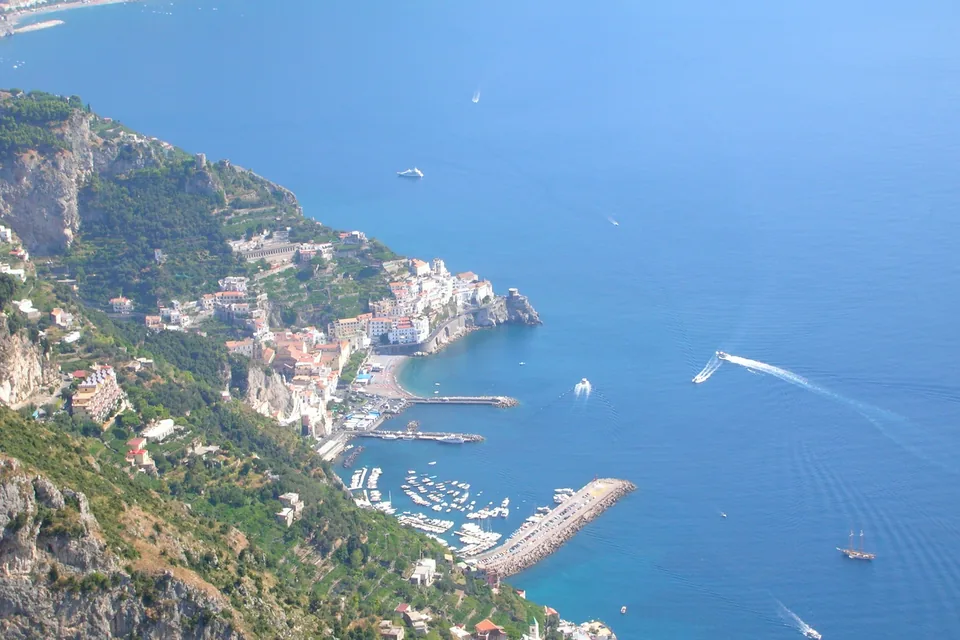
Agerola
Agerola (NA), Campania: 7,760 residents, 19.83 km². The official facts of the municipality, its town council website and its registered accommodation.
Read the guide →Photo: Numenor / Wikimedia Commons — CC BY-SA 3.0 · Resized and converted to WebP.

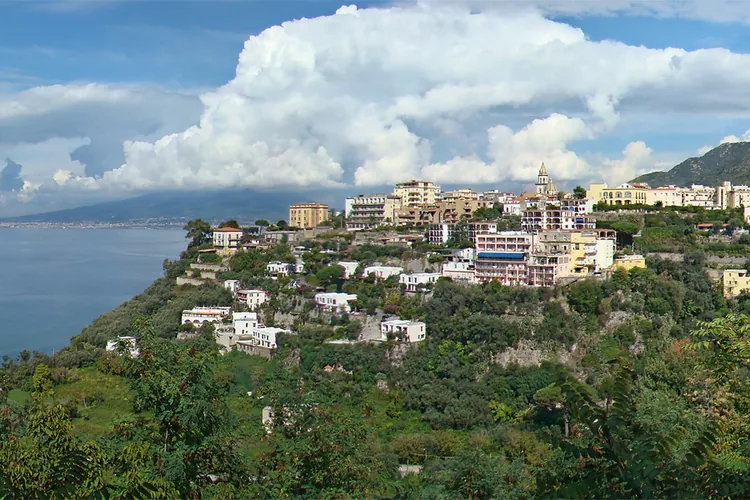
Vico Equense
Vico Equense (NA), Campania: 20,198 residents, 29.37 km². The official facts of the municipality, its town council website and its registered accommodation.
Read the guide →Photo: Tango7174 / Wikimedia Commons — CC BY-SA 4.0 · Resized and converted to WebP.

Sorrento
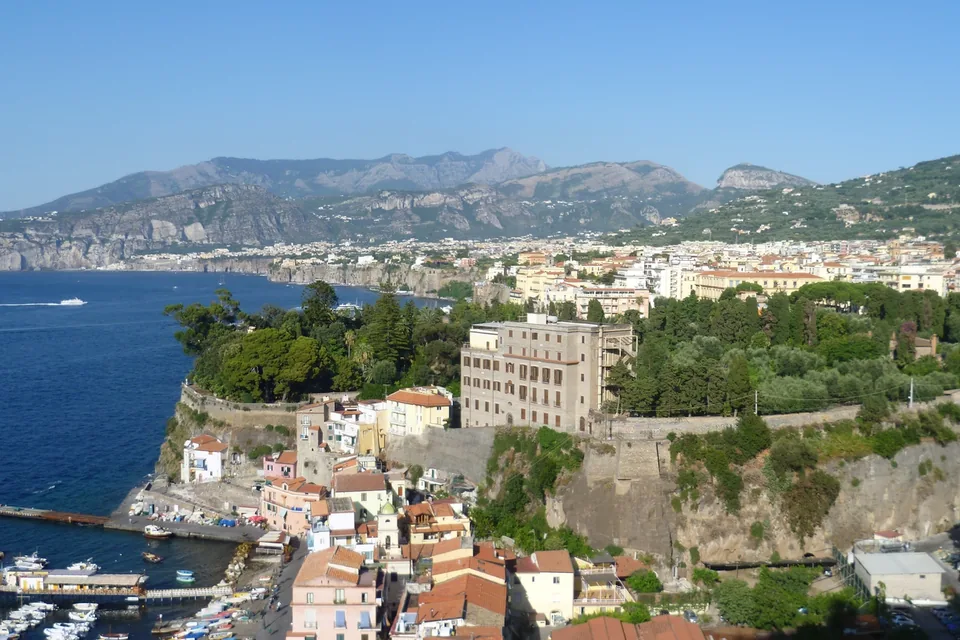
Sorrento (NA), Campania: 15,152 residents, 10.00 km². The official facts of the municipality, its town council website and its registered accommodation. The town on its tuff cliff, the old centre with the basilica of Sant’Antonino and the cloister of San Francesco, the Museo Correale, the Sorrento Lemon PGI, the marinas and the train from Naples.
Read the guide →Photo: Kim Traynor / Wikimedia Commons — CC BY-SA 3.0 · Resized and converted to WebP.

Pompei
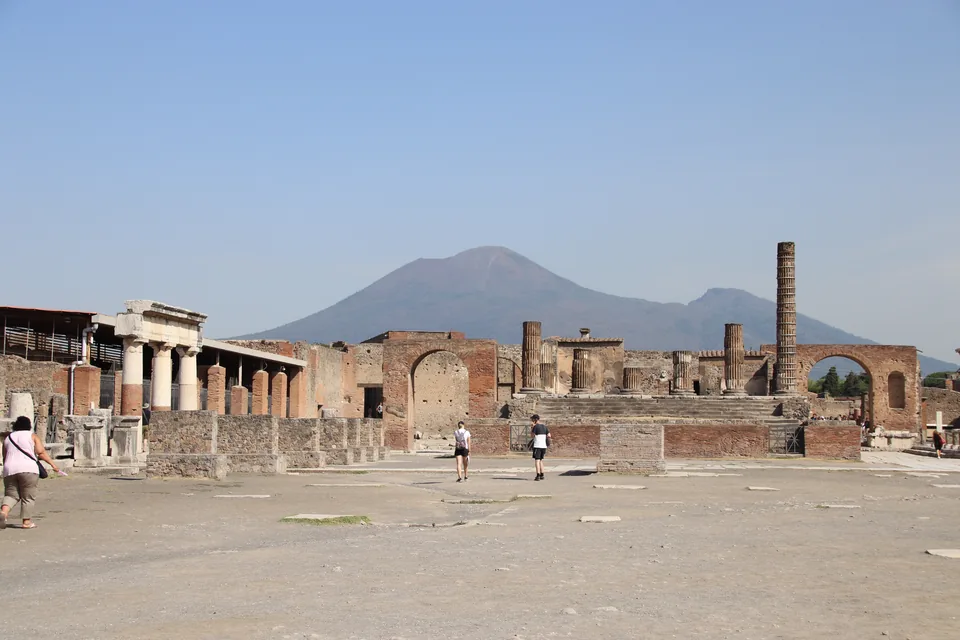
Pompei (NA), Campania: 23,647 residents, 12.43 km². The official facts of the municipality, its town council website and its registered accommodation. The ancient city buried by Vesuvius in AD 79, a UNESCO World Heritage site since 1997, with the Forum, the Amphitheatre, the Villa of the Mysteries and the Antiquarium; the Shrine of the Blessed Virgin of the Rosary founded by Saint Bartolo Longo, and the Supplication of 8 May and October.
Read the guide →Photo: Gary Todd from Xinzheng, China / Wikimedia Commons — Public domain · Resized and converted to WebP.

Naples
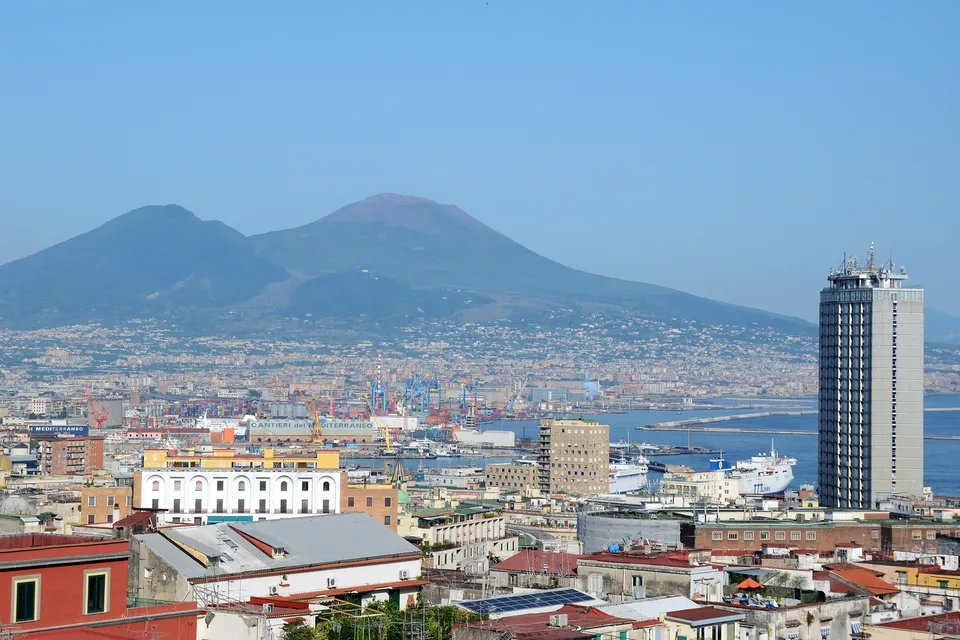
Naples (NA), capital of Campania: 909,013 residents, 119.24 km². The UNESCO-listed historic centre, the museums, the San Carlo, pizza as UNESCO heritage, San Gennaro and, nearby, Vesuvius, Pompeii and the islands.
Read the guide →Photo: Livioandronico2013 / Wikimedia Commons — CC BY-SA 4.0 · Resized and converted to WebP.

“Come to Gragnano as a guest, not as a tourist: that is how these places truly let you know them.”