

Why go
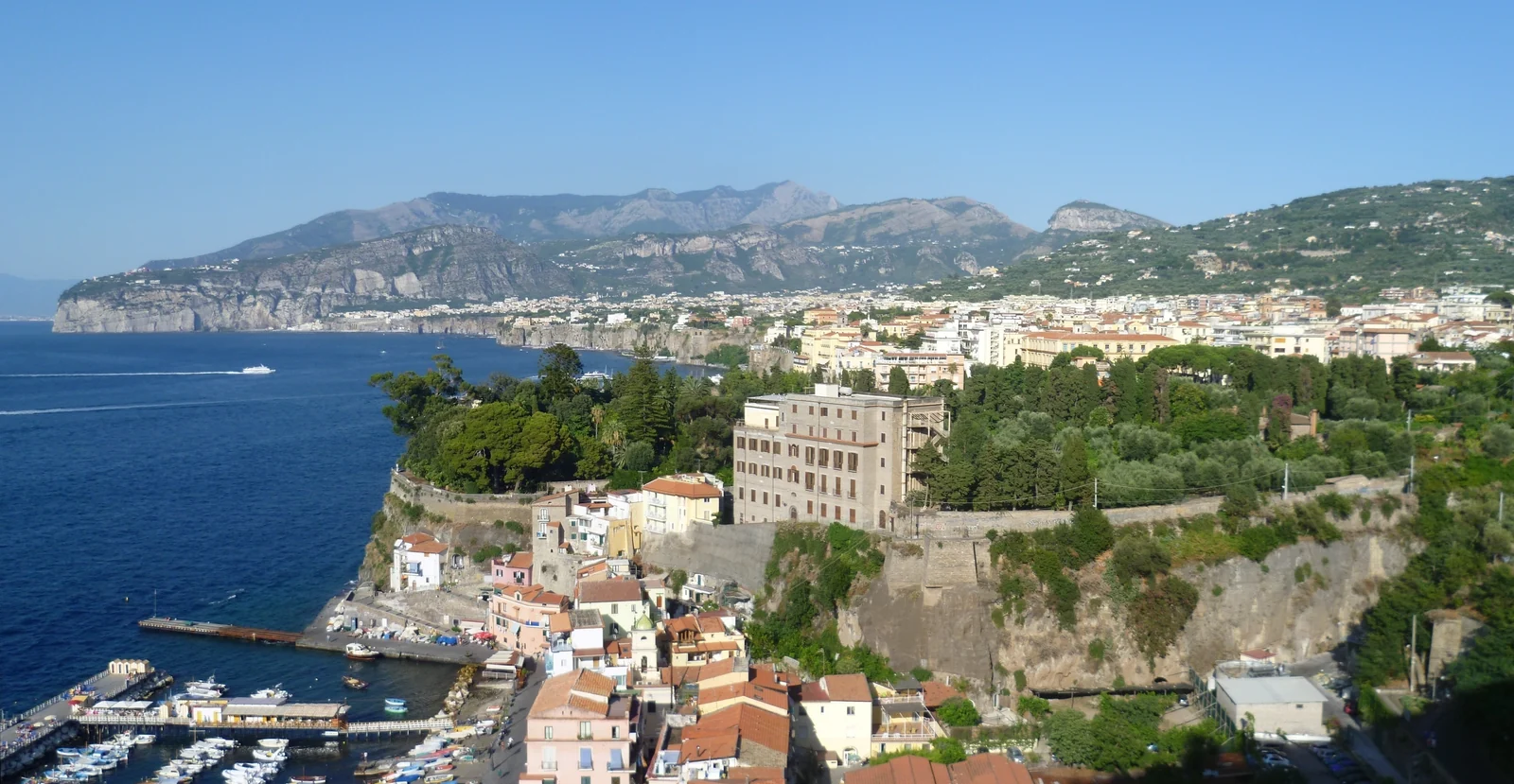
Sorrento stands on a shelf of rock that drops sheer to the Gulf of Naples. The town council recalls that until a few centuries ago the town was closed off on three sides by deep gorges and on the fourth by the cliff above the sea: of those gorges the Vallone dei Mulini remains, named after the old mills still visible at the bottom.
Inside the walls, the old centre keeps the layout of the Greek and Roman streets and a string of churches, monasteries and palazzi: the cathedral, the basilica of Sant’Antonino, the patron saint, the fourteenth-century cloister of San Francesco, the Sedile Dominova with its majolica dome. Just outside, Villa alla Rota has housed the Museo Correale di Terranova since 1924, with the collections of a Sorrento family and finds from ancient Surrentum.
Then there is the lemon landscape: the Sorrento Lemon, the “Ovale di Sorrento”, has been protected as a geographical indication since 2001 and grows under the traditional pergolas of the peninsula. And there is the sea, with the Marina Grande quarter and the Marina Piccola harbour and the hydrofoils to Naples and Capri. Sorrento is also one of the six municipalities in the consortium that runs the Punta Campanella Marine Protected Area.
Sources: Comune di Sorrento — Il centro antico della città di Sorrento (aggiornato il 29 aprile 2025) · Arcidiocesi di Sorrento-Castellammare di Stabia, Servizio pastorale per il turismo — Luoghi d’arte a Sorrento · Museo Correale di Terranova — La Fondazione · Museo Correale di Terranova — Sezione archeologica · Consorzio di Tutela del Limone di Sorrento IGP — Il Limone di Sorrento IGP · Consorzio di Tutela del Limone di Sorrento IGP — Disciplinare di produzione della IGP «Limone di Sorrento» (Ministero delle politiche agricole) · Comune di Sorrento — Geografia del territorio: il mare e la costa (aggiornato il 29 aprile 2025) · Comune di Sorrento — Raggiungere Sorrento: i trasporti (aggiornato il 18 settembre 2025) · Area Marina Protetta Punta Campanella — sito ufficiale
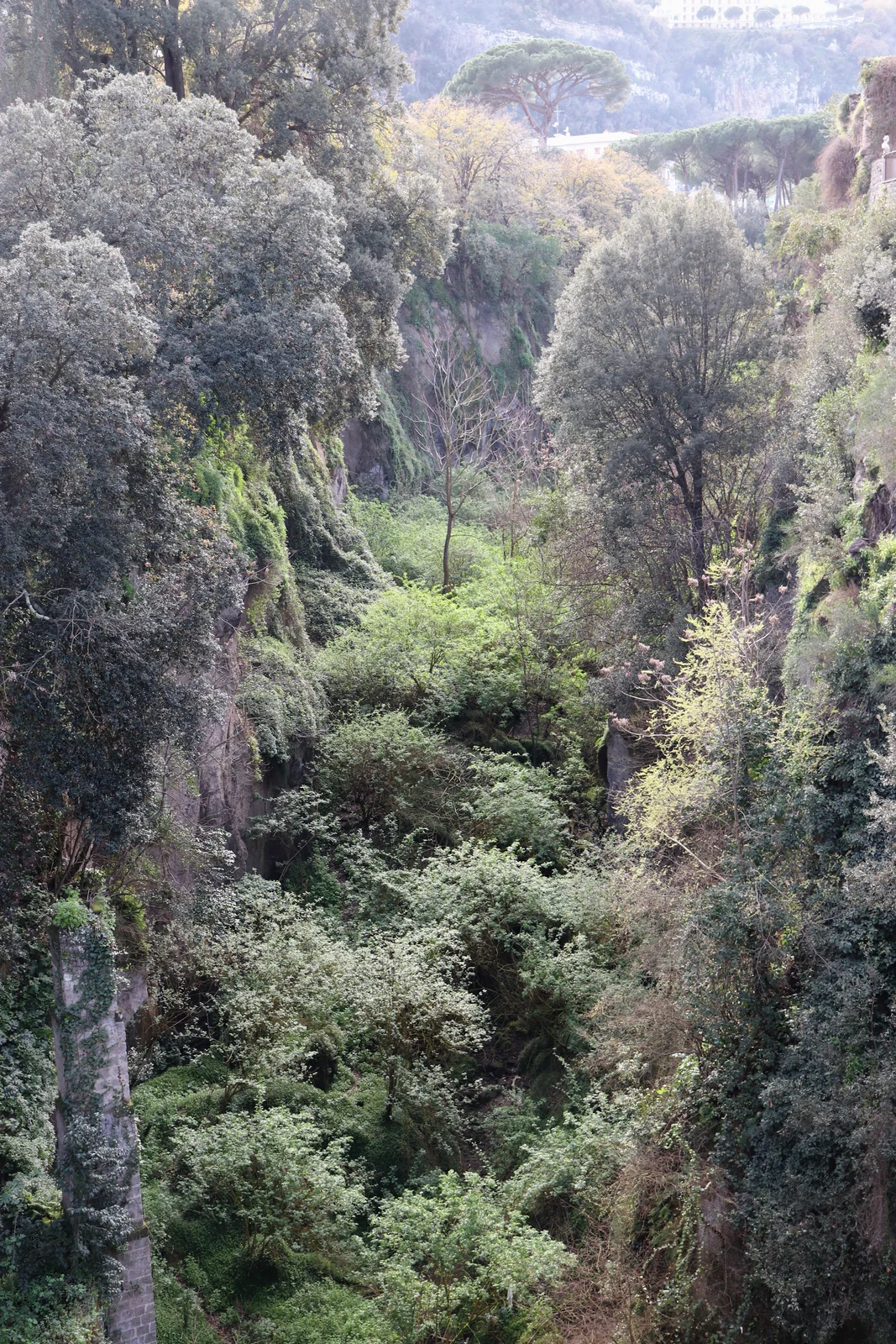
Photo: KaiBorgeest / Wikimedia Commons — CC BY-SA 4.0 · Resized and converted to WebP.
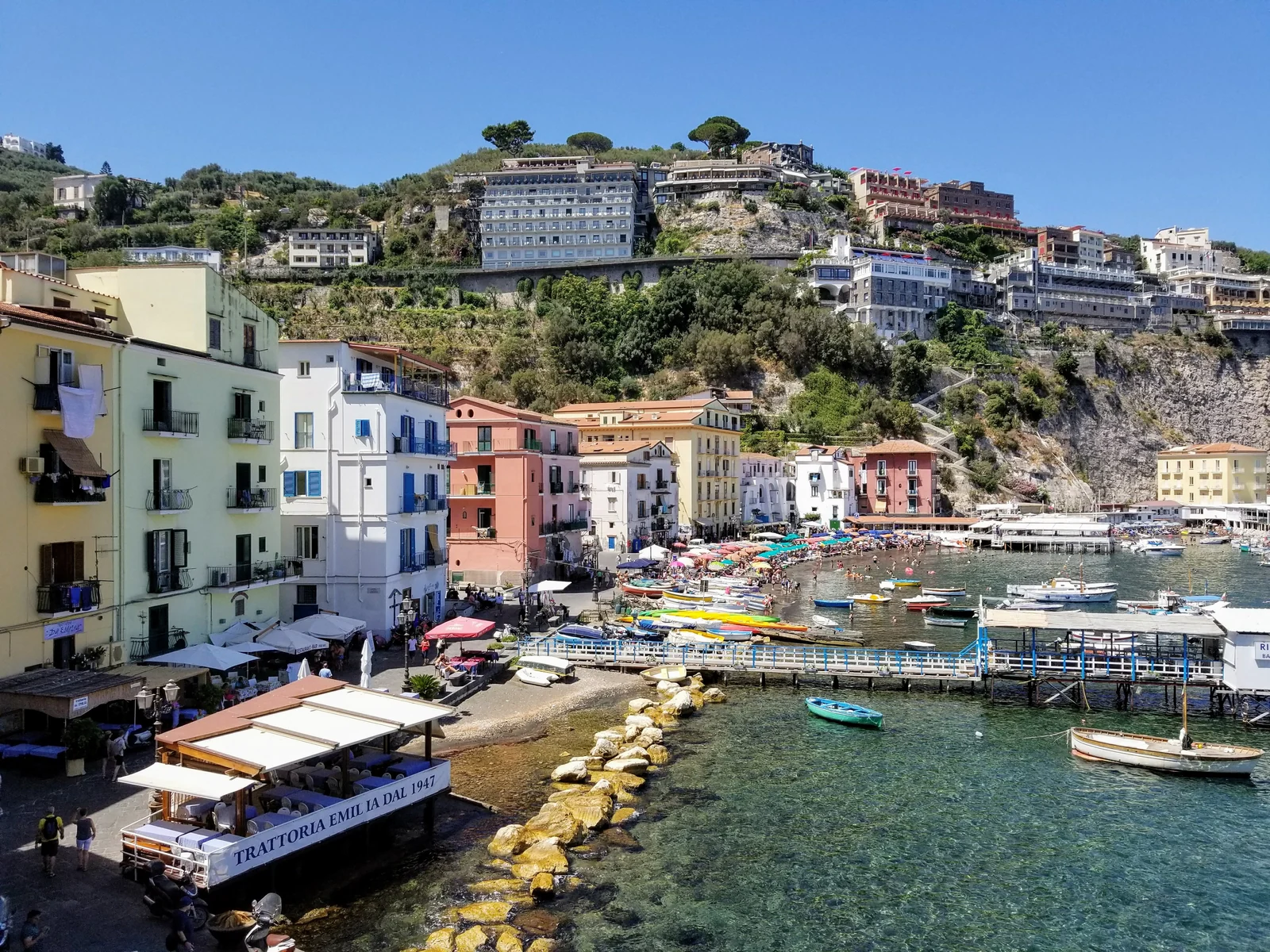
Photo: Davidhermanns / Wikimedia Commons — CC BY-SA 4.0 · Resized and converted to WebP.
The municipality at a glance
Sorrento is a municipality in the Metropolitan City of Naples, in Campania. Its ISTAT code is 063080. On 1 January 2025 it had 15,152 residents. The municipal territory covers 10.00 km² and ranges from -1 to 538 metres above sea level; the town hall stands at about 56 metres.
Sorrento is one of the municipalities in the Sorrento Lemon PGI area and one of the six in the consortium that runs the Punta Campanella Marine Protected Area. The feast of the patron saint, Sant’Antonino, is on 14 February.
Sources: ISTAT, Codici statistici delle unità amministrative territoriali: elenco dei comuni al 21 febbraio 2026 · ISTAT, Popolazione residente per età, sesso e stato civile al 1° gennaio 2025 (POSAS) · ISTAT, Principali statistiche geografiche sui comuni: superficie e altimetria al 31 dicembre 2021 · Consorzio di Tutela del Limone di Sorrento IGP — Disciplinare di produzione della IGP «Limone di Sorrento» (Ministero delle politiche agricole) · Area Marina Protetta Punta Campanella — sito ufficiale · Arcidiocesi di Sorrento-Castellammare di Stabia — Festa di Sant’Antonino, patrono di Sorrento e dell’Arcidiocesi (5-14 febbraio 2026)
History
The oldest traces of the town are in the Museo Correale. Its archaeological section shows finds from a necropolis discovered in the grounds of the Hotel Excelsior Vittoria, with Corinthian pottery from the late sixth century BC, and then those of Roman Surrentum: fragments of friezes, inscriptions and statues from the forum, which lay between today’s Via Fuoro, Via Tasso and Via San Nicola, and the “Base of Augustus”, the most important find from the Roman town. Sculpted furnishings come from the seaside villas, among them that of Agrippa Postumus; part of a statue of the pharaoh Seti I suggests a place of worship of an Egyptian god.
According to the town council, the Roman town was laid over the Greek settlement, following its plan and its walls of large blocks: a stretch of the Greek circuit can still be seen through a grating under Porta Parsano Nuova, another in Via Sopra le Mura. Via della Pietà runs along the line of a decumanus and lines up Palazzo Veniero, from the thirteenth century, Palazzo Correale, from the fourteenth, and the Aragonese loggia of Vico Galantariaro.
The patron saint, Antonino, was abbot of the Benedictine monastery of Sant’Agrippino and died in Sorrento in 625, the Archdiocese writes; an oratory rose over his tomb, then the basilica. Tradition credits him with ending the siege laid to the town in 835 by Prince Sicardo of Benevento. On the night of 13 June 1558 the Saracens sacked Sorrento and melted down the saint’s silver statue; the walls were rebuilt from 1551 to 1561 and, according to the town council, kept the line of the Greek and Roman circuit.
The town’s noble families left the Sedile Dominova, from the sixteenth century, which the town council describes as the only noble seat surviving in Campania, and the Correale: in 1654 Pompeo Correale bought the farmstead that, after the works of 1715-1720, became Villa alla Rota. Sorrento was also the birthplace of Torquato Tasso, who in a letter called it “the inn of courtesy”.
In the nineteenth century the town was a destination for foreign travellers: the town council collects their pages, among them the letters of Friedrich Nietzsche, who lived at Villa Rubinacci from October 1876 to May 1877, while Richard Wagner was staying at the Hotel Victoria. On 15 September 1902, during the visit of Prime Minister Giuseppe Zanardelli, “Torna a Surriento” by the brothers Giambattista and Ernesto de Curtis was sung for the first time at the Hotel Tramontano. The Museo Correale, made a charitable foundation in 1904, opened to the public on 10 May 1924; in the same year Pius XI raised Sant’Antonino to a basilica.
Sources: Museo Correale di Terranova — Sezione archeologica · Comune di Sorrento — Il centro antico della città di Sorrento (aggiornato il 29 aprile 2025) · Arcidiocesi di Sorrento-Castellammare di Stabia, Servizio pastorale per il turismo — Basilica di Sant’Antonino Abate · Museo Correale di Terranova — Il Palazzo: Villa alla Rota · Comune di Sorrento — La Storia: musei e spazi espositivi (aggiornato il 30 aprile 2025) · Comune di Sorrento — Il labirinto della memoria: testimonianze di viaggiatori su Sorrento · Comune di Sorrento — «Torna a Surriento» · Museo Correale di Terranova — La Fondazione
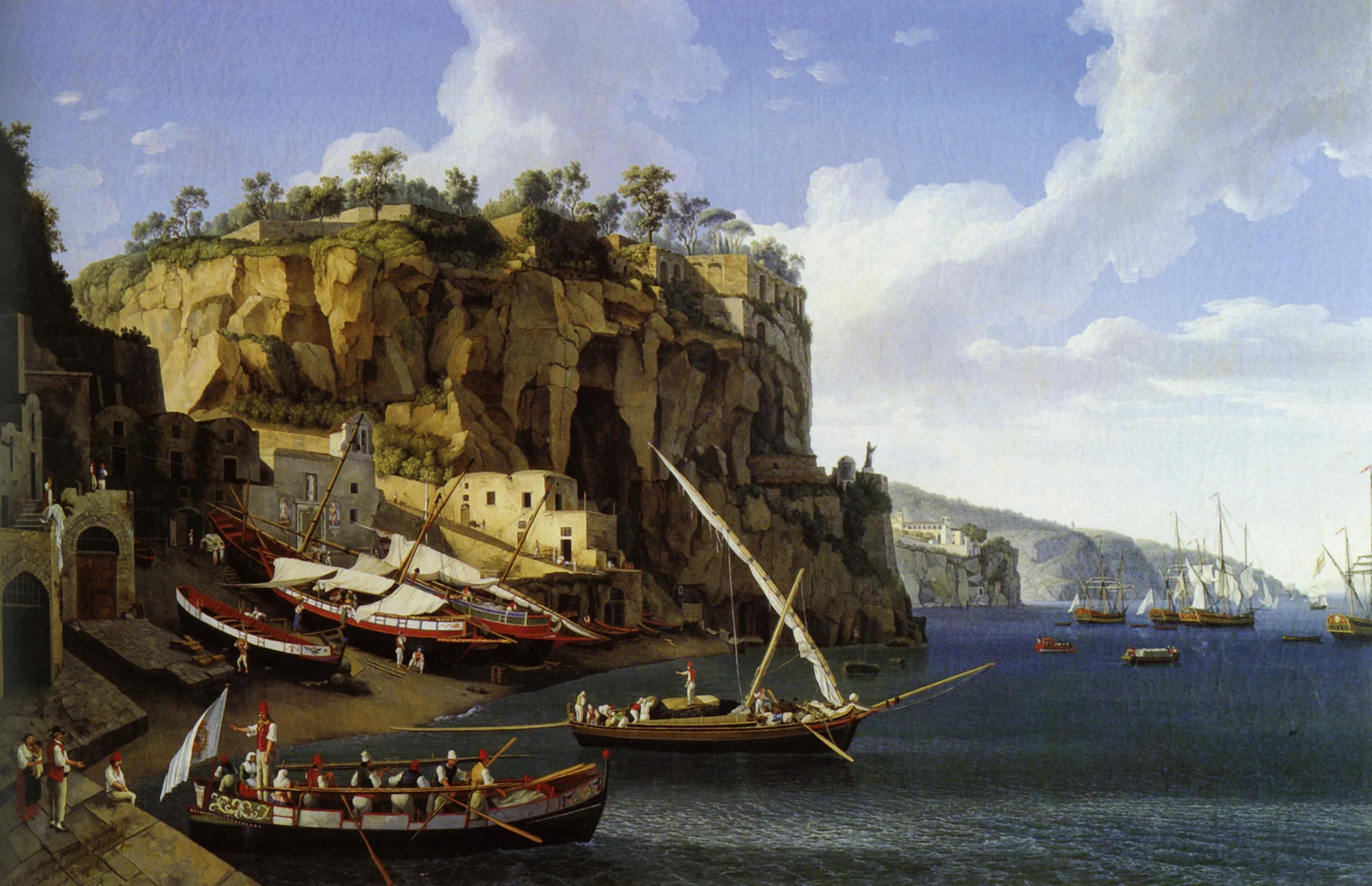
Photo: Jacob Philipp Hackert / Wikimedia Commons — Public domain · Resized and converted to WebP.
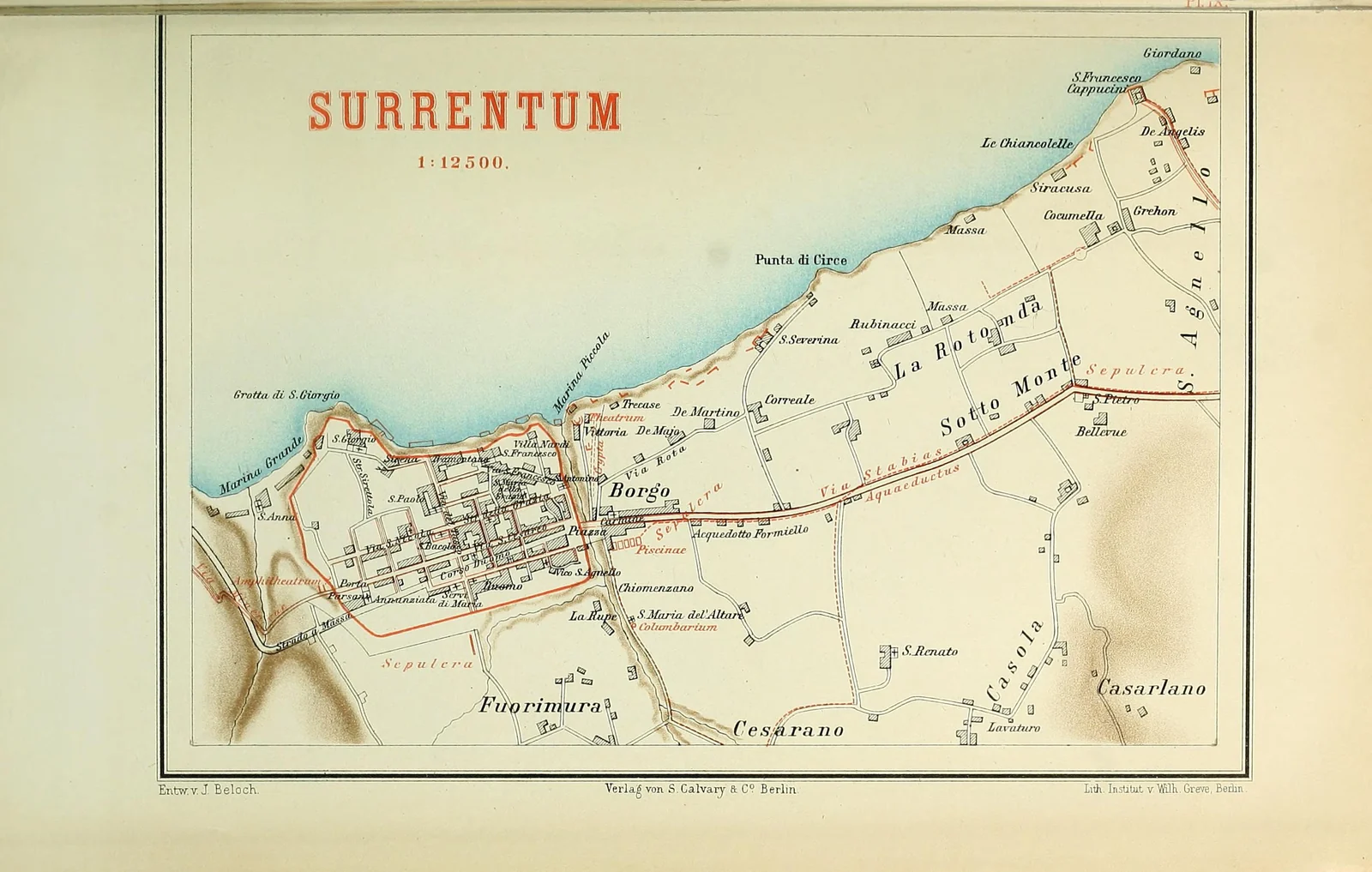
Photo: Karl Julius Beloch (1854–1929) / Wikimedia Commons — Public domain · Resized and converted to WebP.
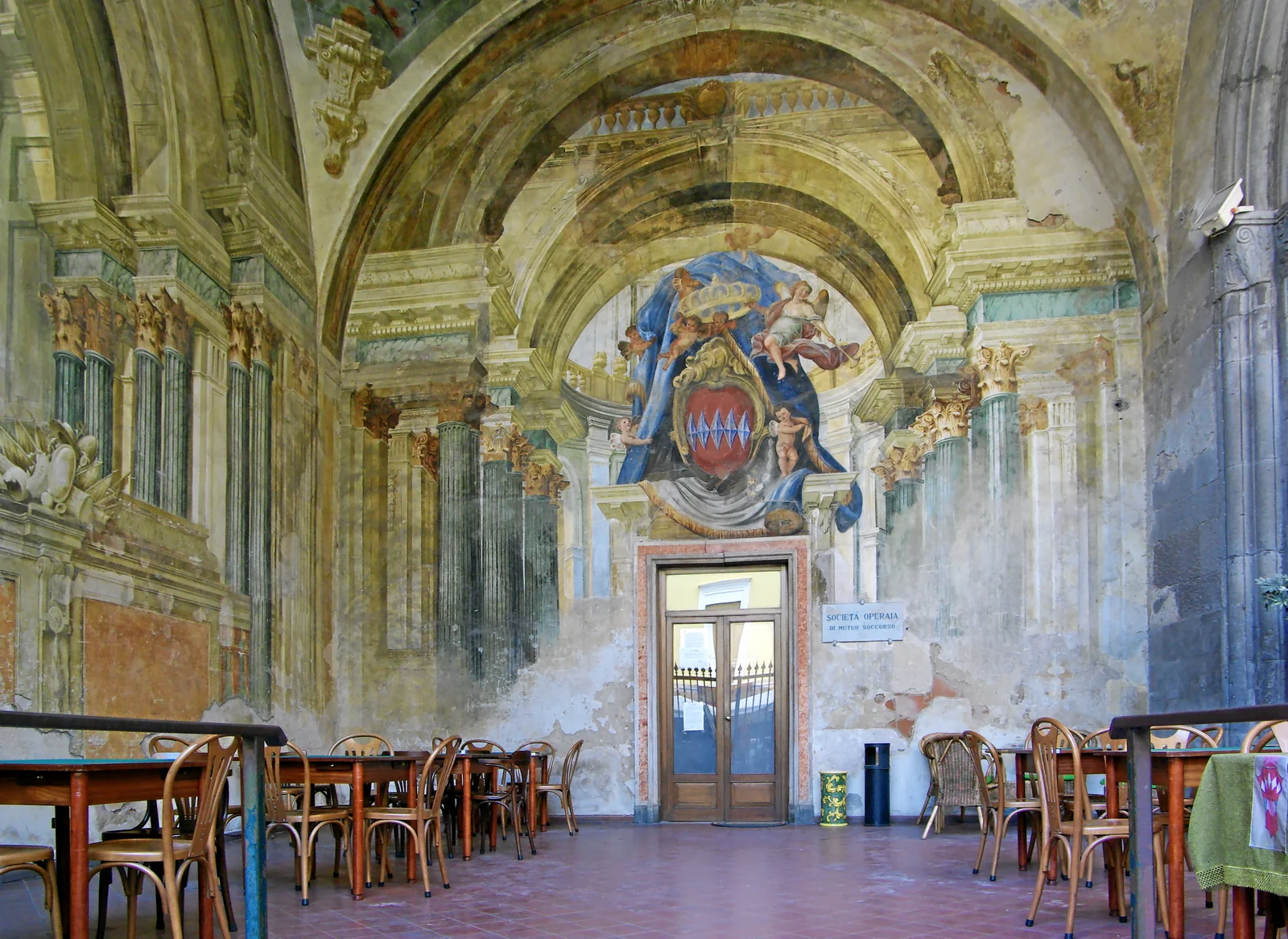
Photo: Berthold Werner / Wikimedia Commons — CC BY-SA 3.0 · Resized and converted to WebP.
What to see
The cathedral, dedicated to the Assumption and to the apostles Philip and James, already existed in the eleventh century according to the Archdiocese and today appears in Baroque style. The town council points out the side portal of 1474, the archbishop’s marble throne of 1573, the eighteenth-century paintings of the Neapolitan school and the wooden choir stalls by Sorrento craftsmen. The bell tower, built into the archbishop’s palace, opens at the bottom with an arch on four ancient columns. Close by, the Sedile Dominova has two arches in piperno stone, eighteenth-century frescoes and a seventeenth-century dome of yellow and green tiles.
The basilica of Sant’Antonino has a grey tuff façade with its bell tower; the portico keeps the bones of the whale linked to the miracle Sorrento holds dearest, the child saved from the “whale”. The nave tells the saint’s life in sixteen frescoes and the ceiling has three canvases by Giambattista Lama from 1734. In the crypt, the most visited part, there are eight ancient marble columns, six canvases by Carlo Amalfi and the sailors’ votive offerings; it also keeps a fourteenth-century fresco of the Madonna delle Grazie and a silver-clad crucifix.
Next to the sixteenth-century church of San Francesco, the cloister has interlaced tuff arches from the late fourteenth century on two sides and round arches on octagonal pillars, reworked in 1447, on the other two; three corner columns come from ancient temples. Santa Maria delle Grazie, founded in 1566 by Bernardina Donnorso, has Silvestro Buono’s polyptych of 1582 on the altar and a majolica floor; the church of the Servi di Maria was built between 1761 and 1778.
The Museo Correale di Terranova, at Via Correale 50, fills three floors of Villa alla Rota: Neapolitan painting from the sixteenth to the eighteenth century, Flemish painting, the School of Posillipo, European porcelain, clocks and the Hall of Mirrors; since 2024 the archaeological section has been in the basement, which turned out to be a Roman cistern of the second century AD. The collection of Sorrento inlaid woodwork comes from the 1937 donation of Silvio Salvatore Gargiulo, “Saltovar”: the most admired piece is a slant-top secrétaire the cabinet-maker worked on from 1900 to 1910. The grounds end at the Belvedere terrace, sheer above the sea. The museum states that it is accessible to visitors with disabilities, and it is closed from 10 January to 16 March 2027.
Inlaid woodwork, the museum explains, was born around 1830 from the contrast between two local woods, walnut and orange; the town council also points to the Museobottega della Tarsialignea in the old centre, in an eighteenth-century palazzo. The “Sorrento Musei” combined ticket covers the Museo Correale, the Sorrento Experience multimedia museum and MU.TA., the workshop museum of Sorrento inlay, and is valid for six months.
Sources: Arcidiocesi di Sorrento-Castellammare di Stabia, Servizio pastorale per il turismo — Luoghi d’arte a Sorrento · Comune di Sorrento — Il centro antico della città di Sorrento (aggiornato il 29 aprile 2025) · Arcidiocesi di Sorrento-Castellammare di Stabia, Servizio pastorale per il turismo — Basilica di Sant’Antonino Abate · Museo Correale di Terranova — Il Palazzo: Villa alla Rota · Museo Correale di Terranova — Sezione archeologica · Museo Correale di Terranova — La collezione di intarsi storici sorrentini · Museo Correale di Terranova — Informazioni utili: orari, tariffe, indicazioni · Comune di Sorrento — La Storia: musei e spazi espositivi (aggiornato il 30 aprile 2025)
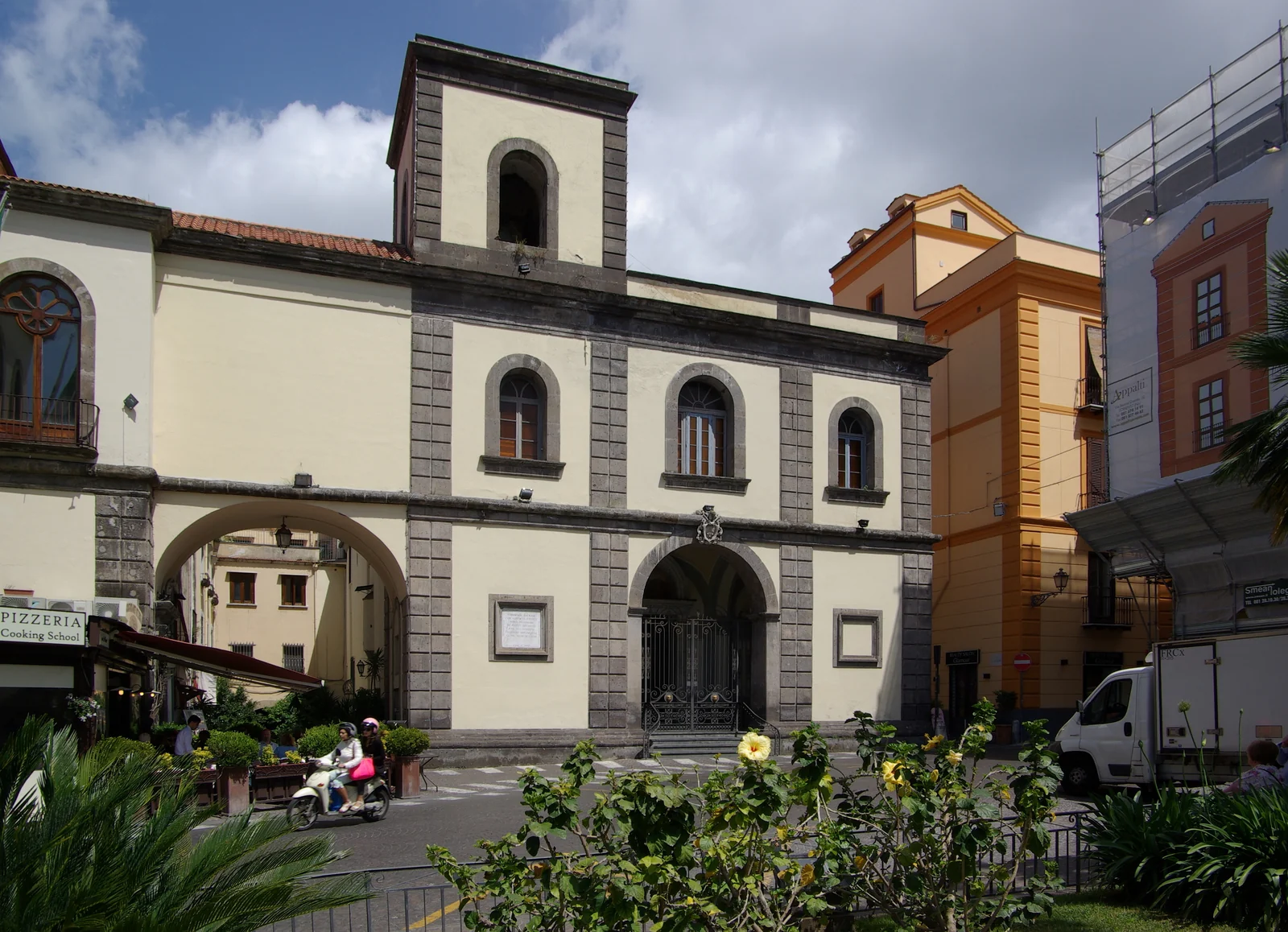
Photo: Berthold Werner / Wikimedia Commons — CC BY-SA 3.0 · Resized and converted to WebP.
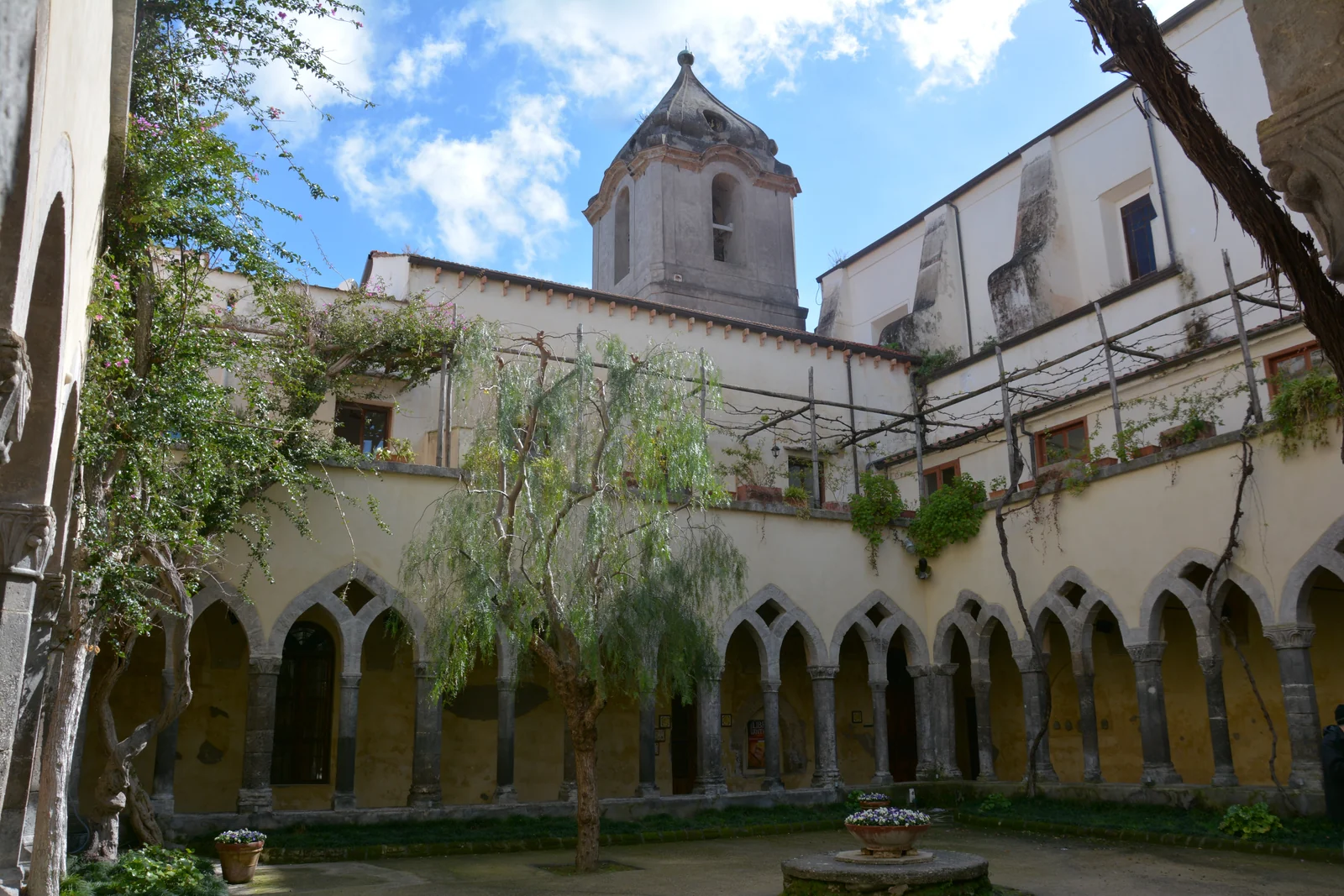
Photo: MentNFG / Wikimedia Commons — CC BY-SA 4.0 · Resized and converted to WebP.
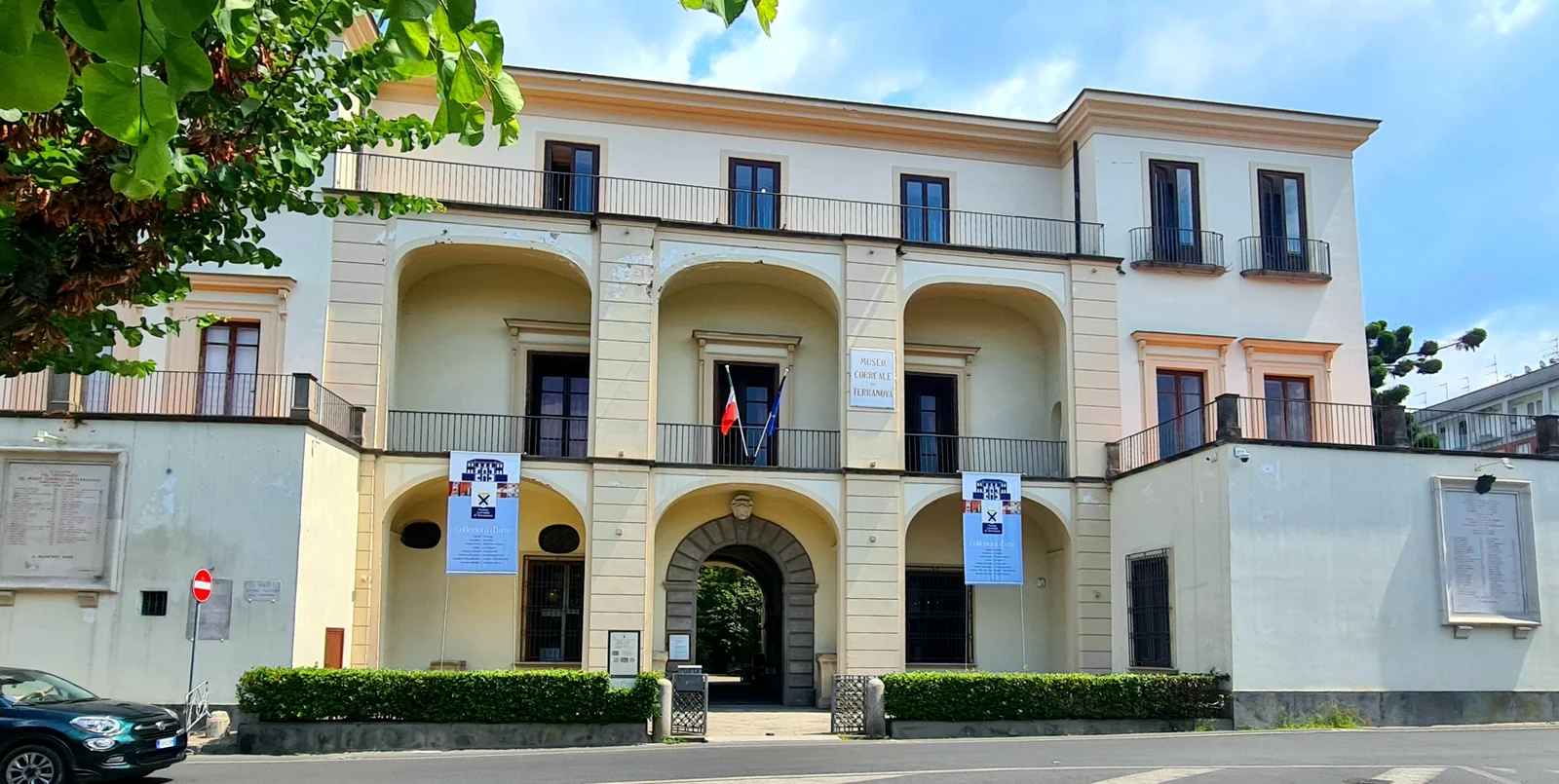
Photo: Carlo Dani / Wikimedia Commons — CC BY-SA 4.0 · Resized and converted to WebP.
Flavours
The Sorrento Lemon PGI, known as the “Ovale di Sorrento”, comes from the oval femminello variety and has been protected since 1 February 2001. The product specification draws its area in parts of Vico Equense, Meta, Piano di Sorrento, Sant’Agnello, Sorrento, Massa Lubrense, Capri and Anacapri and prescribes the traditional way of growing it: the trees stand under frameworks of poles, preferably chestnut, at least three metres high, with seasonal covers that shelter them from bad weather and stagger the ripening.
The fruit is picked by hand from 1 January to 31 October, without letting it touch the ground. A lemon must weigh at least 85 grams, have yellow peel over more than half its surface, rich in essential oil and fragrant, and abundant, acidic juice, with a yield of at least 25%. Processed products may refer to the name “Sorrento” only if they use PGI lemons exclusively.
The peninsula also gives the Provolone del Monaco PDO, which the Campania Region describes as a semi-hard stretched-curd cheese of the Sorrento Peninsula and the Lattari Mountains, made only with raw milk and aged for at least six months, in forms of 2.5 to 8 kilograms. The name, according to the most accepted account, comes from the cheesemakers who landed in Naples at dawn with their provoloni, wrapped in a sackcloth cloak like a monk’s habit.
Sources: Consorzio di Tutela del Limone di Sorrento IGP — Il Limone di Sorrento IGP · Consorzio di Tutela del Limone di Sorrento IGP — Disciplinare di produzione della IGP «Limone di Sorrento» (Ministero delle politiche agricole) · Regione Campania, Assessorato Agricoltura — Prodotti tipici: Provolone del Monaco DOP
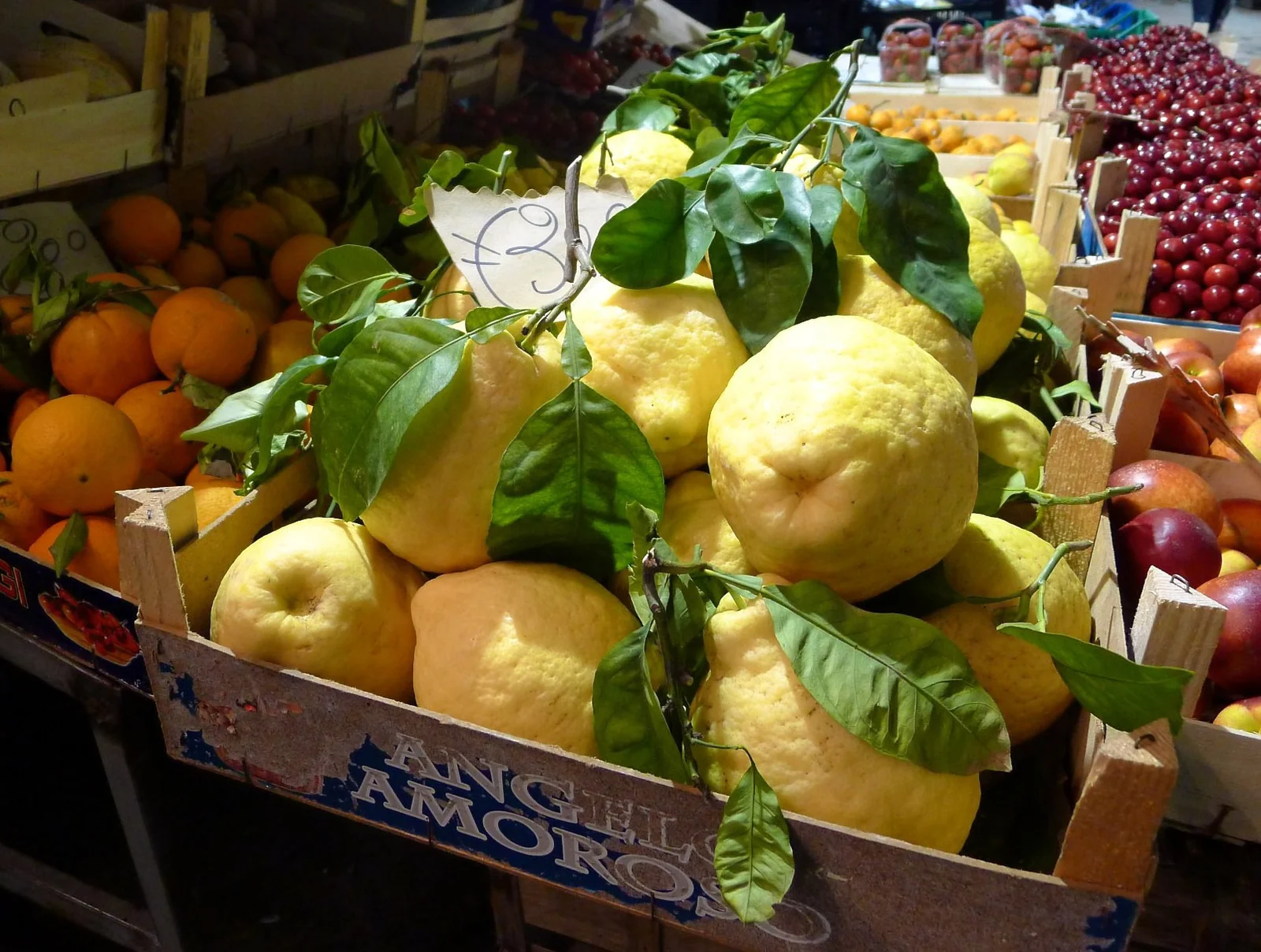
Photo: Brad Coy / Wikimedia Commons — CC BY 2.0 · Resized and converted to WebP.
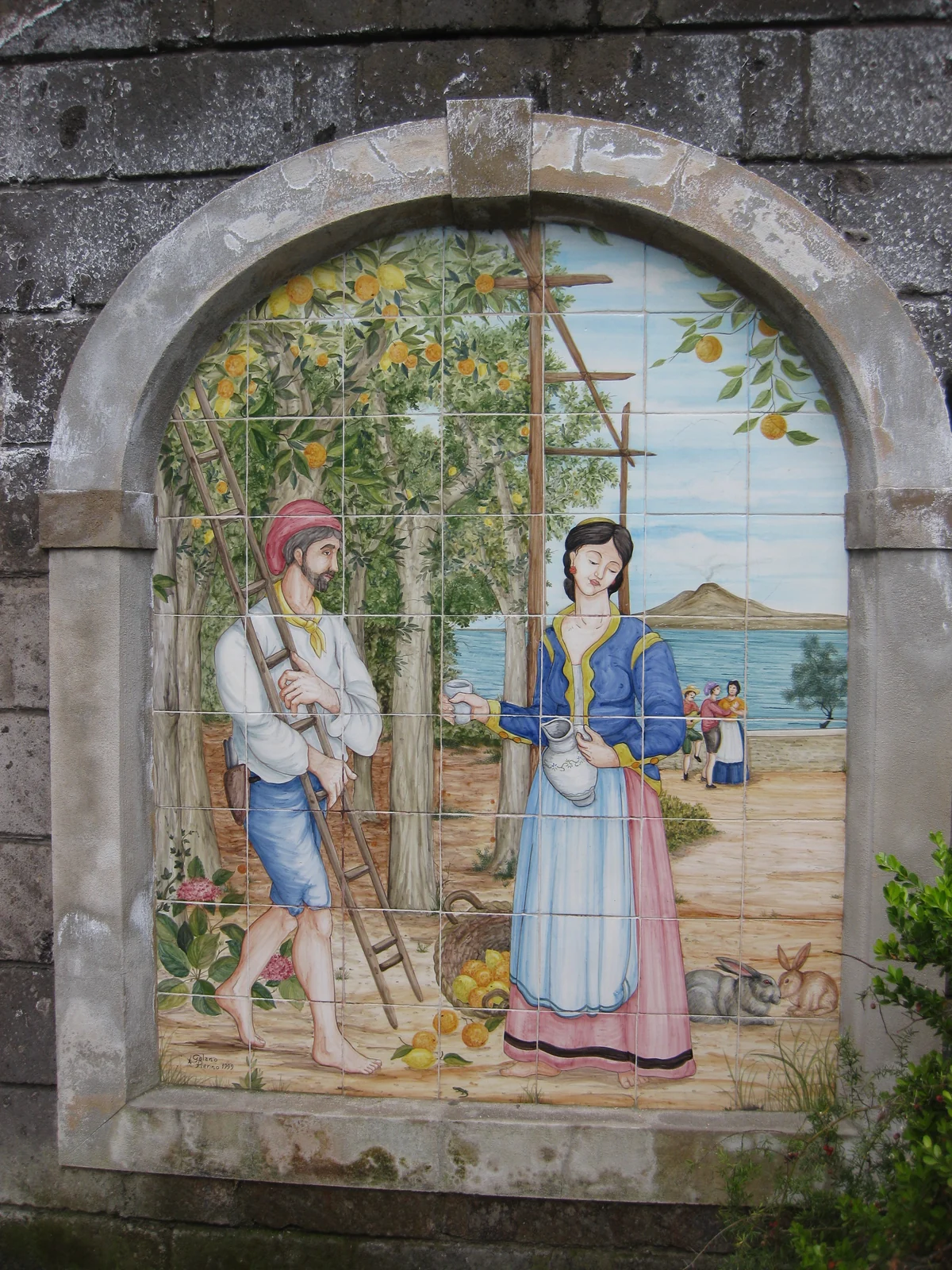
Photo: Elizabeth B. Thomsen / Wikimedia Commons — CC BY-SA 3.0 · Resized and converted to WebP.
Things to do
The town council suggests seeing the town from the sea: in a boat hired at Marina Piccola or Marina Grande you can follow the cliff, the ancient fish ponds and nymphaea, the coves and the towers, all the way to Positano. The beaches are in the Marina Grande and Marina di Puolo quarters, with free stretches and bathing establishments, and below the Villa Comunale at the San Francesco beach; between the Capo and Puolo the coast is rocky.
At Capo di Sorrento, at the Bagno della Regina Giovanna, the sea runs in between the rocks below the ruins of a Roman villa. Between the gulfs of Naples and Salerno, around the tip of the peninsula, the sea is protected by the Punta Campanella Marine Protected Area, run by a consortium of six municipalities: Massa Lubrense, Piano di Sorrento, Positano, Sant’Agnello, Sorrento and Vico Equense.
For walkers, the Archdiocese proposes the Way of Sant’Antonino from Stabia to Sorrento: the lower route follows the ancient Via Minerva for about 20 kilometres, the road that from the fourth century linked Stabia to the Punta Campanella headland by way of Sorrento; the upper route climbs Monte Faito and follows the CAI paths to Arola.
Sources: Comune di Sorrento — Geografia del territorio: il mare e la costa (aggiornato il 29 aprile 2025) · Area Marina Protetta Punta Campanella — sito ufficiale · Arcidiocesi di Sorrento-Castellammare di Stabia, Servizio pastorale per il turismo — Stabia-Sorrento, il cammino di Sant’Antonino
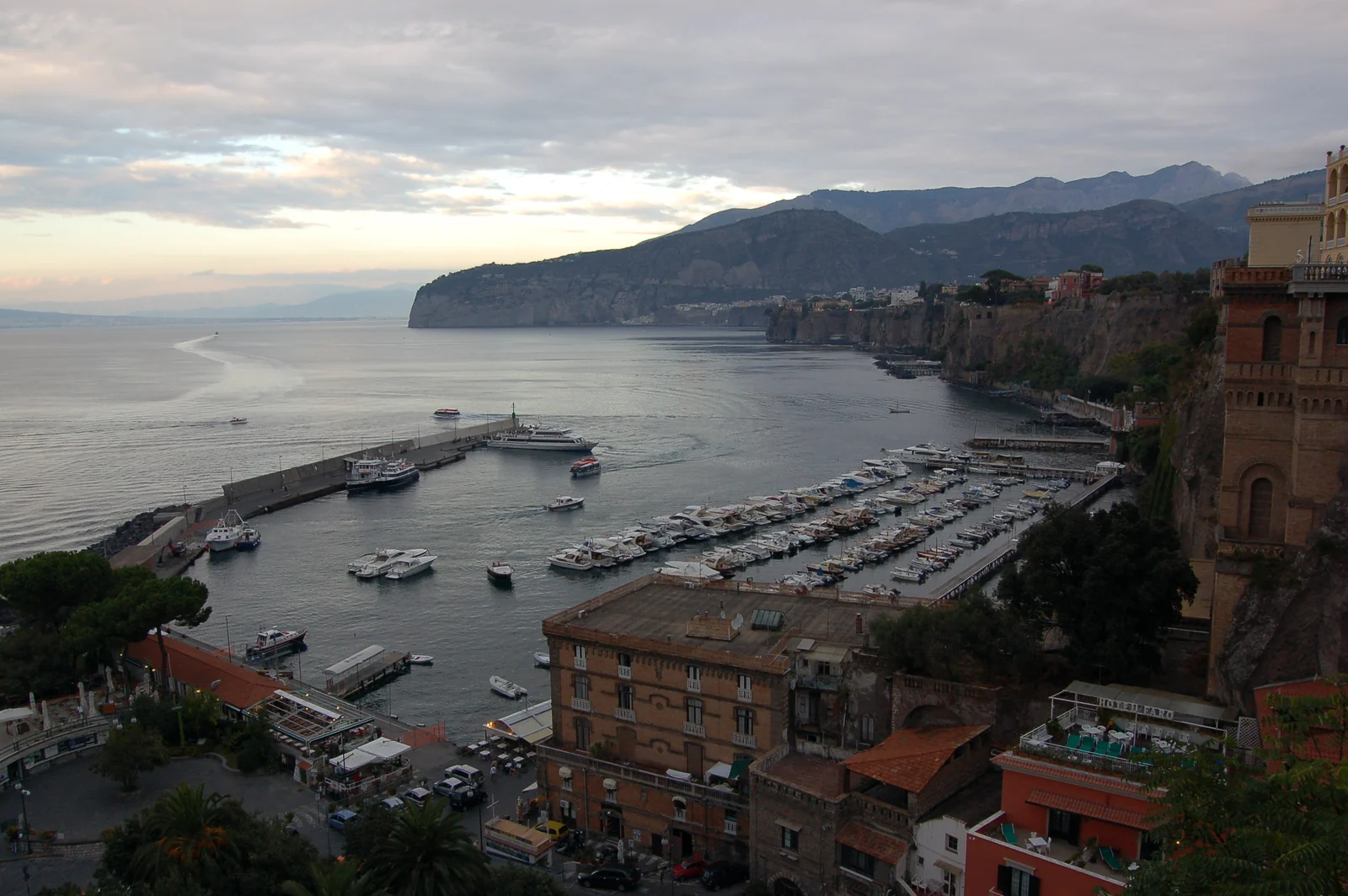
Photo: Bahnfrend / Wikimedia Commons — CC BY-SA 3.0 · Resized and converted to WebP.
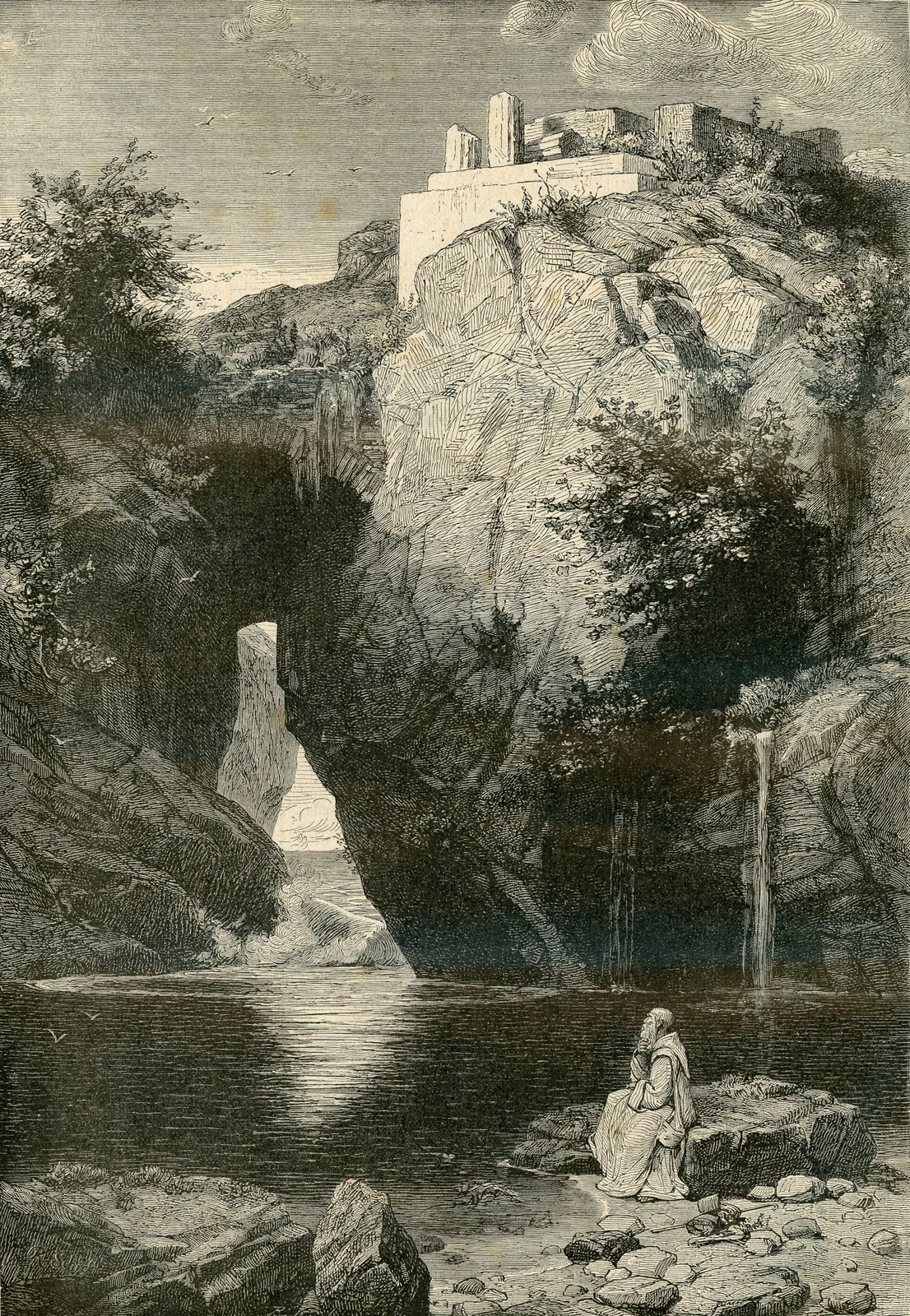
Photo: Unknown authorUnknown author / Wikimedia Commons — Public domain · Resized and converted to WebP.
When to go
14 February is the feast of Sant’Antonino, patron saint of the town and of the Archdiocese, with Masses and the procession carrying the saint’s image. In 2026 the feast closed the Antoninian Jubilee for the fourteenth centenary of the saint’s death and the hundred years of the basilica, preceded by a novena from 5 to 14 February.
On Good Friday the brothers of the Servi di Maria, hooded in black, carry the wooden statue of the dead Christ and that of Our Lady of Sorrows in procession. Between April and May comes the feast of the Patronage of Sant’Antonino, known as the “Gardeners’” feast: in 2026 the statue was carried in pilgrimage from the basilica to the cathedral on 30 April and the procession through the town streets took place on 3 May, feast of Saints Philip and James, titular saints of the cathedral.
The PGI lemon harvest runs from January to October. Summer is the season of the sea and the marinas; the Museo Correale, on the other hand, closes in deep winter, from 10 January to 16 March 2027. In December the town hosts the Giornate Professionali di Cinema, which reached their forty-ninth edition in 2026, with screenings open to the public at the Cinema Teatro Tasso; for 1 December 2026 the town council announces the Christmas tree lighting in Piazza Tasso.
Sources: Arcidiocesi di Sorrento-Castellammare di Stabia — Festa di Sant’Antonino, patrono di Sorrento e dell’Arcidiocesi (5-14 febbraio 2026) · Comune di Sorrento — Il centro antico della città di Sorrento (aggiornato il 29 aprile 2025) · Arcidiocesi di Sorrento-Castellammare di Stabia, Servizio pastorale per il turismo — Luoghi d’arte a Sorrento · Arcidiocesi di Sorrento-Castellammare di Stabia — Sorrento celebra la festa del Patrocinio di Sant’Antonino (2026) · Consorzio di Tutela del Limone di Sorrento IGP — Disciplinare di produzione della IGP «Limone di Sorrento» (Ministero delle politiche agricole) · Comune di Sorrento — Geografia del territorio: il mare e la costa (aggiornato il 29 aprile 2025) · Museo Correale di Terranova — Informazioni utili: orari, tariffe, indicazioni · Comune di Sorrento — Giornate Professionali di Cinema: programma aperto alla città (20 novembre 2026)
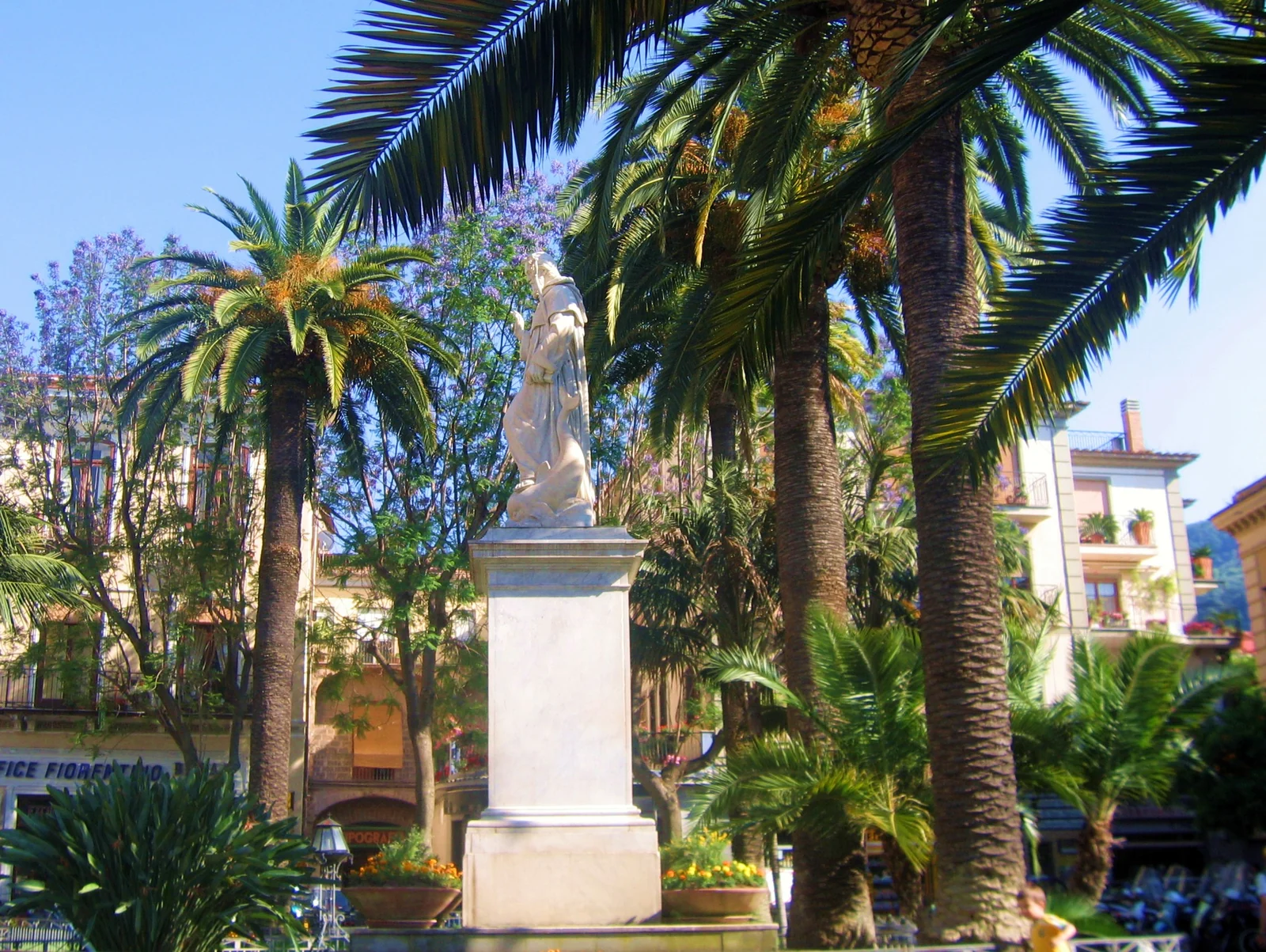
Photo: PIERRE ANDRE LECLERCQ / Wikimedia Commons — CC BY-SA 4.0 · Resized and converted to WebP.
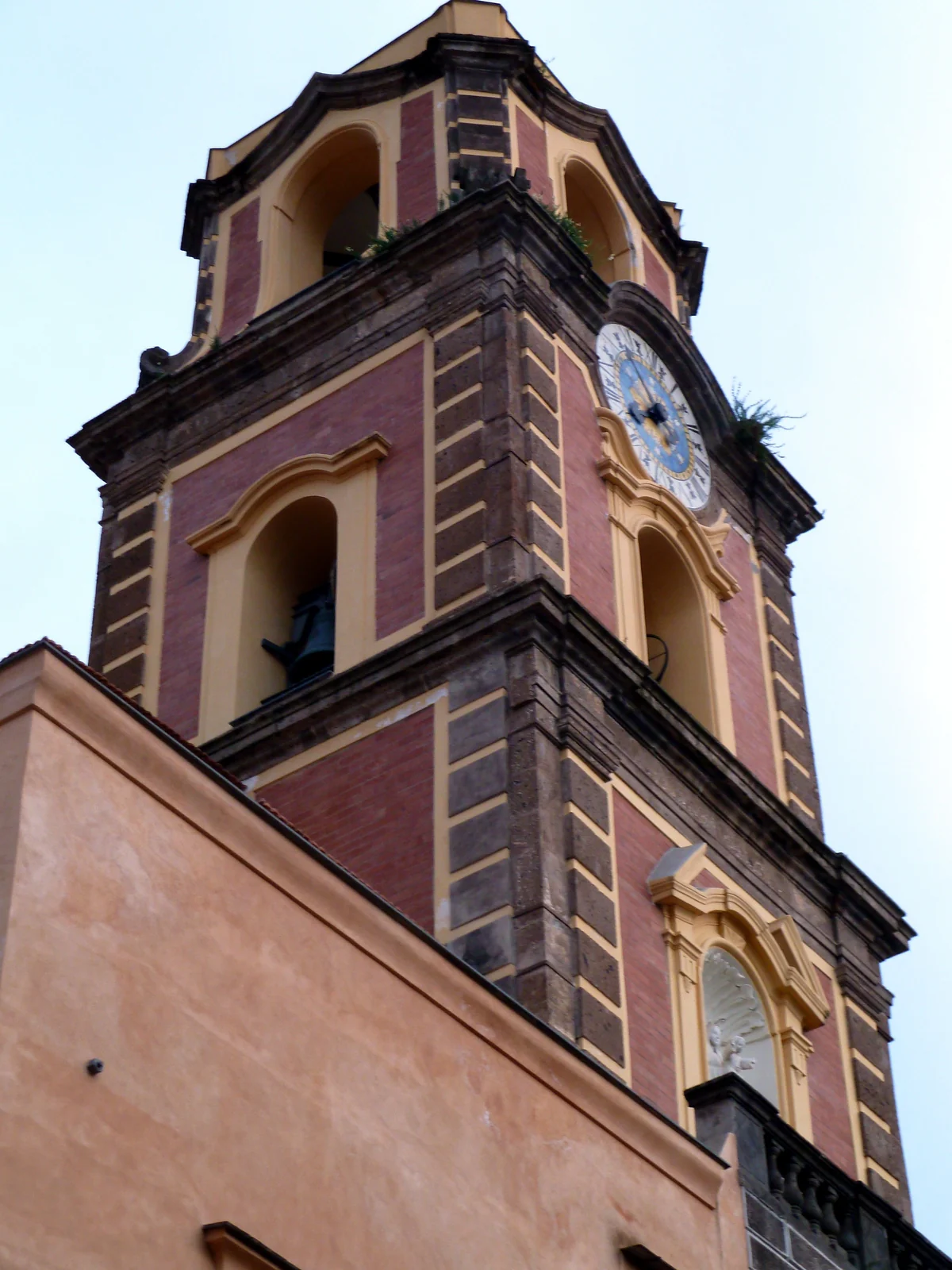
Photo: Dave & Margie Hill / Kleerup / Wikimedia Commons — CC BY-SA 2.0 · Resized and converted to WebP.
Getting there
By train you arrive on the EAV Naples–Pompei Scavi–Sorrento line, one of the Vesuvian lines. According to the town council, the Naples stop is beneath the State Railways station in Piazza Garibaldi and the journey to Sorrento takes about an hour. Since 6 May 2024 the line has had an on-call service for wheelchair users, which takes them to the nearest accessible station: for the stretch from Torre del Greco to Sorrento, bookings are made on 081 7354744.
From Naples-Capodichino airport, the town council and the Museo Correale point out, a private bus runs to Piazza Tasso. By car, the museum writes, you leave the motorway at Castellammare di Stabia and carry on to Sorrento. From the harbour, hydrofoils leave for Naples (Molo Beverello), Capri and Ischia; buses link Sorrento with Massa Lubrense, Sant’Agata, Nerano, Positano and Amalfi.
In the centre, according to the town council’s notice of March 2025, the limited traffic zone applies from 1 April to 25 October, every day from 7.30 pm to 4 am and on public holidays also from 10 am to 1 pm, with four electronic gates in Via Fuorimura, Corso Italia, Via Correale and Via San Francesco; access requires a permit. The Achille Lauro municipal car park is in Via Correale.
Sources: EAV srl (Ente Autonomo Volturno) — Le nostre linee · Comune di Sorrento — Raggiungere Sorrento: i trasporti (aggiornato il 18 settembre 2025) · EAV srl — Trasporto a chiamata per persone in sedia a ruote sulla linea Napoli-Sorrento · Museo Correale di Terranova — Informazioni utili: orari, tariffe, indicazioni · Comune di Sorrento — Viabilità: ritorna la zona a traffico limitato (28 marzo 2025)
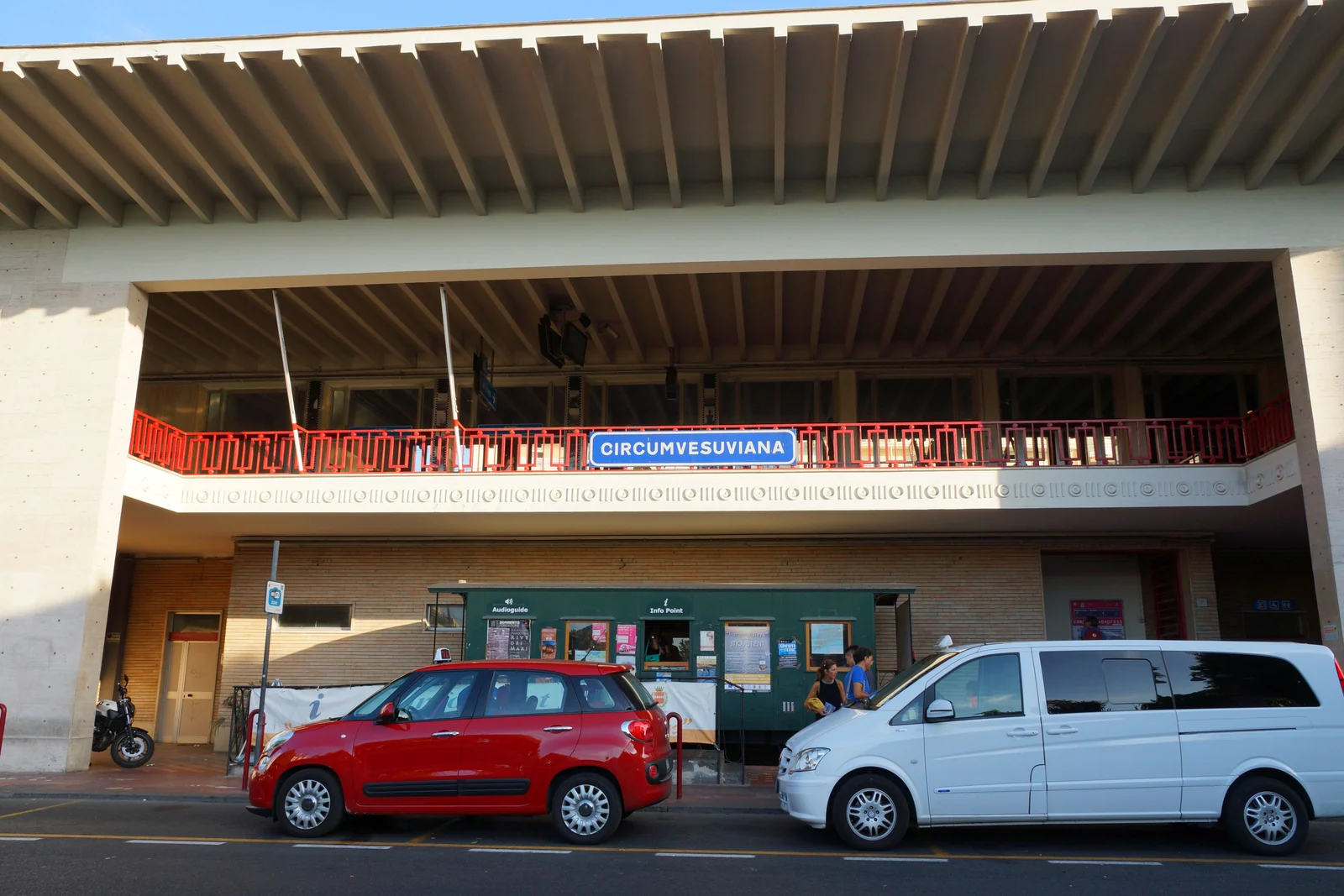
Photo: Chris Sampson / Wikimedia Commons — CC BY 2.0 · Resized and converted to WebP.
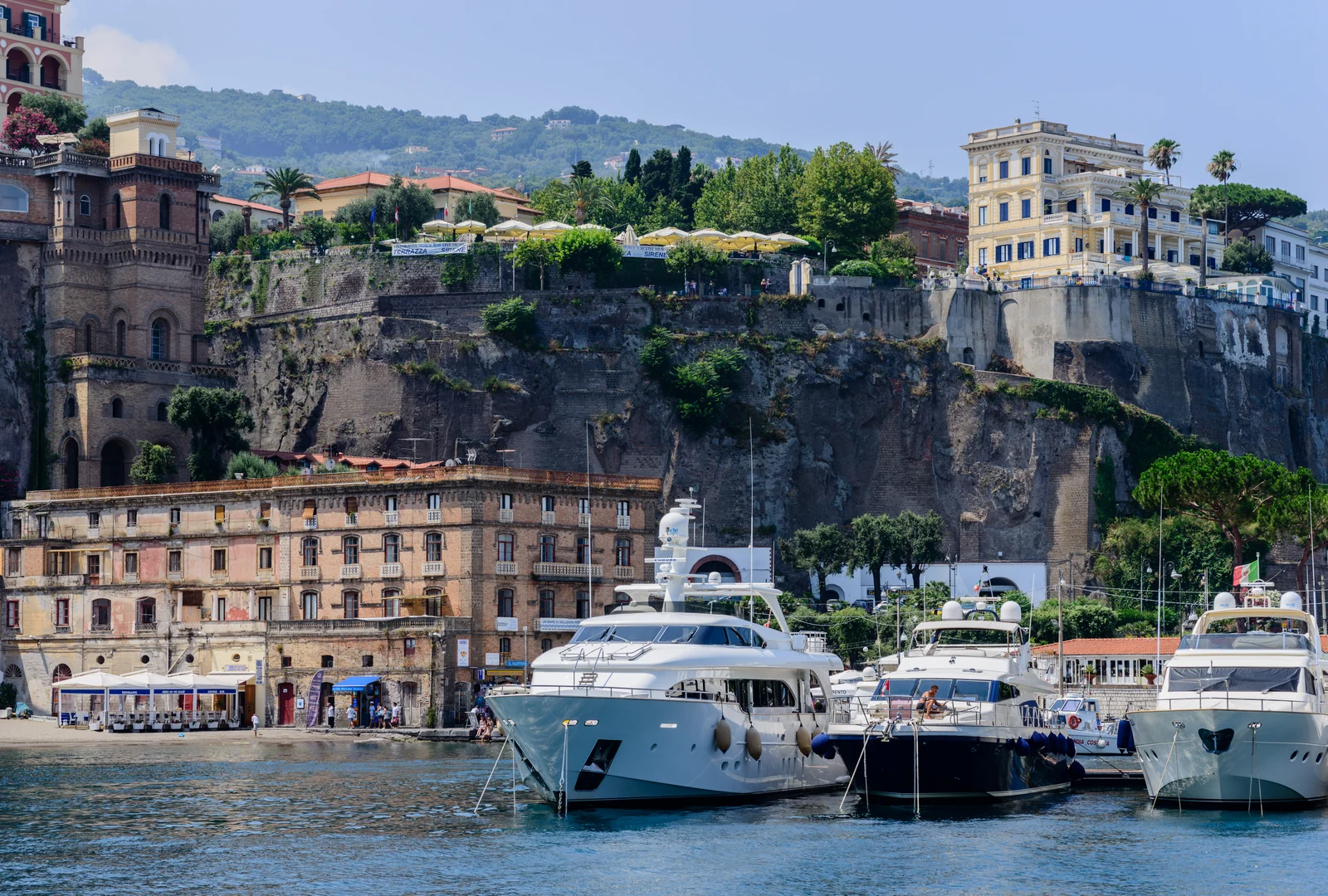
Photo: Norbert Nagel / Wikimedia Commons — CC BY-SA 3.0 · Resized and converted to WebP.
Tourism
On the council’s page of services for visitors, updated in June 2025, the InfoPoint was open every day from 10 am to 1 pm and from 4 pm to 8 pm. The same page lists the lift that goes down from the Villa Comunale, in piazza F. S. Gargiulo, to the harbour and the beaches, running from 7.30 am to 8 pm: access is free.
The sea around the peninsula is protected by the Punta Campanella marine protected area, and its regulation, approved by the Ministry of the Environment in 2010, also applies to those who go out by boat or swim. In the A zones there is no swimming, no navigation and no mooring; throughout the area jet skis and water skiing are not allowed, and the caves may be entered only in small rowing boats. Near the coast motor boats keep below 5 knots within 300 metres and below 10 knots further out. No anchor is dropped in the A and B zones; in zone C anchoring is allowed from 8 am to 8 pm, but not within 100 metres of beaches or 50 metres of sheer cliffs, nor on posidonia meadows or coralligenous seabeds. Divers do not touch the seabed, take or damage nothing and do not feed the fish.
Sources: Comune di Sorrento — Servizi per il turista: InfoPoint e Ascensore per il porto e le spiagge · Ministero dell’Ambiente — Decreto 30 luglio 2010, Regolamento di esecuzione e organizzazione dell’area marina protetta «Punta Campanella» (GU n. 195 del 21 agosto 2010)
“Come to Sorrento as a guest, not as a tourist: that is how these places truly let you know them.”
Accommodation in figures
In the Ministry of Tourism’s national database of accommodation (BDSR), on 12 October 2026, Sorrento had 1,679 establishments with a verified national identification code (CIN): 83 hotel-type establishments, 837 non-hotel establishments and 759 other establishments.
Sources: Ministero del Turismo – Banca Dati Strutture Ricettive (dashboard pubblica)
Around Sorrento
Sorrento lies at the centre of the Sorrento peninsula: towards Naples come Sant’Agnello, Piano di Sorrento, Meta and Vico Equense, towards Punta Campanella Massa Lubrense. On the same EAV line you reach Pompei Scavi and Naples; by bus Positano and Amalfi, by hydrofoil Capri and Ischia. The Way of Sant’Antonino links the town to Castellammare di Stabia and Monte Faito.
Sources: Consorzio di Tutela del Limone di Sorrento IGP — Disciplinare di produzione della IGP «Limone di Sorrento» (Ministero delle politiche agricole) · EAV srl (Ente Autonomo Volturno) — Le nostre linee · Comune di Sorrento — Raggiungere Sorrento: i trasporti (aggiornato il 18 settembre 2025) · Arcidiocesi di Sorrento-Castellammare di Stabia, Servizio pastorale per il turismo — Stabia-Sorrento, il cammino di Sant’Antonino
The town council
The official website of the Comune di Sorrento, registered in IndicePA, the index of the digital addresses of Italy’s public administrations, is the reference for the town council’s offices, opening hours and news. Its address is listed among the sources of this section.
The town council switchboard answers on 081 5335111. Besides its main seat, the town hall has a second seat in the Conservatorio delle Grazie.
Sources: Comune di Sorrento, sito istituzionale · IndicePA (AgID), Indice dei domicili digitali delle pubbliche amministrazioni: dataset Enti · Comune di Sorrento — Vivere il Comune: luoghi
Already on Apulica
Apulica’s events calendar includes «World Buffalo Congress» in Sorrento; the latest recorded edition is 2026.
Where to stay
In the municipality of Sorrento the national database of the Ministry of Tourism lists 1679 accommodation businesses with a verified CIN code: 83 hotels, 837 other licensed accommodation and 759 other types such as B&Bs and private rentals.
Licensed businesses from the official list of accommodation named as the source in this section. Where the list gives it, the property's official identification code appears next to its name: the national CIN code, or the code assigned by the Region or by the body that keeps the list. Private individuals are not listed. This list is the official census of licensed businesses, not a list of Apulica partners: to stay in Sorrento you do not have to check one property after another yourself; write to Apulica and we look for the stay that suits your journey, checking availability and conditions before any confirmation.
AMBASCIATORI
Hotel · ★★★★★
Regional code (CUSR) 15063080ALB0038
VILLAGGIO VERDE
Campsite · ★★★
Regional code (CUSR) 15063080EXT1062
AGRITURISMO MEZZOMONTE
Farm stay
Regional code (CUSR) 15063080EXTRTX2
3 SUITES VIEW
Guest rooms
Regional code (CUSR) 15063080EXT0003
ISTITUTO SCOLASTICO SANT'ANNA
Hostel
Regional code (CUSR) 15063080EXT0529
CONGREGAZIONE SUORE OBLATE DEL BAMBINO GESU
Holiday house
Regional code (CUSR) 15063080EXT0369
BELAIR
Hotel · ★★★★★
Regional code (CUSR) 15063080ALB0138
NUBE D'ARGENTO
Campsite
Regional code (CUSR) 15063080EXT0727
ANNABELLE
Farm stay
Regional code (CUSR) 15063080EXTQWEL
A- SUITES
Guest rooms
Regional code (CUSR) 15063080EXT0010
First the places that presented themselves to Apulica, the latest first; then one place of each type in turn, by official category and stars, then by name. No position is paid for.
All 342 entries in alphabetical order
Page 1 of 35
| Name | Type | Identification code |
|---|---|---|
| 3 SUITES VIEW | Guest rooms | Regional code (CUSR) 15063080EXT0003 |
| A- SUITES | Guest rooms | Regional code (CUSR) 15063080EXT0010 |
| ABAGNALE HOME | Guest rooms | Regional code (CUSR) 15063080EXT1534 |
| ACCADEMIA 39 | Guest rooms | Regional code (CUSR) 15063080EXT0012 |
| ADMIRAL | Hotel | Regional code (CUSR) 15063080ALB0015 |
| AE HOME STUDIO | Guest rooms | Regional code (CUSR) 15063080EXT0016 |
| AGORA APARTMENTS ARMIDA | Guest rooms | Regional code (CUSR) 15063080EXT1802 |
| AGRITURISMO MEZZOMONTE | Farm stay | Regional code (CUSR) 15063080EXTRTX2 |
| AL CENTRO SUITES | Guest rooms | Regional code (CUSR) 15063080EXT0025 |
| ALE HOUSE | Guest rooms | Regional code (CUSR) 15063080EXT0034 |
Ask Apulica for a stay in Sorrento We reply shortly, within a few hours at most, with a proposal for you to consider.
Sources: Ministero del Turismo – Banca Dati Strutture Ricettive (dashboard pubblica), 2026-10-12
YOUR JOURNEY
How to shape a journey here
To include Sorrento in a trip, or to ask for a guide or a transfer, you can write to Apulica with the button below.
Plan your tripKeep exploring
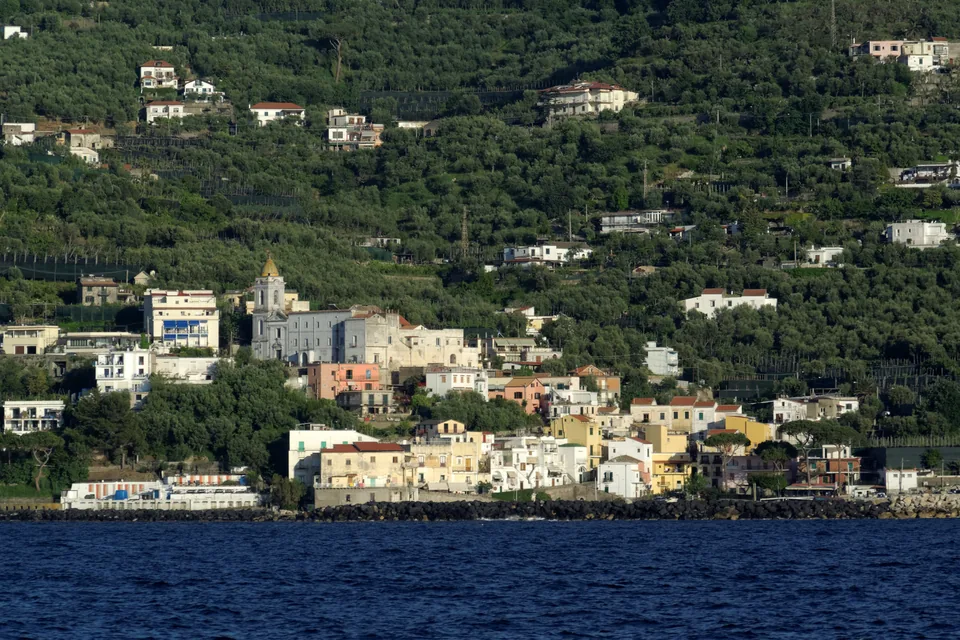
Massa Lubrense
Massa Lubrense (NA), Campania: 14,186 residents, 20.05 km². The official facts of the municipality, its town council website and its registered accommodation.
Read the guide →Photo: Berthold Werner / Wikimedia Commons — CC BY-SA 3.0 · Resized and converted to WebP.

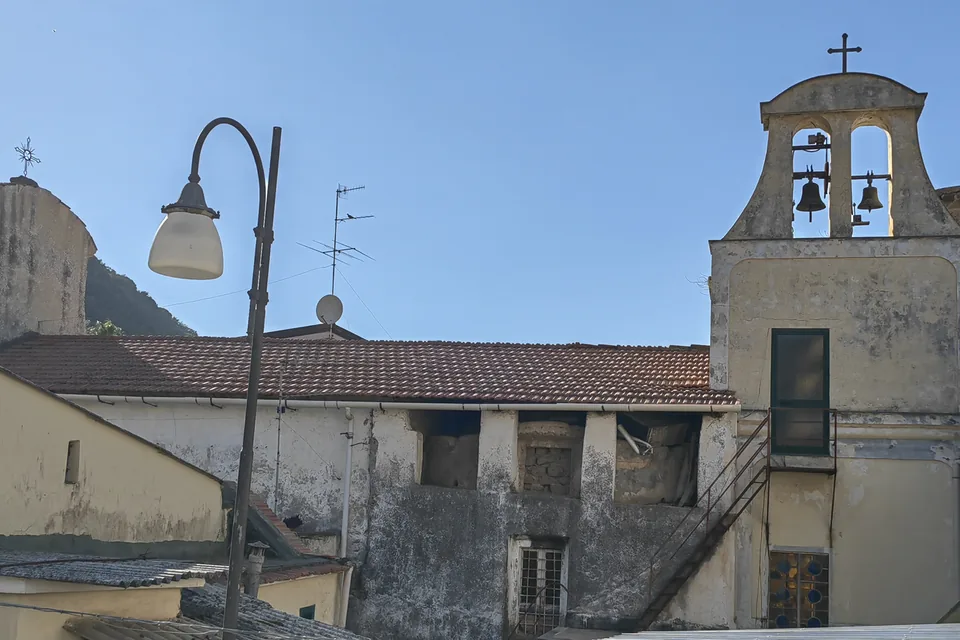
Sant'Agnello
Sant'Agnello (NA), Campania: 8,506 residents, 4.15 km². The official facts of the municipality, its town council website and its registered accommodation.
Read the guide →Photo: Kewerner / Wikimedia Commons — CC BY-SA 4.0 · Resized and converted to WebP.

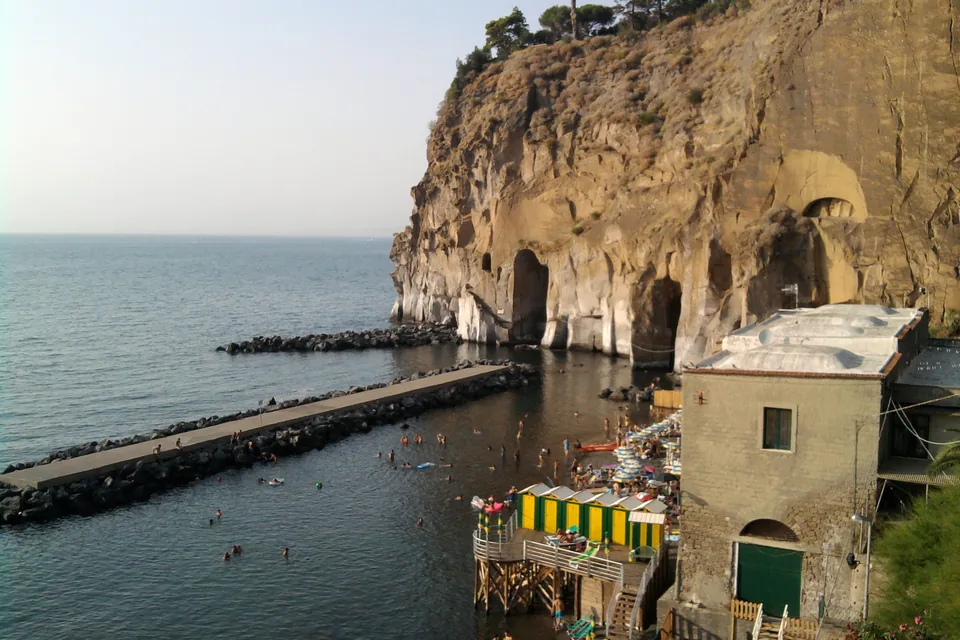
Piano di Sorrento
Piano di Sorrento (NA), Campania: 12,213 residents, 7.35 km². The official facts of the municipality, its town council website and its registered accommodation.
Read the guide →Photo: Alexdevil / Wikimedia Commons — CC BY-SA 3.0 · Resized and converted to WebP.

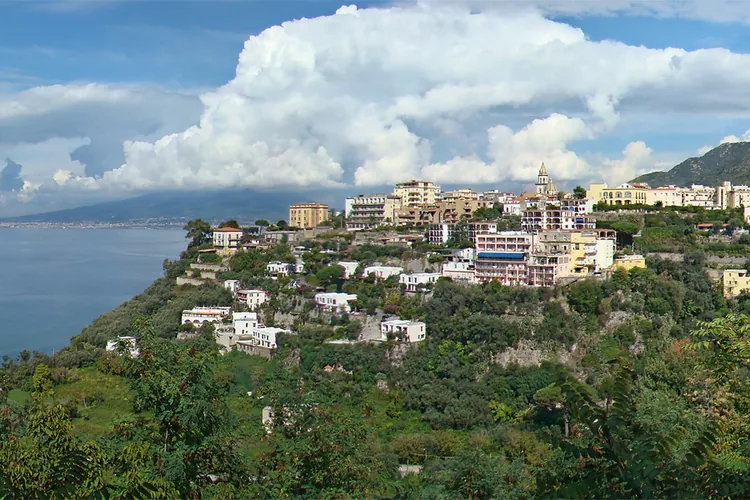
Vico Equense
Vico Equense (NA), Campania: 20,198 residents, 29.37 km². The official facts of the municipality, its town council website and its registered accommodation.
Read the guide →Photo: Tango7174 / Wikimedia Commons — CC BY-SA 4.0 · Resized and converted to WebP.

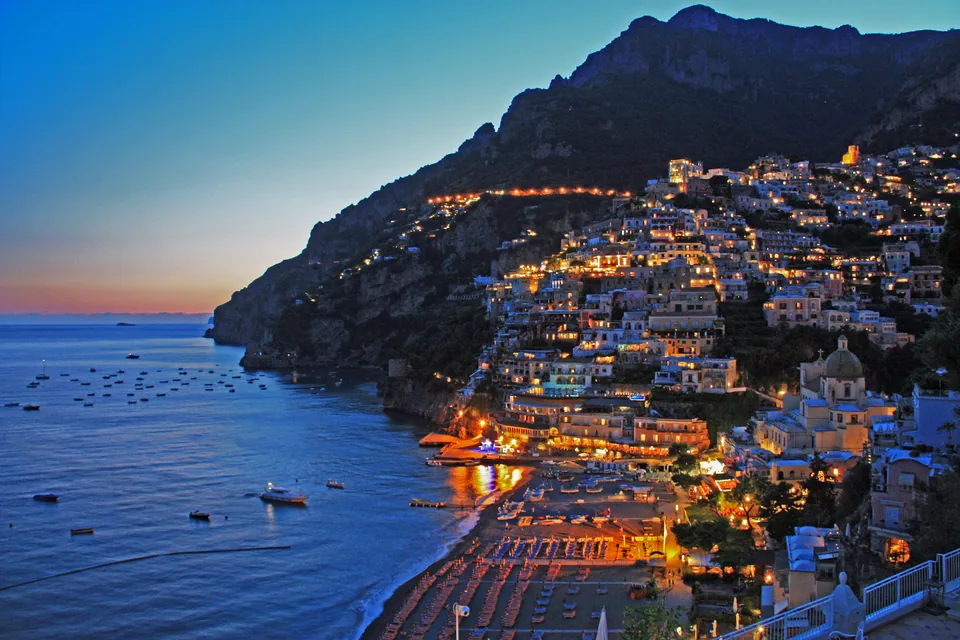
Positano
Positano (SA), Campania: 3,677 residents, 8.70 km². The official facts of the municipality, its town council website and its registered accommodation. The church of Santa Maria Assunta with its majolica dome, the Roman villa of the MAR, Spiaggia Grande and Fornillo, Montepertuso, Nocelle and the Path of the Gods, the PGI lemon and Moda Positano.
Read the guide →Photo: JeCCo / Wikimedia Commons — CC BY 4.0 · Resized and converted to WebP.

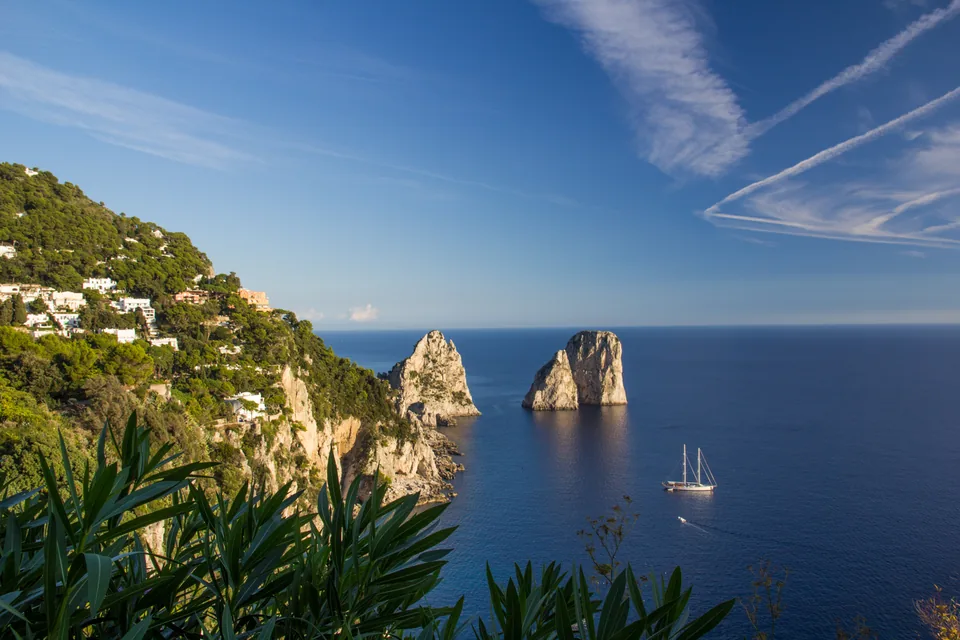
Capri
Capri (NA), Campania: 6,722 residents, 4.06 km². The official facts of the municipality, its town council website and its registered accommodation. The Faraglioni, the Piazzetta, the Gardens of Augustus and Via Krupp, the Certosa di San Giacomo with the Archaeological Museum, Tiberius’s Villa Jovis, Villa Lysis, and the island’s PGI lemon and DOC wine.
Read the guide →Photo: Marlis Börger / Wikimedia Commons — CC BY-SA 2.0 · Resized and converted to WebP.

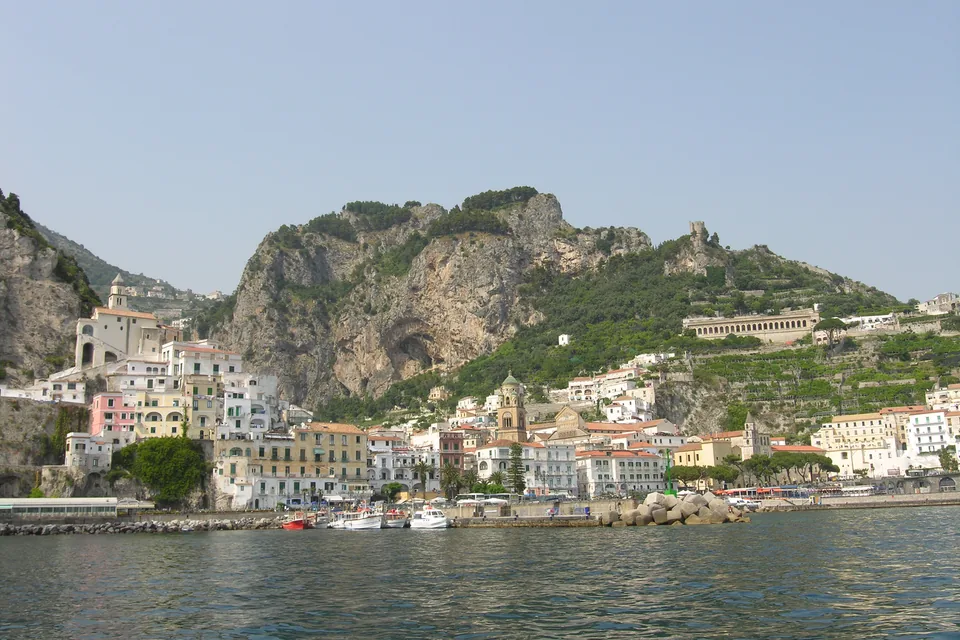
Amalfi
Amalfi (SA), Campania: 4,610 residents, 5.71 km². The official facts of the municipality, its town council website and its registered accommodation. The cathedral of Sant’Andrea and the Cloister of Paradise, the Arsenal of the maritime republic, the handmade paper of the Valle dei Mulini, the lemons of the terraces recognised by the FAO, the feast of the patron saint and the Regatta of the Ancient Maritime Republics.
Read the guide →Photo: Sudodana2048 / Wikimedia Commons — CC BY-SA 3.0 · Resized and converted to WebP.

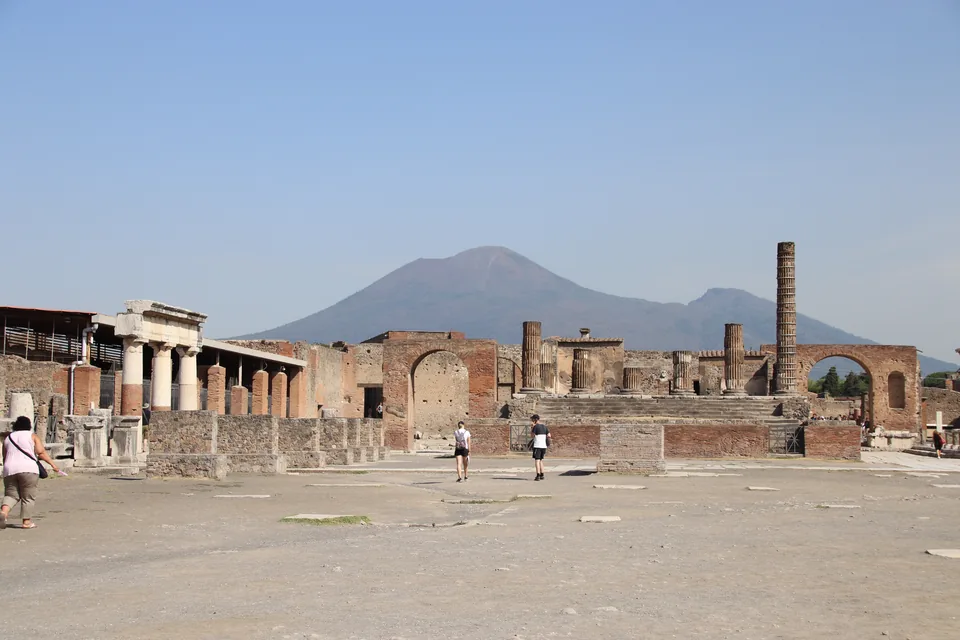
Pompei
Pompei (NA), Campania: 23,647 residents, 12.43 km². The official facts of the municipality, its town council website and its registered accommodation. The ancient city buried by Vesuvius in AD 79, a UNESCO World Heritage site since 1997, with the Forum, the Amphitheatre, the Villa of the Mysteries and the Antiquarium; the Shrine of the Blessed Virgin of the Rosary founded by Saint Bartolo Longo, and the Supplication of 8 May and October.
Read the guide →Photo: Gary Todd from Xinzheng, China / Wikimedia Commons — Public domain · Resized and converted to WebP.

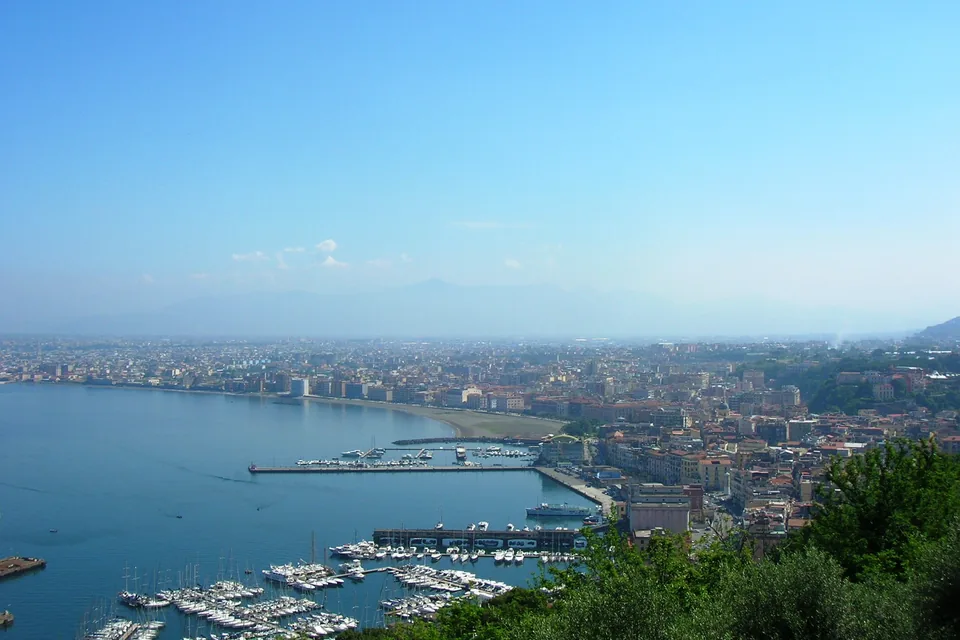
Castellammare di Stabia
Castellammare di Stabia (NA), Campania: 62,320 residents, 17.99 km². The official facts of the municipality, its town council website and its registered accommodation.
Read the guide →Photo: Mentnafunangann / Wikimedia Commons — CC BY-SA 3.0 · Resized and converted to WebP.

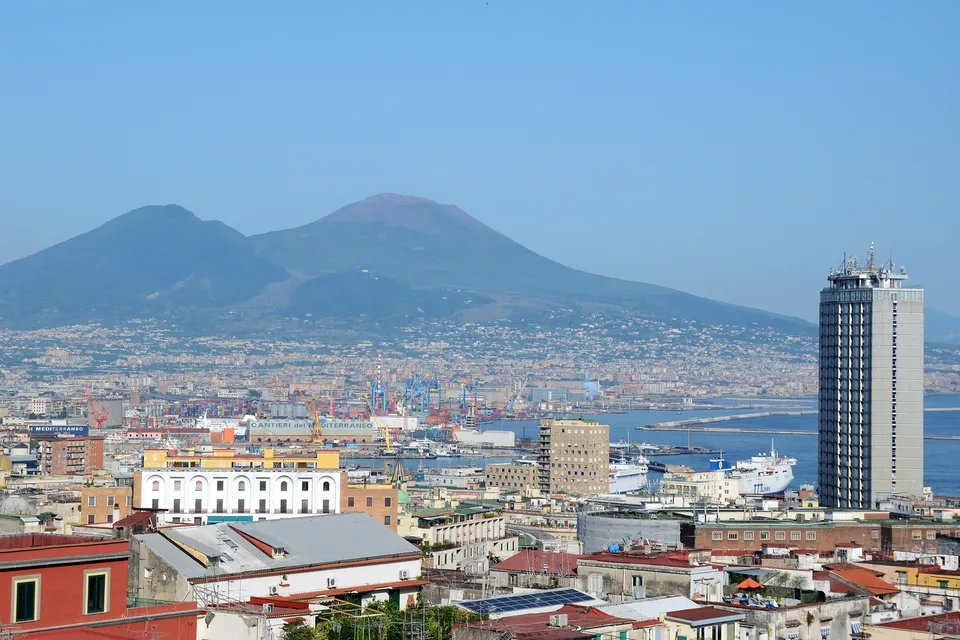
Naples
Naples (NA), capital of Campania: 909,013 residents, 119.24 km². The UNESCO-listed historic centre, the museums, the San Carlo, pizza as UNESCO heritage, San Gennaro and, nearby, Vesuvius, Pompeii and the islands.
Read the guide →Photo: Livioandronico2013 / Wikimedia Commons — CC BY-SA 4.0 · Resized and converted to WebP.

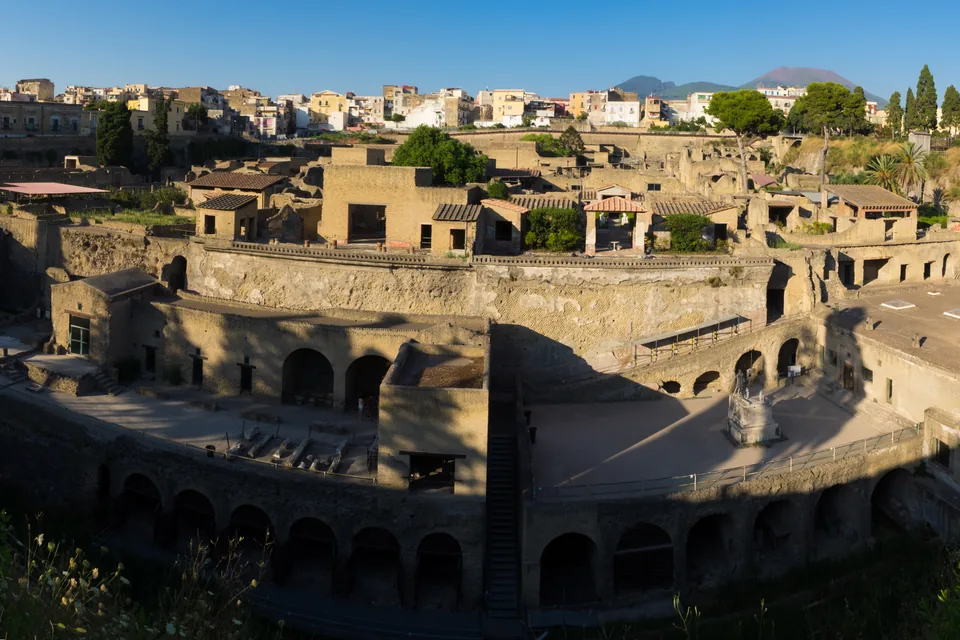
Ercolano
Ercolano (NA), Campania: 49,505 residents, 19.92 km². The official facts of the municipality, its town council website and its registered accommodation. The excavations of Herculaneum, a UNESCO World Heritage site, the Antiquarium and the boat from the ancient beach, the villas of the Miglio d’Oro, the Resina market, the piennolo cherry tomato PDO, Lacryma Christi wine and the Gran Cono trail up Vesuvius.
Read the guide →Photo: Sarahhoa / Wikimedia Commons — CC BY-SA 2.0 · Resized and converted to WebP.

Gragnano
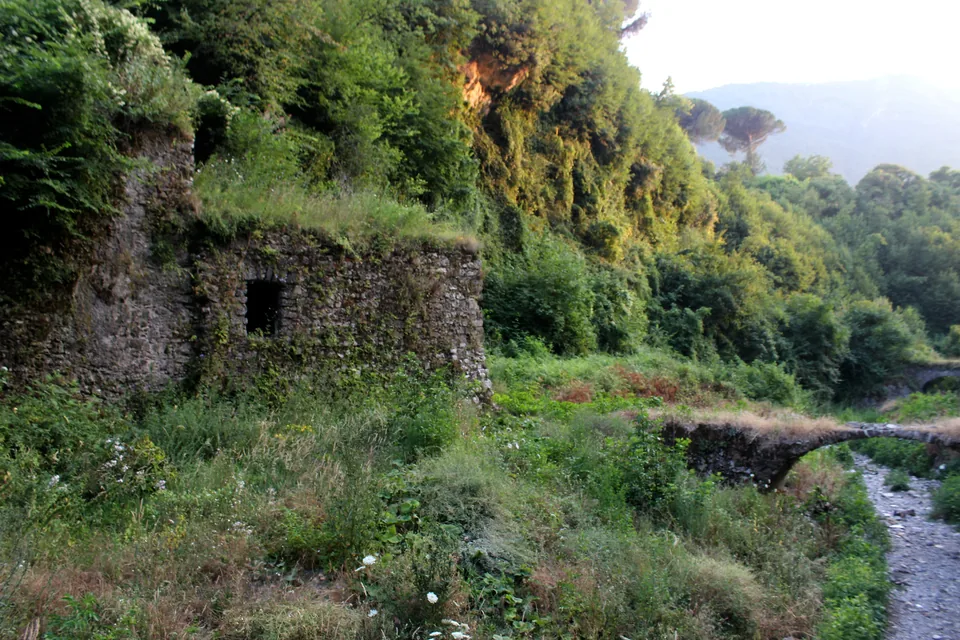
Gragnano (NA), Campania: 27,694 residents, 14.64 km². The official facts of the municipality, its town council website and its registered accommodation. The City of Pasta: Pasta di Gragnano PGI, the Valley of the Mills, Via Roma laid out for the wind, the Corpus Domini church and Santa Maria Assunta at Castello, the Roman villa of Carmiano and the September pasta festival.
Read the guide →Photo: Miguel Hermoso Cuesta / Wikimedia Commons — CC BY-SA 4.0 · Resized and converted to WebP.
