

Why go
Giugliano is the most populous municipality in Italy that is not a provincial capital, and the third in Campania by population, inland to the north-west of Naples, between the Phlegraean Fields and the territory of Caserta. It is not a classic tourist destination: it is a large, mostly modern town, with a historic centre of churches and palaces and a territory that reaches the sea.
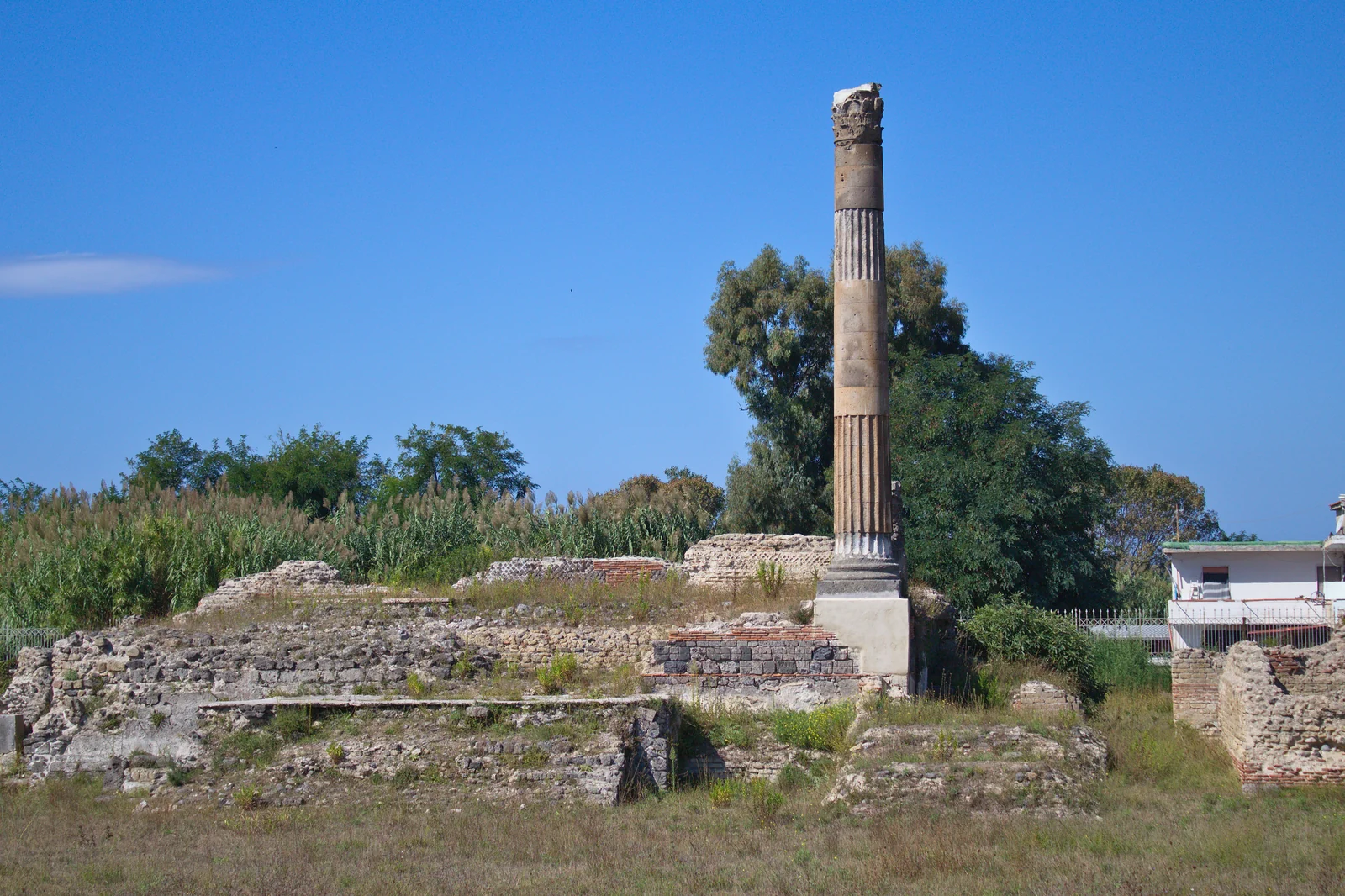
The reasons to come are specific. On the shore of Lake Patria lie the remains of Liternum, the Roman colony where Scipio Africanus withdrew, with its forum and temple. The lake is a site of the European Natura 2000 network, rich in migratory birds. On the Domitian coast the municipality has more than 3 km of sandy shore, from Varcaturo to Licola. Giugliano is the birthplace of Giambattista Basile, the author of “Lo cunto de li cunti”, and one of the towns of the annurca apple. At Pentecost the feast of the Madonna della Pace brings the Flight of the Angel to the square.
What cannot be done should be said too: the Liternum Archaeological Park is shown as closed on the official pages read on 18 November 2026, Palazzo Pinelli is privately owned and not open to the public, and the Tomb of Cerberus, discovered in 2023, can only be visited during the special openings of the Soprintendenza.
Sources: Città metropolitana di Napoli — Scheda del comune di Giugliano in Campania (PDF, 2015) · Parco archeologico dei Campi Flegrei — Liternum · Ministero dell’Ambiente e della Sicurezza Energetica — Natura 2000, scheda del sito IT8030018 «Lago di Patria» (trasmissione dicembre 2024) · Treccani, Dizionario Biografico degli Italiani — Giambattista Basile · Scabec (società in house della Regione Campania) — La festa di Pentecoste e il Volo dell’Angelo, Giugliano in Campania · Ministero della Cultura — Parco archeologico dei Campi Flegrei: Parco archeologico di Liternum (luogo, orari) · Parco archeologico dei Campi Flegrei — Informazioni: siti aperti, orari e biglietti · Soprintendenza ABAP per l’area metropolitana di Napoli — Weekend d’autunno, seconda edizione (ottobre-dicembre 2026)
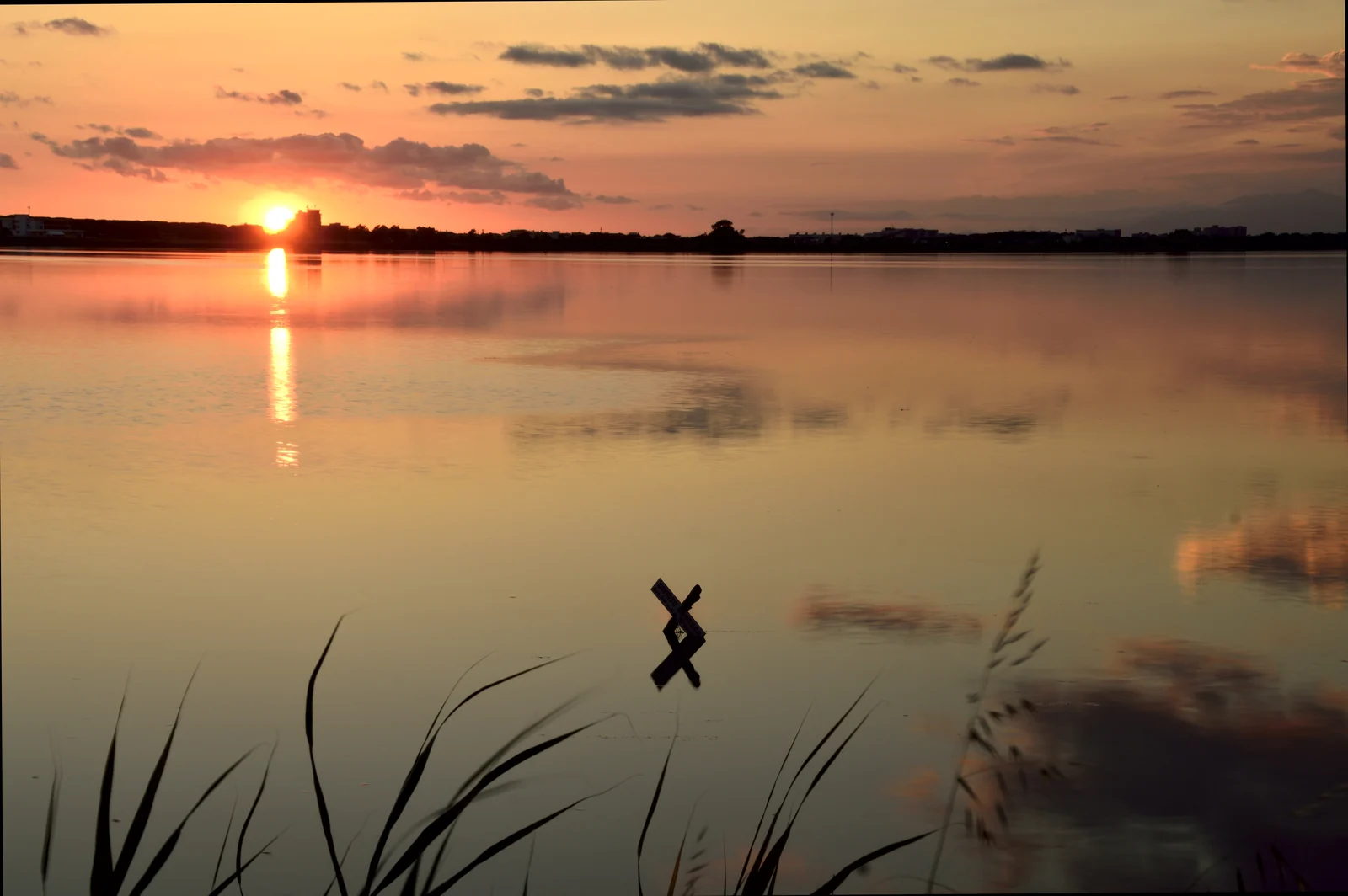
Photo: silvio sicignano / Wikimedia Commons — CC BY-SA 2.0 · Resized and converted to WebP.
The municipality at a glance
Giugliano in Campania is a municipality in the Metropolitan City of Naples, in Campania. Its ISTAT code is 063034. On 1 January 2025 it had 125,032 residents. The municipal territory covers 94.71 km² and ranges from -11 to 114 metres above sea level; the town hall stands at about 104 metres.
Giugliano is the most populous municipality in Italy that is not a provincial capital. Its territory runs from the hinterland north of Naples down to the sea: it includes Lake Patria and more than 3 km of the Domitian coast, from Marina di Varcaturo to Licola. The town belongs to the diocese of Aversa.
Sources: ISTAT, Codici statistici delle unità amministrative territoriali: elenco dei comuni al 21 febbraio 2026 · ISTAT, Popolazione residente per età, sesso e stato civile al 1° gennaio 2025 (POSAS) · ISTAT, Principali statistiche geografiche sui comuni: superficie e altimetria al 31 dicembre 2021 · Città metropolitana di Napoli — Scheda del comune di Giugliano in Campania (PDF, 2015) · Diocesi di Aversa — Forania di Giugliano: parrocchie
History
Liternum was founded in 194 BC, together with Puteoli and Volturnum, as a maritime colony on the left shore of Lake Patria, the ancient Literna Palus, at the mouth of the Clanis, today the course of the Regi Lagni. Three hundred veterans of the Second Punic War were settled there. Scipio Africanus withdrew here, at odds with the Senate, to a fortified villa; according to tradition he was buried here. The town had its best period in the Augustan age and between the late 1st and the 2nd century AD, thanks to the Via Domitiana, opened in AD 95, which crossed the forum as the main decumanus.
Liternum declined from the 4th century AD. According to the Phlegraean Fields Archaeological Park, its last inhabitants moved inland and founded the first nucleus of Giugliano. The record of the national catalogue of cultural heritage dates the origins of the village to 1207, when the territory took in the people of a town destroyed by Naples and Aversa; the Metropolitan City names them as the people of Cuma. The town was called Giuliano until 1863.
In 1542 the fief passed to Cosmo Pinelli, Duke of Acerenza, who in 1545 had the family palace built by the architect Giovanni Francesco di Palma. Galeazzo Pinelli appointed Giambattista Basile governor of Giugliano; Basile was born here in 1566 according to the baptismal register of the parish of San Nicola (Benedetto Croce placed his birth in Naples in 1575). Basile died in Giugliano on 23 February 1632, during an epidemic, and was buried in the church of Santa Sofia. In 1795 the palace passed to the Colonna di Stigliano, who had its interiors redecorated in the Pompeian style.
“Lo cunto de li cunti”, Basile’s collection of fairy tales in Neapolitan, came out posthumously between 1634 and 1636: five days of ten tales each, hence the title “Pentamerone”. Among others it contains “La gatta cennerentola”, a Cinderella, and “Sole, Luna e Talia”, a Sleeping Beauty. The work’s European fame began in 1822, when the Brothers Grimm gave it ample space in the third volume of their tales. This is why the Metropolitan City also calls Giugliano the “town of the fairy tale”.
In 2023, during works by Acqua Campania on the aqueduct of the Phlegraean and Domitian area, the Soprintendenza discovered in a cultivated field an untouched Roman chamber tomb, with frescoed ceiling and walls: among the figures is a three-headed dog, which gave it the name of Tomb of Cerberus. Around it lies a necropolis used for at least four centuries, from the Republican to the Imperial age.
Sources: Ministero della Cultura — Parco archeologico dei Campi Flegrei: Parco archeologico di Liternum (luogo, orari) · Parco archeologico dei Campi Flegrei — Liternum · Parco archeologico dei Campi Flegrei — Parco archeologico di Liternum: foro, Capitolium, basilica, odeion, come arrivare · ICCD, Catalogo generale dei beni culturali — Centro storico di Giugliano in Campania, scheda 1500916487 · Città metropolitana di Napoli — Scheda del comune di Giugliano in Campania (PDF, 2015) · Treccani, Dizionario Biografico degli Italiani — Giambattista Basile · Soprintendenza ABAP per l’area metropolitana di Napoli — A Giugliano scoperta la Tomba del Cerbero (ottobre 2023)
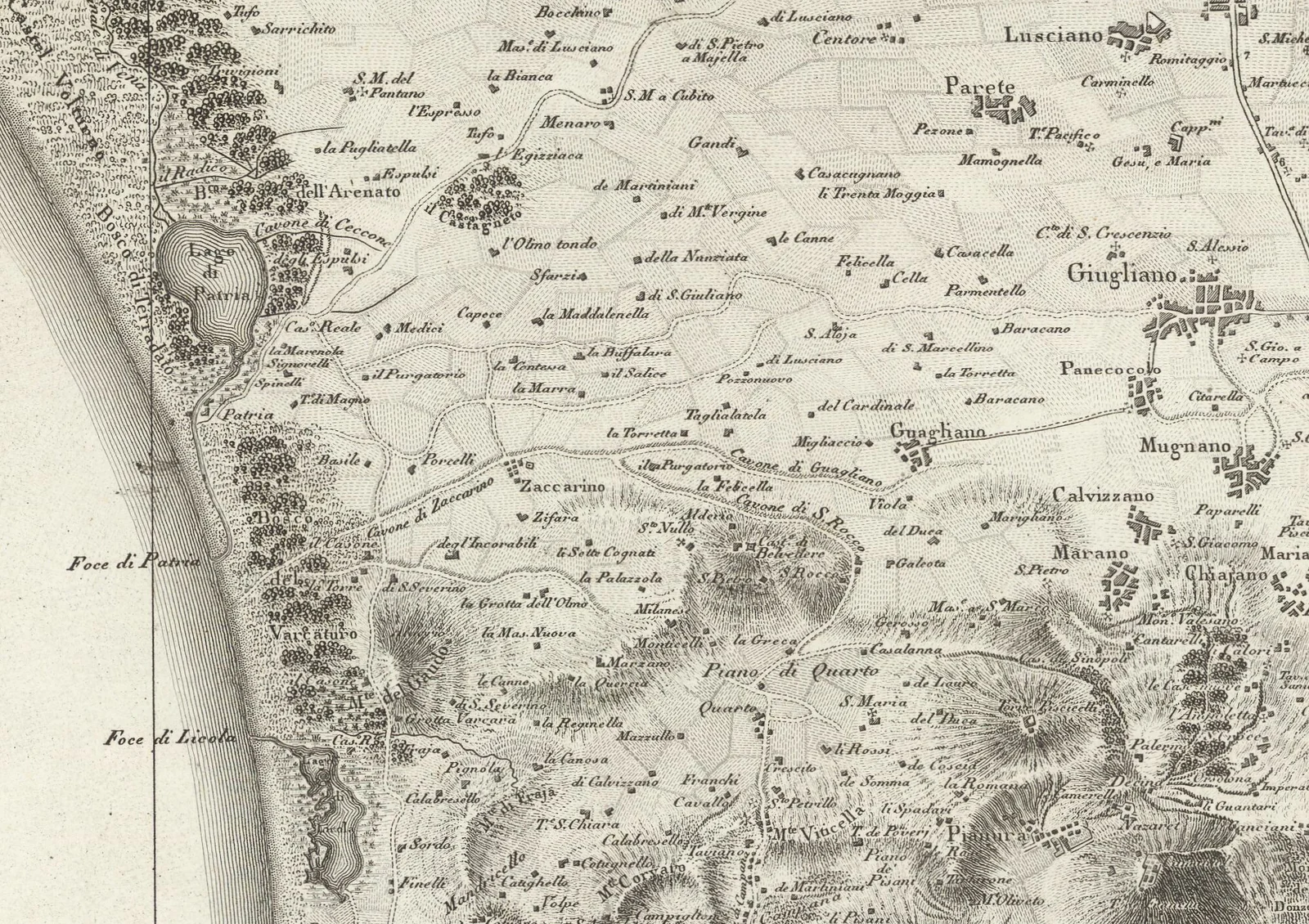
Photo: Giovanni Antonio Rizzi Zanoni / Wikimedia Commons — Public domain · Resized and converted to WebP.
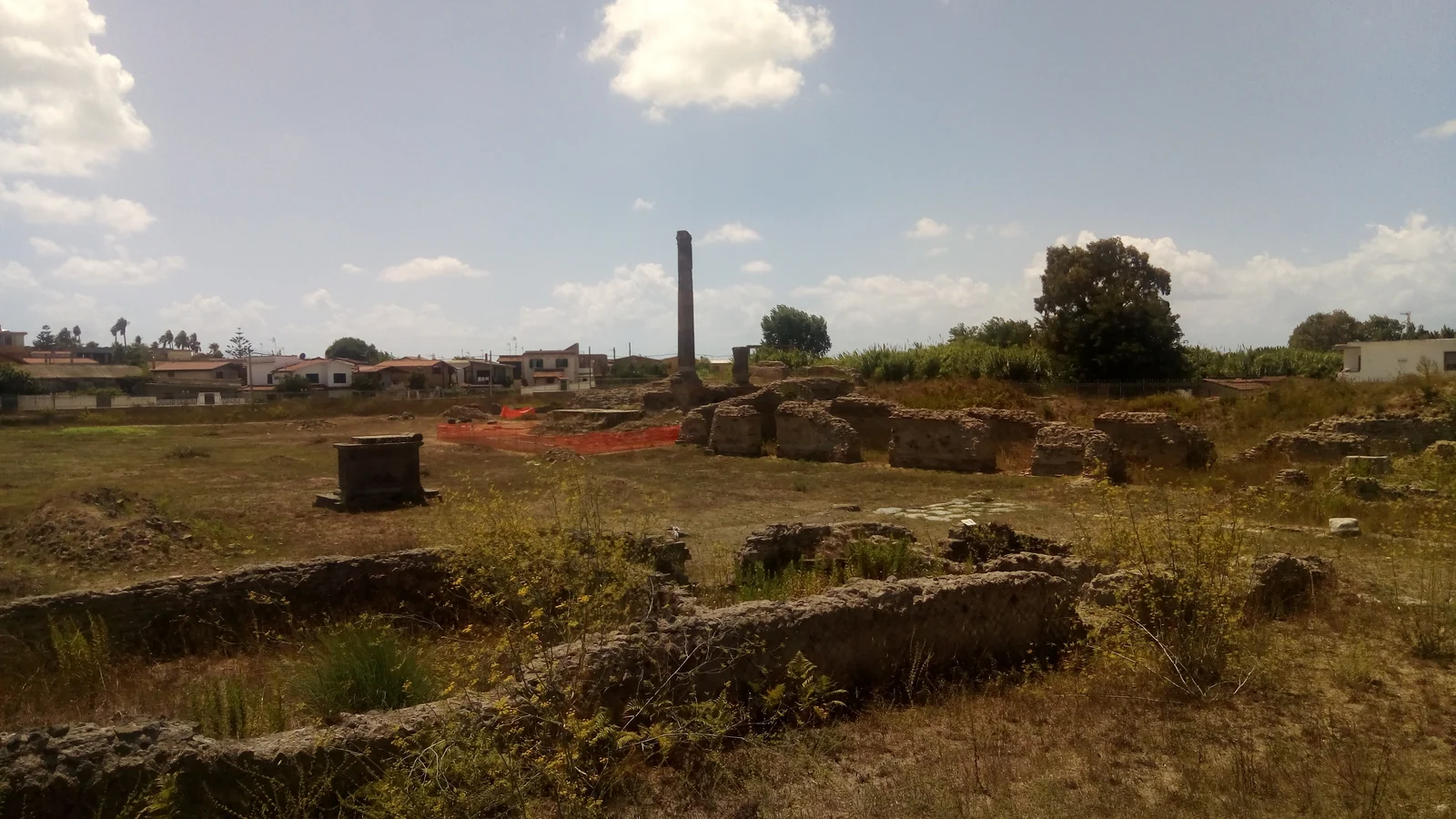
Photo: Saverio.G / Wikimedia Commons — CC BY-SA 4.0 · Resized and converted to WebP.
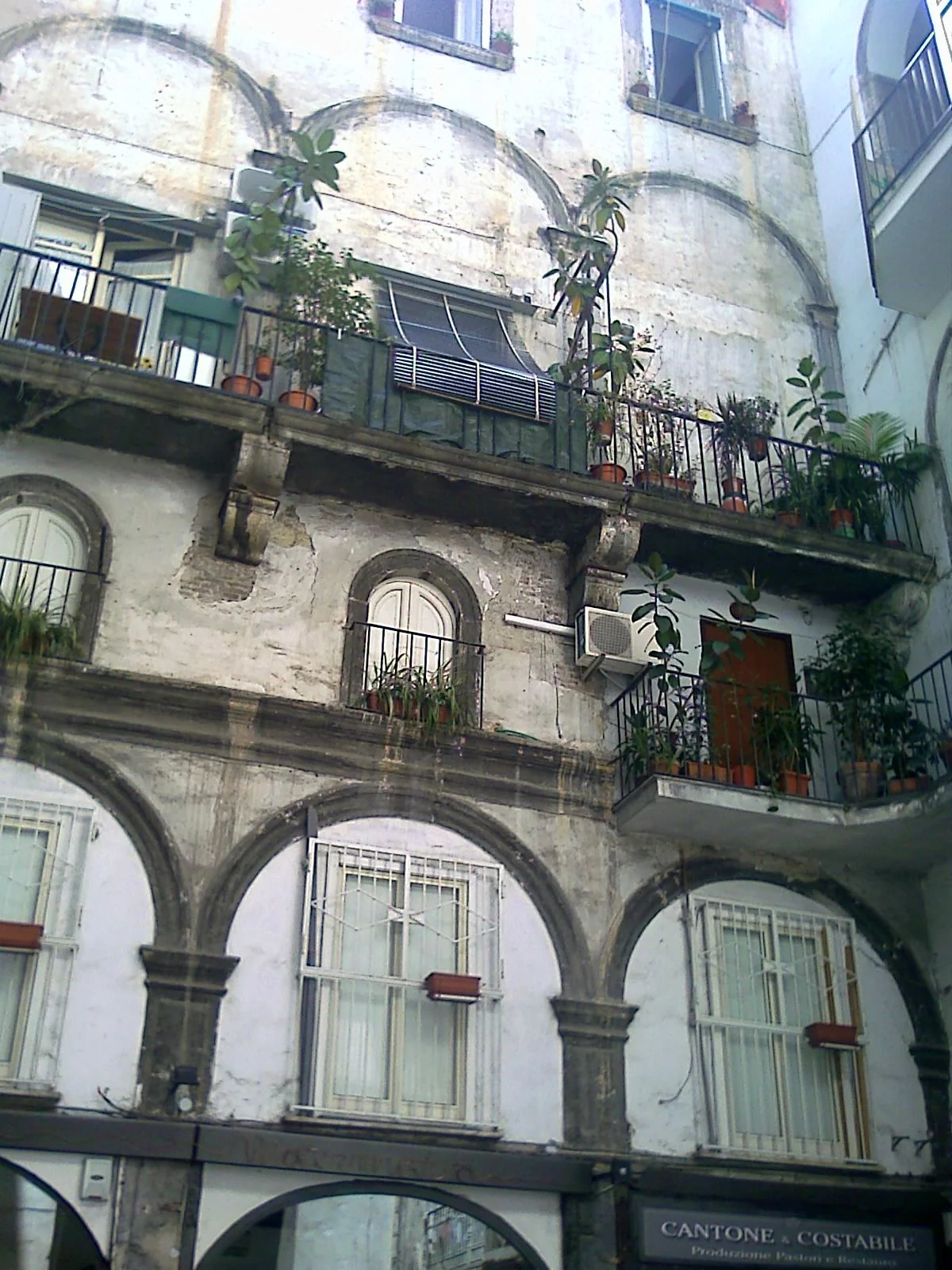
Photo: Pinotto992 / Wikimedia Commons — Public domain · Resized and converted to WebP.
What to see
The Liternum Archaeological Park, on Via Scipione l’Africano, belongs to the Phlegraean Fields Archaeological Park and is jointly owned by the State, the Province of Naples and the Comune di Giugliano. The excavations of Amedeo Maiuri between 1932 and 1937 brought to light the whole forum square, 97 by 42 metres. On its western side stands the Capitolium, the main temple, 24 by 17 metres, on a podium about 3.60 metres high with a flight of steps about 8.60 metres long: one of its grey tuff columns survives. To the south is the basilica, 33.5 by 18 metres, to the north the odeion, a small covered theatre.
Outside the walls, on Via Varcaturiello, is the amphitheatre, from the 2nd century BC with rebuildings of the Imperial age, of which part of the cavea with its steps survives. The finds from Liternum are displayed at the Archaeological Museum of the Phlegraean Fields, in the castle of Baia. When read on 18 November 2026, the Ministry of Culture showed the park and the amphitheatre as closed every day of the week, and the information page of the Phlegraean Fields Archaeological Park did not list them among the open sites. Before going it is worth writing to the Park: [email protected].
In the historic centre the church of Santa Sofia, on Piazza Giacomo Matteotti, is the town’s collegiate church. It is a 16th-century church with an important 17th-century wooden organ; it houses the Treasure Chapel, dedicated to San Giuliano, the town’s patron saint (the Metropolitan City dates it to 1631, the national catalogue of cultural heritage to the 18th century), and Giambattista Basile is buried here. Among the works catalogued by the Ministry is a canvas by Francesco De Rosa, from the first half of the 17th century, showing Saint Sophia.
On Piazza Annunziata stands the sanctuary of Maria Santissima Annunziata, a Baroque church that the national catalogue of cultural heritage notes for an Annunciation by Angelino Arcuccio. The catalogue also records in the historic centre the 17th-century convent of Santa Maria delle Grazie and the church of Santa Maria della Purità.
Palazzo Pinelli, also called Palazzo Palumbo, dates from 1545; it lost its side tower after the 1980 earthquake. It keeps its frescoed interiors and the Colonna family’s private chapel with the relics of Saint Felician, martyr, but it is privately owned and not open to the public.
The Tomb of Cerberus is a site of works of the Soprintendenza: in October 2025 the movable finds had been taken to safety and the area fenced, and it had been decided to enhance the tomb where it stands, with a restoration funded with 515,000 euros and two excavation campaigns in the necropolis. The area is closed; it can only be visited during the special openings announced by the Soprintendenza, with booking.
Sources: Ministero della Cultura — Parco archeologico dei Campi Flegrei: Parco archeologico di Liternum (luogo, orari) · Parco archeologico dei Campi Flegrei — Parco archeologico di Liternum: foro, Capitolium, basilica, odeion, come arrivare · Parco archeologico dei Campi Flegrei — Anfiteatro di Liternum · Ministero della Cultura — Parco archeologico dei Campi Flegrei: Anfiteatro di Liternum (luogo, orari) · Parco archeologico dei Campi Flegrei — Informazioni: siti aperti, orari e biglietti · Diocesi di Aversa — Forania di Giugliano: parrocchie · ICCD, Catalogo generale dei beni culturali — Centro storico di Giugliano in Campania, scheda 1500916487 · Città metropolitana di Napoli — Scheda del comune di Giugliano in Campania (PDF, 2015) · Treccani, Dizionario Biografico degli Italiani — Giambattista Basile · ICCD, Catalogo generale dei beni culturali — Dipinto di Francesco De Rosa nella chiesa di S. Sofia · Soprintendenza ABAP per l’area metropolitana di Napoli — Precisazioni sulla Tomba del Cerbero (ottobre 2025)
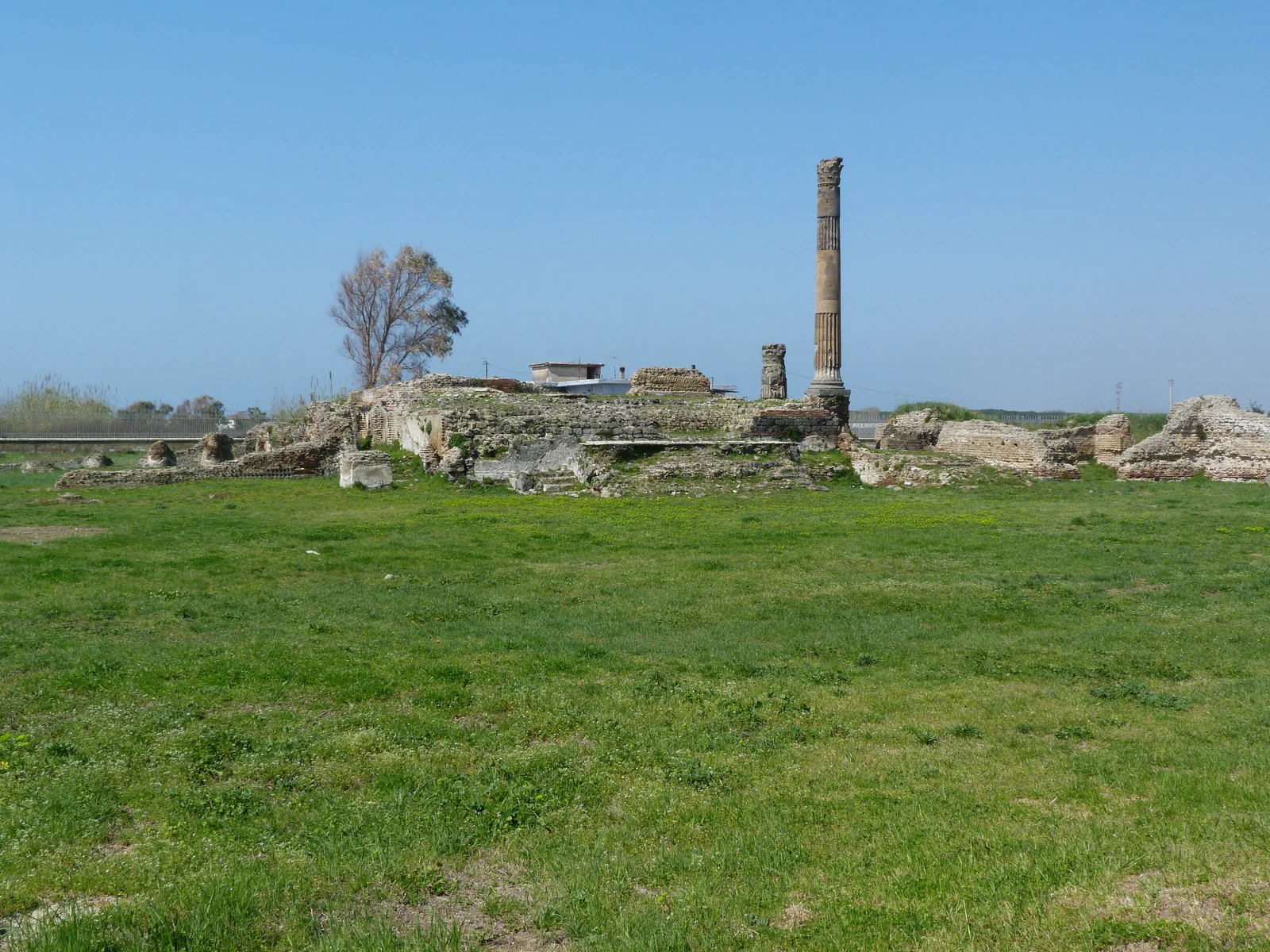
Photo: Italianlearner / Wikimedia Commons — CC BY-SA 3.0 · Resized and converted to WebP.
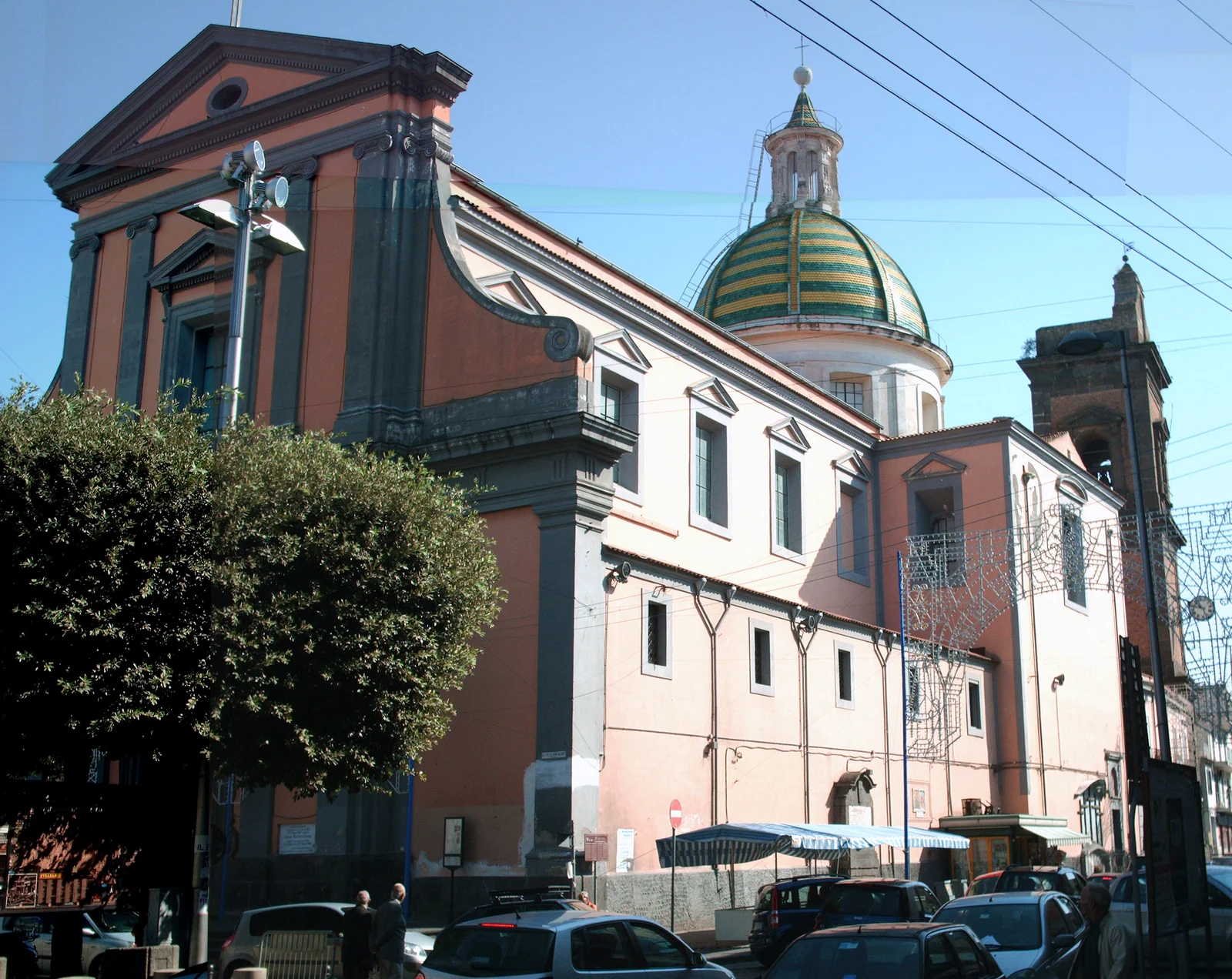
Photo: Videfalco / Wikimedia Commons — Public domain · Resized and converted to WebP.
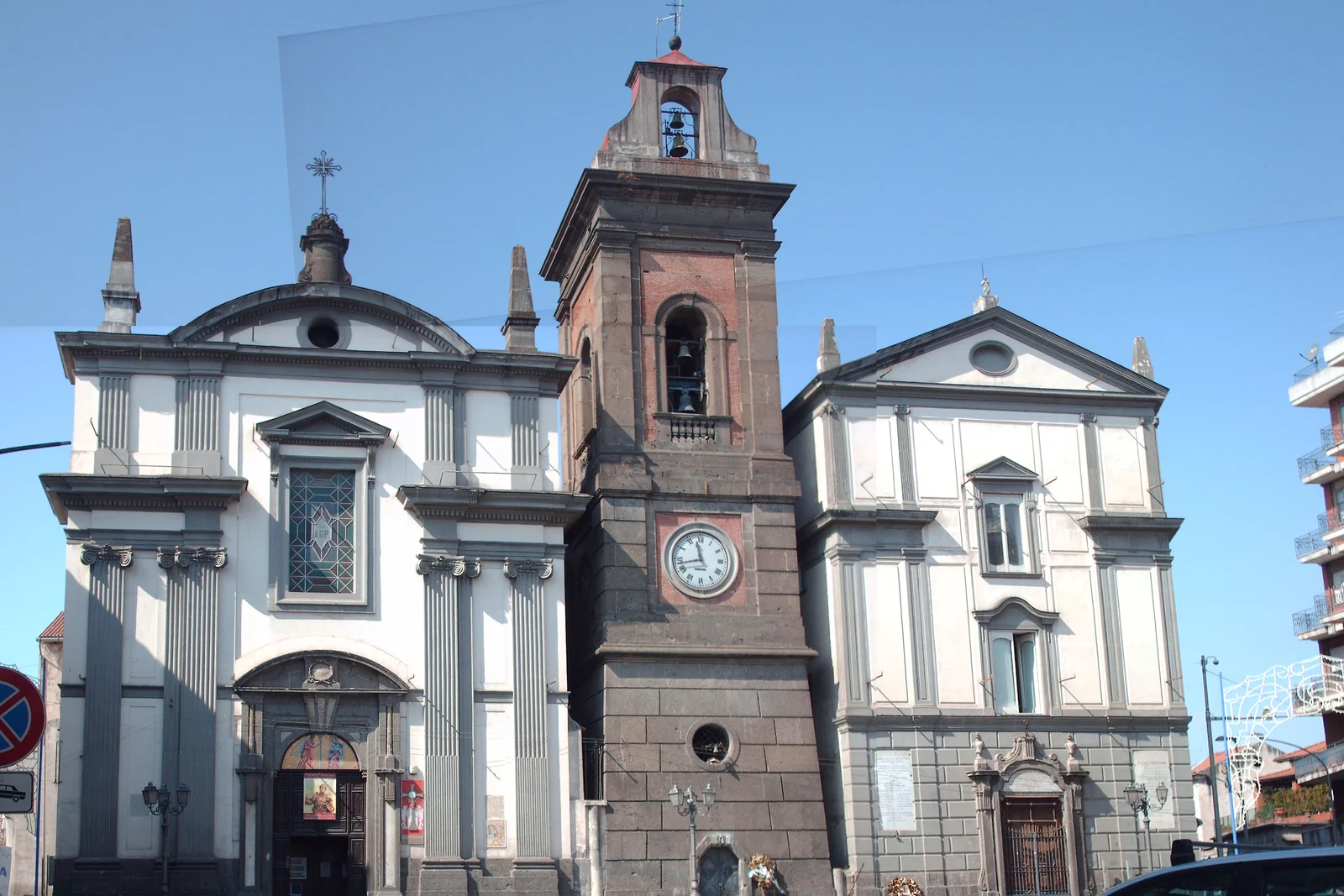
Photo: Videfalco / Wikimedia Commons — Public domain · Cropped, resized and converted to WebP.
Flavours
Giugliano is one of the towns of the Melannurca Campana, the apple with protected geographical indication that the Campania Region calls the “queen of apples”, from the fruit of its two cultivars, “Annurca” and “Annurca Rossa del Sud”. The municipality lies only partly inside the production area: the specification bounds it to the west with the Vico Patria canal, the Tangenziale ring road, the Patria crossroads, the Circumvallazione esterna and the Via Domitiana down to Via Madonna di Pantano, at Licola.
The apple is picked by hand and then completes its colour on the ground in the “melai”, strips of land no wider than 1.50 metres covered with soft material, once hemp and today pine needles or wood shavings: the fruit is laid in rows with its least red side towards the light and is turned over. For the PGI reddening in the melai is mandatory, and picking and reddening must be completed by 15 December. The protection consortium recalls the “mala orcula” of Pliny the Elder, who gave the countryside of Pozzuoli as their origin; the name “annurca” officially appears in 1876, in G. A. Pasquale’s Manual of Arboriculture.
Sources: Città metropolitana di Napoli — Scheda del comune di Giugliano in Campania (PDF, 2015) · Regione Campania, Agricoltura — Melannurca Campana IGP · Regione Campania — Disciplinare di produzione della IGP Melannurca Campana (testo del 14 maggio 2016) · Consorzio di tutela Melannurca Campana IGP — Storia e origine · Consorzio di tutela Melannurca Campana IGP — Area di produzione
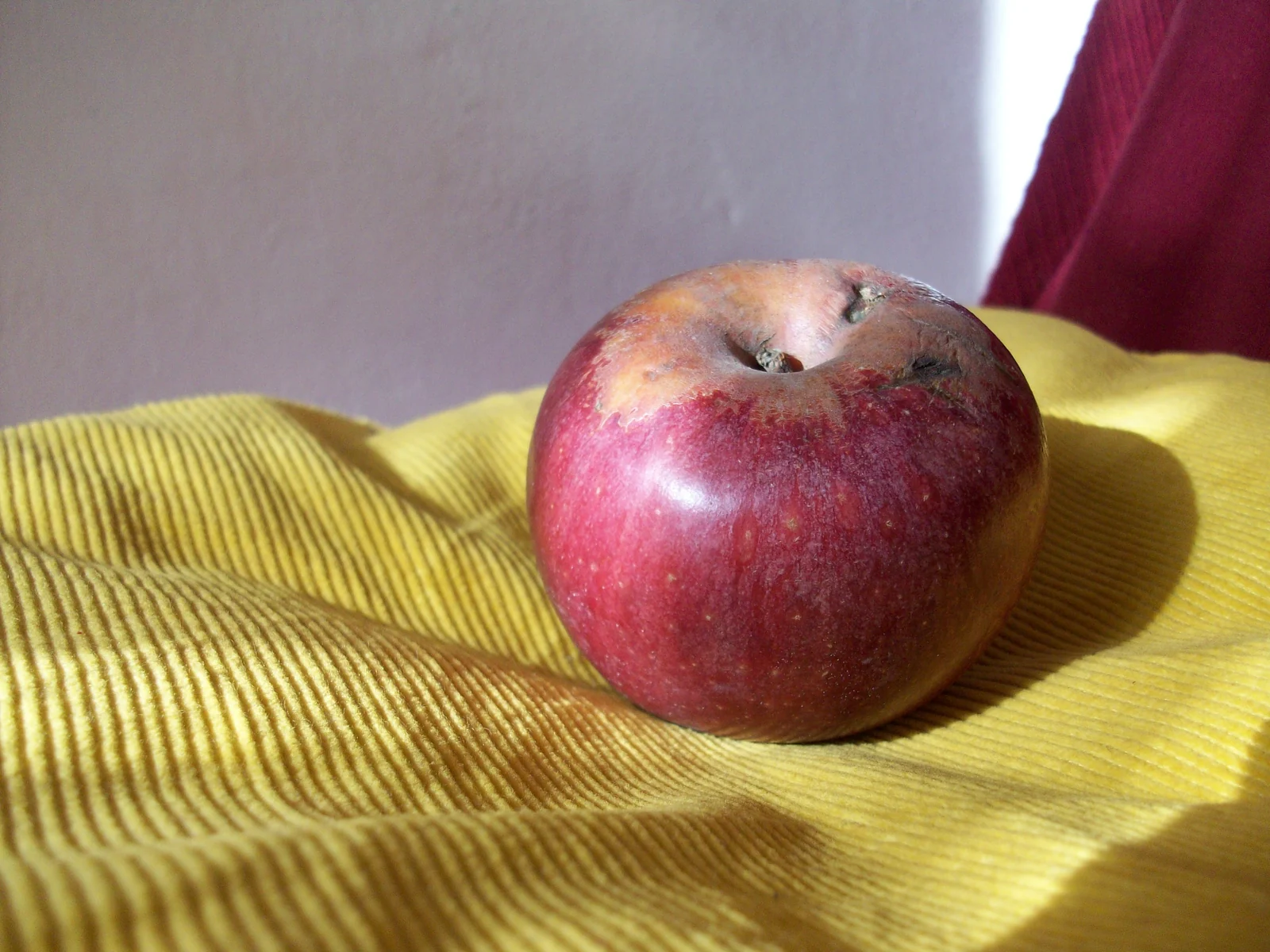
Photo: Assianir / Wikimedia Commons — CC BY-SA 3.0 · Resized and converted to WebP.
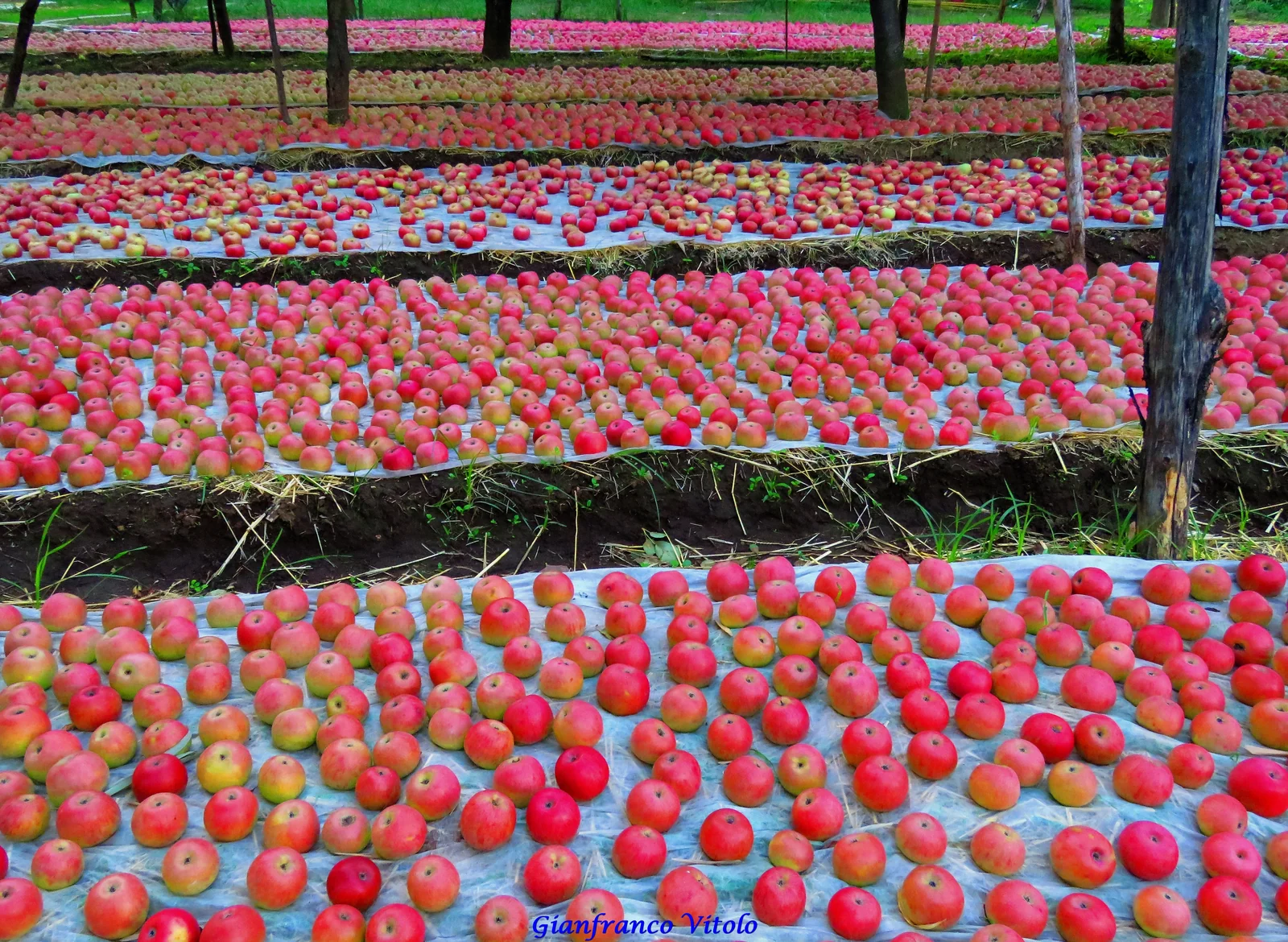
Photo: Gianfranco Vitolo from Sarno (Sa), Italia / Wikimedia Commons — CC BY 2.0 · Resized and converted to WebP.
Experiences
Lake Patria is a brackish basin of volcanic origin near the Tyrrhenian Sea. It is a site of the Natura 2000 network, the Special Area of Conservation IT8030018 “Lago di Patria”, of 507 hectares, managed by the Campania Region. The Ministry of the Environment’s record notes the vegetation of the sandy shores, with juniper, myrtle and mastic, and a rich population of migratory and wintering birds: the species listed include the stone curlew, the black-winged stilt, the cormorant and the moustached warbler.
The lake and the Licola coast lie within the regional nature reserve “Foce Volturno-Costa di Licola”, entrusted to a body set up by the Campania Region in 2003 and bounded after conferences with the provinces of Caserta and Naples and the municipalities of Castel Volturno and Giugliano. The reserve’s rules allow sports without motor craft on the waters of Lake Patria.
Giugliano’s sea is a stretch of more than 3 km of the low, sandy Domitian coast, between Marina di Varcaturo and Licola. In the Ministry of Health’s Water Portal, consulted on 18 November 2026, the municipality has three bathing waters, Marina di Varcaturo and two stretches of the Pineta di Licola, “Pineta di Licola Nord” and “Pineta di Licola Sud-via Squalo”, all with the status “fit for bathing”, and no area is listed as closed. It is the official figure to check before a swim: the Region classifies the waters every year on the basis of ARPAC’s checks, and the municipalities mark out the stretches where bathing is not allowed.
Sources: Ministero dell’Ambiente e della Sicurezza Energetica — Natura 2000, scheda del sito IT8030018 «Lago di Patria» (trasmissione dicembre 2024) · Regione Campania, BURC speciale del 27 maggio 2004 — Riserva naturale «Foce Volturno-Costa di Licola»: perimetrazione e norme · Città metropolitana di Napoli — Scheda del comune di Giugliano in Campania (PDF, 2015) · Ministero della Salute, Portale Acque — Acque di balneazione del comune di Giugliano in Campania (codice 063034) · Regione Campania — Delibera della Giunta regionale del 14 novembre 2024: classificazione delle acque di balneazione per il 2025
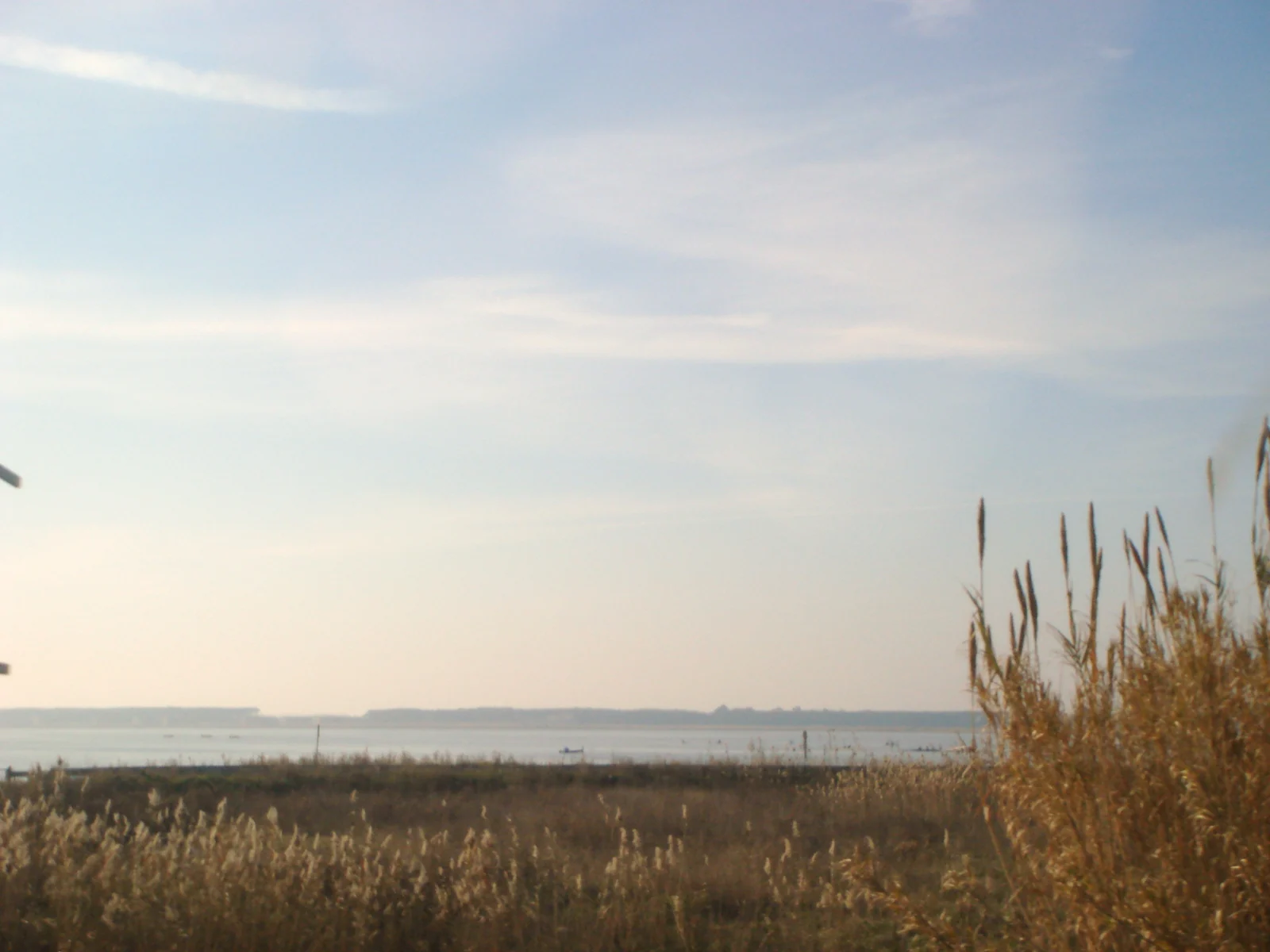
Photo: ARCHIsavio / Wikimedia Commons — CC BY-SA 3.0 · Resized and converted to WebP.
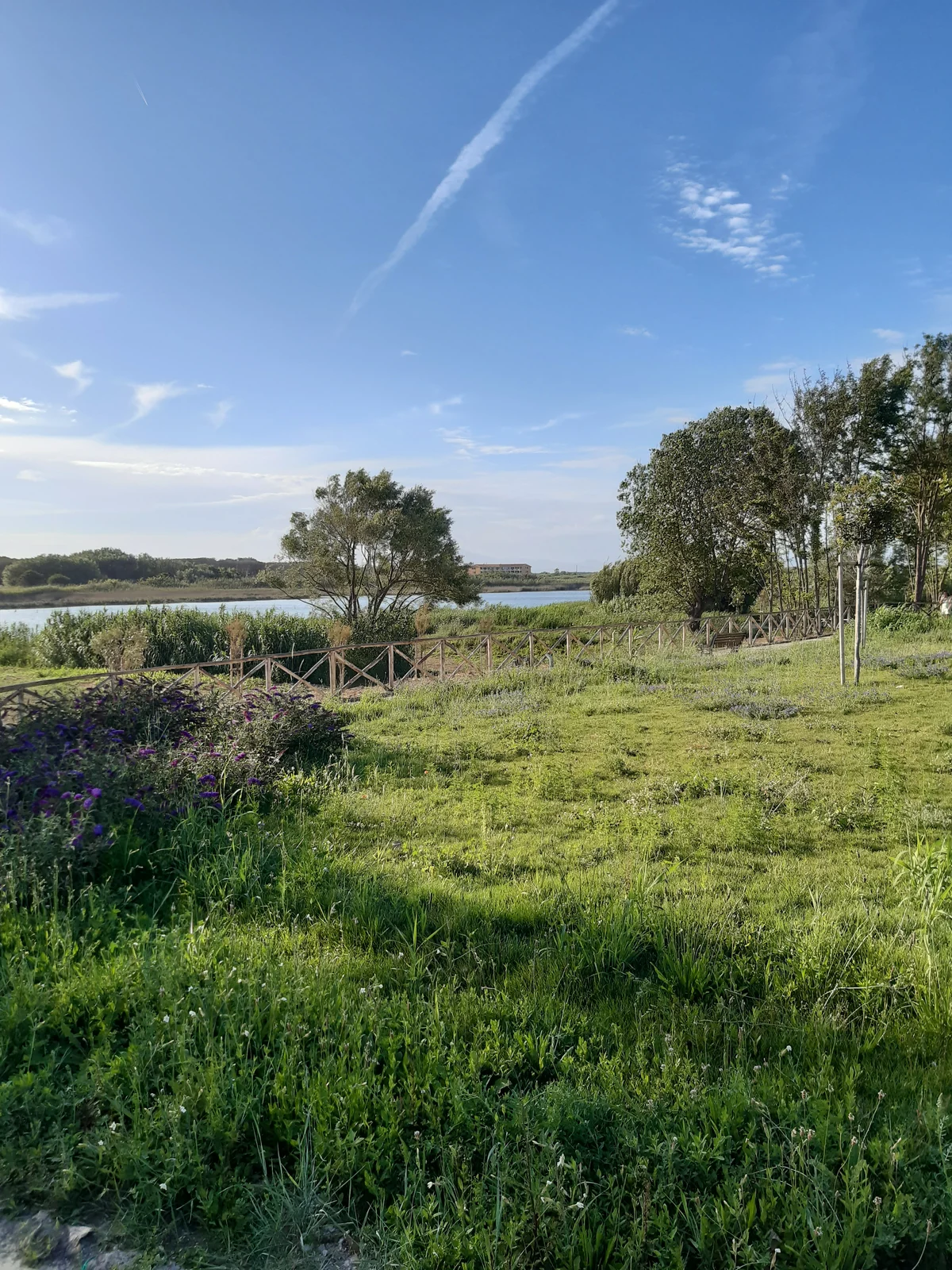
Photo: Campanos / Wikimedia Commons — CC BY-SA 4.0 · Resized and converted to WebP.
When to go: feasts and traditions
Giugliano has two patron saints. Saint Giuliano, martyr, is celebrated on 27 January; his relics came from Sora in 1622. The Madonna della Pace has been patron since 1739, and her feast lasts from the eve of Pentecost to the following Sunday.
Within this feast is the Flight of the Angel, which Scabec, a company of the Campania Region, describes as the town’s most important religious feast. On the first and last day of Pentecost week two girls drawn by lot “fly” over Piazza dell’Annunziata and pay homage to the Madonna, with an ox-drawn cart; women dressed in white escort the cart until the statue returns to the sanctuary of the Ave Gratia Plena. The tradition is more than 250 years old, and the Confraternity of the Madonna della Pace hands down how the apparatus is built.
The musical tradition has its own Giugliano version of the tammurriata, with the “sisco”, a flute made from the reeds that grow on the shores of Lake Patria.
In autumn the Soprintendenza organises the “Autumn Weekends”, opening sites that are usually closed: in 2025 they included two openings of the Tomb of Cerberus, in 2026 guided visits to the excavation site. The programme is published every year on the Soprintendenza’s website.
Sources: Città metropolitana di Napoli — Scheda del comune di Giugliano in Campania (PDF, 2015) · Scabec (società in house della Regione Campania) — La festa di Pentecoste e il Volo dell’Angelo, Giugliano in Campania · Soprintendenza ABAP per l’area metropolitana di Napoli — Weekend d’autunno 2025 · Soprintendenza ABAP per l’area metropolitana di Napoli — Weekend d’autunno, seconda edizione (ottobre-dicembre 2026)
Getting there
EAV’s metro line, which the company also calls Metro Arcobaleno, starts at Piscinola, where it connects with line 1 of the Naples metro, and runs to Aversa via Mugnano and Giugliano. According to the Campania Region the Piscinola-Aversa Centro section is about 10 km long, with the stations of Mugnano-Melito, Giugliano, Aversa Ippodromo and Aversa Centro.
On the RFI network there is the station of Giugliano-Qualiano, with 2 tracks reachable by a step-free route; there are no lifts, tactile paths or raised platforms, and the station has no assistance service for people with disabilities or reduced mobility.
For Liternum the Phlegraean Fields Archaeological Park gives, by car, the Lago Patria exit of the Naples Tangenziale and, by public transport, EAV bus 914 from Piazzale Tecchio, in Fuorigrotta.
Sources: EAV — Le nostre linee · Regione Campania — Scheda sui cantieri EAV: tratta Piscinola-Aversa Centro · RFI — Stazione di Giugliano-Qualiano · Parco archeologico dei Campi Flegrei — Parco archeologico di Liternum: foro, Capitolium, basilica, odeion, come arrivare
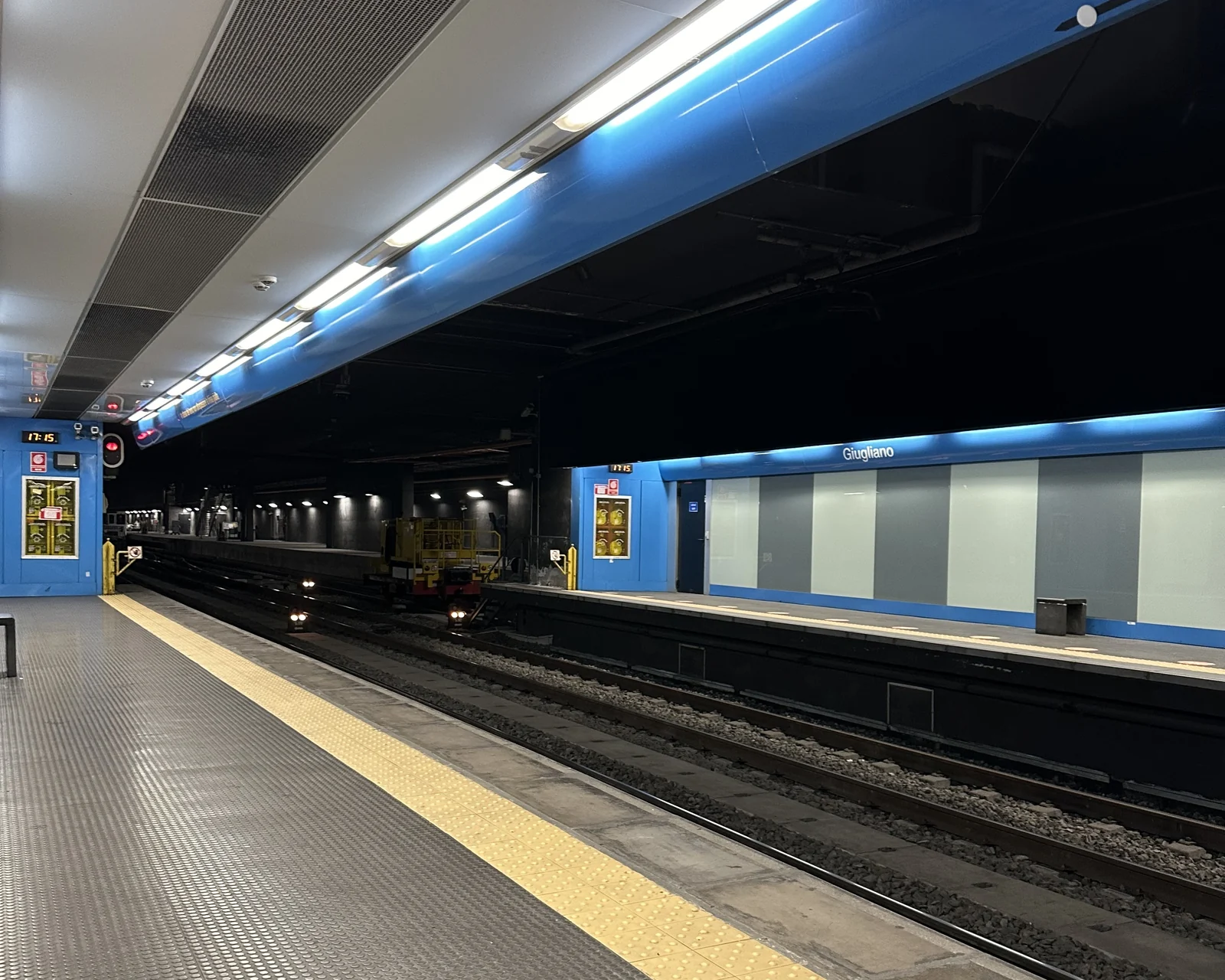
Photo: Yeagvr / Wikimedia Commons — CC0 · Resized and converted to WebP.
Tourism
The general safeguard rules of the «Foce Volturno-Costa di Licola» nature reserve, published by the Campania Region in 2004, apply throughout its territory, from Lake Patria to the pine wood and the coast of Licola, to visitors too. No fires may be lit and no litter left; wild plants and small animals are not picked, harmed or collected, and rocks, fossils, minerals and archaeological finds are not taken away; vehicles of every kind stay on existing roads. Picking mushrooms and other woodland produce is allowed, within the rules and local customs.
“Come to Giugliano in Campania as a guest, not as a tourist: that is how these places truly let you know them.”
Accommodation in figures
In the Ministry of Tourism’s national database of accommodation (BDSR), on 12 October 2026, Giugliano in Campania had 69 establishments with a verified national identification code (CIN): 31 hotel-type establishments, 16 non-hotel establishments and 22 other establishments.
Sources: Ministero del Turismo – Banca Dati Strutture Ricettive (dashboard pubblica)
Surroundings
Giugliano lies between two territories. To the south are the Phlegraean Fields: Liternum is 8 km north of Cuma and belongs to the same Archaeological Park, whose open, ticketed sites are at Baia, Cuma and Pozzuoli: the Archaeological Museum of the Phlegraean Fields in the castle of Baia, the Archaeological Park of Cuma, the Baths of Baia and the Flavian Amphitheatre of Pozzuoli.
To the north begins the countryside of Aversa: Giugliano belongs to the diocese of Aversa, a town reached by the EAV metro. Along the coast, beyond Licola, the Domitian shore continues towards the mouth of the Volturno, within the same nature reserve as Lake Patria.
Sources: Parco archeologico dei Campi Flegrei — Liternum · Parco archeologico dei Campi Flegrei — Informazioni: siti aperti, orari e biglietti · Diocesi di Aversa — Forania di Giugliano: parrocchie · Regione Campania — Scheda sui cantieri EAV: tratta Piscinola-Aversa Centro · Regione Campania, BURC speciale del 27 maggio 2004 — Riserva naturale «Foce Volturno-Costa di Licola»: perimetrazione e norme
The town council
The official website of the Comune di Giugliano in Campania, registered in IndicePA, the index of the digital addresses of Italy’s public administrations, is the reference for the town council’s offices, opening hours and news. Its address is listed among the sources of this section.
Sources: Comune di Giugliano in Campania, sito istituzionale · IndicePA (AgID), Indice dei domicili digitali delle pubbliche amministrazioni: dataset Enti
Where to stay
In the municipality of Giugliano in Campania the national database of the Ministry of Tourism lists 69 accommodation businesses with a verified CIN code: 31 hotels, 16 other licensed accommodation and 22 other types such as B&Bs and private rentals.
Licensed businesses from the official list of accommodation named as the source in this section. Where the list gives it, the property's official identification code appears next to its name: the national CIN code, or the code assigned by the Region or by the body that keeps the list. Private individuals are not listed. This list is the official census of licensed businesses, not a list of Apulica partners: to stay in Giugliano in Campania you do not have to check one property after another yourself; write to Apulica and we look for the stay that suits your journey, checking availability and conditions before any confirmation.
GRAND HOTEL LE CHATEAUX
Hotel · ★★★★★
Regional code (CUSR) 15063034ALBD9LC
Villaggio turistico STELLA MARIS
Holiday village · ★★★★
Regional code (CUSR) 15063034EXT0044
ANICRE' RESORT
Guest rooms
Regional code (CUSR) 15063034EXT0002
Hotel Jonathan
Hotel · ★★★★
Regional code (CUSR) 15063034ALB0009
BARBARELLA SUITE
Guest rooms
Regional code (CUSR) 15063034EXT0073
HOTEL MARCANTONIO
Hotel · ★★★★
Regional code (CUSR) 15063034ALB0013
DIAMANTE LUXURY
Guest rooms
Regional code (CUSR) 15063034EXTTY7Q
HOTEL ORIZZONTE
Hotel · ★★★★
Regional code (CUSR) 15063034ALB0061
DOMINA SUITE SRLS
Guest rooms
Regional code (CUSR) 15063034EXT0047
Hotel Premiere
Hotel · ★★★★
Regional code (CUSR) 15063034ALB0021
First the places that presented themselves to Apulica, the latest first; then one place of each type in turn, by official category and stars, then by name. No position is paid for.
All 56 entries in alphabetical order
Page 1 of 6
| Name | Type | Identification code |
|---|---|---|
| ANICRE' RESORT | Guest rooms | Regional code (CUSR) 15063034EXT0002 |
| BARBARELLA SUITE | Guest rooms | Regional code (CUSR) 15063034EXT0073 |
| BARRACUDA SRL | Hotel | Regional code (CUSR) 15063034ALB0040 |
| BEE QUEEN | Hotel | Regional code (CUSR) 15063034ALBX5VU |
| DIAMANTE LUXURY | Guest rooms | Regional code (CUSR) 15063034EXTTY7Q |
| DOMINA SUITE SRLS | Guest rooms | Regional code (CUSR) 15063034EXT0047 |
| ELITE DI VINCENZO FENIELLO | Guest rooms | Regional code (CUSR) 15063034EXT0056 |
| FENIELLO TERESA | Guest rooms | Regional code (CUSR) 15063034EXT0055 |
| GRAND HOTEL LE CHATEAUX | Hotel | Regional code (CUSR) 15063034ALBD9LC |
| HAPPY DAYS SRLS | Hotel | Regional code (CUSR) 15063034ALBT8LE |
Ask Apulica for a stay in Giugliano in Campania We reply shortly, within a few hours at most, with a proposal for you to consider.
Sources: Ministero del Turismo – Banca Dati Strutture Ricettive (dashboard pubblica), 2026-10-12
YOUR JOURNEY
How to shape a journey here
To include Giugliano in Campania in a trip, or to ask for a guide or a transfer, you can write to Apulica with the button below.
Plan your tripKeep exploring
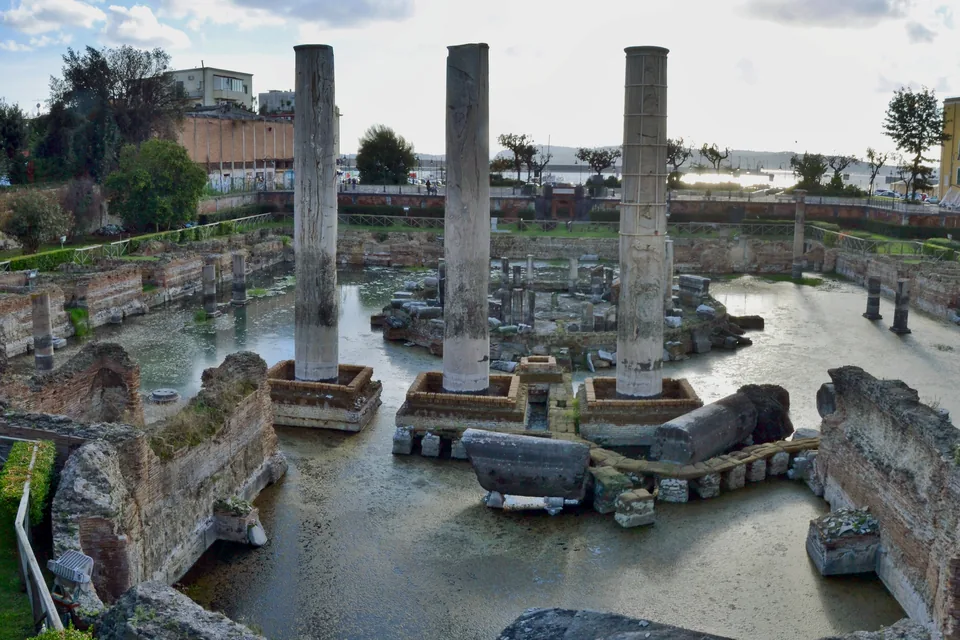
Pozzuoli
Pozzuoli (NA), Campania: 75,375 residents, 43.84 km². The official facts of the municipality, its town council website and its registered accommodation. The Flavian Amphitheatre, the Macellum, the Rione Terra, the Phlegraean Fields and bradyseism, the port for Ischia and Procida.
Read the guide →Photo: Rolf Cosar / Wikimedia Commons — CC BY-SA 4.0 · Cropped, resized and converted to WebP.

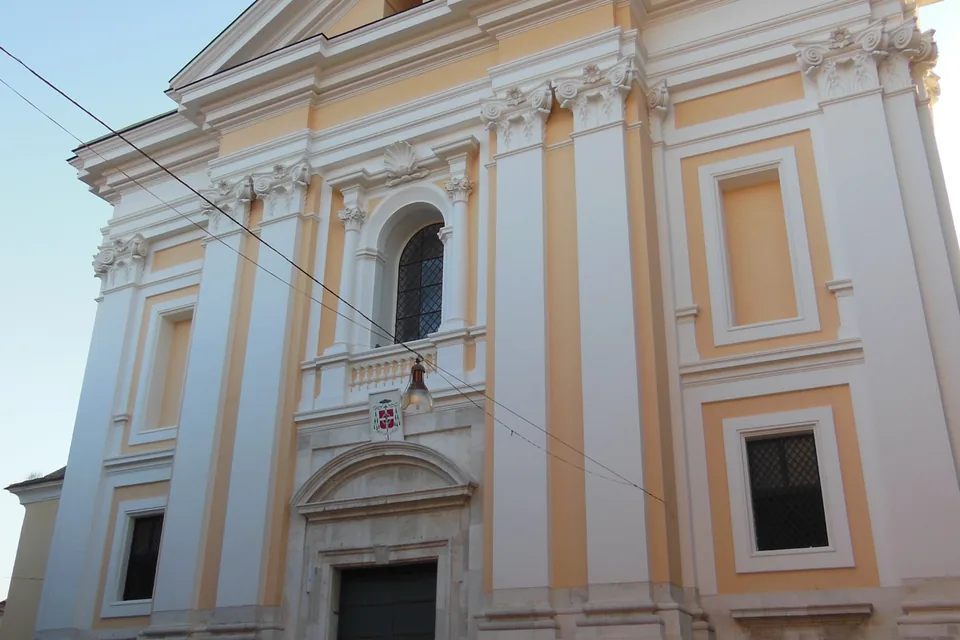
Aversa
Aversa (CE), Campania: 49,358 residents, 8.85 km². The official facts of the municipality, its town council website and its registered accommodation.
Read the guide →Photo: Dinamo86 / Wikimedia Commons — CC BY-SA 3.0 · Resized and converted to WebP.

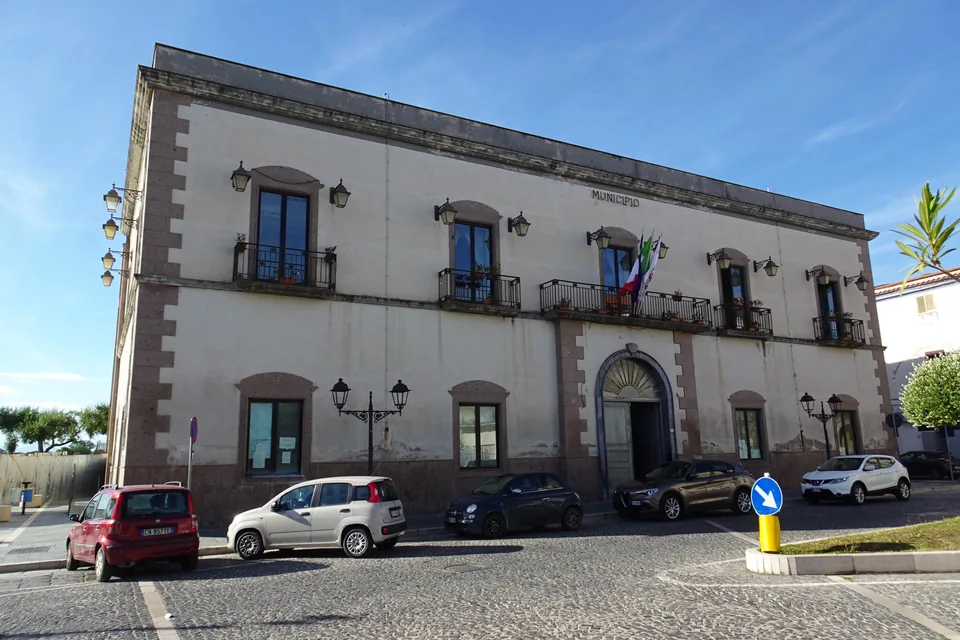
Castel Volturno
Castel Volturno (CE), Campania: 30,731 residents, 74.85 km². The official facts of the municipality, its town council website and its registered accommodation.
Read the guide →Photo: Tery14 / Wikimedia Commons — CC BY-SA 4.0 · Resized and converted to WebP.

Naples
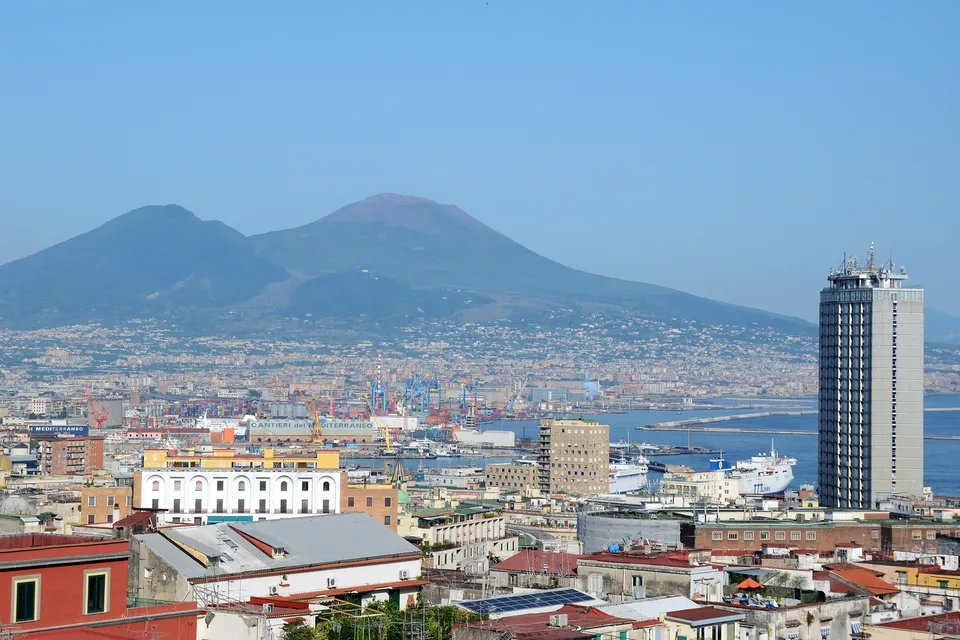
Naples (NA), capital of Campania: 909,013 residents, 119.24 km². The UNESCO-listed historic centre, the museums, the San Carlo, pizza as UNESCO heritage, San Gennaro and, nearby, Vesuvius, Pompeii and the islands.
Read the guide →Photo: Livioandronico2013 / Wikimedia Commons — CC BY-SA 4.0 · Resized and converted to WebP.
