

Why go
Squinzano gives its name to a wine. The “Squinzano” controlled designation of origin, created in 1976, is today a PDO entered in the European register of geographical indications: its reds and rosés are made mostly from Negroamaro. The town council describes Squinzano as “a town of wine as much as a town of music”: its band, formed in 1876, alternated the band repertoire with classical music and opera and became one of the best-known bands in Italy.
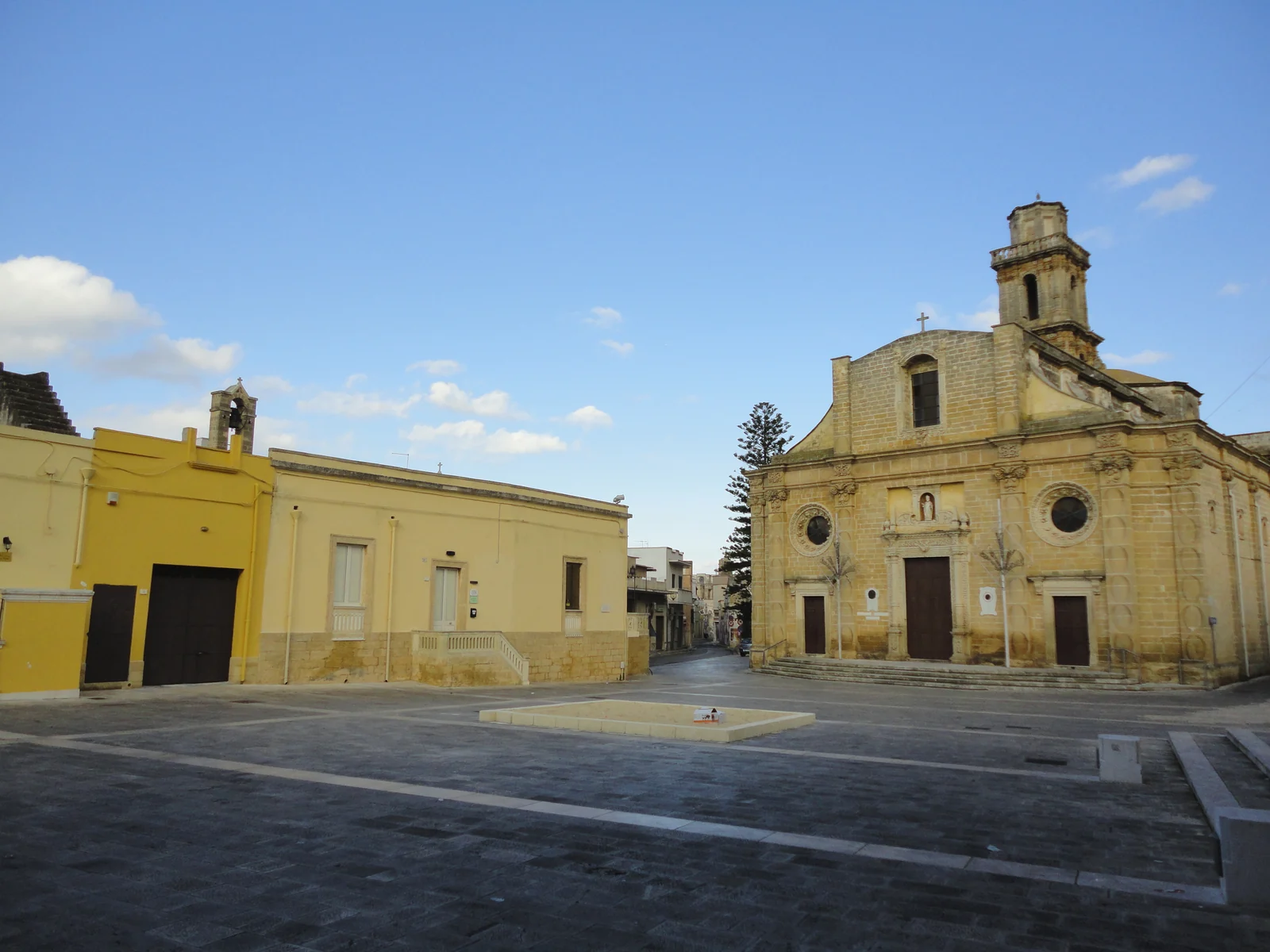
In town, look out for the mother church dedicated to the patron saint, San Nicola, with its Baroque bell tower completed in 1658, and the sanctuary of the Annunziata and of the Madonna del Garofano, built between 1618 and 1627. In the former town hall on Piazza Plebiscito the council has set up the Museum of Oil and Wine. The municipal territory reaches the sea at the seaside village of Casalabate, and on the provincial road that leads there stands the Abbey of Santa Maria di Cerrate, now entrusted to FAI, the Italian National Trust.
Sources: Ministero dell’agricoltura (MASAF), Registro nazionale delle varietà di vite — Disciplinare di produzione dei vini DOC «Squinzano» (DPR 6 luglio 1976, ultima modifica DM 7 marzo 2014) · Commissione europea, eAmbrosia — registro delle indicazioni geografiche: «Squinzano», DOP vino, PDO-IT-A0569 · Comune di Squinzano — Bande musicali a Squinzano (aggiornata il 29 maggio 2026) · Comune di Squinzano — Luoghi: Chiesa Matrice · Comune di Squinzano — Luoghi: Santuario dell’Annunziata e della Madonna del Garofano · Comune di Squinzano — Luoghi: Museo dell’Olio e del Vino · Comune di Squinzano — Piano urbano della mobilità sostenibile di Squinzano e della marina di Casalabate (16 novembre 2026) · Comune di Squinzano — Piano comunale delle coste della marina di Casalabate (avvio della VAS, settembre 2026) · FAI – Fondo per l’Ambiente Italiano, ente che gestisce il bene — Abbazia di Santa Maria di Cerrate
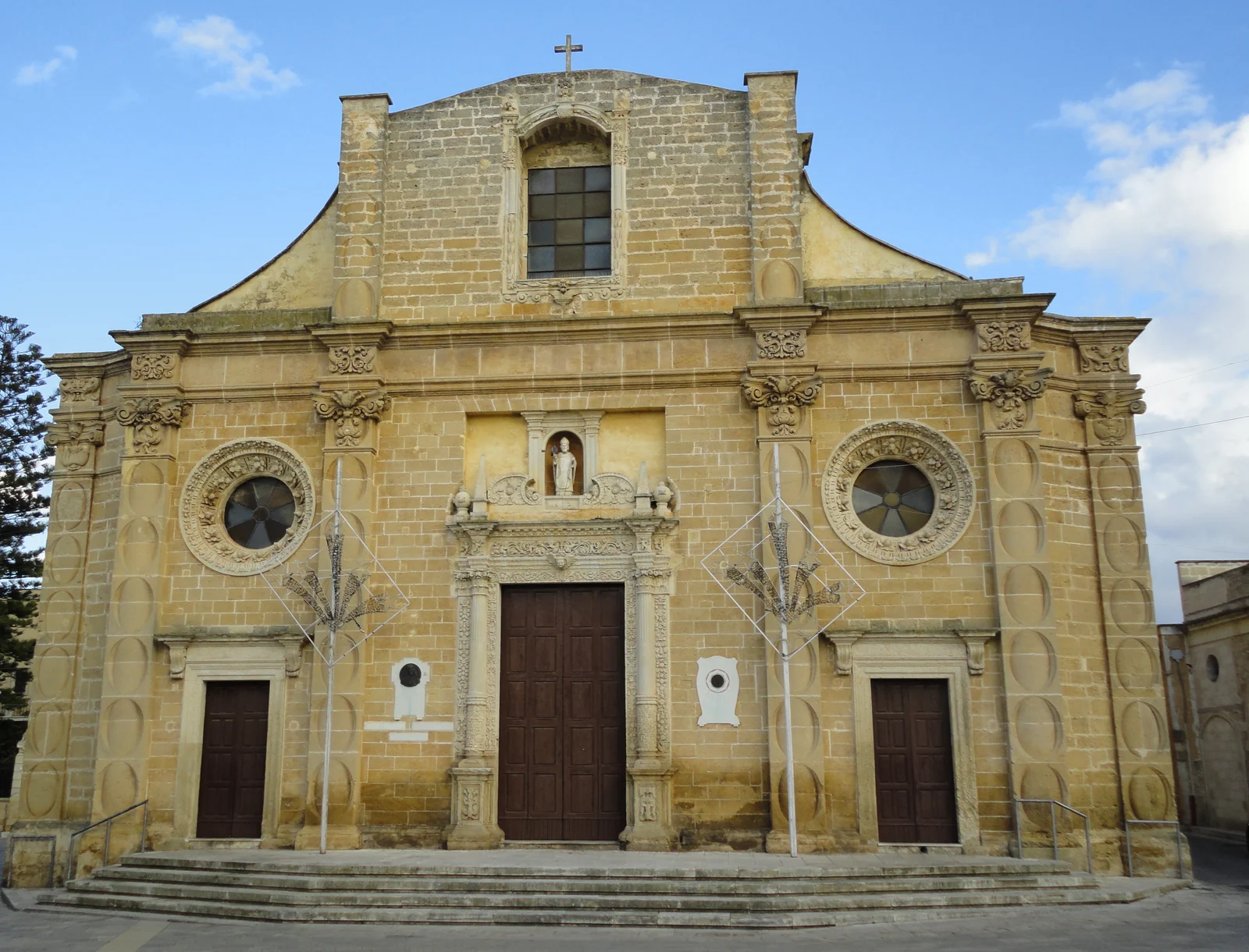
Photo: Lupiae / Wikimedia Commons — CC BY-SA 3.0 · Resized and converted to WebP.
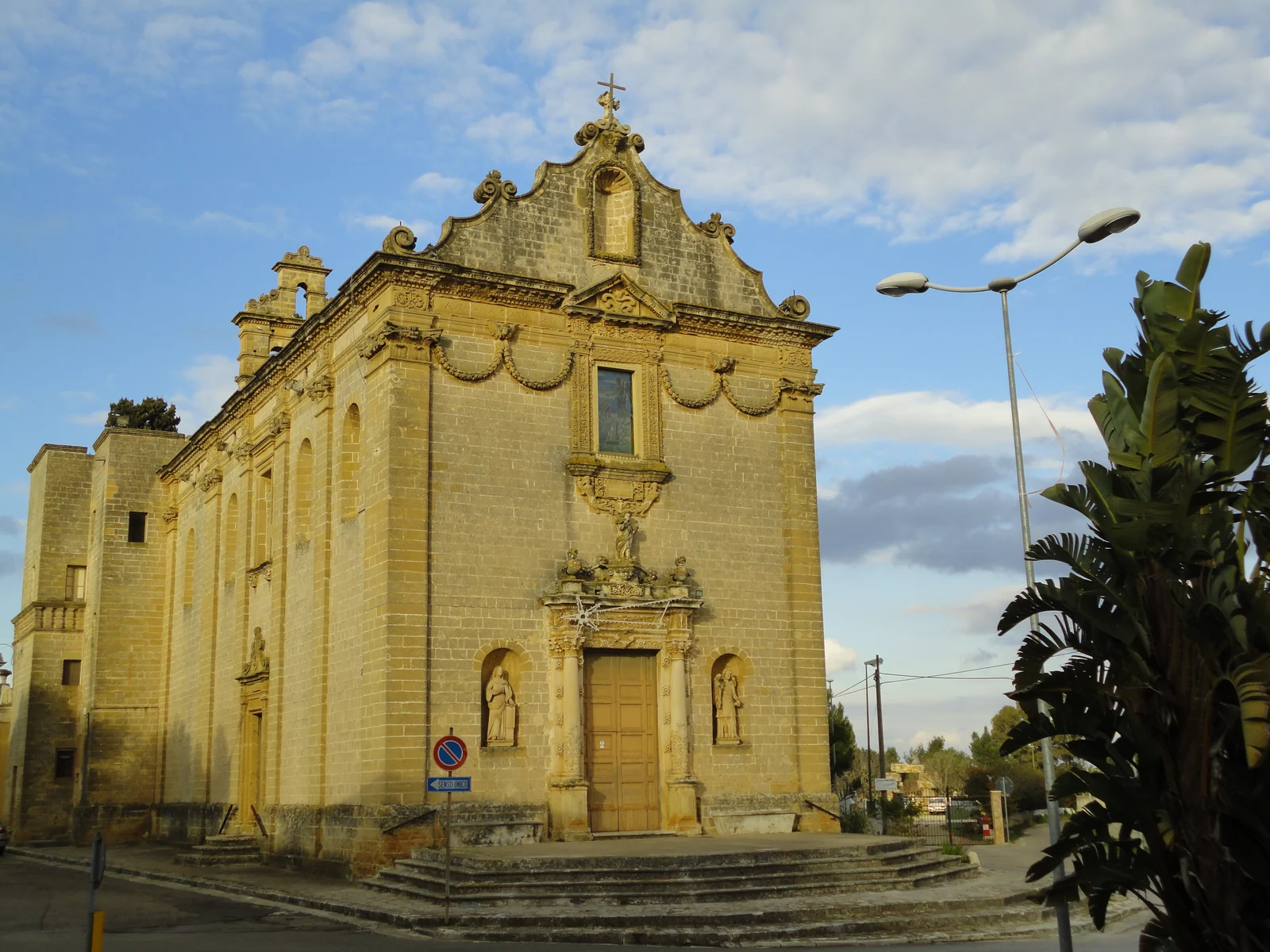
Photo: Lupiae / Wikimedia Commons — CC BY-SA 3.0 · Resized and converted to WebP.
The municipality at a glance
Squinzano is a municipality in the province of Lecce, in Puglia. Its ISTAT code is 075079. On 1 January 2025 it had 13,320 residents. The municipal territory covers 31.16 km² and ranges from -4 to 62 metres above sea level; the town hall stands at about 47 metres.
The patron saint is San Nicola, to whom the mother church is dedicated. The municipal territory includes the seaside village of Casalabate, for which the council is preparing its own municipal coastal plan: the environmental assessment procedure began in September 2026.
Sources: ISTAT, Codici statistici delle unità amministrative territoriali: elenco dei comuni al 21 febbraio 2026 · ISTAT, Popolazione residente per età, sesso e stato civile al 1° gennaio 2025 (POSAS) · ISTAT, Principali statistiche geografiche sui comuni: superficie e altimetria al 31 dicembre 2021 · Comune di Squinzano — Luoghi: Chiesa Matrice · Comune di Squinzano — Piano comunale delle coste della marina di Casalabate (avvio della VAS, settembre 2026)
History
The town’s churches keep the memory of its phases. The chapel of the Visitation, also called the chapel of the Crucifix or of the Calvary, is according to the town council the community’s first parish church: a plaque inside records it as already standing in 1559. The church of Mater Domini rose in the early sixteenth century on the remains of an older chapel dedicated to Santa Maria, probably linked to the Basilian monks; the council also links the local tradition of the olive tree and its oil to Basilian monasticism, and a Basilian grange stood on the hill of Sant’Elia.
In 1560 Squinzano freed itself from feudal subjection to Lecce and became a crown town, ruled by a royal governor: in thanksgiving the people began the church of Santa Maria delle Grazie. In 1623 the town returned to feudal rule under Prince Giovanni Enriquez, who within two years completed the friary next to the church for the Reformed Friars. The Enriquez family also built the chapel of the Carmine in the seventeenth century, attached to a palazzo in the centre: from a small gallery over the entrance the princes followed the services. In 1859 the friary hosted King Ferdinand II and the queen on their way to Lecce; after the suppression of the religious orders it passed to the town by royal decree in 1866, and in 1901 the friars bought it back for 15,000 lire.
Between the first and the second post-war periods, the council writes, many wineries and the old tobacco factory were at work in the strip of land north of the town, astride the railway; the wineries bore the names Folonari, Messaggi, Brigatti and Macchi. According to the DOC specification, from the first years of the twentieth century the area’s producers were making red and rosé wines from Negroamaro and Malvasia Nera, and the success of those wines on Italian and foreign markets led to the designation of origin in 1976. In the same decades the band, conducted by Ernesto and Gennaro Abbate, carried the town’s name onto national and international stages. Villa Cleopazzo, the Liberty-style residence built between 1913 and 1917 by Ermanno Cleopazzo, became municipal property in 1939.
Sources: Comune di Squinzano — Luoghi: Calvario di Squinzano · Comune di Squinzano — Luoghi: Chiesa parrocchiale Mater Domini · Comune di Squinzano — Luoghi: Museo dell’Olio e del Vino · Comune di Squinzano — Luoghi: Poggio di Sant’Elia · Comune di Squinzano — Luoghi: Chiesa e Convento di Santa Maria delle Grazie · Comune di Squinzano — Luoghi: Chiesetta del Carmine · Ministero dell’agricoltura (MASAF), Registro nazionale delle varietà di vite — Disciplinare di produzione dei vini DOC «Squinzano» (DPR 6 luglio 1976, ultima modifica DM 7 marzo 2014) · Comune di Squinzano — Luoghi: Villa Cleopazzo
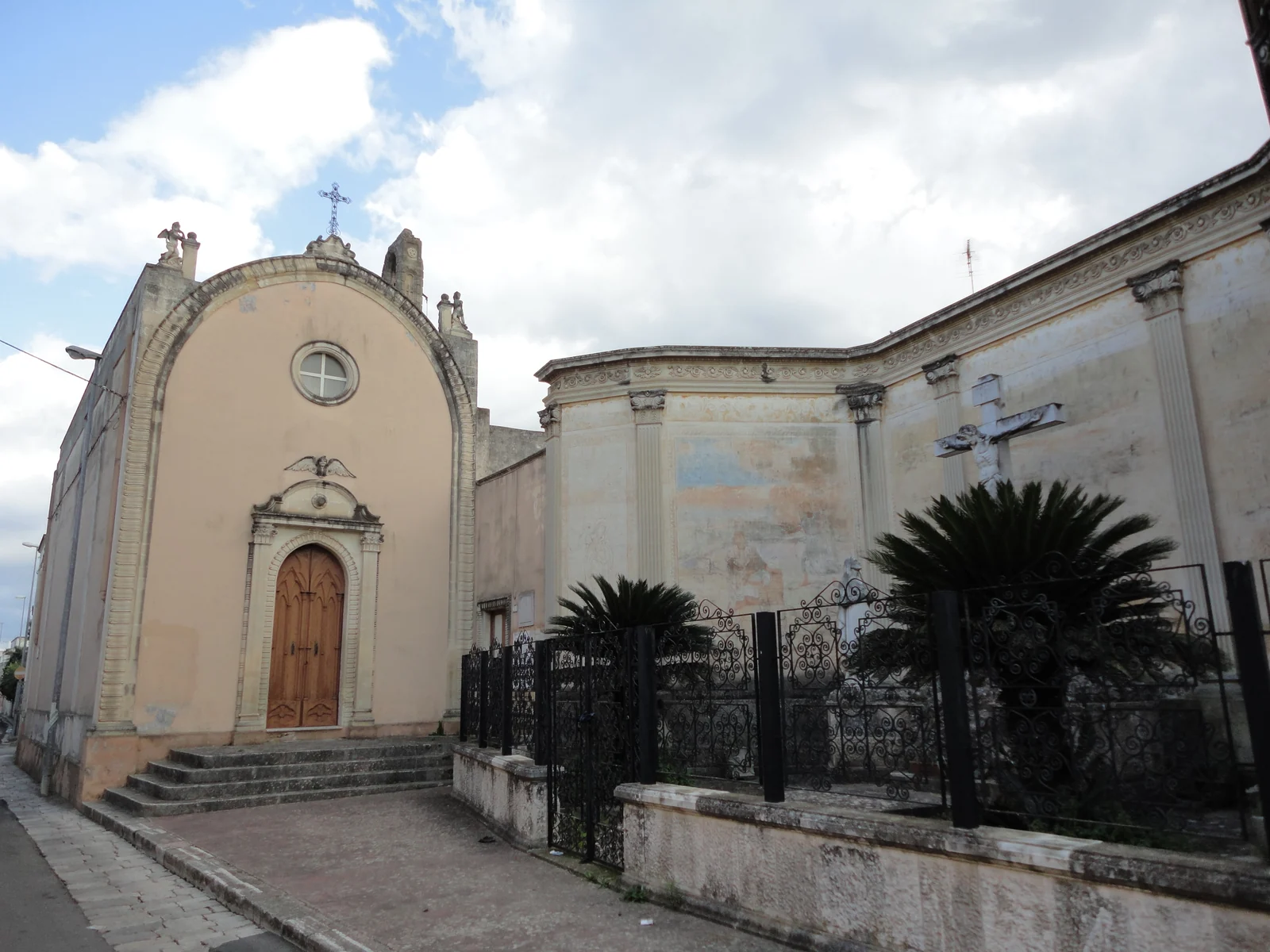
Photo: Lupiae / Wikimedia Commons — CC BY-SA 3.0 · Resized and converted to WebP.
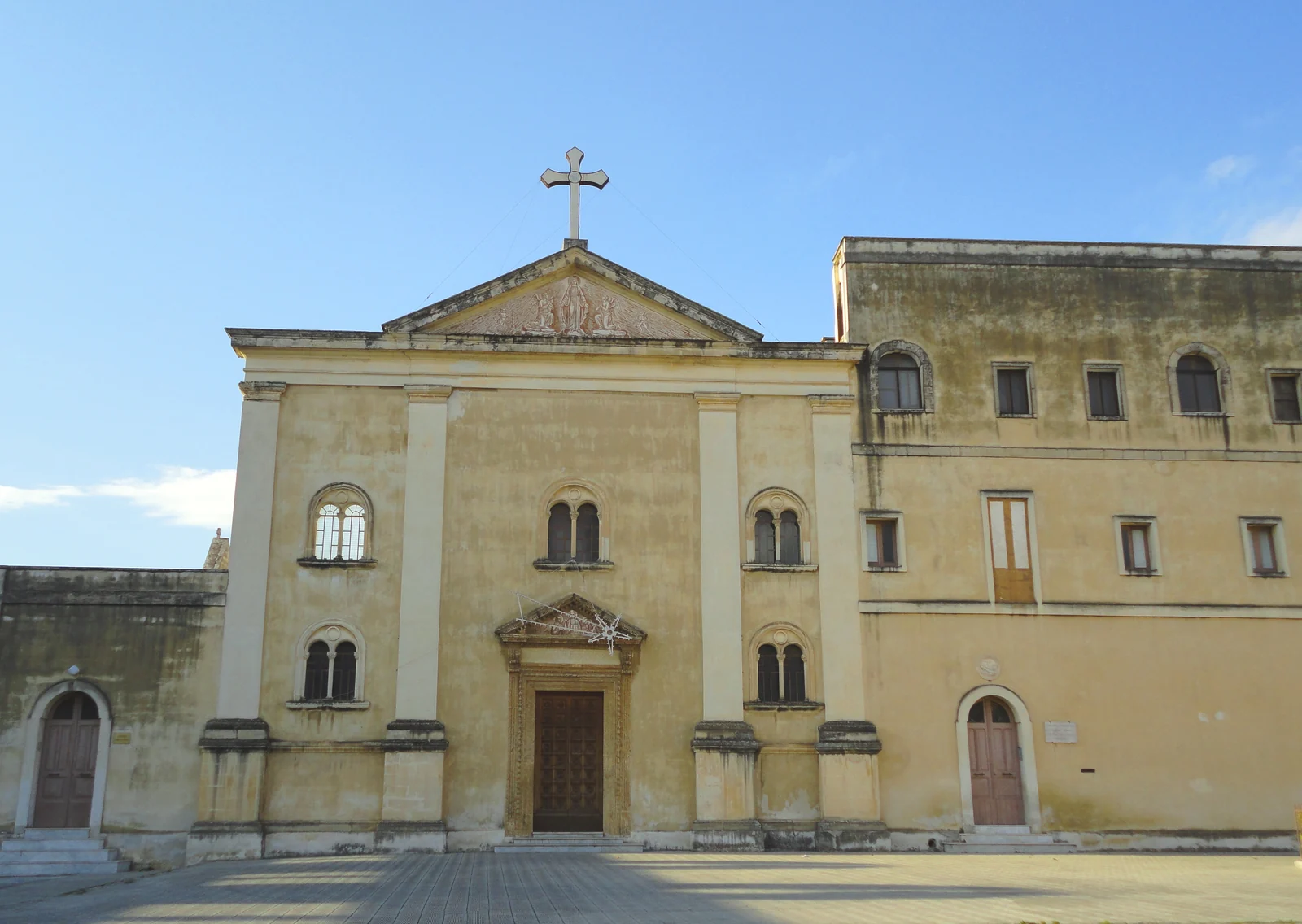
Photo: Lupiae / Wikimedia Commons — CC BY-SA 3.0 · Resized and converted to WebP.
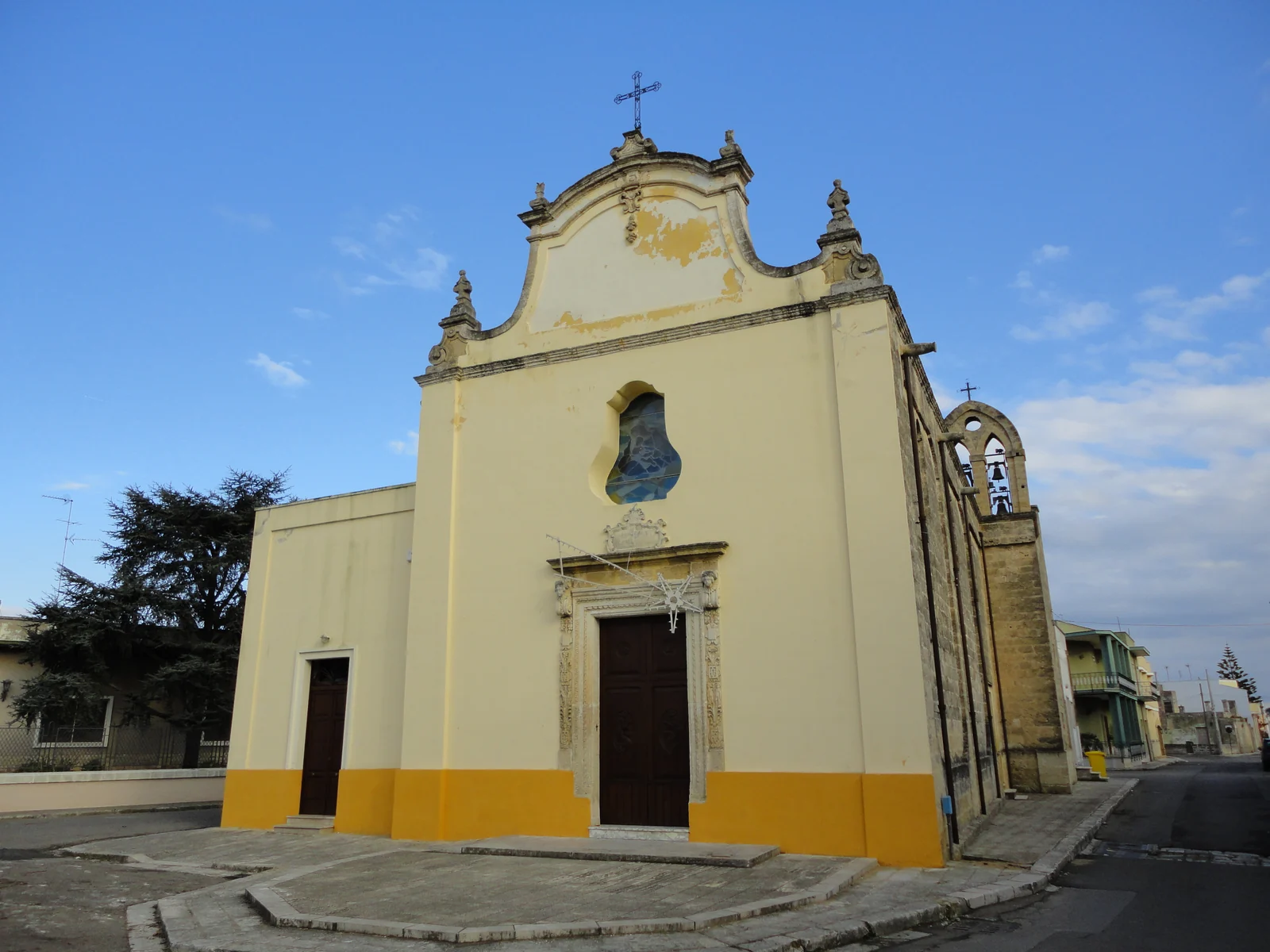
Photo: Lupiae / Wikimedia Commons — CC BY-SA 3.0 · Resized and converted to WebP.
What to see
The mother church, on Piazza San Nicola, is dedicated to the patron saint. The town council points out the wooden choir carved in dark walnut in 1843 by the cabinetmaker Giuseppe Fella of Oria, the old altar paintings and the fresco of 1801, the year the church was restored, which on the triumphal arch of the transept reproduces the town coat of arms with its spread-winged eagle. The bell tower, completed in 1658, the work of the local man Saverio Tommasi, is square in plan and narrows in its upper storeys: it stands 32 metres above the ground. According to the council the church is accessible without barriers.
The sanctuary of the Annunziata and of the Madonna del Garofano, on Via Torchiarolo, was begun on 12 November 1618 through the devotion of Maria Manca: on 21 October that year, the tradition reported by the council says, the Virgin had appeared to her while she was picking olives and had given her a carnation to take to the Crucifix of Galatone. The church was finished in 1627; in the mid-seventeenth century rooms with a loggia and an arcaded courtyard with a cistern at its centre were added for pilgrims. Bishop Francesco Minerva proclaimed it a sanctuary on 25 March 1971.
On Piazza Vittoria stand the church and friary of Santa Maria delle Grazie: at the end of the seventeenth century the church gained its side aisles, in the 1940s its interior was painted and in 1954 it was restored. The centre also has small churches and chapels: Mater Domini, on Via Mater Domini, enlarged in 1727 and a parish since 1921; the chapel of San Giuseppe Patriarca, with the date 1696 on the lintel of its door, rebuilt in 1891 and restored in 2008; the chapel of the Madonna dei Martiri, on Via Crocefisso, rebuilt at the end of the seventeenth century and decorated with an eighteenth-century painting of Mary Queen of Martyrs.
Villa Cleopazzo, on Via Monte Grappa, is a two-storey Liberty residence, with a central balcony decorated with floral motifs and the family’s painted coat of arms above the three-light window. Restored from 1988, since 2003 it has housed the town library with its media library and newspaper archive; the central hall, the Sala Cenacolo, hosts conferences, concerts and screenings. The Museum of Oil and Wine of the Negroamaro Park, promoted by the town council in 2007, is housed in the former town hall on Piazza Plebiscito; with a resolution of 2024 and a decision of 2025 the council started the procedure to entrust it for six years to an association or foundation that will promote cultural events and food and wine traditions there.
Sources: Comune di Squinzano — Luoghi: Chiesa Matrice · Comune di Squinzano — Luoghi: Santuario dell’Annunziata e della Madonna del Garofano · Comune di Squinzano — Luoghi: Chiesa e Convento di Santa Maria delle Grazie · Comune di Squinzano — Luoghi: Chiesa parrocchiale Mater Domini · Comune di Squinzano — Luoghi: Cappella di San Giuseppe Patriarca · Comune di Squinzano — Luoghi: Cappella della Madonna dei Martiri · Comune di Squinzano — Luoghi: Villa Cleopazzo · Comune di Squinzano — Luoghi: Museo dell’Olio e del Vino · Comune di Squinzano — Piano urbano della mobilità sostenibile di Squinzano e della marina di Casalabate (16 novembre 2026) · Comune di Squinzano — Avviso per la concessione in comodato d’uso del Museo dell’Olio e del Vino
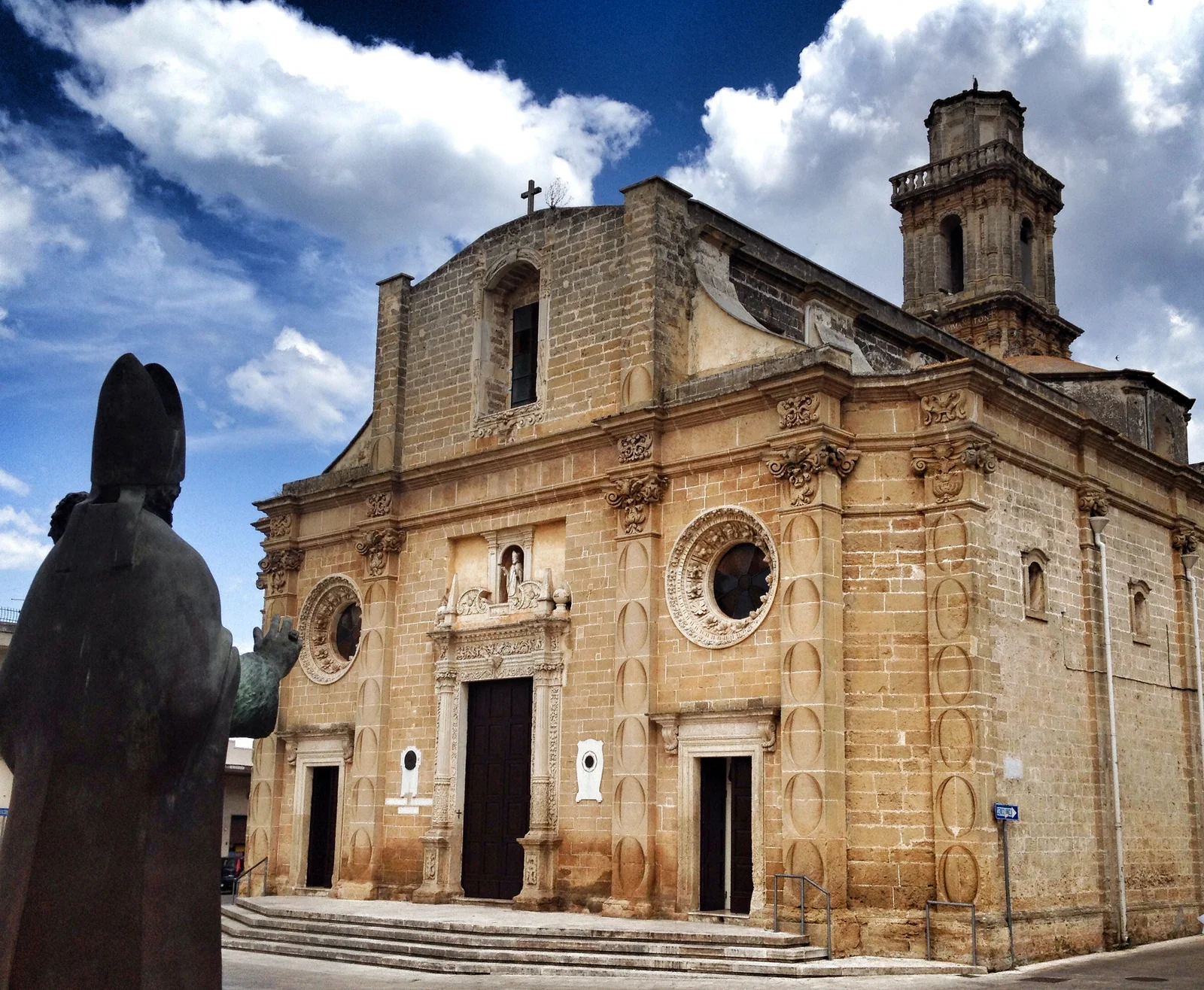
Photo: Iacopetta / Wikimedia Commons — CC BY-SA 4.0 · Resized and converted to WebP.
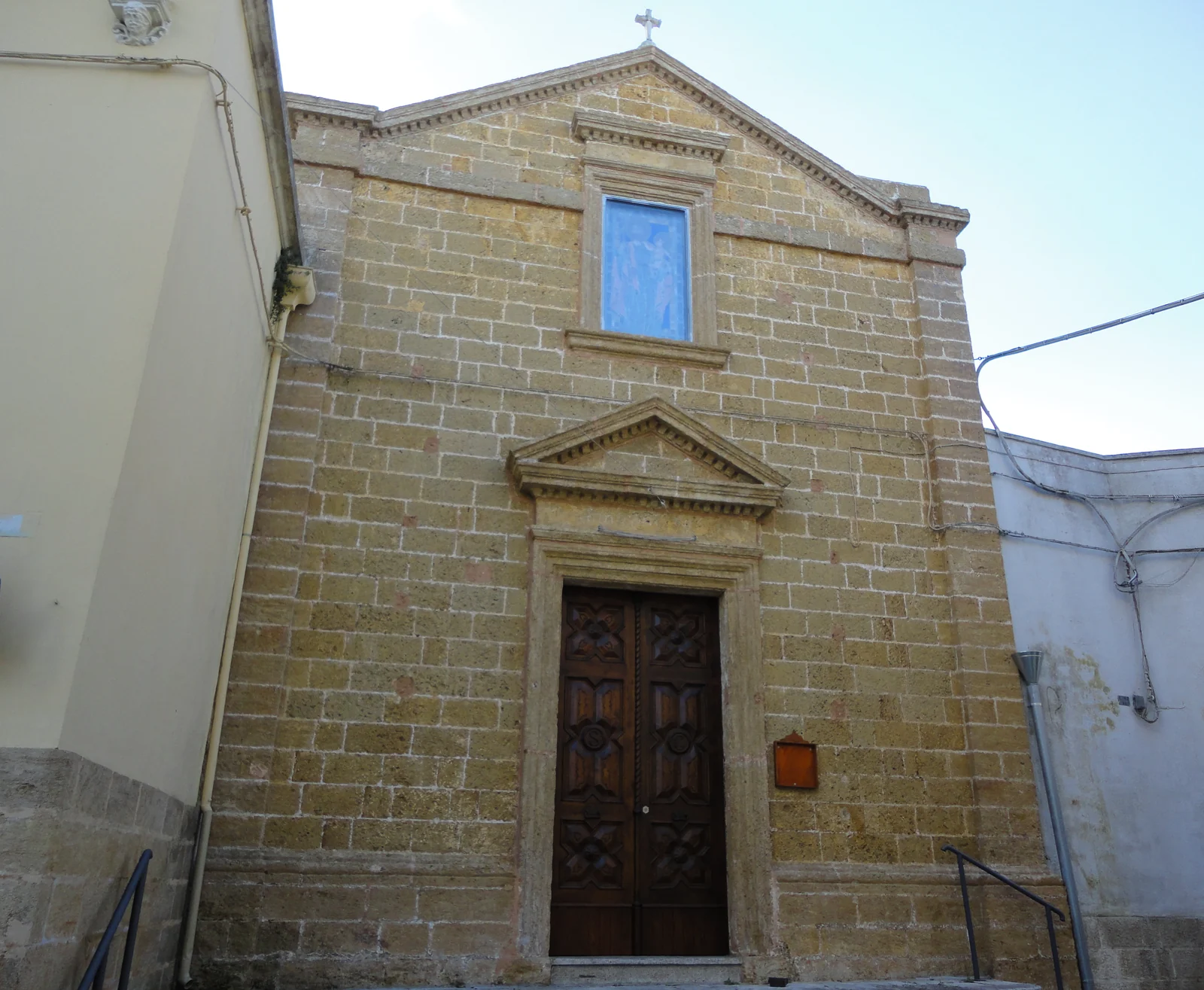
Photo: Lupiae / Wikimedia Commons — CC BY-SA 3.0 · Resized and converted to WebP.
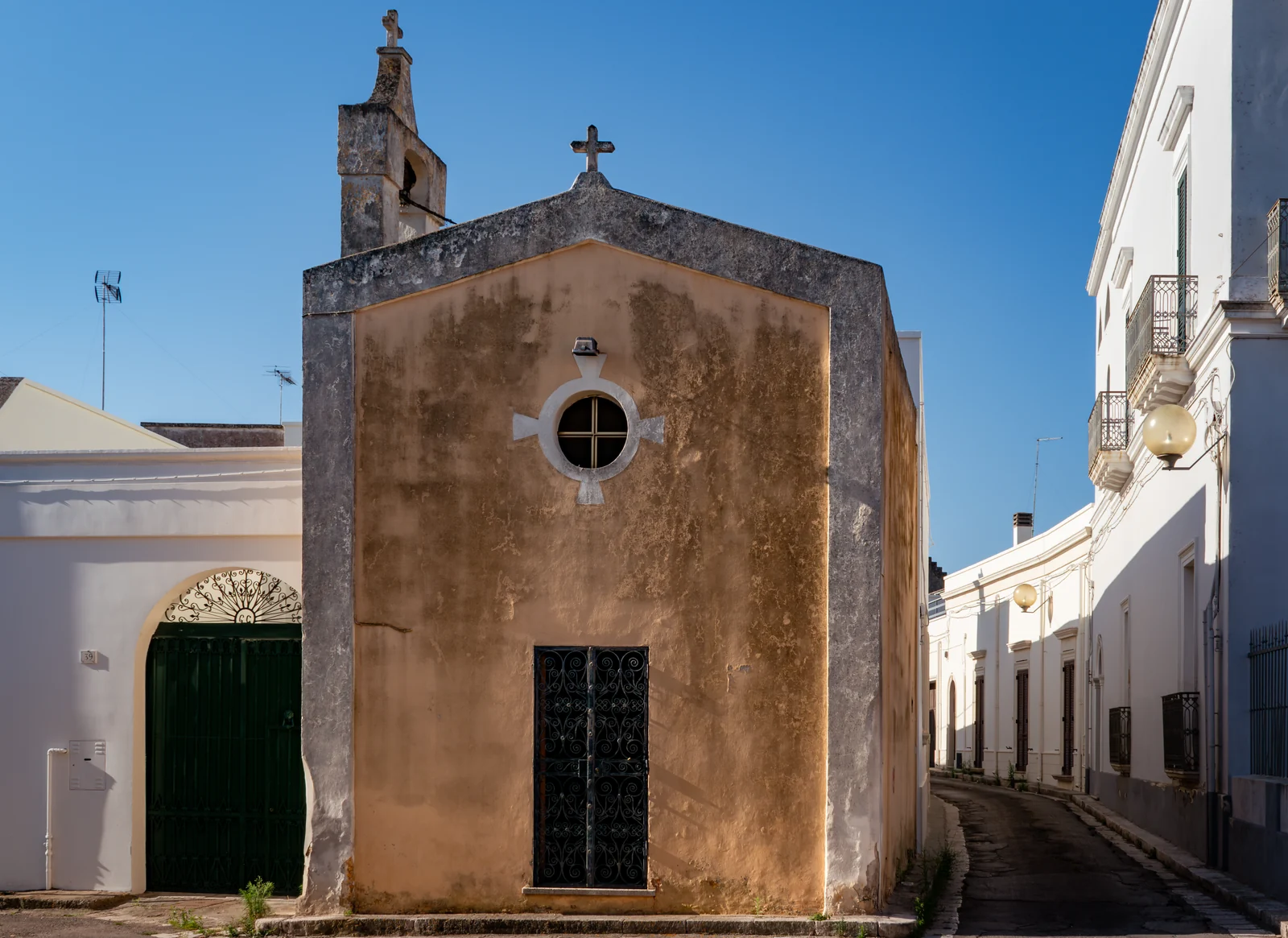
Photo: Sylva-ae / Wikimedia Commons — CC BY-SA 4.0 · Resized and converted to WebP.
Flavours
Squinzano’s wine has a production specification approved by decree on 6 July 1976; in the text published by the Ministry’s register the last amendment dates from 7 March 2014. In the European eAmbrosia register “Squinzano” is listed as a protected designation of origin for wine, with the status “registered” and no amendment in progress; the recognised protection consortium is the Consorzio per la tutela dei vini DOP Brindisi e DOP Squinzano, based in Brindisi, and controls are carried out by the Brindisi Chamber of Commerce. The grapes come from the whole territory of Squinzano, San Pietro Vernotico, Torchiarolo and Novoli and from part of the territories of Campi Salentina, Cellino San Marco, Trepuzzi, Surbo and Lecce, in an area the specification marks out starting from Torre Rinalda, on the Adriatic coast.
“Squinzano” red and rosé are made from at least 70 per cent Negroamaro grapes; Malvasia Nera di Brindisi, Malvasia Nera di Lecce, Sangiovese and other suitable black grapes of the area may be added. The Negroamaro and Susumaniello types require at least 85 per cent of the variety in their name; there are also a white and wines from Chardonnay, Malvasia Bianca, Fiano and Sauvignon, and several types are also made as sparkling wines. The red is ruby red, sometimes with orange glints as it ages, with an ethereal, intense nose and a full, velvety, harmonious taste; the Riserva is aged for at least two years. The rosé is made with the area’s traditional method: the crushed grapes macerate for 12 to 24 hours before the juice is drained off, and the wine ranges from light ruby red to pale cherry, sapid, fine and velvety.
The specification also describes the vineyard. Negroamaro is the DOC’s main variety and covers about 72 per cent of the vineyard area of the provinces of Brindisi and Lecce. The vines are trained as Apulian bush vines (alberello) or on trellises: the bush vine, which until the 1980s covered 90 per cent of the area, now covers 20 per cent at most. Squinzano also lies within the area of the “Negroamaro di Terra d’Otranto” DOC, created in 2011 and registered as a PDO, which covers the whole territory of the provinces of Brindisi, Lecce and Taranto.
In November comes the Festa del Vino, the wine festival. For the edition of 23 November 2024 the town council allotted the pitches of a market of craftspeople, hobbyists and makers between Piazza Plebiscito, Via Vittorio Emanuele, Via Matteotti and Via Umberto I; for that of 15 November 2025, those of a food area in Piazza Plebiscito and the nearby streets.
Sources: Ministero dell’agricoltura (MASAF), Registro nazionale delle varietà di vite — Disciplinare di produzione dei vini DOC «Squinzano» (DPR 6 luglio 1976, ultima modifica DM 7 marzo 2014) · Commissione europea, eAmbrosia — registro delle indicazioni geografiche: «Squinzano», DOP vino, PDO-IT-A0569 · Ministero dell’agricoltura (MASAF), Registro nazionale delle varietà di vite — Disciplinare dei vini DOC «Negroamaro di Terra d’Otranto» (DM 4 ottobre 2011) · Commissione europea, eAmbrosia — «Negroamaro di Terra d’Otranto», DOP vino, PDO-IT-A0557 · Comune di Squinzano — Mercatino della «Festa del Vino» del 23 novembre 2024 (30 ottobre 2024) · Comune di Squinzano — Area food della «Festa del Vino» del 15 novembre 2025 in piazza Plebiscito (9 ottobre 2025)
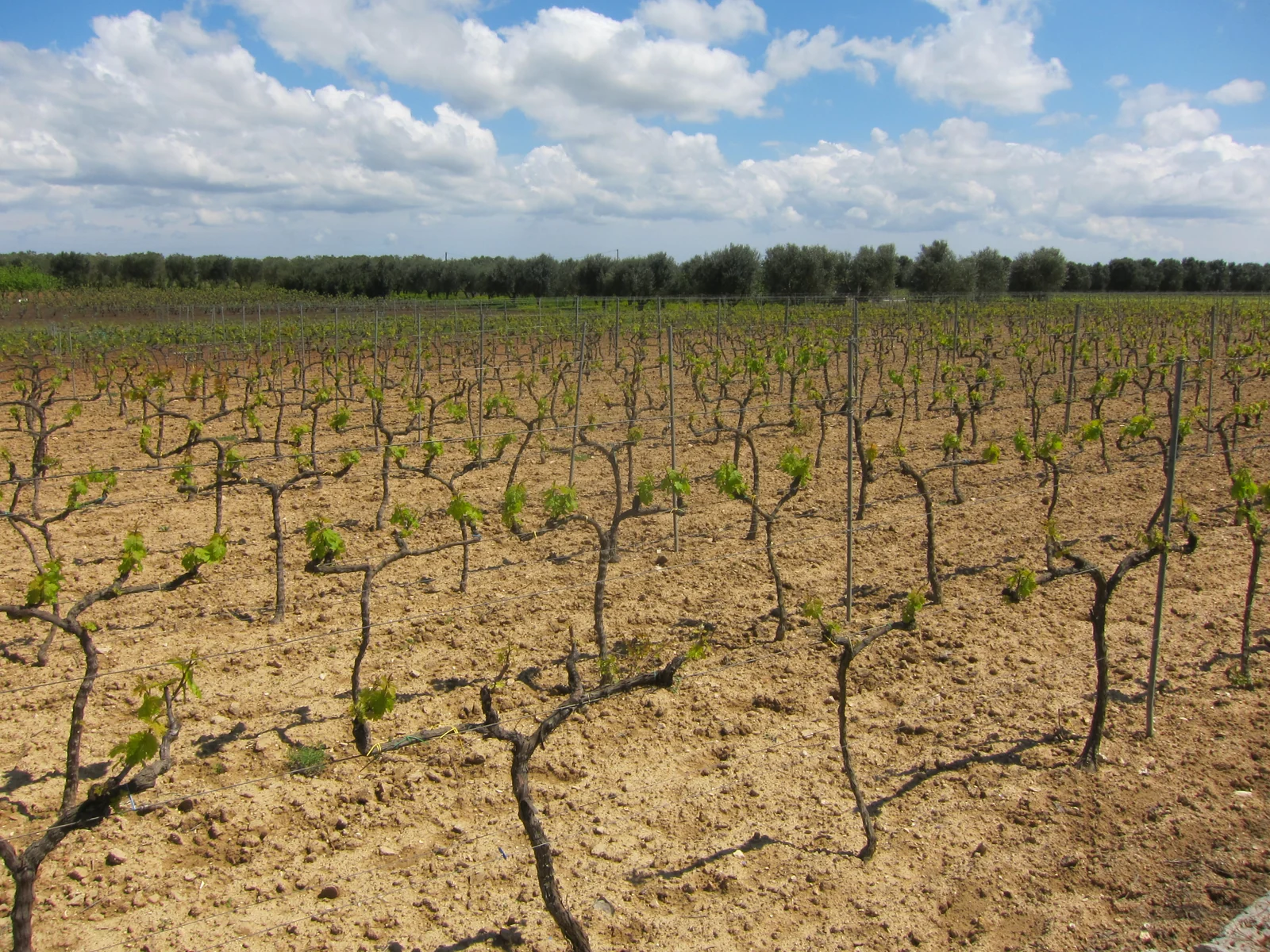
Photo: Art Anderson / Wikimedia Commons — CC BY-SA 3.0 · Resized and converted to WebP.
Things to do
Music is the town’s second thread. On its website the council lets visitors listen to two compositions signed E. Abbate, the “Russian Rhapsody on Russian folk themes” and “The Lion and the Eagle”, recorded by the wind orchestra of the “Tito Schipa” Conservatory of Lecce. In 2024 the council launched the project “Town Band and Industry in the Town of Music, Oil and Wine”, looking for an expert on the wine-industry production sites in the municipality.
In summer, from June to September, the garden of Villa Cleopazzo hosts evening programmes; the villa’s library leads the network of libraries of the Unione dei Comuni del Nord Salento. In November there is the wine festival, and from 8 December 2026 to 6 January 2027 the Christmas market in Piazza Vittoria, the square of Santa Maria delle Grazie.
The sea is that of the seaside village of Casalabate, for which the council is preparing its own municipal coastal plan. From 4 April to 31 May 2026 the council allotted pitches for selling and serving food on the municipal stretch of the Lungomare Nord, between Piazza Arigliano and Via del Pesce Spada, on Sundays, holidays and the days before. Out in the countryside are the chapel of the Madonna dei Dolori, known as Perlangeli, planned in 1652 in a vineyard on the road to Torchiarolo, and the chapel of Santa Elisabetta, put up in 1642 about four kilometres from the centre.
Sources: Comune di Squinzano — Bande musicali a Squinzano (aggiornata il 29 maggio 2026) · Comune di Squinzano — Progetto CUIS «Banda Musicale e Industria nella Città della Musica, dell’Olio e del Vino» (3 ottobre 2024) · Comune di Squinzano — Luoghi: Villa Cleopazzo · Comune di Squinzano — Area food della «Festa del Vino» del 15 novembre 2025 in piazza Plebiscito (9 ottobre 2025) · Comune di Squinzano — Mercatino di Natale 2026 in piazza Vittoria (9 novembre 2026) · Comune di Squinzano — Piano comunale delle coste della marina di Casalabate (avvio della VAS, settembre 2026) · Comune di Squinzano — Posteggi sul lungomare Nord della marina di Casalabate, primavera 2026 (6 febbraio 2026) · Comune di Squinzano — Luoghi: Cappella dei Dolori o Perlangeli · Comune di Squinzano — Luoghi: Cappella Santa Elisabetta
When to go
Summer is the season for the sea at Casalabate and for evenings in the garden of Villa Cleopazzo, from June to September. Autumn is the wine season: the last editions of the wine festival were set for 23 November 2024 and 15 November 2025. Between December and Epiphany Piazza Vittoria hosts the Christmas market, which in its 2026-2027 edition runs from 8 December to 6 January. The dates of future editions should be checked on the council’s website.
Sources: Comune di Squinzano — Piano comunale delle coste della marina di Casalabate (avvio della VAS, settembre 2026) · Comune di Squinzano — Luoghi: Villa Cleopazzo · Comune di Squinzano — Mercatino della «Festa del Vino» del 23 novembre 2024 (30 ottobre 2024) · Comune di Squinzano — Area food della «Festa del Vino» del 15 novembre 2025 in piazza Plebiscito (9 ottobre 2025) · Comune di Squinzano — Mercatino di Natale 2026 in piazza Vittoria (9 novembre 2026)
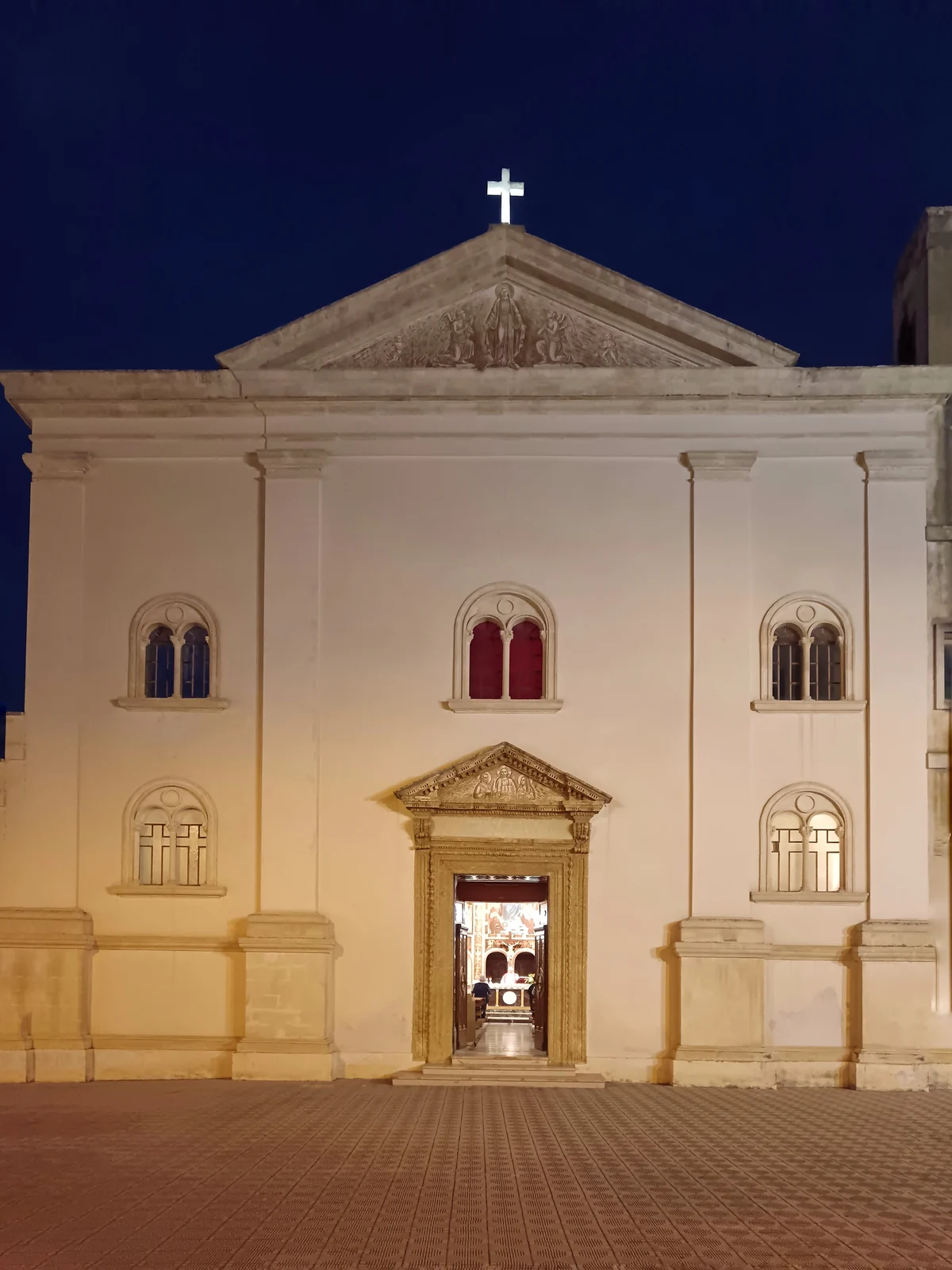
Photo: Marco arnesano / Wikimedia Commons — CC BY-SA 4.0 · Resized and converted to WebP.
Getting there and around
Squinzano has a station on the RFI network with three tracks for passenger trains. According to RFI, track 1 can be reached step-free and tracks 2 and 3 have raised platforms; the station has no assistance service for people with disabilities, and has parking with reserved spaces and audio and visual announcements.
The seaside village of Casalabate is reached by provincial road 100 Squinzano-Casalabate, the same road on which the Abbey of Santa Maria di Cerrate stands. In November 2026 the council started the sustainable urban mobility plan for the town and the seaside village, with a first public meeting on 19 November at the Museum of Oil and Wine.
Sources: RFI — Stazione di Squinzano · FAI – Fondo per l’Ambiente Italiano, ente che gestisce il bene — Abbazia di Santa Maria di Cerrate · Comune di Squinzano — Piano urbano della mobilità sostenibile di Squinzano e della marina di Casalabate (16 novembre 2026)
Accommodation in figures
In the Ministry of Tourism’s national database of accommodation (BDSR), on 12 October 2026, Squinzano had 105 establishments with a verified national identification code (CIN): 1 hotel-type establishment, 30 non-hotel establishments and 74 other establishments. Puglia’s regional census of accommodation lists 15 with a verified national CIN, by type: 5 holiday home, 4 farm stay, 2 guest rooms, 2 B&B, 1 hotel and 1 residence.
Sources: Ministero del Turismo – Banca Dati Strutture Ricettive (dashboard pubblica) · Regione Puglia – ARET Pugliapromozione (DMS)
Nearby
Among the places Apulica already covers, the nearest are Lecce (about 13 km), Brindisi (about 20 km) and Sternatia (about 30 km): straight-line distances between the centres of the municipal territories.
On the provincial road to Casalabate, at kilometre 5.9, stands the Abbey of Santa Maria di Cerrate, entrusted to FAI in 2012 by the Province of Lecce. According to FAI it was founded at the end of the eleventh or the beginning of the twelfth century, when Bohemond of Hauteville settled Greek monks following the rule of Saint Basil there; after a raid by Turkish pirates in 1711 the complex became a farm producing oil and tobacco. The church has a Romanesque gabled façade, a rose window and Byzantine frescoes; around it are the fourteenth-century portico, a well of 1585, two underground olive mills and a grain mill.
The hill of Sant’Elia, just outside the town, has long been a destination for walks, the council says: on it stand the church dedicated to the prophet Elijah and the friary handed to the Capuchins in 1575, now public property. Through the “Squinzano” DOC the town shares its wine with San Pietro Vernotico, Torchiarolo and Novoli, wholly within the production area, and with part of Campi Salentina, Cellino San Marco, Trepuzzi, Surbo and Lecce.
Sources: ISTAT/Openpolis, confini comunali della regione Puglia (CC BY 4.0, ISTAT/Openpolis) · FAI – Fondo per l’Ambiente Italiano, ente che gestisce il bene — Abbazia di Santa Maria di Cerrate · Comune di Squinzano — Luoghi: Poggio di Sant’Elia · Ministero dell’agricoltura (MASAF), Registro nazionale delle varietà di vite — Disciplinare di produzione dei vini DOC «Squinzano» (DPR 6 luglio 1976, ultima modifica DM 7 marzo 2014)
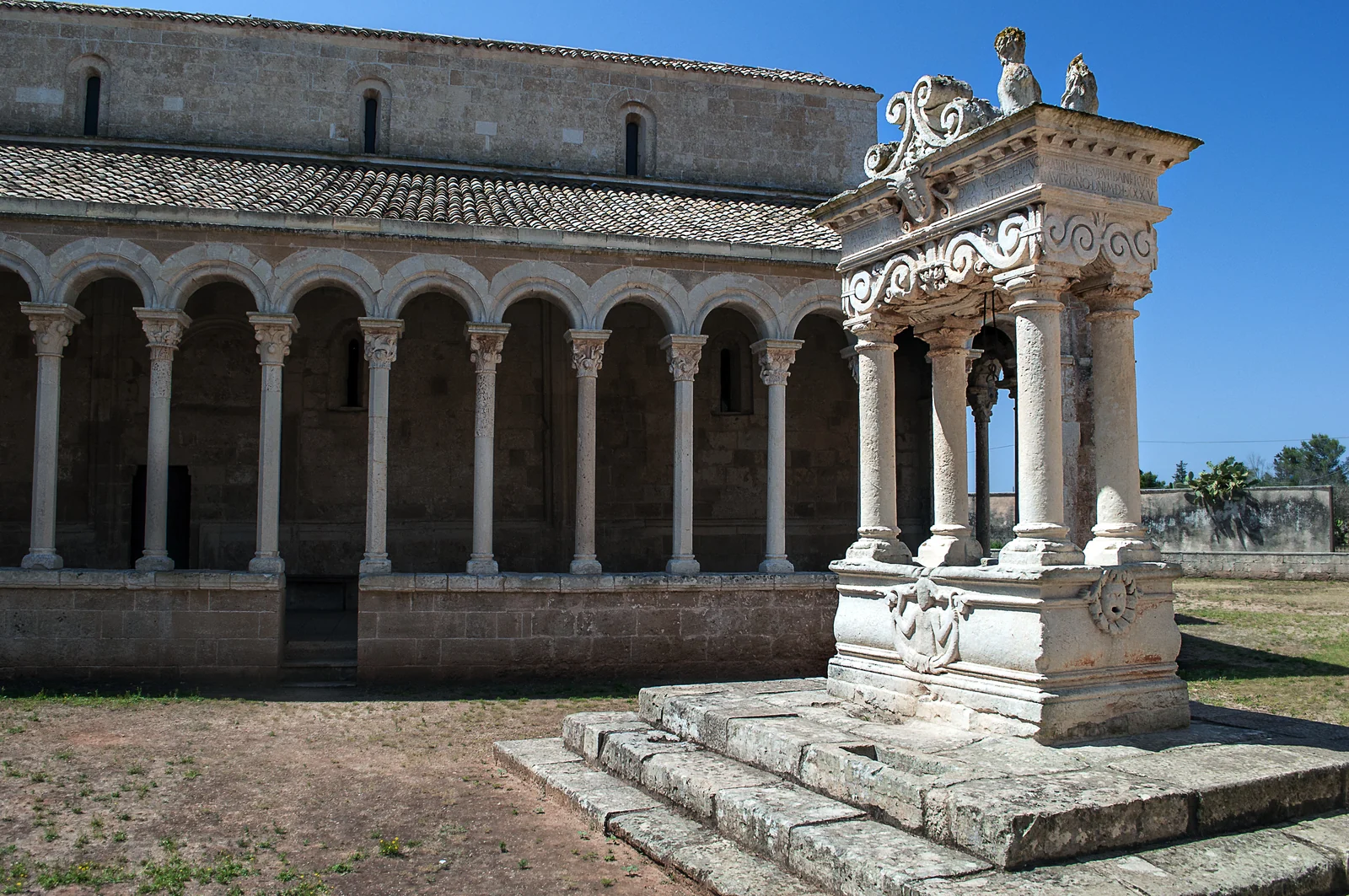
Photo: Acquario51 / Wikimedia Commons — CC BY-SA 4.0 · Resized and converted to WebP.
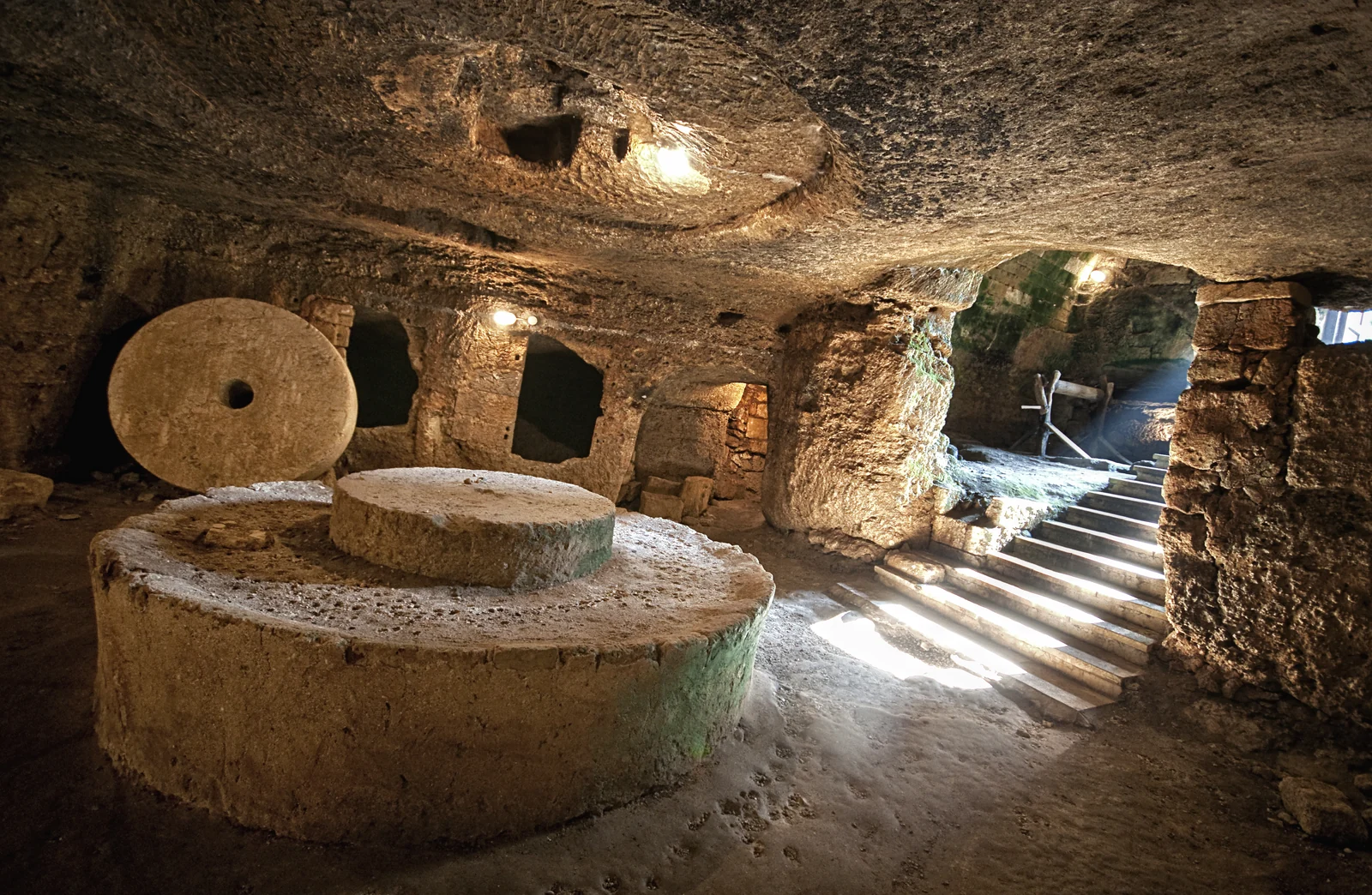
Photo: Sergio Limongelli / Wikimedia Commons — CC BY-SA 2.0 · Resized and converted to WebP.
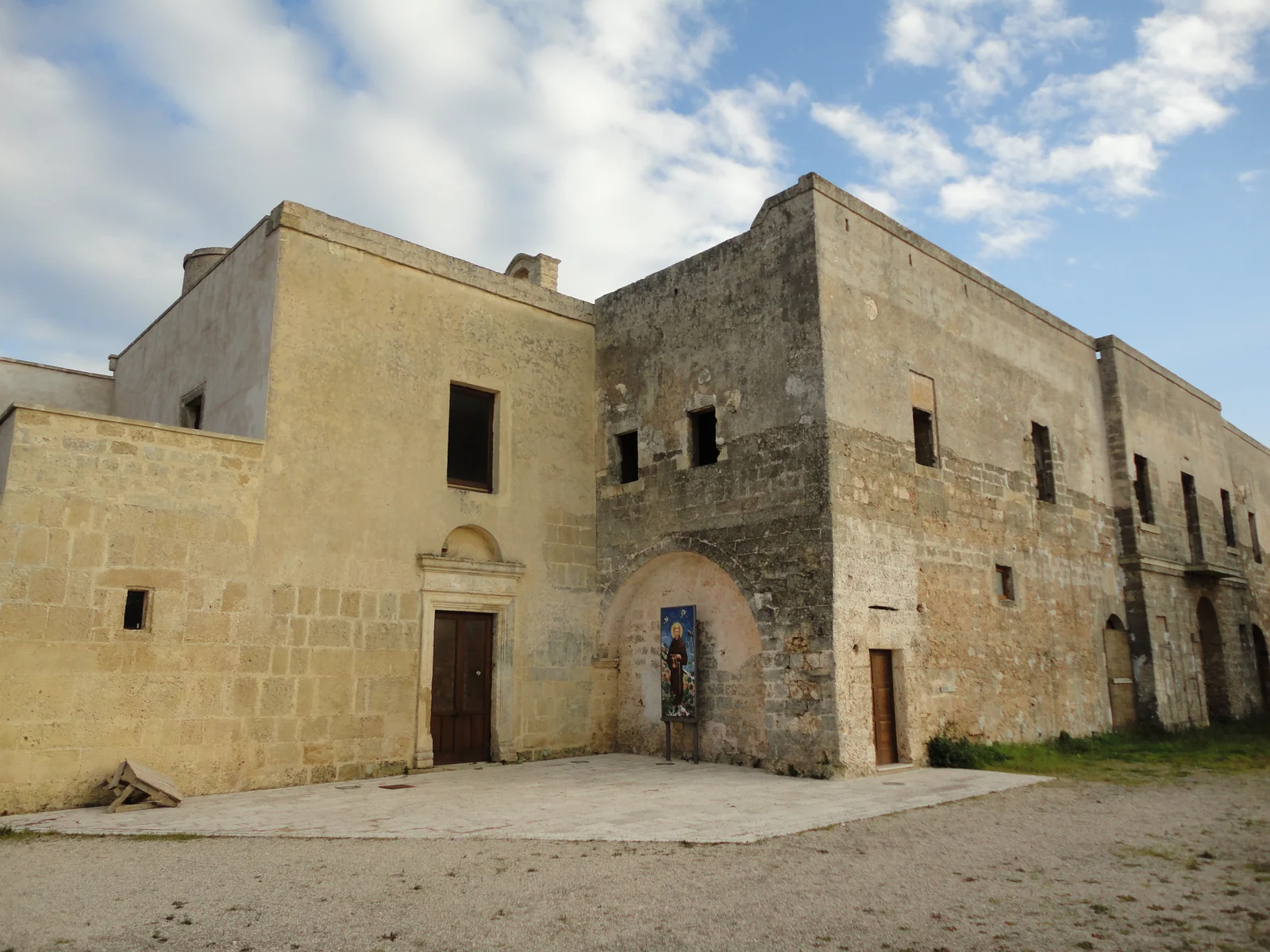
Photo: Lupiae / Wikimedia Commons — CC BY-SA 3.0 · Resized and converted to WebP.
The town council
The official website of the Comune di Squinzano, registered in IndicePA, the index of the digital addresses of Italy’s public administrations, is the reference for the town council’s offices, opening hours and news. Its address is listed among the sources of this section.
The council offices are at Via Matteotti 24. The website also publishes pages on the town’s places, with the address and accessibility of its churches, library and museum.
Sources: Comune di Squinzano, sito istituzionale · IndicePA (AgID), Indice dei domicili digitali delle pubbliche amministrazioni: dataset Enti · Comune di Squinzano — Piano urbano della mobilità sostenibile di Squinzano e della marina di Casalabate (16 novembre 2026) · Comune di Squinzano — Luoghi: Chiesa Matrice
Where to stay
In the municipality of Squinzano the national database of the Ministry of Tourism lists 105 accommodation businesses with a verified CIN code: 1 hotels, 30 other licensed accommodation and 74 other types such as B&Bs and private rentals.
Licensed businesses from the official list of accommodation named as the source in this section. Where the list gives it, the property's official identification code appears next to its name: the national CIN code, or the code assigned by the Region or by the body that keeps the list. Private individuals are not listed. This list is the official census of licensed businesses, not a list of Apulica partners: to stay in Squinzano you do not have to check one property after another yourself; write to Apulica and we look for the stay that suits your journey, checking availability and conditions before any confirmation.
MAPO HOTEL CLUB PERLA
Hotel · ★★★
CIN IT075079A100125555
Residence Marelena
Residence
CIN IT075079B400068882
AGRITURISMO "LA CRIANZA"
Farm stay
CIN IT075079B500050313
B&b Viró House
B&B
CIN IT075079B400123271
MERAVIGLIOSALENTO
Guest rooms
CIN IT075079B400084768
FARASCHITA HOLIDAY HOUSE
Holiday home
CIN IT075079B400088370
MASSERIA MANCHI
Farm stay
CIN IT075079B500097313
PALAZZO DE CASTRO
B&B
CIN IT075079B400023548
Pasitea Luxury Suite
Guest rooms
CIN IT075079B400106617
ONDE SALENTINE DELUXE argento
Holiday home
CIN IT075079B400125247
First the places that presented themselves to Apulica, the latest first; then one place of each type in turn, by official category and stars, then by name. No position is paid for.
All 15 entries in alphabetical order
Page 1 of 2
| Name | Type | CIN |
|---|---|---|
| AGRITURISMO "LA CRIANZA" | Farm stay | IT075079B500050313 |
| B&b Viró House | B&B | IT075079B400123271 |
| FARASCHITA HOLIDAY HOUSE | Holiday home | IT075079B400088370 |
| MAPO HOTEL CLUB PERLA | Hotel | IT075079A100125555 |
| MASSERIA MANCHI | Farm stay | IT075079B500097313 |
| MERAVIGLIOSALENTO | Guest rooms | IT075079B400084768 |
| ONDE SALENTINE DELUXE argento | Holiday home | IT075079B400125247 |
| ONDE SALENTINE DELUXE blu | Holiday home | IT075079B400125248 |
| ONDE SALENTINE DELUXE oro | Holiday home | IT075079B400125275 |
| PALAZZO DE CASTRO | B&B | IT075079B400023548 |
Ask Apulica for a stay in Squinzano We reply shortly, within a few hours at most, with a proposal for you to consider.
Sources: Regione Puglia – ARET Pugliapromozione (DMS), CC BY 4.0, 2026-10-12 · Ministero del Turismo – Banca Dati Strutture Ricettive (dashboard pubblica), 2026-10-12
YOUR JOURNEY
How to shape a journey here
To include Squinzano in a trip, or to ask for a guide or a transfer, you can write to Apulica with the button below.
Plan your tripKeep exploring
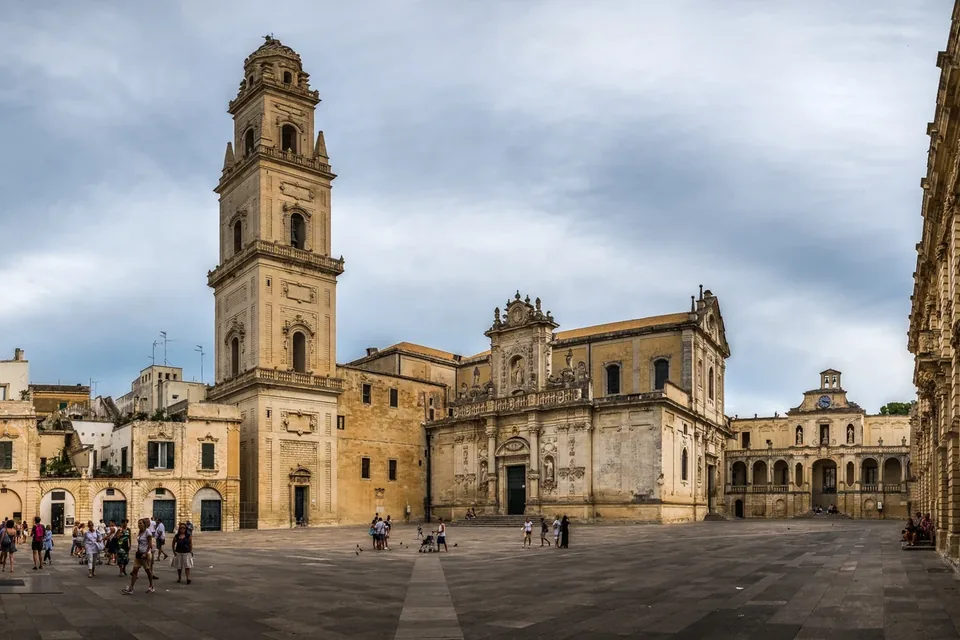
Lecce
Baroque architecture, papier-mâché and Salento food: a city of telling details.
Read the guide →Photo: Giuseppe Milo / Wikimedia Commons — CC BY 3.0 · Resized and converted to WebP.

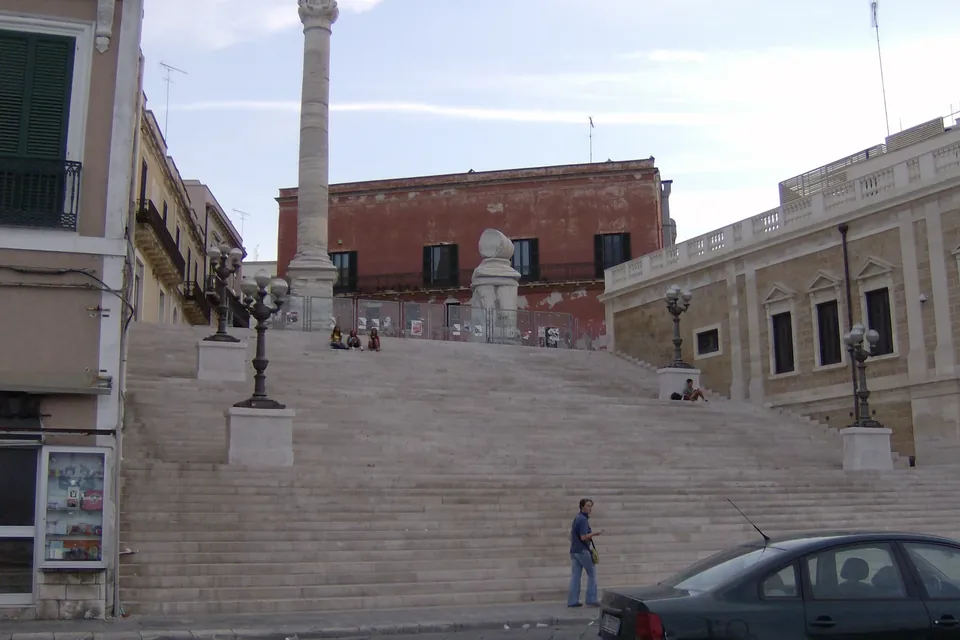
Brindisi
Brindisi: reading the city from its harbour. The Roman Columns above the Virgilian Steps, the castles built to defend the harbour and the Brindisi artichoke.
Read the guide →Photo: Zappuddu / Wikimedia Commons — Public domain · Resized and converted to WebP.

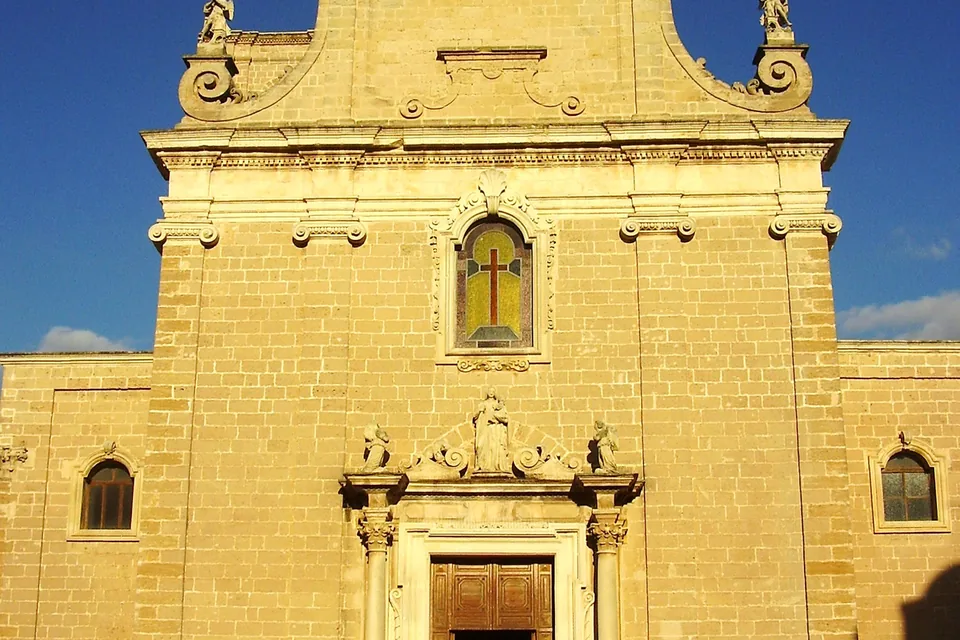
Novoli
Novoli (LE), Puglia: 7,508 residents, 18.04 km². The official facts of the municipality, its town council website and its registered accommodation.
Read the guide →Photo: Lupiae / Wikimedia Commons — CC BY-SA 3.0 · Resized and converted to WebP.

San Pietro Vernotico
San Pietro Vernotico (BR), Puglia: 12,843 residents, 46.97 km². The official facts of the municipality, its town council website and its registered accommodation.
Read the guide →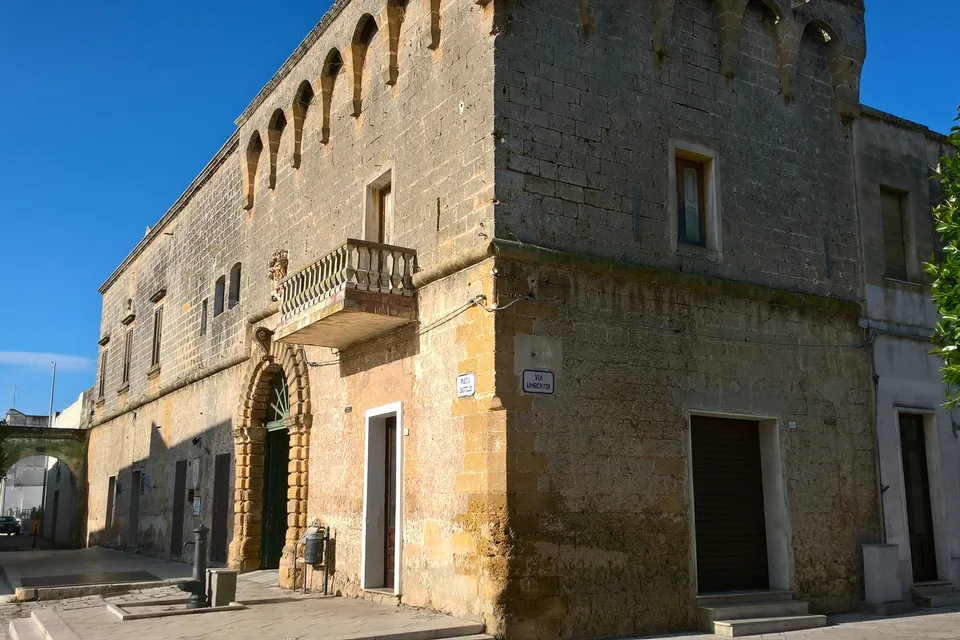
Torchiarolo
Torchiarolo (BR), Puglia: 5,303 residents, 32.46 km². The official facts of the municipality, its town council website and its registered accommodation.
Read the guide →Photo: Asia / Wikimedia Commons — CC BY-SA 4.0 · Resized and converted to WebP.

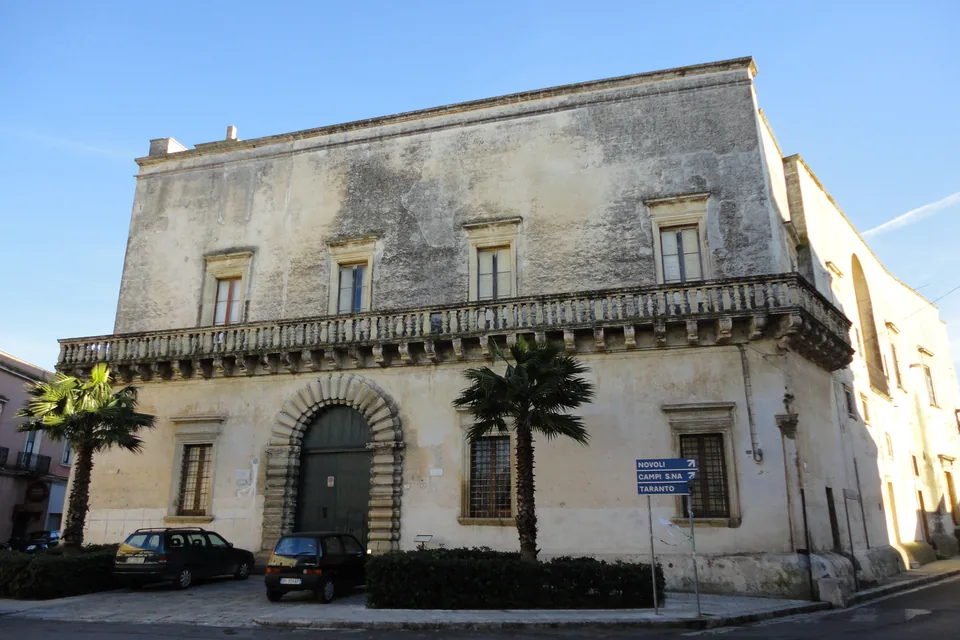
Trepuzzi
Trepuzzi (LE), Puglia: 13,727 residents, 23.74 km². The official facts of the municipality, its town council website and its registered accommodation.
Read the guide →Photo: Lupiae / Wikimedia Commons — CC BY-SA 3.0 · Resized and converted to WebP.

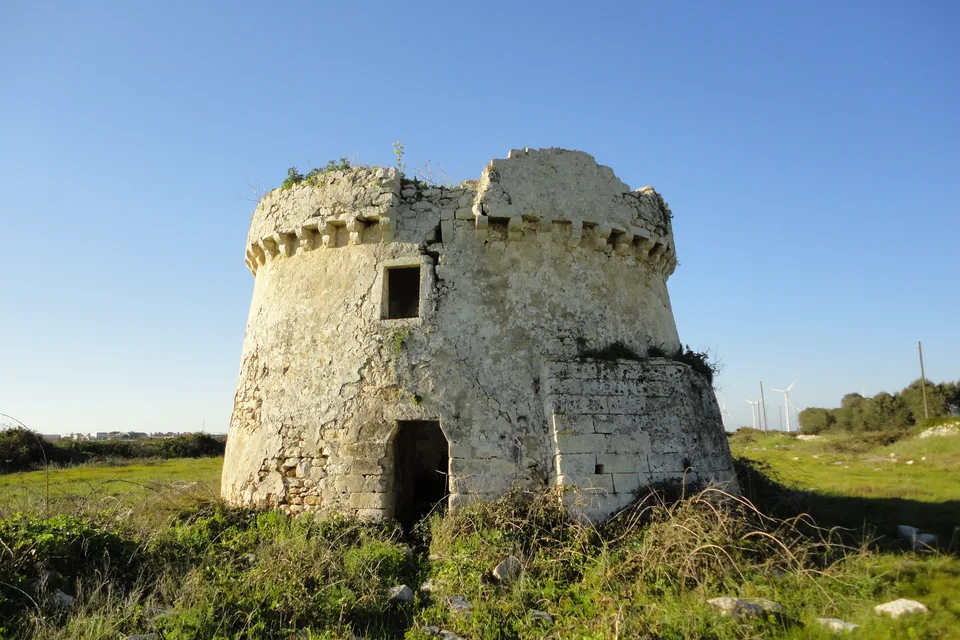
Surbo
Surbo (LE), Puglia: 14,517 residents, 20.66 km². The official facts of the municipality, its town council website and its registered accommodation.
Read the guide →Photo: Lupiae / Wikimedia Commons — CC BY-SA 3.0 · Resized and converted to WebP.

“Come to Squinzano as a guest, not as a tourist: that is how these places truly let you know them.”