Why go
Taranto stands on the Ionian Sea, at the innermost point of the gulf to which it gave its name, and is called the city of two seas: it is washed by the Mar Grande and by the Mar Piccolo, a semi-enclosed basin. The Ministry of Tourism notes that it was founded in 706 BC by Spartan colonists and that more than two and a half thousand years ago it was a rich, cultured and refined Greek polis, the most powerful overseas.
The first reason to come is MArTA, the National Archaeological Museum, which the regional tourism portal describes as keeper of one of the most important archaeological collections in Italy, including the famous Gold of Taranto. The second is the city itself, divided into three parts: the old town on the island, a tangle of lanes, stairways and palaces, with the Aragonese castle, the cathedral of San Cataldo and the columns of the Doric temple; the nineteenth-century grid-plan Borgo, reached across the swing bridge; and Porta Napoli to the north.
The third is the sea, enjoyed here in many ways: from the Cheradi islands to the Taranto mussel farmed in the Mar Piccolo, to the Holy Week rites that cross the old town. It is a city that offers ancient history, urban life and a waterscape on the same trip.
The Mar Piccolo, as described by the Water Research Institute of Italy's National Research Council (CNR), which has a station in Taranto, covers 20.72 km² and is split into two basins: the First Inlet, at most 12 metres deep, and the Second Inlet, at most 8. It connects with the Mar Grande through the Navigable Canal, man-made, 58 metres wide and 12 deep, and to a lesser degree through the natural channel of Porta Napoli. Submarine springs, called citri, feed it with fresh water at a constant 18 °C: in 1938, 20 were counted in the First Inlet and 14 in the Second.
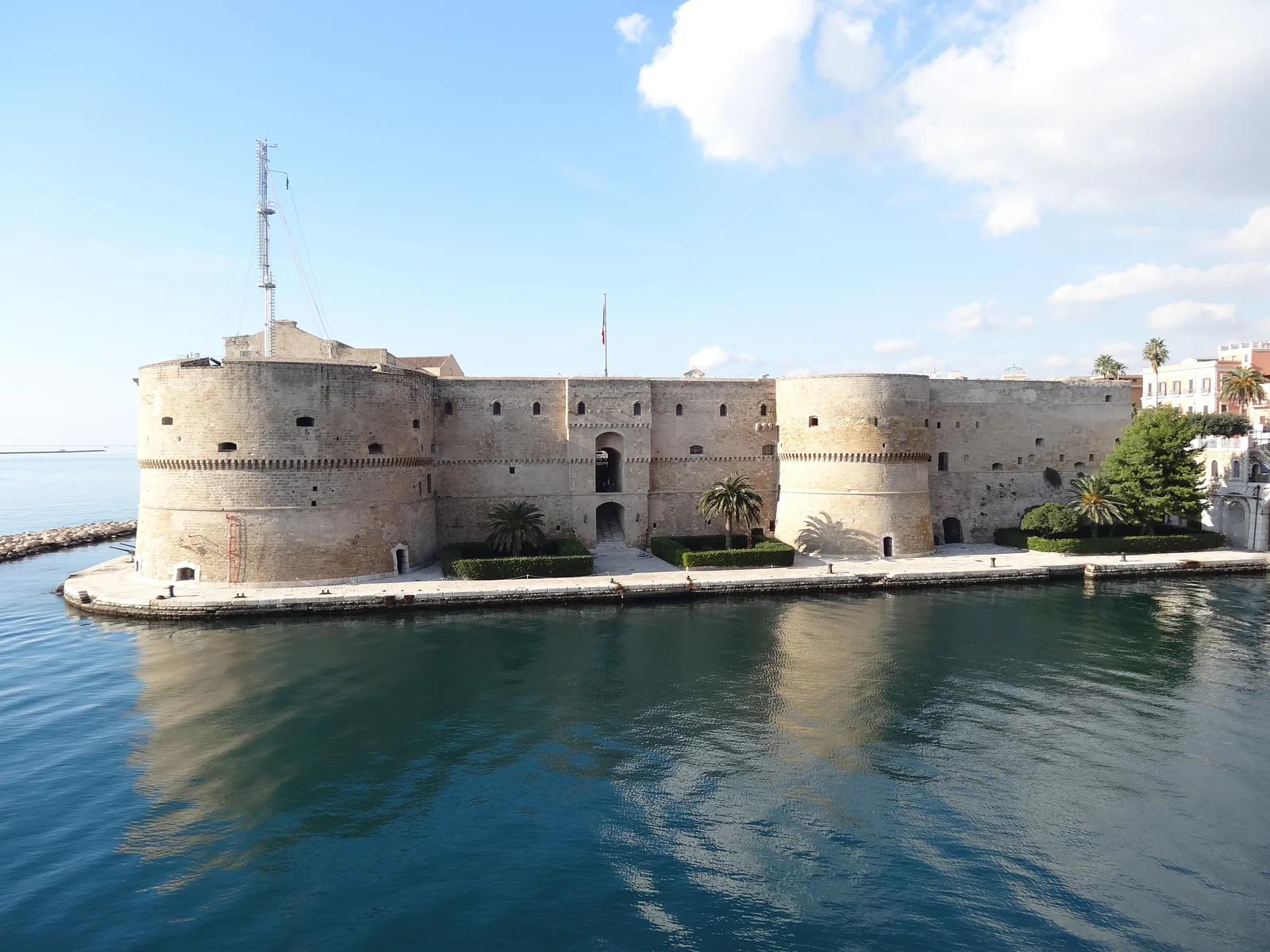
The port, explains the Port System Authority of the Ionian Sea, is made up of the Mar Grande roadstead and the inner inlet of the Mar Piccolo; the Italian Navy runs the Aragonese castle, which according to the city council is still an operational base. The striped dolphin lives in the gulf: a study published in 2023 in Frontiers in Marine Science analysed 88 samples collected between October 2020 and August 2021 across some 14,000 km² between Santa Maria di Leuca and Punta Alice, and found a genetic lineage of its own in the northern Ionian Sea.
Sources: Italia.it, Ministero del Turismo — Taranto · Viaggiare in Puglia, Regione Puglia — Taranto · Viaggiare in Puglia, Regione Puglia — Museo Nazionale Archeologico di Taranto - MArTA · IRSA-CNR, Talassografico «A. Cerruti»: IT22-M Mar Piccolo di Taranto (rete LTER Italia, 2021) · Autorità di Sistema Portuale del Mar Ionio: il porto · Comune di Taranto: Castello Aragonese · Frontiers in Marine Science (2023): la stenella striata nel golfo di Taranto
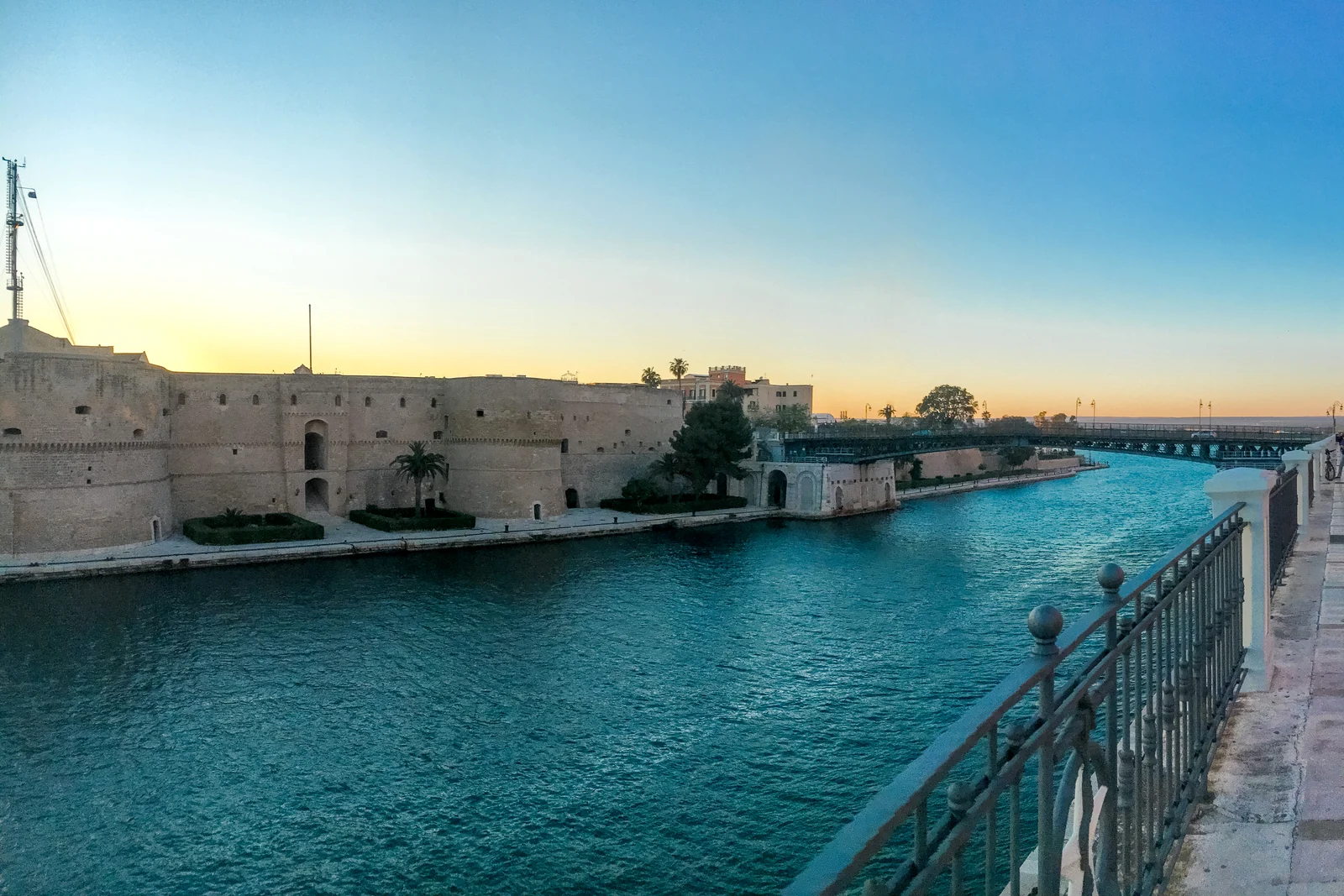
Photo: PhotoItaly / Wikimedia Commons — CC BY-SA 4.0 · Cropped, resized and converted to WebP.
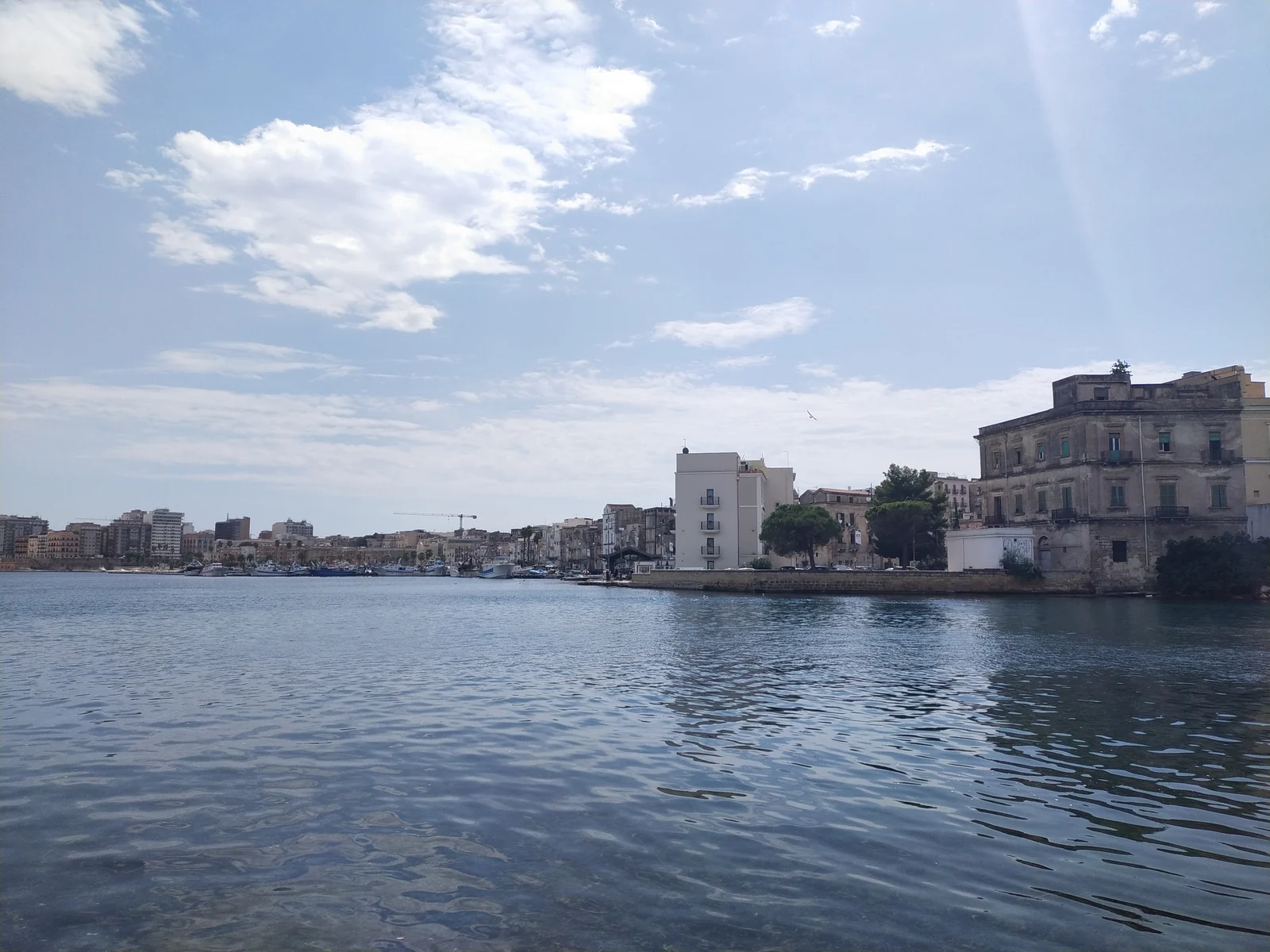
Photo: Luistxo / Wikimedia Commons — CC BY-SA 4.0 · Resized and converted to WebP.
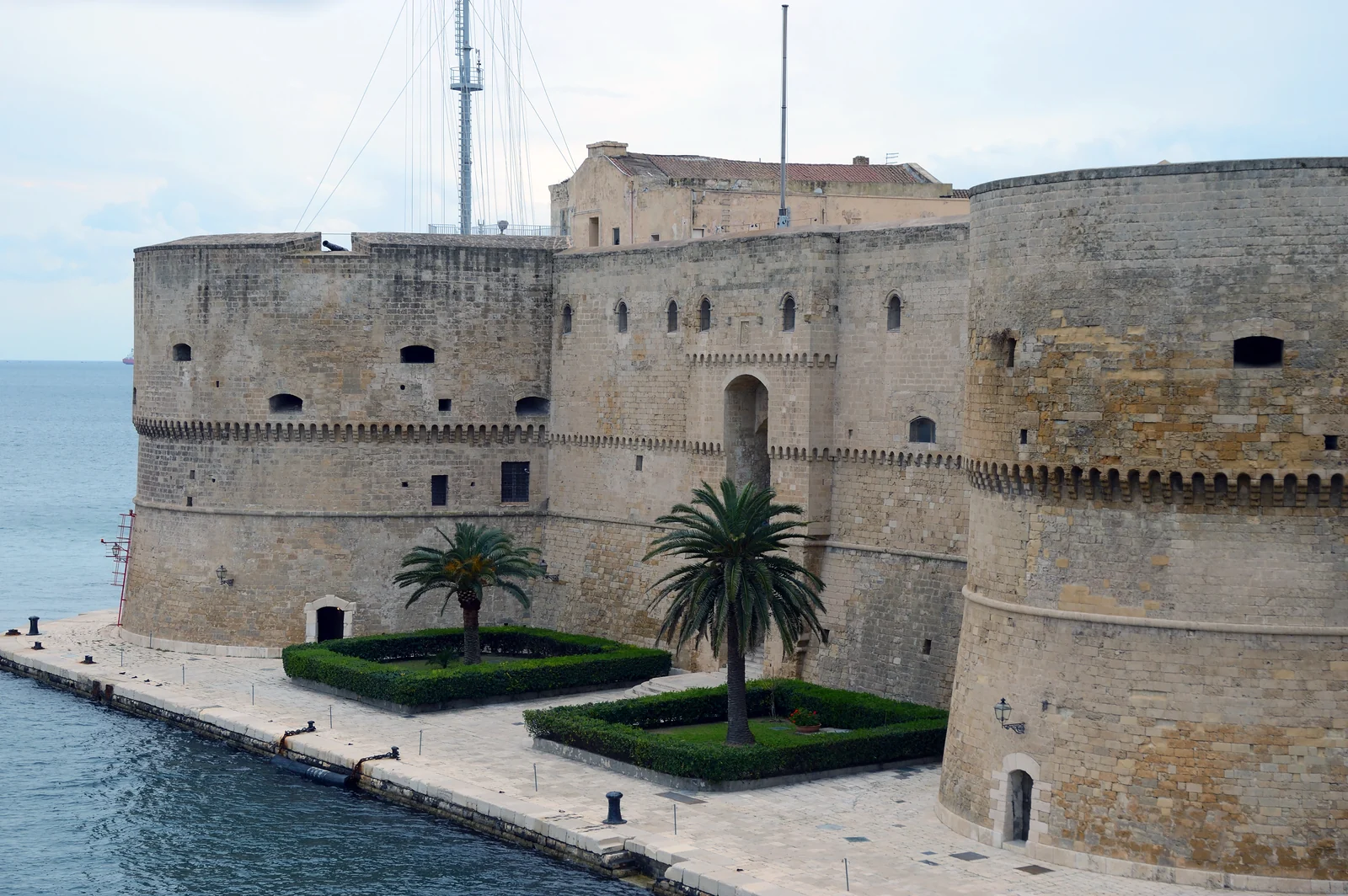
Photo: Livioandronico2013 / Wikimedia Commons — CC BY-SA 4.0 · Resized and converted to WebP.
History
The regional portal notes that Taranto was an important colony of Magna Graecia and that its history has built up in layers: beneath street level lie hypogea, necropolises, crypts and chamber tombs. In piazza Castello stand two Doric columns from the temple attributed to Poseidon, each 8.47 metres high, which the museum and the city council date to the early sixth century BC; in the tenth century the area is thought to have housed a Christian place of worship.
The old town, the Ministry of Tourism explains, is called the island because it grew on the artificial island created in 1480 by cutting the isthmus that joined it to the mainland. The Aragonese castle, according to the Italian Navy that manages it, is the rebuilding of an earlier Norman-Swabian-Angevin fortification: Ferdinand of Aragon had it rebuilt between 1487 and 1492 following the principles, perhaps the design, of Francesco di Giorgio Martini, with five round towers lower and more massive than before, able to withstand the new artillery.
After the unification of Italy the Borgo was built on a grid plan. The swing bridge, opened in 1887 and renewed in 1958, opens with two arms to let ships through to the Mar Piccolo.
The MArTA dates the founding to 706 BC and calls Taranto the only Spartan colony of Magna Graecia: according to tradition it was founded by the Partheniai, the "sons of the maidens" born during the wars between Sparta and Messenia, sent west with the approval of the oracle of Delphi under the leadership of Phalanthos. Taras took its name from a river and from the hero, son of Poseidon and the nymph Satyria, shown riding a dolphin on the city's coins. The museum and the city council date the Doric temple in Piazza Castello to the early sixth century BC, among the first stone buildings of the Greek West; the council attributes it to a female deity. The final Roman conquest came in 209 BC.
Beneath the convent of San Domenico, the city council explains, traces of a Neolithic settlement of the sixth to fourth millennium BC have come to light, together with the remains of the colonnade of a sixth-century BC temple. The convent stands on the monastery of San Pietro Imperiale, recorded from the ninth century. In the Byzantine period Nikephoros II Phokas enlarged the city with land reclaimed from the sea, where Piazza Fontana opens today.
General Alexandre Dumas, the writer's father, was held prisoner in the castle in 1799 and 1800, the city council recalls. The Italian Navy reports that in November 2003 the exploration of the crypt of the chapel of San Leonardo uncovered a grain silo, thirteenth- and fourteenth-century pottery and a coin of Frederick II dated 1245. In 1883 the tower of Sant'Angelo was pulled down to make way for the first swing bridge; in the same year, after a flood had destroyed the seven-arched Byzantine bridge, the stone bridge was built, 115 metres long on three arches.
On Corso Due Mari the Monument to the Sailor, about 7 metres high, made in 1974 by Vittorio Di Cobertaldo, honours the sailors who died in the Second World War, and in particular on the "Night of Taranto" of 11 November 1940.
Sources: Viaggiare in Puglia, Regione Puglia — Taranto · Viaggiare in Puglia, Regione Puglia — Colonne doriche del Tempio di Poseidone · Italia.it, Ministero del Turismo — Taranto · Marina Militare — Storia del Castello Aragonese · Viaggiare in Puglia, Regione Puglia — Ponte girevole · MArTA: Taranto dalla fondazione alla conquista romana · Comune di Taranto: Colonne doriche · Comune di Taranto: Chiostro di San Domenico · Comune di Taranto: Piazza Fontana · Comune di Taranto: Castello Aragonese · Marina Militare: il Castello Aragonese di Taranto · Comune di Taranto: Ponte di Pietra · Comune di Taranto: Monumento al Marinaio
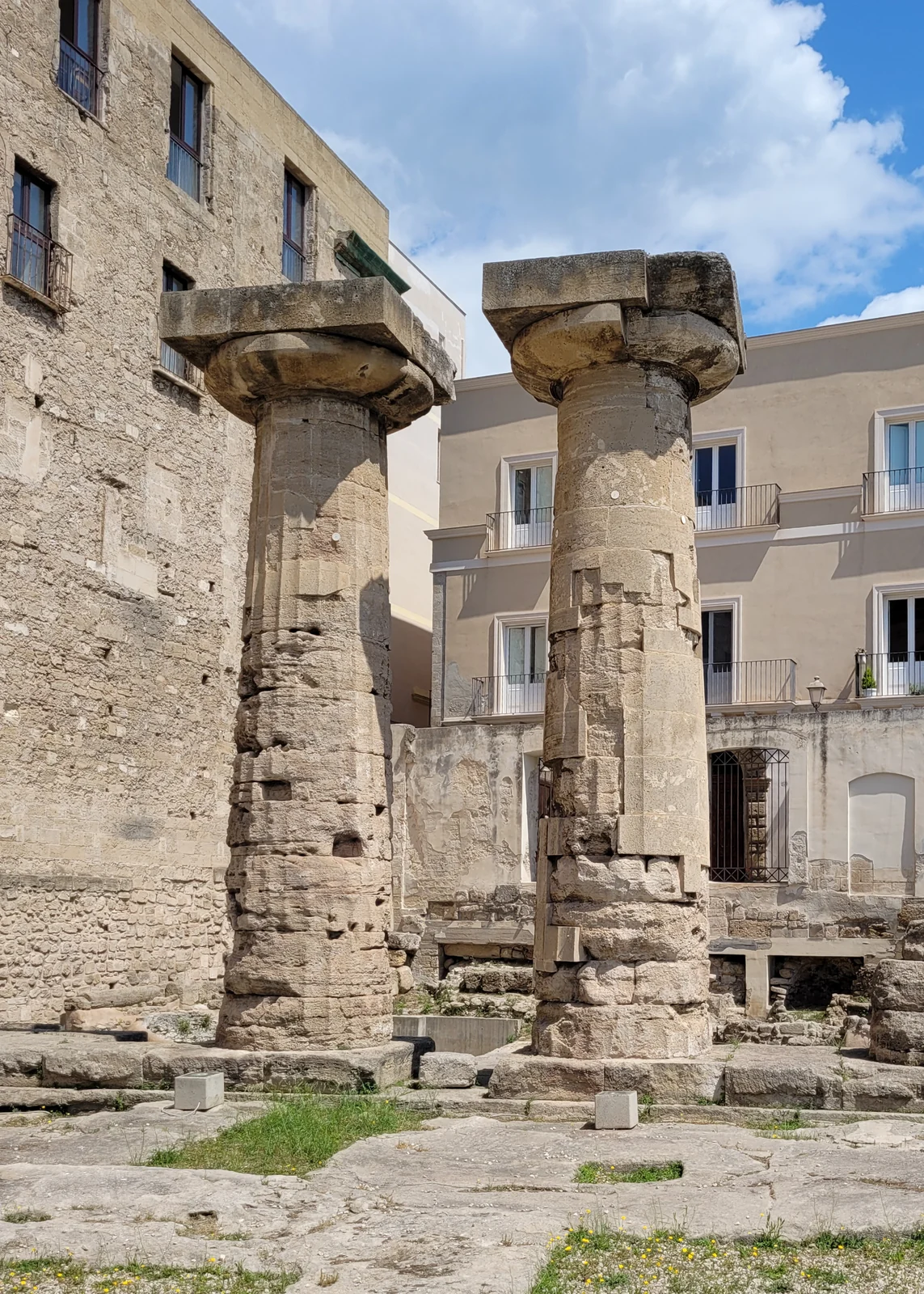
Photo: Bernard Gagnon / Wikimedia Commons — CC0 · Resized and converted to WebP.
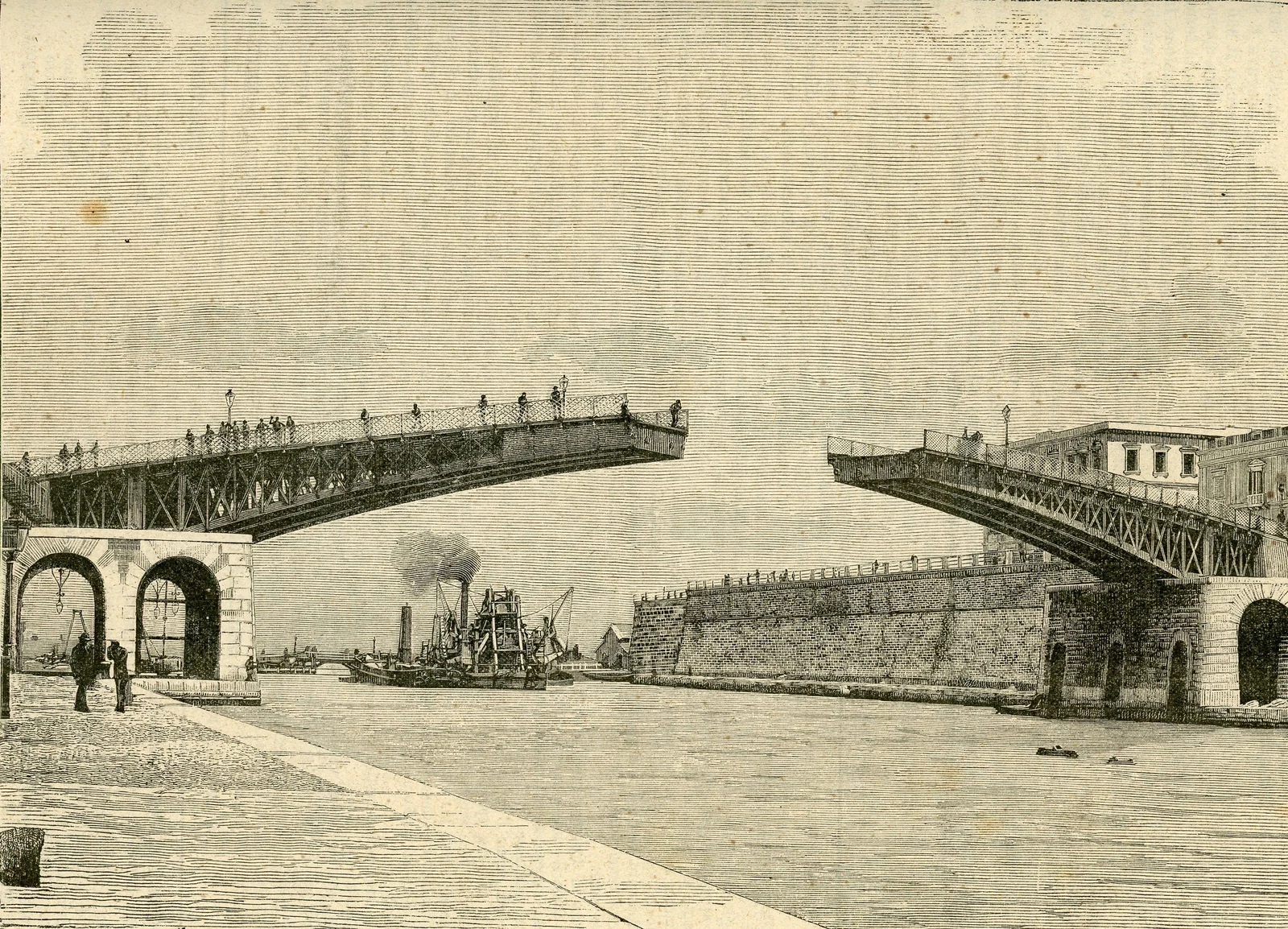
Photo: Unknown author / Wikimedia Commons — Public domain · Resized and converted to WebP.
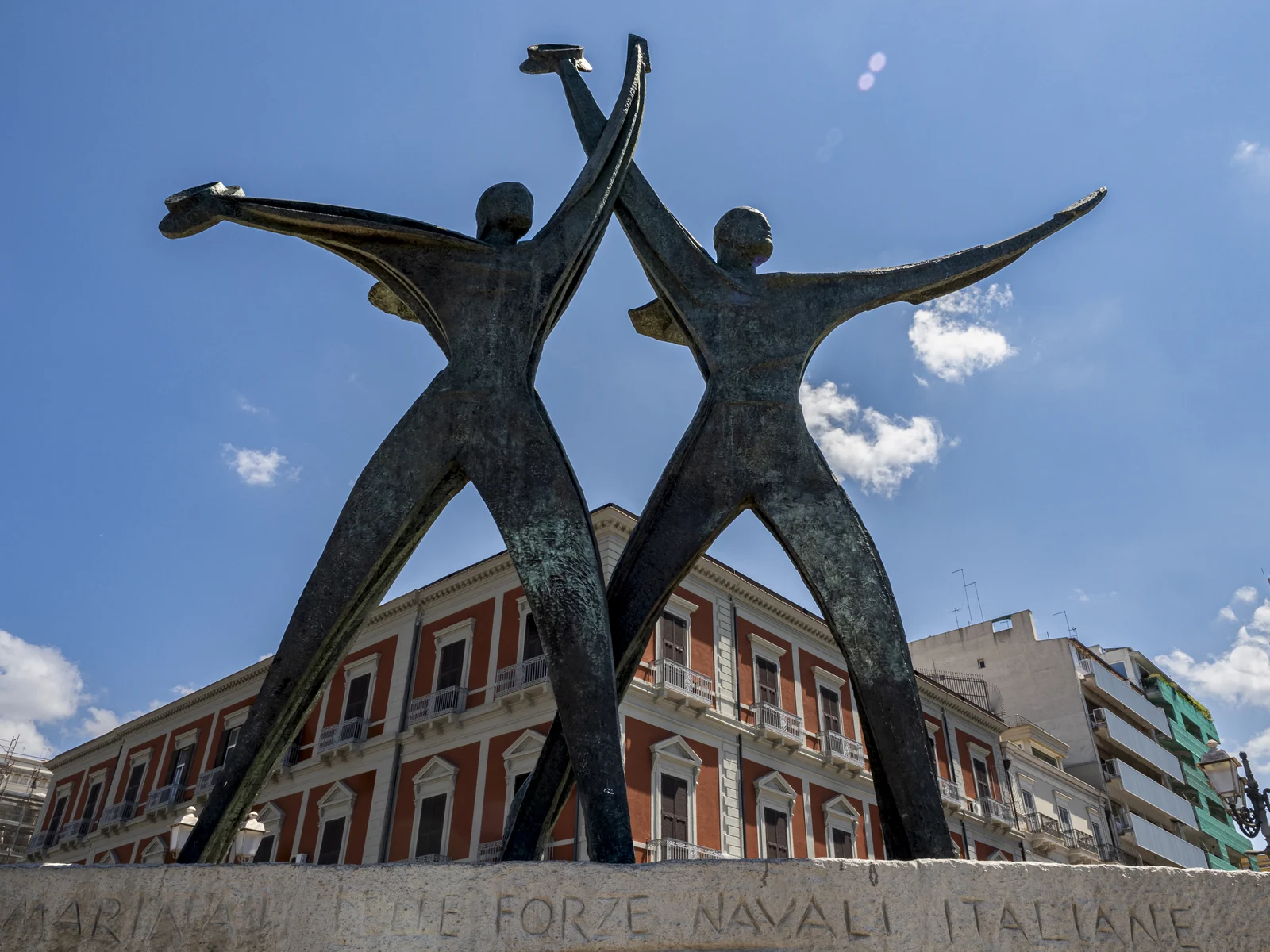
Photo: Eziobruno / Wikimedia Commons — CC BY-SA 4.0 · Resized and converted to WebP.
What to see
MArTA is housed in the former convent of San Pasquale di Babylon, near the gardens of piazza Garibaldi. The route follows a chronological order from the fifth millennium BC to the Middle Ages, with more than two hundred thousand finds including sculpture, figured terracottas, objects of daily life and funerary rites, and the treasure of the Gold of Taranto, Hellenistic goldwork from grave goods. Among its most refined objects the museum tells the story of a box mirror from the Tomb of the Gold, combining silver, a thin gold leaf and a relief scene with a female figure, a theatre mask and musical instruments.
In the old town, the cathedral of San Cataldo has an eighteenth-century baroque façade and an eighty-four-metre, three-aisled interior, with the frescoed great chapel where the patron's remains rest and a cross-shaped crypt with thirteenth-century frescoes. The Diocesan Museum, in the former Seminary, displays more than three hundred works from the seventh to the twentieth century.
The Aragonese castle, home to the Italian Navy, is open for guided visits. Beneath Palazzo De Beaumont, the Bellacicco hypogeum descends to twelve metres and documents the city's phases from its Spartan foundation to the modern age; at Palazzo Pantaleo, the Majorano Ethnographic Museum tells of daily life and the rites of Holy Week.
The MArTA opened in 1887 in the former convent of the Alcantarine friars, built in the mid-eighteenth century: Luigi Viola, sent by Giuseppe Fiorelli, was following the excavations for the new Borgo and the Arsenal, and the museum was the first "territorial" museum of Apulia. Among its masterpieces is the Tomb of the Athlete, a young man who died at the time of the Persian Wars (about 490-480 BC), found in 1959 in Via Genova: his carparo sarcophagus held four Panathenaic amphorae, the prize of the games in Athens, painted with the chariot race, boxing, the long jump and the discus. The Gold of Taranto, made between the fourth and the first century BC with filigree and granulation, comes mostly from tombs; an analysis by the University of Salento measured one alloy at 96.3% gold, 2.8% silver and 0.9% copper. The museum also shows the Zeus of Ugento and the Venuses of Parabita.
The city council notes that the cathedral was first dedicated to Mary Magdalene. The façade is by Mauro Manieri (1713); inside are ancient Greek and Roman columns, the coffered ceiling and fragments of the mosaic floor signed by Petroius between 1163 and 1165. The great chapel of San Cataldo, elliptical in plan, is lined with inlaid marble and frescoed by Paolo De Matteis; the saint's relics were found in 1071. The chapel of the Blessed Sacrament holds statues by Giuseppe Sammartino, the sculptor of the Veiled Christ.
The MuDi diocesan museum, in Vicolo I Seminario, has seven sections on three levels and, according to the city council, more than 350 works from the seventh century onwards, among them the treasure of San Cataldo with the small gold cross found on the saint's chest in 1071. In the old town, Palazzo Pantaleo was built between 1770 and 1773 and keeps "riggiole" tiled floors from the kilns of Vietri; the Clock Tower in Piazza Fontana has a clock by E.O. Caccialupi that is still wound by hand every day; along Via Cava open medieval underground rooms once used as oil mills, cellars and granaries. The church of San Domenico, Romanesque-Gothic and completed around 1360, is reached by a staircase built towards the end of the eighteenth century. The Majorano museum, in Palazzo Pantaleo, keeps the evidence of tarantism gathered by Alfredo Majorano, who studied it before Ernesto de Martino.
The Cloister of San Domenico, in Via Duomo, has free admission according to the city council. The castle can be seen on free guided tours booked with the Italian Navy on 099 7753438; the entrance is from the Ponte dell'Avanzata. At the MArTA pushchairs are welcome and guide dogs may enter on a lead and muzzled, with a day's notice to the museum; selfie sticks are not allowed.
Sources: Viaggiare in Puglia, Regione Puglia — Museo Nazionale Archeologico di Taranto - MArTA · MArTA — Specchio a teca dalla Tomba degli Ori · Viaggiare in Puglia, Regione Puglia — Cattedrale di San Cataldo · Viaggiare in Puglia, Regione Puglia — MuDi - Museo Diocesano di Taranto · Viaggiare in Puglia, Regione Puglia — Castello Aragonese di Taranto · Viaggiare in Puglia, Regione Puglia — Museo spartano di Taranto - Ipogeo Bellacicco · Viaggiare in Puglia, Regione Puglia — Museo Etnografico Alfredo Majorano · MArTA: storia del Museo nazionale di Taranto · MArTA: la Tomba dell'Atleta · MArTA: anfore panatenaiche dalla Tomba dell'Atleta · MArTA: orecchino a navicella in oro · MArTA: analisi archeometriche degli Ori di Taranto · MArTA, Museo Archeologico Nazionale di Taranto: sito ufficiale · Comune di Taranto: Basilica Cattedrale di San Cataldo · Comune di Taranto: MuDi, Museo Diocesano · Comune di Taranto: Palazzo Pantaleo · Comune di Taranto: Torre dell'Orologio · Comune di Taranto: Via Cava · Comune di Taranto: Chiesa di San Domenico · Comune di Taranto: Museo etnografico Alfredo Majorano · Comune di Taranto: Chiostro di San Domenico · Comune di Taranto: Castello Aragonese · Marina Militare: il Castello Aragonese di Taranto · MArTA: informazioni utili e regolamento di visita · MArTA: orari e tariffe
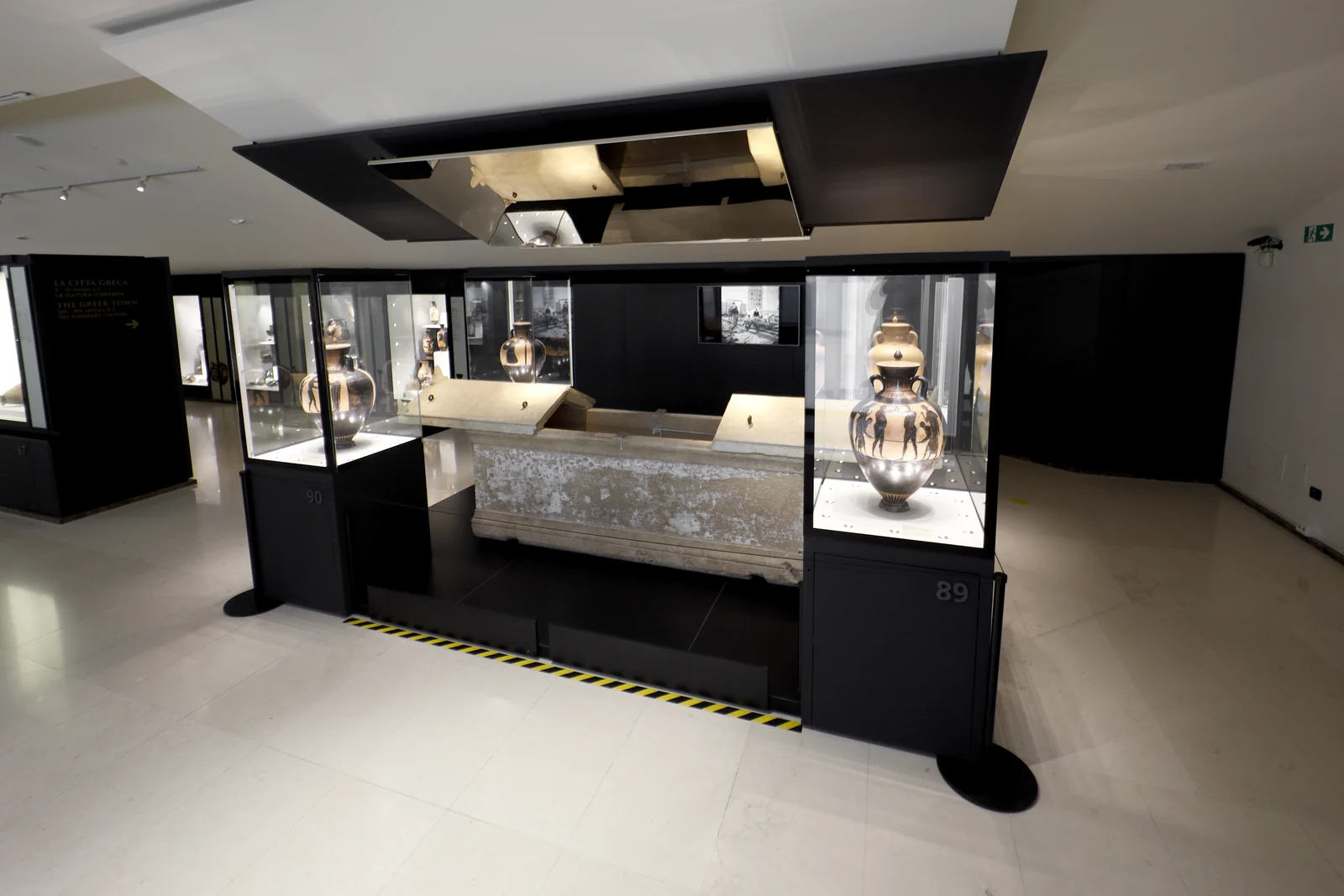
Photo: Fabrizio Garrisi / Wikimedia Commons — CC BY-SA 4.0 · Resized and converted to WebP.
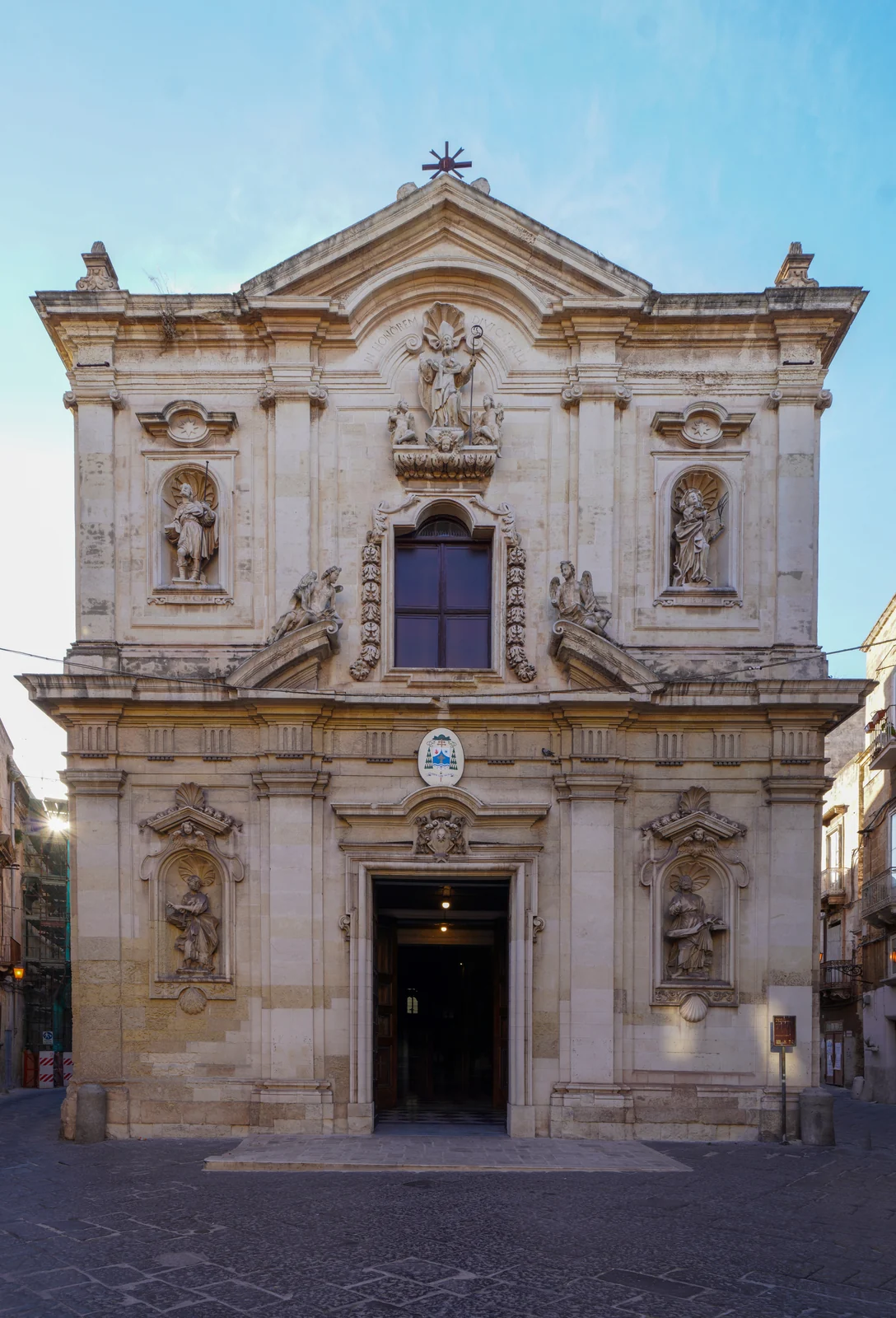
Photo: ParisTaras / Wikimedia Commons — CC BY-SA 4.0 · Resized and converted to WebP.
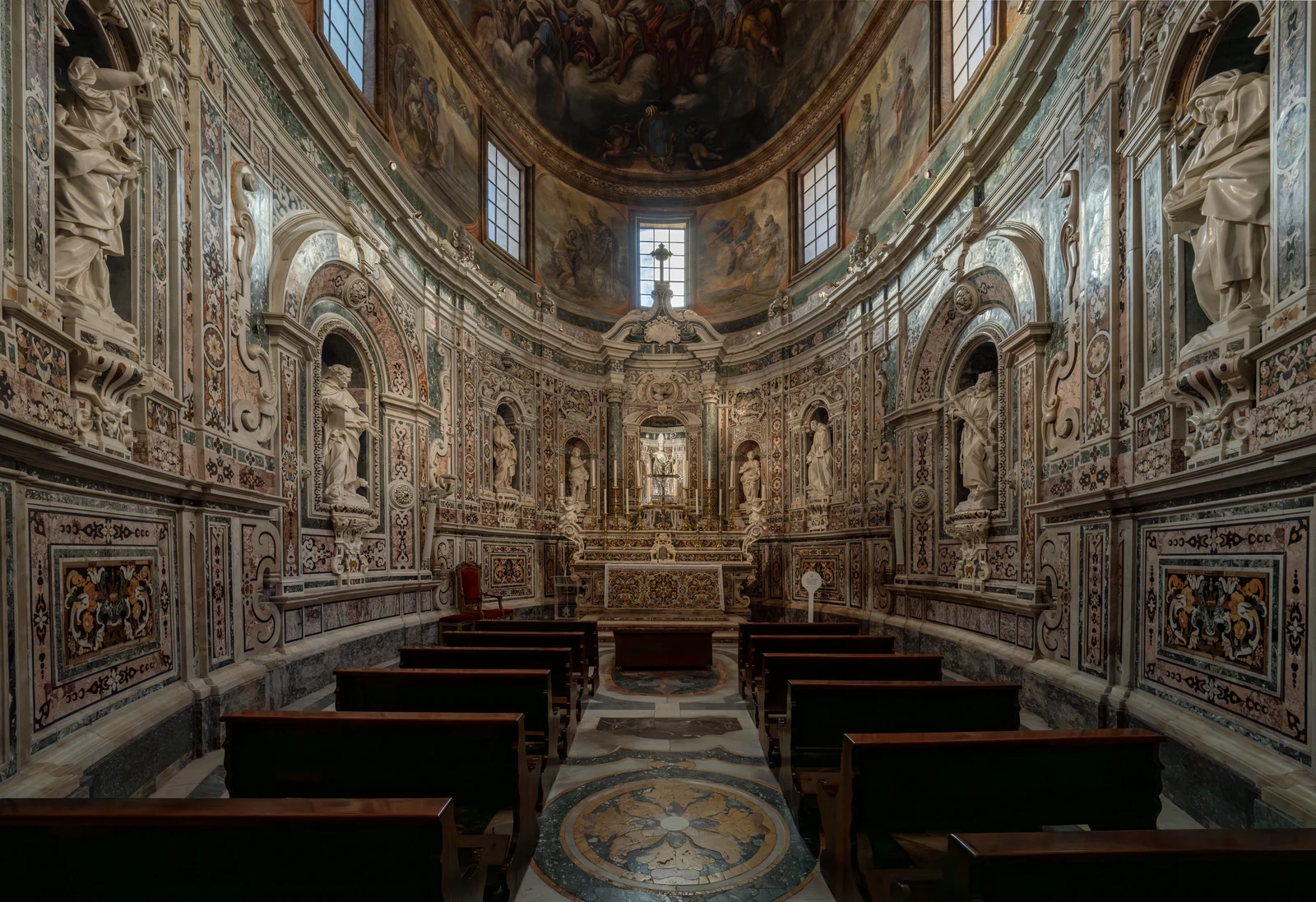
Photo: FalantoTaras / Wikimedia Commons — CC BY 4.0 · Resized and converted to WebP.
Food and wine
In the city of two seas the star of the table is the Taranto mussel, the regional portal notes, eaten both cooked and raw. Mussel farming in Taranto dates back at least to the Middle Ages; the flavour also comes from the meeting, in the Mar Piccolo, of salt water and fresh water from the undersea springs called 'citri'. The Slow Food Foundation has established the Presidium of the black Taranto mussel, which calls for compostable nets and indicates spring and summer as the selling season.
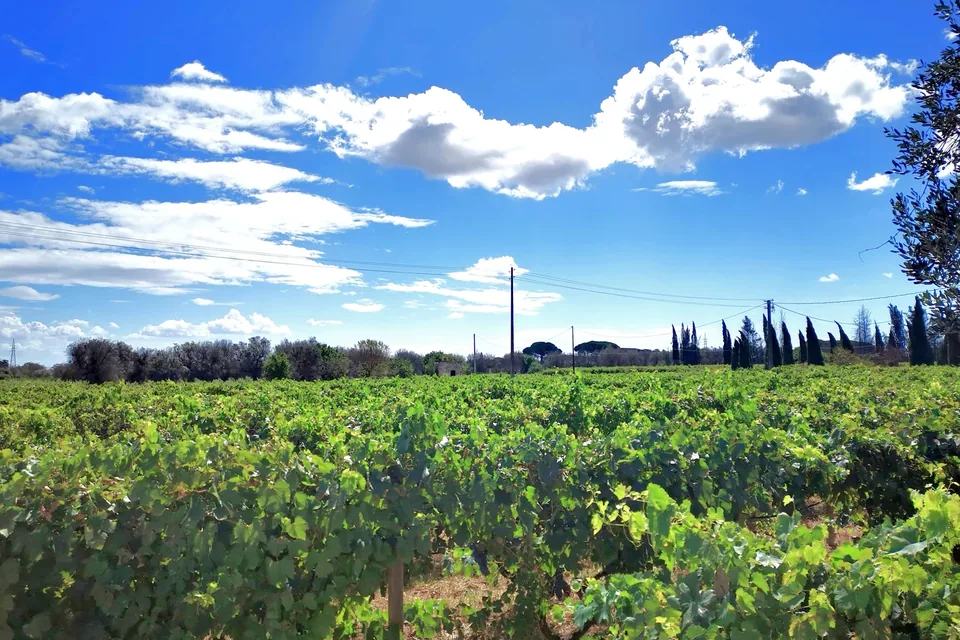
From the countryside of the Ionian arc come the Clementine del Golfo di Taranto PGI, grown between Palagiano, Massafra, Ginosa, Castellaneta, Palagianello, Taranto and Statte: seedless or nearly seedless fruit of varieties such as Comune, Fedele and Precoce di Massafra.
The Majorano Ethnographic Museum keeps objects linked to the sea and daily work, useful for understanding a cuisine built on fish, vegetables and preserving. A stop at a restaurant in the old town or on the seafront lets you taste mussels in a preparation that shows off their flavour and texture.
Mussel farming, writes the CNR's water research institute, is the oldest activity in the Mar Piccolo. Until 2011 the output of the whole basin was estimated at about 60,000 tonnes a year; when PCBs in the flesh of shellfish from the First Inlet rose above the legal limit, farming adult mussels there was banned and only the production of "seed" was allowed, about 7 tonnes a year. Mussels of market size now grow in the Second Inlet, about 50,000 tonnes a year.
Groundwater, the CNR's hydrogeological institute has calculated, brings an average of 107 million cubic metres a year into the Mar Piccolo, 75 of them from the main springs; this is why its average salinity stays lower than that of the open sea nearby.
Sources: Viaggiare in Puglia, Regione Puglia — Taranto · Fondazione Slow Food — Cozza nera tarantina · Commissione europea, eAmbrosia — Clementine del Golfo di Taranto IGP · Viaggiare in Puglia, Regione Puglia — Museo Etnografico Alfredo Majorano · IRSA-CNR, Talassografico «A. Cerruti»: IT22-M Mar Piccolo di Taranto (rete LTER Italia, 2021) · CNR-IRPI: quanto le peculiarità del Mar Piccolo dipendono dalle acque sotterranee
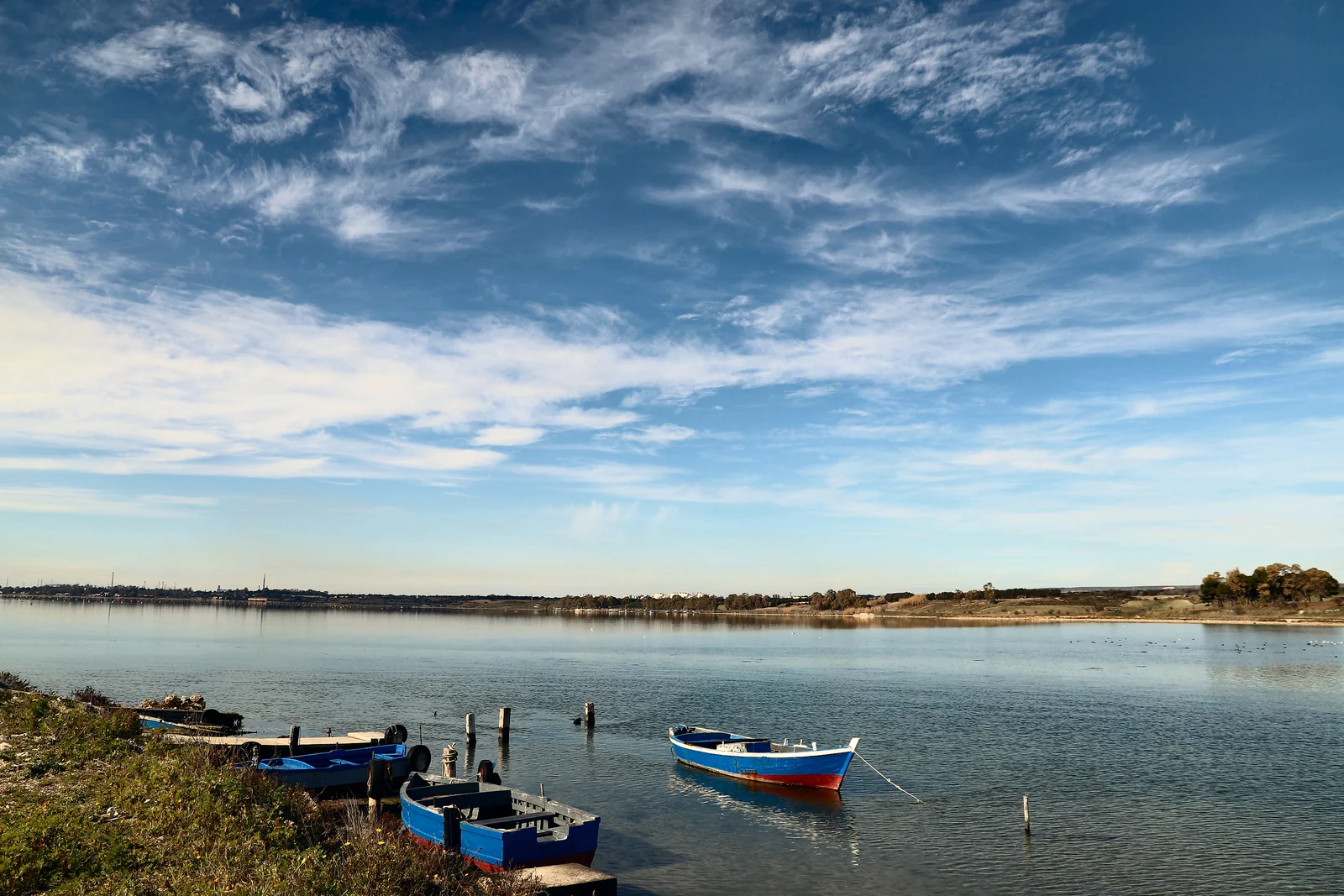
Photo: ORODEM / Wikimedia Commons — CC BY-SA 4.0 · Resized and converted to WebP.
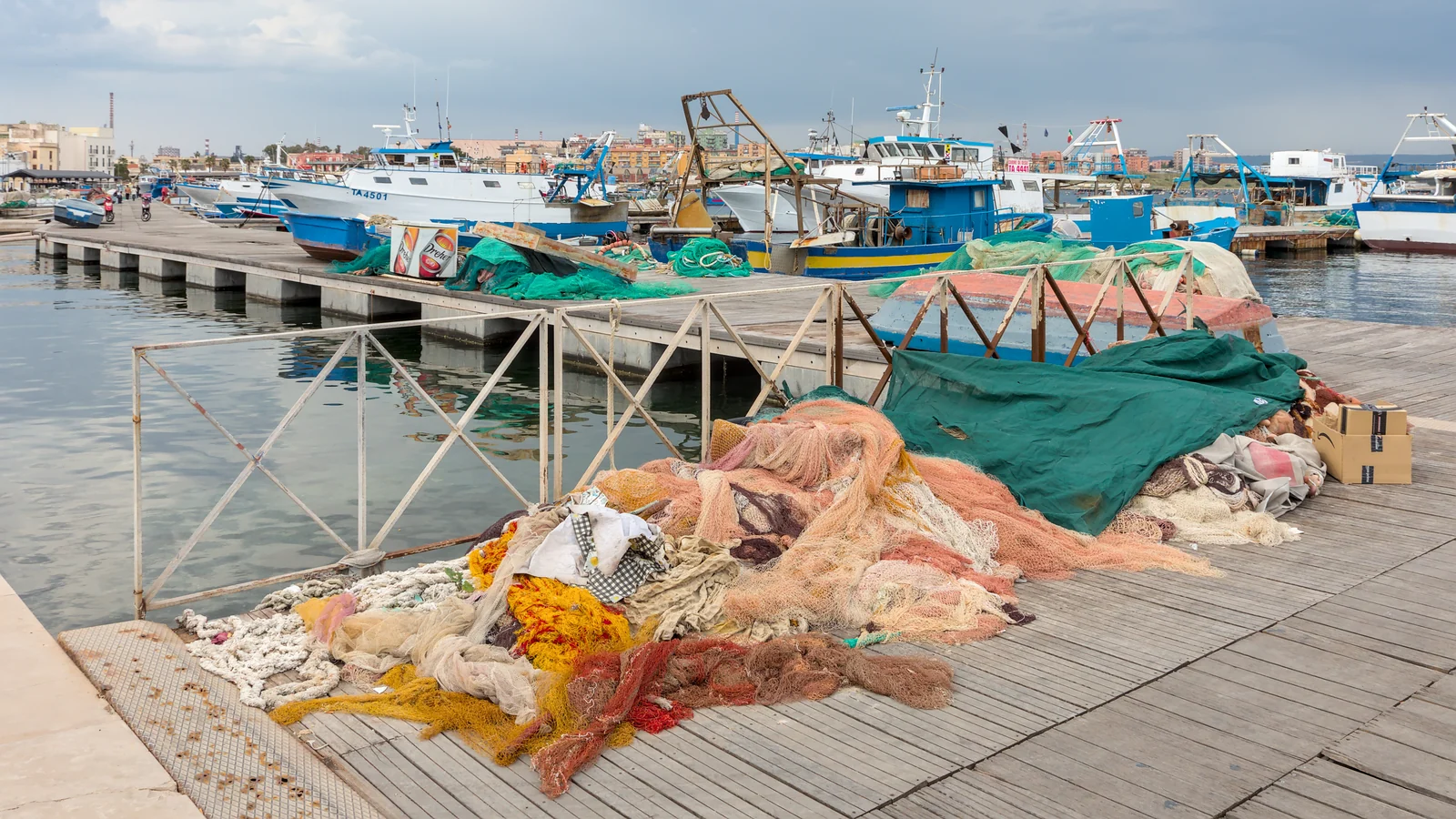
Photo: Benjamin Smith / Wikimedia Commons — CC BY-SA 4.0 · Resized and converted to WebP.
Things to do
A walk can start in the Borgo, cross the swing bridge and enter the old town, past the castle, the Doric columns, via Duomo and the cathedral; the regional portal points to several craft workshops along via Cava. The seafront of corso Vittorio Emanuele II, the Ministry of Tourism notes, offers views over the Mar Grande and the Cheradi islands.
The sea offers different outings. The Cheradi islands, San Pietro and San Paolo, close the Mar Grande roadstead on the side of the open Gulf of Taranto: they are reached by a boat service, and San Pietro, the larger at 117 hectares, has fine sandy beaches and a pine wood. The regional portal also mentions boat cruises and water sports along the shore.
Nature is close to the city. The Palude La Vela oasis, on the shores of the Mar Piccolo, protects about seven hectares of reed beds and marshes frequented by herons, egrets, flamingos and black-winged stilts. Villa Peripato, the green lung overlooking the Mar Piccolo, combines a garden of Aleppo pines and holm oaks with remains of the ancient Greek and Roman city.
Kyma Mobilità, the city council's public transport company, takes the motor ships Adria and Clodia out from Piazzale Democrate. The tourist service crosses the Mar Piccolo and the Mar Grande with a guide on board, and the Kyma Mobilità Tour Due Mari app follows the route with an audio guide. During the bathing season, in 2026 from 1 June to 15 September, a line runs to the island of San Pietro, where the Italian Navy runs a beach partly open to the public: the return ticket is bought together with the beach admission and carries the passenger's name, children under six travel free with a paying adult, and no animals are allowed on the island.
In the evening, the Teatro Fusco, born as one of the city's first wooden cinemas, rebuilt in masonry in 1927 and reopened in Art Deco style at the end of 1928, has been Taranto's first municipal theatre since 30 December 2019. The Cinema Teatro Orfeo, opened in 1952, hosts films, plays and concerts. The Parco della Musica, in the former Cattolica barracks on Via Di Palma, opened on 8 March 2024 and is free to enter.
For sport, the Erasmo Iacovone stadium, opened in 1965 and named in 1978 after the footballer Erasmo Iacovone, was rebuilt for the 20th Mediterranean Games, Taranto 2026, with about 20,000 seats, and hosted their opening ceremony; Taranto FC 1927 plays there. The Giuseppe Valente athletics stadium, in the Salinella district, opened on 28 June 2024 with a stand for up to 5,000 spectators; the PalaMazzola, opened in 2004 where the Mazzola stadium stood, seats 3,500; the Mediterraneo Village pool, on Via F. Bruno, has eight 25-metre lanes. In the Borgo the gardens of Piazza Garibaldi, with the Liberty-style bandstand by Ettore Marchi, are free and accessible by ramps.
Sources: Viaggiare in Puglia, Regione Puglia — Taranto · Italia.it, Ministero del Turismo — Taranto · Viaggiare in Puglia, Regione Puglia — Isole Cheradi · Viaggiare in Puglia, Regione Puglia — Riserva naturale regionale Palude La Vela · Viaggiare in Puglia, Regione Puglia — Villa Peripato · Kyma Mobilità: il servizio idrovie · Kyma Mobilità: tariffe e agevolazioni idrovie · Comune di Taranto: Teatro comunale Fusco · Comune di Taranto: Cinema Teatro Orfeo · Comune di Taranto: Parco della Musica · Comune di Taranto: Stadio Erasmo Iacovone · Comune di Taranto: Stadio di atletica leggera Giuseppe Valente · Comune di Taranto: PalaMazzola · Comune di Taranto: piscina Mediterraneo Village · Comune di Taranto: Giardini di Piazza Garibaldi
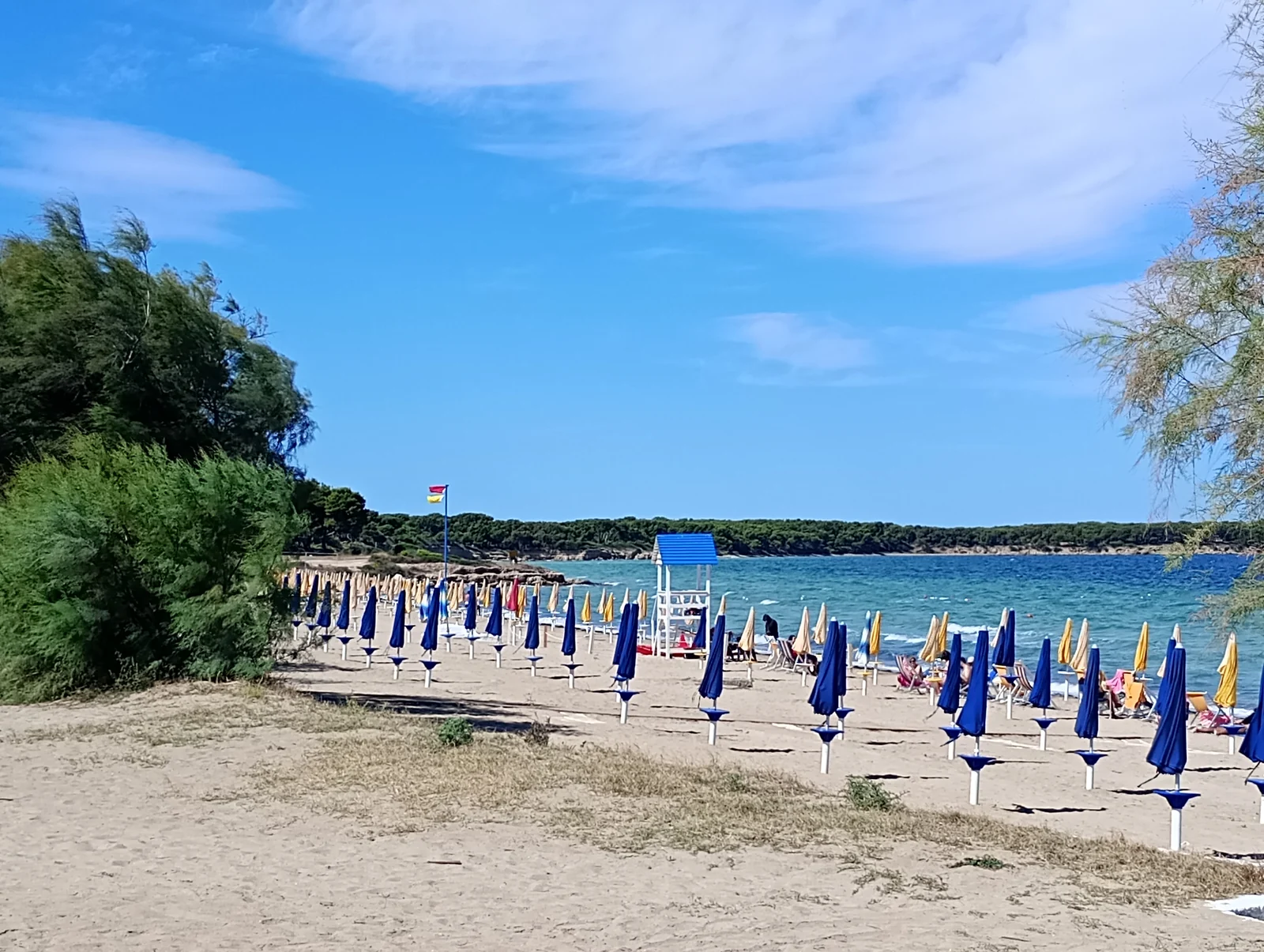
Photo: Mastrocom / Wikimedia Commons — CC BY-SA 4.0 · Resized and converted to WebP.
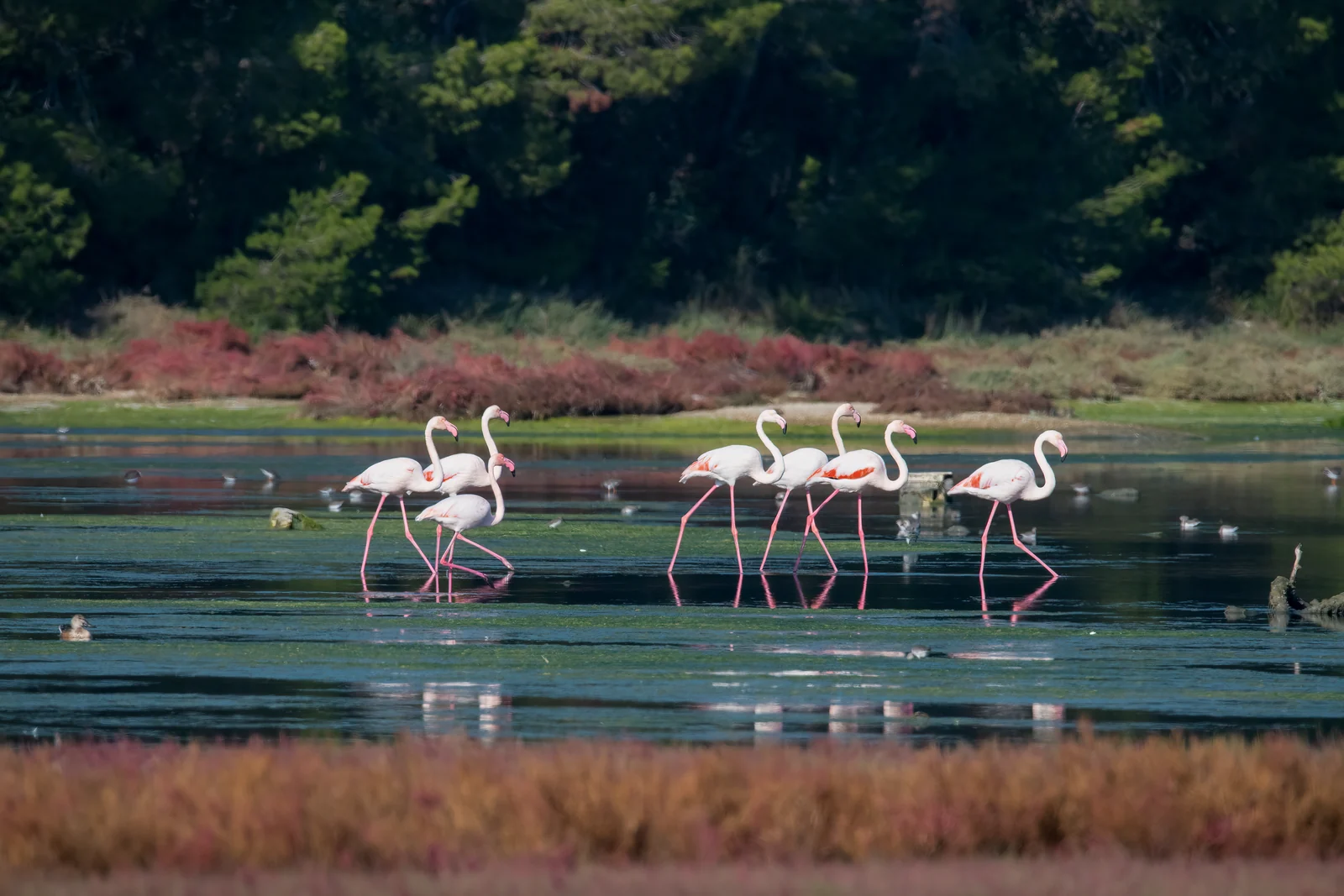
Photo: Roberto Strafella / Wikimedia Commons — CC BY-SA 4.0 · Resized and converted to WebP.
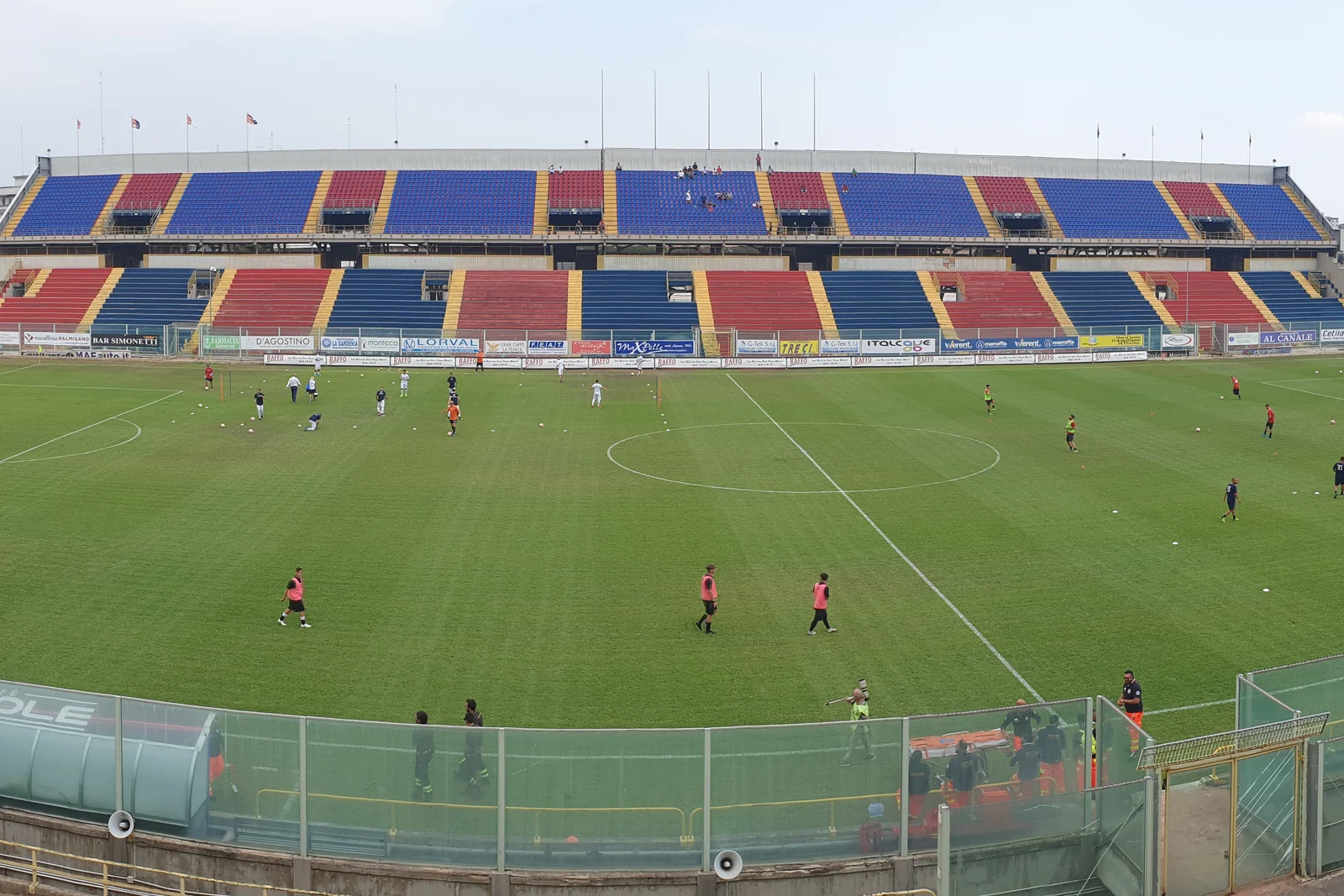
Photo: New2021 / Wikimedia Commons — CC BY-SA 4.0 · Cropped, resized and converted to WebP.
When to go
The most intense moment of the year is Holy Week. The regional portal describes the Easter rites kept alive by the ancient confraternities: on Good Friday the procession of the Mysteries carries the statues through the streets of the old town at a very slow pace, led by the 'Perdune', the hooded members of the Carmine confraternity. The Majorano Ethnographic Museum devotes a section to the symbols and ritual garments of the confraternities.
In May, according to the regional portal, the patronal feast of San Cataldo is celebrated from the 8th to the 10th: after the keys of the city are handed to the saint, boats from the different districts race in a regatta.
Summer is the season of the Cheradi islands, open for swimming, and of boat trips; spring and autumn are ideal for walking the old town, visiting the museums calmly and birdwatching at Palude La Vela. According to Slow Food, Presidium mussels are on sale in spring and summer. In winter Taranto remains a destination for those travelling for archaeology.
The Carmine confraternity describes its rite. At 3 pm on Maundy Thursday the brothers, barefoot, hoods down over their faces, wearing hats and carrying staffs, begin the pilgrimage to the Altars of Repose in the churches of the Borgo and the old town, with the swaying step the people of Taranto call "nazzecata"; they return around midnight and start again at dawn on Good Friday until about 11. Since just after the Second World War the Carmine has been the only confraternity in Taranto to keep the pilgrimage. At 5 pm on Good Friday the door of the Carmine church opens and the troccolante comes out, starting the procession of the Mysteries with his wooden rattle; among the statues is Christ in the Garden, made in 1924 by the papier-mâché sculptor Salvatore Saquegna of Lecce.
For San Cataldo in 2026, the Archdiocese held the handing of the patron saint's statue to the mayor on Friday 8 May and the solemn mass in the cathedral, followed by the procession, on Sunday 10 May.
Sources: Viaggiare in Puglia, Regione Puglia — Taranto · Viaggiare in Puglia, Regione Puglia — Museo Etnografico Alfredo Majorano · Viaggiare in Puglia, Regione Puglia — Cattedrale di San Cataldo · Viaggiare in Puglia, Regione Puglia — Isole Cheradi · Viaggiare in Puglia, Regione Puglia — Riserva naturale regionale Palude La Vela · Fondazione Slow Food — Cozza nera tarantina · Arciconfraternita del Carmine di Taranto: i riti della Settimana Santa · Arcidiocesi di Taranto: celebrazioni in onore di San Cataldo 2026
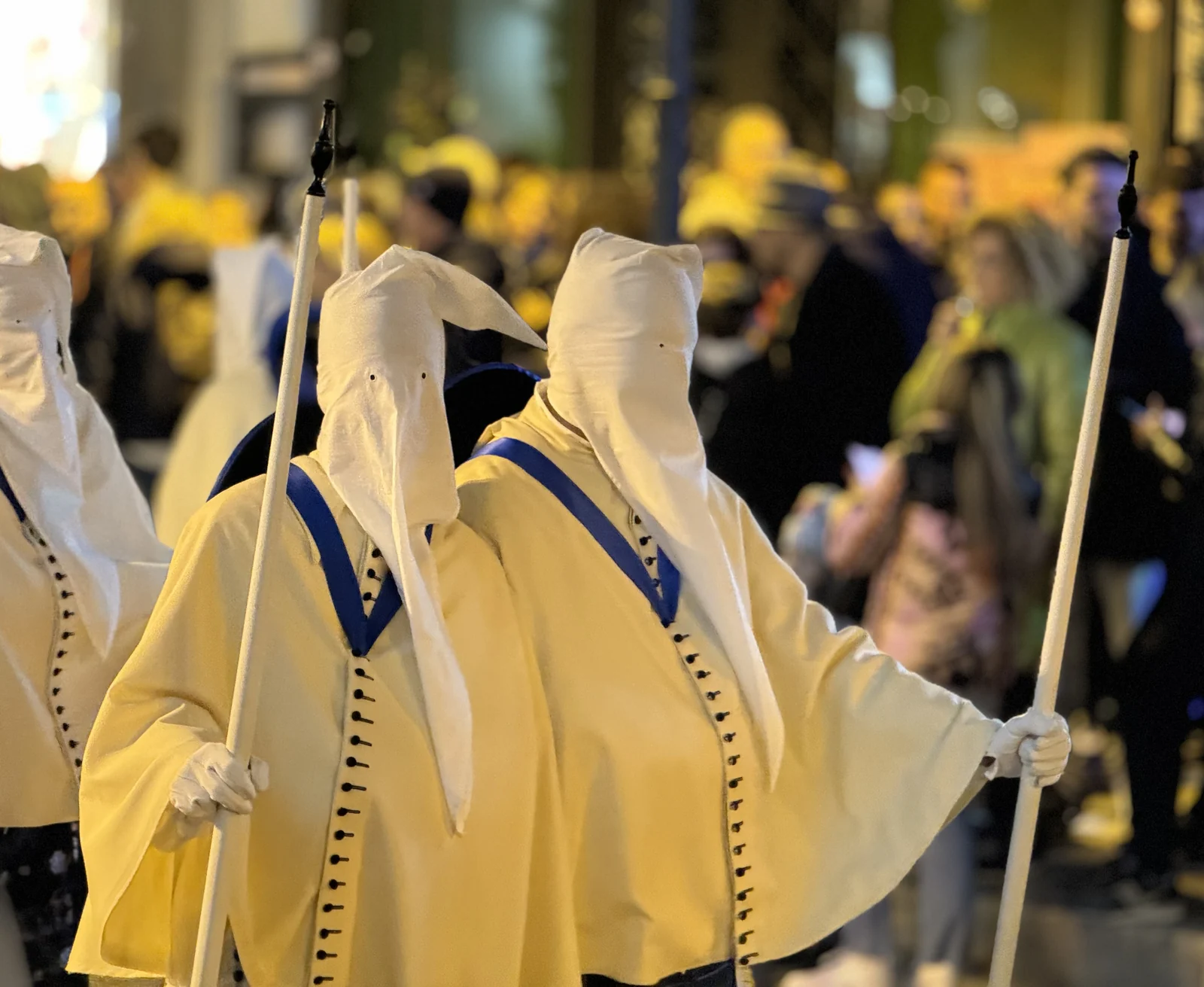
Photo: Marcolletta.1 / Wikimedia Commons — CC BY-SA 4.0 · Resized and converted to WebP.
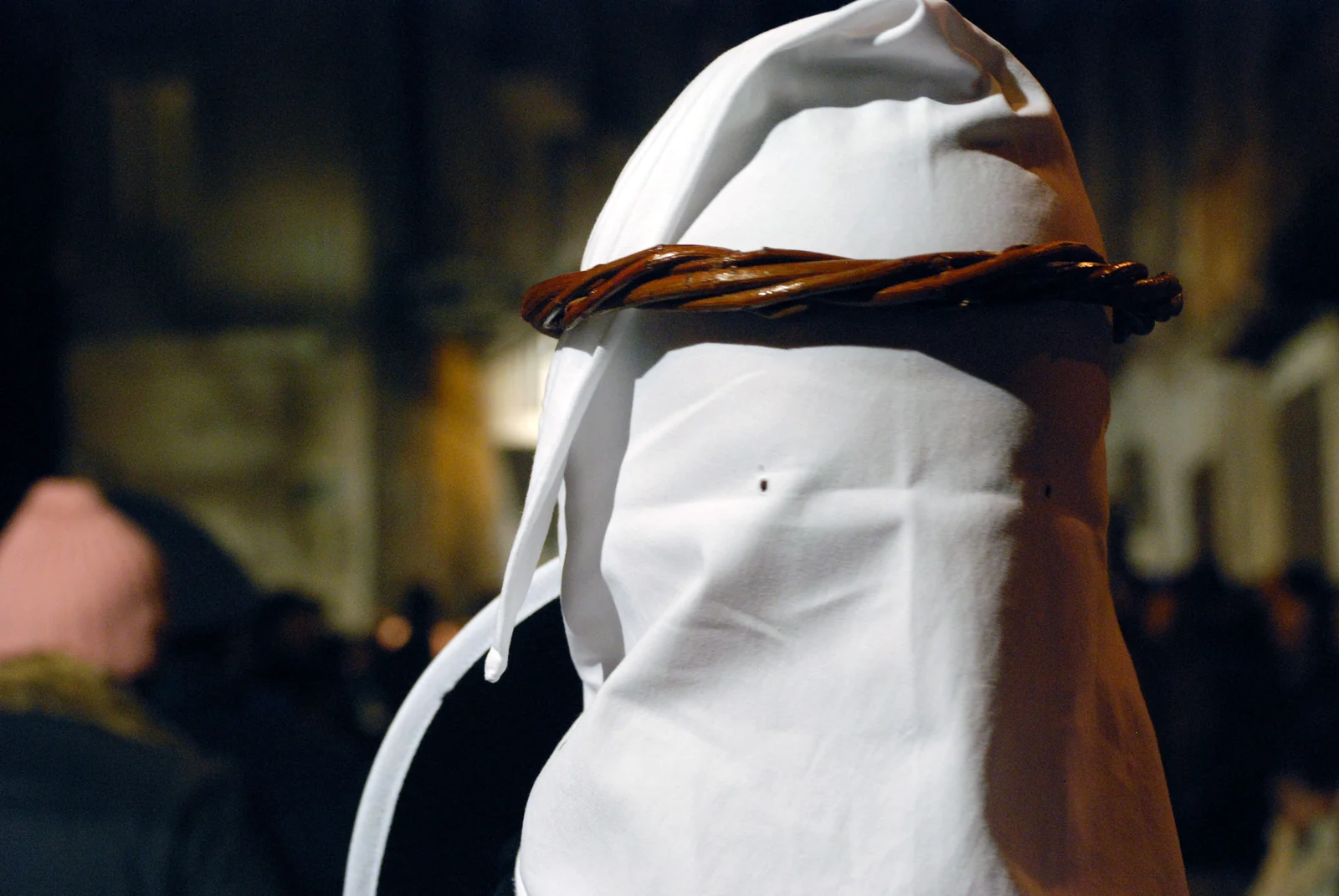
Photo: GirWebTV / Wikimedia Commons — CC BY-SA 3.0 · Resized and converted to WebP.
Getting there and around
The regional tourism portal states that Taranto central station, on the RFI network, offers connections to every kind of regional and national destination, including Bari, Foggia, Lecce, Brindisi and Salento.
In town, public transport includes many urban and suburban lines running every day; the portal also mentions taxis, bike, scooter and car hire, a shared service of e-scooters, e-bikes and electric mopeds, and urban cycle routes. For Brindisi airport, managed by Aeroporti di Puglia, the Puglia Airbus shuttle is available.
The old town is explored on foot: two bridges link it to the modern city, the swing bridge towards the Borgo and the stone bridge built after the 1883 flood. MArTA is in the Borgo, a few minutes from the bridge. The Cheradi islands are reached by boat service; for Palude La Vela, about seven kilometres away, and for the ravines inland you need your own or a hired vehicle.
The MArTA, at Via Cavour 10, explains that from the central railway station and the coach station at the Porto Mercantile it can be reached on foot or by city bus lines 1/2, 3, 8, 14, 16, 20, 21A, 27C and 28C. By car the A14 motorway ends at the Massafra exit and continues on the SS7 road; the nearest airports are Bari-Palese and Brindisi-Casale.
City buses are run by Kyma Mobilità: since 27 June 2024 the timed ticket is valid for 90 minutes on several buses, a book of ten costs 11 euros, and there are daily and weekly tickets. Since 5 November 2025 the Cimino and Democrate Park&Ride areas have a shuttle to the centre, with a single ticket from the parking meter covering parking and ride.
Kyma also runs paid parking in the blue bays: payment is by parking meter, "gratta e sosta" scratch cards or the Mycicero, EasyPark, DropTicket, Telepass and ParkingMyCar apps. On the street, parking is free from 8:30 pm to 8:30 am, while in fenced car parks it is charged all day.
Sources: Viaggiare in Puglia, Regione Puglia — Taranto · RFI — Stazione di Taranto · Aeroporti di Puglia — Aeroporto di Brindisi · Viaggiare in Puglia, Regione Puglia — Ponte girevole · Italia.it, Ministero del Turismo — Taranto · Viaggiare in Puglia, Regione Puglia — Isole Cheradi · Viaggiare in Puglia, Regione Puglia — Riserva naturale regionale Palude La Vela · MArTA: come arrivare · Kyma Mobilità: tariffe autobus · Kyma Mobilità: tariffe e agevolazioni della sosta · Kyma Mobilità: parcheggia a Taranto
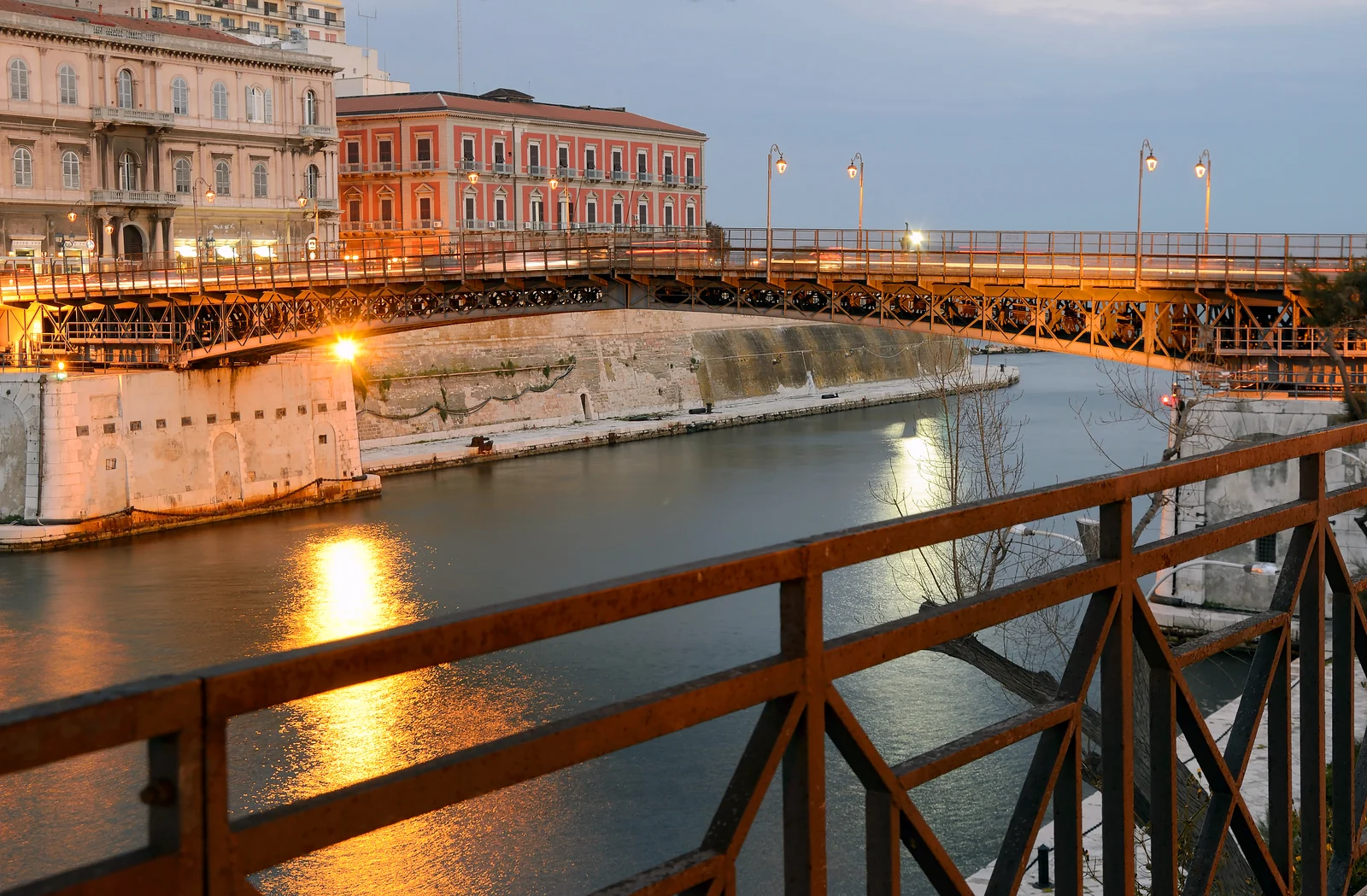
Photo: Livioandronico2013 / Wikimedia Commons — CC BY-SA 4.0 · Resized and converted to WebP.
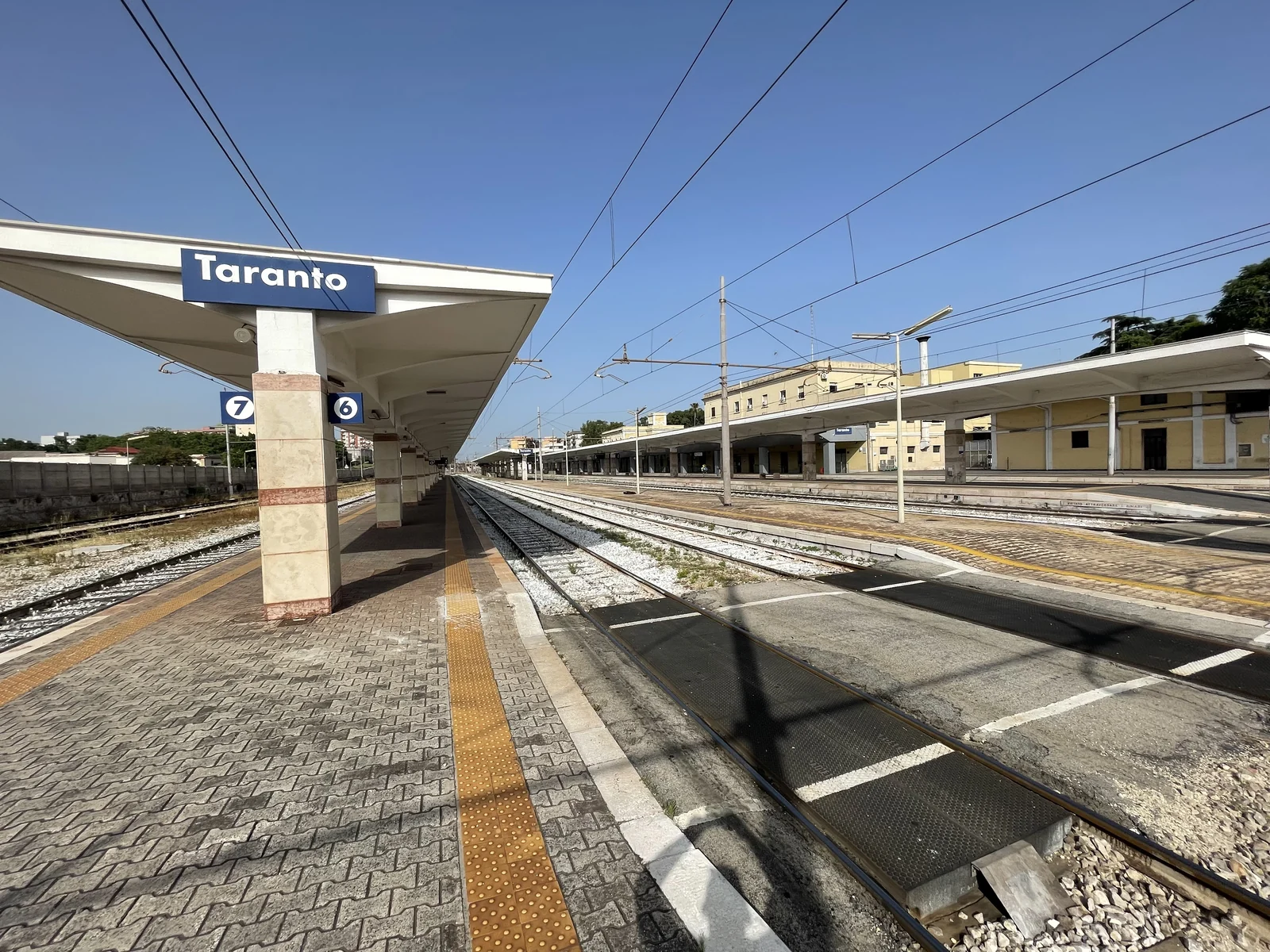
Photo: Giov.c / Wikimedia Commons — Public domain · Resized and converted to WebP.
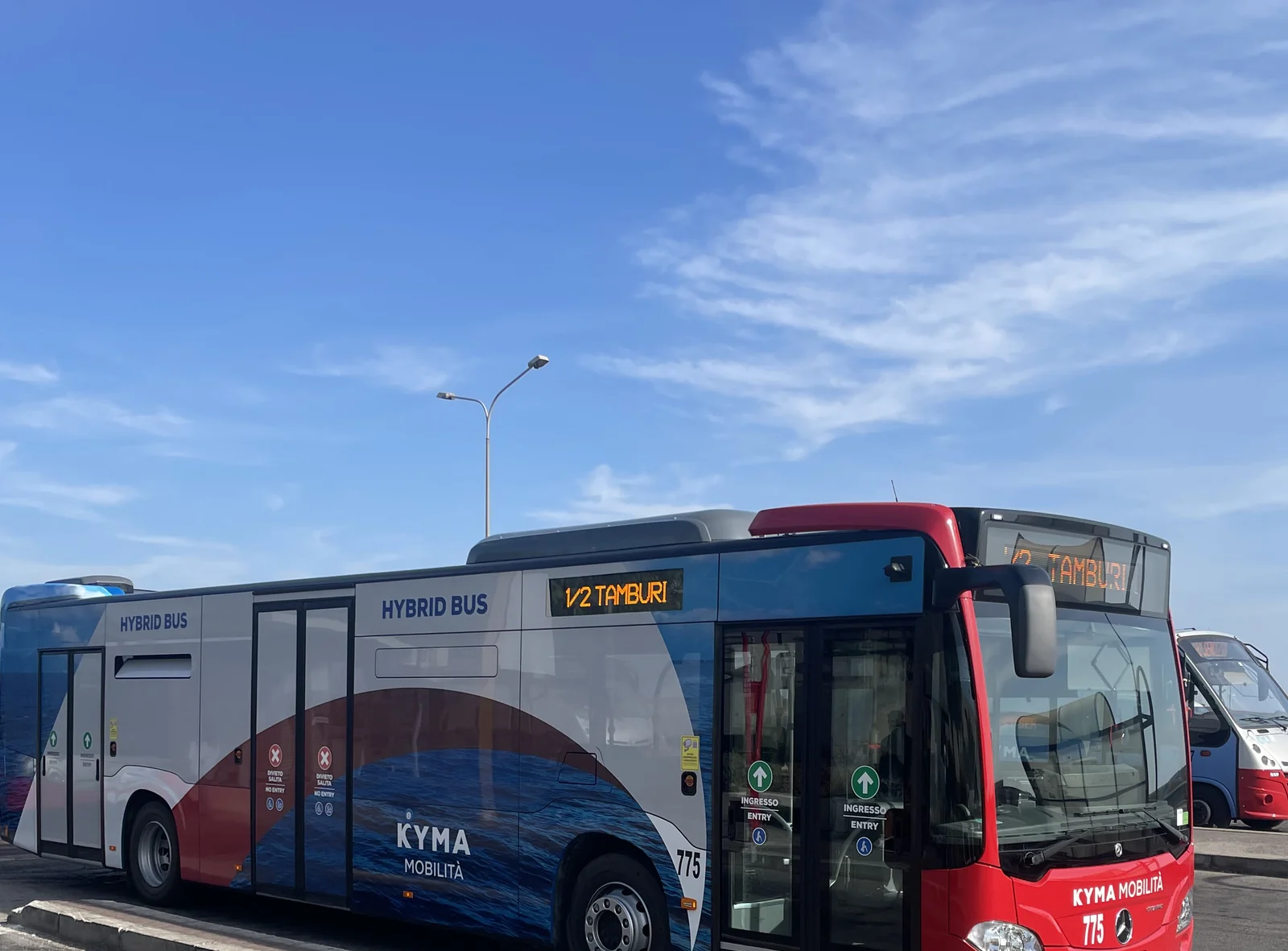
Photo: Giov.c / Wikimedia Commons — Public domain · Cropped, resized and converted to WebP.
Where to stay
Taranto offers a wide choice of places to stay. The Borgo, with its nineteenth-century grid plan, is handy for walking to MArTA, the seafront and the swing bridge, and is the best area for those travelling without a car. The old town, overlooking both seas, lets you experience its lanes and the places of the Holy Week rites up close, in a more intimate setting.
Those who prefer the countryside can choose a masseria nearby: the regional portal recalls the hundred masserie of Crispiano, about fifteen kilometres away, and the places to stay facing the sea along the Ionian arc, as far as the beaches of Ginosa and Castellaneta Marina.
During Holy Week and the feast of San Cataldo the city welcomes many visitors: it is wise to plan ahead. We do not list specific properties: the choice depends on dates, how much weight you give the sea and the trips planned towards Grottaglie, Martina Franca and the ravines.
The Borgo also has its shopping streets: the city council lists Viale Liguria, in the Italia-Montegranaro district, as one of the city's main commercial streets, with shops, restaurants and services and a new cycle lane. Along Corso Due Mari, overlooking the Navigable Canal, runs the early-twentieth-century railing with a five-pointed star and the crest of the Savoy navy.
Sources: Italia.it, Ministero del Turismo — Taranto · Viaggiare in Puglia, Regione Puglia — Magna Grecia, Murgia e Gravine · Viaggiare in Puglia, Regione Puglia — Taranto · Viaggiare in Puglia, Regione Puglia — Cattedrale di San Cataldo · Comune di Taranto: Viale Liguria · Comune di Taranto: Monumento al Marinaio
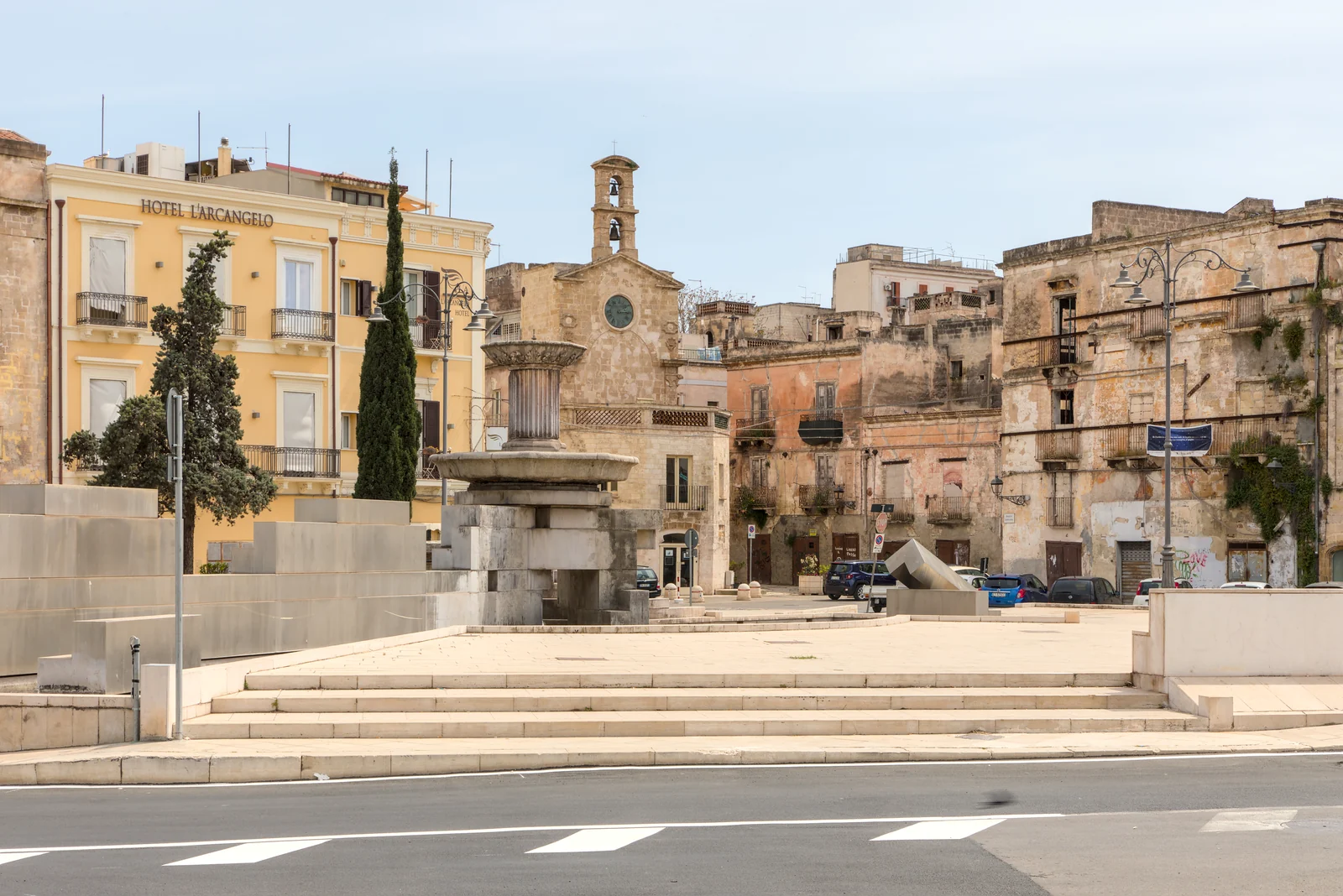
Photo: Benjamin Smith / Wikimedia Commons — CC BY-SA 4.0 · Resized and converted to WebP.
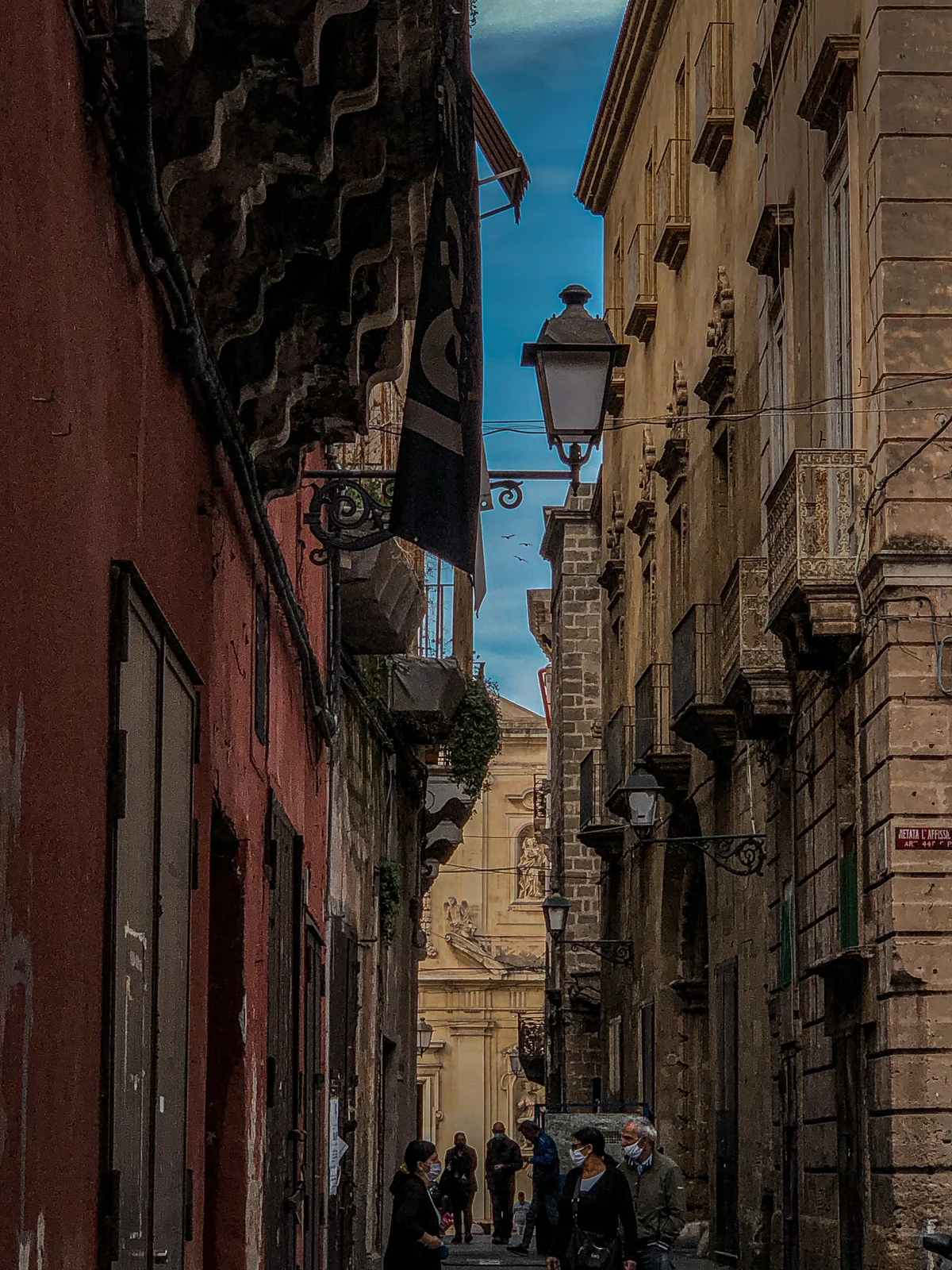
Photo: PhotoItaly / Wikimedia Commons — CC BY-SA 4.0 · Resized and converted to WebP.
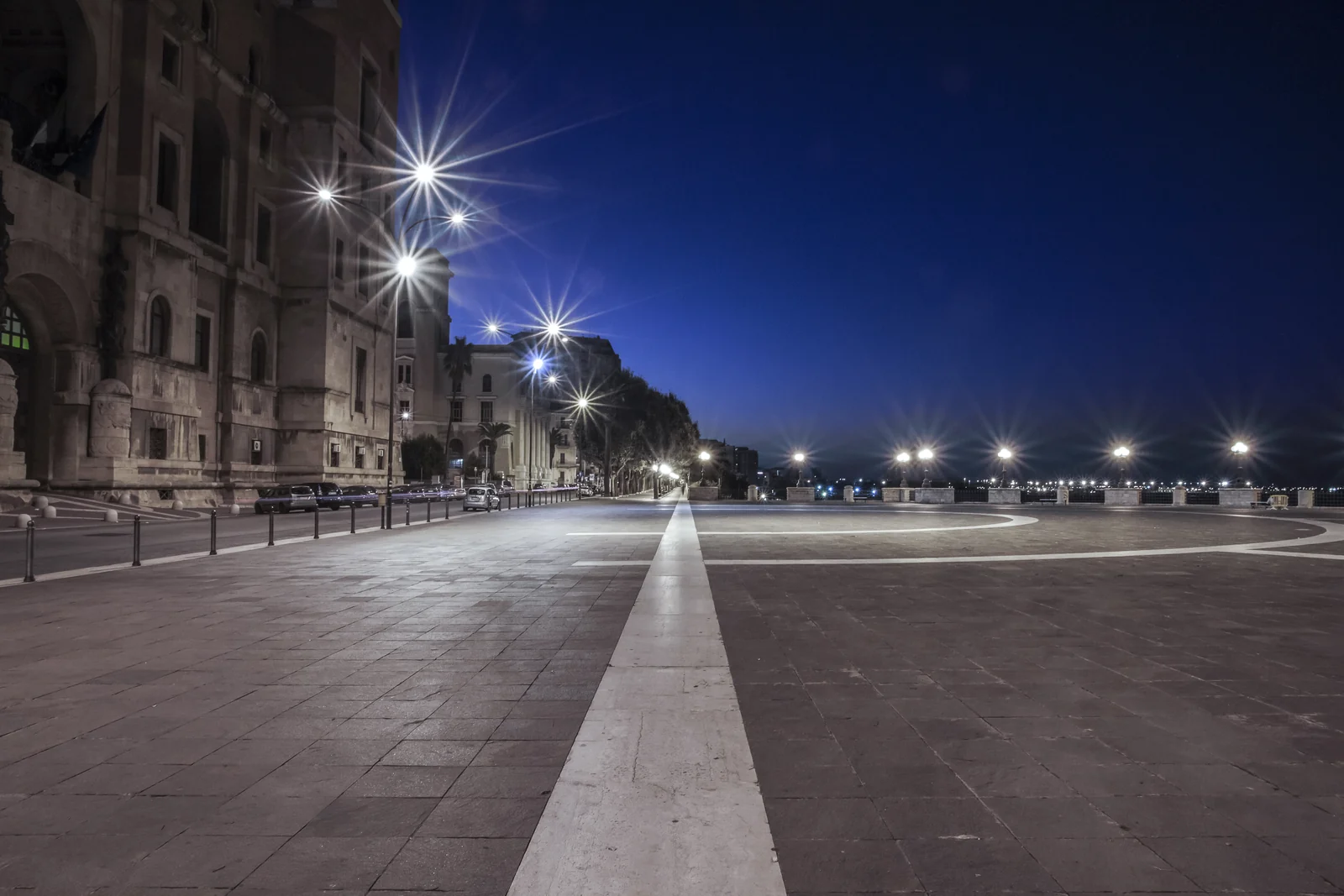
Photo: Eziobruno / Wikimedia Commons — CC BY-SA 4.0 · Resized and converted to WebP.
Nearby
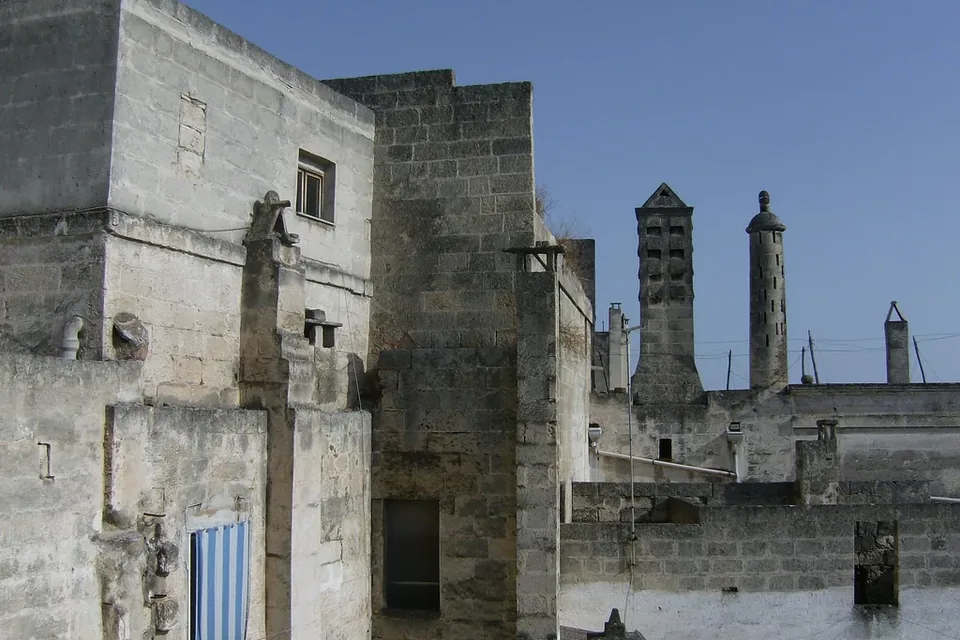
From Taranto very different landscapes are a short trip away. Grottaglie, a few kilometres off, is the town of ceramics, with its quarter of workshops carved into the rock and the museum in the Castello Episcopio. Crispiano leads into the land of the hundred masserie, and further north Martina Franca opens the Itria Valley.
To the west lies the Terra delle Gravine regional nature park, across twelve municipalities of the province: deep karst gorges where, from the Neolithic until the 1950s, people lived in rock villages, with churches, crypts and sanctuaries decorated with Byzantine-style icons. The regional portal mentions Massafra and Mottola for their rock-cut churches.
The Ministry of Tourism also suggests an itinerary from Taranto to Manduria along the Ionian coast, towards the home of Primitivo wine. From a base in Taranto you can alternate archaeology, sea, craft and ravines.
A few small rivers flow into the Mar Piccolo: the CNR's water research institute names the Galeso, in the First Inlet, as the most important, and in the Second Inlet the Cervaro, the Rasca and the Rubafemmine, whose flow follows the rains. Together with the springs, this fresh water gives the basin the character of a lagoon, the same setting that the Palude La Vela protects.
Sources: Viaggiare in Puglia, Regione Puglia — Grottaglie · Viaggiare in Puglia, Regione Puglia — Crispiano · Viaggiare in Puglia, Regione Puglia — Martina Franca · Viaggiare in Puglia, Regione Puglia — Parco Naturale Regionale Terra delle Gravine · Viaggiare in Puglia, Regione Puglia — Magna Grecia, Murgia e Gravine · Italia.it, Ministero del Turismo — itinerari in Puglia · IRSA-CNR, Talassografico «A. Cerruti»: IT22-M Mar Piccolo di Taranto (rete LTER Italia, 2021)
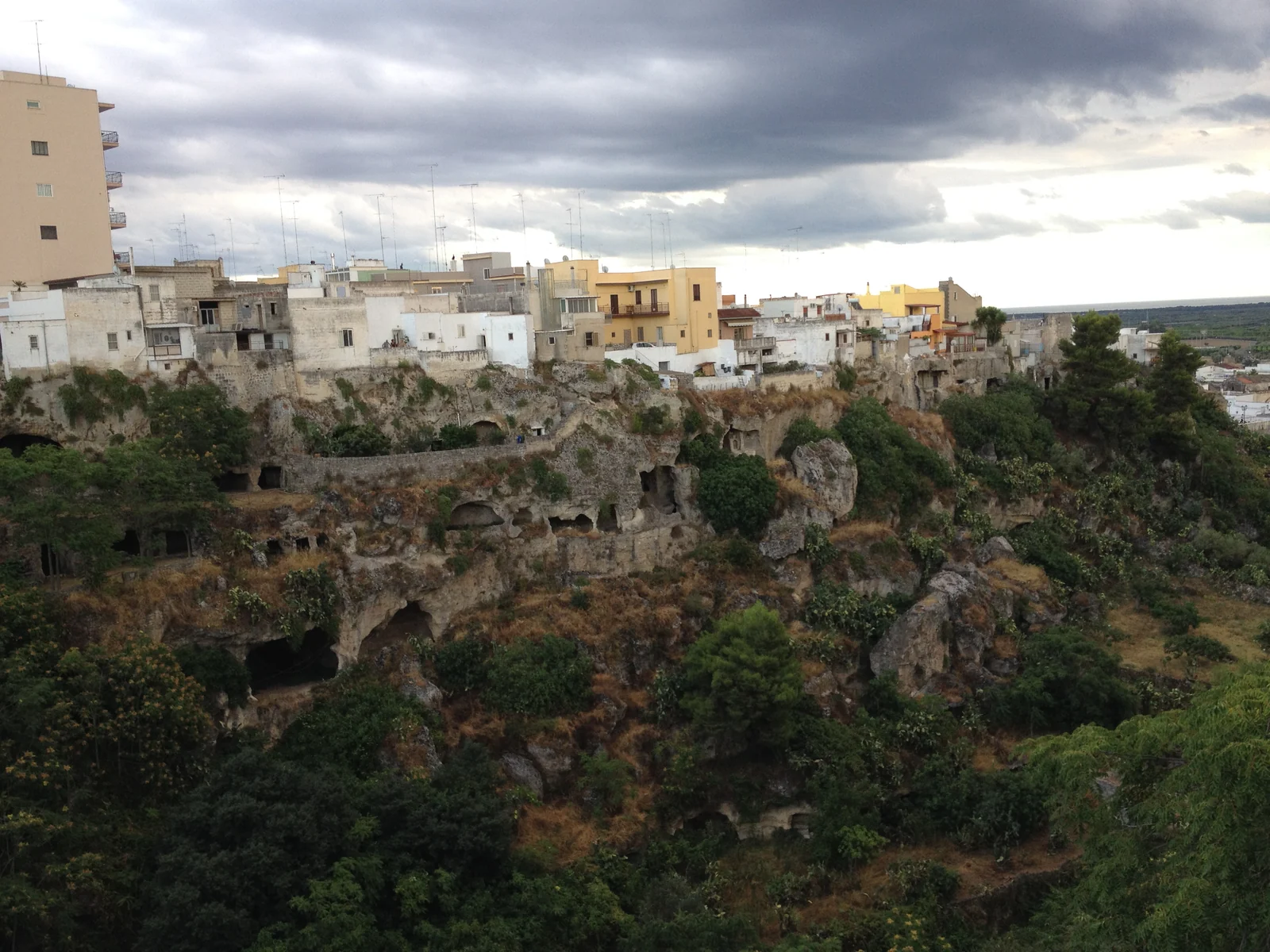
Photo: Dispe / Wikimedia Commons — CC0 · Resized and converted to WebP.
Photo: Saggittarius A / Wikimedia Commons — CC BY-SA 4.0 · Resized and converted to WebP.
Local tourist information
Local tourist offices help with opening times, events and transport on the day.
- Info-point Taranto · Piazza Castello, c/o Galleria Comunale, 74123 Taranto · +39 334 2844098 · [email protected]
Source: Viaggiare in Puglia, Regione Puglia — Info-point Taranto · Viaggiare in Puglia, Regione Puglia — Taranto · checked on
Where to stay
In the municipality of Taranto the national database of the Ministry of Tourism lists 763 accommodation businesses with a verified CIN code: 21 hotels, 262 other licensed accommodation and 480 other types such as B&Bs and private rentals.
Licensed businesses from the official list of accommodation named as the source in this section. Where the list gives it, the property's official identification code appears next to its name: the national CIN code, or the code assigned by the Region or by the body that keeps the list. Private individuals are not listed. This list is the official census of licensed businesses, not a list of Apulica partners: to stay in Taranto you do not have to check one property after another yourself; write to Apulica and we look for the stay that suits your journey, checking availability and conditions before any confirmation.
Relais Histò sul Marpiccolo
Hotel · ★★★★★
CIN IT073027A100090318
L.A. CASETTA
Residence
CIN IT073027B400084274
Azienda Agrituristica "Eolo"
Farm stay
CIN IT073027B500056438
ALLOGGIARE A TARANTO
B&B
CIN IT073027B400026248
7contrade
Guest rooms
CIN IT073027B400087462
Casa Temenide
Holiday home
CIN IT073027B400128035
ISTITUTO MARIA AUSILIATRICE DELLE SALESIANE DI DON BOSCO
Holiday house
CIN IT073027B700086930
AKROPOLIS
Hotel · ★★★★
CIN IT073027A100020417
Nonna Paola Residence
Residence
CIN IT073027B400117071
MONTICCHIO - AGRICAMPEGGIO
Farm stay
CIN IT073027B500022116
First the places that presented themselves to Apulica, the latest first; then one place of each type in turn, by official category and stars, then by name. No position is paid for.
All 204 entries in alphabetical order
Page 1 of 21
| Name | Type | CIN |
|---|---|---|
| 7contrade | Guest rooms | IT073027B400087462 |
| A DUE PASSI DAL PONTE | Guest rooms | IT073027B400032421 |
| A-MARE EXCLUSIVE | Guest rooms | IT073027B400052822 |
| ACCLAVIO APARTMENTS | Guest rooms | IT073027B400111191 |
| AFFITTACAMERE FABIO PRINCIPALE | Guest rooms | IT073027B400025629 |
| AFFITTACAMERE IL CORTILETTO DI GIARACUNI ROSITA | Guest rooms | IT073027B400060525 |
| AFFITTACAMERE RAGGIO DI SOLE | Guest rooms | IT073027B400027243 |
| AFFITTACAMERE SAPORE DI MARE | Guest rooms | IT073027B400081380 |
| AKROPOLIS | Hotel | IT073027A100020417 |
| AL FARO MASSERIA SARACENO | Hotel | IT073027A100120059 |
Ask Apulica for a stay in Taranto We reply shortly, within a few hours at most, with a proposal for you to consider.
Sources: Regione Puglia – ARET Pugliapromozione (DMS), CC BY 4.0, 2026-10-12 · Ministero del Turismo – Banca Dati Strutture Ricettive (dashboard pubblica), 2026-10-12
YOUR JOURNEY
How to shape a journey here
Use the museum as an introduction before returning to the waterfront city. At the table choose cooked mussels: experiencing local flavour does not require eating them raw.
Plan your tripKeep exploring
Grottaglie
Grottaglie: ceramics and rock. A ceramics quarter round the old town, a historic centre carved into the tuff and ravines a few kilometres from Taranto.
Read the guide →Photo: gunzapper / Wikimedia Commons — CC BY 2.0 · Resized and converted to WebP.
Crispiano
Crispiano: farm estates and the Ionian countryside. About a hundred masserie at the foot of the Murgia, fifteen kilometres from Taranto, amid oil and wine.
Read the guide →Photo: Azelf Lele / Wikimedia Commons — CC BY-SA 4.0 · Resized and converted to WebP.
Castellaneta
The historic centre and Rudolph Valentino’s story in inland Puglia. A town on the edge of the Gravina Grande ravine and its frugal ciallèdda bread.
Read the guide →Photo: Archeolucia / Wikimedia Commons — CC BY-SA 4.0 · Resized and converted to WebP.
Manduria
The Messapian city of three wall circuits and the Fonte Pliniano, the home of Primitivo and an Ionian coast of reserves, submerged Roman sarcophagi and towers.
Read the guide →Photo: Andrea Fistetto / Wikimedia Commons — CC BY-SA 4.0 · Resized and converted to WebP.
“Come to Taranto as a guest, not as a tourist: that is how these places truly let you know them.”