
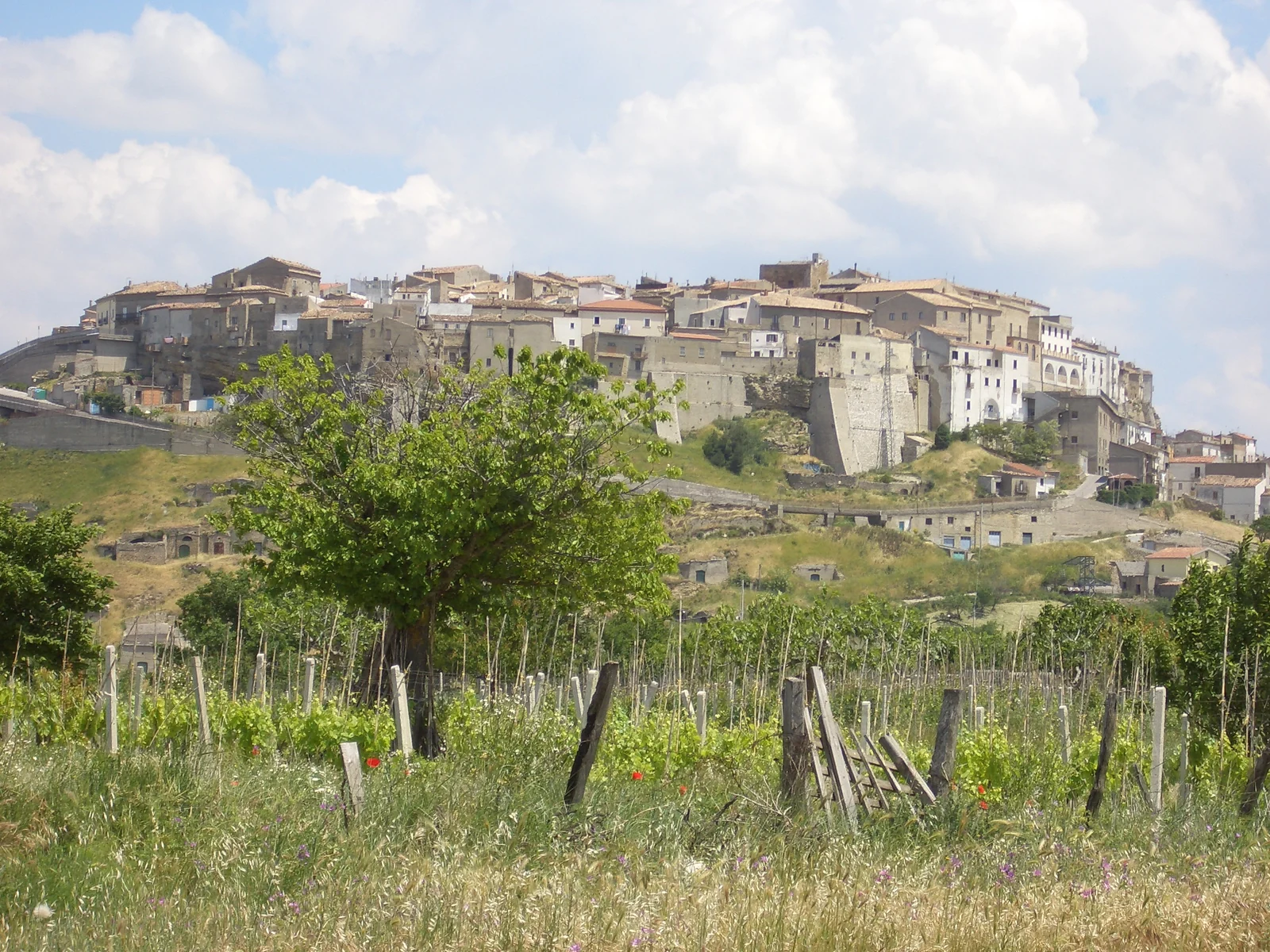

Why go
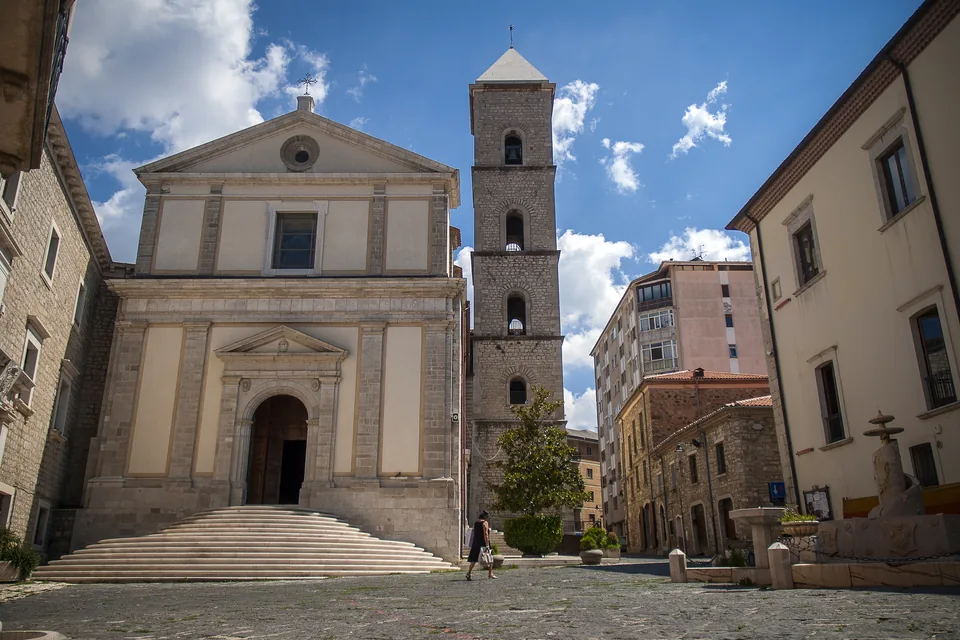
People come to Acerenza for its cathedral. The town council describes the Cathedral of Santa Maria Assunta and San Canio as a Romanesque building with French influences, begun at the end of the eleventh century under Archbishop Arnaldo of Saint-Évroul and completed in the first decades of the twelfth. Its rarest feature is the east end, with the ambulatory and the chapels opening around the apse: in Italy, the council writes, the same plan is found only in San Paolo at Aversa and in the Santissima Trinità at Venosa. Beneath the high altar lies the Ferrillo crypt, completed in 1524, with Renaissance frescoes and reliefs.
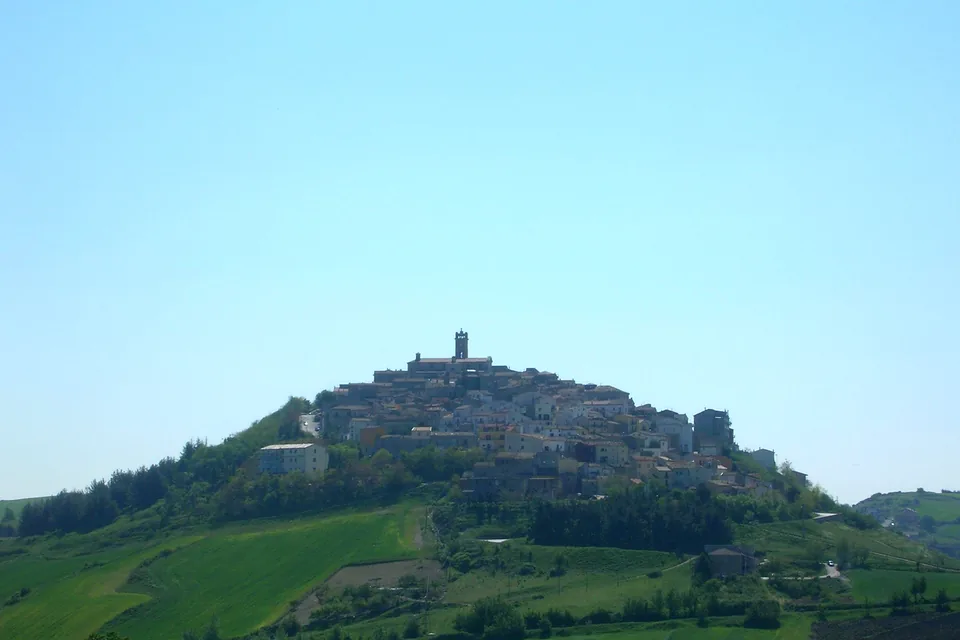
The town stands on a steep-sided plateau between the Bradano river and its tributary, the Fiumarella. The Archdiocese recalls that ancient writers described it as a stronghold: Livy and Procopius call it a “fortress of war” and a “garrison”, Horace speaks of the “nest” of lofty Acerenza. It is the seat of a very old Church: according to the tradition the Archdiocese reports, the line of its bishops begins in the year 300.
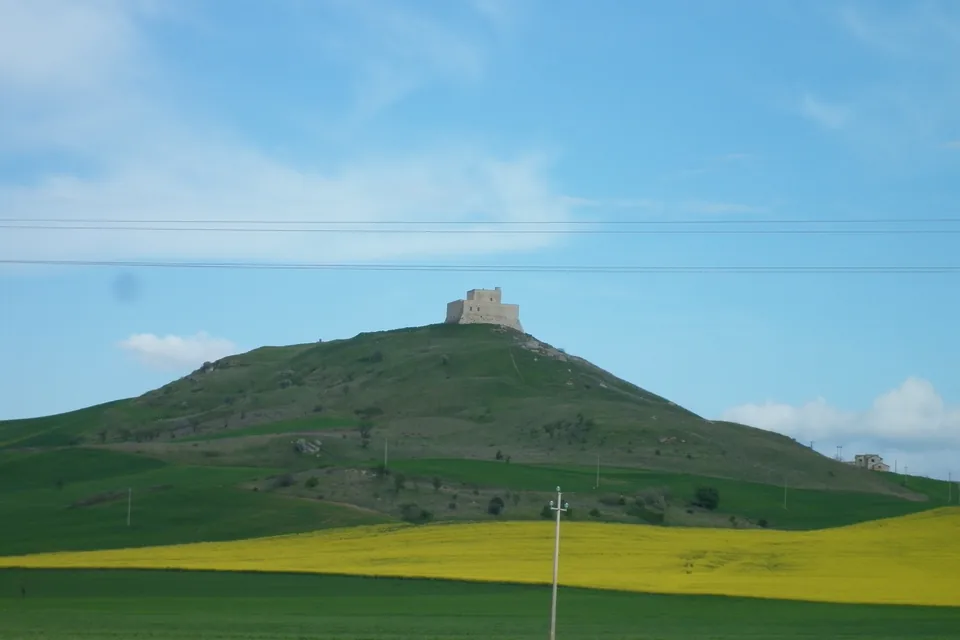
Next to the cathedral, in the old castle, is the diocesan museum of sacred art, founded in 2007, which the council presents as the first diocesan museum in Basilicata. And the whole municipal territory lies within the production area of the “Aglianico del Vulture” controlled designation of origin wine.
Sources: Comune di Acerenza — Cattedrale di Santa Maria Assunta e San Canio Vescovo (testo della Pro Loco) · Comune di Acerenza — Cripta Ferrillo (Cattedrale di Acerenza) (testo della Pro Loco) · Arcidiocesi di Acerenza — Acerenza: storia della città e della Chiesa acheruntina (PDF) · Comune di Acerenza — Castello e Museo Diocesano di Arte Sacra · Camera di Commercio della Basilicata — Disciplinare di produzione dei vini a DOC «Aglianico del Vulture» (testo del D.M. 30.11.2011) · MASAF — Elenco alfabetico dei vini DOP italiani
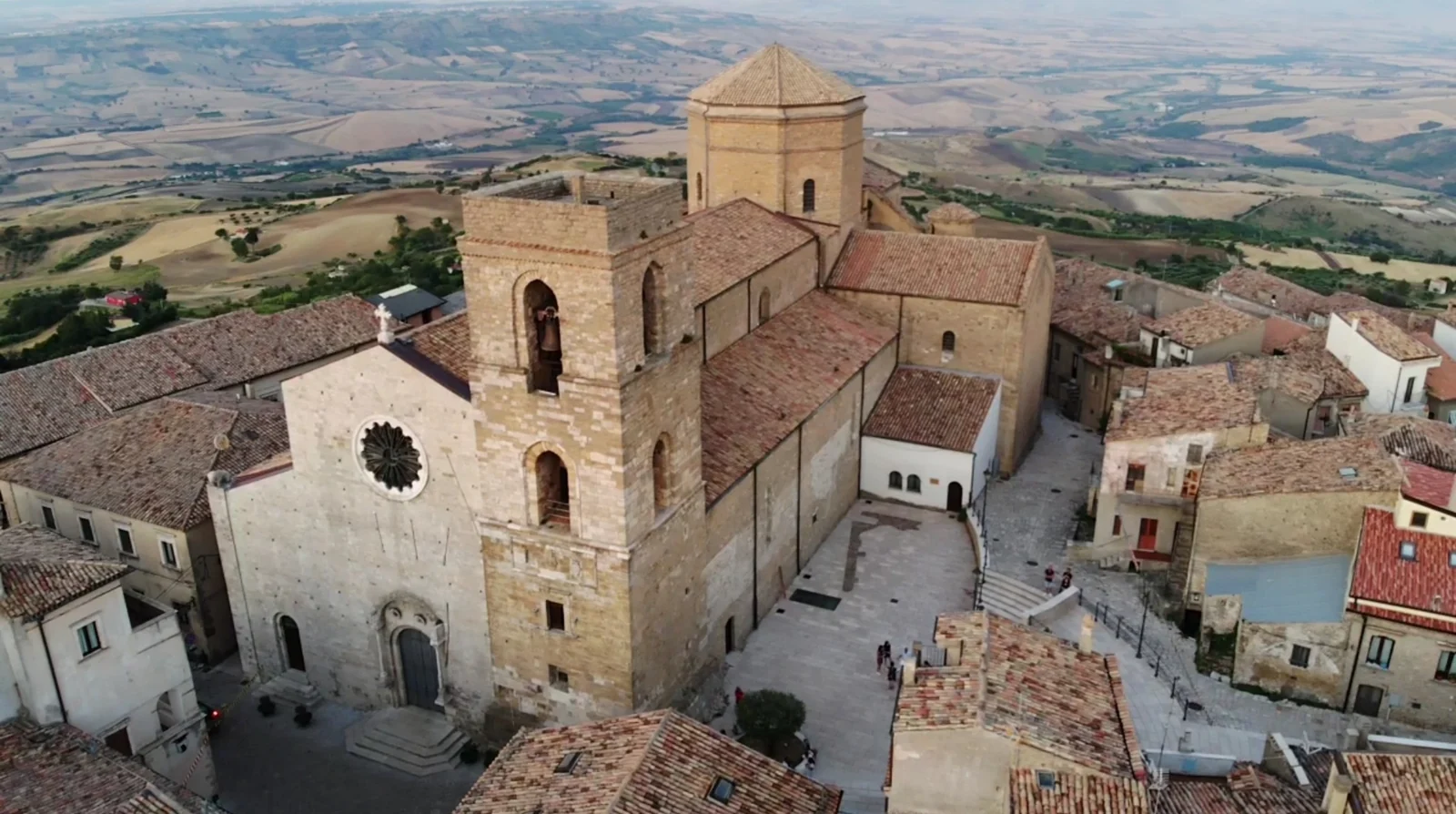
Photo: Vincenzo Manfredi / Wikimedia Commons — CC BY-SA 4.0 · Resized and converted to WebP.
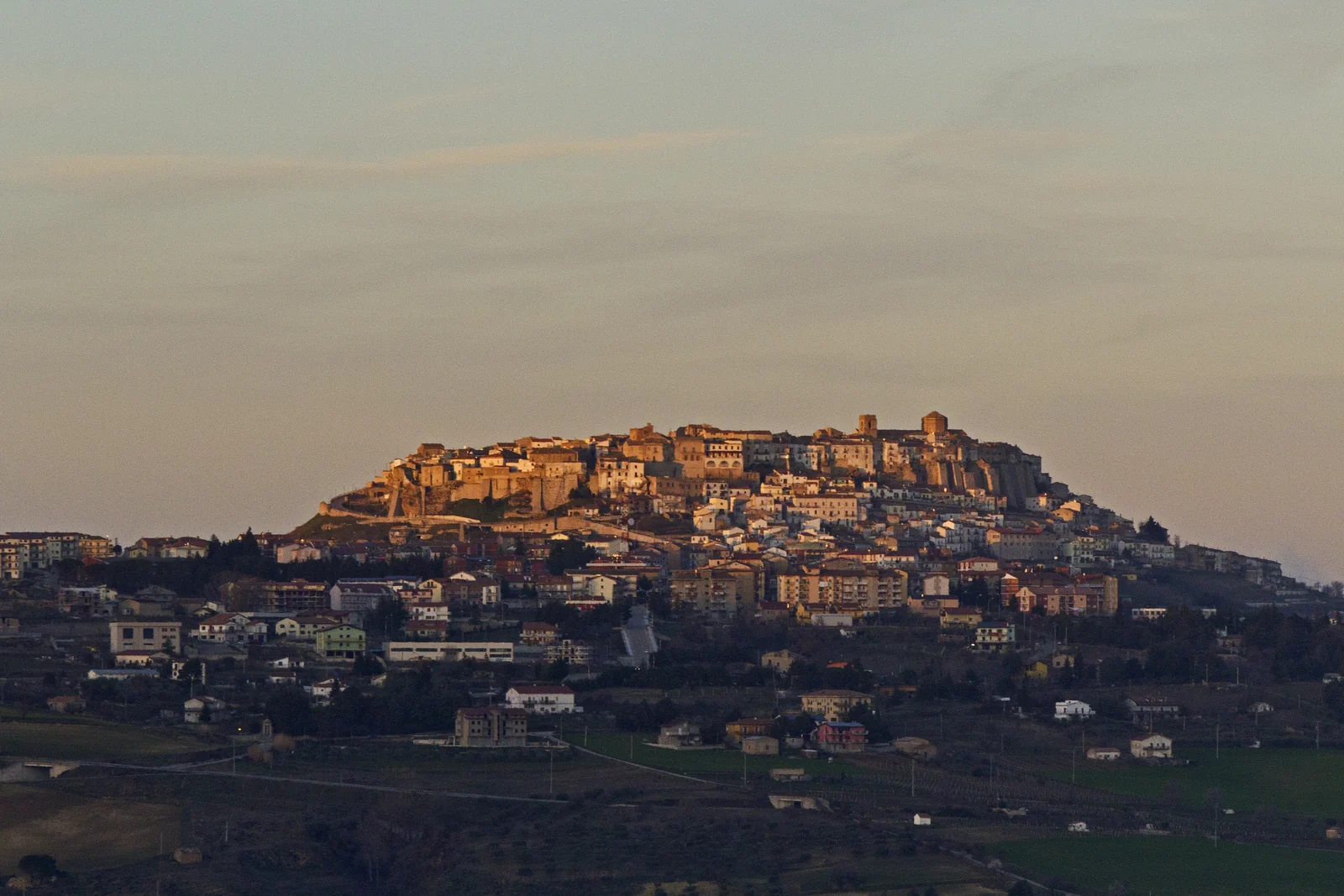
Photo: Giuseppe Cillis / Wikimedia Commons — CC BY-SA 4.0 · Resized and converted to WebP.
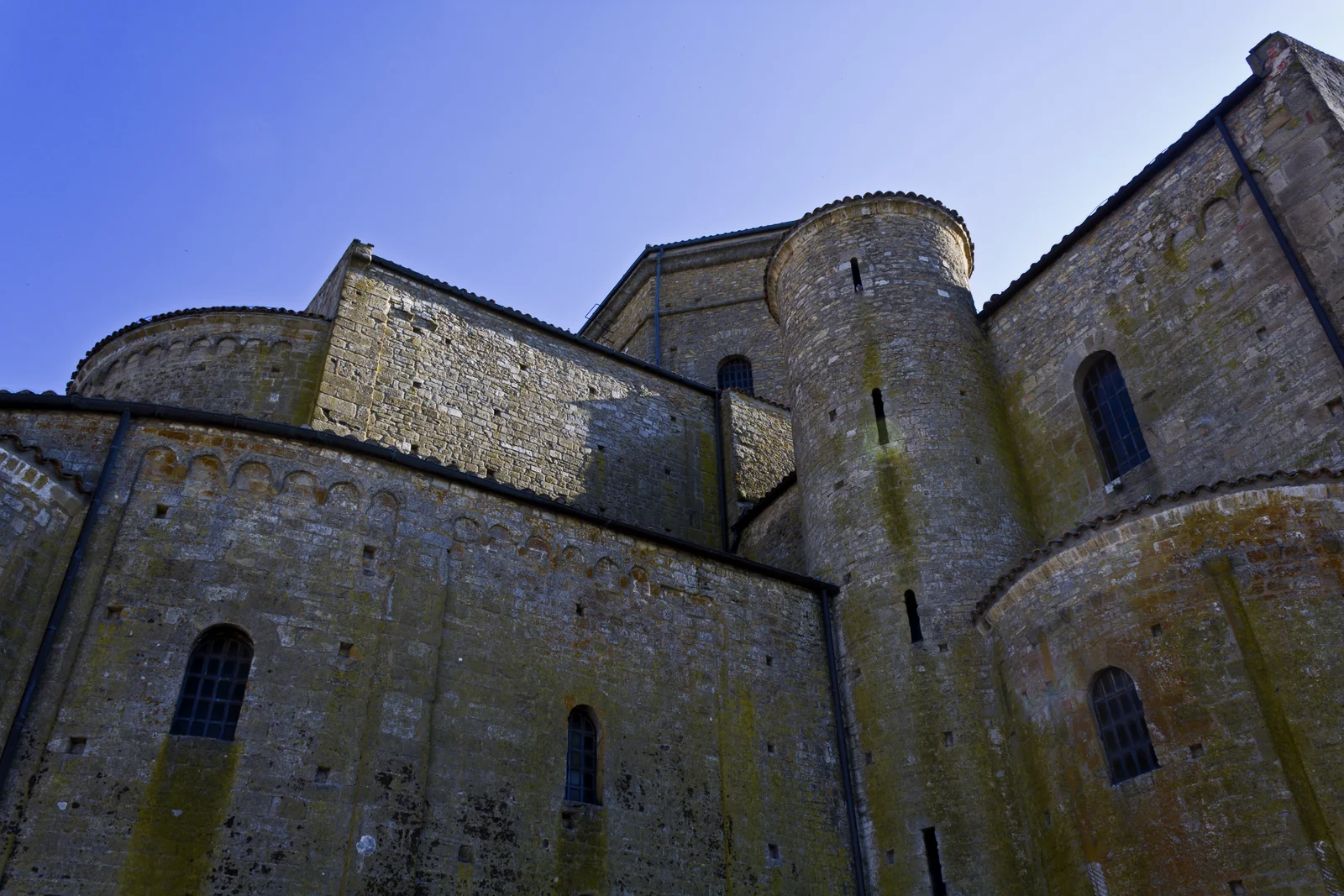
Photo: Mngon [Giuseppe Cillis] / Wikimedia Commons — CC BY-SA 4.0 · Resized and converted to WebP.
The municipality at a glance
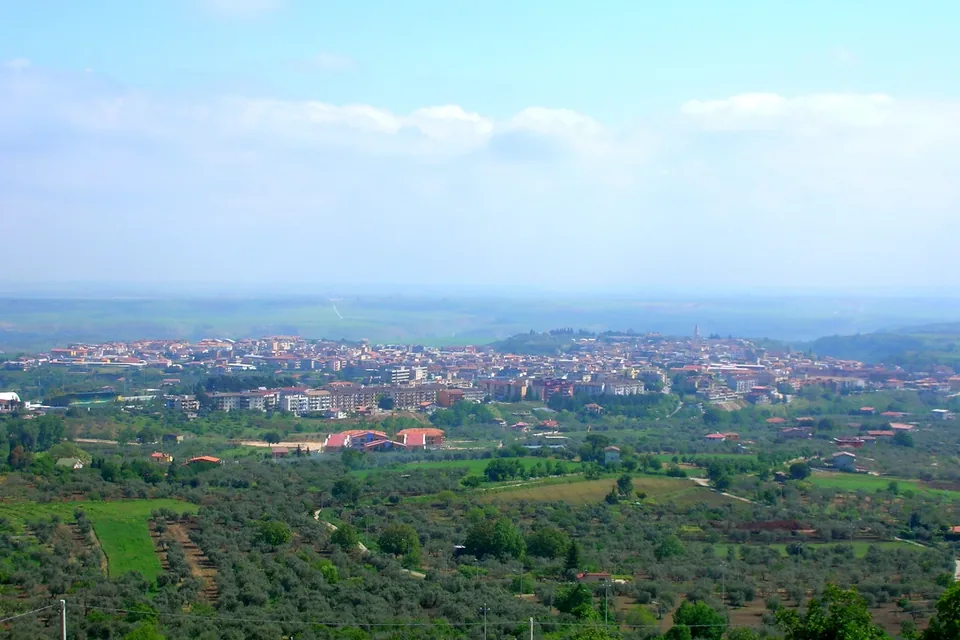
Acerenza is a municipality in the province of Potenza, in Basilicata. Its ISTAT code is 076002. On 1 January 2025 it had 2,045 residents. The municipal territory covers 77.64 km² and ranges from 273 to 862 metres above sea level; the town hall stands at about 783 metres.
The historic centre, the Archdiocese writes, stands on a steep-sided plateau between the Bradano river and its tributary, the Fiumarella. Acerenza is the seat of the Archdiocese that bears its name.
Sources: ISTAT, Codici statistici delle unità amministrative territoriali: elenco dei comuni al 21 febbraio 2026 · ISTAT, Popolazione residente per età, sesso e stato civile al 1° gennaio 2025 (POSAS) · ISTAT, Principali statistiche geografiche sui comuni: superficie e altimetria al 31 dicembre 2021 · Arcidiocesi di Acerenza — Acerenza: storia della città e della Chiesa acheruntina (PDF)
History
The ancient sources gathered by the Archdiocese describe a contested town. Livy writes that the consuls Gaius Junius Bubulcus and Lucius Aemilius Barbula, having subdued Apulia and taken Acerenza, a “fortress of war”, moved on into Lucania; the consul Laevinus, defeated by Pyrrhus on the Siris, marched on Acerenza to occupy it. In the age of Justinian, according to Procopius, Totila placed a garrison of 300 men there. In 788 Charlemagne, before sending his hostage Grimoald back to Benevento, set as a condition that the walls of Acerenza be torn down.
The cathedral, the town council writes, stands on a site that had long been sacred: on a Roman temple dedicated to Hercules Acheruntinus, dated between the first century BC and the first century AD, and on a late-antique cathedral. In the winter of 2006, during works in the square now named after Arnaldo, walls of the sixth and seventh centuries came to light, probably from that first cathedral. The Ministry of Culture mentions a marble bust of the emperor Julian the Apostate, now in the diocesan museum, which stood on the façade because it was believed to be San Canio.
According to the tradition the Archdiocese reports, the first bishop was Romanus, from 300 to 329; in 303 the deacon Marianus was martyred, and in 312, at Grumentum, Laverius, who was born in Acerenza. In 799 Bishop Leo II brought the body of the martyr Canius to Acerenza from Atella, in Campania; he became the patron saint, and a basilica was begun to house him. In 989 the Church of Acerenza passed from Otranto to Salerno; in 1041 the town was taken by the Normans and Robert Guiscard made it a stronghold. In 1066 Arnaldo became archbishop; between 1080 and 1090 he began the new cathedral and found the relics of San Canio. In 1203 a bull of Innocent III joined the new cathedral of Matera to the see of Acerenza; from 1363 to 1377 the archbishop was Bartolomeo Prignano, later pope as Urban VI.
The earthquake of 5 December 1456 badly damaged the cathedral: of its two bell towers, the council writes, only one was rebuilt, in 1555, at the wish of Archbishop Giovanni Michele Saraceno, who in 1543 had made the first pastoral visit of the whole diocese and in 1551 was made a cardinal. In 1479 Matteo Ferrillo had bought the fiefs of Genzano and Acerenza for 12,000 ducats; his son Giacomo Alfonso restored the cathedral and around 1524 gave it its crypt. In 1642 Archbishop Simone Carafa Roccella founded the seminary in the old Lombard castle, donated by the Marquis Cosimo Pinelli. On 2 July 1954 the Churches of Acerenza and Matera were separated into two ecclesiastical provinces.
Sources: Arcidiocesi di Acerenza — Acerenza: storia della città e della Chiesa acheruntina (PDF) · Comune di Acerenza — Cattedrale di Santa Maria Assunta e San Canio Vescovo (testo della Pro Loco) · Ministero della cultura — Luoghi della cultura: Museo diocesano d’arte sacra di Acerenza · Comune di Acerenza — Cripta Ferrillo (Cattedrale di Acerenza) (testo della Pro Loco)
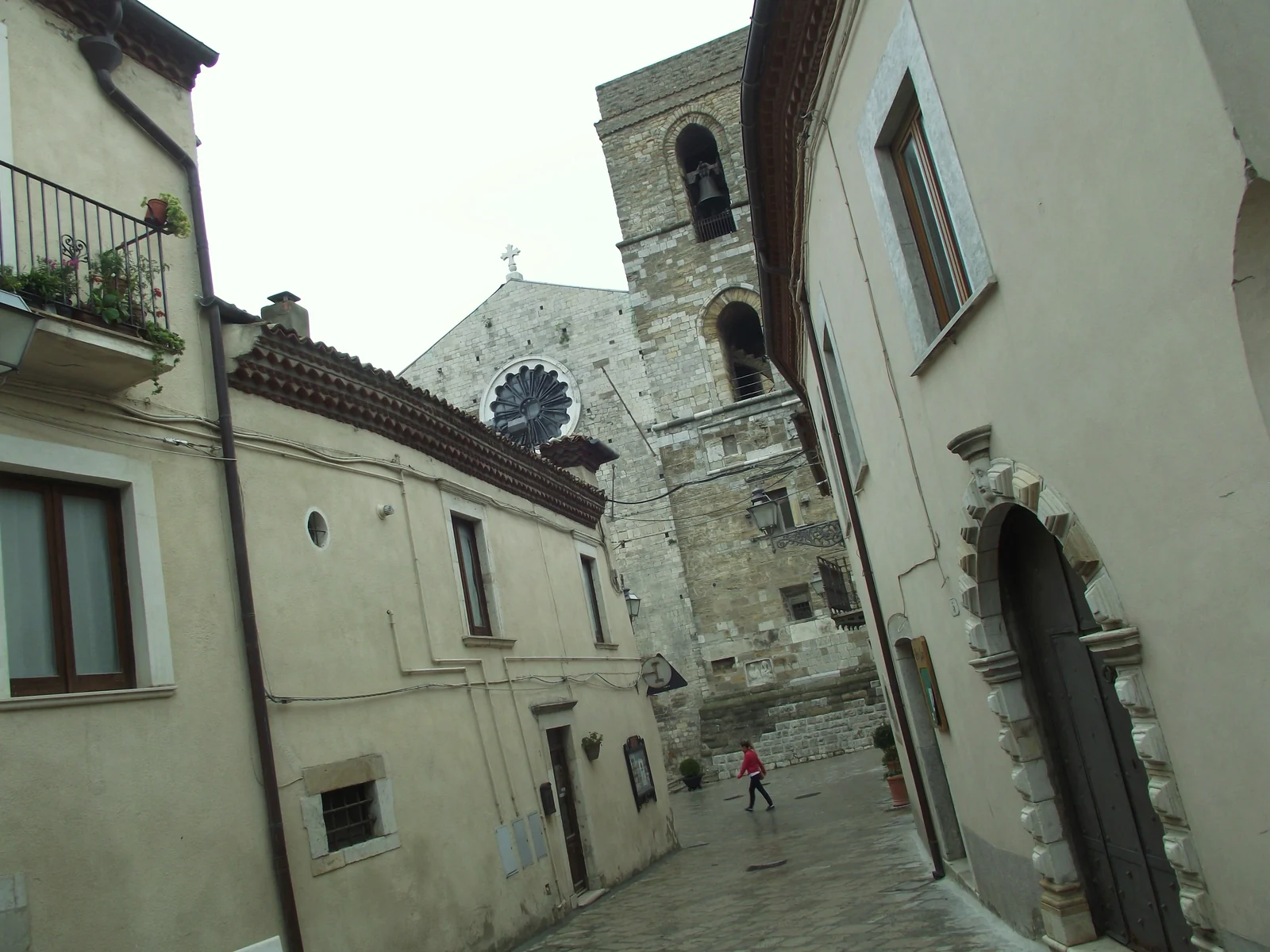
Photo: Arietemarzo / Wikimedia Commons — CC BY-SA 3.0 · Resized and converted to WebP.
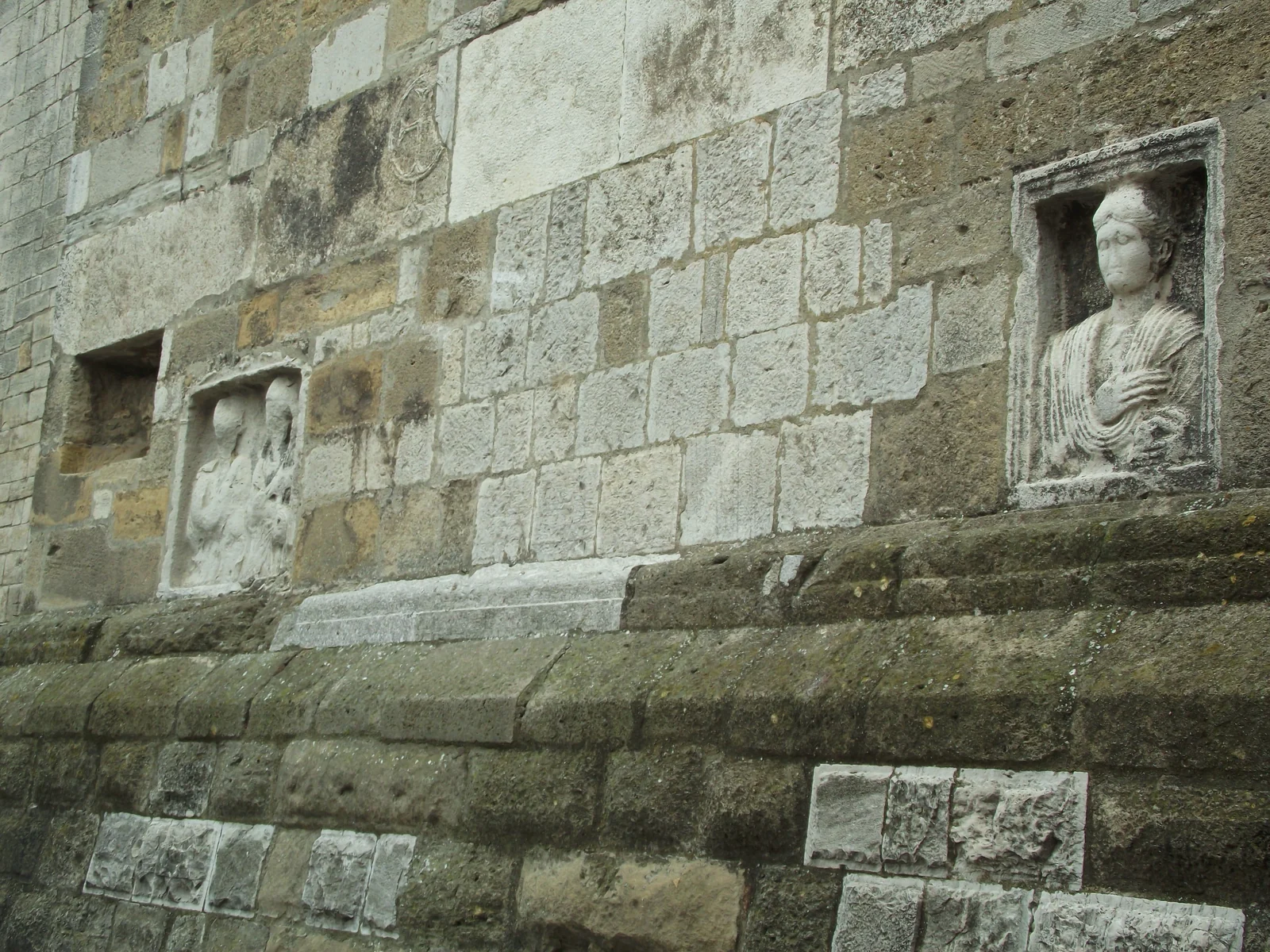
Photo: Arietemarzo / Wikimedia Commons — CC BY-SA 3.0 · Resized and converted to WebP.
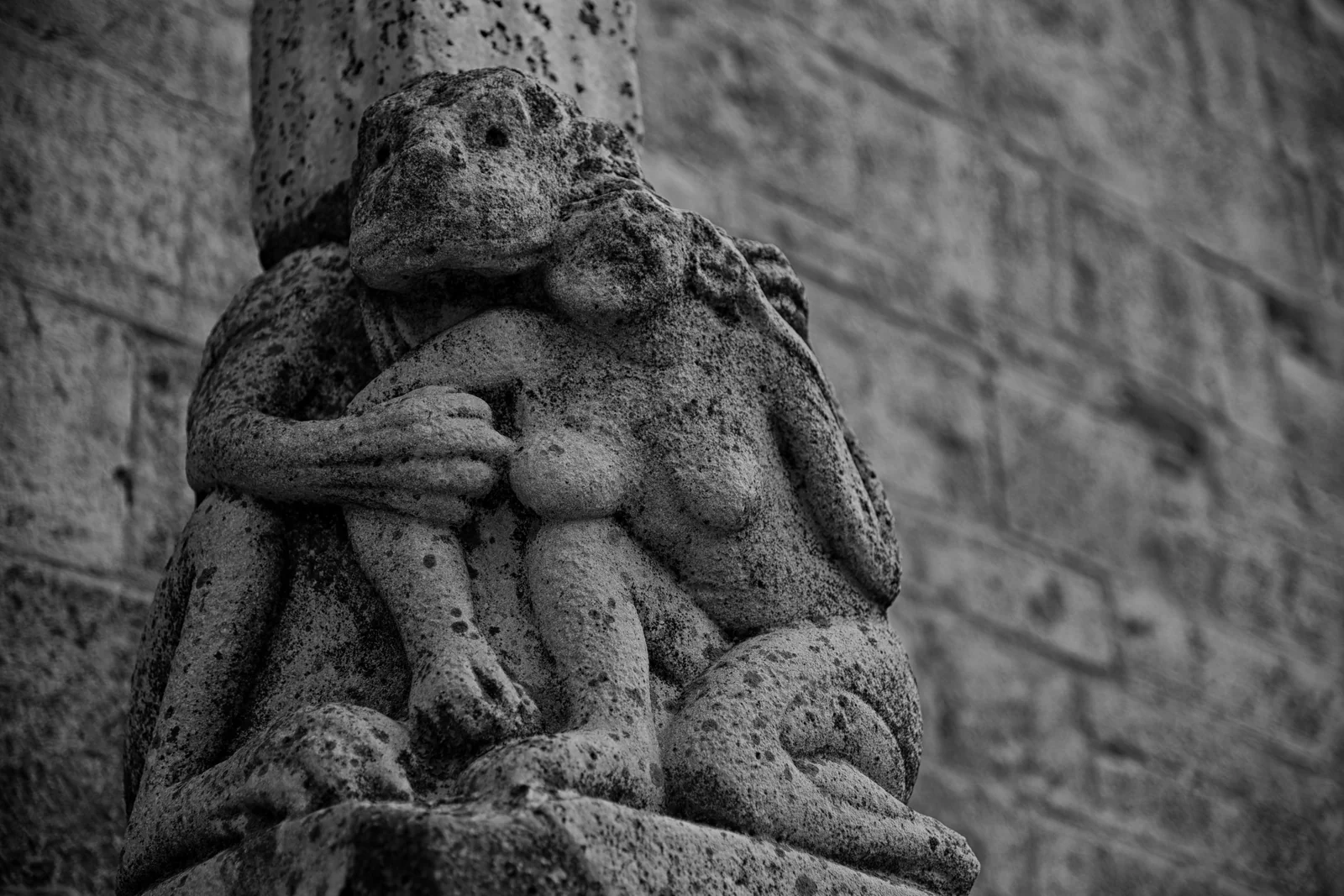
Photo: Anna Nicoletta Menzella / Wikimedia Commons — CC BY-SA 4.0 · Resized and converted to WebP.
What to see
According to the town council, the cathedral is about 69 metres long and 23 wide, with a 39-metre transept: three naves divided by ten massive pillars, five on each side, over about 2,050 square metres, a trussed roof and an octagonal lantern dome. Around the apse runs the ambulatory, covered by cross vaults on pointed arches, with three radiating chapels; two more open in the transepts. One of the small apses keeps the statue of San Canio and the relic of his staff; inside there are eighteenth-century statues, Renaissance works and frescoes of the thirteenth and fourteenth centuries. The façade has a thirteenth-century Romanesque portal of Apulian influence, under a porch decorated with statues; above the portal is the coat of arms of the Ferrillo family. The council’s website also offers a virtual tour of the cathedral.
The Ferrillo crypt is a square space beneath the high altar, divided into three aisles by four columns on carved plinths; today’s entrances date from 1953. On the walls, in panels, are frescoes of Saint Margaret of Antioch, the Adoration of the Magi, Saint Andrew and Saint Matthew; the nine small vaults bear roundels with Apostles, Doctors of the Church and founders of religious orders. The council attributes the carved decoration to the sculptor Pietro da Muro Lucano and, without certain sources, the frescoes to Todisco of Abriola. At the end, a small altar holds a marble sarcophagus known as the “Cassone di San Canio”, probably a cenotaph: the Ferrillo family is buried in Naples, in Santa Maria delle Anime.
The diocesan museum of sacred art is in the castle, on Via Regina Elena. It has four rooms on two floors: in the first, grave goods of the sixth to second centuries BC, mostly Canosa-type pottery; in the second, sub-geometric pottery of the Daunian tradition; in the third, archbishops’ mitres and wooden sculpture; in the fourth, the cathedral’s silver. The Ministry of Culture also mentions liturgical vestments, paintings on canvas and panel, eighteenth-century Neapolitan silverware and manuscripts from the churches of the diocese.
The old town has other churches the council describes. San Vincenzo, next to the museum, is the seventeenth-century chapel of the Gala family, dedicated to Saint Vincent Ferrer. The church of the Purgatorio, also called San Laviero, is eighteenth-century: it keeps a seventeenth-century canvas by Filippo Donzelli, a pupil of Aniello Falcone, showing the saint’s martyrdom with Acerenza and Grumento in the background, and a seventeenth-century organ with an inscription in Cyrillic letters. The Annunziata dates from the thirteenth century at the latest, with a small apse with hanging arches and a pointed portal; the rooms beneath it were a hospital for pilgrims. In the lower part of town, the Franciscan convent of Sant’Antonio di Padova, from the late sixteenth century, has a cloister, a chimney about 20 metres high that the friars used as a distillery until the end of the nineteenth century and, in the church of Santa Maria Maddalena, the altar that was once the high altar of the cathedral.
Sources: Comune di Acerenza — Cattedrale di Santa Maria Assunta e San Canio Vescovo (testo della Pro Loco) · Comune di Acerenza — Cripta Ferrillo (Cattedrale di Acerenza) (testo della Pro Loco) · Comune di Acerenza — Castello e Museo Diocesano di Arte Sacra · Ministero della cultura — Luoghi della cultura: Museo diocesano d’arte sacra di Acerenza · Comune di Acerenza — Chiesetta di San Vincenzo (testo della Pro Loco) · Comune di Acerenza — Chiesa del Purgatorio (testo della Pro Loco) · Comune di Acerenza — Chiesetta dell’Annunziata (testo della Pro Loco) · Comune di Acerenza — Convento di S. Antonio di Padova e chiesa di S. Maria Maddalena (testo della Pro Loco)
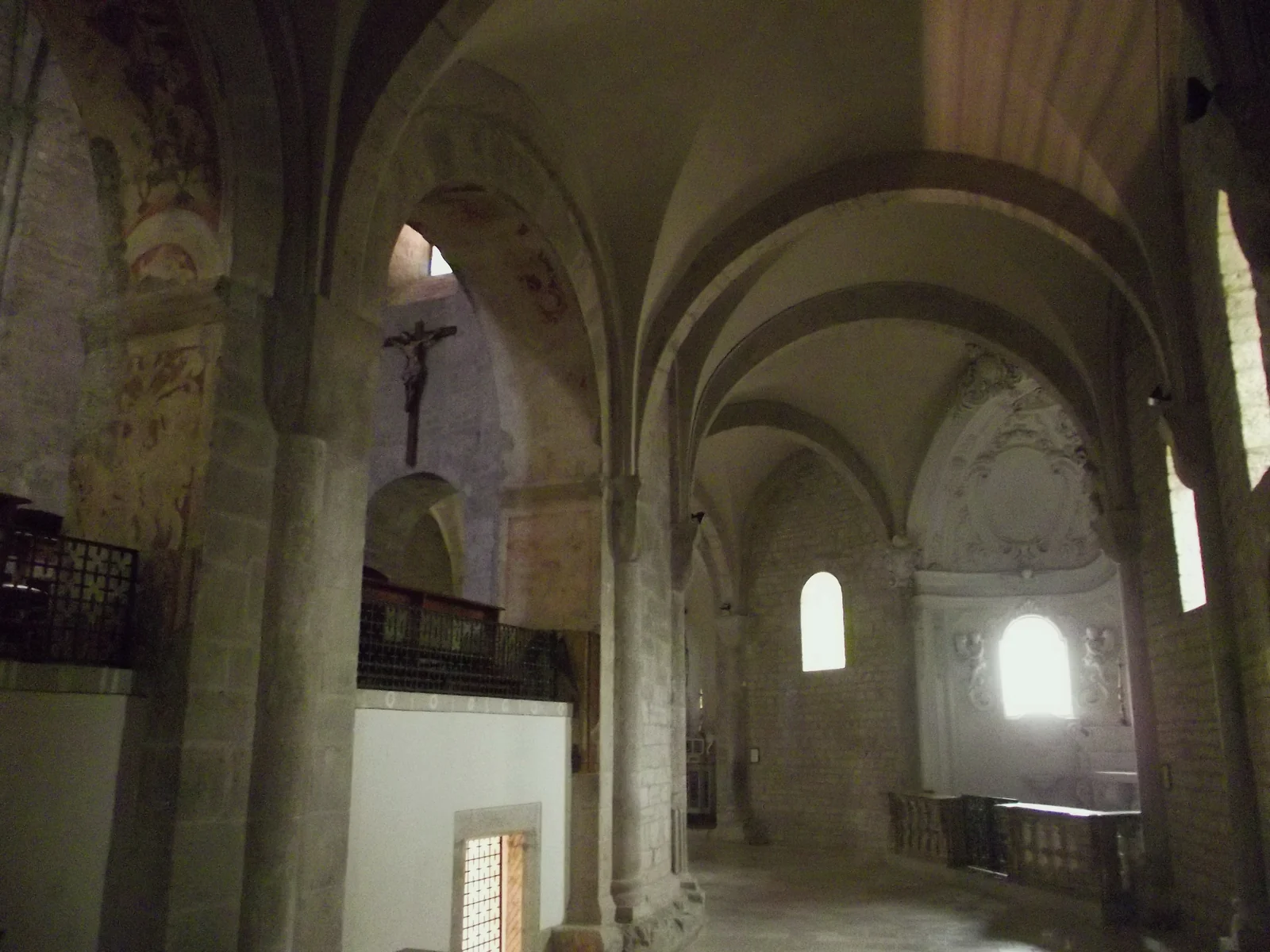
Photo: Arietemarzo / Wikimedia Commons — CC BY-SA 3.0 · Resized and converted to WebP.
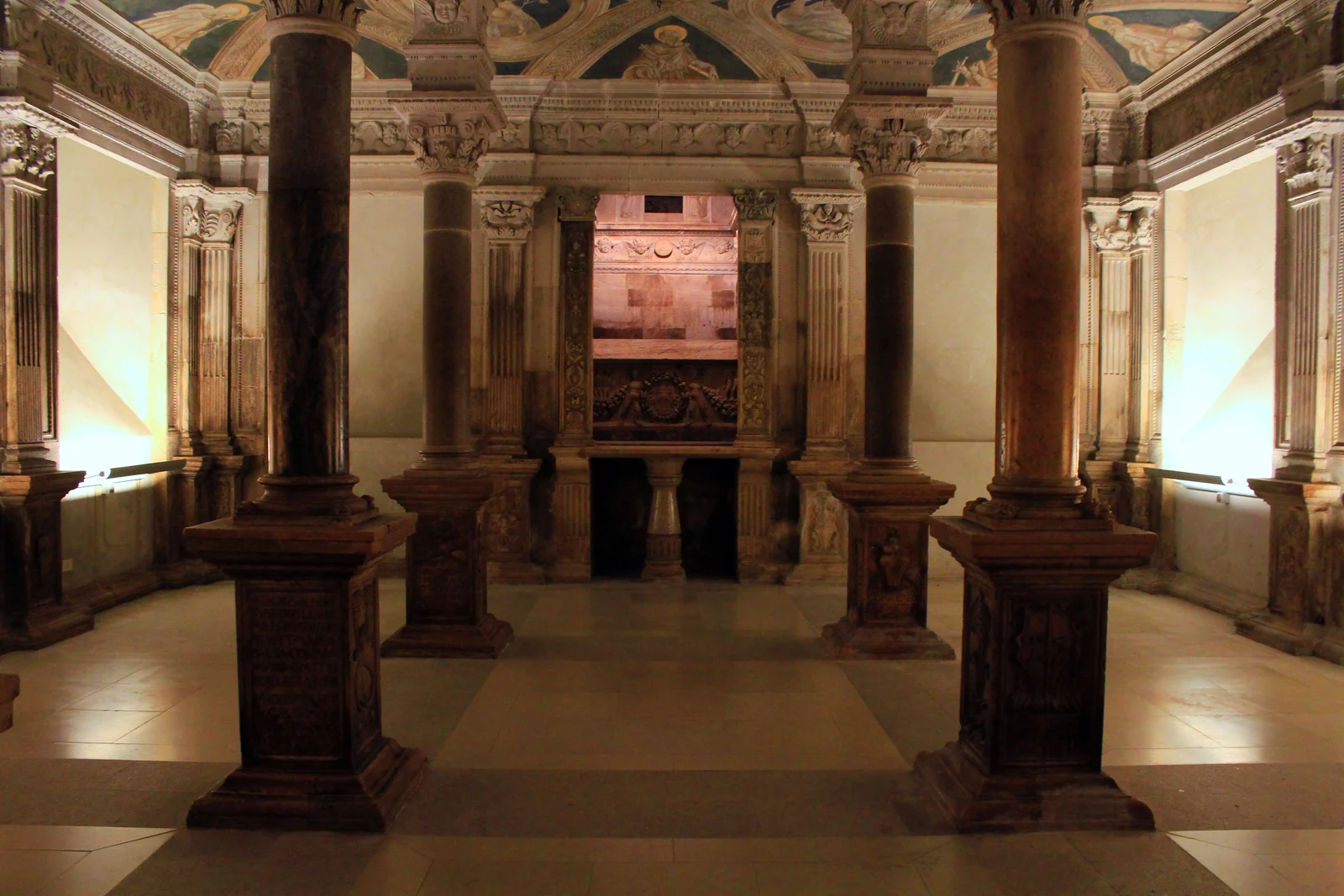
Photo: Mngon [Giuseppe Cillis] / Wikimedia Commons — CC BY-SA 4.0 · Resized and converted to WebP.
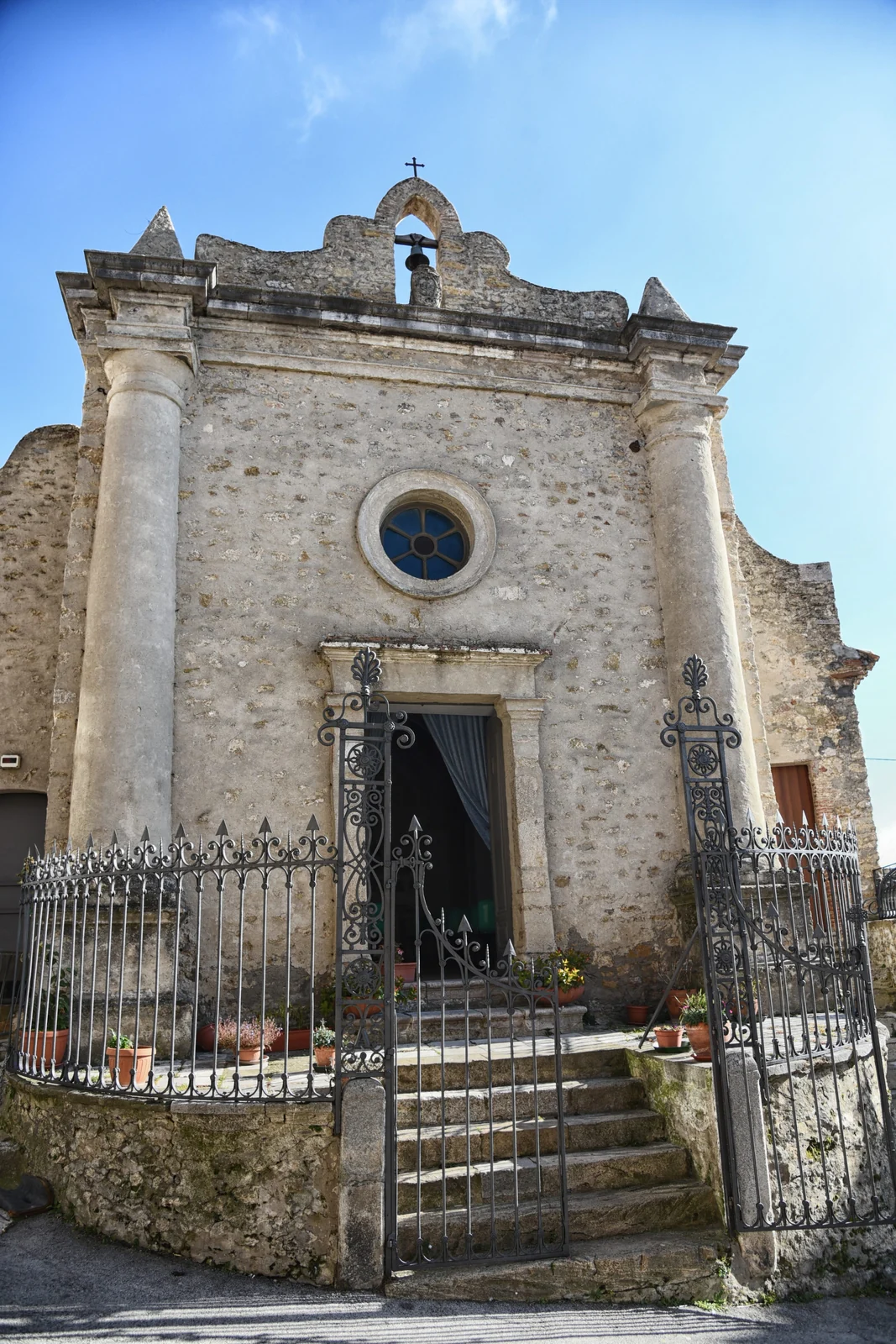
Photo: Anna Nicoletta Menzella / Wikimedia Commons — CC BY-SA 4.0 · Resized and converted to WebP.
Flavours
The wine of Acerenza is Aglianico del Vulture. It is a controlled designation of origin, listed among the PDO wines of the Ministry of Agriculture and in the European eAmbrosia register under number PDO-IT-A0222. The production rules, approved in 1971 and later amended (the text read is that of the decree of 30 November 2011), include in the production area the whole territory of Acerenza and of fourteen other municipalities in the province of Potenza, from Rionero in Vulture, Melfi and Venosa to Palazzo San Gervasio and Genzano di Lucania. The wine is made from Aglianico del Vulture or Aglianico grapes, from hillside vineyards on mainly volcanic soils between 200 and 700 metres, with a maximum yield of 10 tonnes per hectare; winemaking and bottling take place within the area.
The rules describe it as ruby red, with a typical, intense nose, from dry to slightly sweet, properly tannic, with at least 12.5 per cent alcohol; it goes on sale from 1 September of the year after the harvest, and the vintage must appear on the label. There is also a sparkling version, refermented in the bottle for at least nine months. The protection consortium is based in Rionero in Vulture.
Among the events the Pro Loco has organised over the years, the council mentions the festival of local products and the Sapori d’autunno food fair.
Sources: MASAF — Elenco alfabetico dei vini DOP italiani · Commissione europea, eAmbrosia — Aglianico del Vulture (PDO-IT-A0222) · Camera di Commercio della Basilicata — Disciplinare di produzione dei vini a DOC «Aglianico del Vulture» (testo del D.M. 30.11.2011) · Comune di Acerenza — Pro Loco Acerenza
Things to do
A good place to start is the Pro Loco, at Via Umberto I 3. Founded in 1974, since 2013, the town council writes, it has been welcoming visitors with an info point open six days a week and a telephone help service seven days a week.
Outside the centre, the council points to a few places set in nature. The country church of the Madonna del Cupo, with a pitched roof, a small bell gable and a fourteenth-century stone portal whose arch has a zigzag profile, is reached through the woodland that surrounds the town. The rock church of San Michele Arcangelo, linked to the cult of Monte Sant’Angelo on the Gargano and perhaps introduced by the Lombards, keeps a wooden statue of the saint by the local craftsman Angelo Maria Marmo, known as Furnaciar. Near the reservoir that serves the town there is a wide view, and sports can be practised there, fishing included.
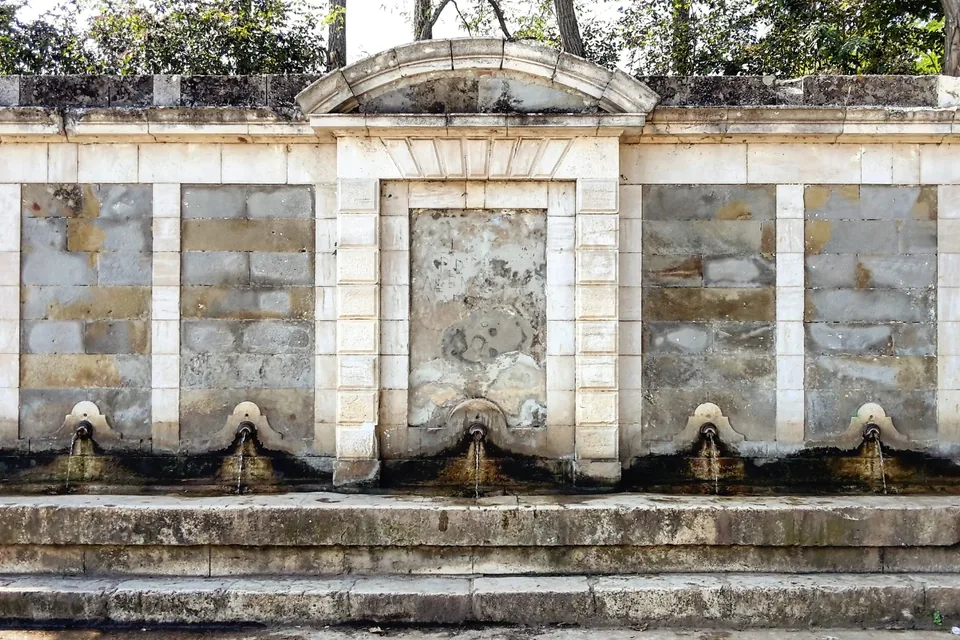
In town, the council also lists among its places the fountain of San Marco, a small round temple with columns.
Sources: Comune di Acerenza — Pro Loco Acerenza · Comune di Acerenza — Chiesa rurale Madonna del Cupo · Comune di Acerenza — Chiesa rupestre di San Michele Arcangelo · Comune di Acerenza — Diga di Acerenza · Comune di Acerenza — Fontana di San Marco
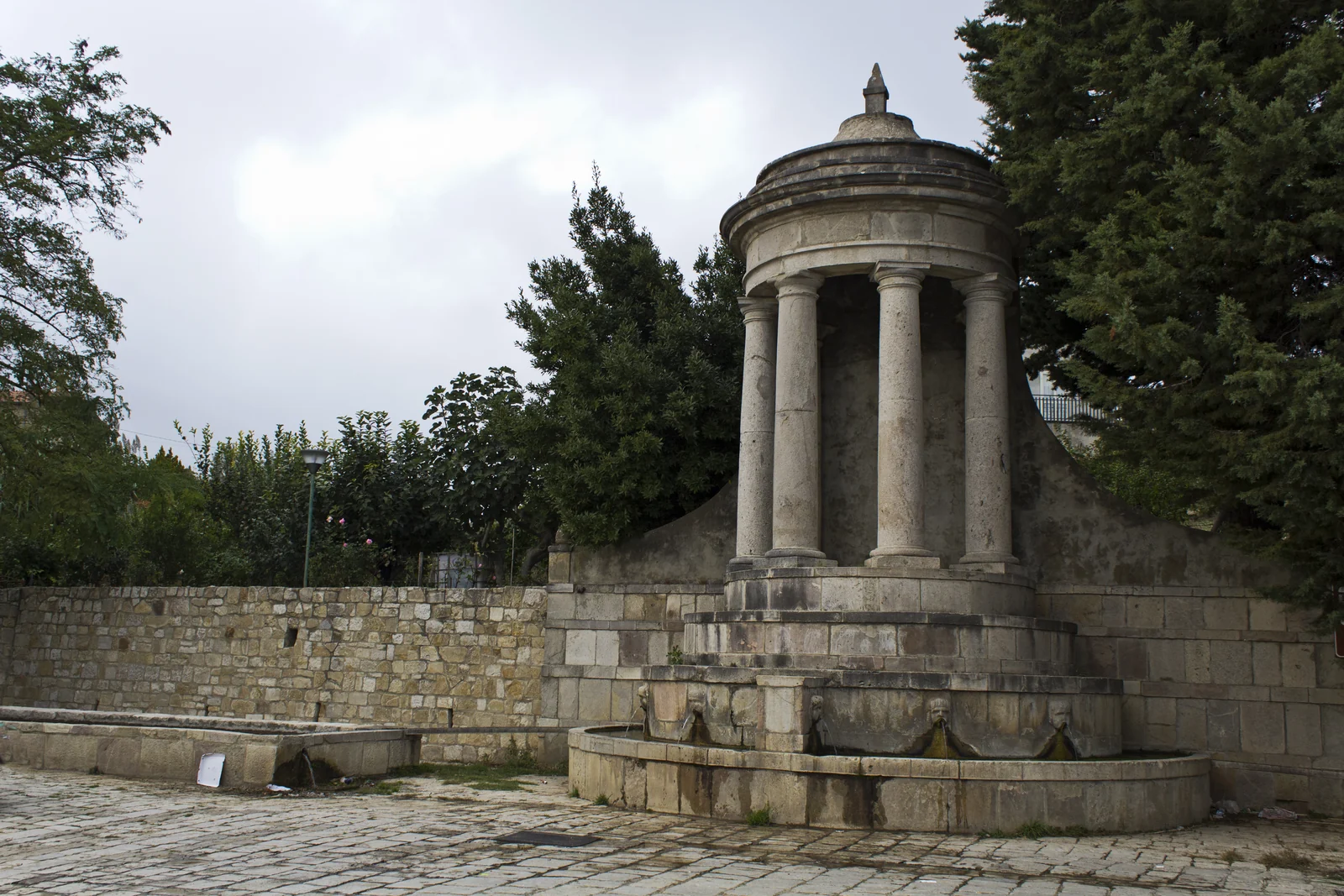
Photo: Mngon (Giuseppe Cillis) / Wikimedia Commons — CC BY-SA 4.0 · Resized and converted to WebP.
When to go
Acerenza’s calendar follows San Canio, bishop and martyr, patron of the town and of the Archdiocese. On 25 May the solemnity of the translation of his relics to Acerenza is celebrated; on 1 September his own solemnity, which in 2023 opened the diocese’s pastoral year in the cathedral. The saint’s bond with the cathedral is old: in 1302, the Archdiocese recalls, Archbishop Gentile Orsini decreed that the suffragan bishops should visit the cathedral no longer on the feast of the Assumption but on the day of San Canio.
In spring, every 8 May, people picnic in the open near the rock church of San Michele Arcangelo in honour of the saint, a custom alive, the council writes, since the 1950s.
Among the events the Pro Loco has organised over the years, the council mentions the street artists’ festival, the white night, the Christmas markets and, for some editions together with the Acheruntia cultural association, the historical parade “From the Lombards to the Normans: the story of a Cathedral”. The sources read do not give the dates of future editions.
Sources: Arcidiocesi di Acerenza — Omelia per San Canio, 25 maggio 2023 · Arcidiocesi di Acerenza — Omelia per la solennità di San Canio, 1° settembre 2023 · Arcidiocesi di Acerenza — Acerenza: storia della città e della Chiesa acheruntina (PDF) · Comune di Acerenza — Chiesa rupestre di San Michele Arcangelo · Comune di Acerenza — Pro Loco Acerenza
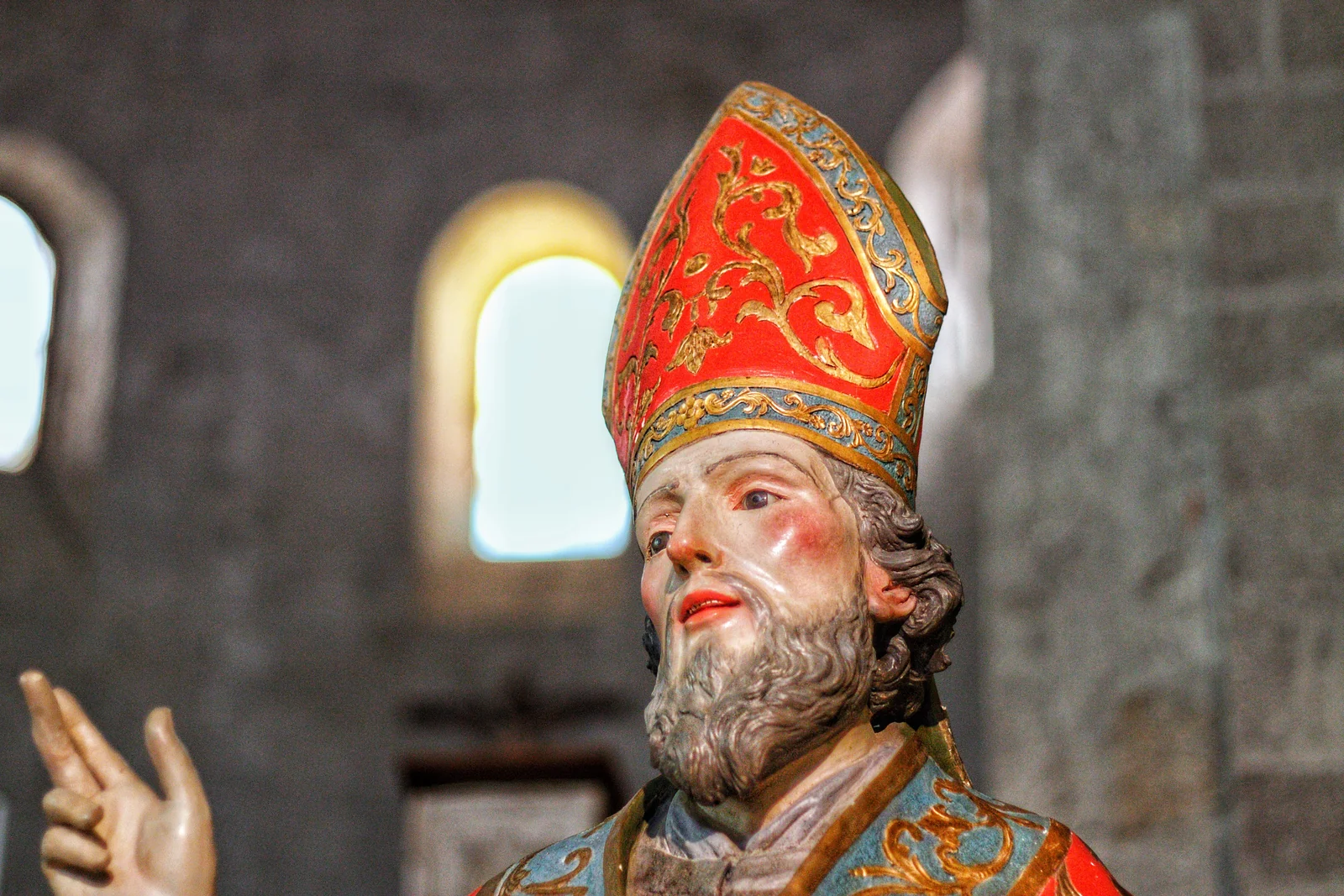
Photo: Michelep991 / Wikimedia Commons — CC BY-SA 4.0 · Resized and converted to WebP.
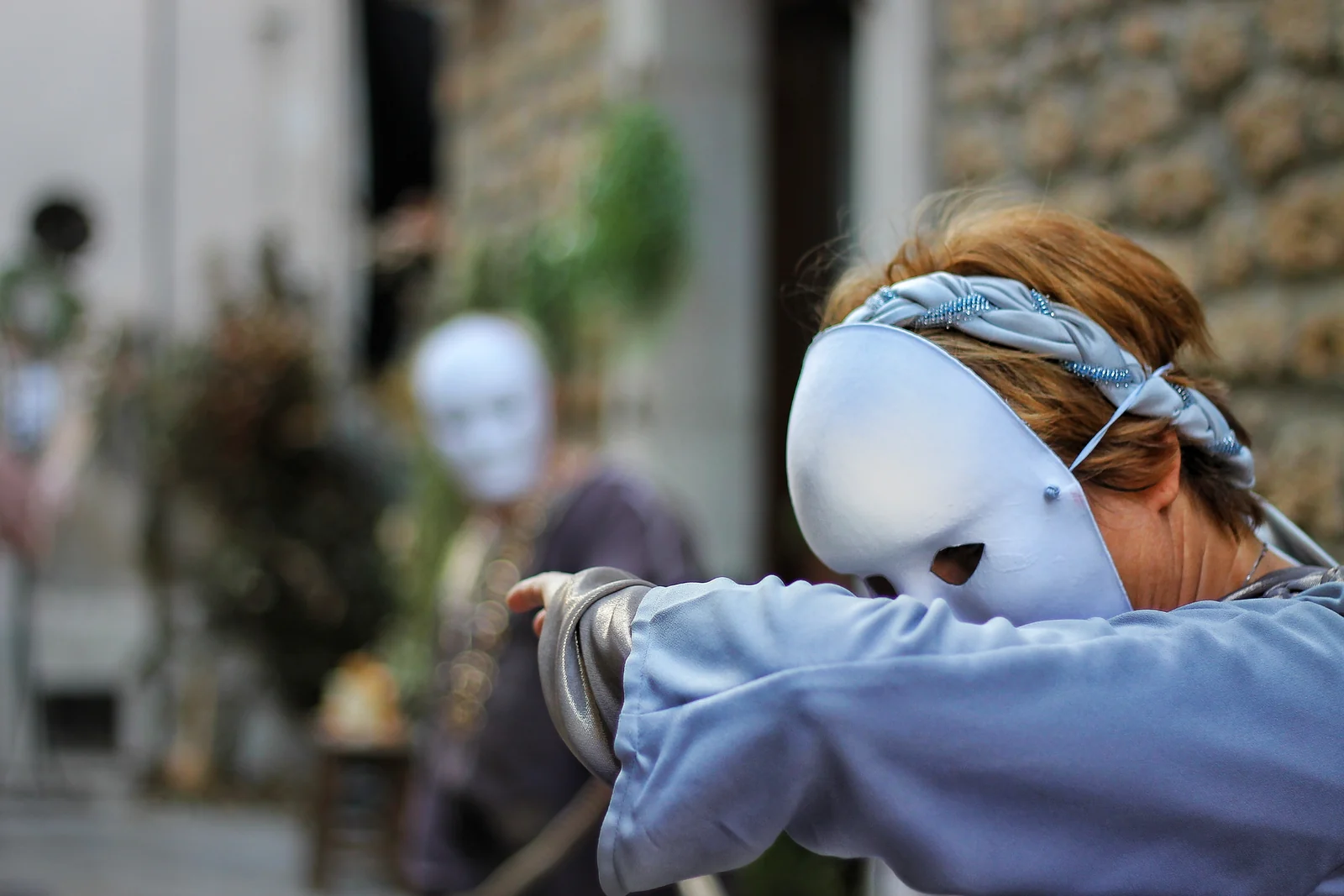
Photo: Michelep991 / Wikimedia Commons — CC BY-SA 4.0 · Resized and converted to WebP.
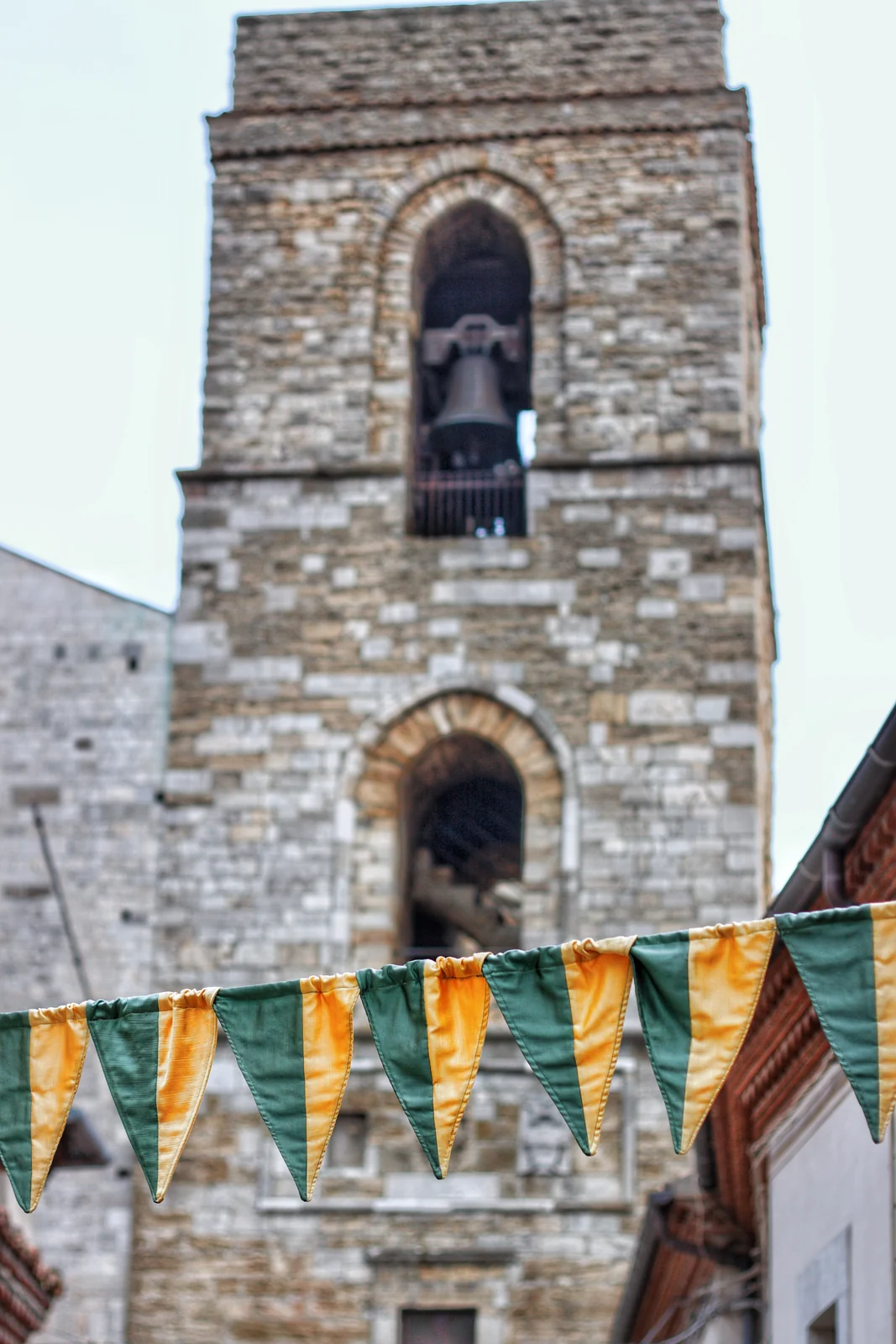
Photo: Michelep991 / Wikimedia Commons — CC BY-SA 4.0 · Resized and converted to WebP.
Accommodation in figures
In the Ministry of Tourism’s national database of accommodation (BDSR), on 12 October 2026, Acerenza had 13 establishments with a verified national identification code (CIN): 6 non-hotel establishments and 7 other establishments.
Sources: Ministero del Turismo – Banca Dati Strutture Ricettive (dashboard pubblica)
Nearby
Among the places Apulica already covers, the nearest are Palazzo San Gervasio (about 12 km), Potenza (about 20 km) and Venosa (about 22 km): straight-line distances between the centres of the municipal territories.
Together with Palazzo San Gervasio, Venosa, Genzano di Lucania, Forenza, Rionero in Vulture and Melfi, Acerenza is part of the Aglianico del Vulture production area. The territory of the Archdiocese has shrines that draw pilgrims: at Tolve the shrine of San Rocco, a minor basilica since 25 April 2023, with feasts on 16 August and 16 September; at Genzano di Lucania the Marian shrine of Maria Santissima delle Grazie; at Oppido Lucano that of Maria Santissima di Belvedere.
Sources: ISTAT/Openpolis, confini comunali della regione Basilicata (CC BY 4.0, ISTAT/Openpolis) · Camera di Commercio della Basilicata — Disciplinare di produzione dei vini a DOC «Aglianico del Vulture» (testo del D.M. 30.11.2011) · Arcidiocesi di Acerenza — I Santuari dell’Arcidiocesi di Acerenza
The town council
The official website of the Comune di Acerenza, registered in IndicePA, the index of the digital addresses of Italy’s public administrations, is the reference for the town council’s offices, opening hours and news. Its address is listed among the sources of this section.
The town hall is at Corso Vittorio Emanuele III 151; the council answers on 0971 741129 and at [email protected]. Visitors are welcomed at the Pro Loco info point, at Via Umberto I 3.
Sources: Comune di Acerenza, sito istituzionale · IndicePA (AgID), Indice dei domicili digitali delle pubbliche amministrazioni: dataset Enti · Comune di Acerenza — Sede comunale · Comune di Acerenza — Pro Loco Acerenza
Where to stay
In the municipality of Acerenza the national database of the Ministry of Tourism lists 13 accommodation businesses with a verified CIN code: 0 hotels, 6 other licensed accommodation and 7 other types such as B&Bs and private rentals.
Licensed businesses from the official list of accommodation named as the source in this section. Where the list gives it, the property's official identification code appears next to its name: the national CIN code, or the code assigned by the Region or by the body that keeps the list. Private individuals are not listed. This list is the official census of licensed businesses, not a list of Apulica partners: to stay in Acerenza you do not have to check one property after another yourself; write to Apulica and we look for the stay that suits your journey, checking availability and conditions before any confirmation.
3B Beniamino 1
Guest rooms
APT Basilicata code 4355
3B Beniamino 2
Guest rooms
APT Basilicata code 4356
All'Arco
Guest rooms
APT Basilicata code 3555
Mantra Luxury Suite & Room
Guest rooms
APT Basilicata code 4101
Residence La Torre
Guest rooms
APT Basilicata code 2996
First the places that presented themselves to Apulica, the latest first; then one place of each type in turn, by official category and stars, then by name. No position is paid for.
Ask Apulica for a stay in Acerenza We reply shortly, within a few hours at most, with a proposal for you to consider.
Sources: Ministero del Turismo – Banca Dati Strutture Ricettive (dashboard pubblica), 2026-10-12
YOUR JOURNEY
How to shape a journey here
To include Acerenza in a trip, or to ask for a guide or a transfer, you can write to Apulica with the button below.
Plan your tripKeep exploring
Palazzo San Gervasio
Palazzo San Gervasio: a collection in a small town. The d’Errico Picture Gallery, with nearly three hundred paintings and five hundred prints.
Read the guide →Photo: Fuoco Fatuo / Wikimedia Commons — CC0 · Resized and converted to WebP.

Venosa
Venusia, the unfinished church and the castle: connect history and food in Vulture-Melfese.
Read the guide →Photo: D.N.R. / Wikimedia Commons — CC BY-SA 3.0 · Resized and converted to WebP.

Potenza
Basilicata’s capital at 819 metres: Via Pretoria and the Guevara Tower, the cathedral of San Gerardo, the national archaeological museum, some of the longest escalators in Europe, the Parade of the Turks on 29 May, strascinati pasta and caciocavallo podolico.
Read the guide →Photo: Michele Luongo / Wikimedia Commons — CC BY-SA 4.0 · Resized and converted to WebP.

Genzano di Lucania
Genzano di Lucania (PZ), Basilicata: 5,122 residents, 208.93 km². The official facts of the municipality, its town council website and its registered accommodation.
Read the guide →Photo: Mariangela Lebotti / Wikimedia Commons — CC BY-SA 4.0 · Resized and converted to WebP.

Forenza
Forenza (PZ), Basilicata: 1,756 residents, 116.31 km². The official facts of the municipality, its town council website and its registered accommodation.
Read the guide →Photo: D.N.R. / Wikimedia Commons — Public domain · Resized and converted to WebP.

Rionero in Vulture
Rionero in Vulture (PZ), Basilicata: 12,382 residents, 53.52 km². The official facts of the municipality, its town council website and its registered accommodation.
Read the guide →Photo: Generale Lee / Wikimedia Commons — CC BY-SA 3.0 · Resized and converted to WebP.

Vulture
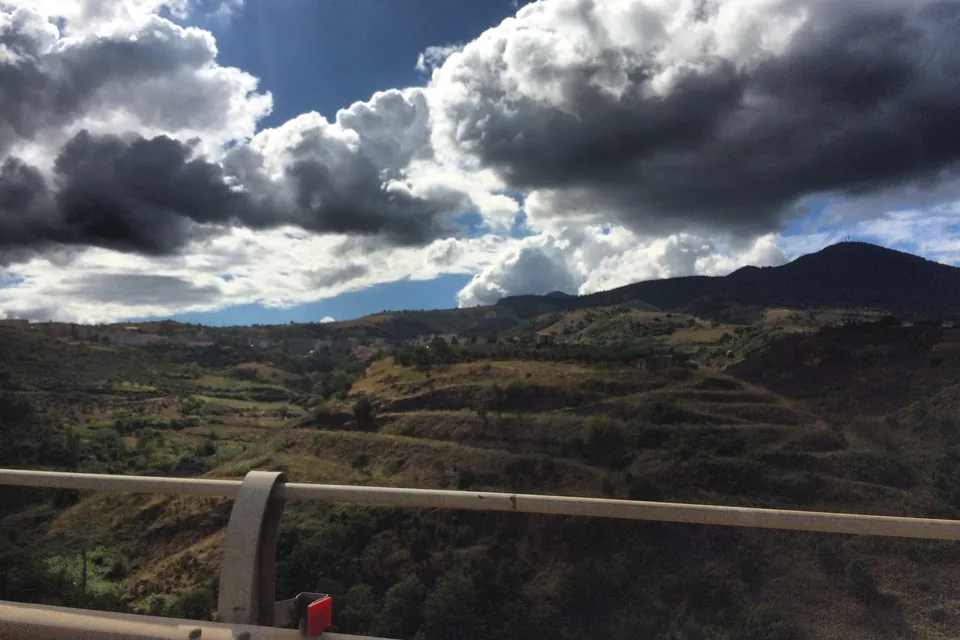
Monticchio lakes, Rionero and wine culture: explore Vulture beyond a single tasting.
Read the guide →Photo: Gianmarco Tirico / Wikimedia Commons — CC BY-SA 4.0 · Resized and converted to WebP.

Matera
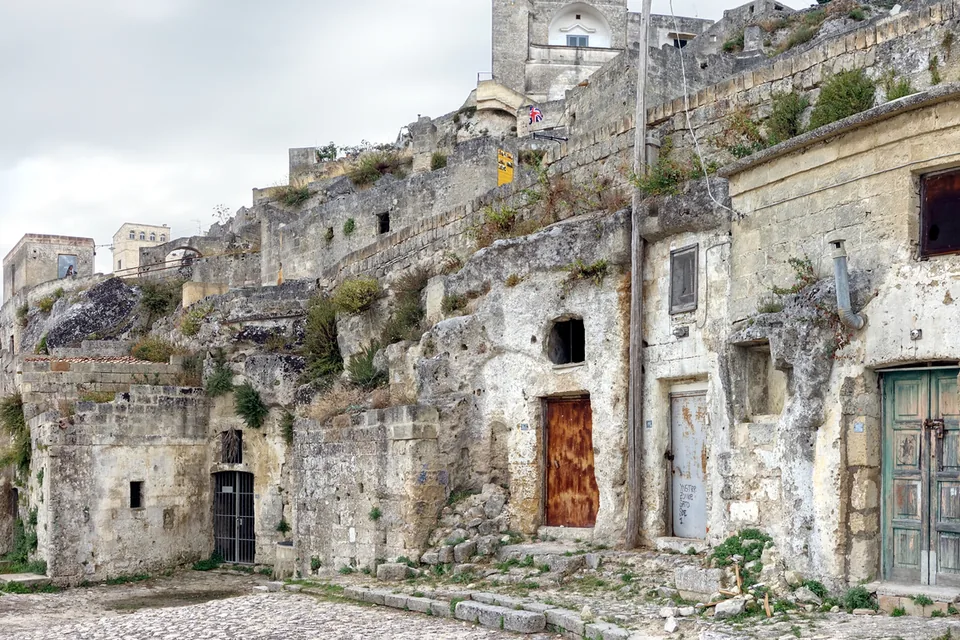
The Sassi, Murgia and local bread: explore a city through architecture, nature and everyday life.
Read the guide →Photo: Velvet / Wikimedia Commons — CC BY-SA 4.0 · Resized and converted to WebP.

“Come to Acerenza as a guest, not as a tourist: that is how these places truly let you know them.”