

Why go
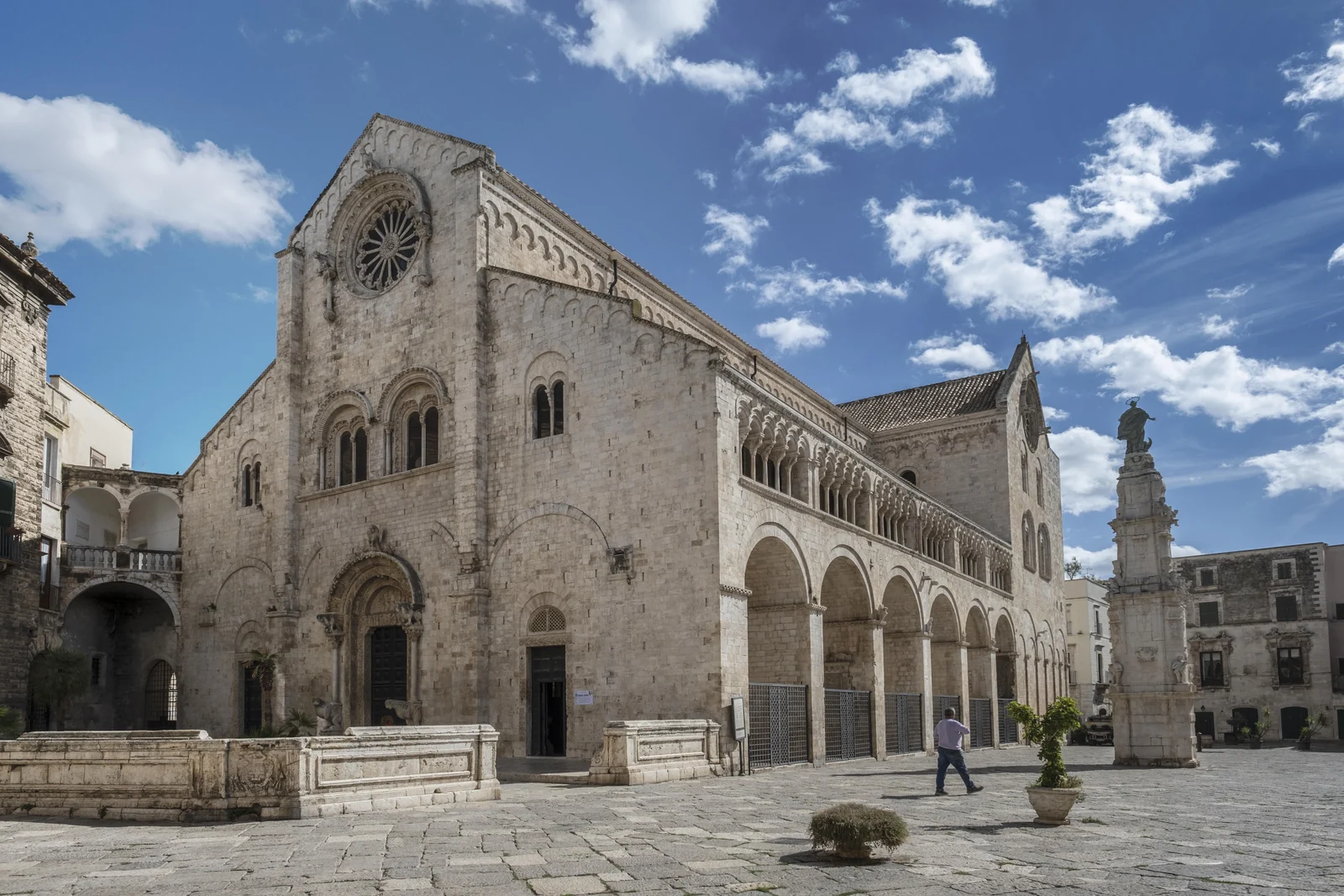
People come to Bitonto above all for its cathedral. The Archdiocese of Bari-Bitonto calls it one of the most complete and best-preserved examples of Apulian Romanesque: the three-part façade with its rose window held up by two lions, the carved portal, the ambo signed by the “magister” Nicolaus and the crypt, a forest of columns with finely worked capitals. In front of it, in the square the town council describes as the old “public platea” and heart of the medieval town, rises the spire of the Immacolata.
The second reason lies a few steps away, around Piazza Cavour: the Angevin round tower, the fourteenth-century cylindrical tower of Porta Baresana, and Palazzo Sylos Calò with its loggia, home of the National Gallery of Puglia “Girolamo e Rosaria Devanna”, the state picture gallery opened in 2009 with the collection the two Bitonto-born siblings donated to the State.
Then there is the olive oil. The town council says extra virgin oil has always represented the town in the world through its own cultivar, the Cima di Bitonto, and the “Terra di Bari” designation of origin carries the geographical mention “Bitonto”. In the old town, stone ovens are still at work baking focaccia, taralli and bread. The calendar has its high points: the feast of the Immacolata and the historical parade in May, the feast of the Santi Medici in October, with thousands of pilgrims. At the edge of town begins the Lama Balice regional nature park.
Sources: Arcidiocesi di Bari-Bitonto — La Concattedrale · Comune di Bitonto — Gran finale della trentesima edizione di Monumenti Aperti, 7 e 8 novembre 2026 · Comune di Bitonto — Guida ai monumenti, Bitonto Monumenti Aperti 2024 (allegato al comunicato del 10 ottobre 2024) · Ministero della cultura — Luoghi della cultura: Galleria nazionale della Puglia «Girolamo e Rosaria Devanna» (aggiornato il 28 ottobre 2026) · Comune di Bitonto — Bitonto verso il Piano strategico del Turismo, BIT di Milano (5 febbraio 2024) · Ministero dell’agricoltura (MASAF) — Disciplinare di produzione dell’olio extravergine di oliva DOP «Terra di Bari» (D.M. 4 settembre 1998) · Comune di Bitonto — «Ottobre Mediceo» 2026 e Festa dei Santi Medici (2 ottobre 2026) · Parco naturale regionale Lama Balice — Il Parco
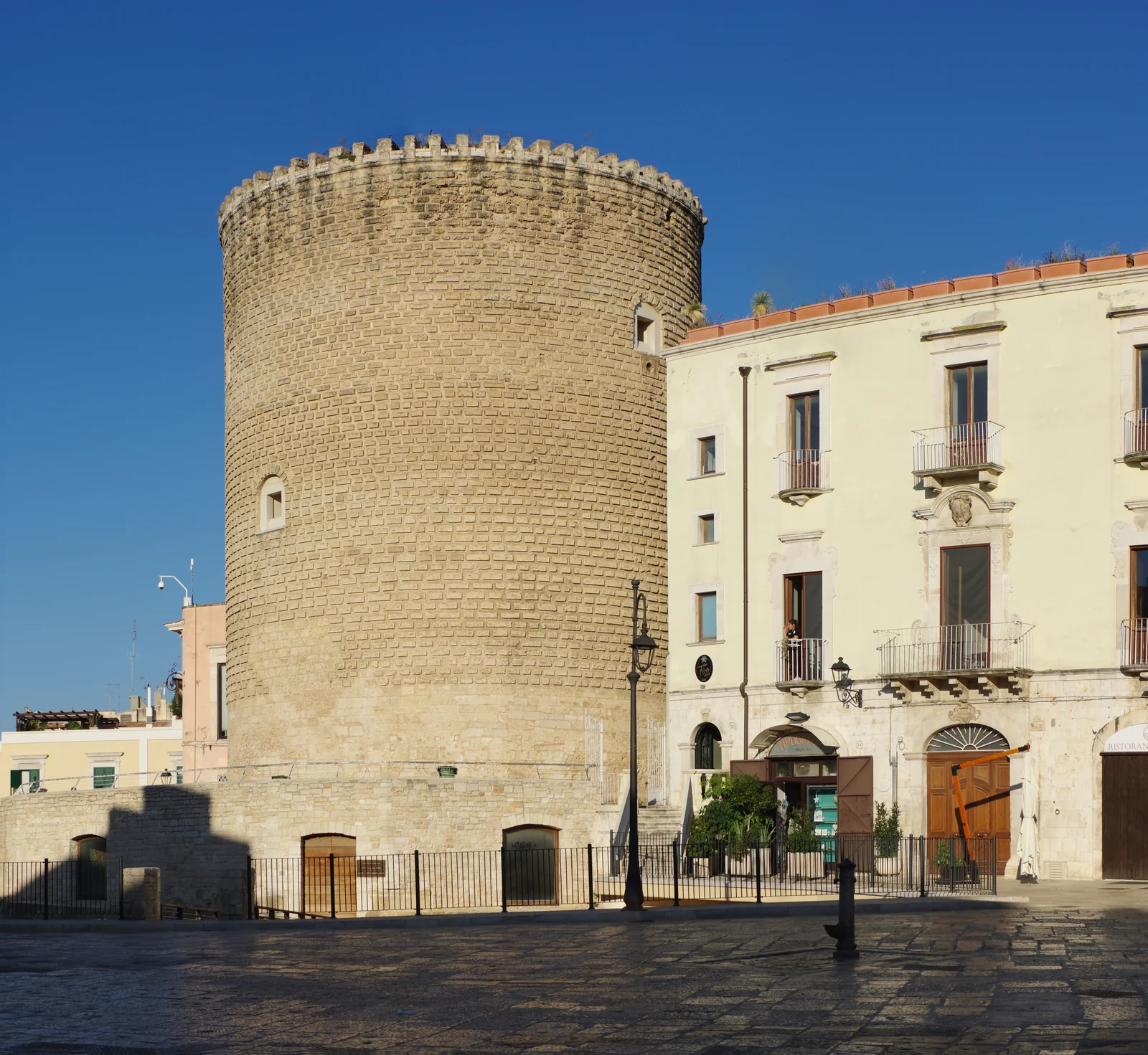
Photo: Berthold Werner / Wikimedia Commons — CC BY-SA 3.0 · Resized and converted to WebP.
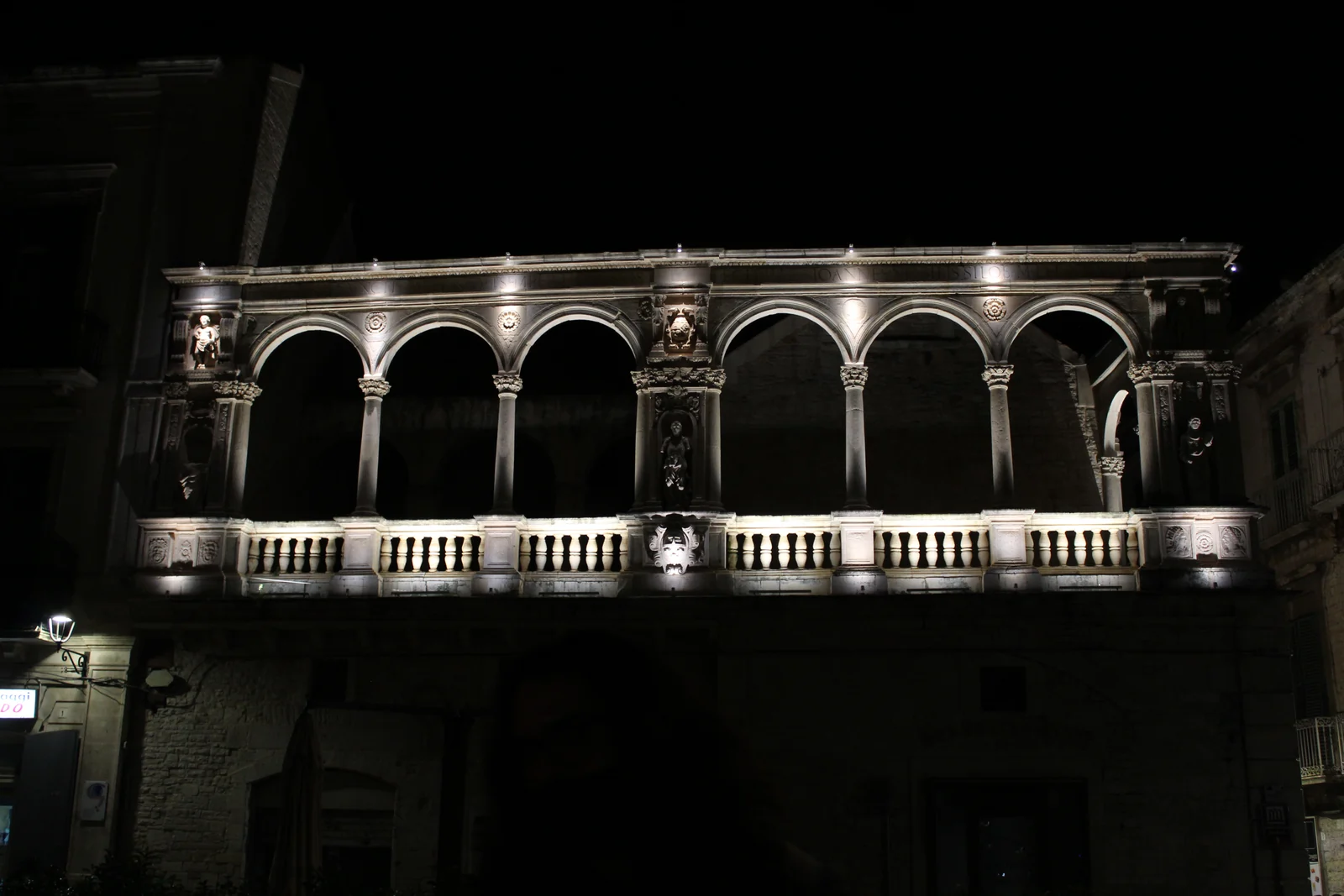
Photo: Maira Illuzzi / Wikimedia Commons — CC BY-SA 4.0 · Resized and converted to WebP.
The municipality at a glance
Bitonto is a municipality in the Metropolitan City of Bari, in Puglia. Its ISTAT code is 072011. On 1 January 2025 it had 52,958 residents. The municipal territory covers 174.34 km² and ranges from 34 to 491 metres above sea level; the town hall stands at about 115 metres.
The municipality also includes the outlying villages of Mariotto and Palombaio. According to the town council, they lie where two parks meet: the Lama Balice regional nature park and the Alta Murgia National Park.
Sources: ISTAT, Codici statistici delle unità amministrative territoriali: elenco dei comuni al 21 febbraio 2026 · ISTAT, Popolazione residente per età, sesso e stato civile al 1° gennaio 2025 (POSAS) · ISTAT, Principali statistiche geografiche sui comuni: superficie e altimetria al 31 dicembre 2021 · Comune di Bitonto — Bitonto verso il Piano strategico del Turismo, BIT di Milano (5 febbraio 2024) · Comune di Bitonto — Gran finale della trentesima edizione di Monumenti Aperti, 7 e 8 novembre 2026
History
The area was settled very early. According to the park authority, stone finds and traces of prehistoric villages have been found along the Lama Balice, with settlements from the Early Neolithic to the early Iron Age. The grave goods from the Via Traiana necropolis, Peucetian and dating from the sixth to the third century BC, are on display in the archaeological museum of the De Palo-Ungaro Foundation.
In Roman times Bitonto was a municipium, as Italy’s Ministry of Culture notes, and Piazza Cattedrale, the town council writes, stands on the old forum. The Via Traiana crossed the countryside: according to the park authority, the milestones found along the road bear the date 109 AD.
The town was a bishop’s see at least from the early Norman period. Beneath the cathedral, the Archdiocese writes, excavations have uncovered traces of a fifth- or sixth-century basilica and of a large building begun in the eleventh century, probably never completed, of which a mosaic griffin survives. The present cathedral was built between the late twelfth and the early thirteenth century; the altar bears the date 1222 and the ambo 1229. The cult of Saint Valentine, patron of the cathedral chapter, was introduced in the twelfth century by Bishop Guglielmo da Viterbo.
The Angevins strengthened the walls: the round tower was built around the middle of the fourteenth century on the north side of the circuit, and in 1283 Charles I of Anjou authorised the building of the Franciscan friary of Santa Maria Maddalena. The “Libro Rosso” kept in the municipal library gathers the privileges and records of the town community from 1265 to 1559. In 1584 the works commissioned by Giovanni Alfonso Sylos, of a family from Burgos that had reached Puglia in 1503, were completed on the palazzo that now houses the National Gallery.
According to the Ministry of Culture, from the second half of the seventeenth century Bitonto was one of the largest towns of viceregal Italy, second in population in the region only to Lecce. In 1703 the cathedral chapter proclaimed the Immacolata patron of the diocese and of the town: tradition credits her with protecting Bitonto from the plague, in the earthquake of 1731 and in the sack of 1734. The spire in Piazza Cattedrale was raised in 1731 as a votive offering for the limited damage of the earthquake. On 25 May 1734 the battle of Bitonto was fought, which the town re-enacts every year with its historical parade.
In 1809 Joachim Murat suppressed the Conventual Franciscans and the friary became the town hall; in 1849 Luigi Castellucci designed Palazzo Gentile, the new town hall, and between 1835 and 1838 the theatre now named after Tommaso Traetta, the composer born in Bitonto in 1727, was built. In the early decades of the twentieth century many people from Bitonto emigrated to North America, taking with them the cult of the Santi Medici, whom the town venerates in the basilica begun in 1958.
Sources: Parco naturale regionale Lama Balice — Territorio · Parco naturale regionale Lama Balice — Architettura rurale · Comune di Bitonto — Gran finale della trentesima edizione di Monumenti Aperti, 7 e 8 novembre 2026 · Ministero della cultura — Comunicato: Nasce a Bitonto la Galleria Nazionale della Puglia (2009) · Comune di Bitonto — Bitonto Monumenti Aperti, 12 e 13 ottobre 2024 (10 ottobre 2024) · Arcidiocesi di Bari-Bitonto — La Concattedrale · Arcidiocesi di Bari-Bitonto — Maria Santissima Assunta (Concattedrale): storia · Arcidiocesi di Bari-Bitonto — Capitolo della Concattedrale di Bitonto · Arcidiocesi di Bari-Bitonto — Patroni: storia · Comune di Bitonto — Guida ai monumenti, Bitonto Monumenti Aperti 2024 (allegato al comunicato del 10 ottobre 2024) · Ministero della cultura — Luoghi della cultura: Galleria nazionale della Puglia «Girolamo e Rosaria Devanna» (aggiornato il 28 ottobre 2026) · Comune di Bitonto — Corteo Storico rinviato al 2 giugno (19 maggio 2024) · Basilica e Santuario dei Santi Medici Cosma e Damiano, Bitonto — Storia · Arcidiocesi di Bari-Bitonto — Santuario Santi Medici Cosma e Damiano: storia
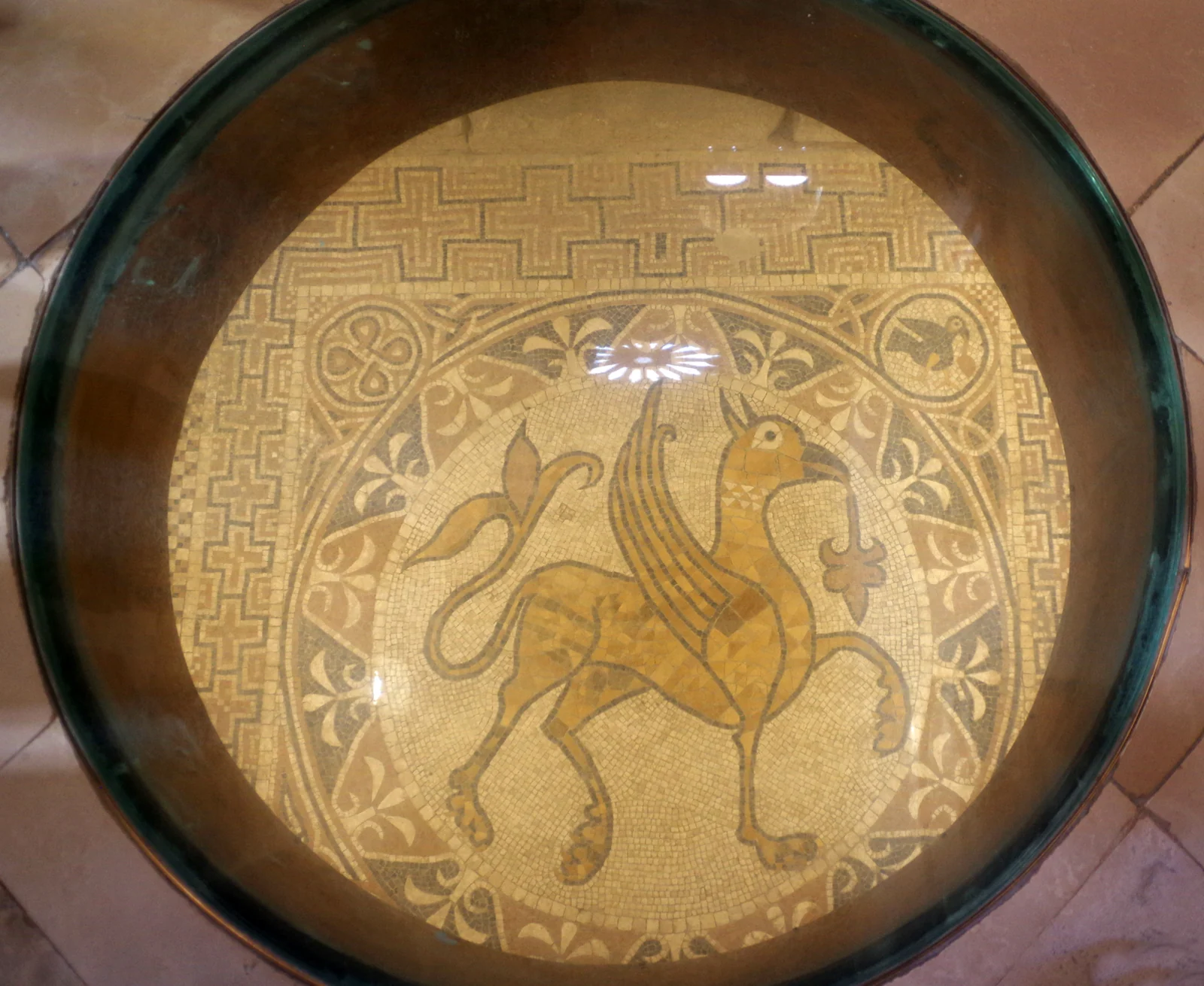
Photo: Berthold Werner / Wikimedia Commons — CC BY-SA 3.0 · Resized and converted to WebP.
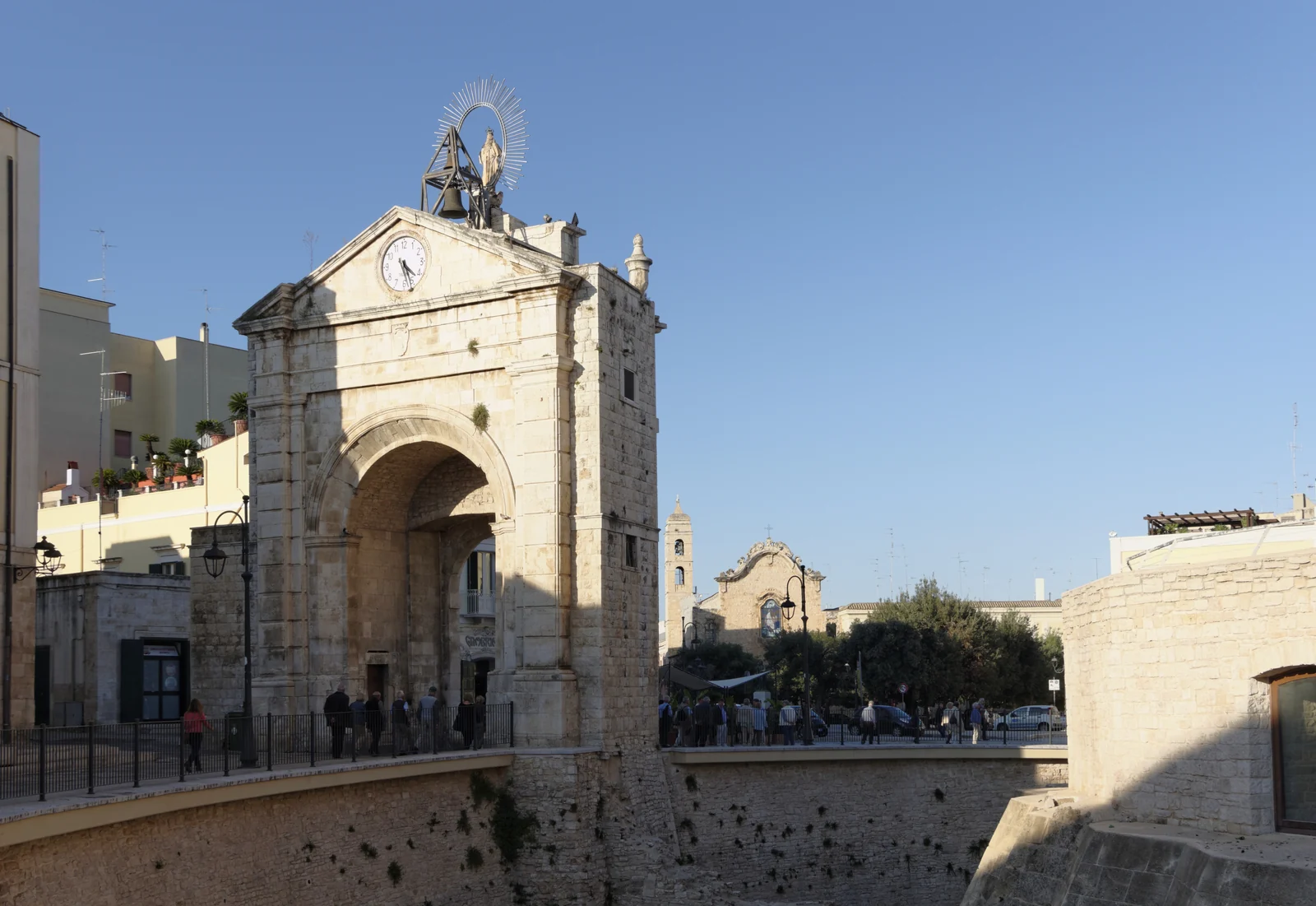
Photo: Berthold Werner / Wikimedia Commons — CC BY-SA 3.0 · Resized and converted to WebP.
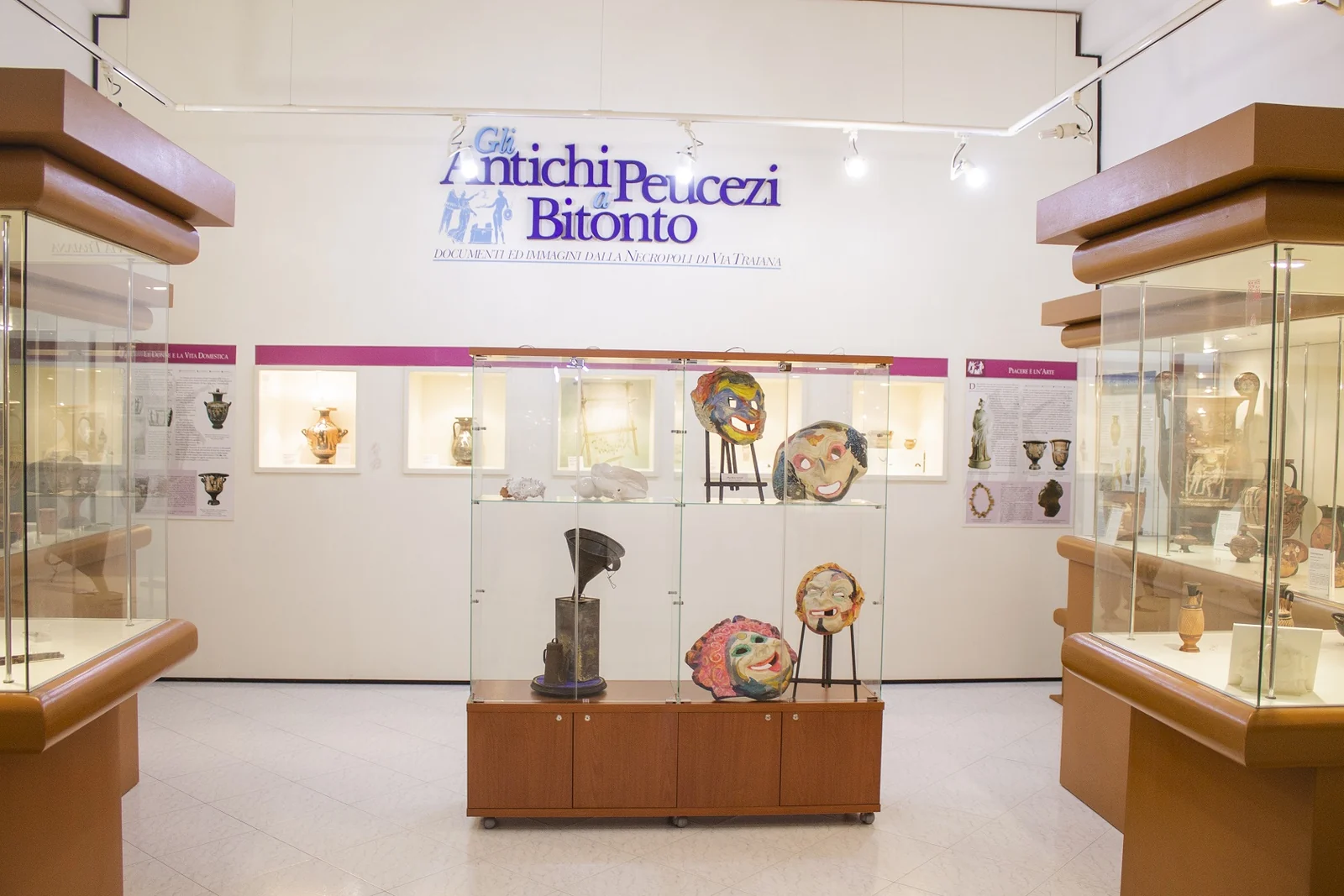
Photo: Musarbit / Wikimedia Commons — CC BY-SA 4.0 · Resized and converted to WebP.
What to see
The co-cathedral of Maria Santissima Assunta dominates Piazza Cattedrale. The façade is divided into three parts, like the naves, with three portals: the central one, the largest, has reliefs of the medieval imagination on its jambs, scenes of the Redemption in the lunette and the Joyful Mysteries on the lintel. Above open the mullioned windows and, at the top, the rose window, its archivolt held up by two lions and crowned by a hippogriff. Along the side runs a long row of small columns, and one doorway has a Byzantine-style Christ. Inside, freed from its seventeenth-century stucco, the church shows its great columns with their capitals, the women’s galleries, the triumphal arch, the font made from a large monolithic basin and the tombs of several bishops, among them Cornelio Musso, an orator and a father of the Council of Trent. Nicolaus’s ambo of 1229 bears a relief of the Swabian imperial family. In the crypt, among the columns, are a fifteenth-century wooden crucifix, a marble statue of the Immacolata and fourteenth-century frescoes.
Piazza Cavour gathers the symbols of the civic town. The Angevin round tower, cylindrical like the Angevin castles of Conversano and Manfredonia, was the largest and best-defended tower of the walls, garrisoned by troops under a castellan: hence its name, “Castello”. Restored with 500,000 euros from the Metropolitan City, it reopened in July 2023 as a space for exhibitions and events, with its ring-shaped terrace over the square, and houses the tourist info point. Opposite is Palazzo Sylos Calò, which the Ministry of Culture considers the finest example of Renaissance civil architecture in Bitonto: its five-arched loggia, removed and reassembled in a restoration in 1983, forms the backdrop for anyone entering through Porta Baresana.
Inside the palazzo, at Via Giandonato Rogadeo 14, is the National Gallery of Puglia “Girolamo e Rosaria Devanna”, run by the Ministry of Culture. In July 2004 the Devanna siblings donated 229 paintings and 108 drawings, from the sixteenth to the twentieth century, to the State; the gallery opened in 2009. The route has five sections, in mostly chronological order. Among the works: a Portrait of a Gentleman from Titian’s circle, Christ Taking Leave of the Virgin and the Holy Women by Giovanni Lanfranco, the Penitent Magdalene by Simone Pignoni, the Discophoros by Andrea Appiani, King Lear by Johann Heinrich Füssli and a small view of Trafalgar Square by Giuseppe De Nittis. Since July 2021 a room on the second floor has been devoted to the twentieth century, with a Female Nude painted by the young Man Ray in 1912 and the Futurist Giacomo Balla’s Ritmi dinamici curvilinei scattanti. Tickets and opening times are on the Ministry page listed among the sources.
The other museums: the “Aurelio Marena” Diocesan Museum, at Via Ferrante Aporti 15, in the former friary of the Conventual Franciscans, with two cloisters and the hanging gardens on the walls overlooking the Lama Balice; the archaeological museum of the De Palo-Ungaro Foundation, at Via Mazzini 44, which also keeps the town’s historical archive with papers from 1491; the Museum of the Eighteenth Century and of the Battle, at Via Saponieri 3; the Museum of Peasant Life in the church of San Giorgio Martire, built in 1682. The “Eustachio Rogadeo” municipal library, in the seventeenth-century Palazzo Rogadeo, holds 15 incunabula, almost 500 sixteenth-century books, 350 manuscripts and the town’s parchments from 1204.
The town hall is Palazzo Gentile, on Corso Vittorio Emanuele II: a neoclassical building with an arcaded courtyard, a monumental staircase, Capodimonte majolica decoration and paintings by Francesco Speranza on the main floor. The Teatro Traetta, at Largo Teatro 17, built between 1835 and 1838, collapsed in 1972 and reopened in 2005, is accessible by an outside ramp and an inside lift. In the outlying villages: at Mariotto, the Palazzo della Baronia, from the fief of the Gentile family, and the church of the Addolorata, built between 1897 and 1904; at Palombaio, the church of the Immacolata, consecrated in 1859, whose façade with the clock was completed in 1907.
Sources: Arcidiocesi di Bari-Bitonto — La Concattedrale · Arcidiocesi di Bari-Bitonto — Maria Santissima Assunta (Concattedrale): storia · Comune di Bitonto — Guida ai monumenti, Bitonto Monumenti Aperti 2024 (allegato al comunicato del 10 ottobre 2024) · Comune di Bitonto — Riapertura del Torrione Angioino (6 luglio 2023) · Comune di Bitonto — Gran finale della trentesima edizione di Monumenti Aperti, 7 e 8 novembre 2026 · Ministero della cultura — Luoghi della cultura: Galleria nazionale della Puglia «Girolamo e Rosaria Devanna» (aggiornato il 28 ottobre 2026) · Ministero della cultura — Comunicato: Nasce a Bitonto la Galleria Nazionale della Puglia (2009) · Ministero della cultura, Direzione regionale Musei nazionali Puglia — Galleria Nazionale «Girolamo e Rosaria Devanna» di Bitonto · Comune di Bitonto — Le manifestazioni del Maggio Bitontino 2025 · Comune di Bitonto — Bitonto Monumenti Aperti, 12 e 13 ottobre 2024 (10 ottobre 2024) · Comune di Bitonto — Teatro Traetta
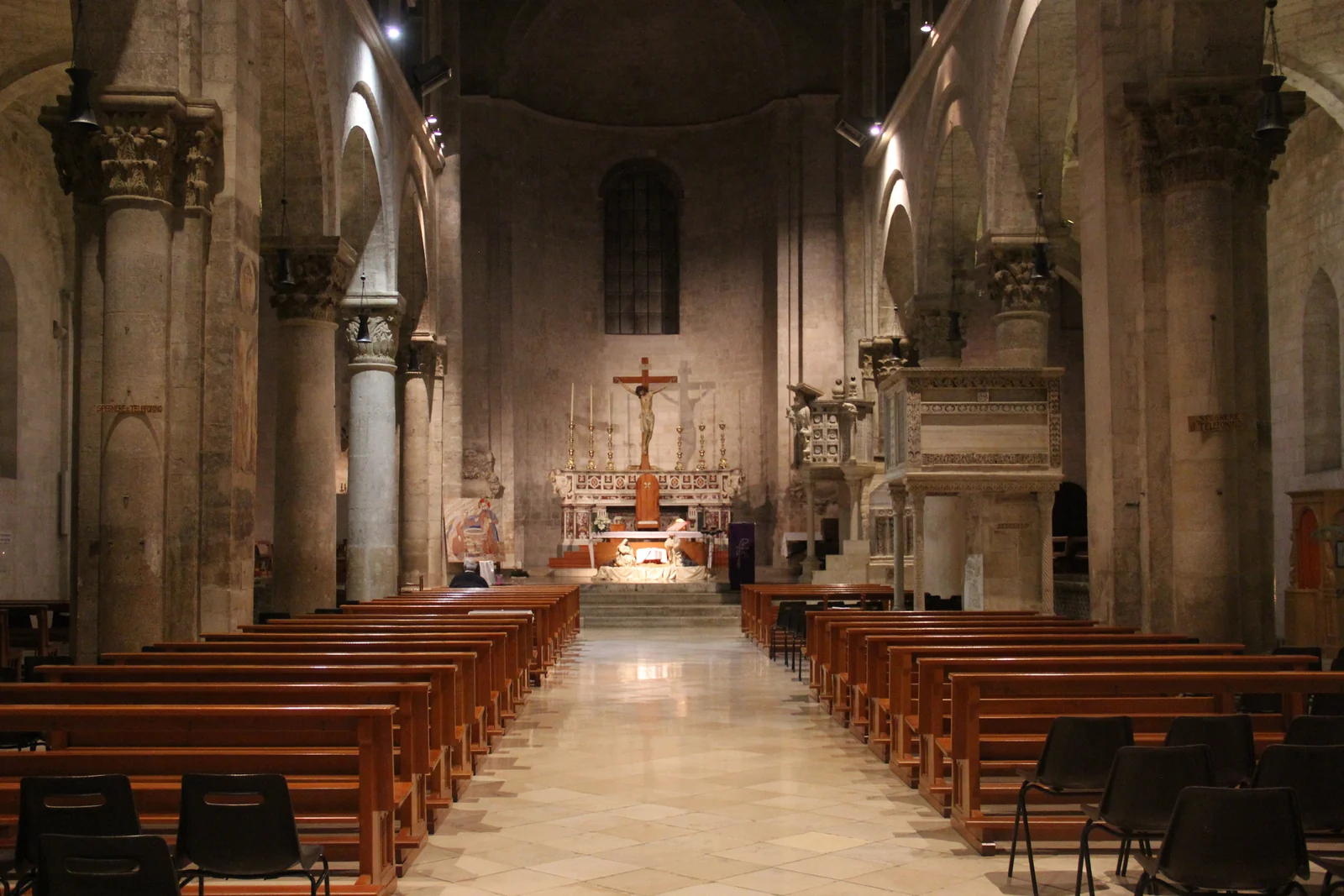
Photo: Mattana / Wikimedia Commons — CC BY-SA 4.0 · Resized and converted to WebP.
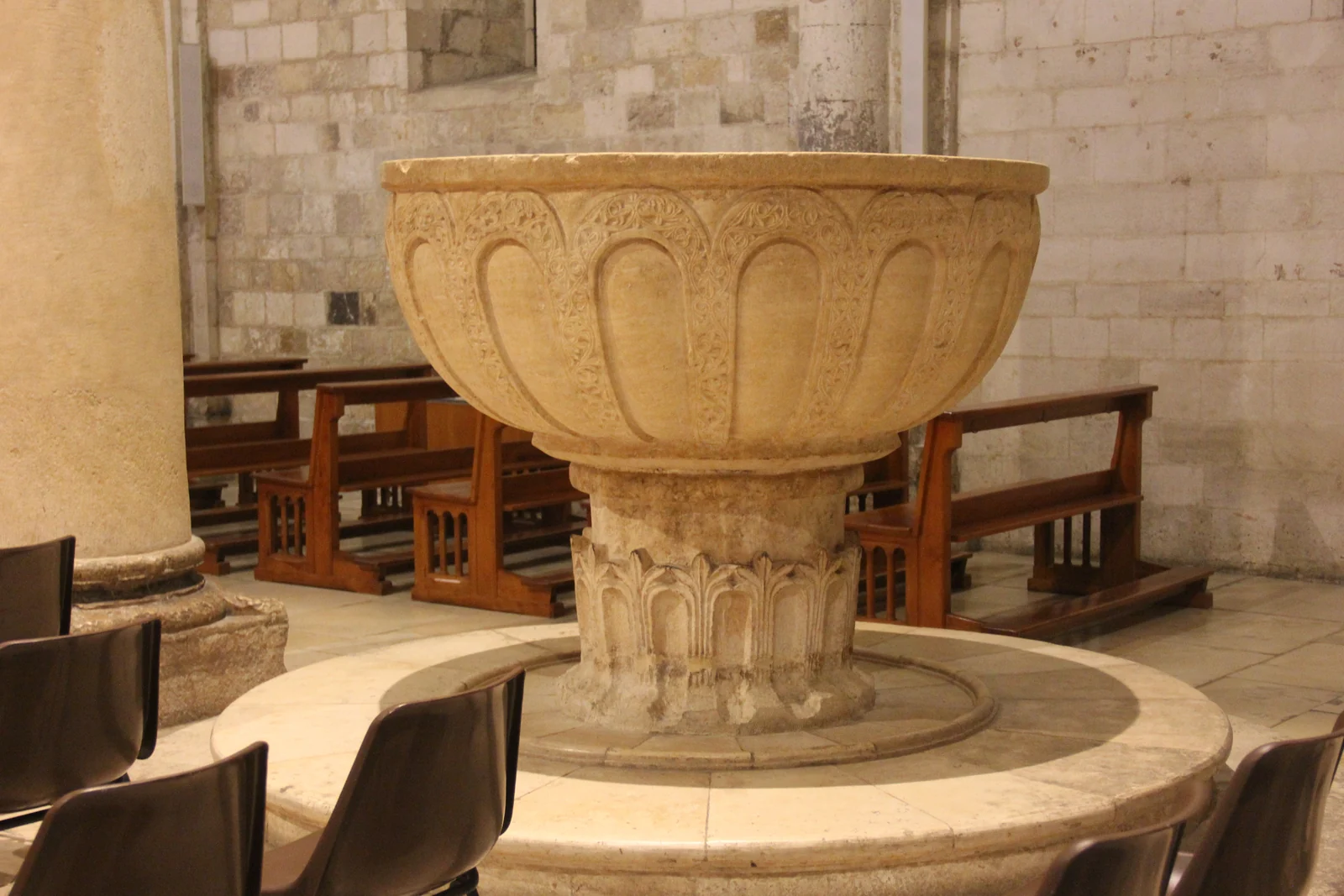
Photo: Mattana / Wikimedia Commons — CC BY-SA 4.0 · Resized and converted to WebP.
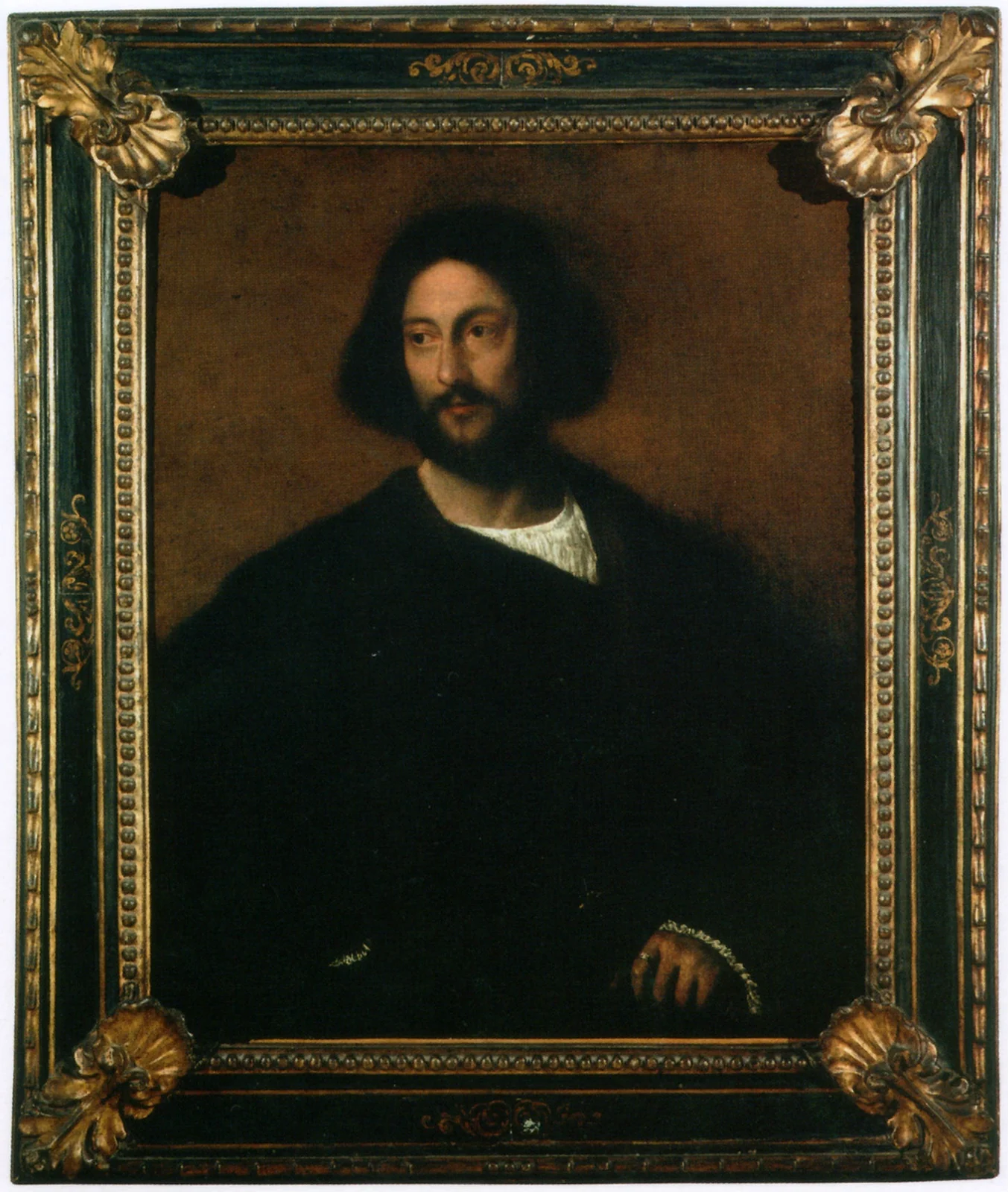
Photo: Titian / Wikimedia Commons — Public domain · Resized and converted to WebP.
Flavours
Bitonto is an olive-oil town. The specification of the “Terra di Bari” PDO, published by the Ministry in 1998, provides for the additional geographical mention “Bitonto” for extra virgin oil obtained for at least 80 per cent from the Cima di Bitonto, or Ogliarola Barese, and Coratina varieties, alone or together. The area covers the whole territory of Bitonto and of twenty-four other municipalities of the province of Bari, from Molfetta and Giovinazzo to Bari and Gioia del Colle. The olives are picked from the tree, by hand or by machine, by 30 January, and milled within two days, by mechanical and physical processes only. The oil is green-yellow, with a medium fruitiness and a taste with hints of fresh herbs and a light bitterness and pungency; acidity does not exceed 0.5 grams per 100 grams. The label must state the year the olives were harvested.
The town council calls olive oil the town’s “prince product” and says its cultivar, the Cima di Bitonto, has always represented it in the world. Bitonto belongs to the national Città dell’Olio association and in 2025 became the first town in Puglia to formally set up its own Olive Oil Community. The council also remembers Pierre Ravanas, the French engineer who in the nineteenth century brought the first hydraulic pump for oil to Bitonto.
The other flavours come from the oven. In the old town, the council writes, many stone ovens are at work making the traditional Bitonto focaccia, taralli and bread. The town’s sweet is the bocconotto, whose original recipe was kept for years by the Benedictine nuns of the Monastero delle Vergini.
Ovens and oil meet in “Forni e Frantoi”, an event the town council has organised since at least 2022. In the edition of 26 November 2023, World Olive Tree Day, visitors were taken to three old bakeries in the centre and to three olive mills, one in the old town, one on the outskirts and one at Mariotto. The third edition, on 30 November and 1 December 2024, set off from Porta Baresana with walks between bakeries and mills, where visitors watched the oil being made, tastings of new oil, focaccia and taralli, lessons in making taralli, bocconotti and preserves in oil, and a guided tasting of oil from four cultivars.
Sources: Ministero dell’agricoltura (MASAF) — Disciplinare di produzione dell’olio extravergine di oliva DOP «Terra di Bari» (D.M. 4 settembre 1998) · Comune di Bitonto — Evo Incanto, Forni e Frantoi Aperti, 26 novembre 2023 (23 novembre 2023) · Comune di Bitonto — Bitonto verso il Piano strategico del Turismo, BIT di Milano (5 febbraio 2024) · Comune di Bitonto — Bitonto a Olio Capitale, Trieste (7 marzo 2024) · Comune di Bitonto — Prima edizione di IncantEVOle, festival dell’olio extravergine di oliva (18 settembre 2025) · Comune di Bitonto — Forni e Frantoi apre il programma 2024 di Evo Incanto (27 novembre 2024)
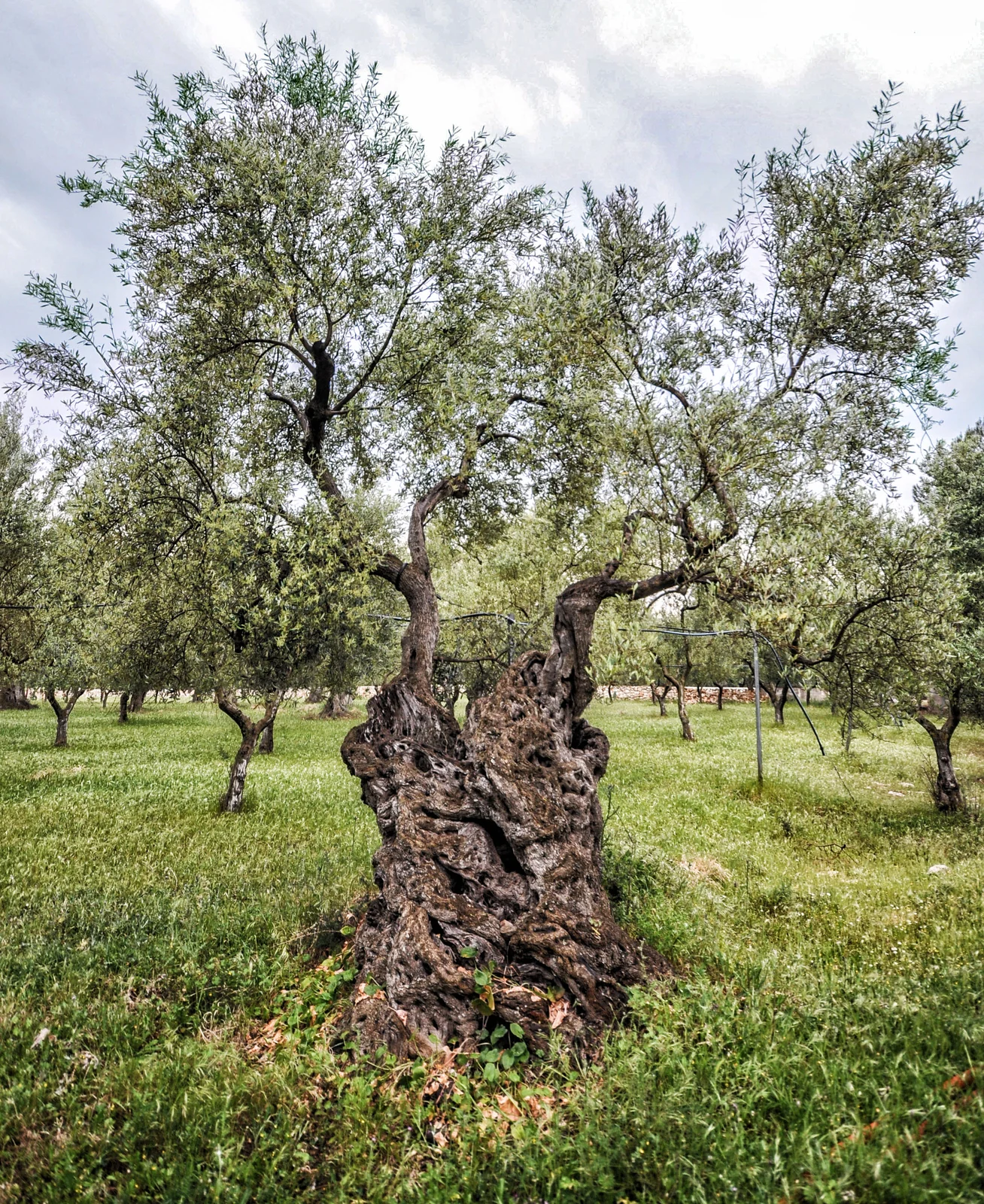
Photo: Diana Cimino Cocco / Wikimedia Commons — CC BY-SA 4.0 · Resized and converted to WebP.
Things to do
The best way to see the palazzi is to wait for the days when they open. In May, “Bitonto Cortili Aperti”, organised by the Italian Historic Houses Association with the town council, opens courtyards of old mansions, palazzi that are usually closed and churches free of charge: in the twelfth edition, on 23 and 24 May 2026, there were 53 sites on four routes, medieval, Renaissance, Baroque and nineteenth-century, with 750 students acting as guides. In autumn Bitonto takes part in Monumenti Aperti: on 7 and 8 November 2026, for the seventh time, it opened eleven places free of charge in the town and in the villages of Mariotto and Palombaio, presented by more than 700 pupils.
The Teatro Traetta has a drama season and hosts the Traetta Opera Festival, which closed its twenty-first edition in November 2026; the 2026/2027 drama season opened on 15 November 2026.
Beyond the town you can walk among the olive trees and in the Lama Balice. The regional nature park, based at Villa Framarino, protects the ravine between Bitonto and Bari, the old river Tifris: holm oak woodland and dry meadows flowering with small wild orchids of the Ophrys and Anacamptis genera, monumental carob trees and pines, olive groves, historic farmhouses, shrines and boundary stones. The park’s symbol is the hoopoe. Along the ravine stand pagghiare and casedde, dry-stone huts similar to trulli, and in the disused quarry dinosaur footprints can be seen. At the edge of town, along Via Berlinguer, the town council has built a walking and cycling path about 500 metres long on the rim of the ravine, bordered by a dry-stone wall.
In October 2024 the town council organised the Città dell’Olio association’s “Walk among the Olive Trees”: six kilometres of moderate difficulty through the olive groves, about three hours on foot, with an oil tasting at the end.
Sources: Comune di Bitonto — Dodicesima edizione di Bitonto Cortili Aperti, 23 e 24 maggio 2026 (21 maggio 2026) · Comune di Bitonto — Gran finale della trentesima edizione di Monumenti Aperti, 7 e 8 novembre 2026 · Comune di Bitonto — «Traetta e Oltre» al Teatro Traetta (aggiornato il 18 novembre 2026) · Parco naturale regionale Lama Balice — Il Parco · Parco naturale regionale Lama Balice — Territorio · Parco naturale regionale Lama Balice — Architettura rurale · Comune di Bitonto — Potenziamento della connessione ecologica con la Lama Balice e ripristino naturalistico (scheda di progetto) · Comune di Bitonto — Camminata tra gli Olivi, 27 ottobre 2024 (24 ottobre 2024)
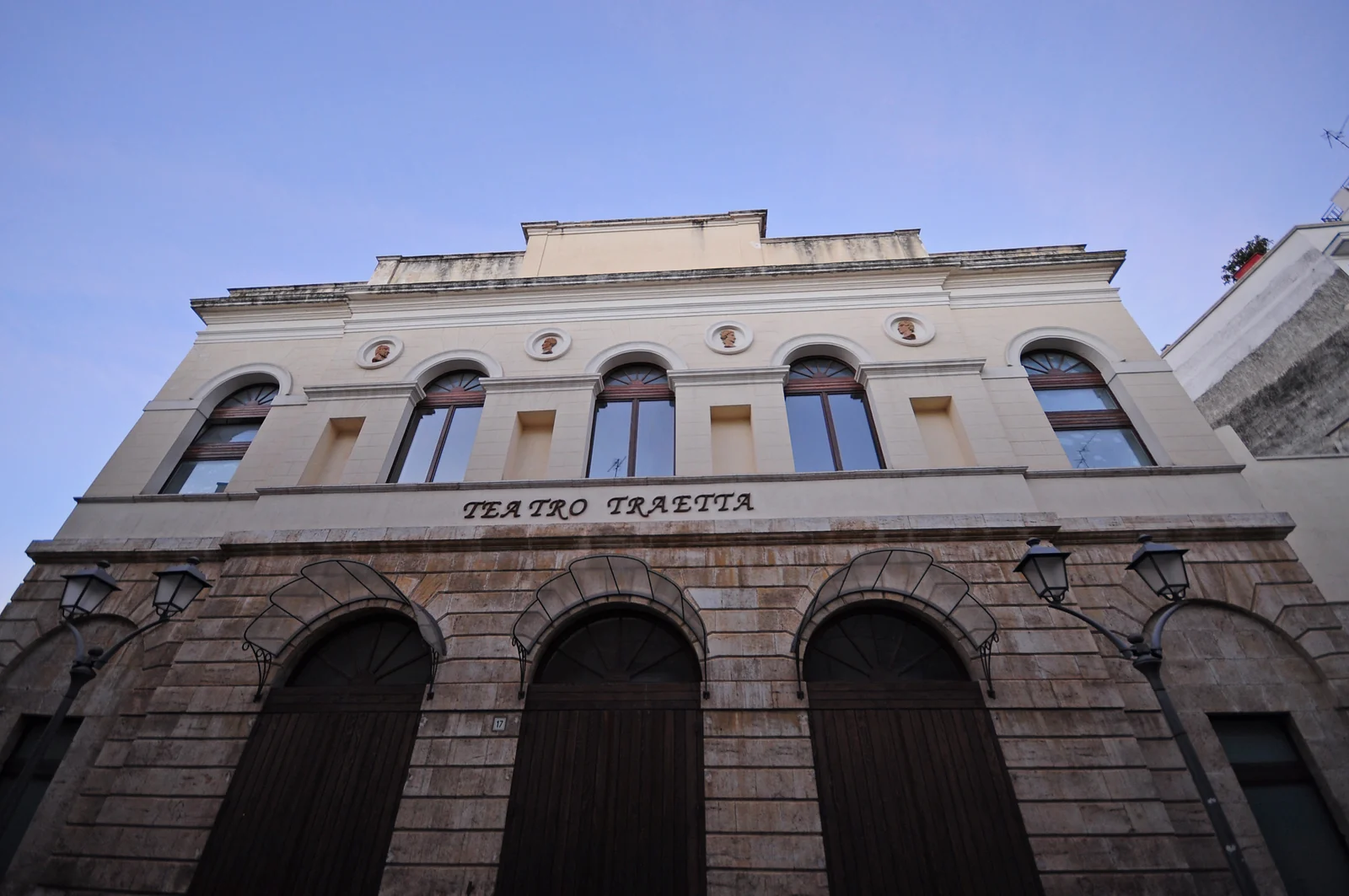
Photo: Diana Cimino Cocco / Wikimedia Commons — CC BY-SA 4.0 · Resized and converted to WebP.
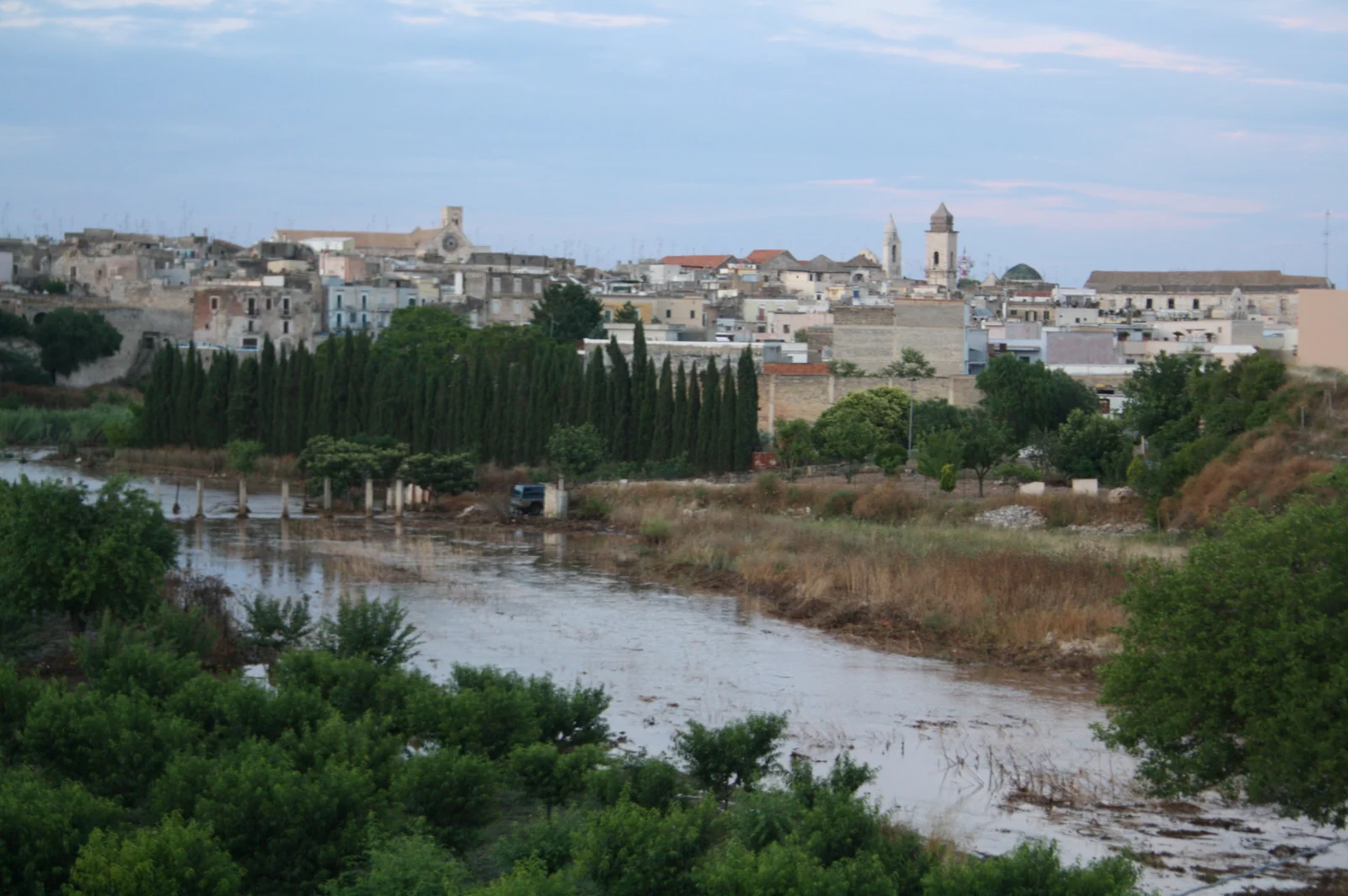
Photo: Gaetano sblendorio / Wikimedia Commons — CC BY-SA 4.0 · Resized and converted to WebP.
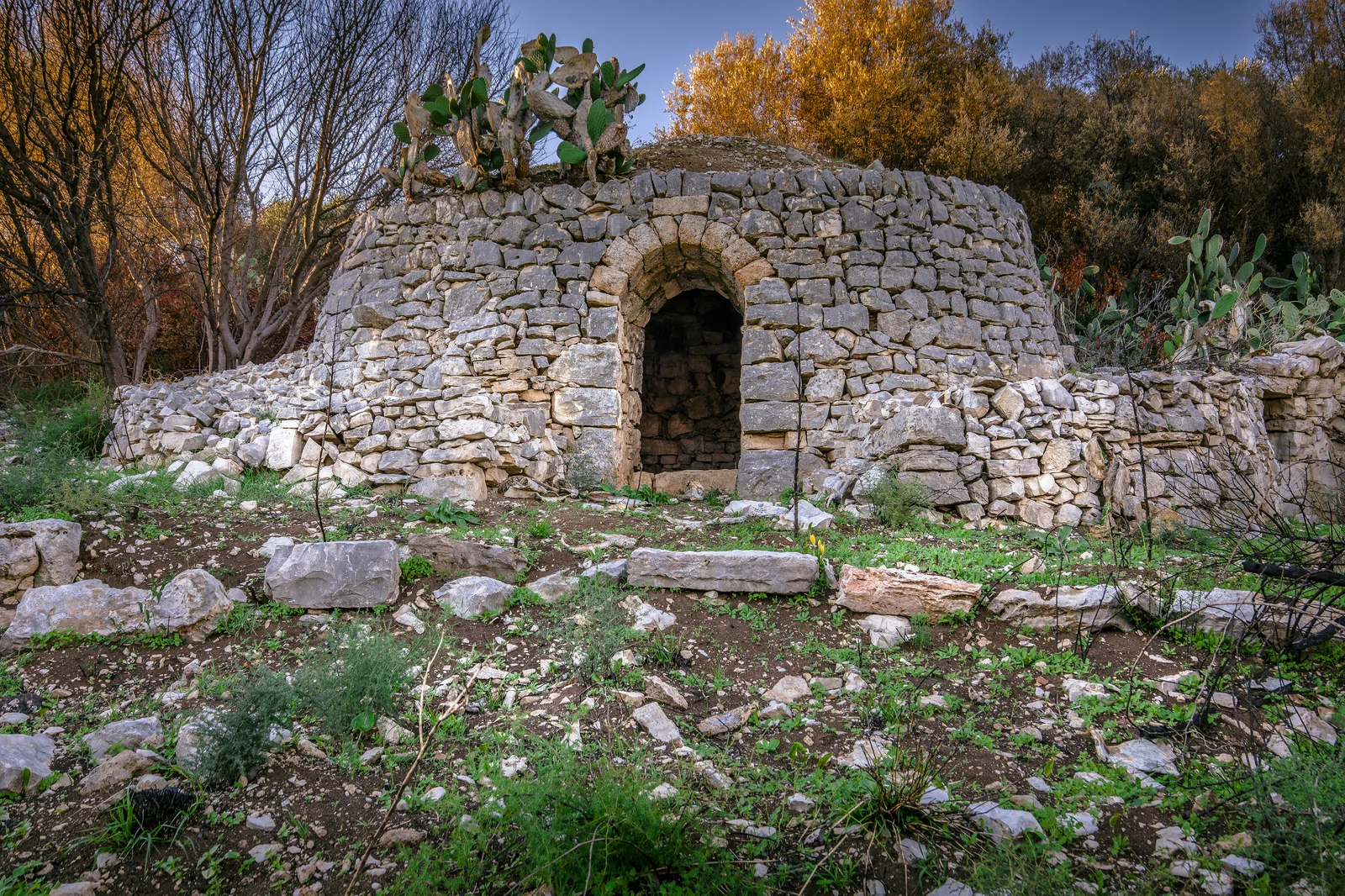
Photo: Ennedue1957 / Wikimedia Commons — CC BY-SA 4.0 · Resized and converted to WebP.
When to go
May is the town’s month. Its patron is the Immacolata, and the patronal feast falls around 26 May: in 2026 the religious and civic celebrations ran from 23 to 27 May, with the solemn procession on the 26th. The same month brings Bitonto Cortili Aperti and the historical parade, which re-enacts the battle of Bitonto of 25 May 1734 and is organised by the Accademia della Battaglia cultural association together with the town council; in 2026 the parade took place on 31 May.
The other great feast is that of the Santi Medici, Saints Cosmas and Damian, which Bitonto celebrates twice: on 26 September, the day of the liturgical feast, preceded by a novena, and on the third Sunday of October with the “external” feast, set on that date by a decree of the bishop’s curia of 1733 so that country people could finish the work of the grape harvest. The external feast centres on the procession, the traditional “intorciata”, in which the faithful walk barefoot carrying large candles. On 18 October 2026 the basilica opened at 5 in the morning and the procession set off at 8. The town council accompanies the feast with “Ottobre Mediceo”, which in 2026 ran from 9 to 30 October with visits, band concerts, books and films.
The basilica of the Santi Medici, in Piazza XXVI Maggio 1734, keeps the relic of the arms of the two saints in a gilded silver reliquary at the foot of the high altar. The presence of the relics is recorded by Bishop Musso’s pastoral visit of 1572; the statues of the saints, carved in 1733, were moved to the new church on 19 March 1963. The two older statues, in painted stone, are in the Diocesan Museum. According to the Archdiocese, pilgrim numbers peak between August and November.
Autumn is also the olive-oil season: the olive campaign begins in October, and the town council has devoted Forni e Frantoi, at the end of November, and the IncantEVOle festival, first held from 19 to 21 September 2025, to olive oil. In November 2026 Monumenti Aperti and the Teatro Traetta drama season returned as well.
Sources: Arcidiocesi di Bari-Bitonto — Patroni: storia · Comune di Bitonto — Cortili Aperti, Festa Patronale e Corteo Storico: disposizioni per il traffico (22 maggio 2026) · Comune di Bitonto — Le manifestazioni del Maggio Bitontino 2025 · Comune di Bitonto — Corteo Storico rinviato al 2 giugno (19 maggio 2024) · Basilica e Santuario dei Santi Medici Cosma e Damiano, Bitonto — Storia · Basilica e Santuario dei Santi Medici Cosma e Damiano, Bitonto — La festa · Comune di Bitonto — «Ottobre Mediceo» 2026 e Festa dei Santi Medici (2 ottobre 2026) · Arcidiocesi di Bari-Bitonto — Santuario Santi Medici Cosma e Damiano: storia · Comune di Bitonto — Evo Incanto, Forni e Frantoi Aperti, 26 novembre 2023 (23 novembre 2023) · Comune di Bitonto — Prima edizione di IncantEVOle, festival dell’olio extravergine di oliva (18 settembre 2025) · Comune di Bitonto — Gran finale della trentesima edizione di Monumenti Aperti, 7 e 8 novembre 2026 · Comune di Bitonto — «Traetta e Oltre» al Teatro Traetta (aggiornato il 18 novembre 2026)
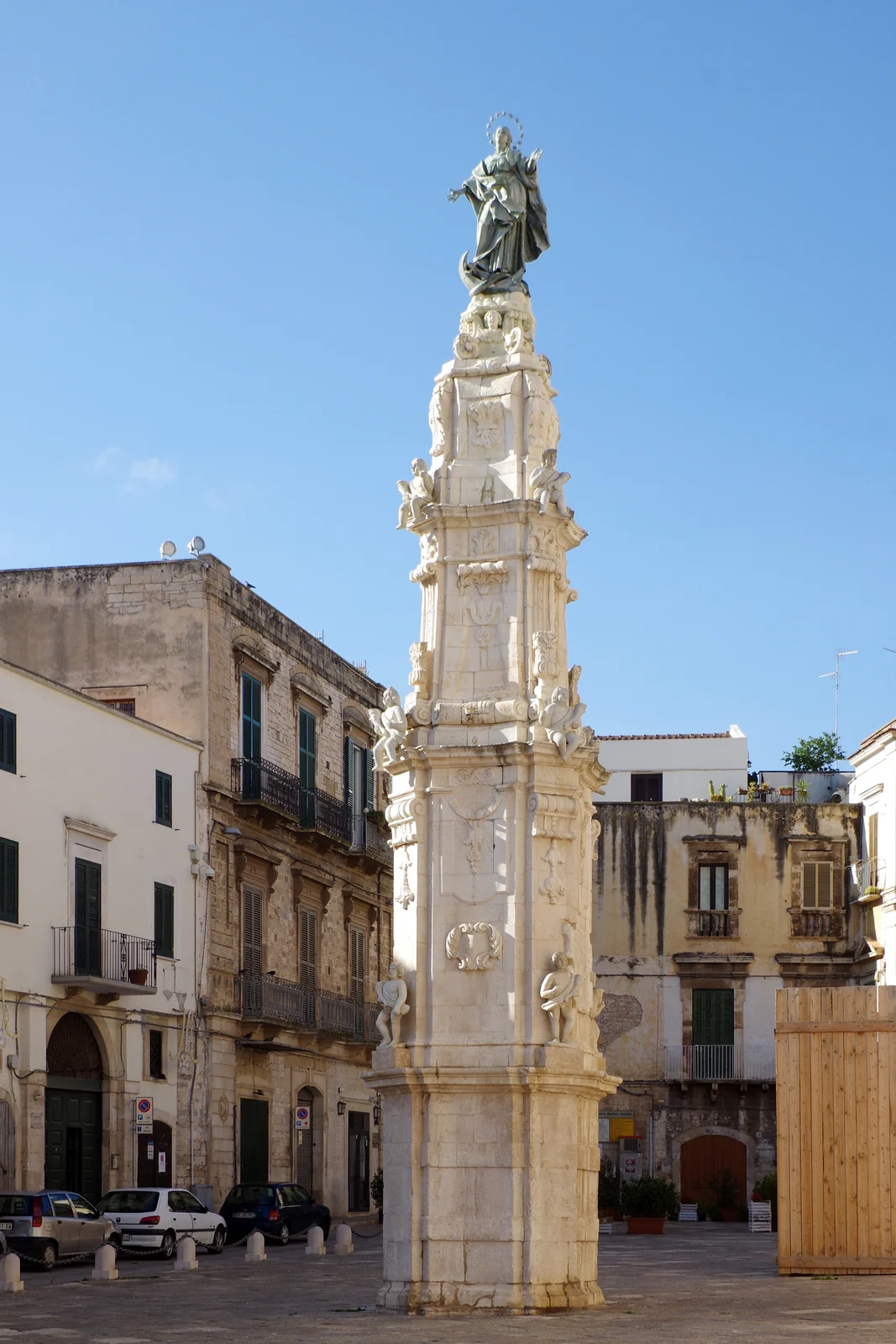
Photo: Berthold Werner / Wikimedia Commons — CC BY-SA 3.0 · Resized and converted to WebP.
Photo: 92bari / Wikimedia Commons — CC BY 4.0 · Resized and converted to WebP.
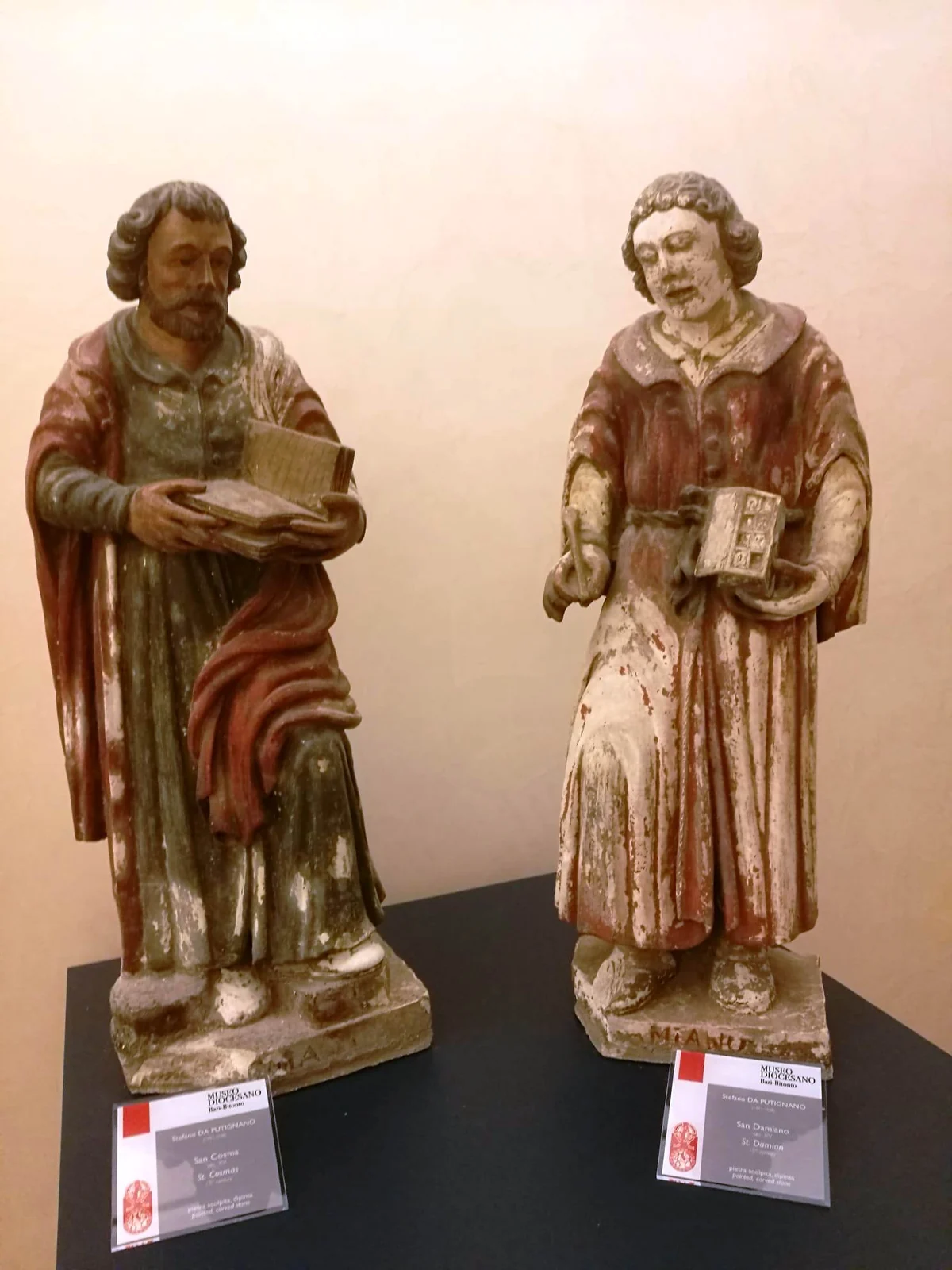
Photo: 92bari / Wikimedia Commons — CC BY-SA 4.0 · Resized and converted to WebP.
Getting there and around
Bitonto is on Ferrotramviaria’s Bari-Barletta railway, opened in 1965: a 70-kilometre electric line linking Bari with Bitonto, Terlizzi, Ruvo, Corato, Andria and Barletta. Since 2013 a link line has connected the Bari-Palese air terminal with the railway, towards both Bari Centrale and Bitonto. According to Ferrotramviaria, the last stretch, between Andria Sud and Barletta, is currently closed for upgrading works, with replacement buses. The town also has the Santi Medici station, on Via La Pira.
Ferrotramviaria’s intercity buses cross the town with stops set from 10 February 2025 by an order of the local police: the lines to Bari and to Barletta stop, among other places, on Via Amm. Vacca, on Via La Pira in front of the Santi Medici station and in Piazzale F. II di Borbone; the Bari-Bitonto line via Palese ends in Piazza F. D’Aragona; the lines between Bari Sud and Bitonto stop on Via Gen. Planelli and end on Via D. Urbano and Via A. Messeni.
The old town is a limited traffic zone: transit and parking by unauthorised vehicles are banned every day from 10 in the morning to 1 at night, with gates at Via Pasculli-Piazza Cavour, Piazza Minerva, Via Planelli-Via Rogadeo and Piazza Cattedrale (town council notice of March 2023). On the days of the May feasts the local police close further streets in the centre. The weekly general market is held on Tuesdays; in September 2024, because of works on Via Berlinguer, the council gathered it in Piazza Unità d’Italia and Via Ugo La Malfa.
Sources: Ferrotramviaria S.p.A. — Il servizio ferroviario · Ferrotramviaria S.p.A. — Autolinee: variazione di percorso in Bitonto (dal 10 febbraio 2025) · Comune di Bitonto — Dal 13 marzo riattivata la ZTL nel centro antico (2023) · Comune di Bitonto — Cortili Aperti, Festa Patronale e Corteo Storico: disposizioni per il traffico (22 maggio 2026) · Comune di Bitonto — Mercato settimanale in piazza Unità d’Italia e via Ugo La Malfa (7 settembre 2024)
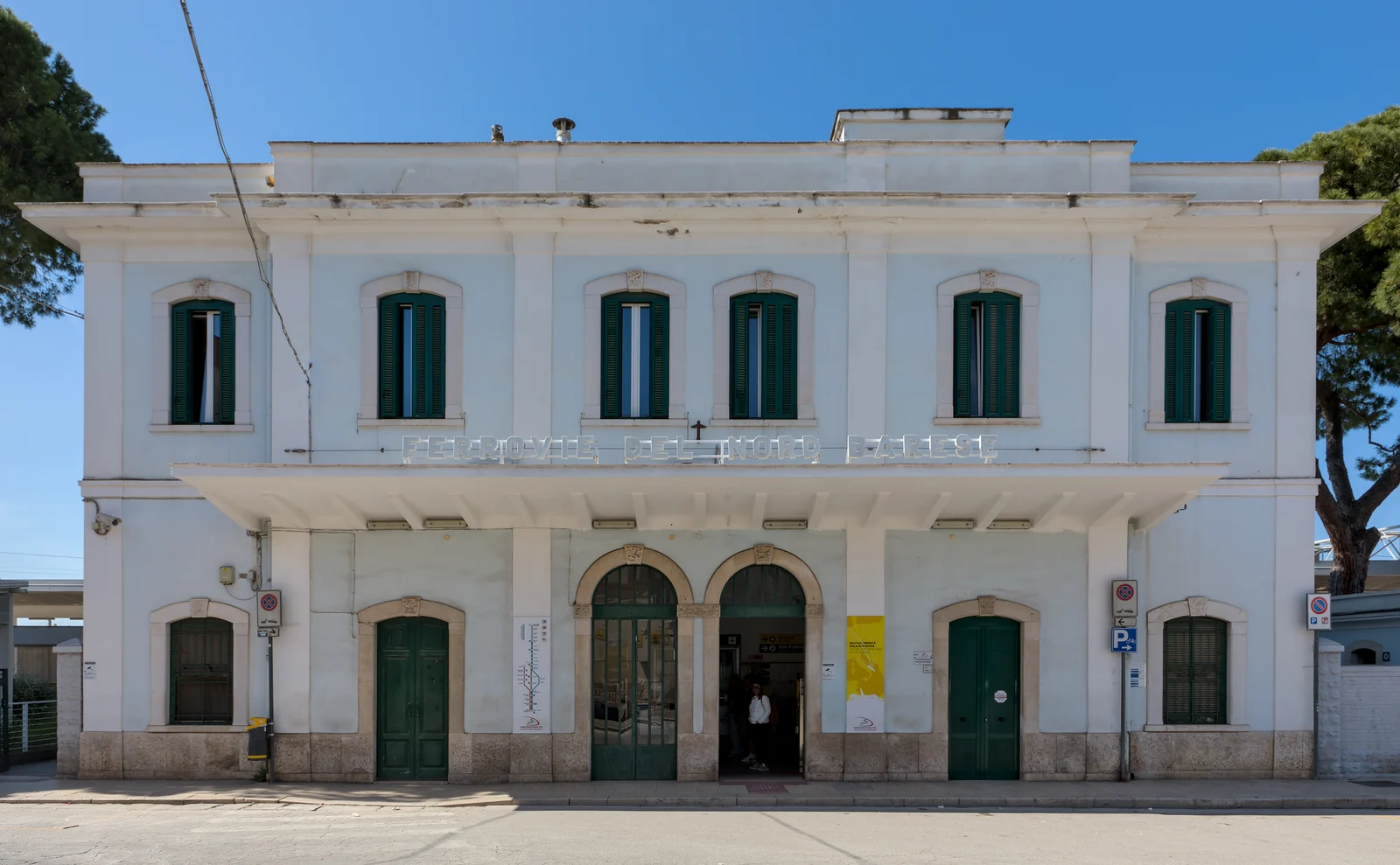
Photo: Benjamin Smith / Wikimedia Commons — CC BY-SA 4.0 · Resized and converted to WebP.
Accommodation in figures
In the Ministry of Tourism’s national database of accommodation (BDSR), on 12 October 2026, Bitonto had 114 establishments with a verified national identification code (CIN): 1 hotel-type establishment, 38 non-hotel establishments and 75 other establishments. Puglia’s regional census of accommodation lists 17 with a verified national CIN, by type: 12 B&B, 3 guest rooms, 1 holiday home and 1 hotel.
Sources: Ministero del Turismo – Banca Dati Strutture Ricettive (dashboard pubblica) · Regione Puglia – ARET Pugliapromozione (DMS)
Nearby
Among the places Apulica already covers, the nearest are Giovinazzo (about 11 km), Molfetta (about 13 km) and Bisceglie (about 19 km): straight-line distances between the centres of the municipal territories.
Terlizzi, Ruvo di Puglia, Corato, Andria and Barletta are on the same railway as Bitonto; towards Bari a link line leads to Bari-Palese airport. The Lama Balice lies between Bitonto and Bari: the park’s seat, Villa Framarino, is on provincial road 156, towards Palese airport; from the villages of Mariotto and Palombaio the way leads towards the Alta Murgia.
Sources: ISTAT/Openpolis, confini comunali della regione Puglia (CC BY 4.0, ISTAT/Openpolis) · Ferrotramviaria S.p.A. — Il servizio ferroviario · Parco naturale regionale Lama Balice — Territorio · Parco naturale regionale Lama Balice — Il Parco · Comune di Bitonto — Bitonto verso il Piano strategico del Turismo, BIT di Milano (5 febbraio 2024)
The town council
The official website of the Comune di Bitonto, registered in IndicePA, the index of the digital addresses of Italy’s public administrations, is the reference for the town council’s offices, opening hours and news. Its address is listed among the sources of this section.
The town hall is Palazzo Gentile, at Corso Vittorio Emanuele II 41; the switchboard answers on 080 3716102. The tourist info point is in the Angevin round tower, in Piazza Cavour, and answers on 080 3739912, also on WhatsApp.
Sources: Comune di Bitonto, sito istituzionale · IndicePA (AgID), Indice dei domicili digitali delle pubbliche amministrazioni: dataset Enti · Comune di Bitonto — Gran finale della trentesima edizione di Monumenti Aperti, 7 e 8 novembre 2026
Events
Verified events linked to this page: dates, place, organiser and official source. The status of each one is worked out from the days it is open, in the Rome time zone.
UpcomingNext date: 29 November 2026, from 09:00 to 20:00
Forni e Frantoi 2026 in Bitonto
26 November 2026, from 19:00 to 21:00; 27 November 2026, from 20:00 to 22:00; 28 November 2026, from 10:00 to 19:00; 29 November 2026, from 09:00 to 20:00
Where: Luoghi diversi a Bitonto; punto informativo e ritrovo all'Infopoint del Torrione Angioino, piazza Cavour · Puglia
Organiser: Bitonto – Città dell'Olio
From 26 to 29 November 2026, Forni e Frantoi (Bakeries and Oil Mills) brings to Bitonto a series of events devoted to the crafts of bread and olive oil. The programme includes guided visits to the town's olive mills and historic bakeries with tastings of new oil, taralli and focaccia, a guided extra virgin olive oil tasting at the Torrione Angioino on World Olive Tree Day, workshops on focaccia, orecchiette and almond pastries, a truffle-hunting outing at Lama Balice and a four-hands dinner at the Valastro restaurant. It is a recurring event: the Comune di Bitonto presented its second edition in 2023 and its third in 2024.
- Admission: Almost all events are free with booking: register on the event's Eventbrite page and confirm with the Bitonto Infopoint, +39 080 373 9912 (WhatsApp too). Four-hands dinner at Valastro (27 November): €45 per person, booking required. Show cooking in Piazza Cavour (29 November): free entry, no booking.
- Times: 26 November: guided oil tasting 7-9 pm. 27 November: dinner at 8 pm. 28 November: truffle outing at Lama Balice 10 am-12 noon, orecchiette workshops 11 am-1 pm, almond pastries and children's workshop 5-7 pm at Masseria Lama Balice. 29 November: visits to oil mills and bakeries starting between 9 and 11 am, focaccia workshops at 11 am and 6 pm at Antico Forno San Luca, adult creative workshop at 10:30 am, show cooking in Piazza Cavour 5-7 pm.
Source of the practical details
Source: eventbrite.com, checked on 23 November 2026
Where to stay
In the municipality of Bitonto the national database of the Ministry of Tourism lists 114 accommodation businesses with a verified CIN code: 1 hotels, 38 other licensed accommodation and 75 other types such as B&Bs and private rentals.
Licensed businesses from the official list of accommodation named as the source in this section. Where the list gives it, the property's official identification code appears next to its name: the national CIN code, or the code assigned by the Region or by the body that keeps the list. Private individuals are not listed. This list is the official census of licensed businesses, not a list of Apulica partners: to stay in Bitonto you do not have to check one property after another yourself; write to Apulica and we look for the stay that suits your journey, checking availability and conditions before any confirmation.
PARK HOTEL ELIZABETH
Hotel · ★★★★
CIN IT072011A100022201
Arco Pinto B&B
B&B
CIN IT072011B400071994
BELLAVISTA IMMOBILIARE SRL
Guest rooms
CIN IT072011B400108872
LUXURY SPA AND PRIVATE LODGE LA SIRAGUSA - CORBEZZOLO
Holiday home
CIN IT072011B400107175
B&B LE TERRAZZE LAMA BALICE
B&B
CIN IT072011B400025578
IL BOSCO
Guest rooms
CIN IT072011B400025073
B&B Nonna Rosa - Corte dei Mille
B&B
CIN IT072011B400114682
Luxury Palace Di Bitonto
Guest rooms
CIN IT072011B400094636
B&B Nonna Rosa - Via Castellucci
B&B
CIN IT072011B400114494
B&B via Cattedrale 5
B&B
CIN IT072011B400111815
First the places that presented themselves to Apulica, the latest first; then one place of each type in turn, by official category and stars, then by name. No position is paid for.
All 17 entries in alphabetical order
Page 1 of 2
| Name | Type | CIN |
|---|---|---|
| Arco Pinto B&B | B&B | IT072011B400071994 |
| B&B LE TERRAZZE LAMA BALICE | B&B | IT072011B400025578 |
| B&B Nonna Rosa - Corte dei Mille | B&B | IT072011B400114682 |
| B&B Nonna Rosa - Via Castellucci | B&B | IT072011B400114494 |
| B&B via Cattedrale 5 | B&B | IT072011B400111815 |
| BELLAVISTA IMMOBILIARE SRL | Guest rooms | IT072011B400108872 |
| CASA APULIAE B&B | B&B | IT072011B400089201 |
| IL BOSCO | Guest rooms | IT072011B400025073 |
| Luxury Palace Di Bitonto | Guest rooms | IT072011B400094636 |
| LUXURY SPA AND PRIVATE LODGE LA SIRAGUSA - CORBEZZOLO | Holiday home | IT072011B400107175 |
Ask Apulica for a stay in Bitonto We reply shortly, within a few hours at most, with a proposal for you to consider.
Sources: Regione Puglia – ARET Pugliapromozione (DMS), CC BY 4.0, 2026-10-12 · Ministero del Turismo – Banca Dati Strutture Ricettive (dashboard pubblica), 2026-10-12
YOUR JOURNEY
How to shape a journey here
To include Bitonto in a trip, or to ask for a guide or a transfer, you can write to Apulica with the button below.
Plan your tripKeep exploring
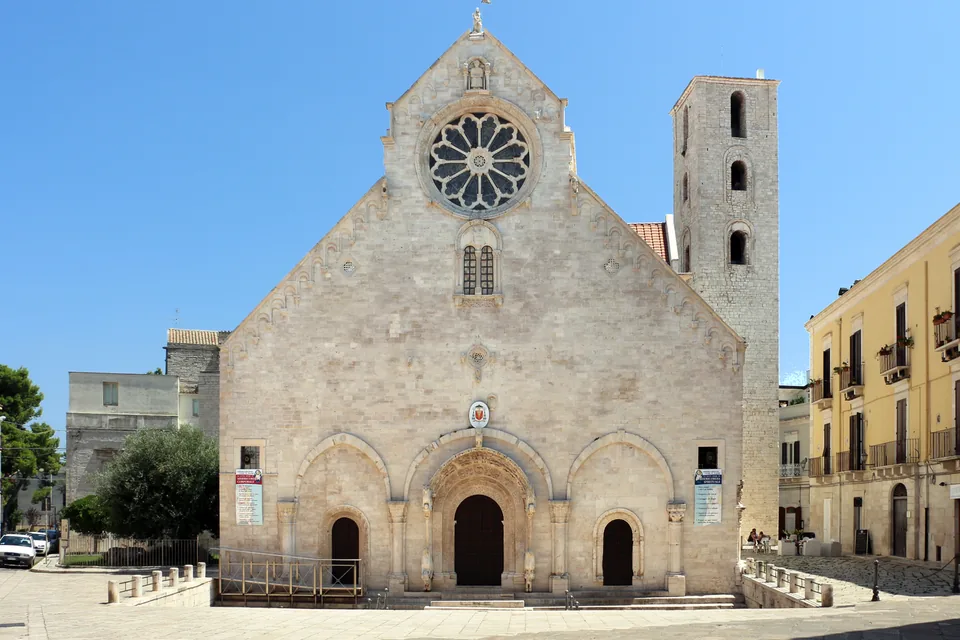
Ruvo di Puglia
Ruvo di Puglia (BA), Puglia: 24,254 residents, 223.83 km². The official facts of the municipality, its town council website and its registered accommodation. The Romanesque co-cathedral, the Museo nazionale Jatta with the Talos vase, the old town, the Alta Murgia, the Holy Week rites and the cardoncello mushroom festival.
Read the guide →Photo: Sailko / Wikimedia Commons — CC BY 3.0 · Resized and converted to WebP.

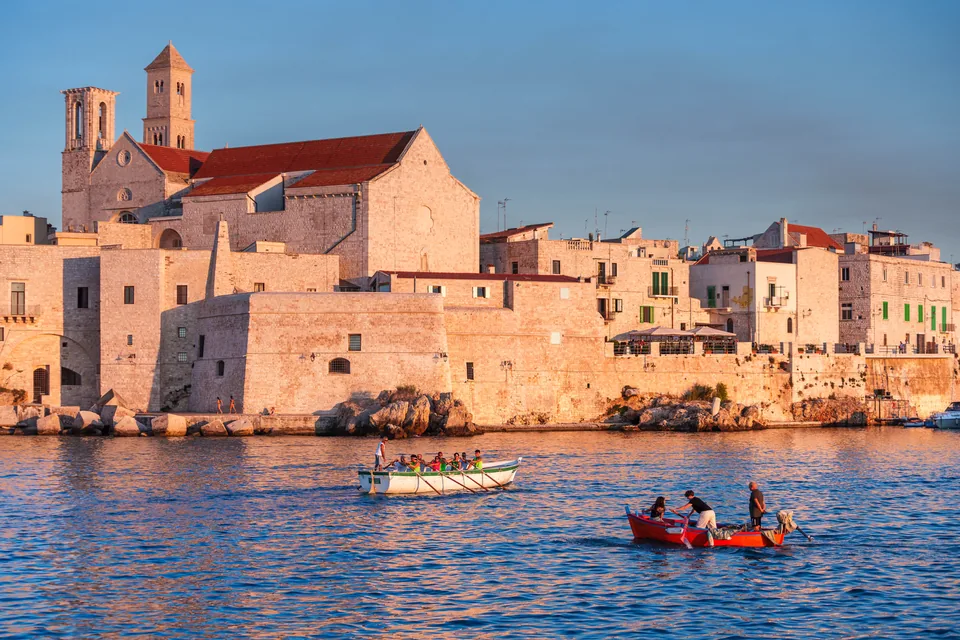
Giovinazzo
The old town, harbour and cooking shaped by farming and fishing traditions. A centre on a rocky promontory, the cathedral and a rice, potato and mussel tiella.
Read the guide →Photo: Pakycassano / Wikimedia Commons — CC BY-SA 4.0 · Resized and converted to WebP.

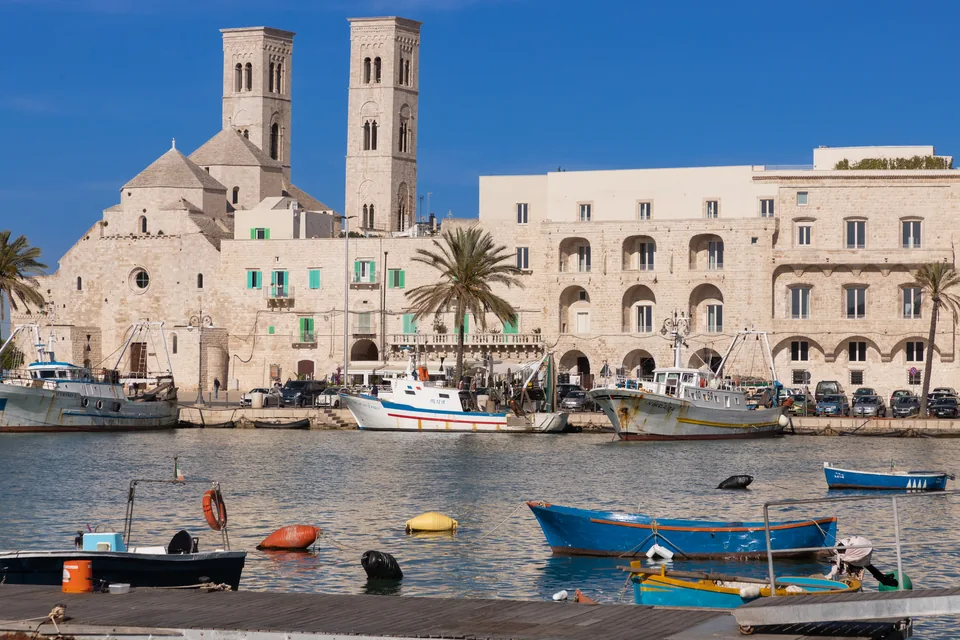
Molfetta
Romanesque architecture and karst landscape beyond the coast. The cathedral on the harbour, a fishing fleet among the lower Adriatic’s largest and the Pulo. In town the cathedral born from the Jesuit church, the Diocesan Museum and the Apulian Regional Seminary; outside the old town the basilica of the Madonna dei Martiri, a pilgrims’ stop since 1162, and the oil of the Terra di Bari PDO.
Read the guide →Photo: Genesis5663 / Wikimedia Commons — CC BY-SA 4.0 · Resized and converted to WebP.

Terlizzi
Terlizzi (BA), Puglia: 25,982 residents, 69.23 km². The official facts of the municipality, its town council website and its registered accommodation.
Read the guide →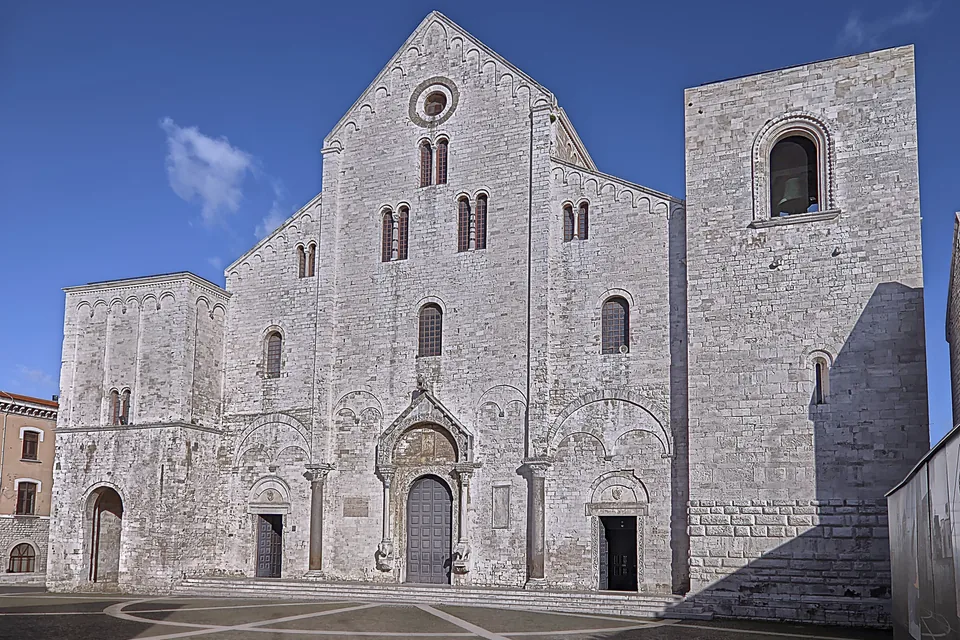
Bari
The old town as a first encounter with Puglia. The Basilica and relics of Saint Nicholas, Bari Vecchia between its two harbours, the Murat district, focaccia and orecchiette with turnip tops.
Read the guide →Photo: Acquario51 / Wikimedia Commons — CC BY-SA 4.0 · Resized and converted to WebP.

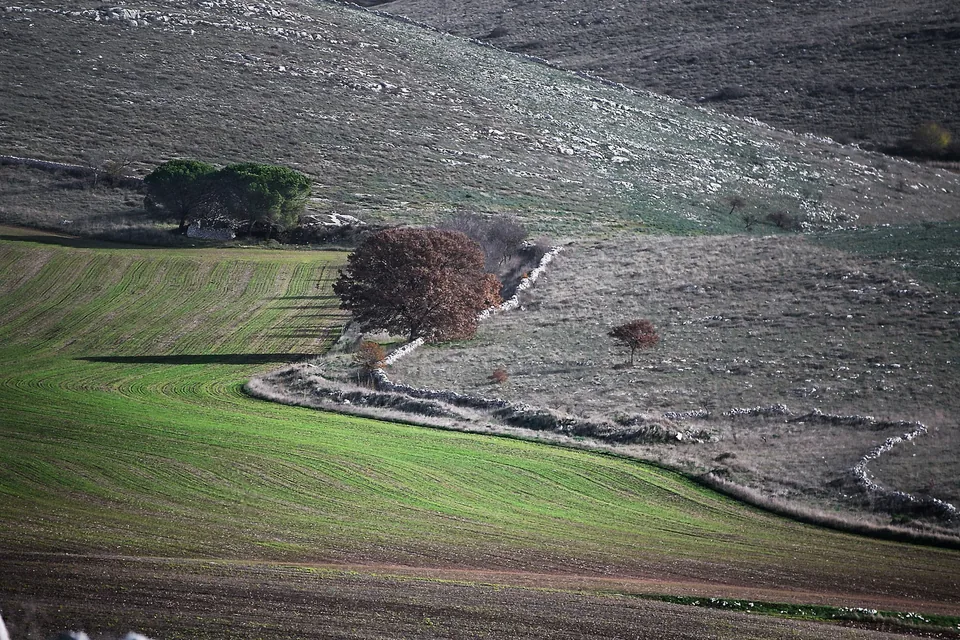
Alta Murgia
Stone, pasture and farming to explore the landscape beyond the towns. A national park of Mediterranean steppe, durum-wheat bread and cardoncello mushrooms.
Read the guide →Photo: Acquario51 / Wikimedia Commons — CC BY-SA 4.0 · Resized and converted to WebP.

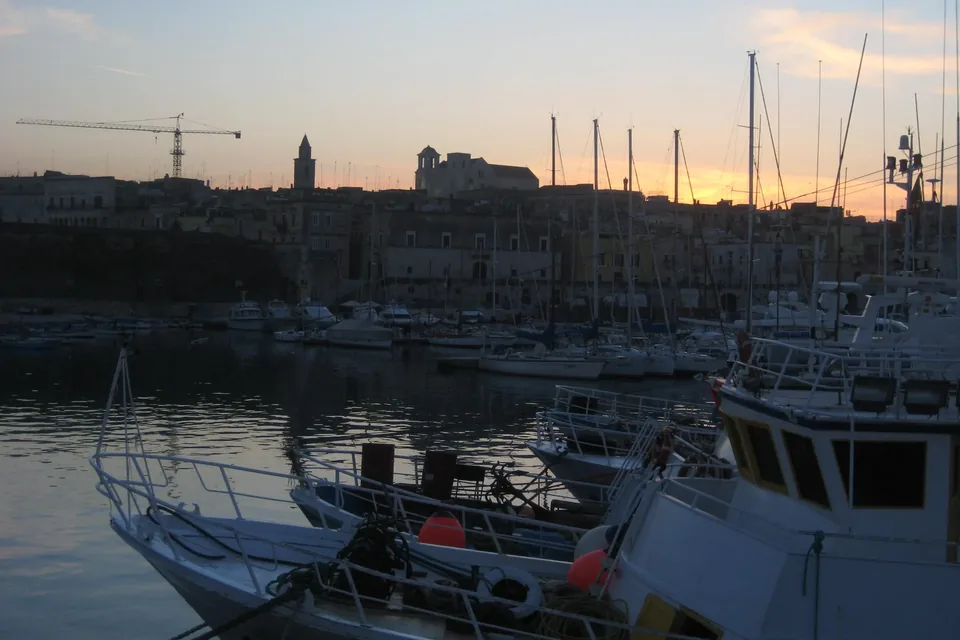
Bisceglie
From the La Chianca dolmen to the Romanesque town and harbour. Aragonese walls, a Swabian castle, Romanesque churches and the sospiro, a Slow Food Presidium.
Read the guide →Photo: Geppisimone at Italian Wikipedia / Wikimedia Commons — CC BY-SA 3.0 · Resized and converted to WebP.

“Come to Bitonto as a guest, not as a tourist: that is how these places truly let you know them.”