Why go
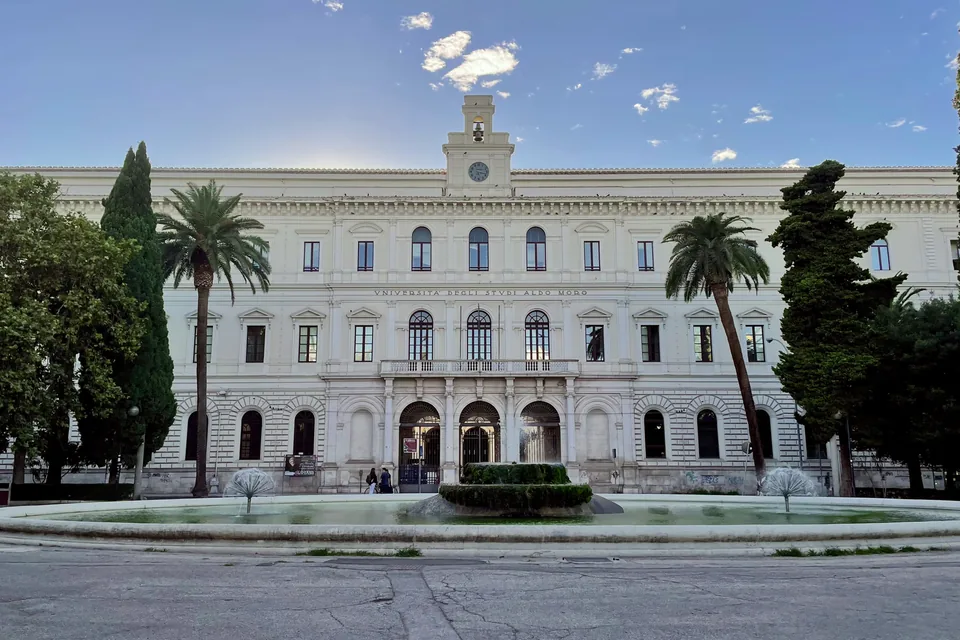
Bari is the capital of Puglia and, for many travellers, the first city they meet when arriving by air, rail or sea. It deserves more than a transit stop: it is a city with two clearly distinct faces, Bari Vecchia gathered on the peninsula between the two harbours, and the orderly, elegant nineteenth-century Murat district with its theatres and palaces along straight streets. Crossing the line between the two is already a way to understand how the city grew.
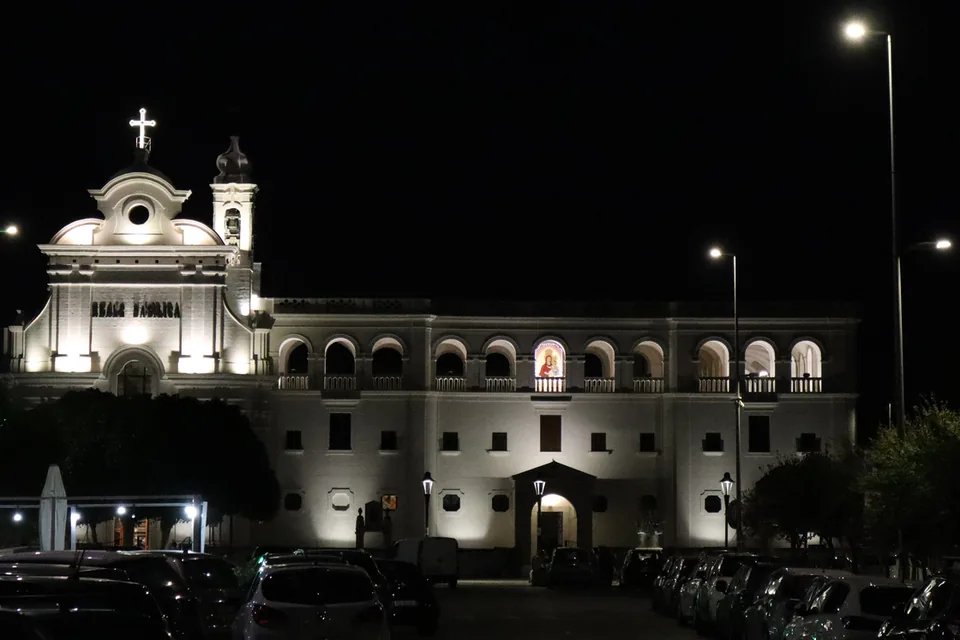
Surrounded on three sides by the Adriatic, Bari lives close to the sea. The regional portal notes that its seafront is the longest in Italy, lined with monumental buildings, and that the sea breeze reaches right into the old town, among courtyards, arches and small squares. Dozens of churches are concentrated here, together with the Basilica of San Nicola, a destination for Catholic and Orthodox pilgrims from around the world.
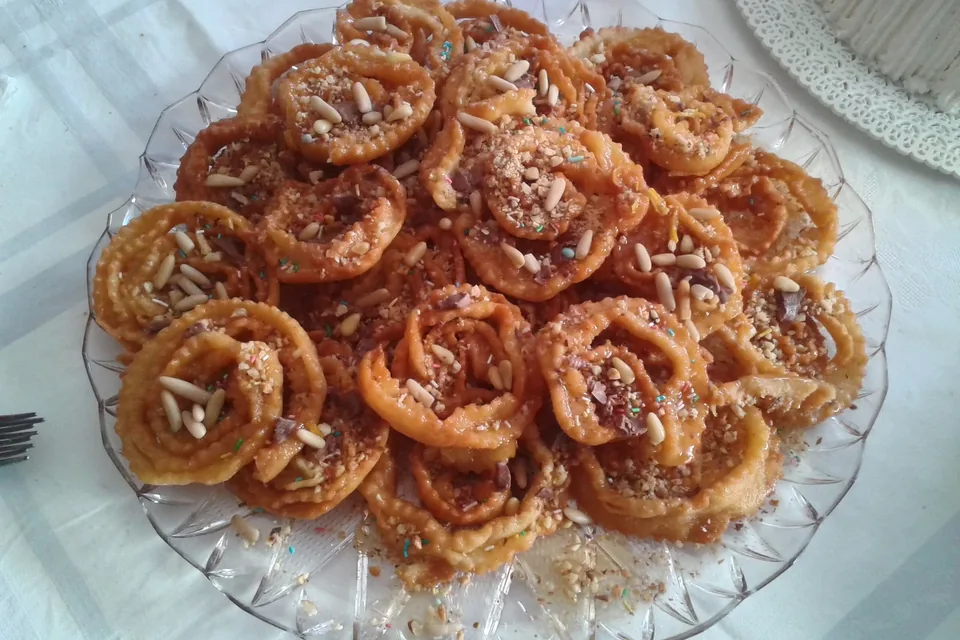
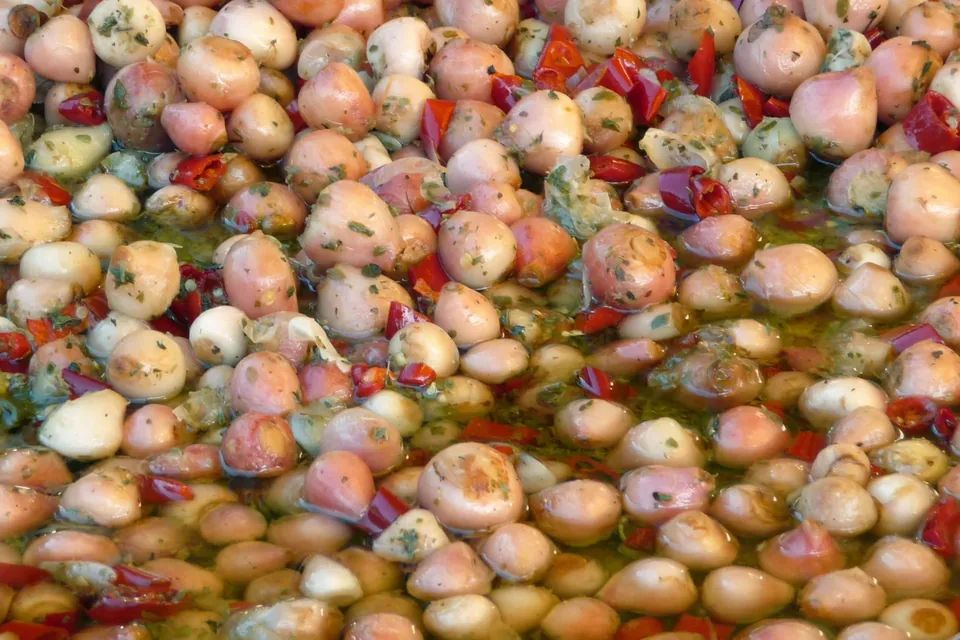
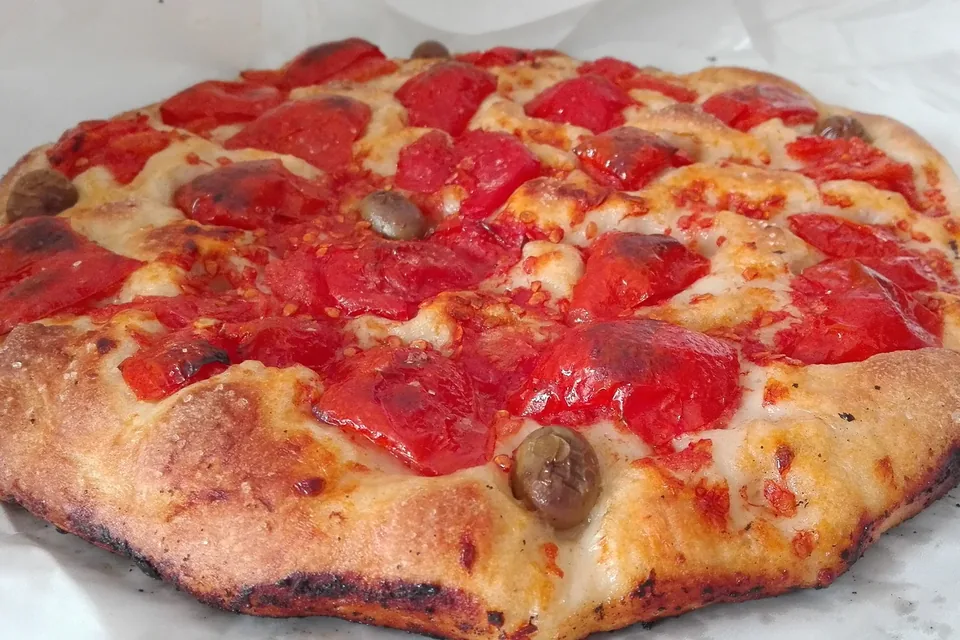
It is also a city to taste on foot: focaccia fresh from the oven, orecchiette shaped by hand in front of doorways, raw seafood eaten by the water. Bari can be the opening chapter of a trip to Puglia, or a base for heading out to the coast and the Murgia uplands.
After the translation of 1087 the saint of Myra also became known as Saint Nicholas of Bari, and the city's name travelled far with him. That is why a visit here has several layers: the relics in the crypt and the Orthodox liturgies, the tables of orecchiette around Arco Basso, the boats of Molo San Nicola, and a few minutes away the shop windows of Via Sparano and the Petruzzelli Theatre.
Sources: Regione Puglia, Viaggiare in Puglia — Bari · Italia.it — Bari Vecchia · Italia.it — Basilica di San Nicola · Basilica di San Nicola — traslazione delle reliquie
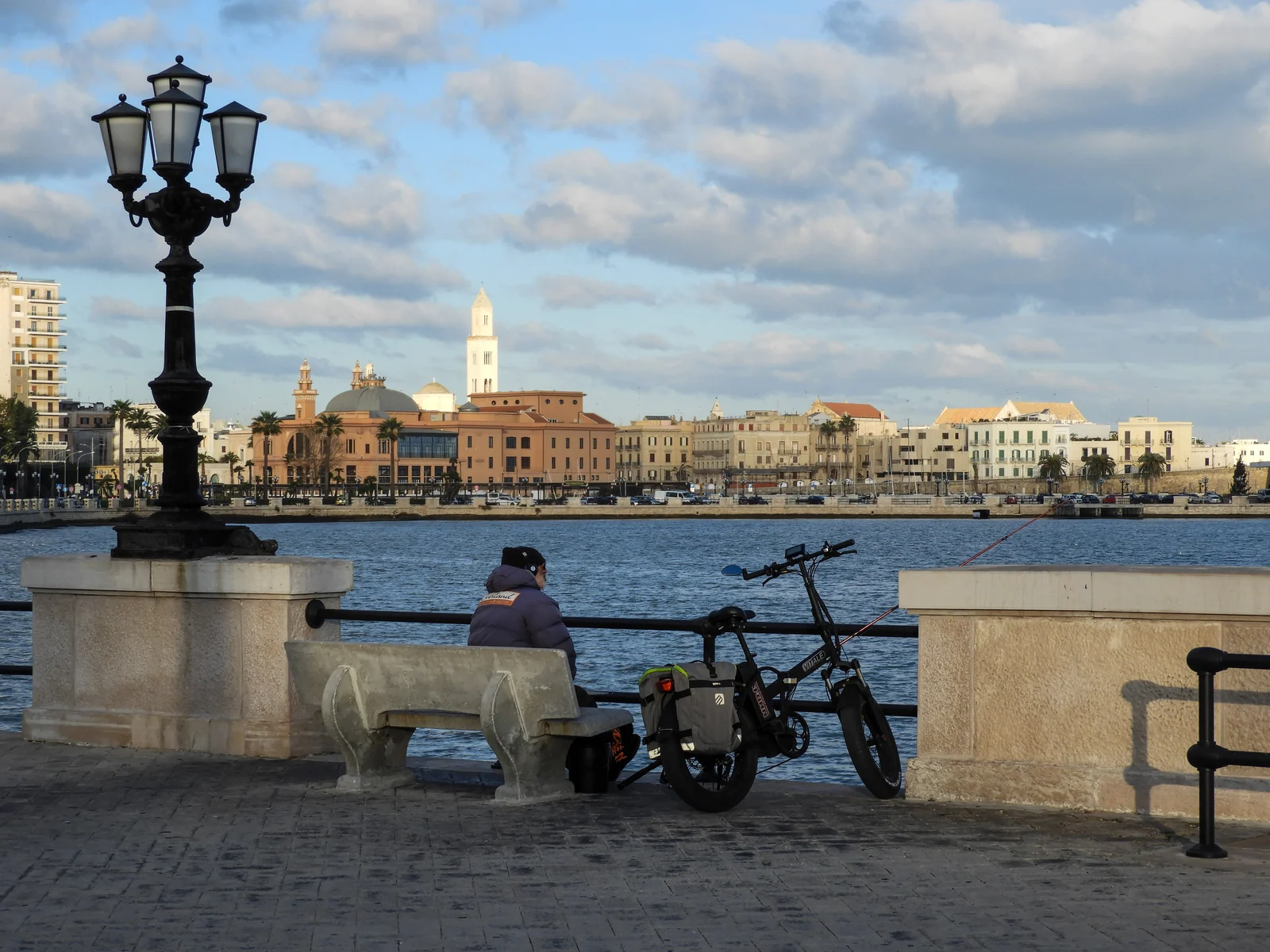
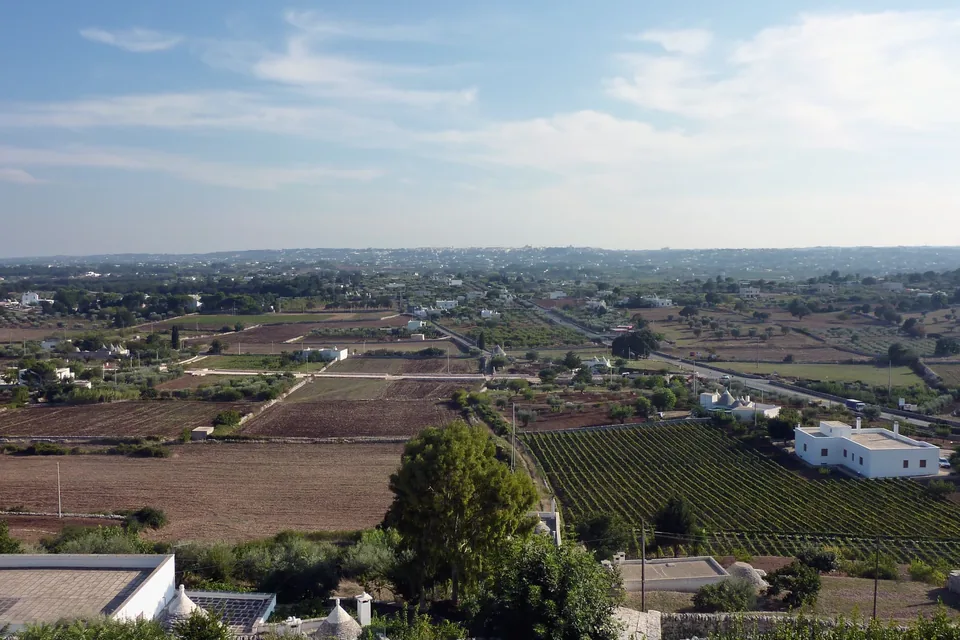
Photo: Federica.tamburini.75 / Wikimedia Commons — CC BY-SA 4.0 · Resized and converted to WebP.
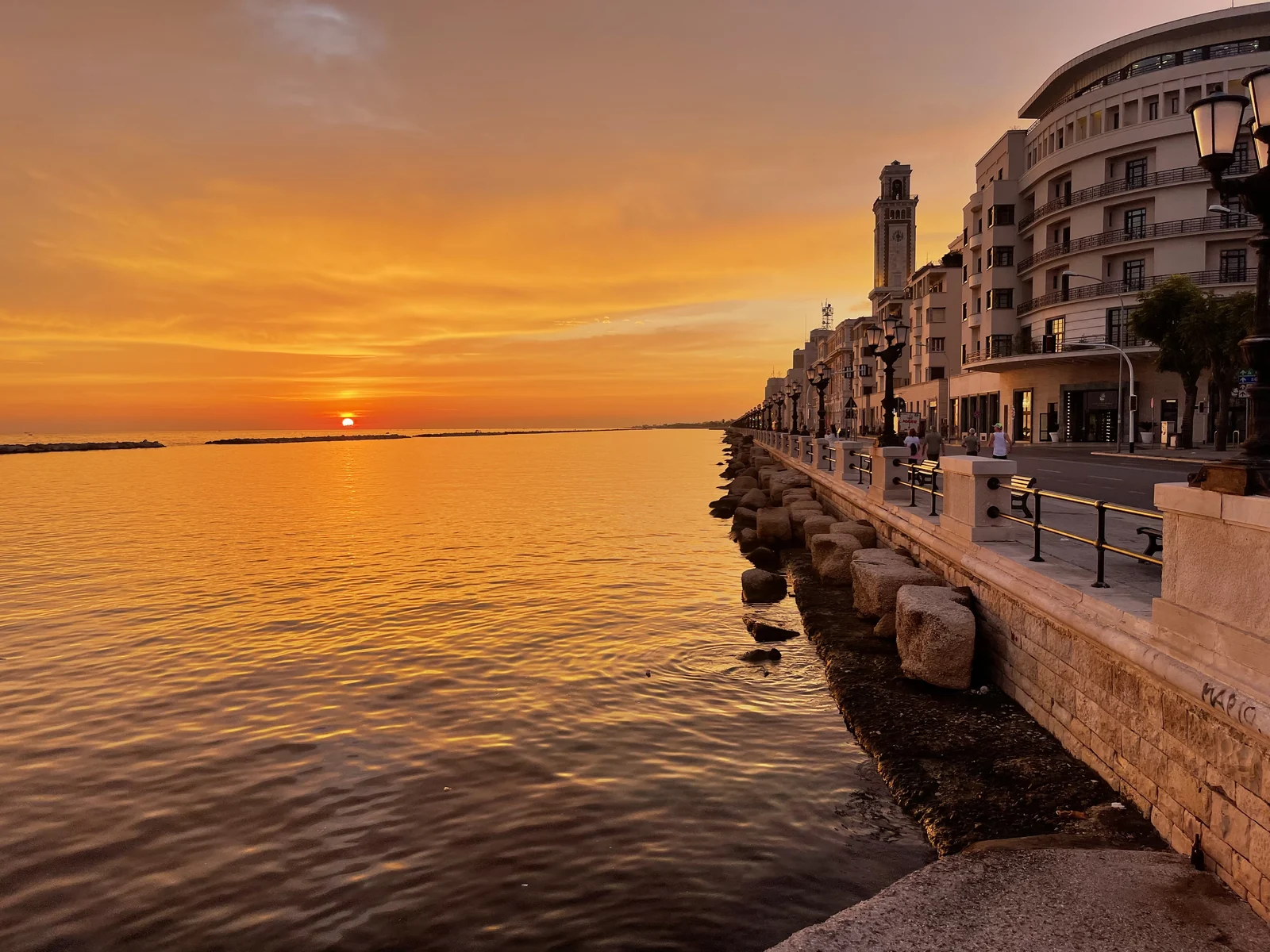
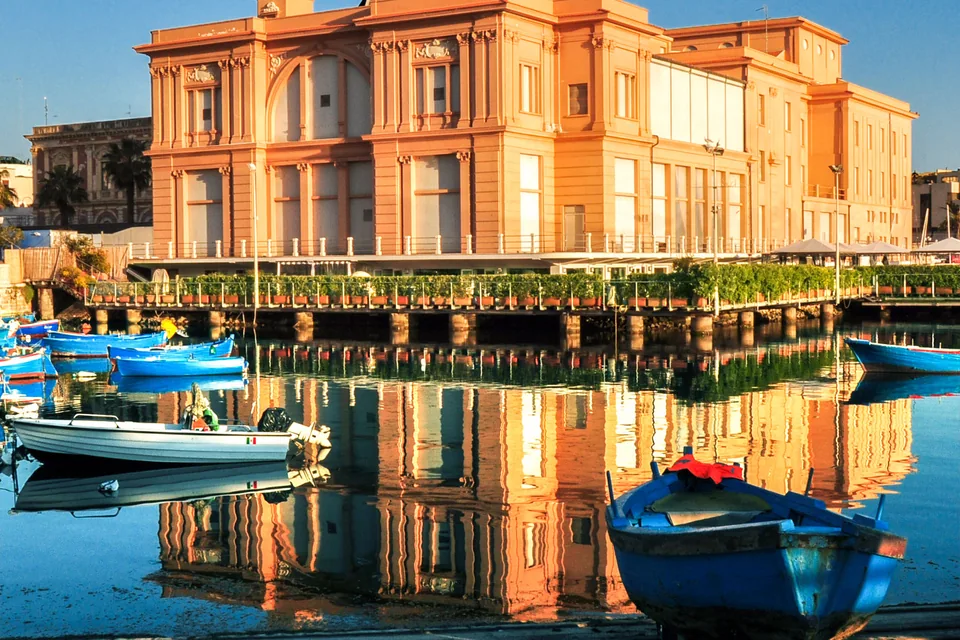
Photo: Distefanoangelo / Wikimedia Commons — CC BY-SA 4.0 · Resized and converted to WebP.
History
The name Bari Vecchia has been used since the nineteenth century to set the old core apart from the new city, begun in 1813 under Joachim Murat. The old town keeps a Byzantine-era street plan, with buildings mostly dating from the eleventh to the seventeenth centuries; in what was once the Jewish quarter, traces of two ancient synagogues can still be seen. The Norman-Swabian castle tells another chapter: built by the Normans in the twelfth century and destroyed in 1156, it was rebuilt at the wish of Frederick II between 1233 and 1240 and enlarged in later centuries.
The event that shaped the city most deeply was the arrival of the relics of Saint Nicholas. In 1087 sixty-two Bari sailors and merchants, sailing to Antioch on three ships loaded with grain, decided to take the saint's bones from the church at Myra, in an Asia Minor threatened by the Turkish advance. The ships entered Bari harbour on 9 May, greeted by a cheering crowd. After a dispute over where the relics should be kept, the palace of the Byzantine governor was turned into a church, and work, begun that summer, was directed by Abbot Elias.
On 1 October 1089 Pope Urban II placed the relics beneath the altar of the crypt. Since then Bari has been one of the great centres of Christianity, a departure and arrival point for crusaders in the Middle Ages and today a meeting place of East and West, with a special bond with the faithful of Eastern Europe.
Before the Normans, Bari was a Byzantine capital: from 968 it was the residence of the catepan, the emperor's representative, until 1071, when after a three-year siege it opened its gates to Robert Guiscard. In 1098 the city hosted the Council called by Urban II, with 185 Latin and Greek bishops and Anselm of Aosta at the centre of the debate on the Filioque.
The castle has lived through all these seasons. The Ministry of Culture dates its foundation to 1131, under Roger the Norman, on a Byzantine settlement of the eighth to tenth centuries; in the thirteenth century it was one of the castra exempta of Frederick II; in the sixteenth it became the Renaissance residence of the courts of Isabella of Aragon and her daughter Bona Sforza. Abandonment, the Bourbon prison and the barracks followed, until it first opened to the public in 1957. The new city has a birth date too: in 1813 Joachim Murat, King of Naples, laid the first stone of the district that bears his name.
Sources: Italia.it — Bari Vecchia · Regione Puglia, Viaggiare in Puglia — Castello normanno-svevo · Basilica di San Nicola — traslazione delle reliquie · Basilica di San Nicola — la tomba del santo · Regione Puglia, Viaggiare in Puglia — Bari · Dalla residenza del catepano alla basilica nicolaiana, Basilica di San Nicola · La prima crociata e il Concilio di Bari, Basilica di San Nicola · Castello Svevo di Bari, Musei della Puglia, Ministero della Cultura · Spazio Murat, Bari Guest Card, Comune di Bari
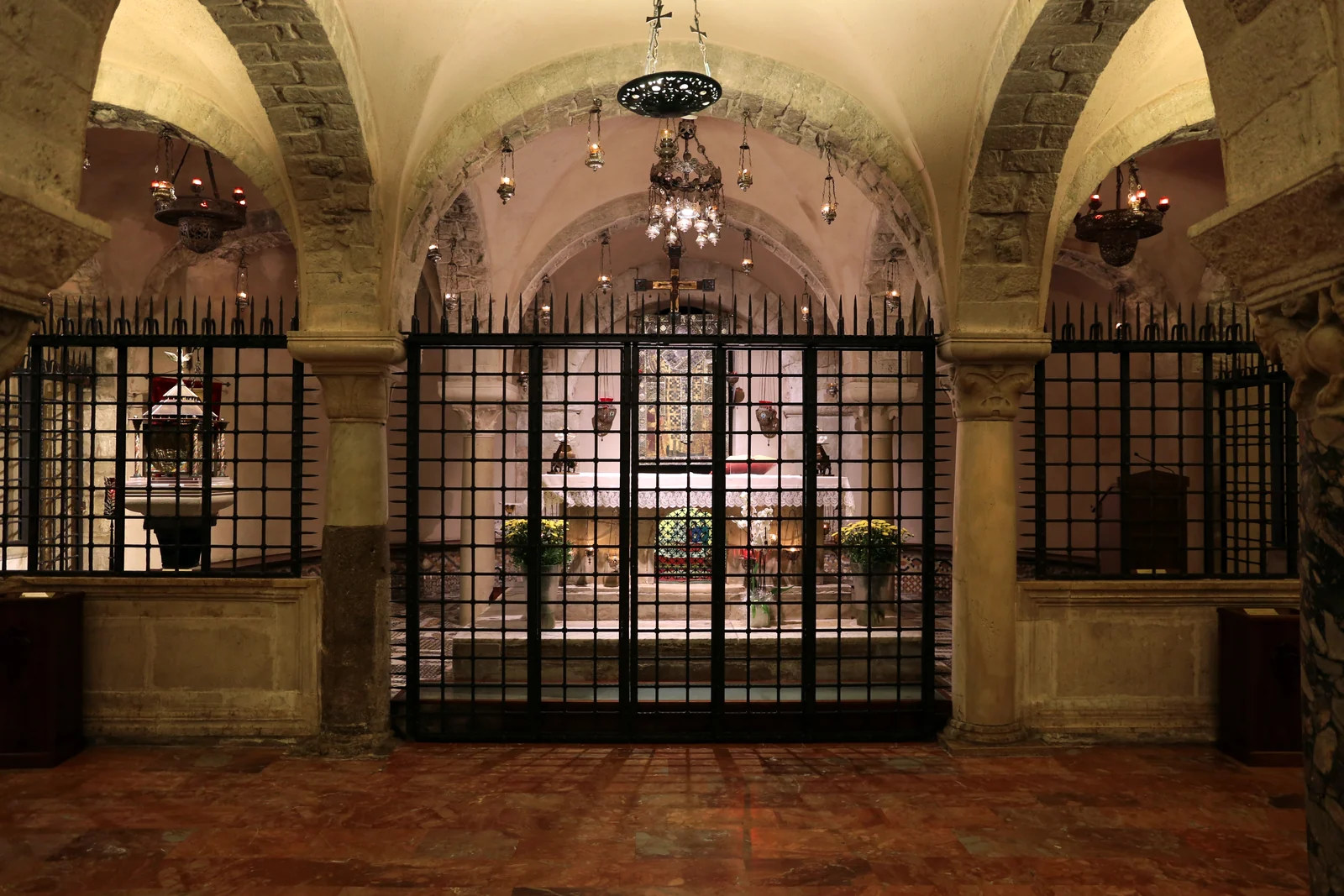
Photo: Sailko / Wikimedia Commons — CC BY-SA 4.0 · Resized and converted to WebP.
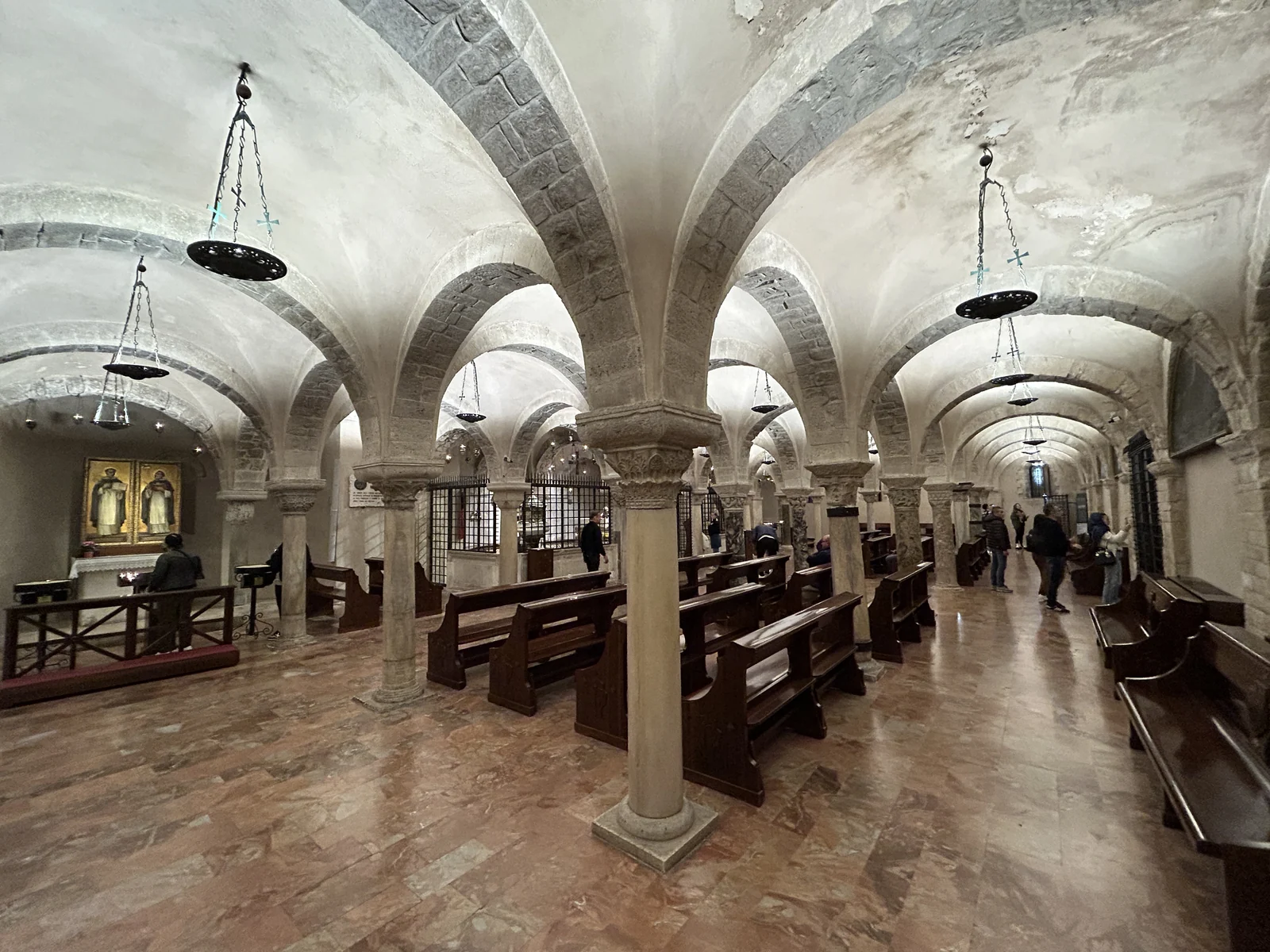
Photo: GiovanniPen / Wikimedia Commons — CC BY-SA 4.0 · Resized and converted to WebP.
What to see
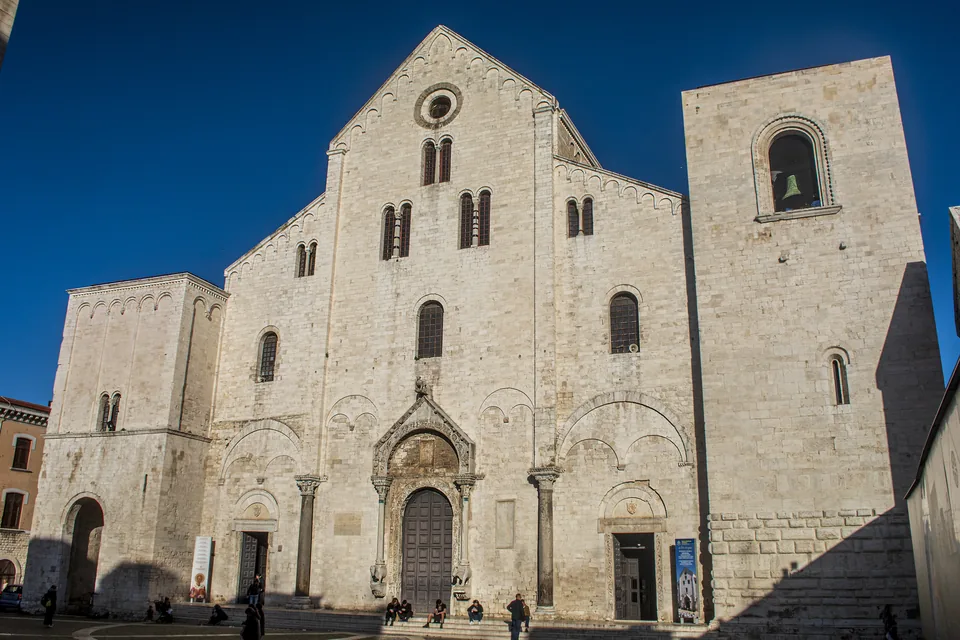
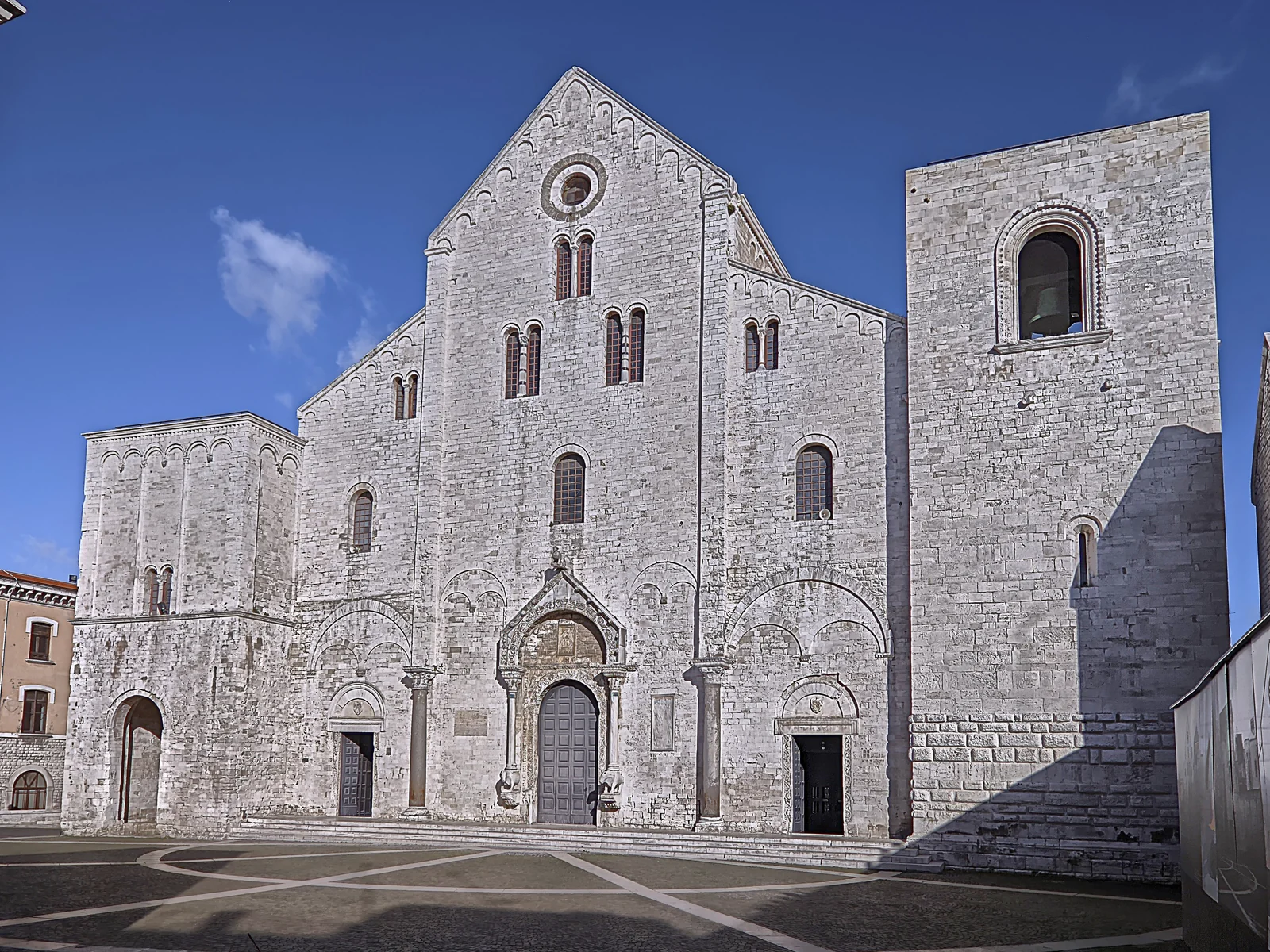
The Basilica of San Nicola is the heart of the Cittadella Nicolaiana and a model of Apulian Romanesque: a sober facade between two towers, an interior with gilded wooden ceilings and seventeenth-century canvases, the throne of Elias and the ciborium. The crypt holds the saint's tomb, whose dressing changed many times, from the covering donated in the fourteenth century by the Serbian king Milutin to Baroque silverwork; the silver altar was later moved to the upper church during twentieth-century restoration. Next door, in the former Pilgrims' Hospice, the Museo Nicolaiano displays parchments, illuminated manuscripts, reliquaries and votive gifts tied to the cult.
A short walk away, the thirteenth-century Cathedral of San Sabino echoes the basilica's austere lines; beneath its floor it preserves Roman remains, an early Christian basilica and a small Byzantine church, while the eighteenth-century crypt holds the icon of the Madonna Odegitria. The nearby church of San Gregorio, from the tenth century, is considered the oldest in the city. The Norman-Swabian castle, at the gateway to the old town, hosts exhibitions and a cast gallery of medieval and later sculpture.
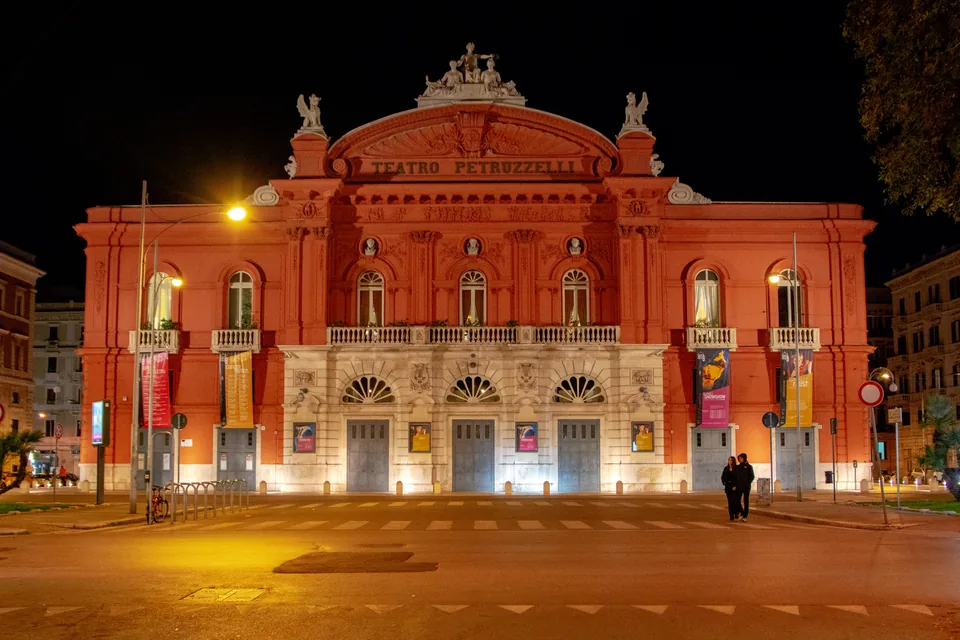
Among the lanes open Piazza Mercantile, the old trading centre with the nobles' Sedile and the column of justice, and Piazza del Ferrarese, overlooking the harbour. In the Santa Scolastica complex the Archaeological Museum holds more than thirty thousand finds, from prehistory to medieval coins. In the Murat district stand the Petruzzelli Theatre, rebuilt after the 1991 fire, and on the seafront the Corrado Giaquinto Picture Gallery, with works by Bellini, Veronese and Tintoretto.
In the basilica the history of pilgrimage is read above all in the crypt. It is built with materials from Byzantine and Lombard churches, and behind an iron grille stands the column called miraculous, tied to a legend of the saint. The bones of Saint Nicholas, about 65 per cent of the skeleton, lie at floor level, enclosed in blocks of reinforced concrete. In 1966 an eastern chapel was established here so that the Orthodox could celebrate the Divine Liturgy, and the basilica hosts rites of several churches, from Byzantine Greek and Byzantine Slavic to Coptic and Armenian. The basilica also holds the sixteenth-century mausoleum of Bona Sforza, Queen of Poland and Duchess of Bari. In the city, the Russian church built in 1913 for pilgrims from Russia returned entirely to the Russian Orthodox Church in 2007.
The Cathedral is dedicated to Santa Maria Assunta and Saint Sabinus is venerated there. The finds in its lower level date its origin to the fifth or sixth century; the present church was rebuilt after the destruction of the city by William the Bad in 1156 and consecrated on 4 October 1292. It has a dome on an octagonal drum and, according to the city's own entry, it is the only church in the old town with an imposing bell tower. In the Archbishop's Palace beside it, now the Diocesan Museum, are the three Exultet, illuminated scrolls that were unrolled from the ambo during the Easter rite.
At the castle, in Piazza Federico II di Svevia, the mark of Frederick II remains on the original entrance, in the vestibule and in the loggia. The cast gallery has a precise origin: the casts of Apulian monuments were made in 1911 by Pasquale Duretti and Mario Sabatelli for the Regional Ethnographic Exhibition, on the fiftieth anniversary of Italian Unification; the room reopened in 2011, and since 2017 the whole first floor has been open to the public.
The Petruzzelli Theatre was born of a demand from the city: the Piccinni, opened in 1854, had about a thousand seats and the people of Bari were calling for a theatre «of all and for all». Construction began on 23 May 1898 and it opened on 14 February 1903, with Meyerbeer's Les Huguenots. It originally had 2,192 seats and now has 1,482; the national portal gives it as the fourth Italian theatre by size. On the night of 27 October 1991, after a performance of Bellini's Norma, a fire destroyed it: it returned to the city on 6 December 2009.
Sources: Regione Puglia, Viaggiare in Puglia — Basilica di San Nicola · Basilica di San Nicola — la tomba del santo · Ministero della Cultura — Museo Nicolaiano · Regione Puglia, Viaggiare in Puglia — Cattedrale di San Sabino · Regione Puglia, Viaggiare in Puglia — Castello normanno-svevo · Regione Puglia, Viaggiare in Puglia — Bari · Regione Puglia, Viaggiare in Puglia — Museo archeologico di Santa Scolastica · Regione Puglia, Viaggiare in Puglia — Pinacoteca Corrado Giaquinto · Pontificia Basilica San Nicola, storia, Arcidiocesi di Bari-Bitonto · Basilica di San Nicola, Italia.it · Russian Orthodox Church, Bari, St Nicholas Center · Cattedrale di Santa Maria Assunta, Bari Guest Card, Comune di Bari · Cattedrale, storia, Arcidiocesi di Bari-Bitonto · Castello Svevo di Bari, Musei della Puglia, Ministero della Cultura · Il teatro, La storia del Teatro Petruzzelli, Fondazione Petruzzelli · Teatro Petruzzelli, Italia.it
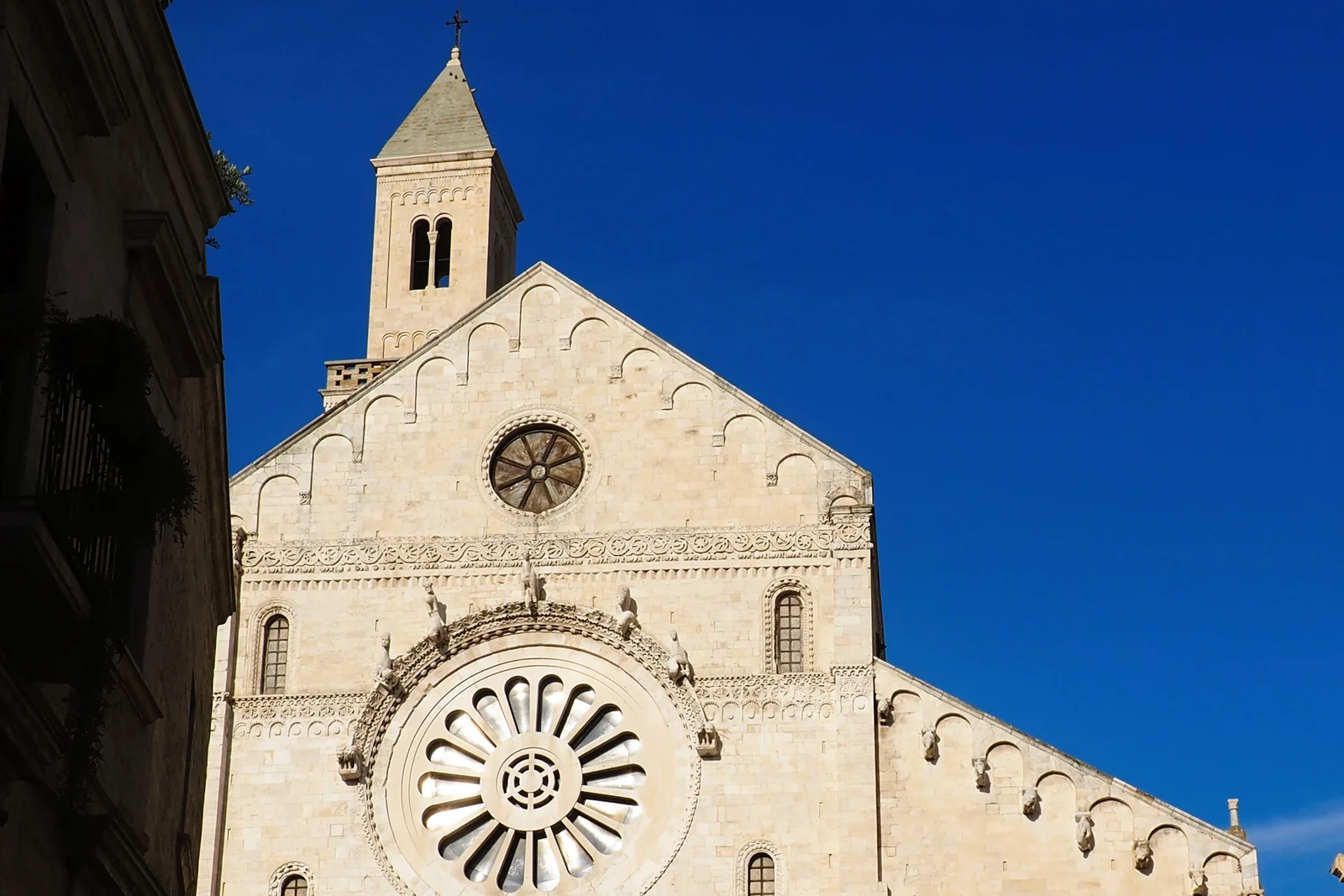
Photo: Rosanna Guglielmi / Wikimedia Commons — CC BY-SA 4.0 · Resized and converted to WebP.
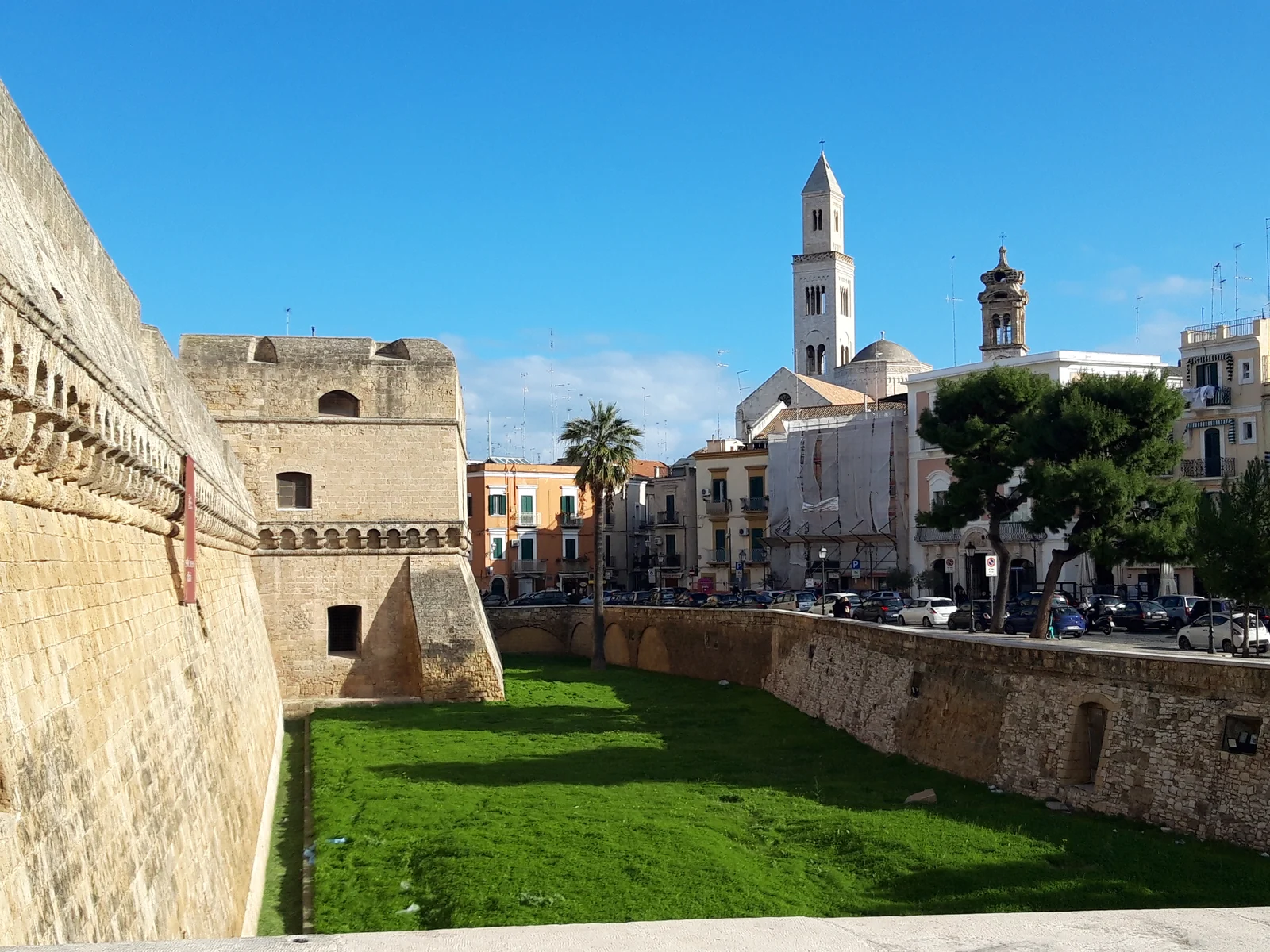
Photo: Ysogo / Wikimedia Commons — CC BY-SA 4.0 · Resized and converted to WebP.
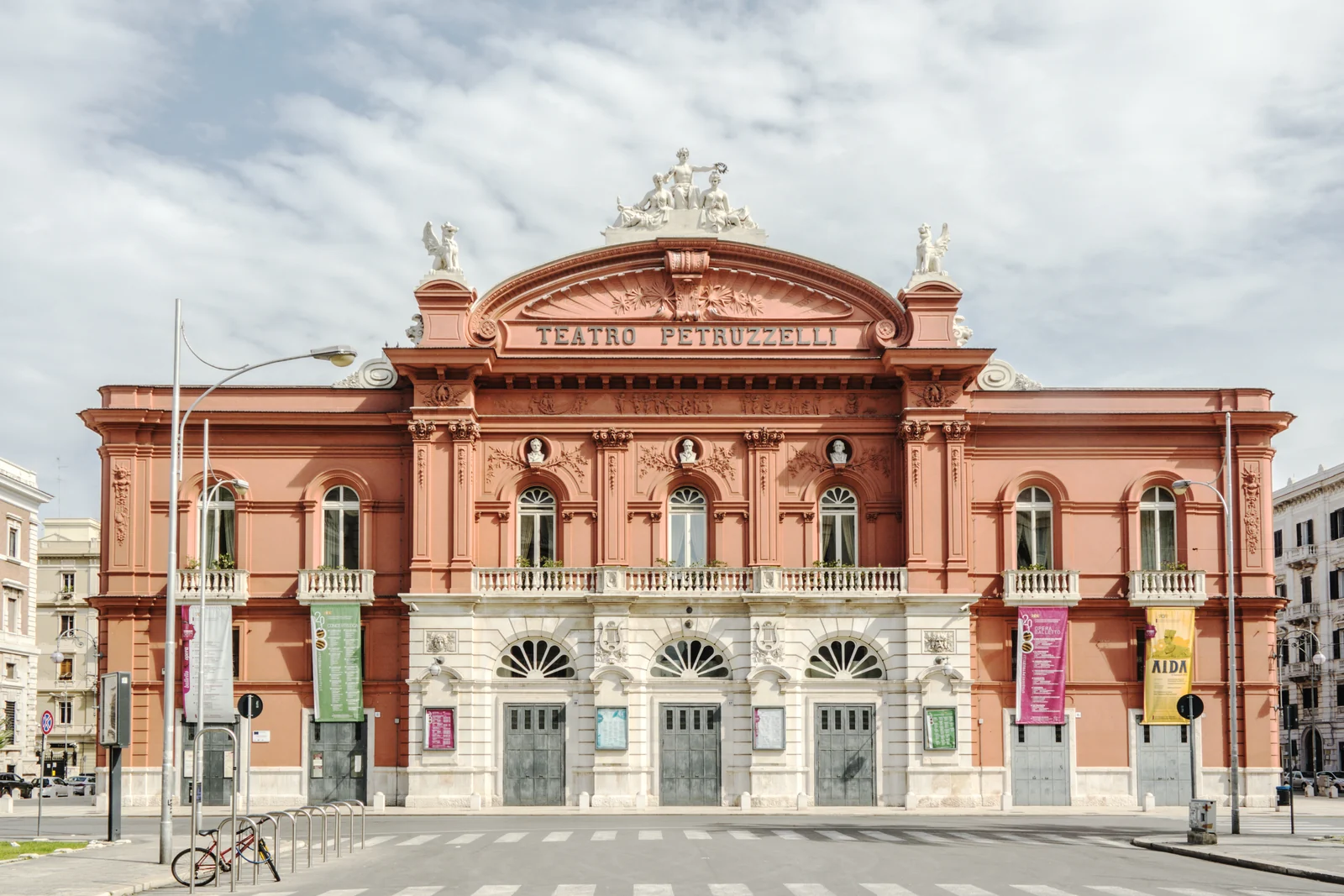
Photo: GIUSEPPE FRANCAVILLA / Wikimedia Commons — CC BY-SA 4.0 · Resized and converted to WebP.
Food and wine
The regional portal presents Bari as the home of orecchiette, the small domes of fresh pasta that tradition dresses with turnip tops; in the lanes of the old town pasta can still be seen drying in front of doorways. City cooking blends sea and land: ciambotto is a sauce made with several Adriatic fish, tiella combines rice, potatoes and mussels, and raw baby squid, octopus and shellfish are street food eaten by the water.
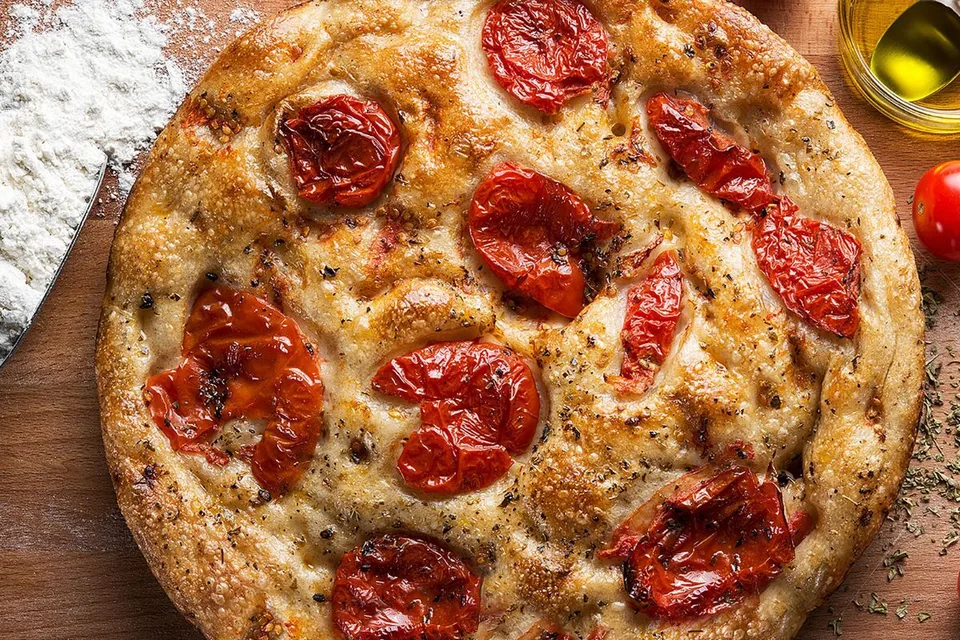
Focaccia barese, recognised among Puglia's traditional food products, is the city's snack above all others. It is round, about thirty centimetres across, topped with fresh tomatoes, crisp outside and soft inside; potato goes into the dough, which rises twice. The regional atlas notes that it probably originated in Altamura or Laterza, as a way to use the first fierce heat of the wood-fired oven before the bread went in, and that it is eaten at any time of day.
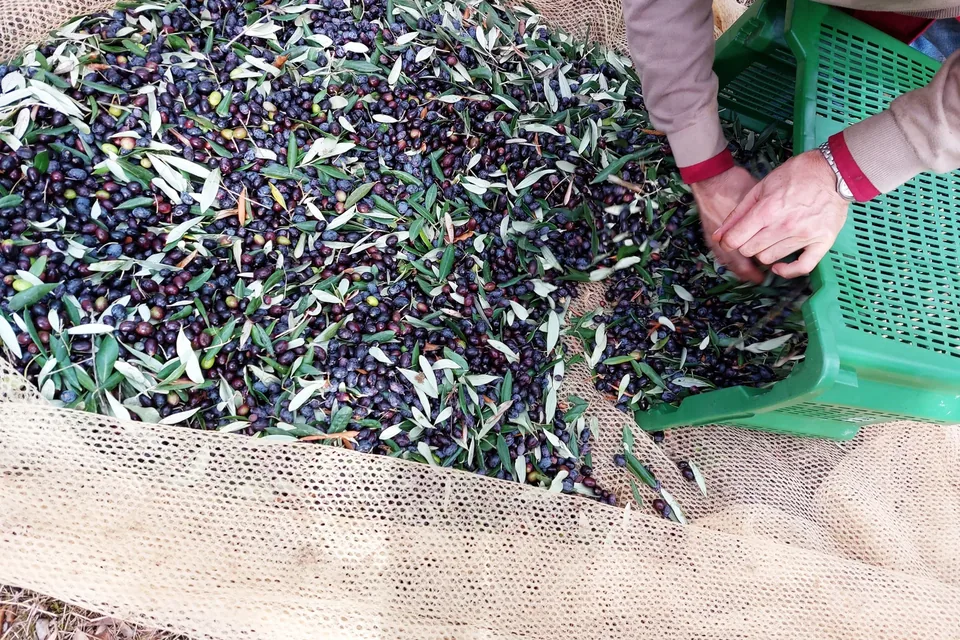
For those who want to take some home, a few Bari bakeries also sell packaged focaccia: a pantry product, different from focaccia fresh out of the oven and from a restaurant meal. Finally, the land around the city lies within the area of Terra di Bari designation-of-origin extra virgin olive oil, made from varieties such as Coratina and Ogliarola, which dresses most home dishes.
In the part of the old town called Arco Basso, women work semolina and water on wooden boards, with a knife, and sell orecchiette at stalls along the street. The gesture is the one described by the Atlas of traditional products: a small piece of dough dragged across the board and then turned over on itself; hence «strascinati», the name used mostly in Bari for the version without the dome. The origin remains uncertain, and the Atlas reports different hypotheses. After years of disputes with the local authorities, in June 2025 Gambero Rosso reported the city's self-control manual, with the rules for regularising the making of fresh pasta in the street.
The street foods also include the panzerotto, listed in the Atlas of Puglia's traditional products: a half-moon of pizza dough filled with mozzarella and tomato, fried or baked. And the dish of rice, potatoes and mussels, the Region notes, is baked in the oven in Bari.
Raw seafood has a precise place, Molo San Nicola, in the old port. It is also called N' dèrr' a la lanze, «at the foot of the boats»: lanz is the dialect name for the wooden boats, and in the past fishermen, just landed, threw the fish for sale straight onto the ground here.
Sources: Regione Puglia, Viaggiare in Puglia — Bari · Atlante PAT Puglia — Focaccia barese · Panificio Pace — Focaccia barese, scheda e prezzo del prodotto · Commissione europea, eAmbrosia — Terra di Bari DOP · La guerra delle orecchiette e il regolamento per le pastaie di Bari Vecchia, Gambero Rosso, 6 giugno 2025 · Orecchiette, Atlante dei PAT, Regione Puglia · Panzerotto fritto, Atlante dei PAT, Regione Puglia · Traditional cuisine and local products, Puglia Routes, Regione Puglia · Molo e porto antico, Bari Guest Card, Comune di Bari
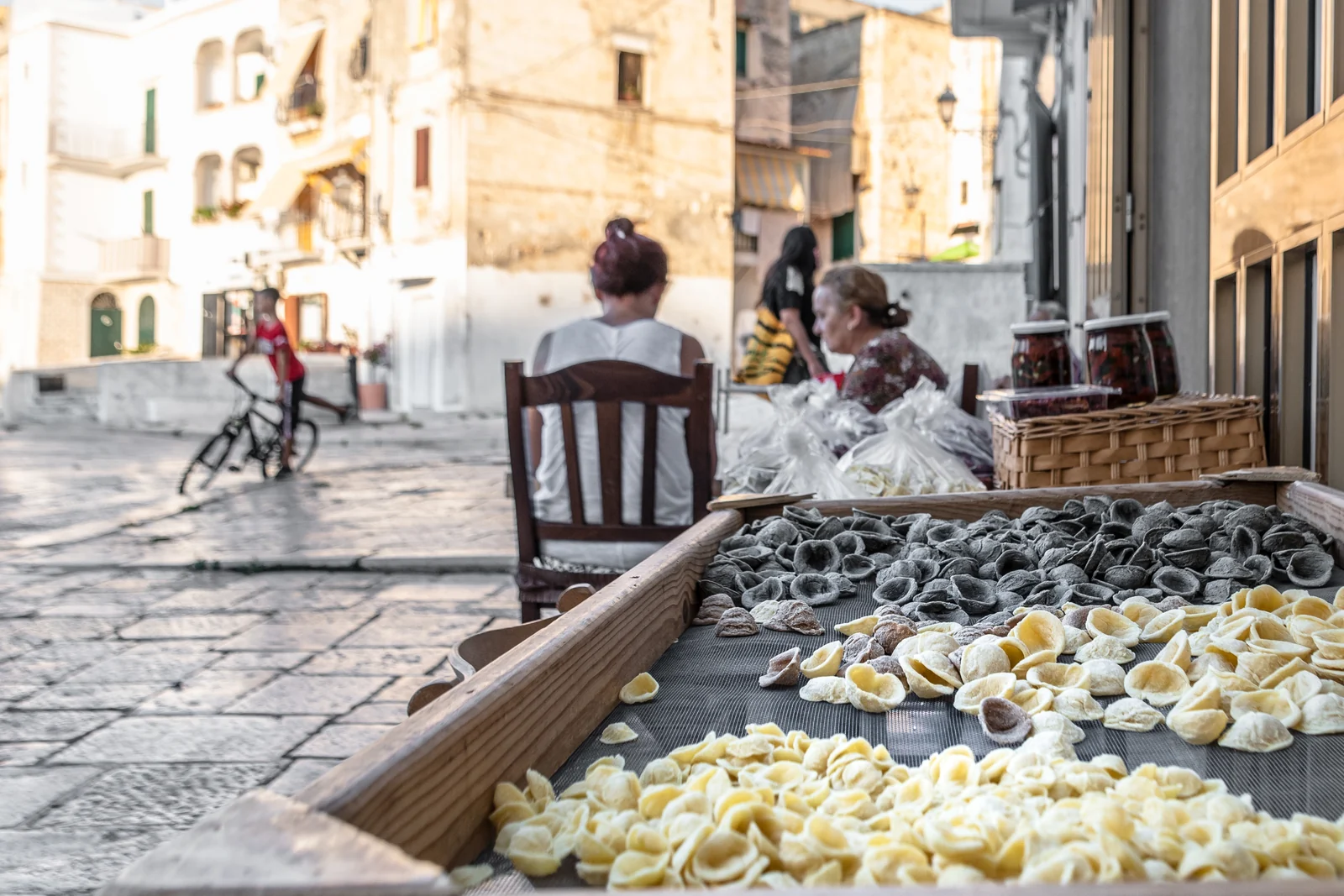
Photo: Isa De Santis / Wikimedia Commons — CC BY-SA 4.0 · Resized and converted to WebP.
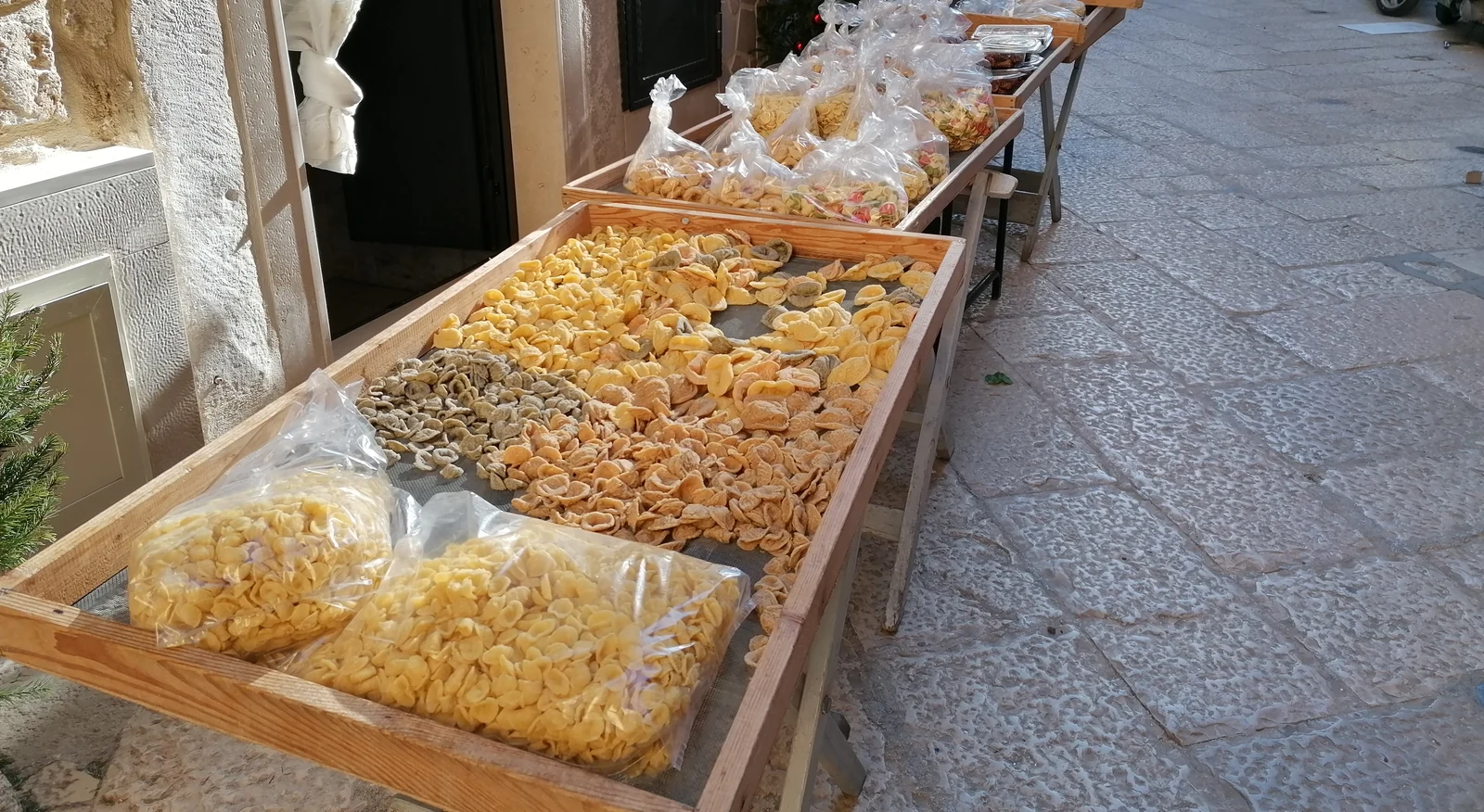
Photo: Maddy16869 / Wikimedia Commons — CC BY-SA 4.0 · Cropped, resized and converted to WebP.
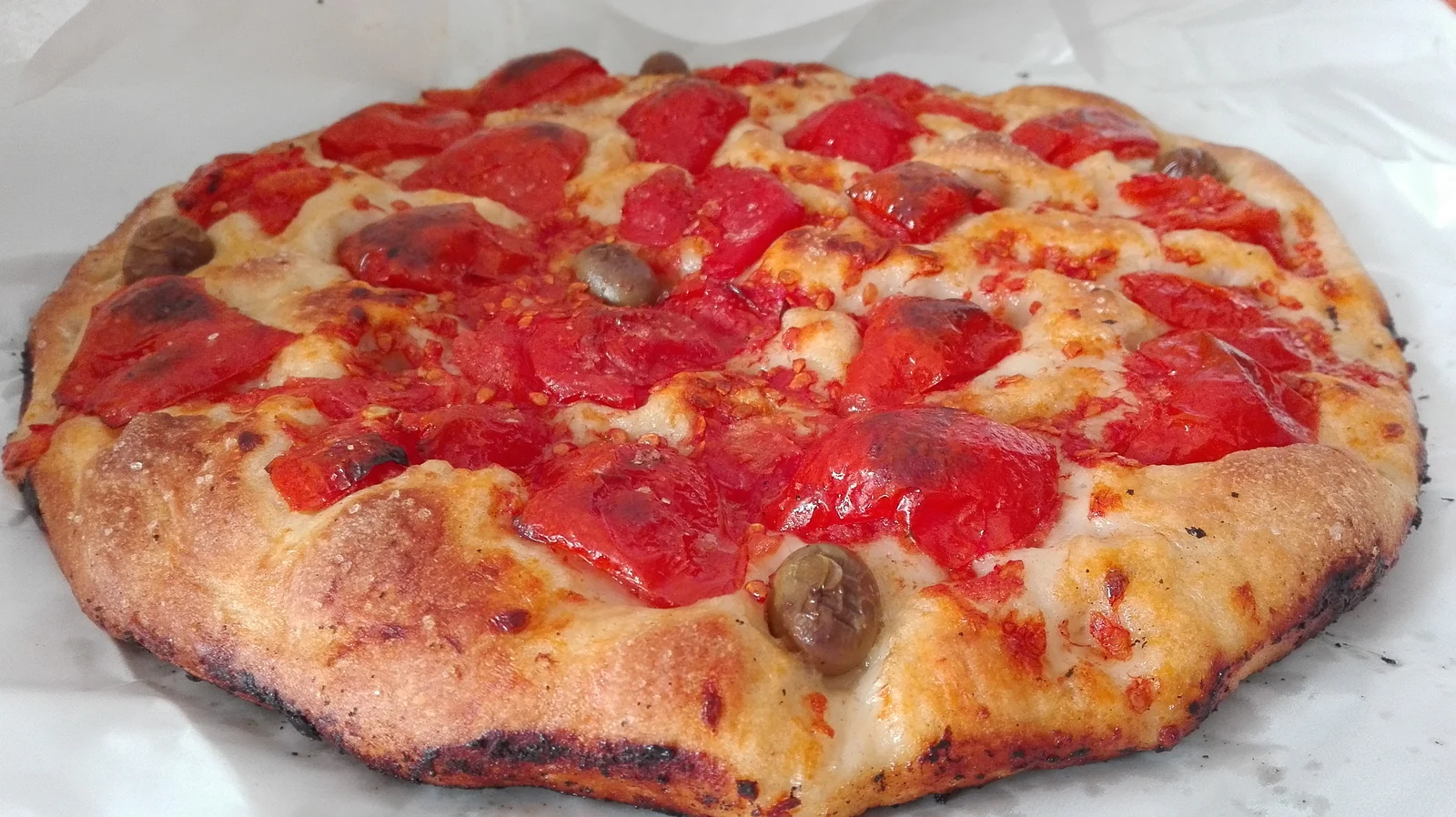
Photo: Elfmir / Wikimedia Commons — CC BY-SA 4.0 · Resized and converted to WebP.
Things to do
The best way to get to know Bari Vecchia is to wander its lanes on foot: the national portal counts some forty churches and chapels and more than a hundred votive shrines, and the area between Arco Basso, Piazza del Ferrarese and Santa Scolastica is where neighbourhood life shows best. From here the walk along the Muraglia, what remains of the sea fortifications used from the twelfth to the nineteenth century, leads to the harbour and the seafront.
The seafront is an experience in itself: from the Piazza Diaz roundabout, Lungomare Nazario Sauro offers a long view of the coast and suits walking and running in the open air. Further along the seafront, towards Torre a Mare and Mola di Bari, lies Pane e Pomodoro, the urban beach where locals swim without leaving town, and beyond it Torre Quetta, a long pebble stretch reclaimed for bathing, with platforms accessible to people with disabilities. Sailing, rowing and windsurfing are practised at the clubs and beach establishments.
Bari also has a lively cultural scene, with the opera and symphony season at the Petruzzelli, exhibitions at the castle and open-air concerts. In the evening the old town comes alive between Piazza Ferrarese and Piazza Mercantile, while cafés and beer halls along the walls stay open late. Underground the city also preserves rock-cut churches and hypogea, such as the Temple of San Giorgio and the Madia Diana hypogeum.
Two walks complete the city. The first joins the pasta tables of Arco Basso and the old port, as far as the boats of Molo San Nicola. The second follows Lungomare Nazario Sauro and Lungomare Araldo di Crollalanza, on which the pier stands. The Polytechnic University of Bari recalls the two seafronts created in the twentieth century as the postcard image of the modern city, with the public buildings raised between 1920 and 1960 and the work of the architect Saverio Dioguardi.
Sources: Italia.it — Bari Vecchia · Regione Puglia, Viaggiare in Puglia — Bari · Regione Puglia, Viaggiare in Puglia — la Muraglia · Regione Puglia, Viaggiare in Puglia — Lungomare Nazario Sauro · Regione Puglia, Viaggiare in Puglia — spiaggia Pane e Pomodoro · Regione Puglia, Viaggiare in Puglia — Torre Quetta · Regione Puglia, Viaggiare in Puglia — Teatro Petruzzelli · La guerra delle orecchiette e il regolamento per le pastaie di Bari Vecchia, Gambero Rosso, 6 giugno 2025 · Molo e porto antico, Bari Guest Card, Comune di Bari · La modernità dei lungomari monumentali di Bari, Politecnico di Bari, 15 giugno 2026
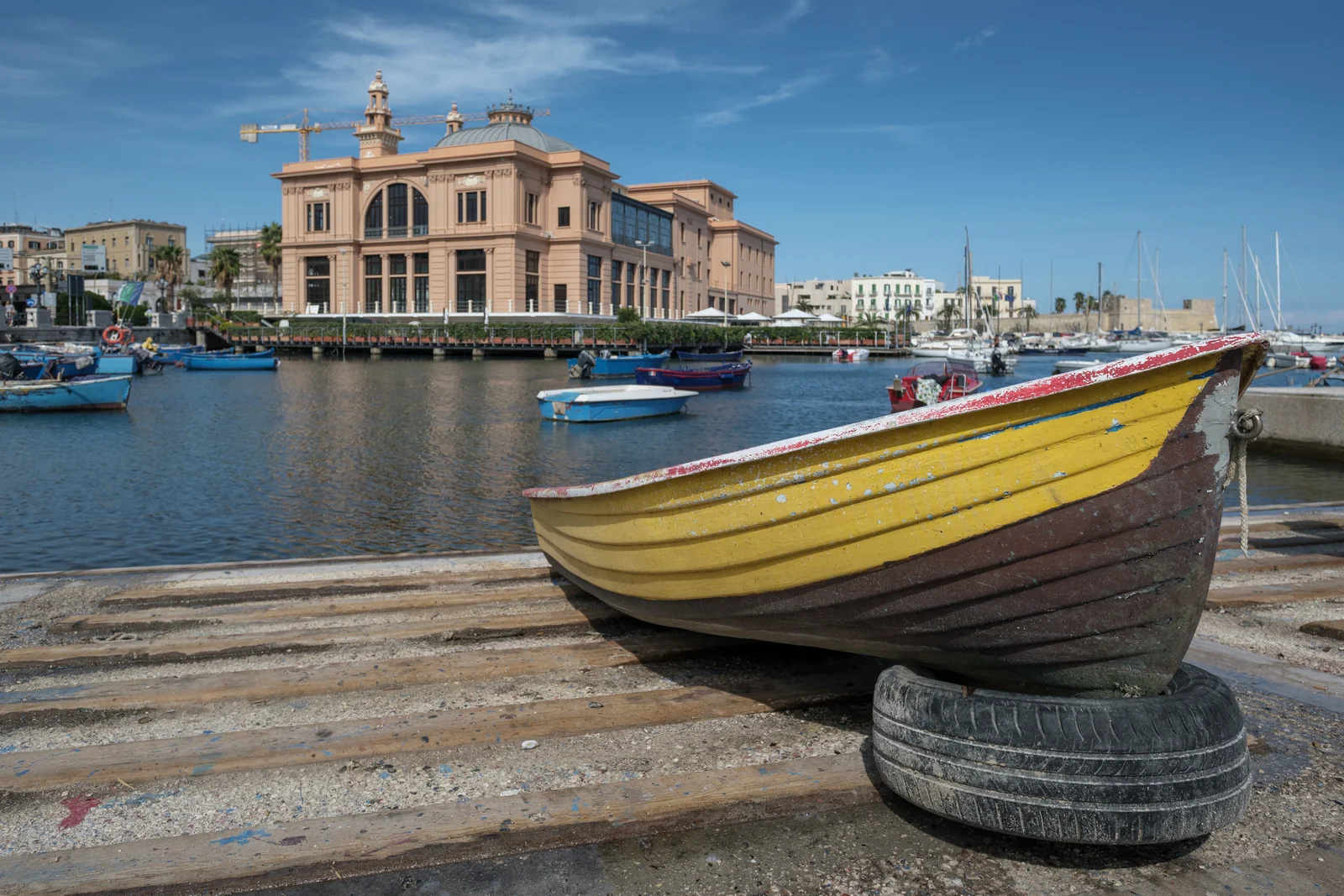
Photo: Jules Verne Times Two / Wikimedia Commons — CC BY-SA 4.0 · Resized and converted to WebP.
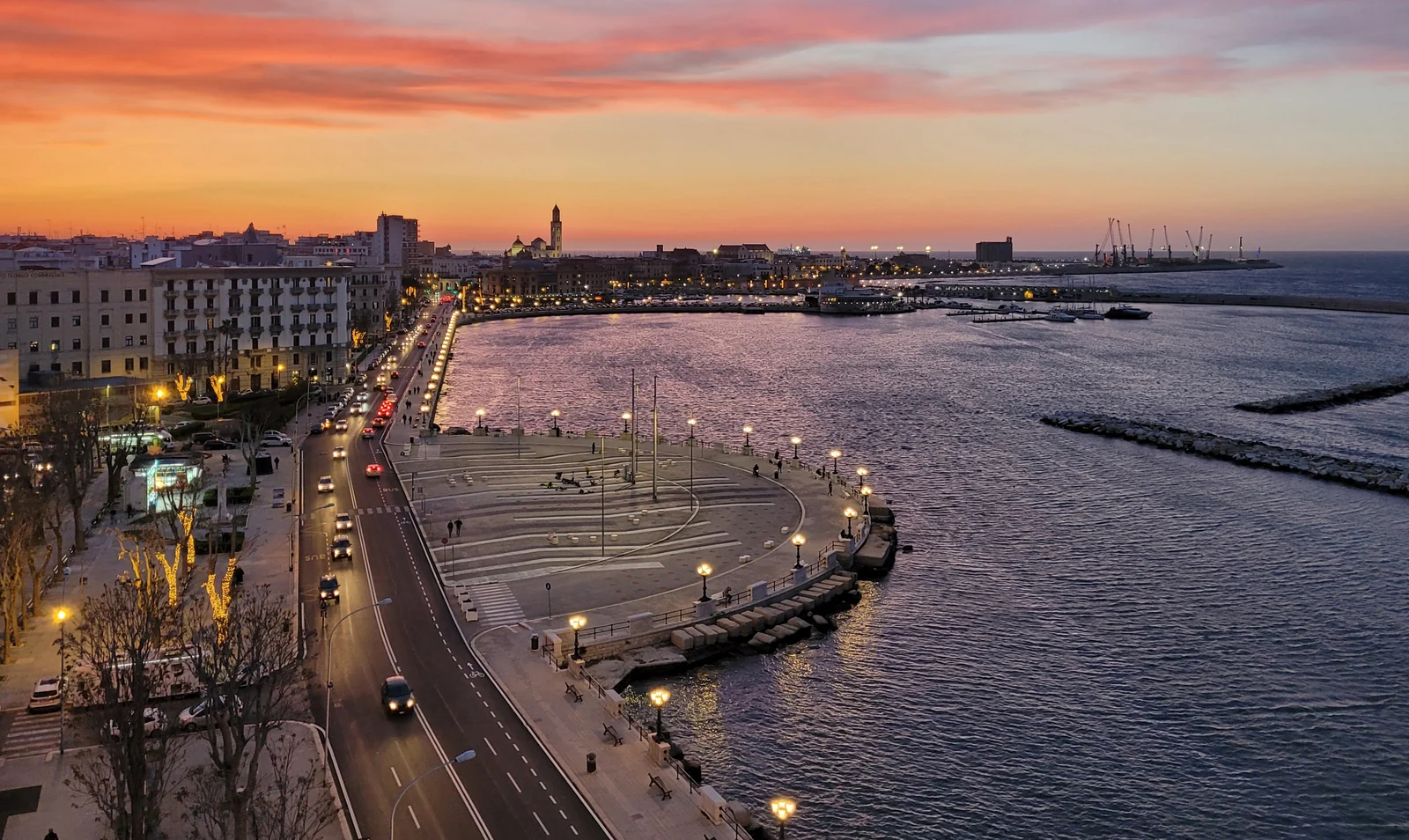
Photo: Bernard Gagnon / Wikimedia Commons — CC0 · Resized and converted to WebP.
When to go
Bari can be enjoyed in any season: churches, museums and theatres do not depend on the weather, while spring and autumn let you enjoy the old town and the seafront without the full heat of summer. From June to September the sea comes into play, with the urban beaches, along with open-air evenings in the old-town squares.
The city calendar is marked by Saint Nicholas, celebrated twice. In May the arrival of the relics, which reached the harbour on 9 May 1087, is remembered: the celebrations include the historical Caravella parade, re-enacting the venture of the Bari sailors. On 6 December falls the saint's liturgical feast; known worldwide also as Santa Claus, he draws Catholic and Orthodox pilgrims. On those days the basilica and the surrounding streets are especially crowded, and it is wise to plan ahead.
Bari is also a university and trade-fair city: the Fiera del Levante on the seafront hosts international events through the year, and the Petruzzelli Theatre programme follows the opera and concert season. Those looking for a quieter pace may prefer the shoulder months, when neighbourhood life returns to the fore.
The May feast has a full programme, published each year by the Basilica. In 2026 the novena began on 29 April; on 7 May the Historical Parade left Piazza Federico II di Svevia at 8.30 pm; 8 May opened with the dawn Mass at 5 am, then the procession with the statue, the Mass on Molo San Nicola with the blessing of the sea and the embarkation of the statue on the fishing boats, the landing at 8 pm and the procession to Piazza del Ferrarese, under the luminarie. On 9 May, the anniversary of the translation, the drawing of the Holy Manna took place. On 22 May, the feast of the Translation by the Julian calendar, the basilica welcomed Orthodox pilgrims at 6 am and celebrated the Divine Liturgy at 8 am. In the early twentieth century, the Basilica recalls, pilgrims numbered between 15,000 and 30,000. Dates and times change from year to year and should be checked on the Basilica's programme.
The Fiera del Levante was established in 1930: over 40,000 square metres were taken from the sea to make its esplanade, and the first edition gathered 1,355 exhibitors, a tenth of them foreign, from 16 nations. The International Trade Fair is held in September, and the Fair's website announces the 90th edition from 18 to 26 September 2027. For those who follow football there is the Stadio San Nicola, built for the 1990 World Cup by Renzo Piano Building Workshop for the Municipality: designed for 60,000 spectators, it has the form of a large flower, with the upper level divided into 26 «petals», each with its own stairs.
Sources: Regione Puglia, Viaggiare in Puglia — Bari · Basilica di San Nicola — traslazione delle reliquie · Regione Puglia, Viaggiare in Puglia — Teatro Petruzzelli · Sagra di San Nicola 2026, Basilica di San Nicola · Il XX secolo, Basilica di San Nicola · Bari, Enciclopedia Italiana, Treccani · Nuova Fiera del Levante, calendario · San Nicola Football Stadium, Renzo Piano Building Workshop
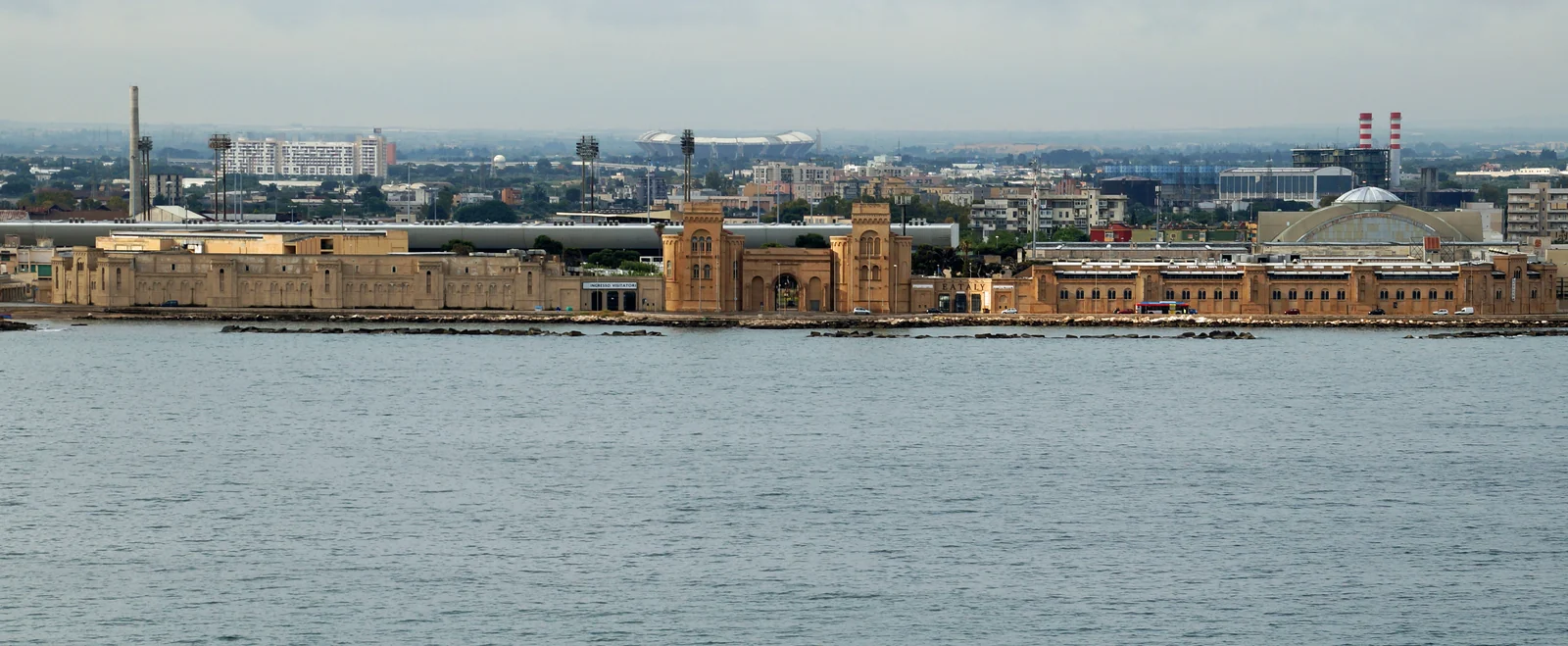
Photo: Albinfo / Wikimedia Commons — CC BY 4.0 · Cropped, resized and converted to WebP.
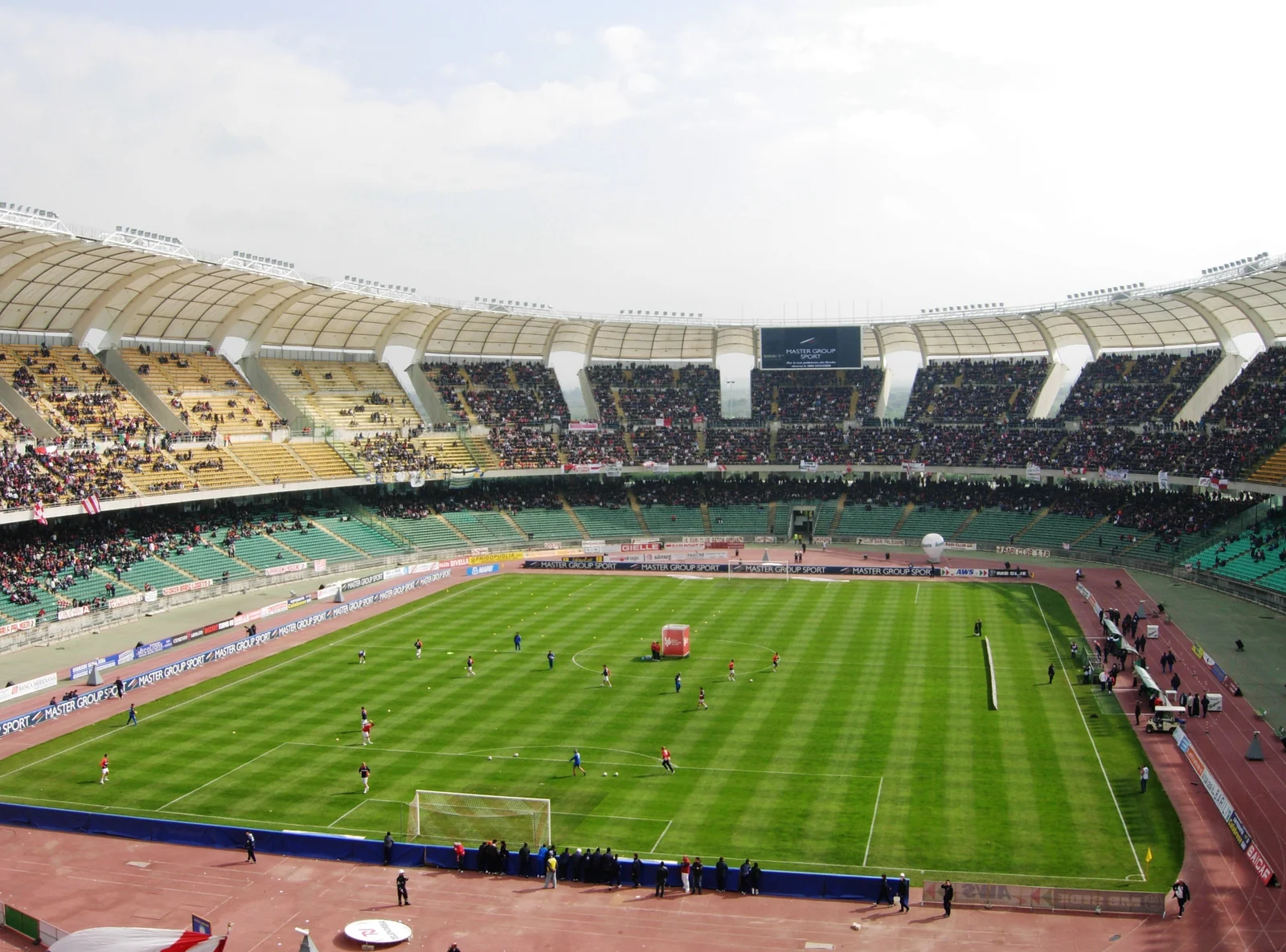
Photo: Fbio87 at Italian Wikipedia / Wikimedia Commons — CC BY-SA 3.0 · Resized and converted to WebP.
Getting there and around
Bari is the region's main transport hub. Karol Wojtyla airport at Palese is linked to the city by a rail connection run by Ferrotramviaria, opened in 2013: the stop is inside the airport, reached from the arrivals area through a tunnel, and trains reach Bari Centrale in about a quarter of an hour, also continuing north to Barletta. The line is fully electrified.
Bari Centrale station, managed by RFI for the Italian state railways, is where national and regional trains along the Adriatic coast meet. Beside it stand the Ferrotramviaria station, linked by a pedestrian tunnel, and that of the Ferrovie Appulo Lucane, reached by lift, from which trains leave for the Murgia uplands and Matera. Ferries to Croatia and Greece sail from the port, and the harbour has its own tourist information point.
In town, the old centre and the Murat district are walkable: from the central station you reach the old town through the streets of the nineteenth-century grid. For the seafront beyond Piazza Diaz, towards Pane e Pomodoro and Torre a Mare, the Torre Quetta beaches and the outer districts, use city buses or a bicycle. Check timetables and routes on the transport operators' official channels before travelling.
Sources: Ferrotramviaria — collegamento ferroviario con l'aeroporto di Bari · RFI — stazione di Bari Centrale · Regione Puglia, Viaggiare in Puglia — Bari · Regione Puglia, Viaggiare in Puglia — Info-point Bari Porto · Italia.it — Bari Vecchia
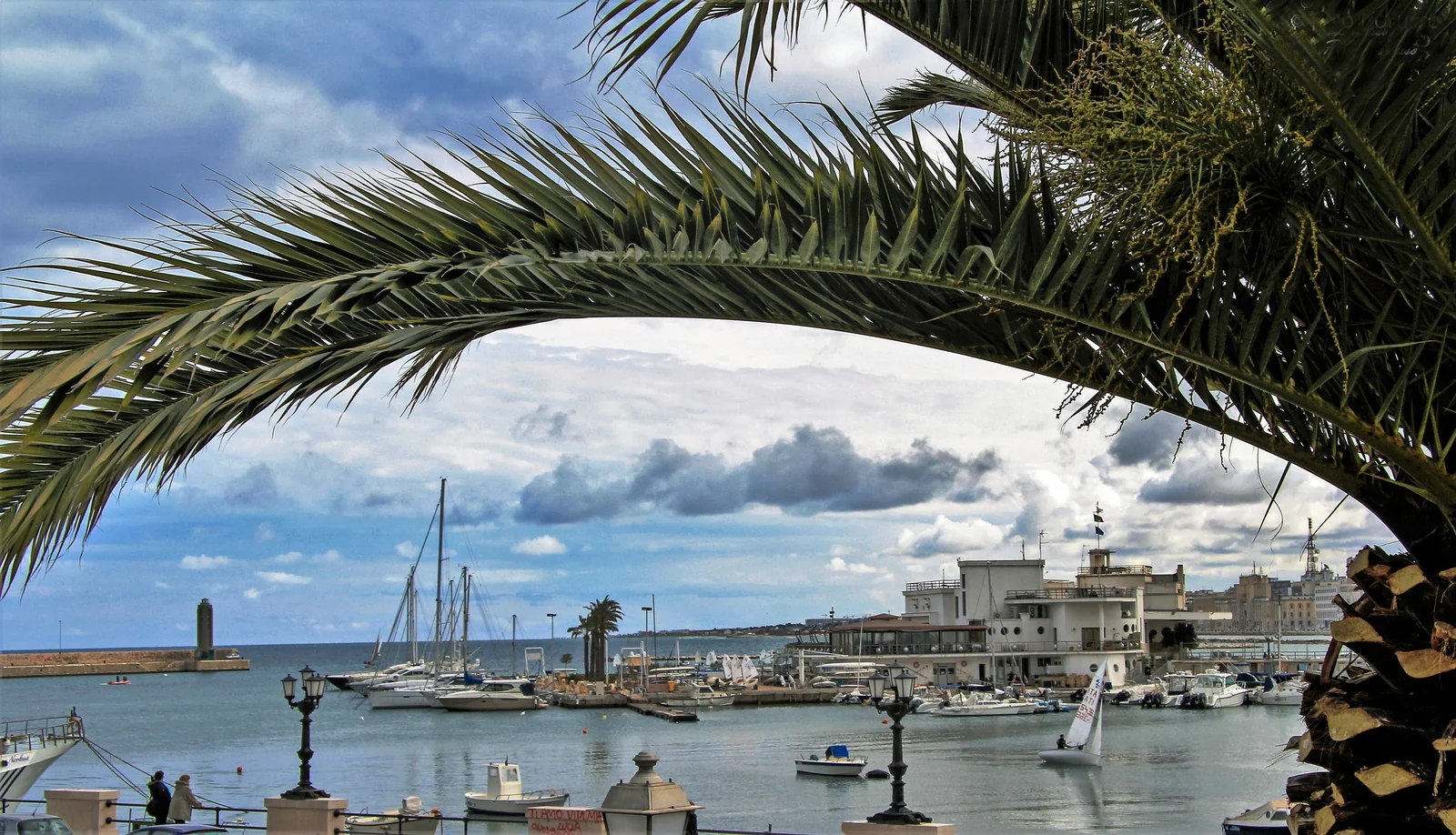
Photo: Pinolor / Wikimedia Commons — CC BY-SA 4.0 · Resized and converted to WebP.
Where to stay
Bari offers the widest choice of accommodation in the region, and the right area depends on the kind of stay. Those who want to live the old town can look for bed and breakfasts and holiday homes inside historic buildings, a few steps from the basilica, the cathedral and the squares that come alive at night: it is the most atmospheric option, but bear in mind the nightlife around Piazza Ferrarese and Piazza Mercantile.
The Murat district, with its orderly streets between the station and the seafront, suits those arriving by train or leaving early for other destinations: here you find city hotels and apartments, with easy access to theatres, shops and airport connections. The seafront, with its monumental buildings, offers sea views and walks to the old town.
For those using Bari as a base to explore Puglia, being close to the central station makes departures to the coast and the Murgia uplands easier. For up-to-date advice on accommodation, visits and experiences, the tourist Info Point in Piazza del Ferrarese presents itself as a home for visitors and also helps with itineraries and public transport.
The main street of the Murat district is Via Sparano: pedestrian since the 1970s, it runs for about 800 metres from Corso Vittorio Emanuele towards Piazza Aldo Moro and the station, among shops, the church of San Ferdinando and Palazzo Mincuzzi, and it has recently been divided into six stretches with different paving.
Sources: Regione Puglia, Viaggiare in Puglia — Bari · Italia.it — Bari Vecchia · Ferrotramviaria — collegamento ferroviario con l'aeroporto di Bari · Regione Puglia, Viaggiare in Puglia — Info-point Bari · Restyling di via Sparano, Visit Italy
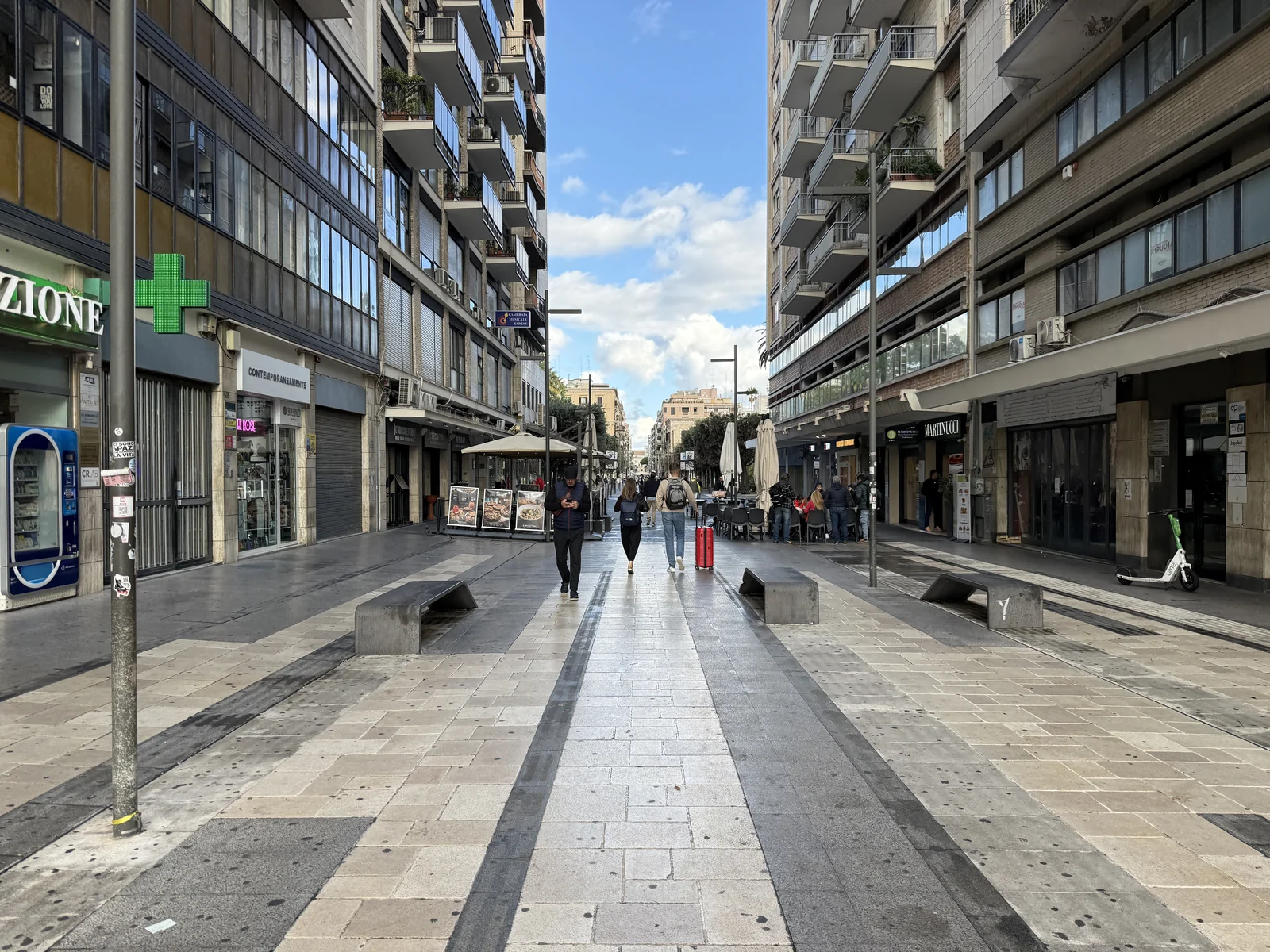
Photo: Chabe01 / Wikimedia Commons — CC BY-SA 4.0 · Resized and converted to WebP.
Nearby
From Bari the coast opens in two directions. To the north, about twenty kilometres away, Giovinazzo offers a medieval old town with a small harbour, a fortified seafront and a Romanesque cathedral; just beyond, Molfetta adds bell towers, defensive towers and Neolithic finds, on a more intimate scale than the regional capital. The rail link serving the airport continues in this direction into the northern Bari area.
Inland, less than fifty kilometres away, Altamura opens the way to the Alta Murgia National Park. Its old town, with walls and small enclosed courtyards known as claustri, is dominated by the cathedral commissioned by Frederick II; in the countryside lie the Pulo, a karst sinkhole about a hundred metres deep, and the sites where Altamura Man and dinosaur footprints were found. Moving from the city bakery of focaccia to designation-of-origin durum wheat bread, baked in the town's wood-fired ovens, makes this route especially coherent.
Combining Bari with one or two of these destinations shows, in a few days, both the Puglia of the sea and that of the uplands, returning in the evening for a walk along the seafront or through the lanes of Bari Vecchia.
Sources: Regione Puglia, Viaggiare in Puglia — Giovinazzo · Regione Puglia, Viaggiare in Puglia — Molfetta · Ferrotramviaria — collegamento ferroviario con l'aeroporto di Bari · Regione Puglia, Viaggiare in Puglia — Altamura · Atlante PAT Puglia — Focaccia barese · Regione Puglia, Viaggiare in Puglia — Bari
Events
Verified events linked to this page: dates, place, organiser and official source. The status of each one is worked out from the days it is open, in the Rome time zone.
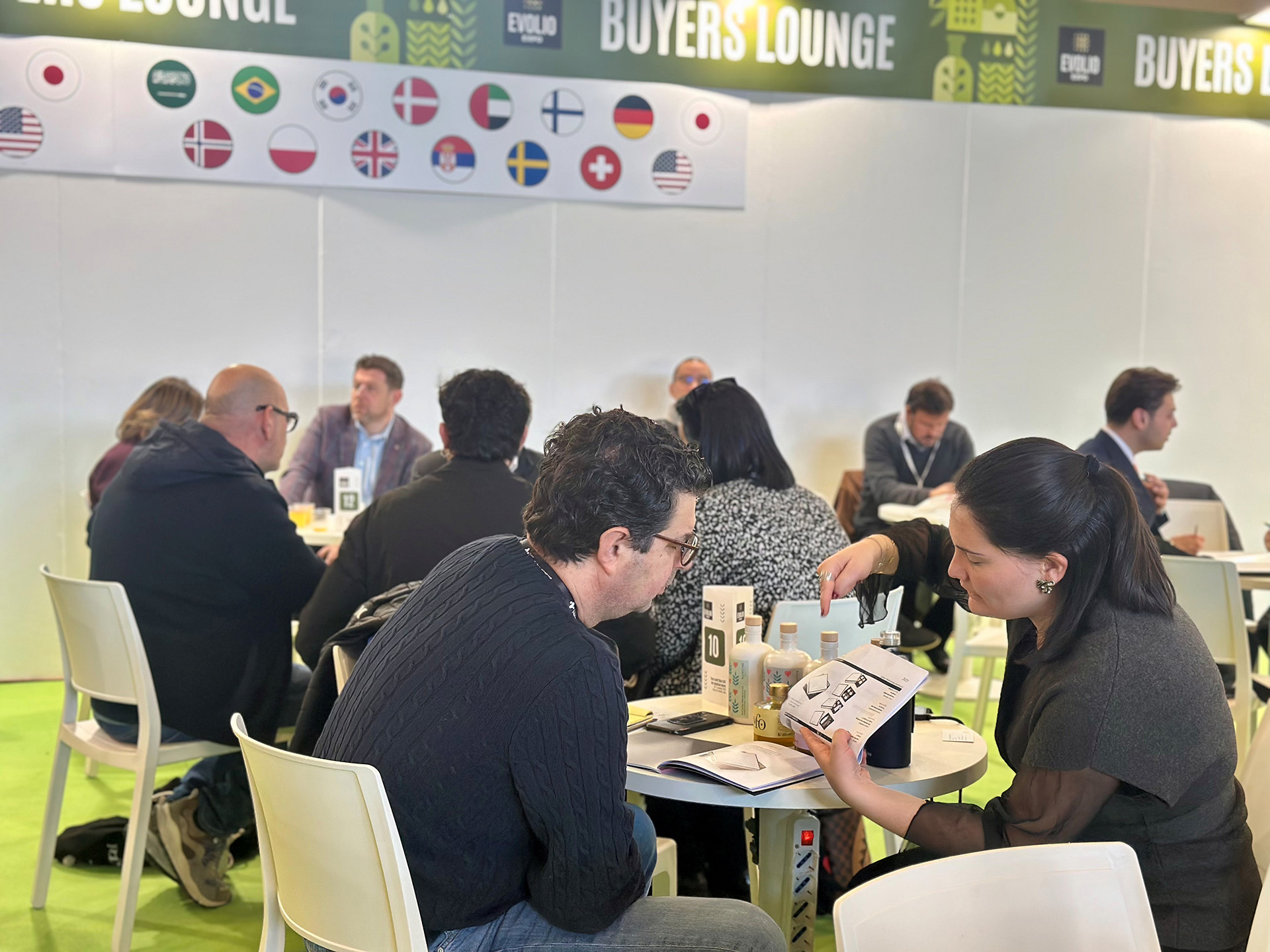
Photo: Evolio Expo (Senaf) · source Upcoming
Evolio Expo 2027 in Bari
28–30 January 2027
Where: Fiera del Levante, Bari · Puglia
Organiser: Senaf per conto di Nuova Fiera del Levante
Evolio Expo is a B2B trade fair for Italian extra virgin olive oil, held at the Fiera del Levante in Bari. Its third edition runs from 28 to 30 January 2027. It is aimed at producers, mill operators, Italian and international buyers, food-service, distribution and retail professionals, institutions and industry associations. The programme includes business meetings between companies and buyers, and conferences on the sector.
Source: evolioexpo.com, checked on 28 October 2026
Local tourist information
Local tourist offices help with opening times, events and transport on the day.
- Info-point Bari · Piazza del Ferrarese, 29 — 70122 Bari · +39 080 524 2244 · [email protected] · Official website
Source: Regione Puglia, Viaggiare in Puglia — Info-point Bari · checked on - Info-point Bari Aeroporto · Aeroporto Karol Wojtyla, area arrivi — Bari · +39 080 580 0200 · [email protected] · Official website
Source: Regione Puglia, Viaggiare in Puglia — Info-point Bari Aeroporto · checked on - Info-point Bari Porto · Porto di Bari, area arrivi — 70123 Bari · +39 379 128 1774 · [email protected] · Official website
Source: Regione Puglia, Viaggiare in Puglia — Info-point Bari Porto · checked on
Where to stay
In the municipality of Bari the national database of the Ministry of Tourism lists 4396 accommodation businesses with a verified CIN code: 44 hotels, 1567 other licensed accommodation and 2785 other types such as B&Bs and private rentals.
Licensed businesses from the official list of accommodation named as the source in this section. Where the list gives it, the property's official identification code appears next to its name: the national CIN code, or the code assigned by the Region or by the body that keeps the list. Private individuals are not listed. This list is the official census of licensed businesses, not a list of Apulica partners: to stay in Bari you do not have to check one property after another yourself; write to Apulica and we look for the stay that suits your journey, checking availability and conditions before any confirmation.
BRA HOTEL
Hotel · ★★★★★
CIN IT072006A100091385
BEE APARTMENTS
Residence
CIN IT072006B400031979
BAIA SAN GIORGIO VILLAGGIO TURISTICO SPORTIVO
Holiday village · ★★★★
CIN IT072006B200022841
SEVENMAZE CHARMING HOUSE
Farm stay
CIN IT072006B500023474
1910 BEB
B&B
CIN IT072006B400026140
200 ROOMS&TERRACE
Guest rooms
CIN IT072006B400070614
A CASA DI RITA
Holiday home
CIN IT072006B400106842
Casa della Giovane
Holiday house
CIN IT072006B700106625
GRANDE ALBERGO DELLE NAZIONI
Hotel · ★★★★★
CIN IT072006A100023503
DILMAN RESIDENZE TURISTICHE
Residence
CIN IT072006B400027136
First the places that presented themselves to Apulica, the latest first; then one place of each type in turn, by official category and stars, then by name. No position is paid for.
All 700 entries in alphabetical order
Page 1 of 70
| Name | Type | CIN |
|---|---|---|
| 1910 BEB | B&B | IT072006B400026140 |
| 200 ROOMS&TERRACE | Guest rooms | IT072006B400070614 |
| A 100 PASSI DAL MARE | B&B | IT072006B400116236 |
| A CASA DI MALU' | Guest rooms | IT072006B400106301 |
| A CASA DI RITA | Holiday home | IT072006B400106842 |
| Adelaide | B&B | IT072006B400071624 |
| ADRIA | Hotel | IT072006A100020804 |
| AFFITTACAMERE | Guest rooms | IT072006B400071605 |
| AFFITTACAMERE "ARCHITA" DI NICOLOSI FILADELFIO | Guest rooms | IT072006B400024214 |
| AFFITTACAMERE SAN NICOLA D'AMARE | Guest rooms | IT072006B400108819 |
Ask Apulica for a stay in Bari We reply shortly, within a few hours at most, with a proposal for you to consider.
Sources: Regione Puglia – ARET Pugliapromozione (DMS), CC BY 4.0, 2026-10-12 · Ministero del Turismo – Banca Dati Strutture Ricettive (dashboard pubblica), 2026-10-12
Where to eat
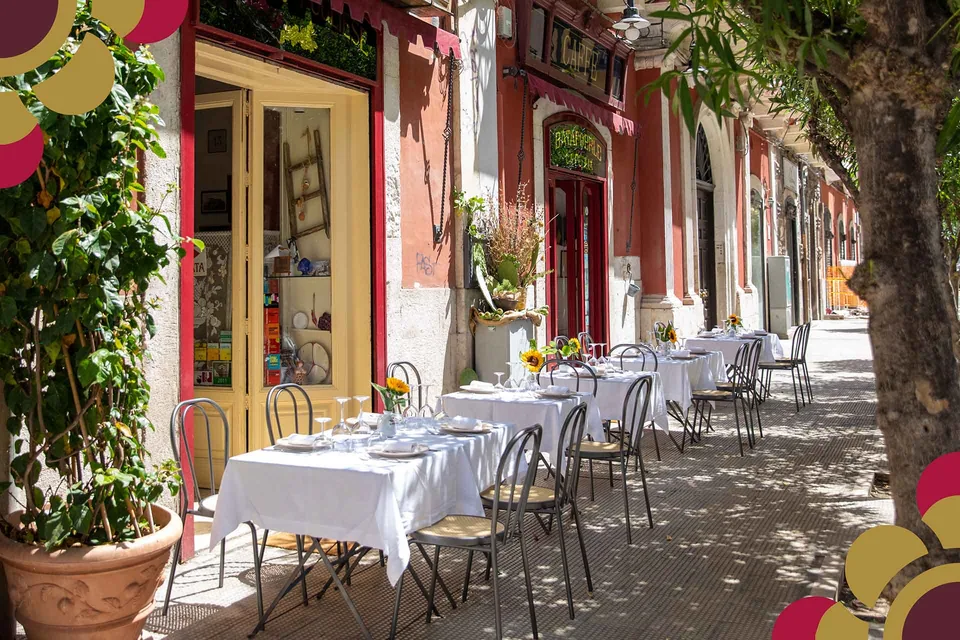
Terranima
Restaurant
Apulian cooking on Via Putignani in the Murat quarter, with a literary café for aperitifs.
- Via Nicolò Putignani 213, Bari (BA)
- Monday, Tuesday, Wednesday, Thursday, Friday and Saturday: 11:30–15:30 and 18:30–23:30
- Sunday: 11:30–16:30
- Apulian
Website: terranima.com · Instagram
verified on 14 November 2026
Photo: Terranima · Resized and converted to WebP.
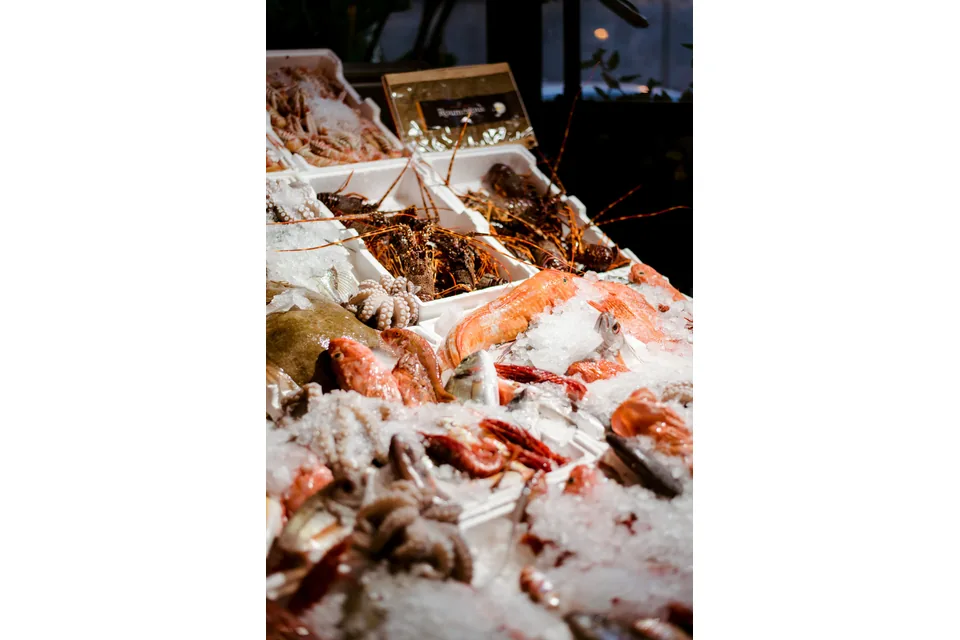
Al Pescatore
Restaurant
Seafood cooking on Piazza Federico II di Svevia, in the old town, with the fish counter on view.
- Piazza Federico II di Svevia 6/7, 70122, Bari (BA)
- seafood
Website: alpescatorebari.com · Instagram
verified on 14 November 2026
Photo: Al Pescatore · Resized and converted to WebP.
Ai 2 Ghiottoni
Restaurant
On Via Putignani since 1973: Apulian cooking with fish and meat.
- Via Nicolò Putignani 11/B, 70122, Bari (BA)
- Monday, Tuesday, Wednesday, Thursday, Friday and Saturday: 12:00–15:00 and 19:00–23:00
- Sunday: 12:00–15:00
- Apulian
Website: ai2ghiottoni.it · Instagram
verified on 14 November 2026
Panificio Adriatico
Bakery
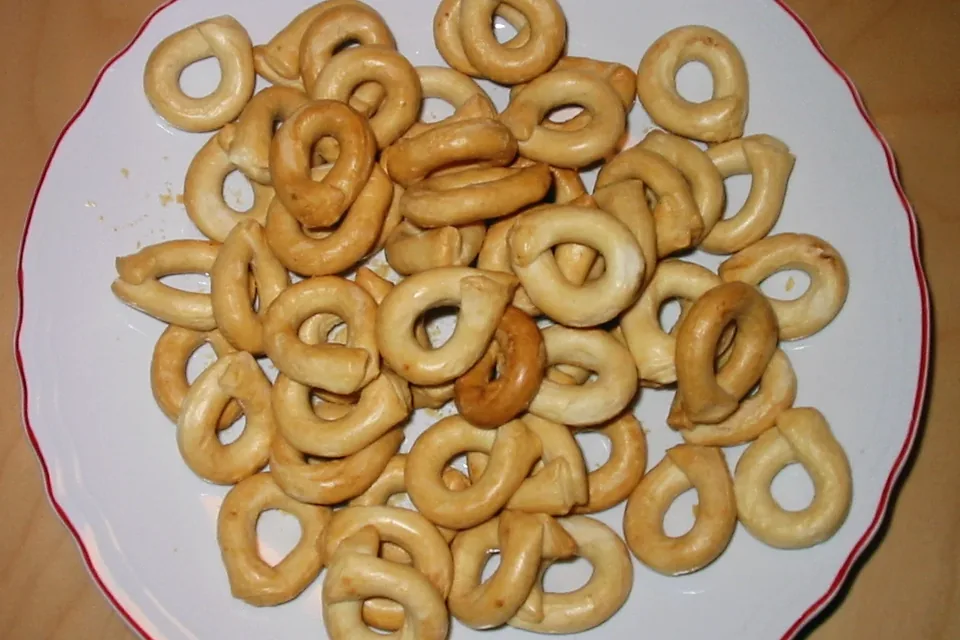
Bread from heritage grains, taralli and Bari focaccia on Via de Giosa.
- Via Nicola de Giosa 113, Bari (BA)
Website: panificioadriatico.it · Facebook
verified on 14 November 2026

Gelateria Gentile
Ice-cream shop
Ice-cream makers since 1880, for five generations, now on Piazza Federico II di Svevia.
- Piazza Federico II di Svevia 33-36, 70122, Bari (BA)
Website: gelateriagentile.com · Instagram
verified on 14 November 2026
Logo: Gelateria Gentile
Where to eat in Bari: all the places (25) →
List of the places verified by Apulica: not a complete census.
Nightlife
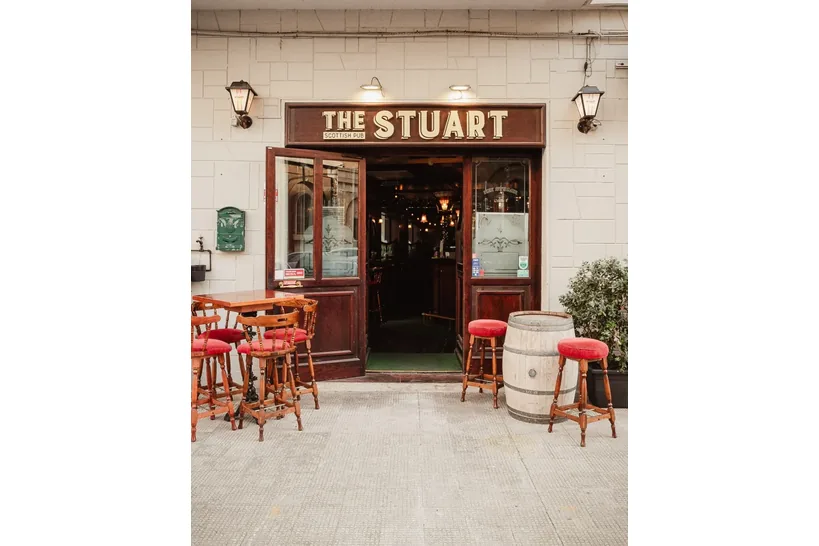
The Stuart Pub
Pub
A Scottish-style pub in Madonnella, with draught beers and a whisky selection.
- Via Dalmazia 173, Bari (BA)
- Monday, Tuesday, Wednesday, Thursday, Friday and Saturday: 00:00–01:00 and 11:00–24:00
- Sunday: 00:00–01:00 and 18:00–24:00
verified on 14 November 2026
Photo: The Stuart Pub · Resized and converted to WebP.
Baretto
Bar
A café-bar on Via Roberto da Bari since 1983, with a tea room and aperitivo.
- Via Roberto da Bari 122, Bari (BA)
Website: barettobari.it · Instagram
verified on 14 November 2026
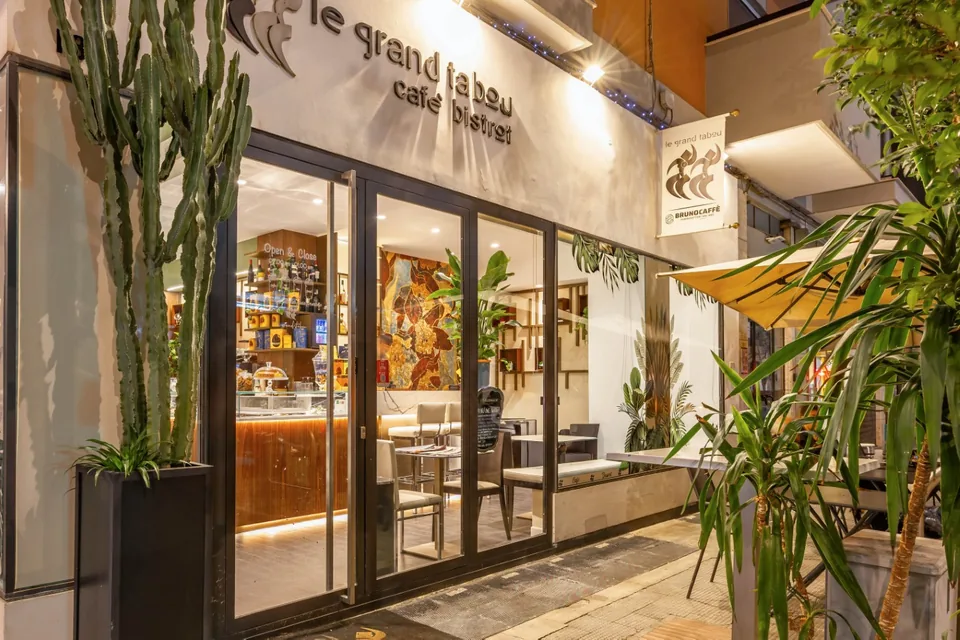
Le Grand Tabou Bistrot & Cocktail Bar
Cocktail bar
A bistro and cocktail bar on Via de Rossi, open all day.
- Via de Rossi 187, 70122, Bari (BA)
Website: legrandtabou.it · Instagram
verified on 14 November 2026
Photo: Le Grand Tabou Bistrot & Cocktail Bar · Resized and converted to WebP.
Mercantile Nove
Wine bar
Wine, cocktails and spirits on Piazza Mercantile, in Bari Vecchia.
- Piazza Mercantile 9, 70121, Bari (BA)
verified on 14 November 2026
Nightlife in Bari: all the places (12) →
List of the places verified by Apulica: not a complete census.
Where to shop
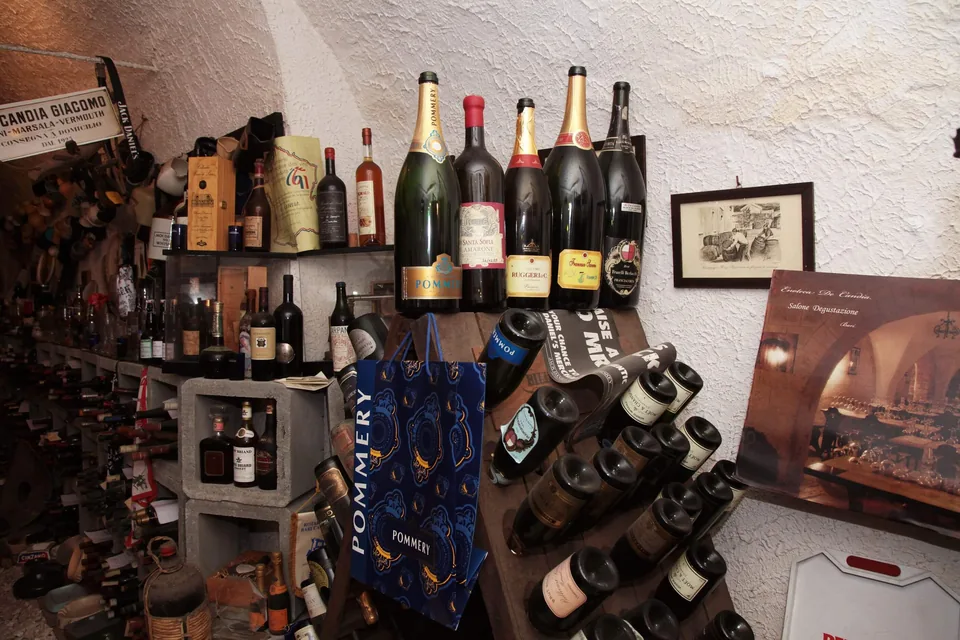
Enoteca De Candia
Shop
Wine shop on Via Buccari since 1925, run by the same family for three generations.
- Via Buccari 30, Bari (BA)
Website: enotecadecandia.it · Facebook
verified on 14 November 2026
Photo: Enoteca De Candia · Resized and converted to WebP.
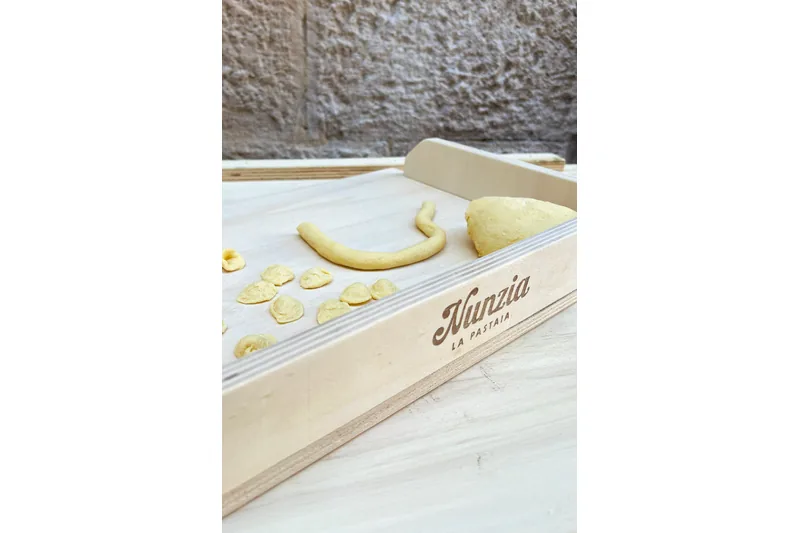
Nunzia La Pastaia
Pasta maker
Orecchiette and other handmade pasta on Strada Arco Basso, in Bari Vecchia.
- Via Arco Basso 14, 70124, Bari (BA)
Website: nunzialapastaia.com · Instagram
verified on 14 November 2026
Photo: Nunzia La Pastaia · Resized and converted to WebP.
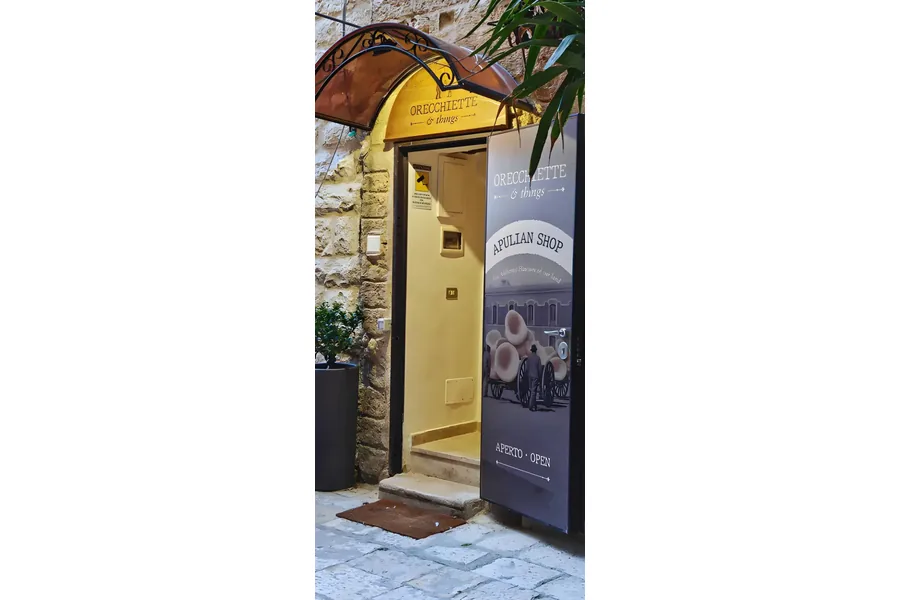
Orecchiette & Things
Shop
Extra virgin olive oil, taralli, orecchiette, preserves and Apulian amari in Corte Sant'Agostino.
- Corte Sant'Agostino 20, 70122, Bari (BA)
verified on 14 November 2026
Photo: Orecchiette & Things · Resized and converted to WebP.
Caffè Cognetti
Shop
A micro-roastery since 1997: coffee beans roasted in Bari, tea and brewing tools.
- Via Camillo Rosalba 63, 70124, Bari (BA)
Website: caffecognetti.com · Facebook
verified on 14 November 2026
Logo: Caffè Cognetti
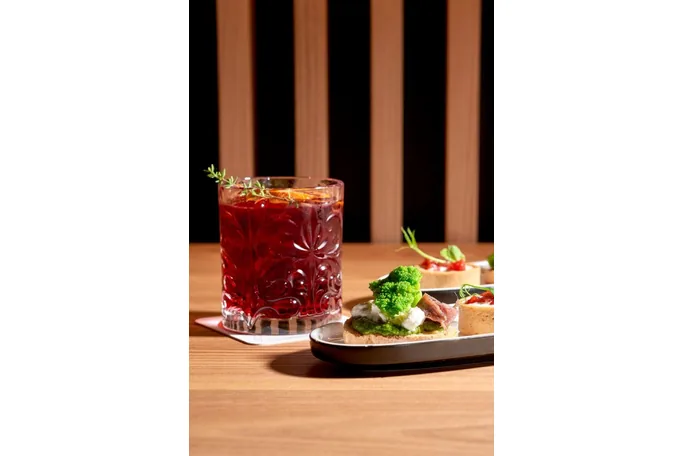
Enoteca del Centro
Shop
Wines and spirits for sale and a wine bar with a kitchen on Via Roberto da Bari.
- Via Roberto da Bari 110, 70122, Bari (BA)
Website: enotecadelcentro.it · Instagram
verified on 14 November 2026
Photo: Enoteca del Centro · Resized and converted to WebP.
Where to shop in Bari: all the places (12) →
List of the places verified by Apulica: not a complete census.
Markets
Mercato Madonna del Carmelo
Market
- Corso Mazzini, Bari (BA)
verified on 14 November 2026
Mercato San Filippo Neri
Market
verified on 14 November 2026
Mercato San Girolamo
Market
verified on 14 November 2026
Mercato San Pio
Market
- Via Caldarola, Bari (BA)
verified on 14 November 2026
Mercato Santa Chiara
Market
verified on 14 November 2026
Mercato Santa Scolastica
Market
- Via Giulio Petroni, Bari (BA)
verified on 14 November 2026
Mercato Santi Pietro e Paolo
Market
verified on 14 November 2026
Mercato settimanale di Japigia
Market
- Via Caduti di tutte le guerre, Bari (BA)
verified on 14 November 2026
Mercato settimanale di Santo Spirito
Market
verified on 14 November 2026
List of the places verified by Apulica: not a complete census.
YOUR JOURNEY
How to shape a journey here
We can organise arrival in Puglia with an interpreted visit, a food stop and transfers inland, or a night in town before an Alta Murgia and coastal route.
Plan your tripKeep exploring
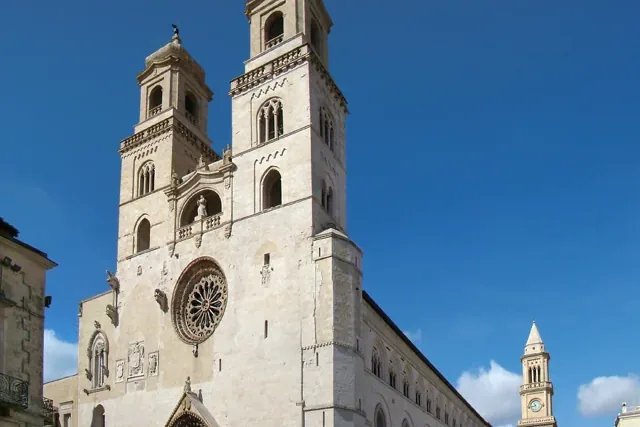
Altamura
Bread culture, the old town and the Murgia landscape as the starting point for a journey.
Read the guide →Photo: Tango7174 / Wikimedia Commons — CC BY-SA 4.0 · Resized and converted to WebP.
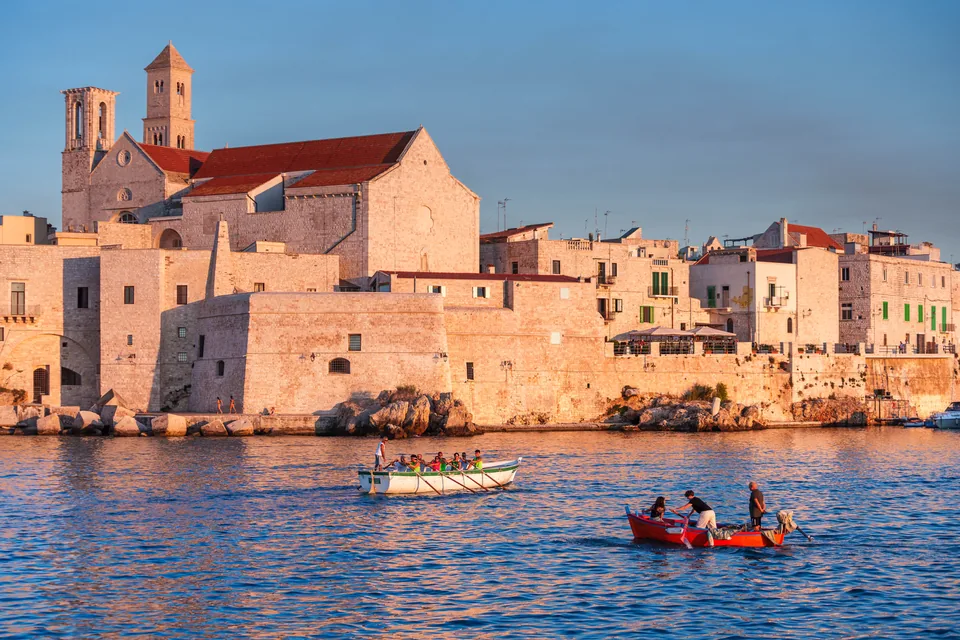
Giovinazzo
The old town, harbour and cooking shaped by farming and fishing traditions. A centre on a rocky promontory, the cathedral and a rice, potato and mussel tiella.
Read the guide →Photo: Pakycassano / Wikimedia Commons — CC BY-SA 4.0 · Resized and converted to WebP.
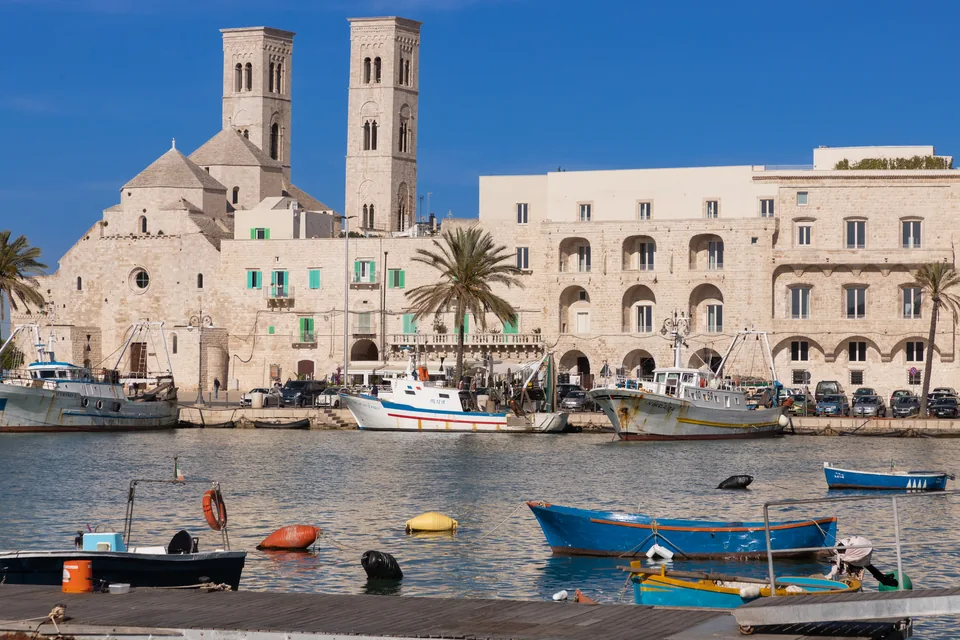
Molfetta
Romanesque architecture and karst landscape beyond the coast. The cathedral on the harbour, a fishing fleet among the lower Adriatic’s largest and the Pulo. In town the cathedral born from the Jesuit church, the Diocesan Museum and the Apulian Regional Seminary; outside the old town the basilica of the Madonna dei Martiri, a pilgrims’ stop since 1162, and the oil of the Terra di Bari PDO.
Read the guide →Photo: Genesis5663 / Wikimedia Commons — CC BY-SA 4.0 · Resized and converted to WebP.
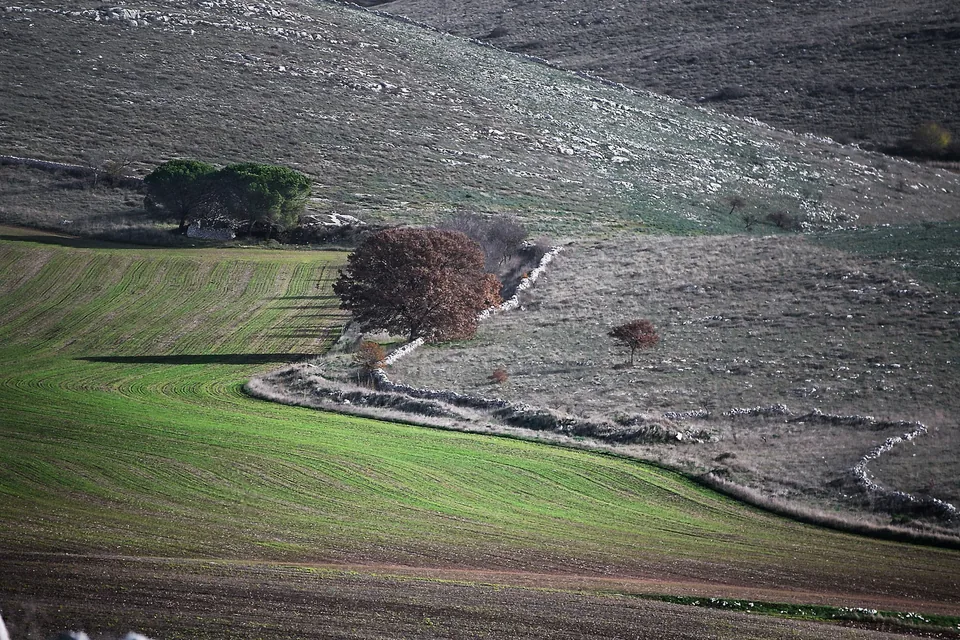
Alta Murgia
Stone, pasture and farming to explore the landscape beyond the towns. A national park of Mediterranean steppe, durum-wheat bread and cardoncello mushrooms.
Read the guide →Photo: Acquario51 / Wikimedia Commons — CC BY-SA 4.0 · Resized and converted to WebP.
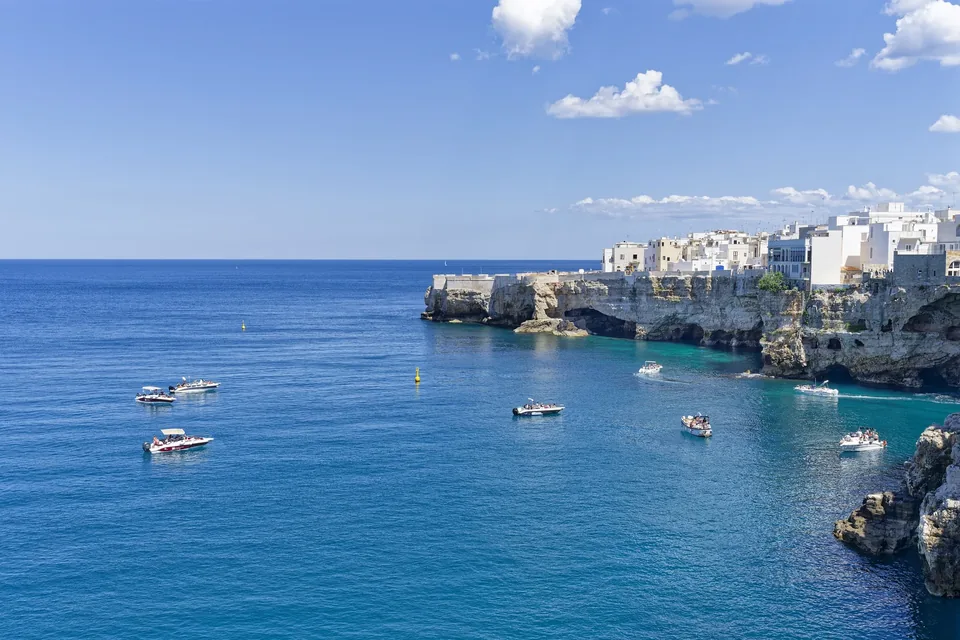
Polignano a Mare
Old town, viewpoints and a coffee as a travel pause. A white town on a cliff, the Arco Marchesale, contemporary art and the multicoloured Polignano carrot. And then the history of the mother church, the Pino Pascali museum, the dives from the houses of the old town, the feast of Saint Vitus and the Costa Ripagnola nature park.
Read the guide →Photo: Maksimsokolov / Wikimedia Commons — CC BY-SA 4.0 · Resized and converted to WebP.
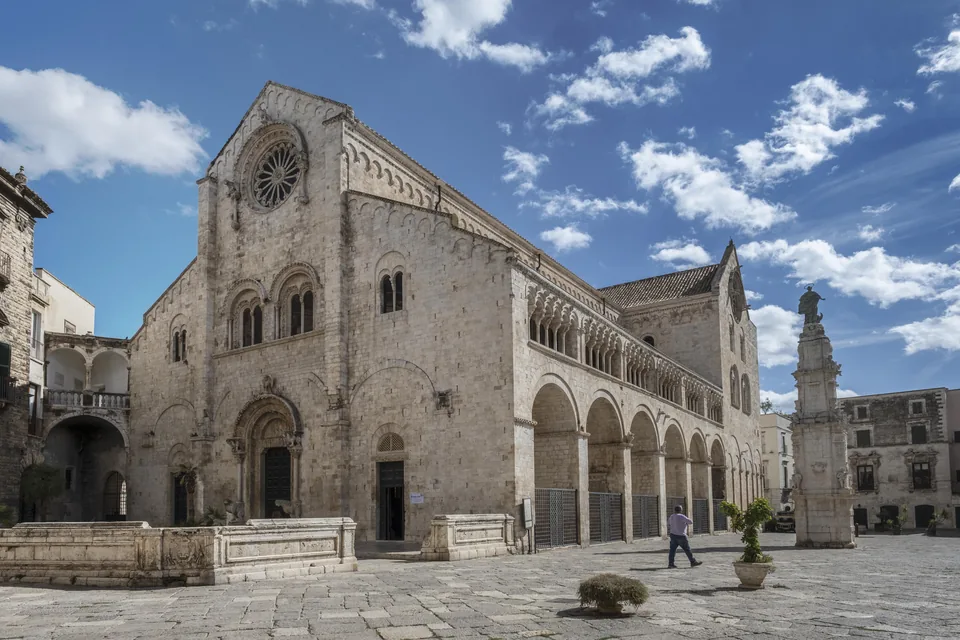
Bitonto
Bitonto (BA), Puglia: 52,958 residents, 174.34 km². The official facts of the municipality, its town council website and its registered accommodation. The Romanesque co-cathedral, the National Gallery of Puglia in Palazzo Sylos Calò, the Angevin round tower, the “Terra di Bari” PDO oil with the “Bitonto” mention, the feast of the Santi Medici and the Lama Balice.
Read the guide →Photo: Giugi30 / Wikimedia Commons — CC BY-SA 4.0 · Resized and converted to WebP.
Conversano
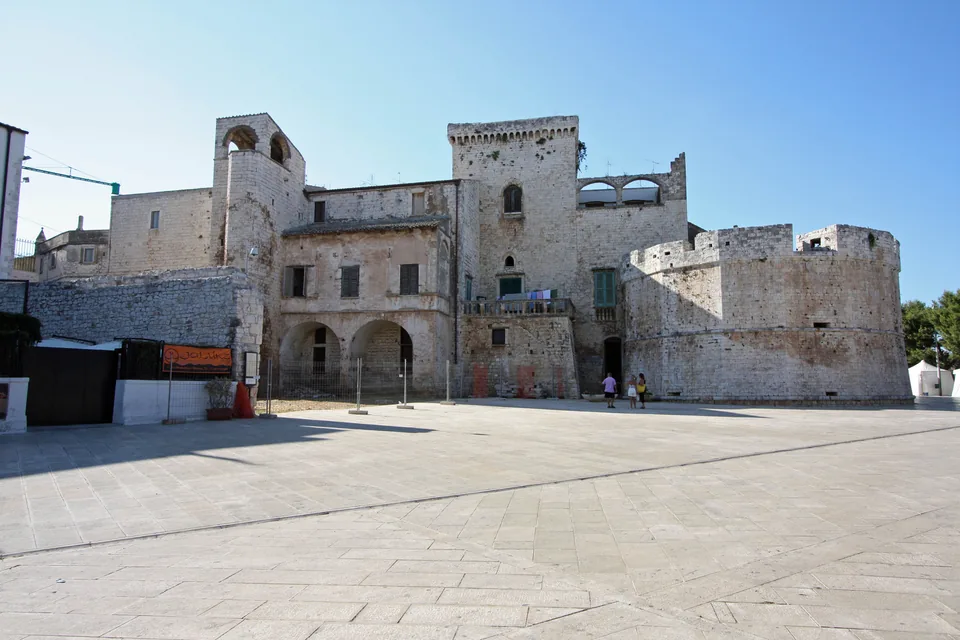
Conversano (BA), Puglia: 25,938 residents, 128.42 km². The official facts of the municipality, its town council website and its registered accommodation. The castle of the Acquaviva d’Aragona with Paolo Finoglio’s canvases, the Romanesque cathedral, the monastery of the mitred abbesses, the karst lakes, the cherries and the “Terra di Bari” PDO olive oil.
Read the guide →Photo: Carlo Pelagalli / Wikimedia Commons — CC BY-SA 3.0 · Resized and converted to WebP.
“Come to Bari as a guest, not as a tourist: that is how these places truly let you know them.”