
APULICA / Food guides
Ciceri e tria and rustico: two faces of Lecce's cooking
Ciceri e tria and rustico leccese tell of two opposite souls of Salento cooking. The first is an ancient peasant dish: hand-made durum-wheat pasta, partly boiled and partly fried, tossed with chickpeas; it is the dish of 19 March, the feast of Saint Joseph. The second is a disc of puff pastry filled with béchamel, tomato and mozzarella, which the sources trace to aristocratic circles and which today is eaten at the café counter at any hour. Both are traditional food products of the province of Lecce. This guide sets them side by side, separating sources from advice.
Ciceri e tria, emblem of Salento cooking
The Atlas of Apulian traditional products added ciciri e tria to the PAT list in 2020, with the province of Lecce as area of origin. The record calls it the emblem of Salento cooking and describes it as archaeological gastronomy. It has many names: ciciri e trya, Salento lasagna with chickpeas, massa di San Giuseppe, lajana e ciciri, massaciciri. The dish consists of tossing three elements together in a pan: boiled tria, fried tria, called frizzuli, and already cooked chickpeas. It was a dish of poor families, the record notes, because it was made from ingredients easily found locally, as data from the 1929 agricultural land survey confirm. Italia.it, in its Lecce guide, describes it as diamond-cut pasta, partly boiled and partly fried, served with chickpeas.
Sources: Atlante dei PAT di Puglia — Ciciri e tria · Italia.it — Lecce: guide, history and facts
Boiled tria, frizzuli and crushed chickpeas
The PAT record gives the recipe step by step. Tria is hand-made pasta of durum-wheat flour, sometimes wholemeal or with barley or spelt added, and water: a kind of thicker, irregular tagliatella, rolled out with a pin. The chickpeas soak for at least ten hours and cook for about two hours over a low flame with celery, carrot and onion. Part of the tria is fried in olive oil and becomes frizzuli; the rest is boiled in plenty of salted water. Oil and garlic are heated in a pan, the chickpeas added and some crushed with a fork to make a cream, then the boiled tria and the frizzuli. It is served at once with a generous grind of black pepper. The contrast between soft and crunchy pasta is the dish's signature.
From Horace to itriyah: a pasta with many roots
The PAT record gathers the hypotheses on its origins. Horace, in the Satires, describes the pleasure of going home to eat lagane and chickpeas; at the time lagane were strips of fried or roasted dough, from the Greek laganum. The record for lagane, an Apulian PAT since 2001, quotes the same line, a bowl of leeks, chickpeas and lagane, and mentions a recipe from Ischitella, on the Gargano, combining pasta and chickpeas. The name tria has different roots: in the Book of Roger by the Arab geographer Idrisi, from 1154, a long-shaped flour food called itriyah appears, dried or fried pasta; further back, Galen, in De alimentorum facultatibus, used the term itrium, rendered in Latin as itria, for doughs of flour and water. Two traditions, Graeco-Latin and Arab, thus live side by side in the same dish.
Sources: Atlante dei PAT di Puglia — Ciciri e tria · Atlante dei PAT di Puglia — Lagane
19 March and the Tables of Saint Joseph
The PAT record names ciceri e tria as the traditional dish of 19 March, the feast of Saint Joseph, and quotes the Salento saying that Saint Joseph's day cannot pass without chickpeas and massa. The link is clearest at the Tables of Saint Joseph. The Municipality of Giurdignano explains that the custom, found throughout the Salento, survives there in its oldest form: on 18 and 19 March large tables are laid with ring-shaped loaves decorated with symbols such as the lily and the rosary, each dedicated to a saint of the table. On the evening of the 18th a procession blesses the tables and blessed pucce are offered; at midday on the 19th the dishes are eaten, after the devotee has kissed the loaves first and the person playing Saint Joseph has kissed them in turn. Italia.it lists chickpeas, fried fish and lampascioni among the foods.
Sources: Atlante dei PAT di Puglia — Ciciri e tria · Comune di Giurdignano — Folklore e tradizioni · Italia.it — Giurdignano
The rustico: puff pastry, béchamel, tomato
The rustico leccese has been a PAT since 2004, with the province of Lecce as area of origin and production all year. The record describes a filled disc of puff pastry ten to twelve centimetres across, baked in the oven. The pastry is rolled out and discs cut with a cutter; one is brushed with beaten egg and filled with a spoonful of béchamel, tomato passata and chopped mozzarella; a second disc goes on top, the edges are sealed with the fingers and it bakes at 200 degrees for about twenty minutes, until deep golden. Italia.it's Lecce guide presents it as two puff-pastry discs filled with béchamel, tomato, fior di latte and pepper. It is the savoury item of the Lecce café: it sits beside the pasticciotti in the same display cases, and one of the sources cited in the record presents it as Salento street food.
Sources: Atlante dei PAT di Puglia — Rustico leccese · Italia.it — Lecce: guide, history and facts
A savoury born in the salons
On the rustico's origin the PAT record is clear: it does not come from peasant cooking, because béchamel and puff pastry were hard-to-find ingredients at the time. The most likely hypothesis is that the recipe was born in aristocratic circles in the second half of the 18th century, after béchamel spread; a widespread belief places it after the 18th century, when puff pastry reached European tables, perhaps in the noble houses of Lecce. Some scholars, the record adds, see it as an Italian version of the French vol-au-vent, with an original filling of fior di latte and tomato pulp. Among promotional events the Atlas mentions a rustico leccese festival in Surano, province of Lecce, usually in summer: the calendar should be checked each year with the town.
Within Salento cooking as a whole
Italia.it's itinerary of traditional Salento dishes places ciceri e tria alongside orecchiette with turnip tops, fava purée with chicory, puccia with fried black olives and friselle, with lamb or horse-meat dishes and fish from the Adriatic and Ionian. For wine it suggests the IGP reds from Negroamaro and Primitivo; for oil it notes that the Serre Salentine are dominated by the Cellina di Nardò olive, which yields a fruity oil used for the Terra d'Otranto PDO. The route takes in Ruffano, Supersano and Andrano, whose castle became an aristocratic residence in the 17th century. In Giurdignano, Italia.it points out, the village is surrounded by dolmens and menhirs: a monolith dedicated to Saint Vincent stands in a small square in the centre, and the town calls itself Italy's megalithic garden.
Sources: Italia.it — Salento itinerary: traditional dishes · Italia.it — Giurdignano
How to order them and what with
Ciceri e tria is a trattoria dish, not a café snack: look for it at lunch, somewhere that makes its own pasta, and check that the frizzuli arrive still crunchy, because left too long in the sauce they go soft. Plenty of black pepper is not optional. With it, drink a not-too-structured Salento red served cool, or a rosé. The rustico, on the other hand, is a counter snack: eat it hot, straight from the oven, mid-morning or as an afternoon bite, perhaps with a pasticciotto to have the sweet and savoury of the Lecce café in one stop. Beware of the filling, which stays very hot. Tasted on the same day, the two show how Lecce's cooking holds countryside and city together.
Taking them home, and the calendar
Neither is a suitcase item: the rustico loses its crispness within hours and ciceri e tria must be eaten freshly made. You can, however, take home the ingredients: locally grown dried chickpeas, durum-wheat semolina for making tria and a Salento extra virgin olive oil for frying the frizzuli. The PAT recipe is precise enough to recreate. If you want to experience the dish in context, the most meaningful moment is around 19 March, when many Salento villages lay out the Tables of Saint Joseph; dates, places and how to take part change every year, though, and must be checked with towns and pro loco associations. The tables are a rite of devotion and hospitality: experience them with respect, not as a food festival.
A thread for your journey
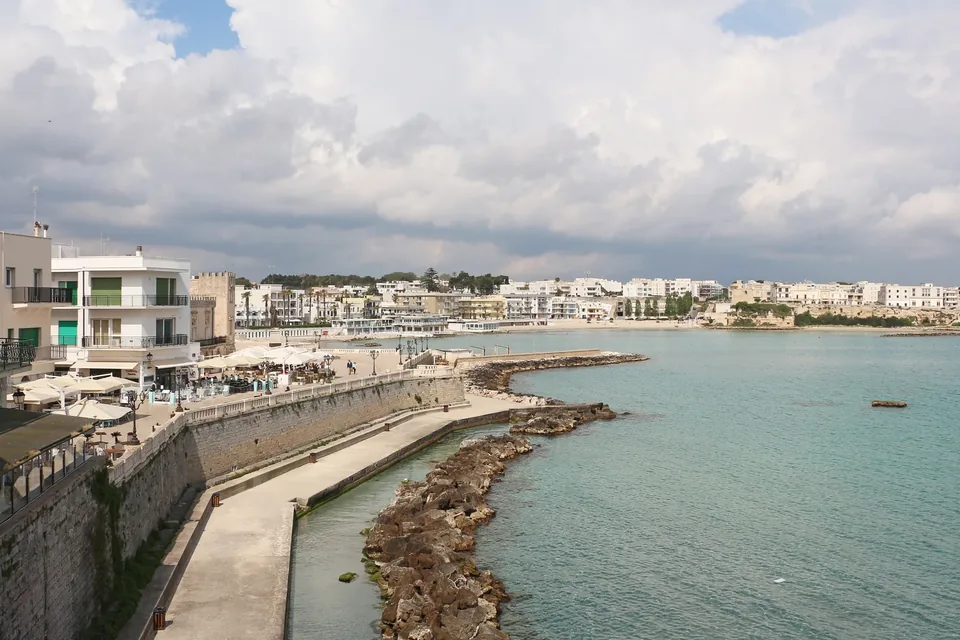
Journey idea: a morning in Lecce with a hot rustico at a café and a walk through the Baroque centre, lunch in a trattoria with ciceri e tria, then an afternoon towards Otranto via Giurdignano, among dolmens and menhirs. In March, the day can be built around the Tables of Saint Joseph, with dates and arrangements to be checked with the town and agreed with operators.
Talk to us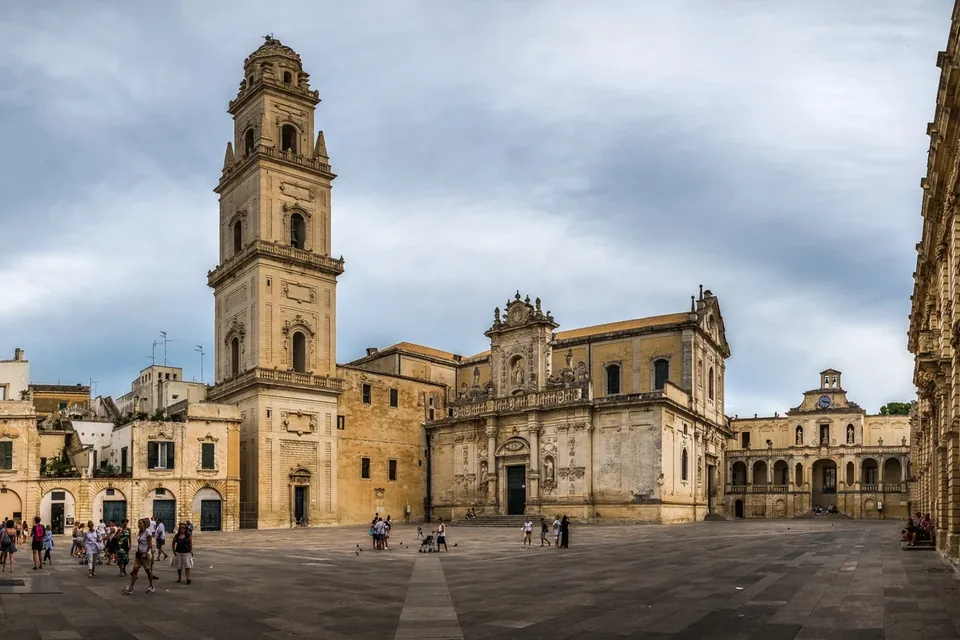
.jpeg)
