Burrata and stracciatella are not the same
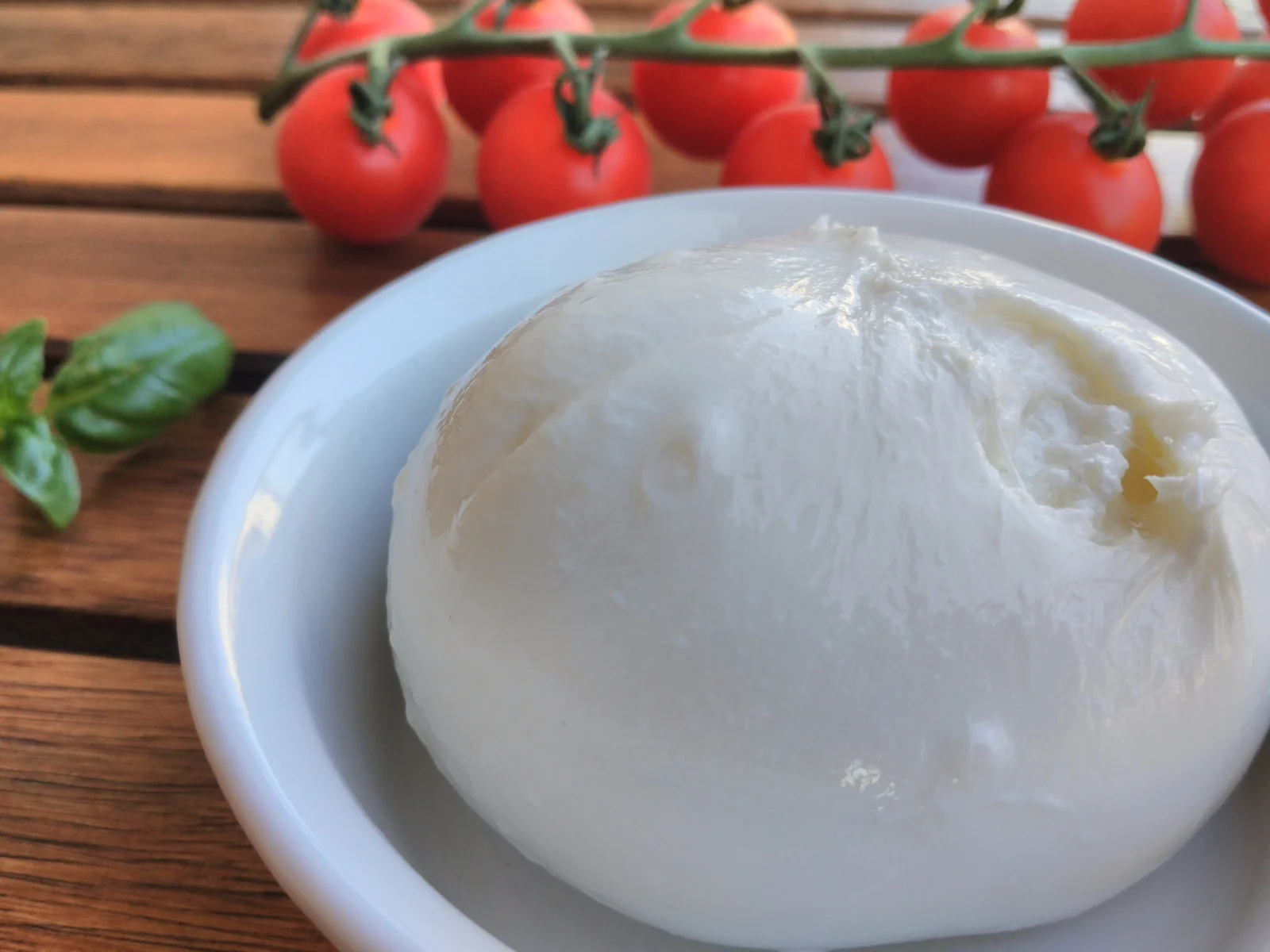
The regional profile of Burrata di Andria PGI describes it as a pouch of pasta filata shaped by hand, white and glossy, round and closed at the top with a small “head”. Inside is stracciatella: shreds of the same curd, torn by hand and mixed with cream. Stracciatella is therefore the filling, burrata the complete product. Only cow’s milk is used, and the production area of the indication covers the whole of Puglia.
The protection consortium tells its origin as a story handed down. During a heavy snowfall in the early decades of the twentieth century, milk could not reach town from the farmsteads; to avoid waste, the Andria cheesemaker Lorenzo Bianchino supposedly enclosed cream and curd shreds in a casing of pasta filata.
The Region adds an interesting detail: the idea recalled the “mantéche”, casings of aged pasta filata used to preserve butter. As for written evidence, one of the first mentions of burrata dates from the 1931 Touring Club guide. It is a product to eat fresh, often sold wrapped in green leaves or in tubs with its liquid.
Sources: Consorzio Burrata di Andria IGP · Regione Puglia — Produzioni di qualità: Burrata di Andria IGP
How a burrata is made
The atlas of traditional foods follows the process step by step. Cow’s milk is filtered and acidified with natural whey starter from the previous day’s work, then warmed and curdled with calf rennet. The curd is broken with a wooden or steel tool into grains the size of a chickpea, lifted out by hand and left to rest for a few hours, sometimes until the next day, until it “stretches”.
It is then cut into strips and stretched in very hot water, by hand or with arm-type machines. Part of the curd becomes the casing, shaped into a round with a cavity; the rest is shredded and combined with cream. The filling goes into the pouch, which is closed to form the characteristic head and firmed briefly in cold water.
The profile describes a smooth surface without rind, a layered structure that releases a milky liquid when cut, a fresh, slightly tangy flavour and a scent of cream. It also notes that production is possible all year round, in the provinces of Bari and Barletta-Andria-Trani as elsewhere in the region.
Sources: Atlante dei PAT di Puglia (Regione Puglia, Università di Bari) — Burrata
The shape of Pallone di Gravina
At the other end of the pasta filata spectrum stands Pallone di Gravina. The PAT atlas describes it as a hard stretched-curd cheese, similar to provolone, made only from raw cow’s milk and shaped into a sphere, like a ball, weighing from one to ten kilos. The paste is straw-coloured and turns more yellow with age, compact and with a few small holes.
The method recalls caciocavallo. Raw milk is acidified with natural whey starter, curdled with calf, kid or lamb rennet, and the curd is broken by hand with a wooden tool. After stretching in boiling water, the cheeses go into brine and dry for two or three weeks.
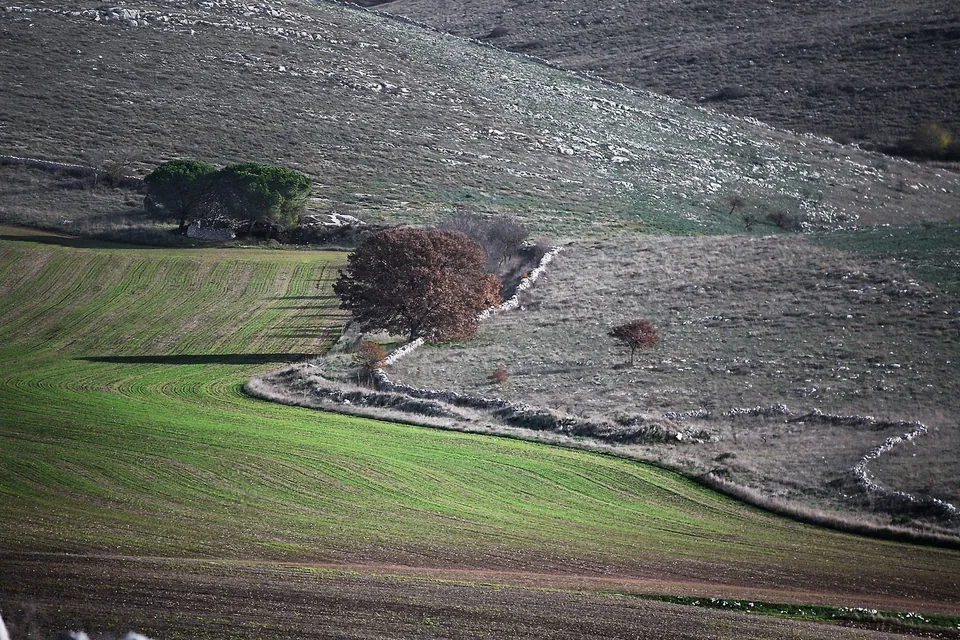
The most evocative part is ageing: the cheeses are taken to cellars and caves and, by tradition, to the underground chambers of Gravina, whose microclimate gives them a particular aroma and flavour. The profile also stresses the role of grazing: cows raised semi-wild on the Murgia shape the smell and taste of the cheese.
Sources: Atlante PAT — Pallone di Gravina
Pallone and the memory of transhumance
The PAT profile of Pallone di Gravina links this cheese to a very long history. In the Botromagno Archaeological Park, on the site of the ancient Peucetian and later Roman town, grave goods have yielded tools for working milk and even a grater for hard cheeses, dated to the seventh century BC.
In more recent times its production is tied to transhumance. Flocks and herds of thousands of animals travelled the royal drove roads, including Podolica and Bruna cows, and Gravina was one of the main stops on the Bradanico-Tarantino drove road linking Melfi to Castellaneta. From this came a dairy tradition the town still preserves.
The atlas notes that Pallone is promoted by a consortium of Murgia producers, who studied the historic method and drew up production rules, and that it has been a Slow Food Presidium since 2012. It is found in dairies, farms and agriturismi, as well as at Gravina’s food festivals. Tasting it after a visit to Botromagno helps link the cheese to the landscape it comes from.
Sources: Atlante PAT — Pallone di Gravina
Cacioricotta: time changes the texture
Cacioricotta is made throughout the region, and the PAT profile explains why its name combines cheese and ricotta. It uses sheep’s, goat’s, cow’s or mixed milk, which is brought to the boil in copper vats, left to cool and then curdled with rennet. The curd is broken with a wooden tool called the “ruotolo” into pieces the size of wheat grains or almonds and gathered into small baskets known as “fische”.
Part of the production is sold fresh after a few hours, unsalted: soft, white and slightly sweet. The rest is salted by hand, turned and washed, and matures for about two months. Over time the rind turns straw yellow and the paste becomes crumbly, with a flavour that depends on the milk and the animals’ diet. The basket marks may remain on the surface, a trace of the maker’s hand.
The calendar given runs from March to October, a good reason to look for it in spring and summer. In cooking, the profile mentions it grated over orecchiette with tomato sauce, one of the most familiar uses.
Sources: PAT Puglia — Cacioricotta
Canestrato and mozzarella: two designations
Two designated cheeses complete the picture. Canestrato Pugliese PDO, according to the Region, is an aged hard cheese, uncooked, made only from whole sheep’s milk. It takes its name from the “canestri”, the baskets used as moulds, which leave their roughness on the rind. The area covers the whole province of Foggia and some municipalities near Bari; ageing lasts two to ten months in cool rooms, and the brown-yellow rind is treated with oil, sometimes with vinegar. The flavour is strong and sharp.
Mozzarella di Gioia del Colle PDO is instead fresh and stretched, made from whole raw cow’s milk and native whey starter. The Region places production in the Murgia areas of Bari and Taranto, land of the “cow farmsteads” dating back to Frederick II, and specifies that the animals must graze outdoors for at least 150 days a year. It comes as a ball, a knot or a braid.
Set beside burrata, these two cheeses show the breadth of the tradition: sheep’s milk and long ageing on one side, freshness and stretching on the other.
Sources: Regione Puglia — Produzioni di qualità: Canestrato Pugliese DOP · Regione Puglia — Produzioni di qualità: Mozzarella di Gioia del Colle DOP
Three tastings with a purpose
For a first tasting, choose burrata, a firmer pasta filata cheese such as Pallone, and a cacioricotta. Served separately, they let you explore three aspects: the relationship between casing and filling, the resistance of the paste, and crumbliness. A little identical bread for each helps the comparison without masking flavours.
Look at each cheese before adding oil, tomato or other accompaniments. With burrata, mentally separate the shell from the filling; with a firmer cheese, look at the cut surface, its colour and any small holes. Then note one difference in texture and one in taste, without putting products designed for different uses on the same level.
The aim is not to find the richest cheese, but to recognise the role each might play in a meal: starter, seasoning or centrepiece. When buying, ask which tasting corresponds to the piece you are taking away, and how to keep it during the journey: a fresh cheese and an aged one need very different care on the road.
Andria, Gravina and the Alta Murgia
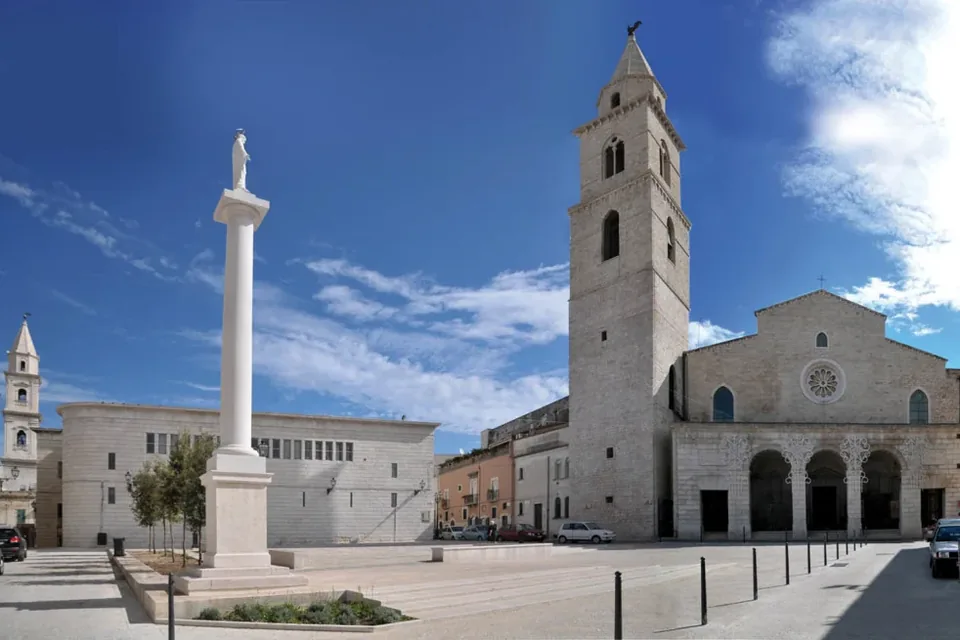
Plan the journey in two chapters. The first is Andria, which the Città dell’Olio association presents as the town of olive oil, burrata and sugared almonds, with Castel del Monte on the nearby hill, Frederick II’s octagonal castle listed by UNESCO. Here burrata makes sense as a fresh tasting, not something to carry around for long.
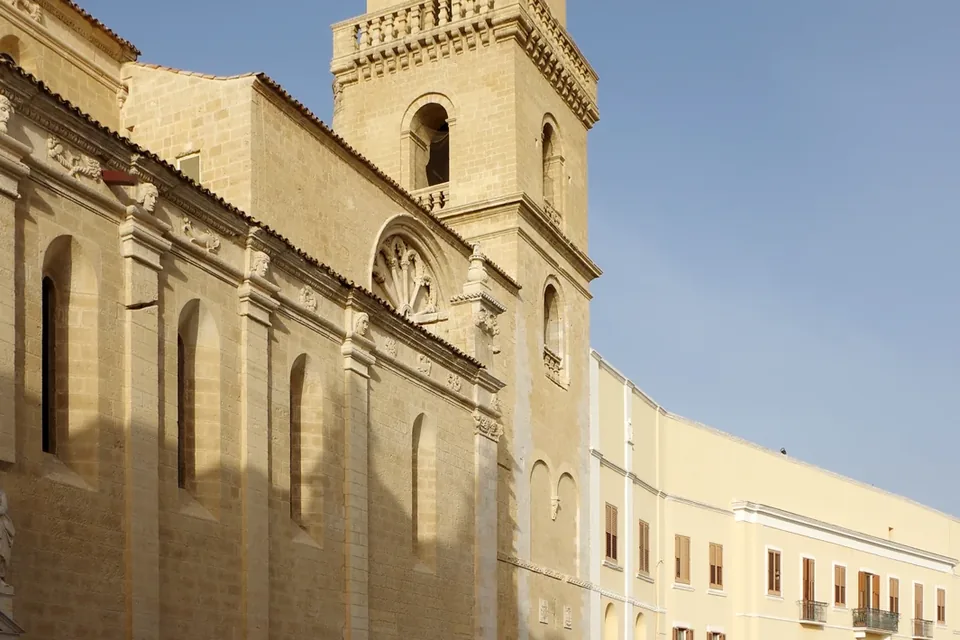
The second chapter is Gravina in Puglia, on the border between the Alta Murgia and the Murgia of Matera. Italia.it describes the historic centre overlooking the stream’s canyon, the Aqueduct Bridge joining the two banks, the Romanesque cathedral and the rock church of San Michele delle Grotte, carved into tuff. On the opposite bank lies the Botromagno Archaeological Park, where Pallone’s story begins.
The gastronomic distance between these products is a good reason to spread them over different days, each with its own walk. For the final meal, choose one cheese as the centrepiece and give the others a smaller role: the tasting stays readable, and the Murgia landscape links one chapter to the next.
Sources: Associazione nazionale Città dell’Olio — Andria · Italia.it (Ministero del Turismo) — Gravina in Puglia · Atlante PAT — Pallone di Gravina
A thread for your journey
Journey idea: Andria and Gravina on separate days, with a short tasting in each. The thread follows milk and processing into different textures, with cooking completing the comparison.
Talk to us