
APULICA / CHEESES
Pallone di Gravina
PAT · Slow Food Presidium · Cheeses · Puglia
In brief
- A hard stretched-curd cheese of raw cow's milk, like a caciocavallo without the knob and round in shape, weighing 1 to 10 kg. (Fondazione Slow Food — Presidio Pallone di Gravina · Atlante dei PAT di Puglia (Regione Puglia, Università di Bari) — Pallone di Gravina)
- Gravina was a key stop on the drove road between Melfi and Castellaneta, and the cheese already appears in an agricultural encyclopaedia of 1859. (Fondazione Slow Food — Presidio Pallone di Gravina)
- After brining it ages in cellars or, traditionally, in the town's tufa caves; after three months it turns sharp. (Fondazione Slow Food — Presidio Pallone di Gravina · Atlante dei PAT di Puglia (Regione Puglia, Università di Bari) — Pallone di Gravina)
- It is made from January to March. (Fondazione Slow Food — Presidio Pallone di Gravina)
History and origin
Gravina in Puglia has historically been a land of grain and wine, so much so that the town's coat of arms bears the motto grana dat et vina. But it also has an old cheesemaking tradition tied to transhumance: in past centuries the town was one of the main stopping points on the Bradanico-Tarantino droving track between Melfi and Castellaneta, and the royal droving tracks of Puglia carried herds and flocks of thousands of animals, including Podolica and Brown cattle.
The roots go deeper still. In the Botromagno archaeological park, among the grave goods of ancient Sidion, later Roman Silvium, archaeologists found tools for working milk and even a grater for hard cheeses, dating from the Peucetian period.
Pallone already appears in the Nuova Enciclopedia Agraria of 1859. Over time, however, its name fell out of use, even locally, and many confuse it with ordinary caciocavallo. The Slow Food Presidium, supported by the Alta Murgia National Park, was set up to revive it, encouraging raw-milk production and native starter cultures.
Sources: Fondazione Slow Food — Presidio Pallone di Gravina · Atlante dei PAT di Puglia (Regione Puglia, Università di Bari) — Pallone di Gravina
Area and method of production
Pallone is made only in the municipality of Gravina in Puglia, from whole raw cow's milk that the town's dairies collect from the Alta Murgia area; once it was Podolica milk. The cows are raised semi-free-range on the Murgia pastures, and what they eat gives the cheese its own aroma and flavour.
The milk is strained and acidified with natural whey starter from earlier batches, then warmed to about 40 °C and curdled with liquid calf, kid or lamb rennet. The curd is broken with wooden sticks into chickpea- or hazelnut-sized grains and left under the whey for a few hours. Then comes the most delicate stage, acidification on a work table, which lasts about twelve hours.
The sliced curd is stretched in boiling water and slowly shaped by hand into a sphere. The cheese stays in brine for 24-36 hours depending on its weight and then dries for 15-20 days before going into the cellar or, by tradition, into the town's tufa caves. It is made from January to March.
Sources: Fondazione Slow Food — Presidio Pallone di Gravina · Atlante dei PAT di Puglia (Regione Puglia, Università di Bari) — Pallone di Gravina
How to recognise it
Pallone di Gravina is a hard stretched-curd cheese, like a caciocavallo without its head, and as the name says it is spherical, just like a ball. It weighs from one to ten kilos; the largest sizes are made in only a few pieces a year.
The paste is straw-coloured, turning yellow with age; its texture is even, with light eyes. In natural cellars, and once in tufa caves where the cheeses hung for months, it develops ever stronger aromas: after three months the piquancy comes through, the paste turns a deep gold, and caramel notes join the grassy scents typical of the area's cheeses.
The Presidium focuses precisely on long ageing, which is possible only with raw milk and native cultures, since today the market tends to offer a young, less distinctive Pallone.
Sources: Atlante dei PAT di Puglia (Regione Puglia, Università di Bari) — Pallone di Gravina · Fondazione Slow Food — Presidio Pallone di Gravina
Where to taste it
Pallone is found in Gravina in Puglia, a town named after the deep canyon carved by the Gravina torrent. The old town, founded in the Middle Ages on the eastern bank, faces the Botromagno archaeological park, open to visitors, site of ancient Sidion; beneath the houses lies a world of underground caves where the cheese was traditionally aged. It is sold at the area's dairies, specialist shops, farms and agriturismi.
The cheese features at local fairs and festivals, above all in Gravina. The oldest is the Fiera di San Giorgio, held every April since 1294, which renews the meeting, the trading and the ancient ritual of transhumance: the ideal setting for a cheese born along the droving tracks.
The Presidium is supported by the Alta Murgia National Park: it is from this plateau's pastures that Pallone's milk comes, and a visit to the park rounds off a journey of discovery around the cheese.
Sources: Italia.it — Gravina in Puglia · Atlante dei PAT di Puglia (Regione Puglia, Università di Bari) — Pallone di Gravina · Comune di Gravina in Puglia — Turismo · Comune di Gravina in Puglia — Scopri la città · Fondazione Slow Food — Presidio Pallone di Gravina
Protection
- Traditional agri-food product (PAT) — Puglia, n. 53, 26th revision (Masaf — Elenco nazionale dei prodotti agroalimentari tradizionali, XXVI revisione (2026))
- Slow Food Presidium — pallone-di-gravina (Fondazione Slow Food — Presidio Pallone di Gravina)
When
- Production: January–March (Fondazione Slow Food — Presidio Pallone di Gravina)
- Winter
- Spring
Where
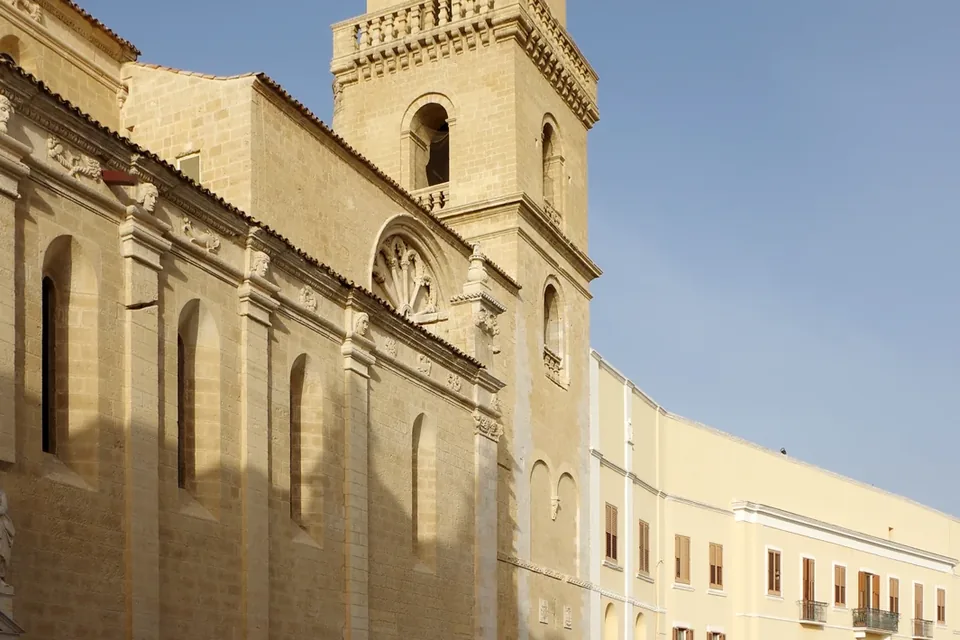
Gravina in Puglia
Rock-cut neighbourhoods, pastoral history and the relationship between town and landscape.
Read the guide →Photo: Berthold Werner / Wikimedia Commons — CC BY-SA 3.0 · Resized and converted to WebP.

Read more
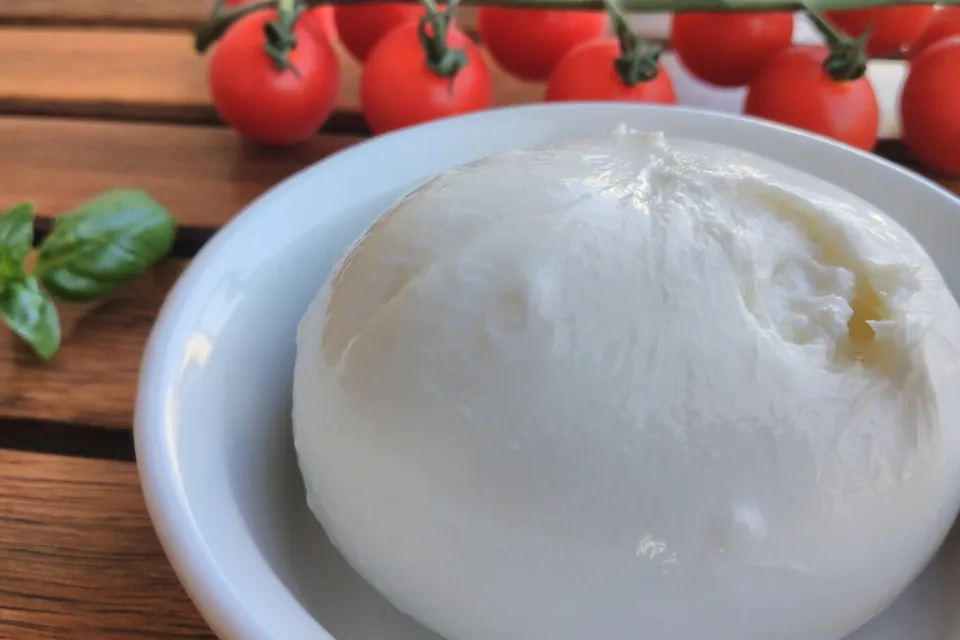
Puglian dairy and cheese
From burrata’s centre to Murgia cheeses: understanding textures, processes and places.
Read the guide →Photo: Popo le Chien / Wikimedia Commons — CC0 · Resized and converted to WebP.
