
APULICA / Food guides
Tintilia del Molise: the rediscovered grape of the Molise hills
Tintilia is the grape Molise considers its own: a red variety grown for centuries on the region's hills, nearly forgotten in the 20th century and then revived until it became, in 2011, a controlled designation of origin. The wine it gives, ruby with violet glints and spicy notes, is now the oenological calling card of a small, little-known region. This guide explains what the specification says, which historical records accompany it, how it changes between red, riserva and rosé, where it is grown and how to fit it into a slow journey between coast, villages and drove roads.
A young DOC for an old grape
The production specification, published by the Ministry of Agriculture, states that the Tintilia del Molise controlled designation of origin was approved by decree on 1 June 2011, published in the Official Gazette on 17 June 2011, and then amended several times, most recently by decree on 22 September 2022. In the ministry's list of Italian PDO wines it appears among Molise's designations alongside Biferno, Molise and Pentro di Isernia. Italia.it names these four regional DOCs: Tintilia, Biferno, Molise and Pentro. Three types are allowed: Red, Red riserva and Rosé. For all of them the vintage must appear on the label, and the specification bans qualifiers such as fine, choice, selected, extra, superior or old.
Sources: Masaf — Elenchi e disciplinari vini (disciplinare DOC Tintilia del Molise) · Masaf — Elenco alfabetico dei vini DOP italiani · Italia.it — Molise, piccolo e gustoso scrigno di pietanze e prodotti identitari
Records from the 1700s to Paris
The specification's section on the link with the territory gathers the grape's history. Records of Tintilia in Molise go back to the late 18th century, in the Bourbon era, and its presence is attested by the agronomist Raffaele Pepe of Civitacampomarano in an 1810 manuscript; in 1812 Pepe urged growers to improve winemaking without sophisticated practices. According to the text, the grape was introduced and spread by nobles and landowners of the towns of the County of Molise. In 1836 Giuseppe del Re described vineyards almost all on hills and knolls, covering about 4,000 hectares. The specification also notes that in the second half of the 19th century a Molise winery bottled Tintilia and that an 1890 wine won the gold medal at the Paris wine exhibition of 1900.
Sources: Masaf — Elenchi e disciplinari vini (disciplinare DOC Tintilia del Molise)
Grapes, area and hills above 200 metres
The wine must come from vineyards at least 95 per cent Tintilia; the rest may be other non-aromatic varieties approved in the provinces of Campobasso and Isernia. The area includes many towns in both provinces, mostly in central and upper Molise: in the province of Isernia, Agnone, Pietrabbondante, Isernia and Venafro; in the province of Campobasso, among others, Campobasso, Larino, Guglionesi, Trivento and Petrella Tifernina. Only hillside vineyards at least 200 metres above sea level are allowed; the specification explains that hills are the best setting and recalls small plots on sunny ridges and even rocky spurs. Maximum yield is 8 tonnes per hectare; winemaking must take place within the area, with Campomarino and Termoli also permitted.
Sources: Masaf — Elenchi e disciplinari vini (disciplinare DOC Tintilia del Molise) · Qualigeo — Tintilia del Molise DOP
Red, riserva and rosé
The specification describes three different wines. The Red is deep ruby with violet glints, with an intense, vinous nose, dry, balanced and soft, at least 11.5 per cent alcohol. The Riserva must age at least two years from 1 November of the harvest year: it turns garnet with orange glints, with an intense, spicy nose and at least 13 per cent; it may be sold only in glass bottles with cork stoppers. The Rosé is more or less deep in colour, with a delicate fruity nose and a dry, fresh palate. Qualigeo repeats these descriptions, stressing the red's spicy notes. For tasting, the clearest order is rosé, then young red, then riserva, to follow how the same grape changes over time.
Sources: Masaf — Elenchi e disciplinari vini (disciplinare DOC Tintilia del Molise) · Qualigeo — Tintilia del Molise DOP
The landscape: hills, the Biferno and the sea
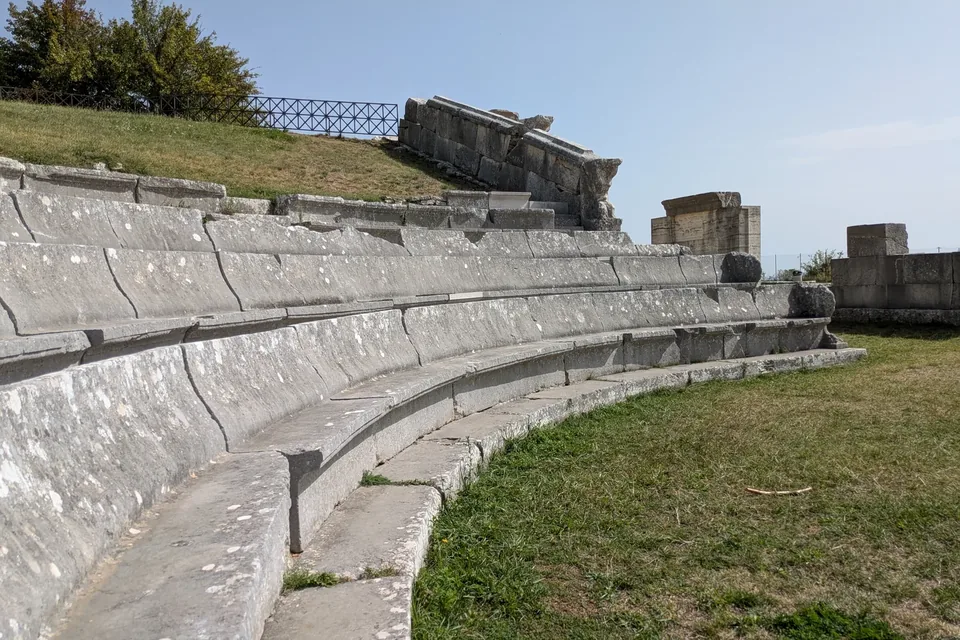
To understand where Tintilia grows, follow the route italia.it suggests along the Biferno, from the mountains around Campobasso down to the sea. Start in Campobasso, with the Monforte castle and the Samnite Museum, descend to Petrella Tifernina along a fertile valley home to the Biferno DOC, Molise's largest with about 380 hectares of vines, continue to Larino, with its cathedral consecrated in 1319 and Roman amphitheatre, and to the olive hills of Colletorto and Casacalenda. The finish is Termoli, a fishing town with the Swabian castle built for Frederick II in 1247, surrounded by vineyards; nearby is Campomarino, which holds a wine festival in late July. The Tintilia specification indeed allows winemaking in Campomarino and Termoli.
Sources: Italia.it — Itinerario in Molise tra arte, cultura e gusto · Masaf — Elenchi e disciplinari vini (disciplinare DOC Tintilia del Molise)
At the table with Molise cooking
In its video recipe series, italia.it features a risotto creamed with caciocavallo, with a Tintilia wine reduction and truffle, presented as a dish to enjoy with a glass of Tintilia del Molise: a pairing that brings together three of the region's signature products. The same platform describes Molise cooking as cavatelli and fusilli, ragù with brasciola in Campobasso, pezzata of mutton in Capracotta, cured meats such as ventricina and capofreddo, and mountain cheeses. The young red works well with pasta in meat sauce and with cured meats; the spicier riserva goes with lamb, braised meats and aged cheeses such as Agnone caciocavallo; the rosé, served cool, can also stand up to Termoli's brodetto.
Sources: Italia.it — Risotto mantecato al caciocavallo con riduzione di vino Tintilia e tartufo · Italia.it — Molise, piccolo e gustoso scrigno di pietanze e prodotti identitari
Visiting wineries
Tintilia is made by a limited number of estates, often small and family-run, spread across the hills around Campobasso and Isernia. There is no visiting circuit with fixed hours: every winery stop must be arranged in advance with operators, especially at harvest time, when vineyard work comes first. Distances in Molise are short but inland roads are slow: plan one or two visits a day, alternated with a village or an archaeological site, rather than chasing many tastings. Spring and early autumn are the most pleasant times to tour the hills. Driving after a tasting is not advised: consider a driver or an overnight stay near the winery.
Buying it and taking it home
Reading the label is the first step: the name Tintilia del Molise, the compulsory vintage and, where present, the riserva mention already tell a lot. A riserva needs time and a substantial meal; a young red is lighter drinking; the rosé is the wine for warm months. On a road trip, a few bottles well protected from heat are enough to tell the region's story; by air, use rigid packaging and follow baggage rules. Buying at the winery lets you ask which vineyards the wine comes from and at what altitude, a detail the specification treats as central. Pairing a bottle with an aged caciocavallo or a Molise cured meat is the simplest way to bring a piece of the trip home.
A thread for your journey
Journey idea: three days along the Biferno. Day one in Campobasso, day two between Petrella Tifernina and Larino with a winery visit arranged with operators, day three in Termoli between the Swabian castle and the old fishing quarter, with a Tintilia rosé beside the brodetto. With an extra day, head up to Agnone and Pietrabbondante, inside the DOC area, to pair a riserva with Upper Molise caciocavallo.
Talk to us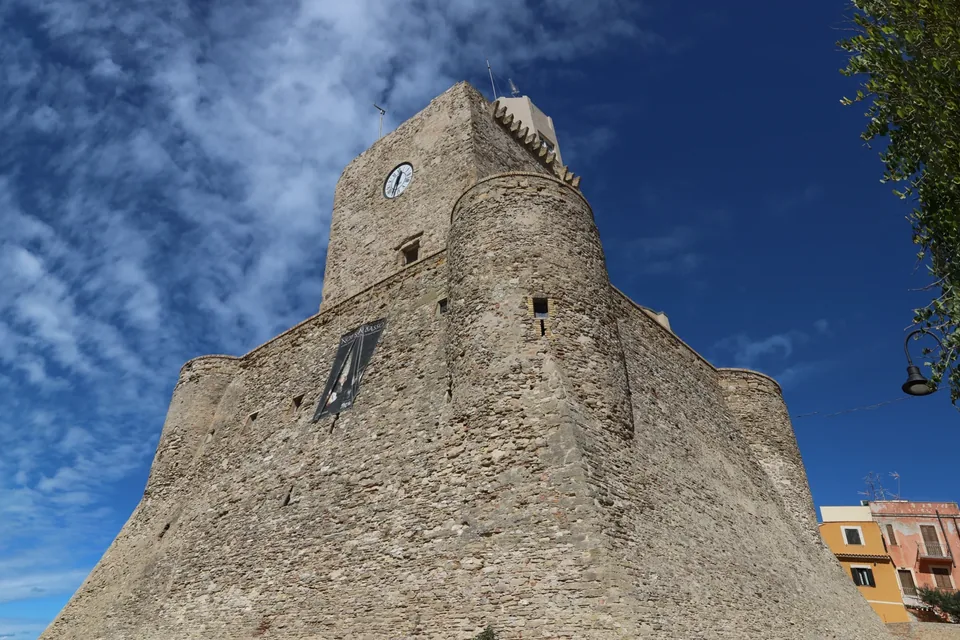

.jpg)

outside.jpg)