
APULICA / MEATS AND CURED MEATS
Bombetta (Martina Franca pork roll)
PAT · Meats and cured meats · Puglia
In brief
- A small round roll, 3-5 cm across: slices of pork capocollo wrapped around bits of Canestrato Pugliese cheese, with salt and pepper. (Atlante dei PAT di Puglia (Regione Puglia, Università di Bari) — Bombetta)
- Its home is the Itria Valley, centred on Martina Franca, and nearby towns in the provinces of Taranto, Brindisi and Bari. (Atlante dei PAT di Puglia (Regione Puglia, Università di Bari) — Bombetta)
- It is typically cooked in the butcher's oven on a vertical spit, or over embers. (Atlante dei PAT di Puglia (Regione Puglia, Università di Bari) — Bombetta)
- It joined the national list of traditional products in 2022 and is made all year, above all in summer. (Atlante dei PAT di Puglia (Regione Puglia, Università di Bari) — Bombetta)
History and origin
The bombetta is a young recipe, born in the Itria Valley in the second half of the twentieth century. Local tradition dates its invention to 1980, in the home kitchen of a Martina Franca butcher's wife, originally from Putignano: looking for a new way to use the veal slices her husband brought home, she made small meat rolls. Not entirely satisfied, she tried again with slices of pork capocollo, which proved perfect for the grill.
As early as 1983 a historical and artistic guide to Martina Franca named the bombetta as a typical dish of the town, though neighbouring Cisternino also claims it. The name comes from the effect of the first bite: a burst of flavour in a tiny format, a little "bomb" of taste.
At first the filling was the pecorino of the Itria Valley; over time Canestrato Pugliese took over. The bombetta entered the national list of Puglia's traditional food products in 2022.
Sources: Atlante dei PAT di Puglia (Regione Puglia, Università di Bari) — Bombetta · Masaf — Elenco nazionale dei prodotti agroalimentari tradizionali, XXVI revisione (2026)
Area and method of production
Its home is the Itria Valley, with the province of Taranto and neighbouring towns in the provinces of Brindisi and Bari: Martina Franca first of all, then Cisternino, Ceglie Messapica, Ostuni, Locorotondo and Alberobello.
Making it is simple handwork. Thin slices of pork capocollo are seasoned with salt and pepper and wrapped around small pieces of Canestrato Pugliese, closing them into a round roll. A common variant is also wrapped in a slice of pancetta, which makes it even richer; today some cooks add prized local ingredients such as Capocollo di Martina Franca or caciocavallo podolico.
It is made all year round, but most are eaten in summer, the season of village festivals and evenings outdoors.
Sources: Atlante dei PAT di Puglia (Regione Puglia, Università di Bari) — Bombetta
How to recognise it
The bombetta is easy to spot: a rounded roll three to five centimetres across and weighing 30-35 grams on average, small enough for one or two bites. Under the wrapped meat there is always a heart of cheese, which softens as it cooks.
There are several versions in the same valley. The one on the traditional products list uses pork capocollo and Canestrato Pugliese; in Cisternino the regional guide describes bombette made of veal slices, plain or filled with caciocavallo, rolled up and threaded on a skewer. The principle stays the same: thin meat, a heart of cheese, quick cooking over high heat.
Sources: Atlante dei PAT di Puglia (Regione Puglia, Università di Bari) — Bombetta · Regione Puglia, ARET Pugliapromozione — Miniguida Valle d'Itria e Murgia dei Trulli
In the kitchen
The bombetta belongs to the Itria Valley's fornello culture. In fornello cooking the rolls are threaded on a skewer set vertically in the oven, so that the fat dripping down as they cook flavours the meat below. The other traditional method is the grill, for which capocollo proved the most suitable meat from the very start.
At village feasts and festivals it becomes street food, served in paper cones, often with a slice of toasted country bread. In its richest form the dish is completed with Altamura bread and other products of Puglia, from Capocollo di Martina Franca to caciocavallo podolico.
It is meant to be eaten hot, straight off the skewer, together with the other cuts the fornelli prepare, such as gnumaridde.
Sources: Atlante dei PAT di Puglia (Regione Puglia, Università di Bari) — Bombetta · Regione Puglia, ARET Pugliapromozione — Miniguida Valle d'Itria e Murgia dei Trulli
Where to taste it
The natural place to taste it is the Itria Valley, where fornelli are often attached to butchers' shops and the meat is cooked on the premises. The regional guide to the Itria Valley and the Murgia dei Trulli points in particular to the Isola, the medieval heart of Cisternino, a whitewashed village among the most beautiful in Italy, where in the evening you stop at one of the fornelli pronti attached to the butchers' shops.
Martina Franca, the baroque town to which tradition credits the bombetta's birth, is the other essential stop; the traditional area also includes Locorotondo, Alberobello, Ostuni and Ceglie Messapica. At the valley's village feasts and food festivals the bombetta is served in a paper cone, above all in summer.
An evening among the trulli, moving from one village to the next, is the best way to compare each town's version.
Sources: Regione Puglia, ARET Pugliapromozione — Miniguida Valle d'Itria e Murgia dei Trulli · Atlante dei PAT di Puglia (Regione Puglia, Università di Bari) — Bombetta
Protection
- Traditional agri-food product (PAT) — Puglia, n. 17, 26th revision (Masaf — Elenco nazionale dei prodotti agroalimentari tradizionali, XXVI revisione (2026) · Atlante dei PAT di Puglia (Regione Puglia, Università di Bari) — Bombetta)
When
- Production: all year round (Atlante dei PAT di Puglia (Regione Puglia, Università di Bari) — Bombetta)
Where
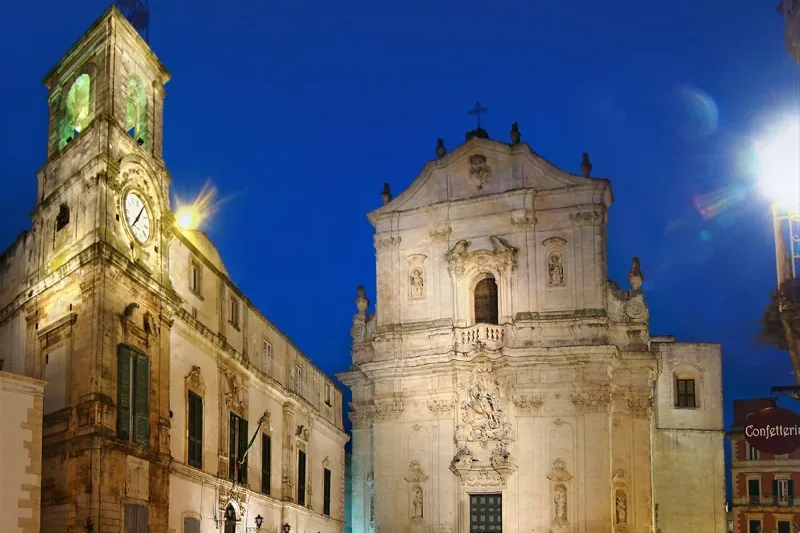
Martina Franca
The town and a food craft connected to its landscape.
Read the guide →Photo: Tango7174 / Wikimedia Commons — CC BY-SA 4.0 · Resized and converted to WebP.

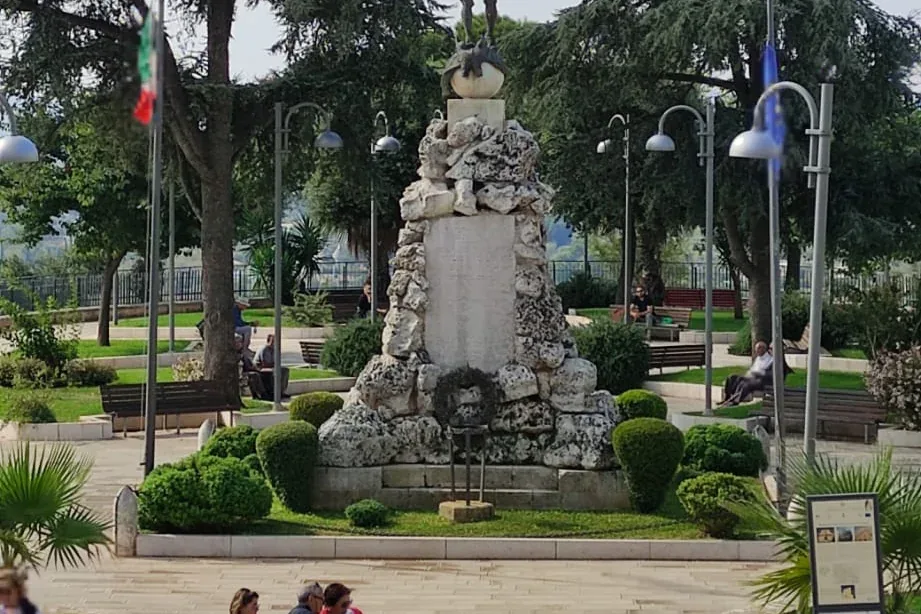
Cisternino
Fornello pronto, bombette and a walk through the town.
Read the guide →Photo: Kiuz / Wikimedia Commons — CC BY-SA 4.0 · Resized and converted to WebP.

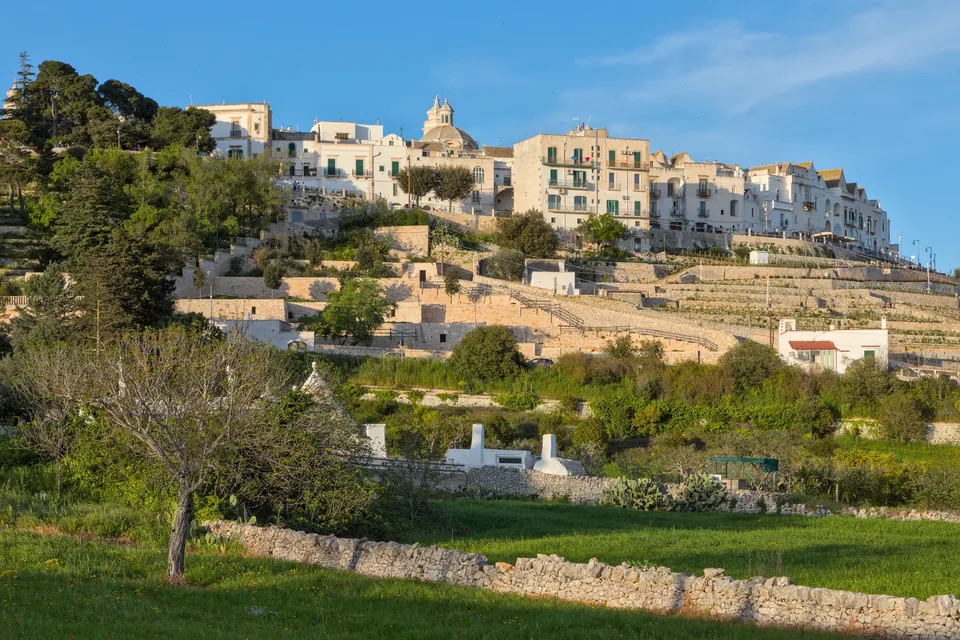
Locorotondo
Cummerse roofs as a way to distinguish the Itria Valley’s towns.
Read the guide →Photo: Benjamin Smith / Wikimedia Commons — CC BY-SA 4.0 · Resized and converted to WebP.

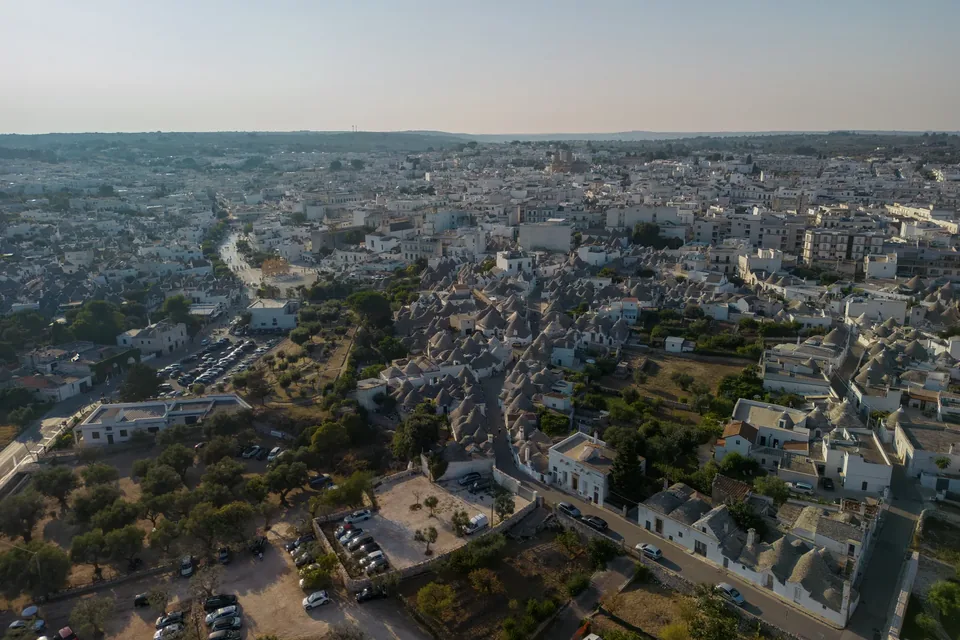
Alberobello
Trulli through their shape, space and everyday use.
Read the guide →Photo: ParisTaras / Wikimedia Commons — CC BY-SA 4.0 · Resized and converted to WebP.

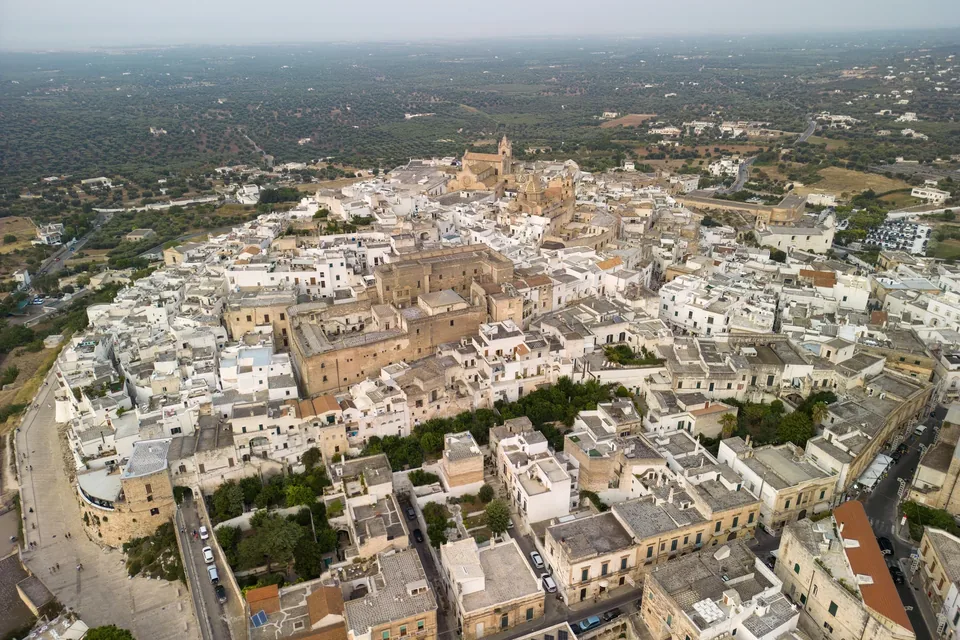
Ostuni
Houses, steps and agricultural landscape within one visit.
Read the guide →Photo: ParisTaras / Wikimedia Commons — CC BY 4.0 · Resized and converted to WebP.

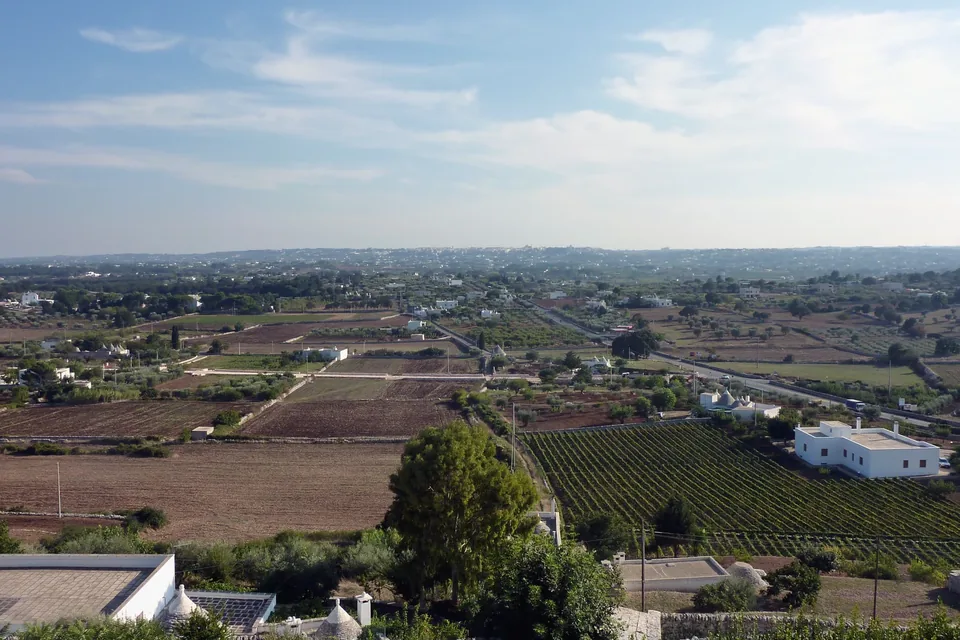
Itria Valley
Rural architecture, towns and food as parts of the same journey.
Read the guide →Photo: Adbar / Wikimedia Commons — CC BY-SA 3.0 · Resized and converted to WebP.

Read more
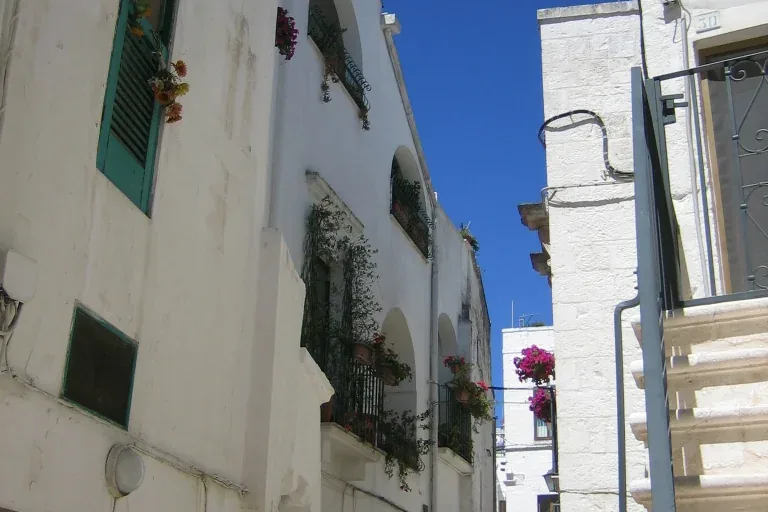
Cisternino bombette
Capocollo and canestrato rolls, the butcher's grill and Cisternino's old town: history, technique and how to experience them.
Read the guide →Photo: Matthias Holländer at German Wikipedia / Wikimedia Commons — Public domain · Resized and converted to WebP.

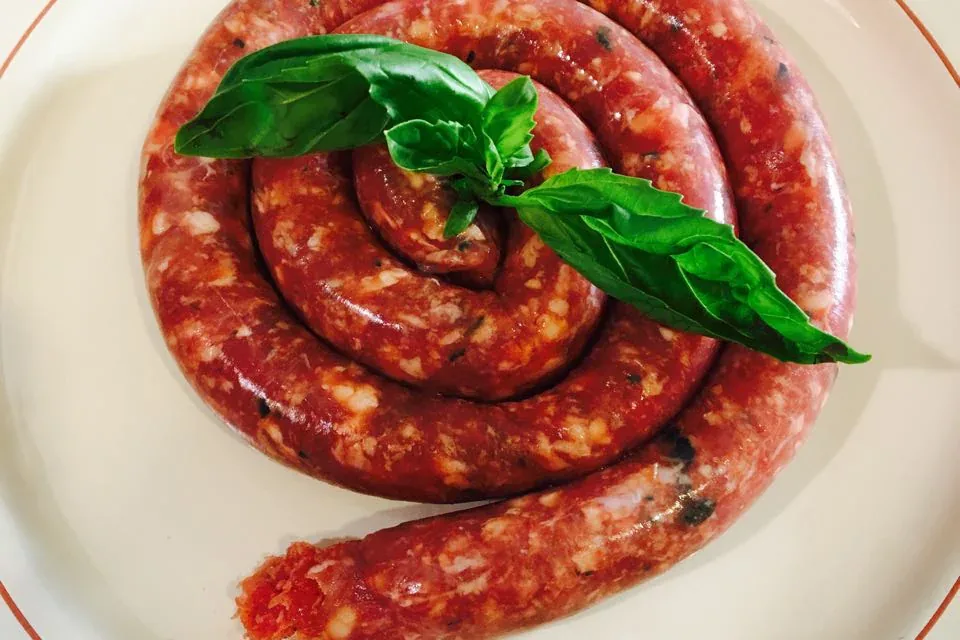
Puglian sausages and butcher grills
Sammichele zampina and butcher-grill traditions: recognising different products, ingredients and contexts.
Read the guide →Photo: Dogiulio / Wikimedia Commons — CC BY-SA 4.0 · Resized and converted to WebP.
