
APULICA / OILS AND FATS
Collina di Brindisi extra virgin olive oil
PDO · Oils and fats · Puglia
In brief
- Extra virgin oil from at least 70% Ogliarola salentina, with other local varieties such as Cellina di Nardò, Coratina and Leccino. (Qualigeo (Fondazione Qualivita) — Collina di Brindisi DOP)
- The area covers eight hill towns around Brindisi: Carovigno, Ceglie Messapica, Cisternino, Fasano, Ostuni, San Michele Salentino, San Vito dei Normanni and Villa Castelli. (Qualigeo (Fondazione Qualivita) — Collina di Brindisi DOP)
- The olives must be harvested by 31 January. (Qualigeo (Fondazione Qualivita) — Collina di Brindisi DOP)
History and origin
The hills of the Brindisi area have always been good land for the olive tree. The Greeks and Phoenicians already saw its potential, and in Roman times the area stood out for its olive groves.
The most widespread variety here is Ogliarola: Pliny the Elder, in the first century AD, called it Olea lapygia, and the name we know today recalls the abundance of oil it yields. The ancient roots of the olive tree in this area can still be read in the landscape, in the great centuries-old trees that grow in the countryside around Ostuni and Fasano.
The Protected Designation of Origin Collina di Brindisi, registered in the European Union and entrusted to a protection consortium, builds on this tradition.
Sources: Qualigeo (Fondazione Qualivita) — Collina di Brindisi DOP · eAmbrosia — Collina di Brindisi (PDO-IT-1508)
Area and method of production
The area of production, processing and bottling covers eight municipalities in the province of Brindisi: Carovigno, Ceglie Messapica, Cisternino, Fasano, Ostuni, San Michele Salentino, San Vito dei Normanni and Villa Castelli.
At least 70% of the oil comes from Ogliarola salentina olives; the rest may come from other varieties grown in the area, such as Cellina di Nardò, Coratina, Frantoio, Leccino and Piccoline, alone or together.
Harvest begins as the olives start to ripen and must end by 31 January. The olives are picked straight from the tree, by hand or mechanically, and must be washed and milled by the second day after picking, so that they reach the mill still intact.
Sources: Qualigeo (Fondazione Qualivita) — Collina di Brindisi DOP
How to recognise it
Collina di Brindisi PDO oil ranges in colour from green to yellow. On the nose it has a medium-light fruitiness; in the mouth the taste is fruity, with a slight hint of bitterness and pungency.
The specification sets a maximum acidity of 0.8 grams per 100 grams and a panel test score of at least 6.5. It is sold in glass or tin containers of no more than five litres; the label shows the name with the PDO mention, the European symbol and the production year, and a seal with a unique alphanumeric code makes the supply chain traceable.
Sources: Qualigeo (Fondazione Qualivita) — Collina di Brindisi DOP
In the kitchen
According to the designation's record it is ideal raw, as a dressing for vegetables and bruschetta, and it is used to bring out meat or fish dishes. It is even used as an ingredient in desserts.
Like every extra virgin oil it is a delicate product. It should be kept cool and dark, ideally between 14 and 18 degrees, away from heat and from strong-smelling foods. To enjoy it at its peak it is best used within four to six months of milling, when aroma and flavour are at their liveliest.
Sources: Qualigeo (Fondazione Qualivita) — Collina di Brindisi DOP
Where to taste it
Collina di Brindisi oil comes from the hills of the province of Brindisi, and the most direct way to get to know it is to travel through the eight municipalities of the production area. Ostuni and Cisternino, among the best-known destinations in the area, lie right inside the designation, and in the countryside of Ostuni and Fasano grow the centuries-old olive trees that bear witness to how ancient this crop is.
Carovigno, Ceglie Messapica, San Vito dei Normanni, San Michele Salentino and Villa Castelli complete the area: in all these towns the oil is produced, milled and bottled, because the specification keeps the whole supply chain within the zone.
The harvest season, which begins as the olives ripen and ends by 31 January, is when the year's oil is made.
Sources: Qualigeo (Fondazione Qualivita) — Collina di Brindisi DOP
Protection
- Protected designation of origin (PDO) — PDO-IT-1508 (eAmbrosia — Collina di Brindisi (PDO-IT-1508))
When
- The sources consulted give no months.
Where
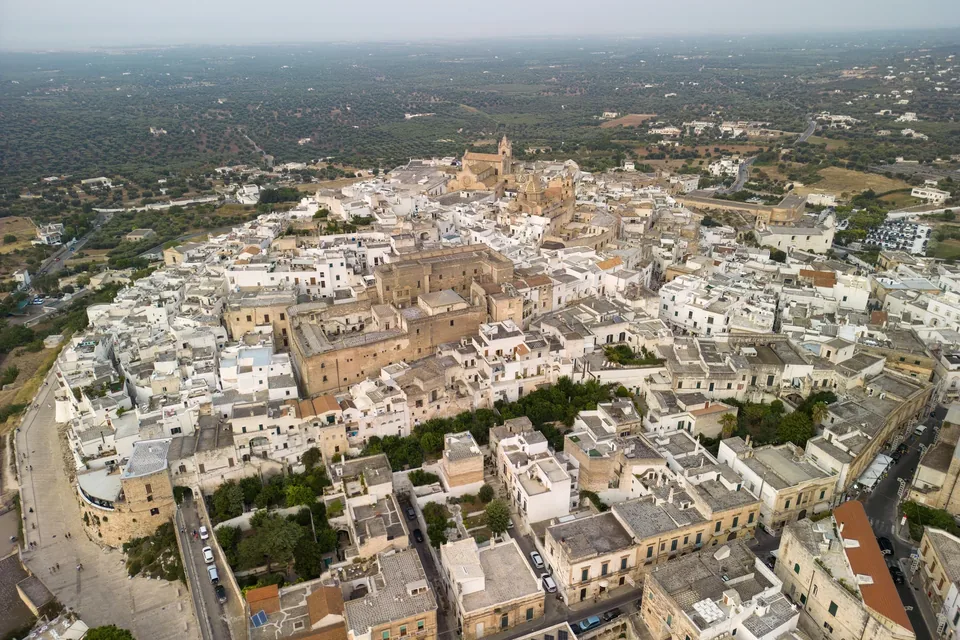
Ostuni
Houses, steps and agricultural landscape within one visit.
Read the guide →Photo: ParisTaras / Wikimedia Commons — CC BY 4.0 · Resized and converted to WebP.

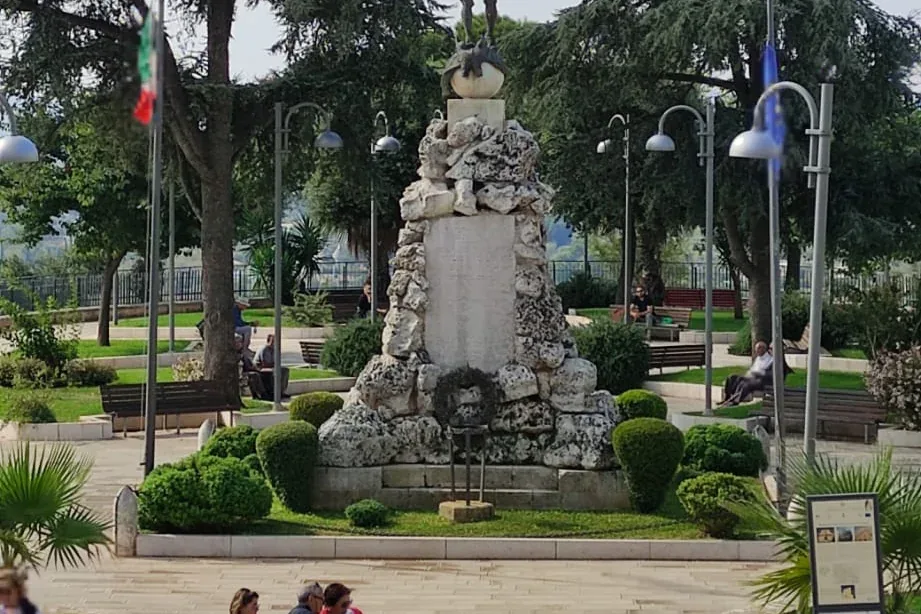
Cisternino
Fornello pronto, bombette and a walk through the town.
Read the guide →Photo: Kiuz / Wikimedia Commons — CC BY-SA 4.0 · Resized and converted to WebP.

Read more
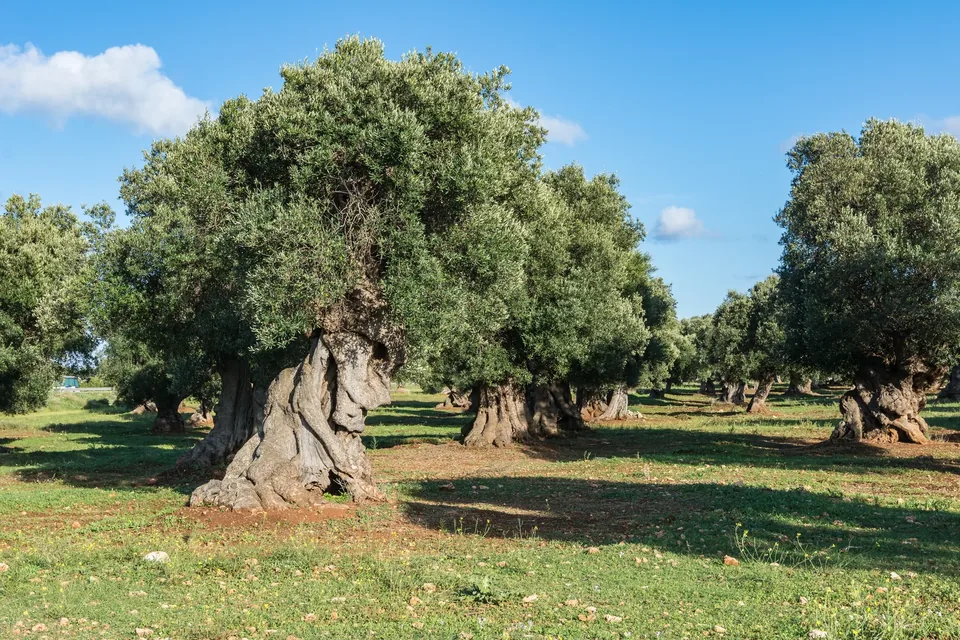
Puglian Ogliarola olives
Barese, Garganica and Salentina Ogliarola: understanding olive names and their regional connections.
Read the guide →Photo: Isiwal / Wikimedia Commons — CC BY-SA 4.0 · Resized and converted to WebP.
