
APULICA / WINES
Gioia del Colle
DOC · Wines · Puglia
In brief
- The grapes come from fifteen municipalities around Bari, among them Gioia del Colle, Castellana Grotte, Putignano and Santeramo in Colle, and from Altamura outside the Gravina area. (Regione Puglia — Produzioni di qualità, Gioia del Colle DOP)
- The red and rosé blend 50-60% Primitivo with Montepulciano, Sangiovese, Negroamaro or Malvasia nera. (Regione Puglia — Produzioni di qualità, Gioia del Colle DOP)
- Gioia del Colle Primitivo is made from Primitivo grapes alone and becomes a Riserva after two years of ageing. (Regione Puglia — Produzioni di qualità, Gioia del Colle DOP · Qualigeo — Gioia del Colle DOP)
- The appellation also includes a sweet Aleatico and a sweet fortified Aleatico. (Qualigeo — Gioia del Colle DOP)
History and origin
The designation takes its name from Gioia del Colle, a town of Byzantine origin on the Murge plateau, in the province of Bari. Its most important monument is the castle, founded in the Byzantine period and reshaped by the Normans and then by Frederick II of Swabia, which now houses the National Archaeological Museum with finds from Monte Sannace. Around the old centre the countryside is dotted with masserie, the old fortified farmhouses, and the places to visit include a museum devoted to rural life.
The Gioia del Colle designation of origin, now entered in the European register as a PDO, protects the wines of a wide area of inland Bari province, and has made Primitivo its leading grape: the Gioia del Colle Primitivo version is made from this grape alone.
Besides the dry wines, the production rules keep a tradition of sweet wines from Aleatico, an aromatic grape that is also made here in a fortified version.
Sources: Italia.it — Gioia del Colle · Comune di Gioia del Colle — Castello normanno-svevo · eAmbrosia — Gioia del Colle (PDO-IT-A0549) · Qualigeo — Gioia del Colle DOP · Regione Puglia — Produzioni di qualità, Gioia del Colle DOP
Area and method of production
The production area covers the whole of fifteen municipalities in the province of Bari: Acquaviva delle Fonti, Adelfia, Casamassima, Cassano delle Murge, Castellana Grotte, Conversano, Gioia del Colle, Grumo Appula, Noci, Putignano, Rutigliano, Sammichele di Bari, Sannicandro di Bari, Santeramo in Colle and Turi. Altamura is also included, except for the part of its territory that belongs to the Gravina wine area.
The red and the rosé combine Primitivo, between 50 and 60%, with Montepulciano, Sangiovese, Negroamaro or Malvasia nera, the latter at most 10%. The white is based on Trebbiano toscano, between 50 and 70%, with other white grapes approved in Puglia. Gioia del Colle Primitivo uses only Primitivo grapes and becomes a Riserva after two years of ageing, counted from 1 November of the harvest year.
Aleatico requires at least 85% of this grape, with Negroamaro, Malvasia nera or Primitivo for the rest. It is made sweet and fortified sweet, that is with alcohol added to the wine or must, and may not be sold before 1 March of the year after the harvest; it becomes a Riserva after at least two years, one of them in wooden casks.
Sources: Regione Puglia — Produzioni di qualità, Gioia del Colle DOP · Qualigeo — Gioia del Colle DOP
How to recognise it
Gioia del Colle Primitivo has a red colour that leans towards violet and, with age, towards orange. Its aroma is light and distinctive; the taste is full and balanced, growing more velvety with time, and sometimes slightly sweet, with residual sugar that the rules limit to 10 grams per litre.
The red is an intense ruby turning to garnet: scents of plums, blueberries and herbs blend with sweet spices, and on the palate it is soft and compact, with well-integrated tannin. The rosé is a delicate ruby, with a slightly vinous scent that is fruity when young, and a dry, fresh taste. The white, straw yellow, offers notes of fruit, jasmine and oregano, with lively acidity and a savoury edge.
The sweet Aleatico is garnet red with violet glints that turn orange with age; it has a delicate aroma and a full, moderately sweet and velvety taste. The fortified sweet version is warmer and sweeter.
Sources: Qualigeo — Gioia del Colle DOP · Regione Puglia — Produzioni di qualità, Gioia del Colle DOP
Where to taste it
The Gioia del Colle area takes in some of the best-known towns of central Puglia: Gioia del Colle itself, Castellana Grotte, Putignano, Noci, Conversano, Santeramo in Colle and Altamura. A route through these towns lets travellers taste the wine where it is made, through countryside of vineyards and masserie.
In Gioia del Colle a visit starts at the Norman-Swabian castle, in the heart of the old town, and continues to the church of the Annunziata, the Museum of Rural Life and industrial heritage such as the old distilleries and mills, witnesses to a long farming history. Just outside the centre lies the archaeological area of Monte Sannace, source of the finds on display in the castle museum.
Among the area's sights the national portal also mentions several karst caves and rural masserie: the wine thus goes hand in hand with discovering a farming landscape best explored at an easy pace.
Sources: Regione Puglia — Produzioni di qualità, Gioia del Colle DOP · Italia.it — Gioia del Colle · Comune di Gioia del Colle — Castello normanno-svevo
Protection
- DOC, PDO wine — PDO-IT-A0549 (eAmbrosia — Gioia del Colle (PDO-IT-A0549) · Regione Puglia — Produzioni di qualità, Gioia del Colle DOP)
When
- The sources consulted give no months.
Where
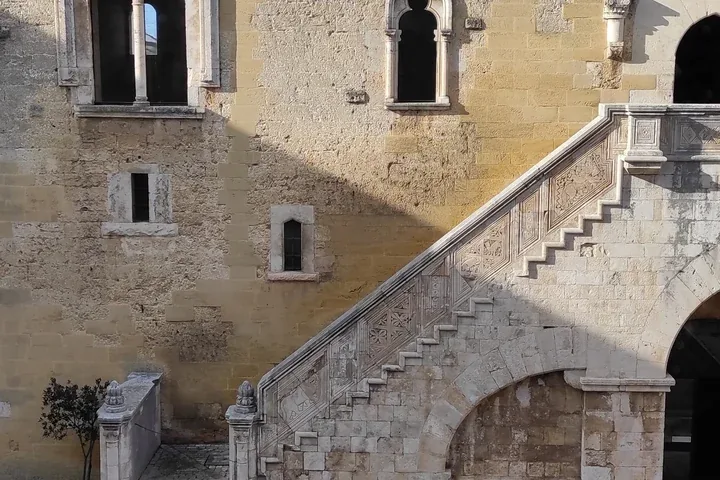
Gioia del Colle
Gioia del Colle: castle and rural memory.
Read the guide →Photo: Frababz85 / Wikimedia Commons — CC BY-SA 4.0 · Resized and converted to WebP.

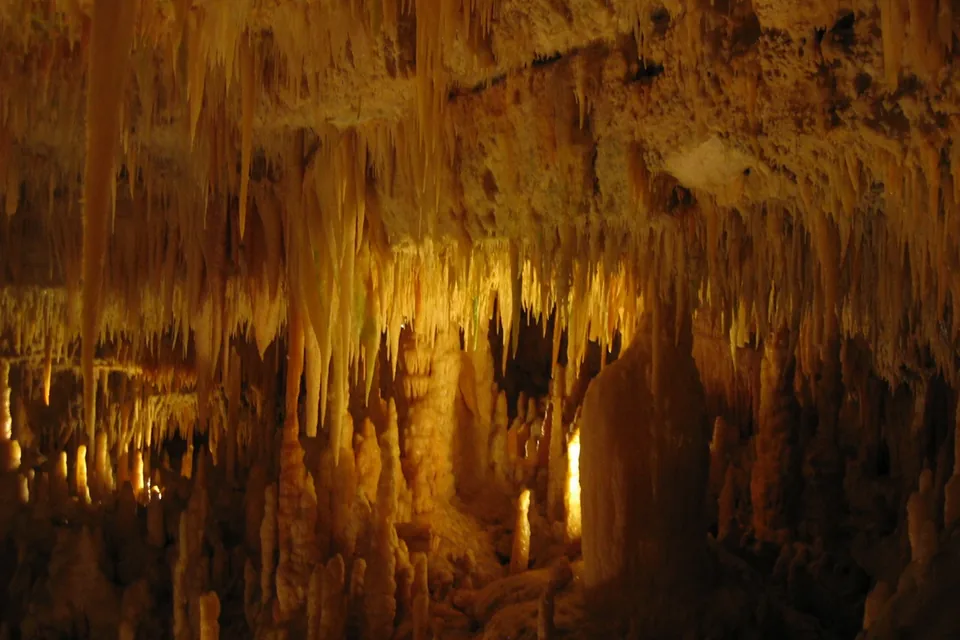
Castellana Grotte
Karst, caves and the town within a journey connected to the Itria Valley.
Read the guide →Photo: ReMagio at Italian Wikipedia / Wikimedia Commons — Public domain · Resized and converted to WebP.
.jpg)
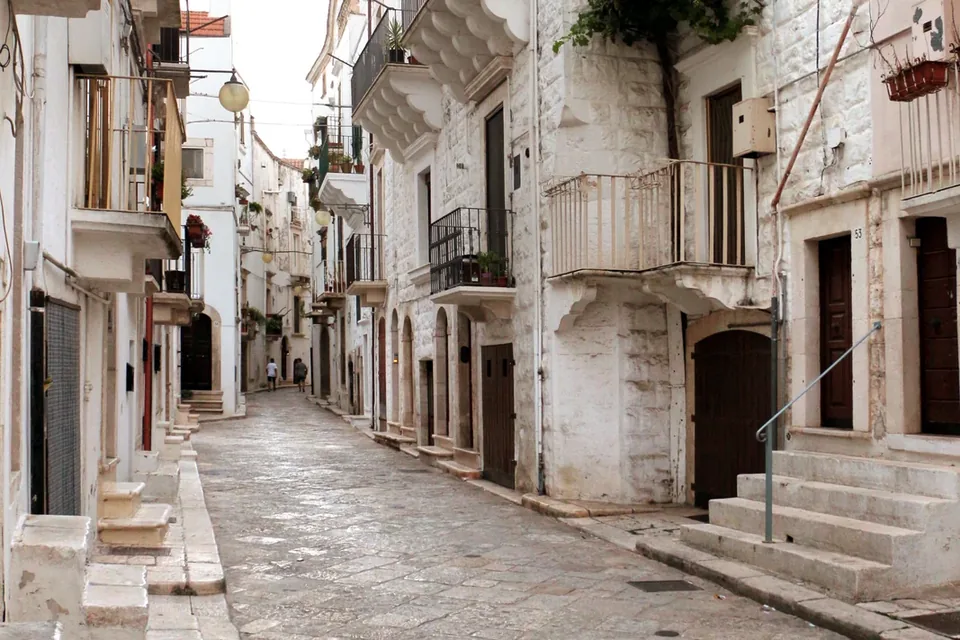
Putignano
Putignano: papier-mâché and town memory.
Read the guide →Photo: Sailko / Wikimedia Commons — CC BY 3.0 · Resized and converted to WebP.

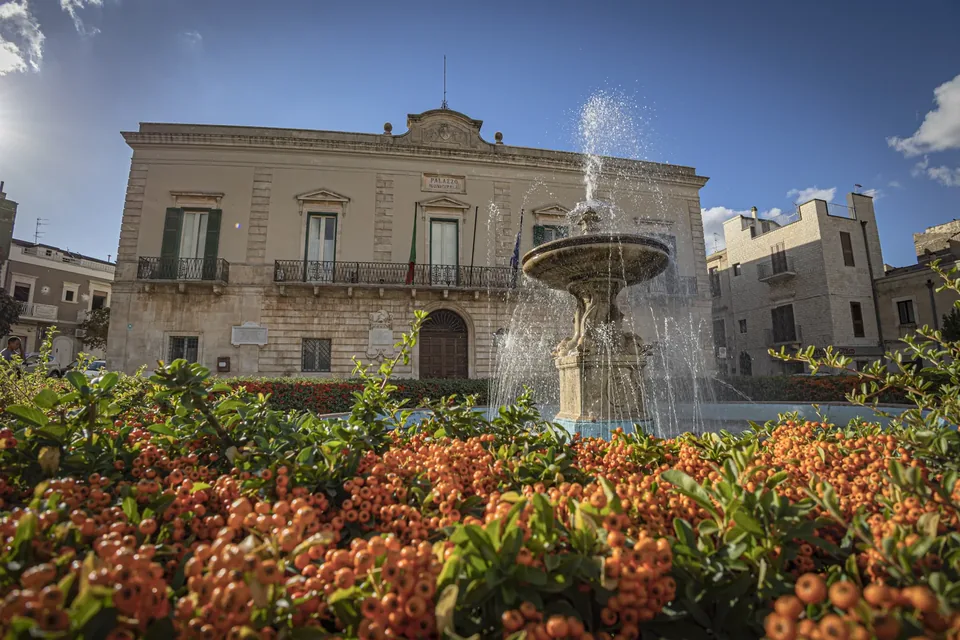
Santeramo in Colle
Santeramo in Colle: details of the inhabited Murgia.
Read the guide →Photo: G.ppe Davide Procacci / Wikimedia Commons — CC BY-SA 4.0 · Resized and converted to WebP.

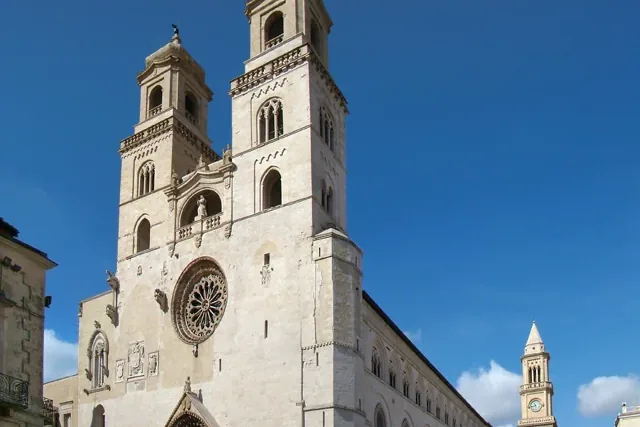
Altamura
Bread culture, the old town and the Murgia landscape as the starting point for a journey.
Read the guide →Photo: Tango7174 / Wikimedia Commons — CC BY-SA 4.0 · Resized and converted to WebP.

Read more
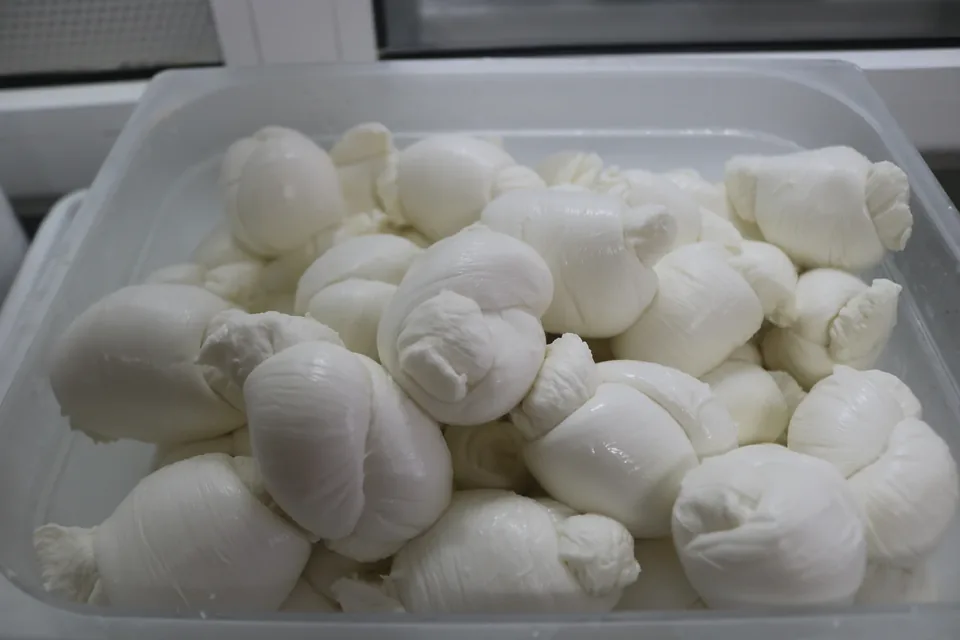
Gioia del Colle mozzarella
Cow’s milk, whey starter and shapes: exploring an inland cheesemaking tradition.
Read the guide →Photo: Rizzelli Stefania / Wikimedia Commons — CC BY-SA 4.0 · Resized and converted to WebP.

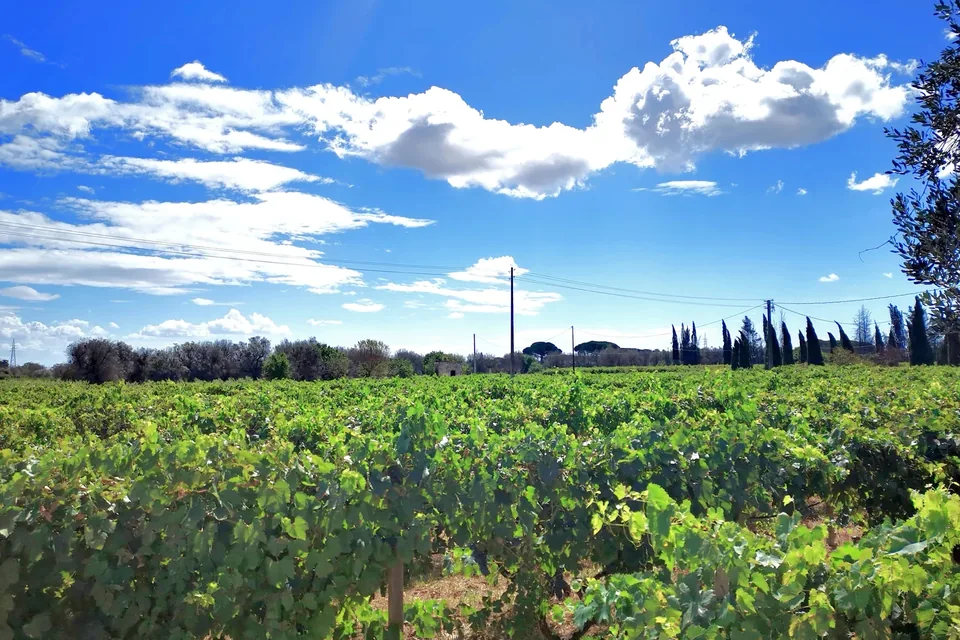
Puglian wines
Exploring wine across the Murgia, Manduria and Salento through flavour and landscape.
Read the guide →Photo: Saggittarius A / Wikimedia Commons — CC BY-SA 4.0 · Resized and converted to WebP.
