
APULICA / MEATS AND CURED MEATS
Pezzente of the Montagna Materana
PAT · Slow Food Presidium · Meats and cured meats · Basilicata
In brief
- A peasant sausage made from the humblest pork cuts, minced and seasoned with powdered Senise pepper, wild fennel, garlic and salt. (Fondazione Slow Food — Presidio Pezzente della montagna materana)
- The mixture is worked with closed fists, and a sample is fried to check the seasoning before stuffing. (Fondazione Slow Food — Presidio Pezzente della montagna materana)
- The Touring Club's 1931 food guide already recommended it in the Matera area. (Fondazione Slow Food — Presidio Pezzente della montagna materana)
- It is made from November to March; it is eaten sliced after at least twenty days or used in sauces and with greens. (Fondazione Slow Food — Presidio Pezzente della montagna materana)
History and origin
In the woods of the Montagna materana and the middle Basento valley, now largely within the Gallipoli Cognato and Piccole Dolomiti Lucane Nature Park, pigs once roamed freely through the undergrowth, feeding on roots, tubers, chestnuts, acorns and mushrooms. Most belonged to a hardy local breed now almost gone, the Nero di Lucania, and this abundance fed a long tradition of cured meats.
Pezzente is the most unusual of them. Its name, meaning beggar, speaks of peasant life and the need to waste nothing: while the best cuts became soppressate, pancetta and guanciale, this sausage got the humblest parts of the pig. As early as 1931 the first food guide of the Touring Club recommended stopping in the Matera area to taste it.
Pezzente is listed among the traditional agri-food products of Basilicata, and the Slow Food Presidium was set up to save its tradition and build a local supply chain that includes small pig farmers.
Sources: Fondazione Slow Food — Presidio Pezzente della montagna materana · Masaf — Elenco nazionale dei prodotti agroalimentari tradizionali, XXVI revisione (2026)
Area and method of production
The Presidium brings together the municipalities of Accettura, Aliano, Calciano, Cirigliano, Garaguso, Gorgoglione, Oliveto Lucano, Stigliano and Tricarico, in the province of Matera, and is supported by the local action group Gal Le Macine. It is made in the cold months, from November to March.
The humble cuts go into the mix: parts of the throat, sinewy bits, the muscles hardest to chop, the stomach and the fat left over from other preparations. Everything is cut into strips and then minced. The meat is seasoned with powdered sweet Senise pepper or hot pepper, wild fennel, chopped fresh garlic and sea salt.
The work is still entirely by hand. The most delicate step is the arricciatura, the blending of meat and seasoning: the mix is pressed hard with closed fists until it is even. Before stuffing, a little piece is fried in a pan, the sartascnill, to check whether the salt and spices are right or more is needed.
Sources: Fondazione Slow Food — Presidio Pezzente della montagna materana
How to recognise it
Pezzente is a farmhouse sausage, made entirely by hand. It is recognised by its seasoning: powdered pepper, sweet from Senise or hot, together with wild fennel, fresh garlic and sea salt, gives the mix its colour and scent.
It is by nature a thrifty sausage: it is not made from the prime cuts but from a mix of humbler meats, cut into strips and minced. The care taken over the arricciatura and the test in the pan is what turns such a varied starting mix into an even, well-balanced filling.
Curing time depends on its use. To eat it sliced it must cure for more than twenty days; for cooking, about fifteen days are enough. It is made from November to March.
Sources: Fondazione Slow Food — Presidio Pezzente della montagna materana
In the kitchen
The most common way to enjoy it is sliced, with good country bread. In the past, though, pezzente also stood in for meat, and that use survives in home cooking.
It goes into the sugo rosso, the tomato sauce for homemade pasta. Or it is cooked with greens such as chicory, chard and escarole in earthenware pots: a tasty main course in which the fat and spices of the sausage flavour the vegetables.
For these kitchen uses, the Presidium explains, a shorter cure is enough than the one needed for slicing.
Sources: Fondazione Slow Food — Presidio Pezzente della montagna materana
Where to taste it
Pezzente is found in the villages of the Montagna materana, between the Basento river and the woods of the Gallipoli Cognato park: Accettura, Aliano, Calciano, Cirigliano, Garaguso, Gorgoglione, Oliveto Lucano, Stigliano and Tricarico.
The regional tourism agency of Basilicata also points to these villages for their food traditions: Accettura is one of the Città dei Sapori, Aliano one of the Città dell'Olio and the Borghi autentici d'Italia, and pezzente appears among the region's Slow Food Presidia.
The best time to discover it is winter, from November to March, when it is made. A visit to Accettura, Aliano or Oliveto Lucano combines the park's landscapes with the flavours of the mountains and family cooking.
Sources: Fondazione Slow Food — Presidio Pezzente della montagna materana · APT Basilicata — Le collezioni 2018, Basilicata enogastronomica
Protection
- Traditional agri-food product (PAT) — Basilicata, n. 19, 26th revision (Masaf — Elenco nazionale dei prodotti agroalimentari tradizionali, XXVI revisione (2026))
- Slow Food Presidium — pezzente-della-montagna-materana (Fondazione Slow Food — Presidio Pezzente della montagna materana)
When
- Production: January–March, November–December (Fondazione Slow Food — Presidio Pezzente della montagna materana)
- Winter
- Spring
- Autumn
Where
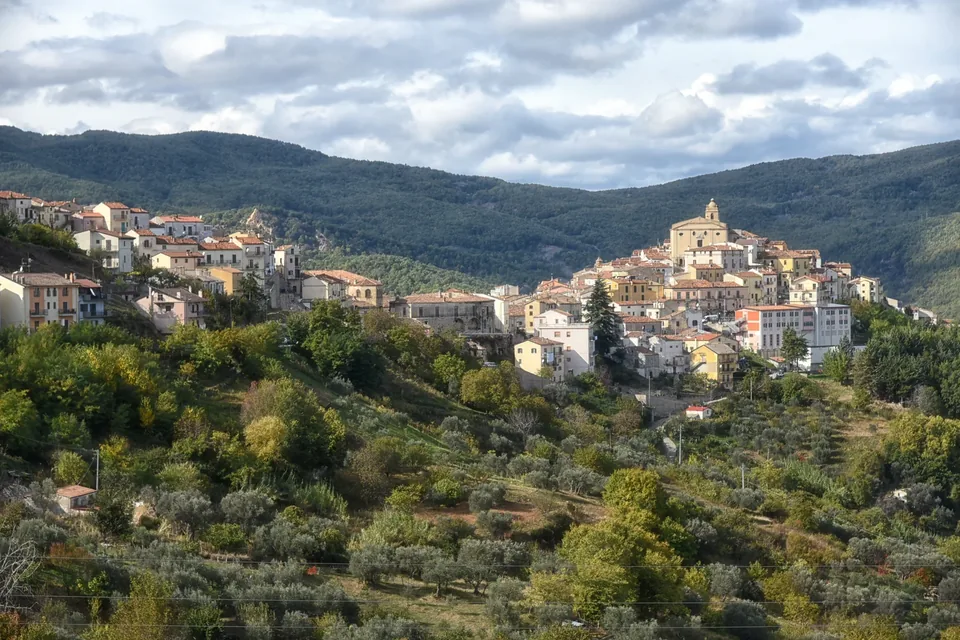
Accettura
Accettura: town and tree rituals.
Read the guide →Photo: Anna Nicoletta Menzella / Wikimedia Commons — CC BY-SA 4.0 · Resized and converted to WebP.

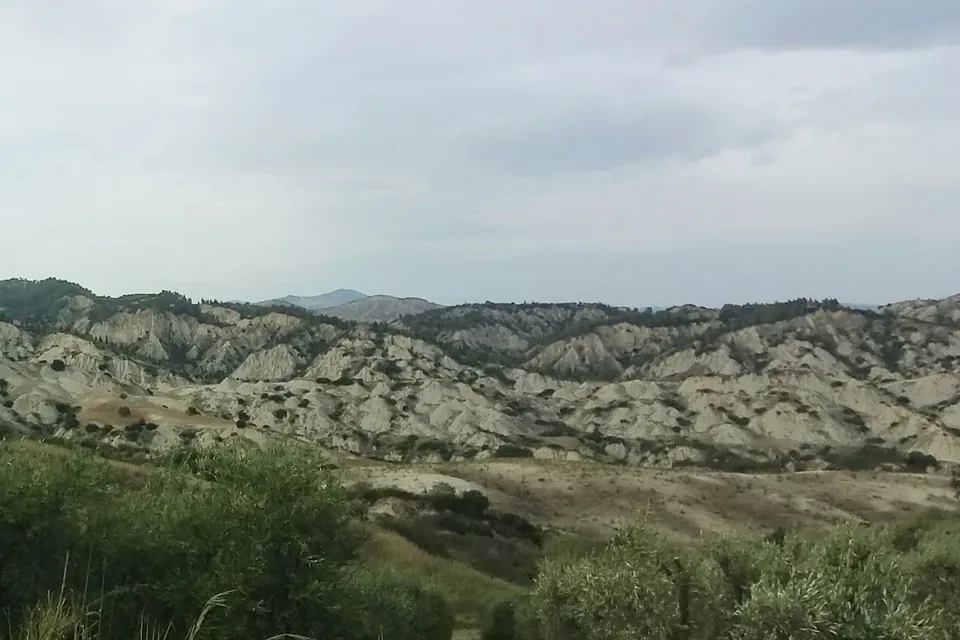
Aliano
A town to read through literature and landscape.
Read the guide →Photo: DinaBenedettoFerrandina / Wikimedia Commons — CC BY-SA 4.0 · Resized and converted to WebP.

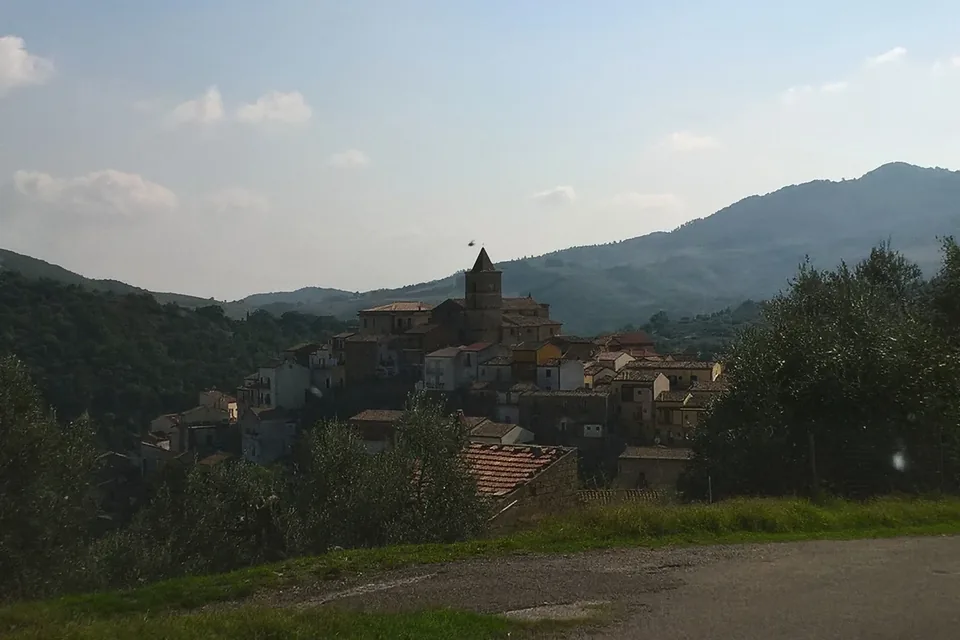
Oliveto Lucano
Oliveto Lucano: wood, stone and Monte Croccia.
Read the guide →Photo: Asia / Wikimedia Commons — CC BY-SA 4.0 · Resized and converted to WebP.
