

Why go
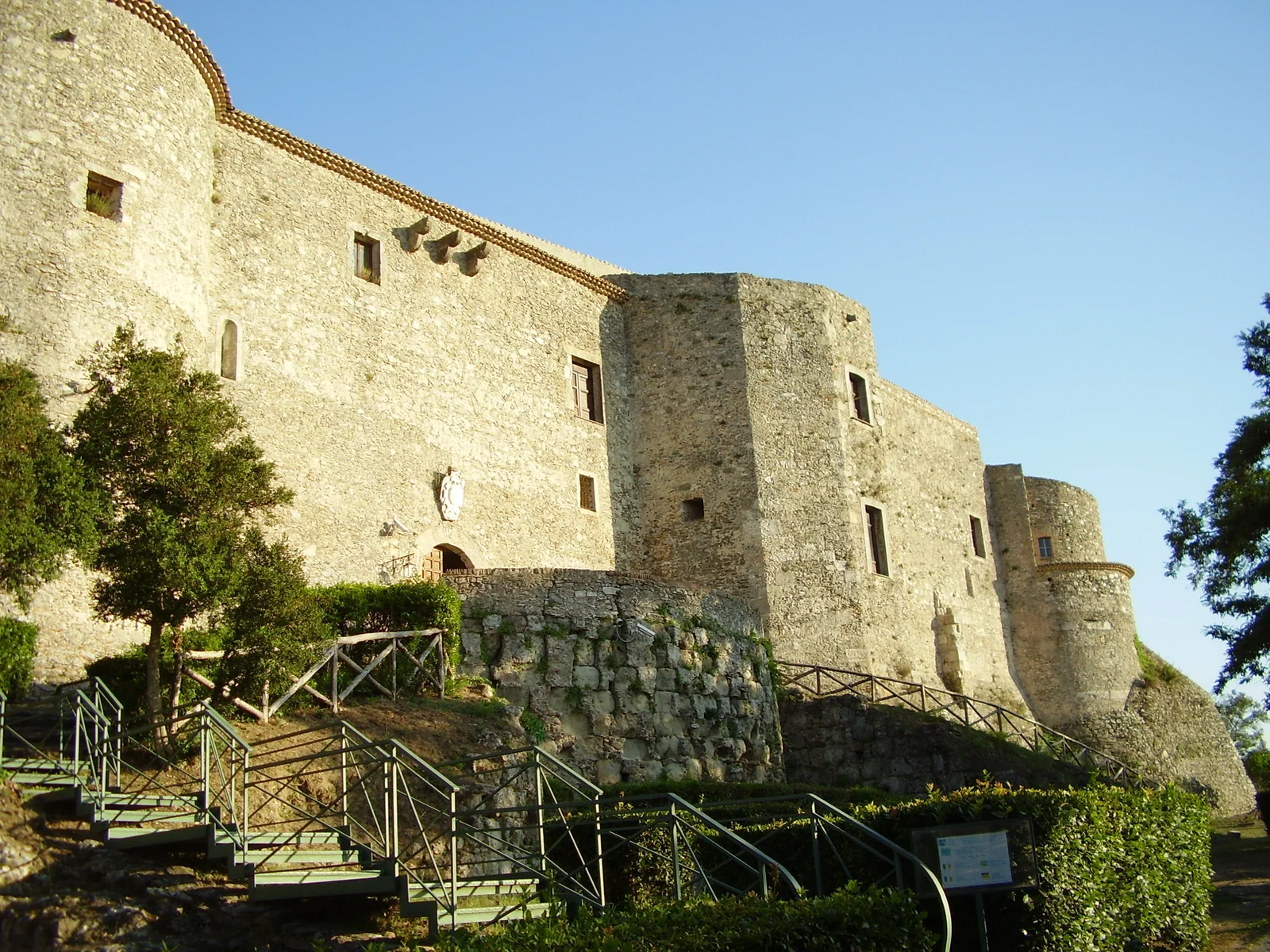
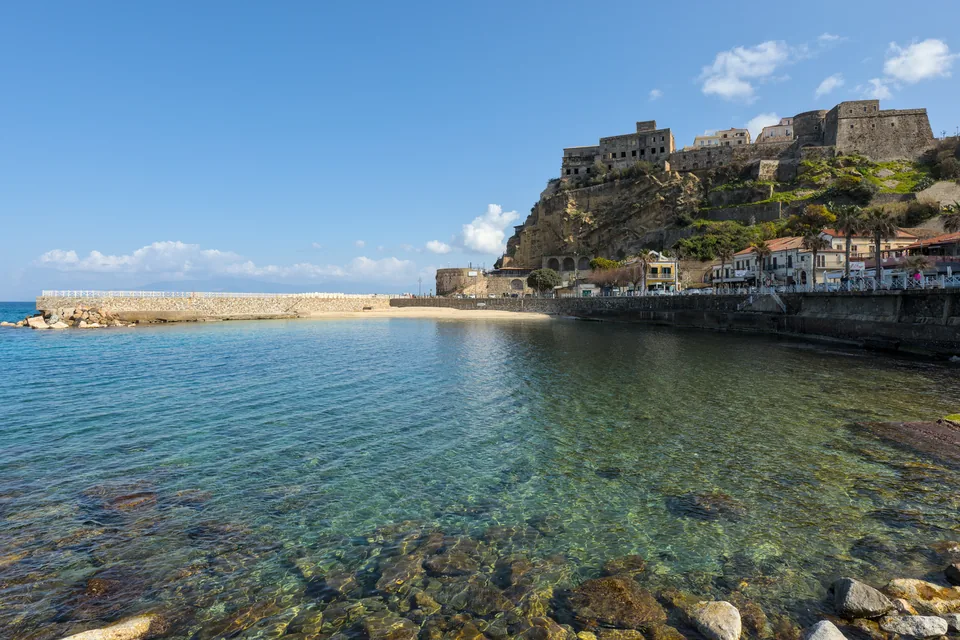
Vibo Valentia stands on a hill at the edge of Monte Poro, between the Tyrrhenian Sea and the Serre mountains. The centre is crowned by the Norman-Swabian castle, and from up here the eye runs along the coast: the municipality writes that the view stretches from Capo Palinuro, in Campania, to the Aeolian Islands and Etna.
This was Hipponion, a Greek colony founded by settlers from Locri; then came Roman Valentia and medieval Monteleone. The "Vito Capialbi" National Archaeological Museum, inside the castle, tells the story of these three cities through its finds, among them the gold leaf inscribed with an Orphic text. Down on the coast, Vibo Marina has the port from which boat trips leave for the Aeolian Islands, and a few kilometres away are Pizzo, Capo Vaticano and Tropea, on the Costa degli Dei.
Vibo Valentia is a municipality in the province of Vibo Valentia, in Calabria. Its ISTAT code is 102047. It is the capital of the province of Vibo Valentia. On 1 January 2025 it had 30,906 residents. The municipal territory covers 46.53 km² and ranges from -1 to 567 metres above sea level; the town hall stands at about 474 metres.
Sources: Comune di Vibo Valentia — Turismo · Treccani, Enciclopedia on line — Vibo Valentia · Italia.it (Ministero del Turismo) — Vibo Valentia · Ministero della Cultura, Direzione regionale Musei nazionali Calabria — Museo archeologico nazionale «Vito Capialbi» · Calabria Straordinaria (portale turistico ufficiale della Regione Calabria) — Vibo Valentia · ISTAT, Codici statistici delle unità amministrative territoriali: elenco dei comuni al 21 febbraio 2026 · ISTAT, Popolazione residente per età, sesso e stato civile al 1° gennaio 2025 (POSAS) · ISTAT, Principali statistiche geografiche sui comuni: superficie e altimetria al 31 dicembre 2021
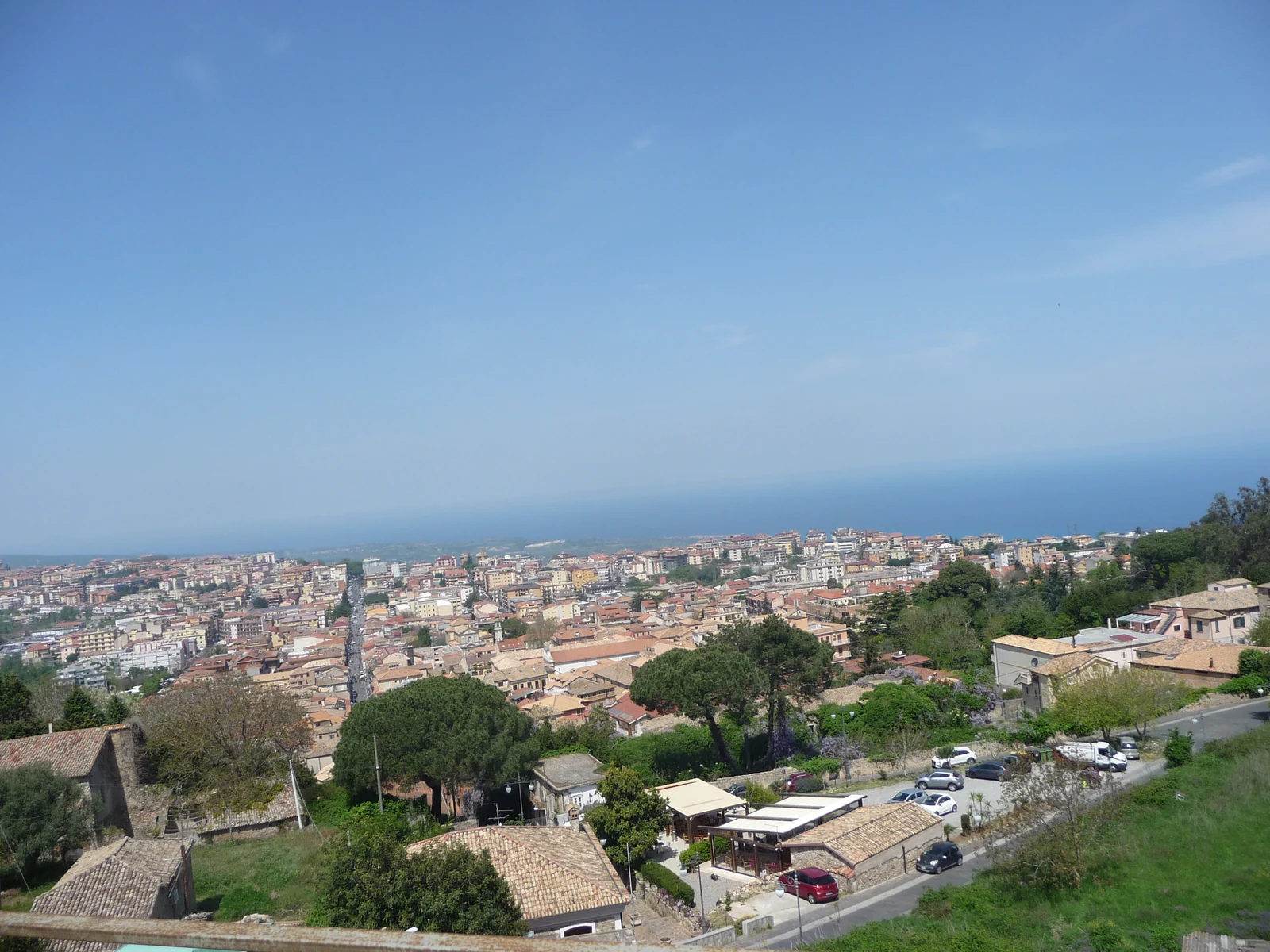
Photo: Marco Chemello (Wikimedia Italia) / Wikimedia Commons — CC BY-SA 4.0 · Resized and converted to WebP.
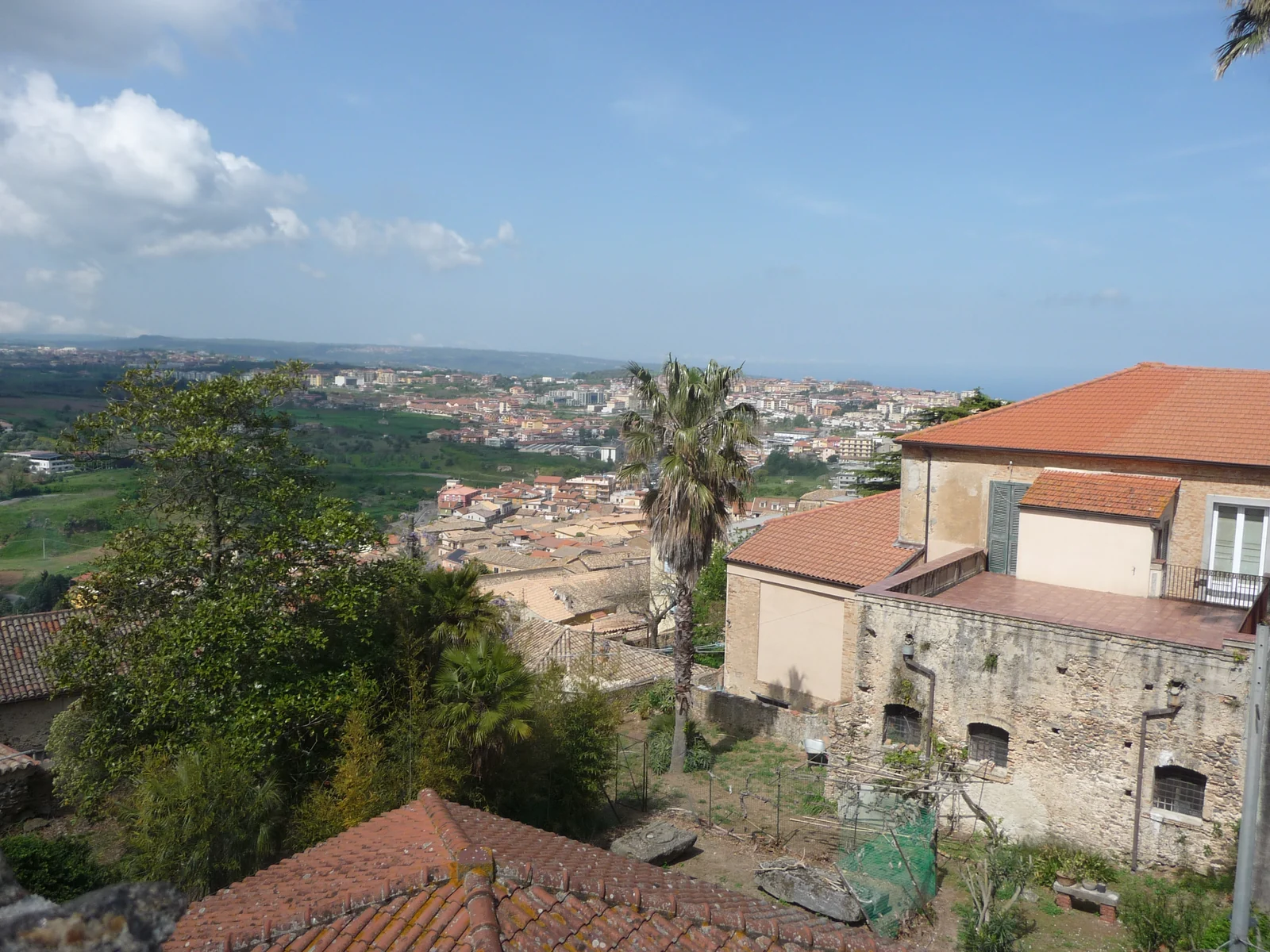
Photo: Marco Chemello (Wikimedia Italia) / Wikimedia Commons — CC BY-SA 4.0 · Resized and converted to WebP.
History
The Greek city of Hipponion was founded by settlers from Locri Epizephyrii at the end of the 7th century BC. In 422 BC it went to war with Locri; in 389 it fought with the Italiote League against Dionysius of Syracuse at the battle of the Elleporus, after which it was dismantled and its territory given to Locri. Rebuilt, around 356 BC it fell to the Bruttii. In 192 BC the Romans founded a colony with Latin rights there, Valentia, to which the local name Vibo was added; after the Social War it became a Roman municipium and enjoyed a long period of prosperity.
Refortified by the Byzantines, it was almost destroyed by the Saracens in 850 and 983. In 1056 Roger de Hauteville built a castle there, and in 1235 Frederick II had the town rebuilt under the name of Monteleone. A fief of the Caracciolo family from 1420, then of the Brancaccio, in the 17th century it passed to the Pignatelli. Joachim Murat made it the capital of the province of Calabria Ultra, and on 27 August 1860 the town welcomed Garibaldi.
Rebuilt almost entirely after the earthquakes of 1783 and partly after that of 1905, at the end of the 1920s it took back its ancient name of Vibo Valentia. In 1992 it became the capital of a new province.
Sources: Treccani, Enciclopedia on line — Vibo Valentia · Treccani, Enciclopedia Italiana (1937) — Vibo Valentia
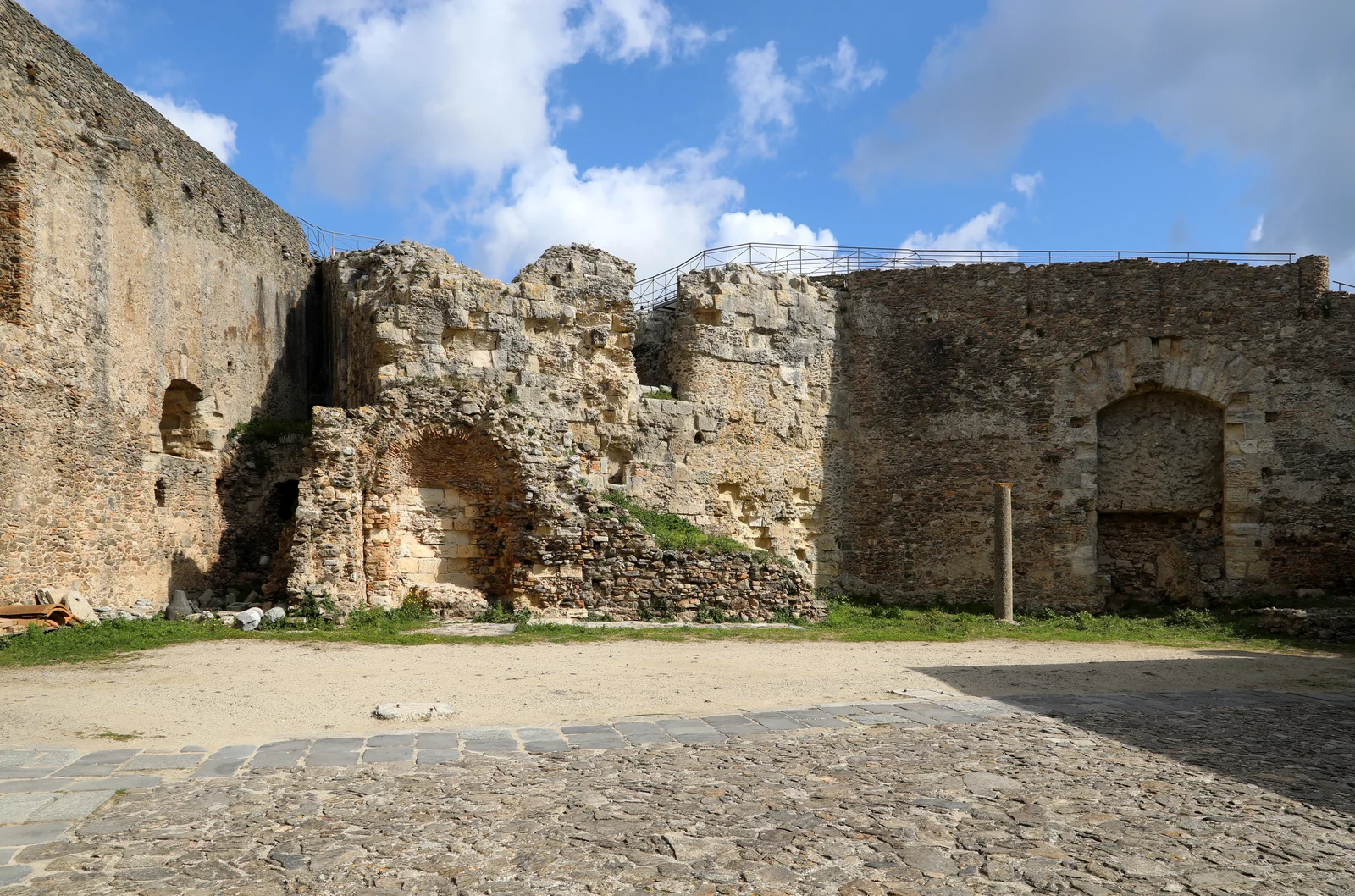
Photo: Sailko / Wikimedia Commons — CC BY-SA 4.0 · Resized and converted to WebP.
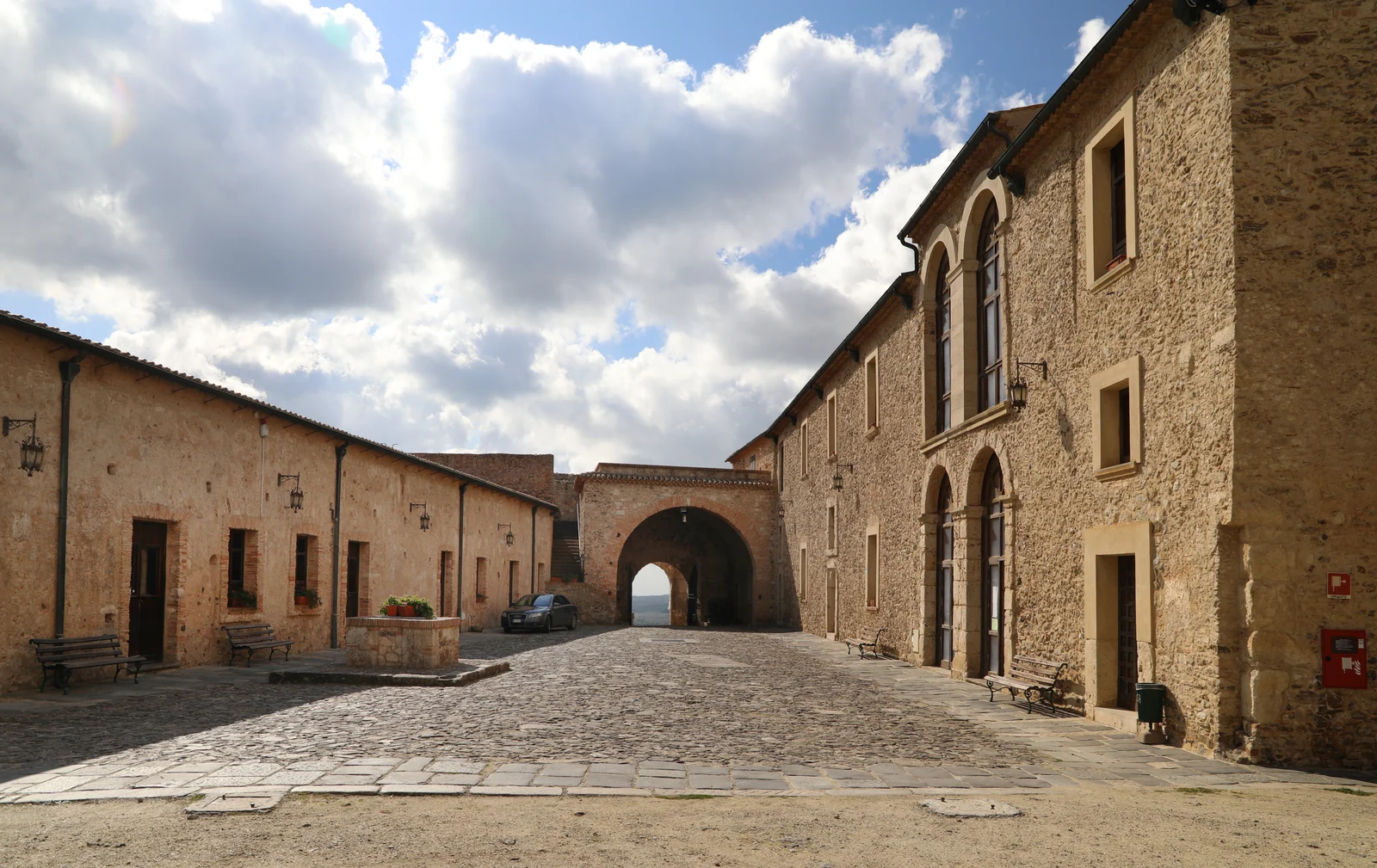
Photo: Sailko / Wikimedia Commons — CC BY-SA 4.0 · Resized and converted to WebP.
What to see
The Norman-Swabian castle commands the centre from the top of the hill. The sources date its origin differently: Treccani recalls the castle built by Roger de Hauteville in 1056, while the Ministry of Culture says it was wanted by Frederick II of Swabia in the 13th century. Since 1995 it has housed the "Vito Capialbi" National Archaeological Museum, founded in 1969 and named after the scholar who first gathered the town's antiquities. There are the votive offerings of the Greek sanctuaries, with the rare bronze weapons from the Scrimbia site; the Greek necropolis, with the grave goods of tomb 19 and its gold leaf inscribed with an Orphic text; and the Roman town, with the portrait of Marcus Agrippa.
The cathedral of Santa Maria Maggiore and San Leoluca, in Piazza San Leoluca, was built between 1680 and 1723 to a design by Francesco Antonio Curatoli, on the remains of an older basilica; the 1783 earthquake damaged the dome, which was demolished. It has a Baroque façade with two bell towers and bronze doors by Giuseppe Niglia that tell the town's history; inside are the Madonna della Neve on the high altar and the marble triptych by Antonello Gagini, of 1523-1524. Next to it, the Valentianum is the former convent of San Domenico, of 1455, rebuilt in 1543 at the behest of Ettore Pignatelli: the cloister and part of the church, now an auditorium, remain.
Palazzo Gagliardi, designed by Giovan Battista Vinci at the end of the 18th century, hosted Garibaldi in 1860, as the plaque on its façade recalls. Of Greek Hipponion there remain stretches of the great walls of the 6th and 5th centuries BC, with some towers, uncovered by Paolo Orsi in 1921 for about 500 metres; in the Parco delle Rimembranze, formerly the Belvedere-Telegrafo, are the remains of a Doric temple.
Sources: Treccani, Enciclopedia on line — Vibo Valentia · Ministero della Cultura, Direzione regionale Musei nazionali Calabria — Museo archeologico nazionale «Vito Capialbi» · Comune di Vibo Valentia — Guida turistica di Vibo Valentia (eGuide, Consorzio Turistico Calabria Vigorosa, 2020) · Calabria Straordinaria (portale turistico ufficiale della Regione Calabria) — Chiesa di Santa Maria Maggiore e San Leoluca · Comune di Vibo Valentia — Turismo · Treccani, Enciclopedia Italiana (1937) — Vibo Valentia · Calabria Straordinaria (portale turistico ufficiale della Regione Calabria) — Complesso del Valentianum · Calabria Straordinaria (portale turistico ufficiale della Regione Calabria) — Palazzo Gagliardi
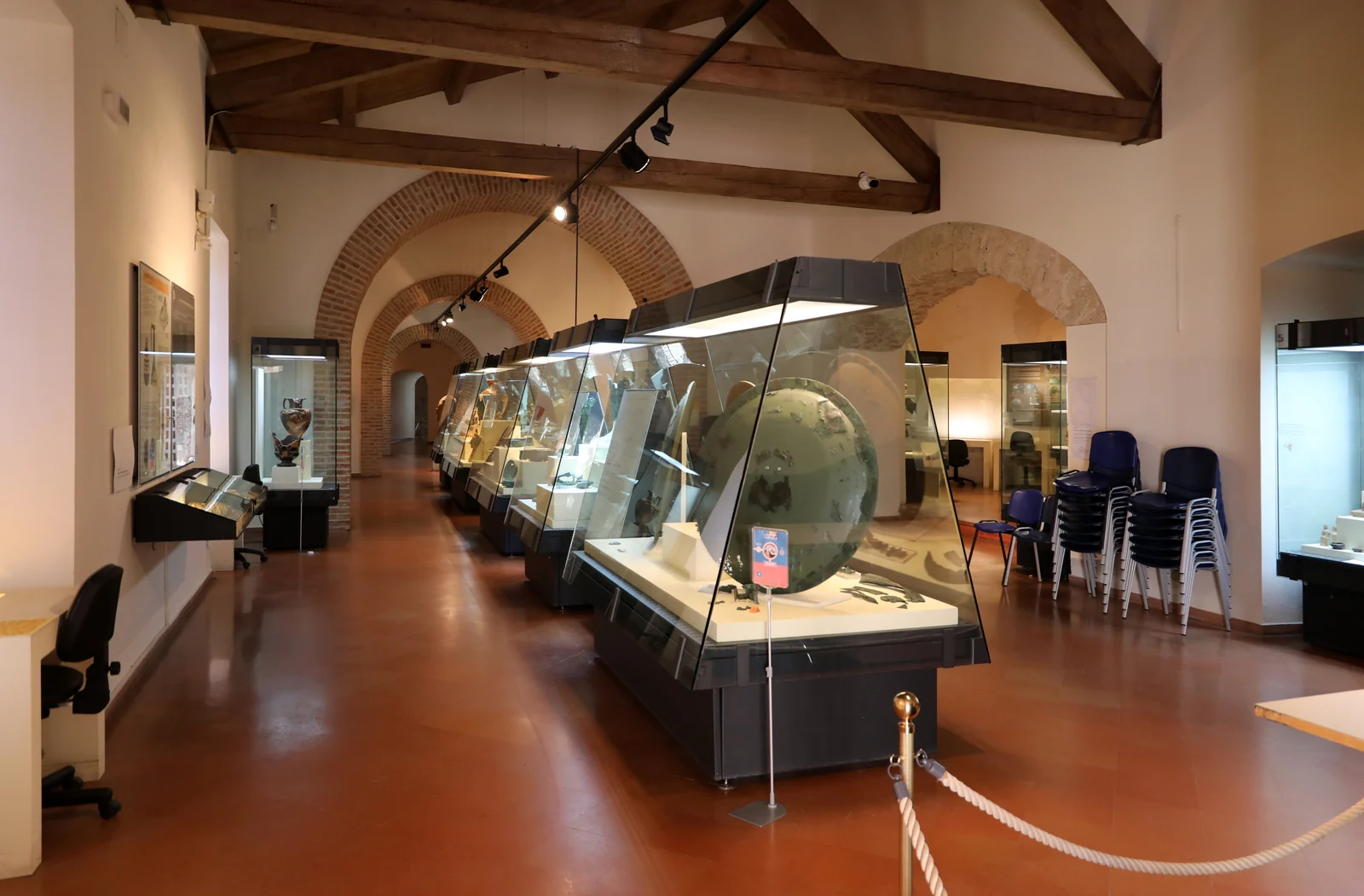
Photo: Sailko / Wikimedia Commons — CC BY-SA 4.0 · Resized and converted to WebP.
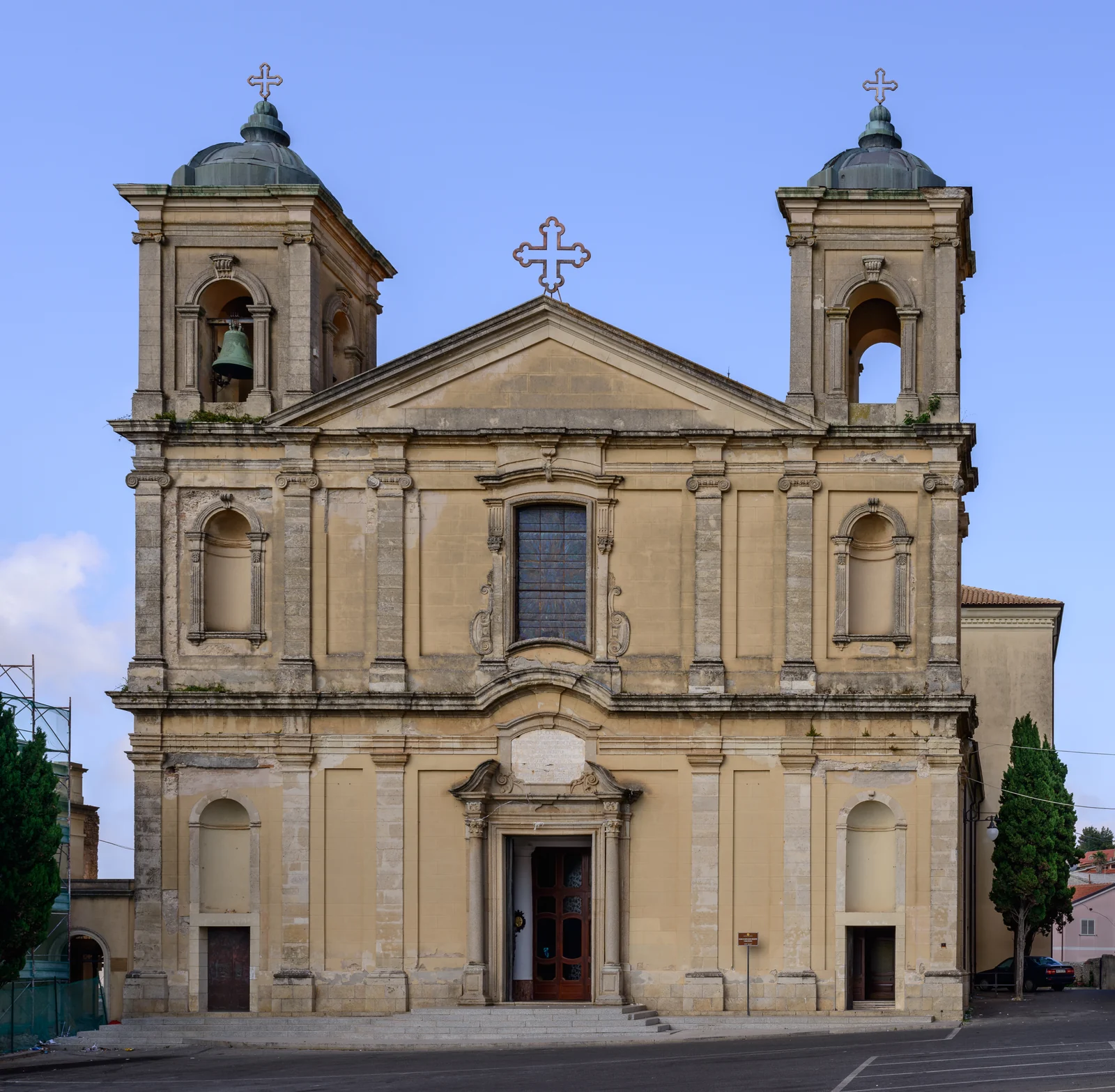
Photo: Norbert Nagel / Wikimedia Commons — CC BY-SA 3.0 · Resized and converted to WebP.
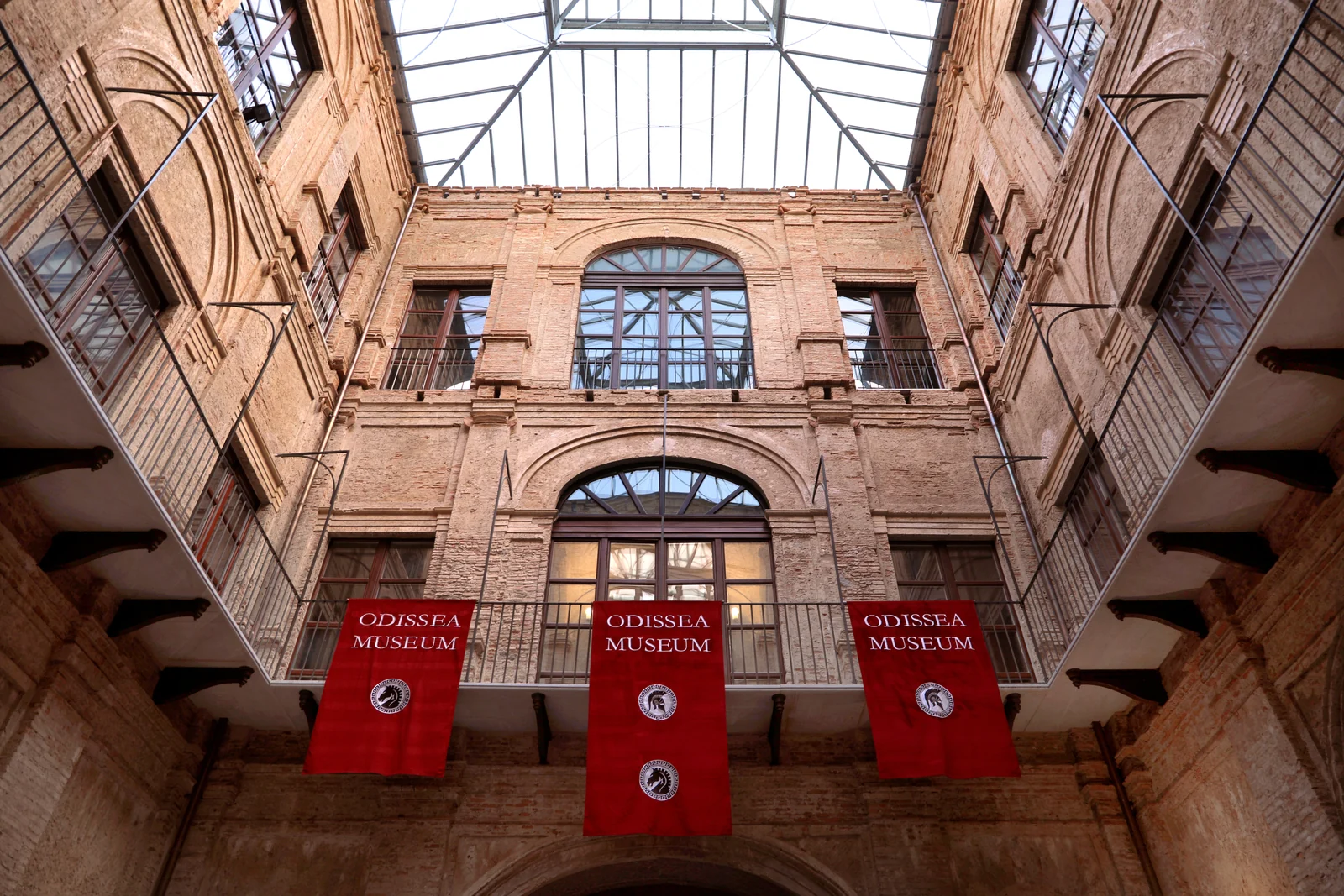
Photo: Sailko / Wikimedia Commons — CC BY 3.0 · Resized and converted to WebP.
Flavours
Vibo cooking, the municipality writes, has a strong taste, with plenty of chilli. The typical dish is fileja, home-made pasta rolled around a thin iron rod and dressed with meat ragù; the municipality's guide also suggests it with 'nduja or with Tropea red onion.
From Monte Poro comes Pecorino del Monte Poro PDO, made from whole raw sheep's milk: it comes fresh, from 20 to 60 days, semi-mature up to six months and mature from six to 24 months, and the mature cheese may be rubbed with extra virgin olive oil and chilli, which give the rind a reddish colour. The area also produces 'nduja, a spicy cured sausage made around Capo Vaticano, the Cipolla Rossa di Tropea Calabria PGI and, among wines, Zibibbo, a white from Pizzo and Briatico. Pizzo is the home of the Tartufo, the ice cream with a heart of melted chocolate.
Sources: Comune di Vibo Valentia — Turismo · Comune di Vibo Valentia — Guida turistica di Vibo Valentia (eGuide, Consorzio Turistico Calabria Vigorosa, 2020) · Regione Calabria, ARSAC — DOP, IGP e PAT: i prodotti DOP e IGP della Calabria · Calabria Straordinaria (portale turistico ufficiale della Regione Calabria) — Pizzo
Things to do
A day in Vibo starts at the top, at the castle and the museum, and goes down through the streets of the centre to the cathedral, the Valentianum and Palazzo Gagliardi. The Ministry of Tourism's portal recommends the Belvedere Grande, with a view that reaches from Capo Palinuro to Messina.
Vibo was Italian Capital of the Book in 2021, and Palazzo Gagliardi hosts the Leggere&Scrivere festival, which the municipality's guide places every year in October. The Teatro Comunale, reopened in December 2025 after refurbishment, has a season with national performers and Calabrian companies; in autumn 2026 it is among the theatres of the regional project "Calabria Teatri in Città".
Mini-cruises to the Aeolian Islands leave from the port of Vibo Marina. Behind the town, Monte Poro is explored on foot: the regional portal describes the path that climbs from the sea at Joppolo for almost 10 kilometres to the summit, with about 700 metres of ascent, where the sanctuary of the Madonna del Carmelo stands.
Sources: Italia.it (Ministero del Turismo) — Vibo Valentia · Treccani, Enciclopedia on line — Vibo Valentia · Calabria Straordinaria (portale turistico ufficiale della Regione Calabria) — Palazzo Gagliardi · Comune di Vibo Valentia — Guida turistica di Vibo Valentia (eGuide, Consorzio Turistico Calabria Vigorosa, 2020) · Calabria Straordinaria (portale turistico ufficiale della Regione Calabria) — Stagione teatrale al Teatro Comunale di Vibo Valentia (2026) · Calabria Straordinaria (portale turistico ufficiale della Regione Calabria) — Vibo Valentia · Calabria Straordinaria (portale turistico ufficiale della Regione Calabria) — Trekking panoramico sul Monte Poro
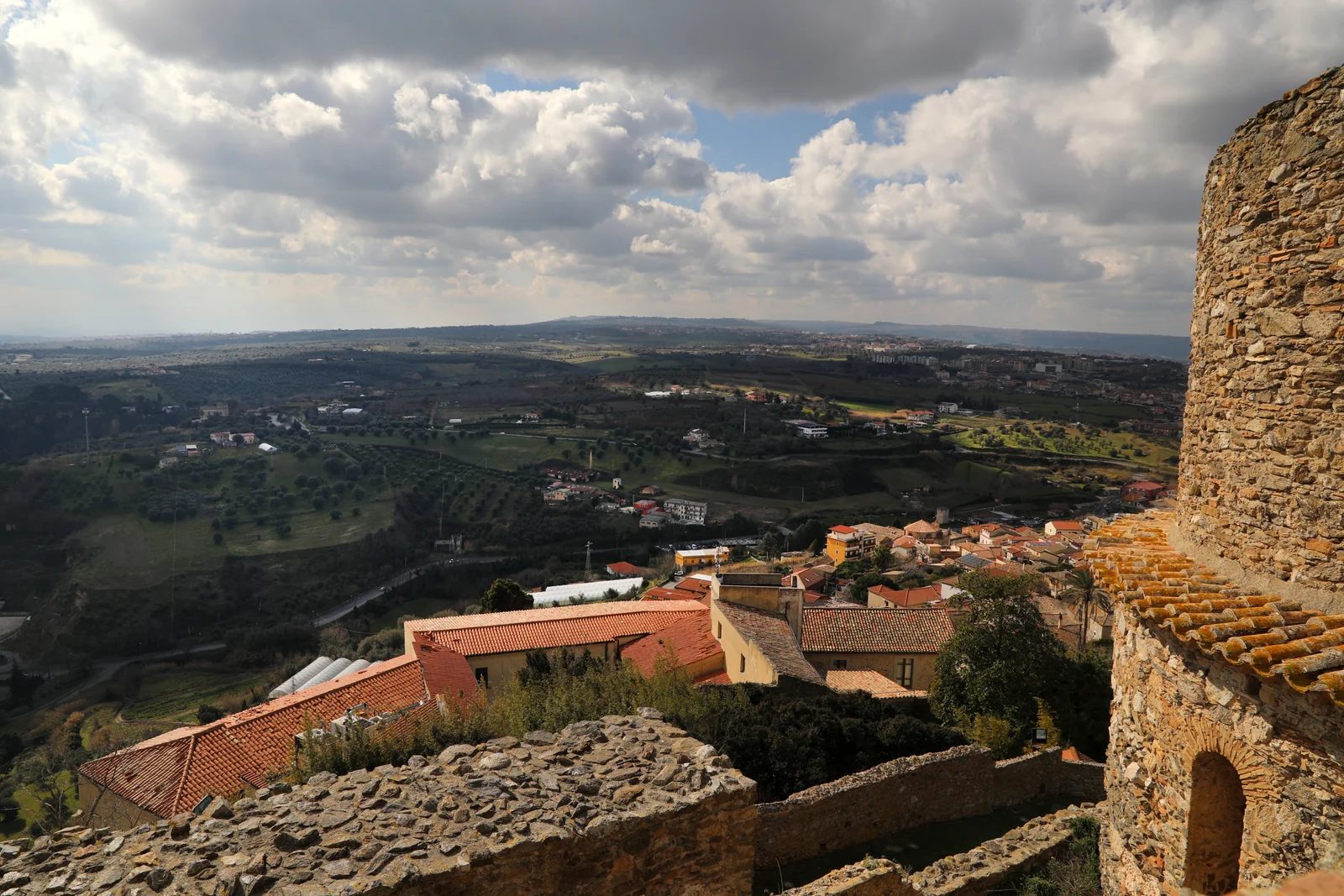
Photo: Sailko / Wikimedia Commons — CC BY-SA 4.0 · Resized and converted to WebP.
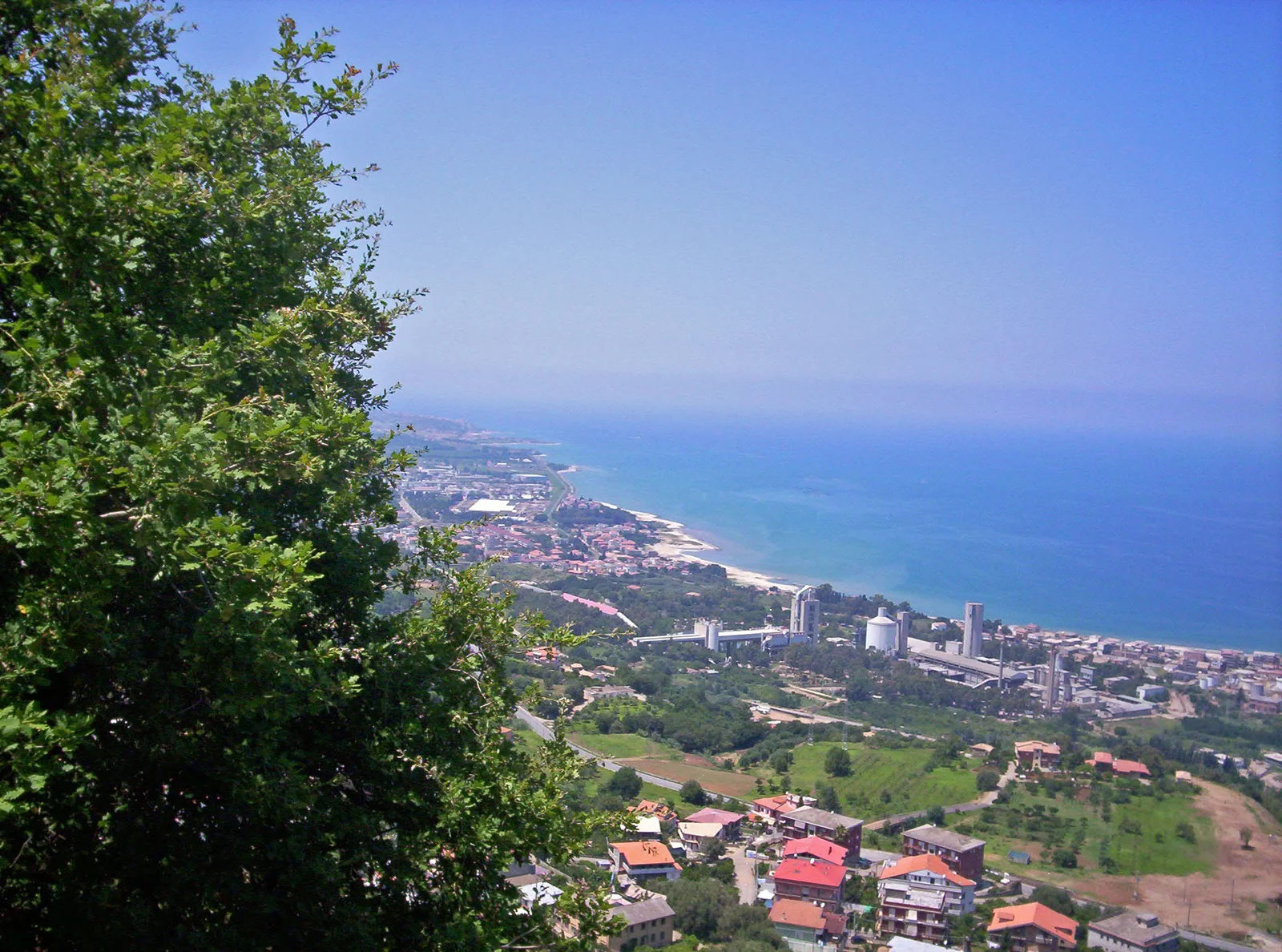
Photo: ANTONIO DAZZETTI / Wikimedia Commons — CC BY 3.0 · Resized and converted to WebP.
When to go
Vibo can be visited all year. On Easter Sunday the old town lives the Affruntata, along Corso Vittorio Emanuele: the meeting between the Madonna and the risen Christ, organised by the Archconfraternity of the Rosary, with origins linked to the Dominican convent. The awaited moment is the "sbilamèntu", when the Madonna drops her black mourning veil and appears in a blue dress.
In October there is the Leggere&Scrivere festival; in autumn the Teatro Comunale season and, in November 2026, a programme of events between the theatre, Palazzo Gagliardi and the Valentianum auditorium, with the return of Vibo Comics. In summer people head for the sea at Vibo Marina and on the Costa degli Dei. Each year's programmes are published on the websites of the municipality and the Region.
Sources: Calabria Straordinaria (portale turistico ufficiale della Regione Calabria) — Affruntata di Vibo Valentia · Comune di Vibo Valentia — Guida turistica di Vibo Valentia (eGuide, Consorzio Turistico Calabria Vigorosa, 2020) · Calabria Straordinaria (portale turistico ufficiale della Regione Calabria) — Stagione teatrale al Teatro Comunale di Vibo Valentia (2026) · Calabria Straordinaria (portale turistico ufficiale della Regione Calabria) — Novembre a Vibo Valentia (2026) · Comune di Vibo Valentia — Turismo · Italia.it (Ministero del Turismo) — Vibo Valentia
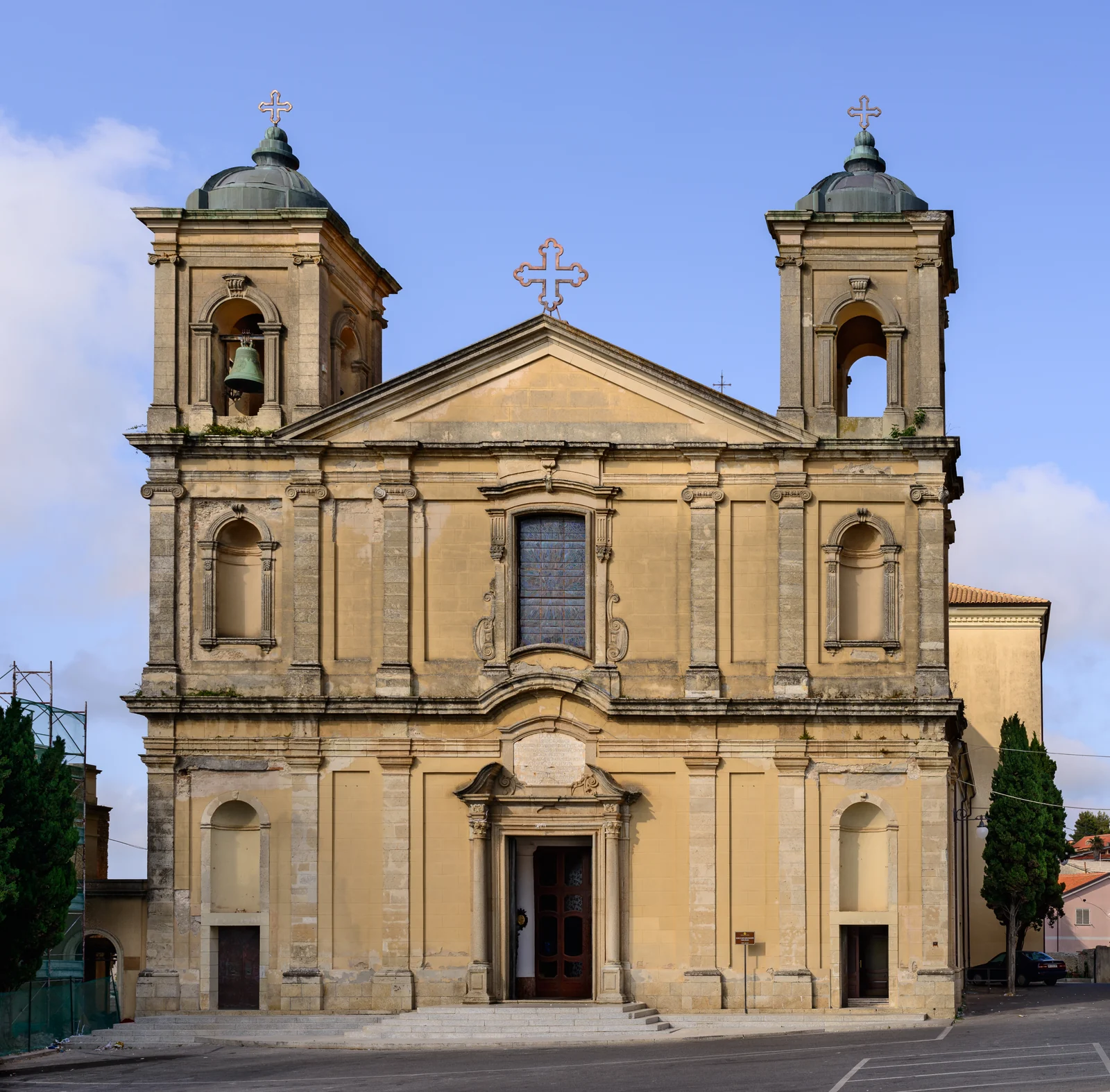
Photo: Norbert Nagel / Wikimedia Commons — CC BY-SA 3.0 · Resized and converted to WebP.
Getting there and around
By train you arrive at Vibo Valentia-Pizzo station, which according to RFI has four passenger platforms and an assistance service for people with disabilities and reduced mobility, which refers to the Sala Blu in Reggio Calabria; there is also Vibo Marina station, with two platforms. Ferrovie della Calabria runs the Vibo Valentia bus station, in Via degli Artigiani, an interchange for the bus lines.
The old town, gathered at the foot of the castle, is explored on foot; for the marina and the Costa degli Dei you need transport. Times and connections change: check them on the operators' websites.
The official website of the Comune di Vibo Valentia, registered in IndicePA, the index of the digital addresses of Italy’s public administrations, is the reference for the town council’s offices, opening hours and news. Its address is listed among the sources of this section.
Sources: RFI — Stazione di Vibo Valentia-Pizzo · RFI — Stazione di Vibo Marina · Ferrovie della Calabria — Autostazioni · Treccani, Enciclopedia on line — Vibo Valentia · Comune di Vibo Valentia, sito istituzionale · IndicePA (AgID), Indice dei domicili digitali delle pubbliche amministrazioni: dataset Enti
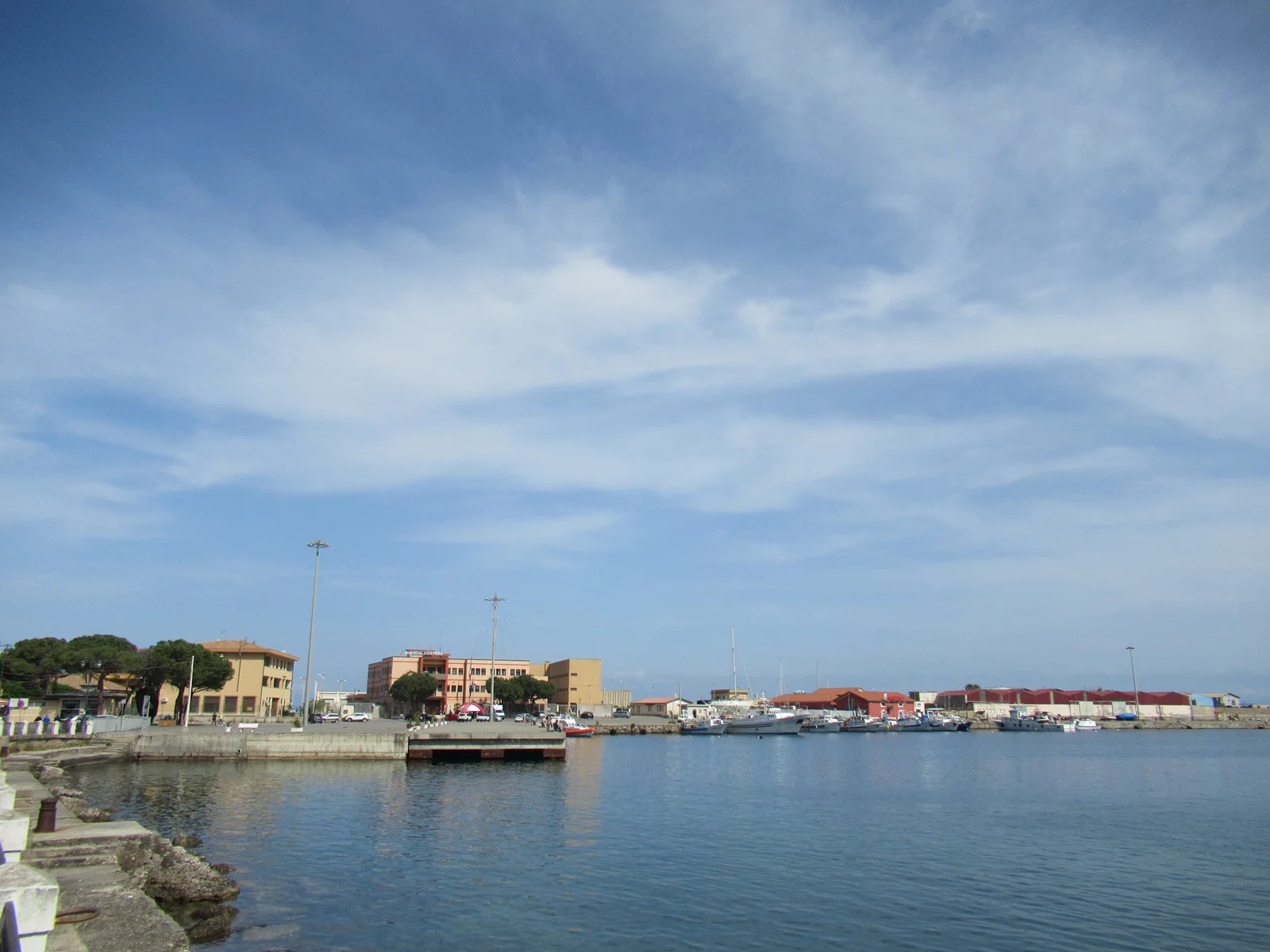
Photo: Superchilum / Wikimedia Commons — CC BY-SA 4.0 · Resized and converted to WebP.
Where to stay
For the town it is best to stay in the centre, at the foot of the castle, from where you can walk to the museum, the cathedral and Palazzo Gagliardi. If you come for the sea you can choose Vibo Marina, on the coast, from where the trips to the Aeolian Islands leave, and move from there to Pizzo and Tropea.
In the Ministry of Tourism’s national database of accommodation (BDSR), on 12 October 2026, Vibo Valentia had 144 establishments with a verified national identification code (CIN): 7 hotel-type establishments, 33 non-hotel establishments and 104 other establishments.
At Easter, for the Affruntata, and in summer demand rises: for those dates it is wise to book in advance.
Sources: Treccani, Enciclopedia on line — Vibo Valentia · Calabria Straordinaria (portale turistico ufficiale della Regione Calabria) — Vibo Valentia · Ministero del Turismo – Banca Dati Strutture Ricettive (dashboard pubblica) · Calabria Straordinaria (portale turistico ufficiale della Regione Calabria) — Affruntata di Vibo Valentia · Comune di Vibo Valentia — Turismo
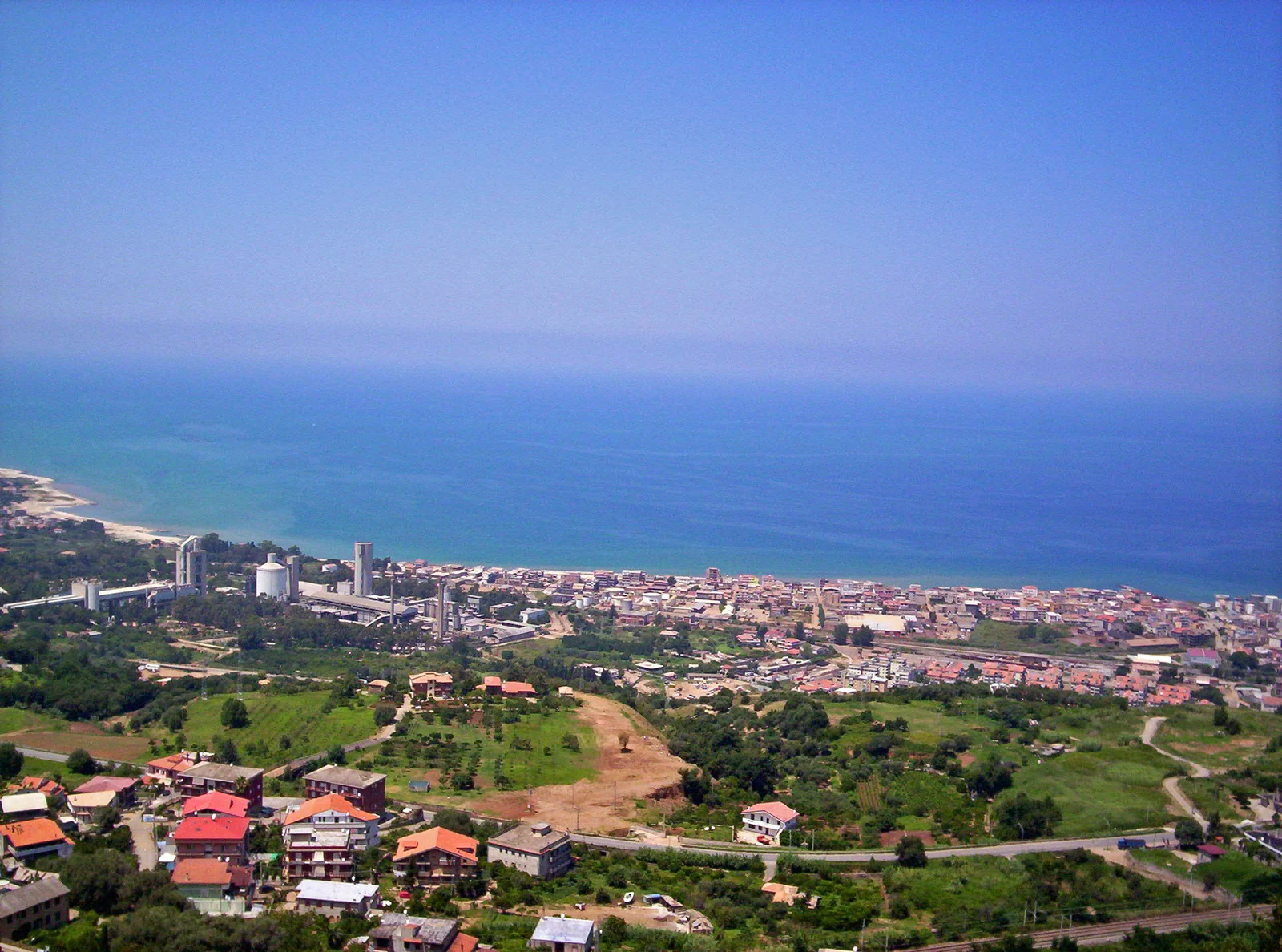
Photo: ANTONIO DAZZETTI / Wikimedia Commons — CC BY 3.0 · Resized and converted to WebP.
Nearby
Among the places Apulica already covers, the nearest is Tropea (about 18 km): straight-line distances between the centres of the municipal territories.
Along the coast, Pizzo has an old town linked to the figure of Joachim Murat, the Aragonese castle and the church of Piedigrotta carved into the tuff; Tropea rises sheer above the sea, with the sanctuary of Santa Maria on top of the rock, and is one of the Most Beautiful Villages in Italy. On the Poro, at Zungri, are the caves of a rock settlement.
Inland, Mileto was the centre of the Norman county of Roger I, who founded the abbey of the Holy Trinity there: the State Museum, in the bishop's palace, keeps the Roman marbles the count reused to decorate it and two 14th-century sarcophagi. The Serre Regional Park covers about 18,000 hectares across the provinces of Catanzaro, Vibo Valentia and Reggio Calabria; at Serra San Bruno is the charterhouse that the Ministry's portal says was founded in 1100.
Sources: ISTAT/Openpolis, confini comunali della regione Calabria (CC BY 4.0, ISTAT/Openpolis) · Calabria Straordinaria (portale turistico ufficiale della Regione Calabria) — Pizzo · Italia.it (Ministero del Turismo) — Vibo Valentia · Calabria Straordinaria (portale turistico ufficiale della Regione Calabria) — Tropea · Calabria Straordinaria (portale turistico ufficiale della Regione Calabria) — Trekking panoramico sul Monte Poro · Ministero della Cultura, Direzione regionale Musei nazionali Calabria — Museo statale di Mileto · Calabria Straordinaria (portale turistico ufficiale della Regione Calabria) — Mileto · Calabria Straordinaria (portale turistico ufficiale della Regione Calabria) — Parco regionale delle Serre
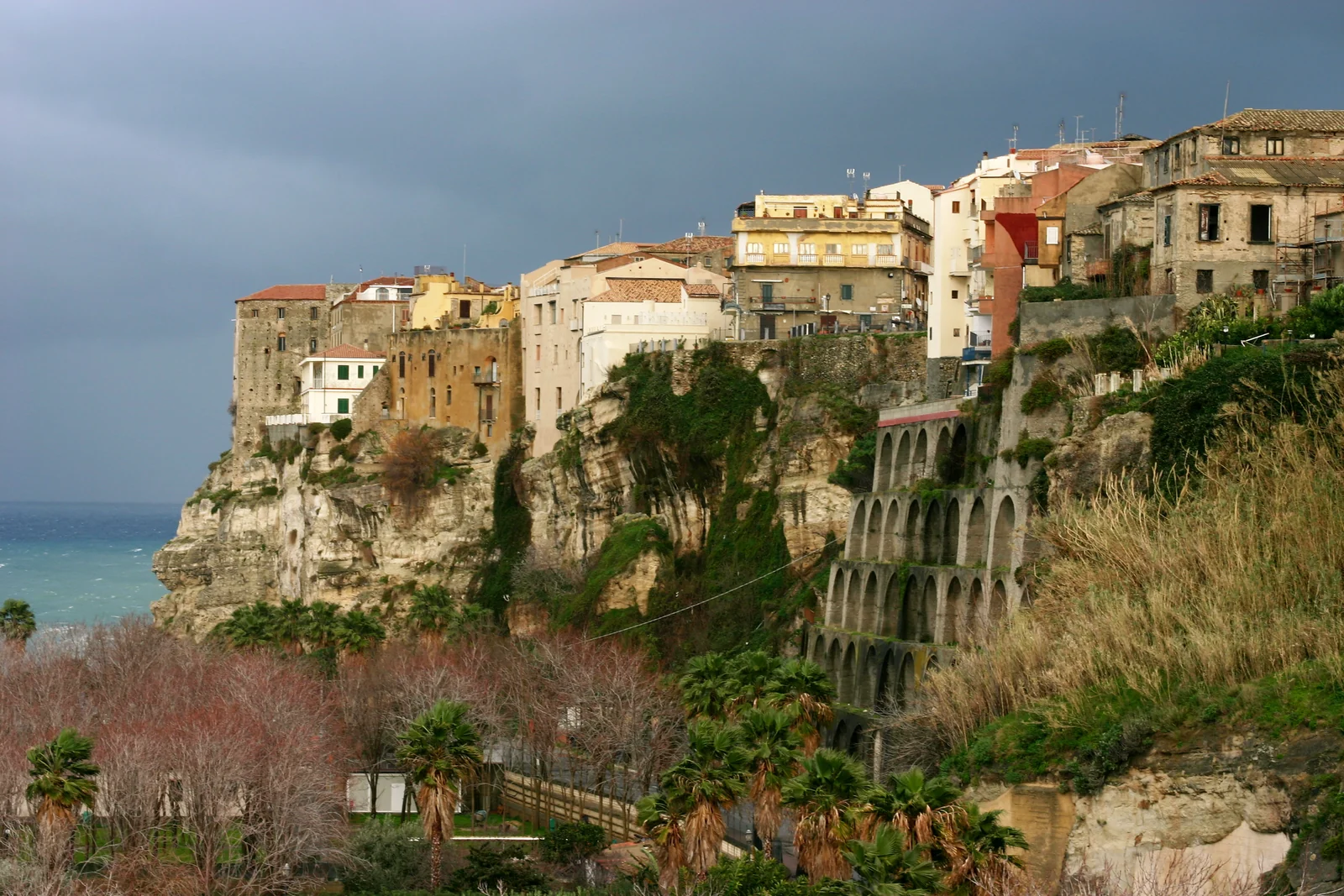
Photo: José Luiz / Wikimedia Commons — CC BY-SA 4.0 · Resized and converted to WebP.
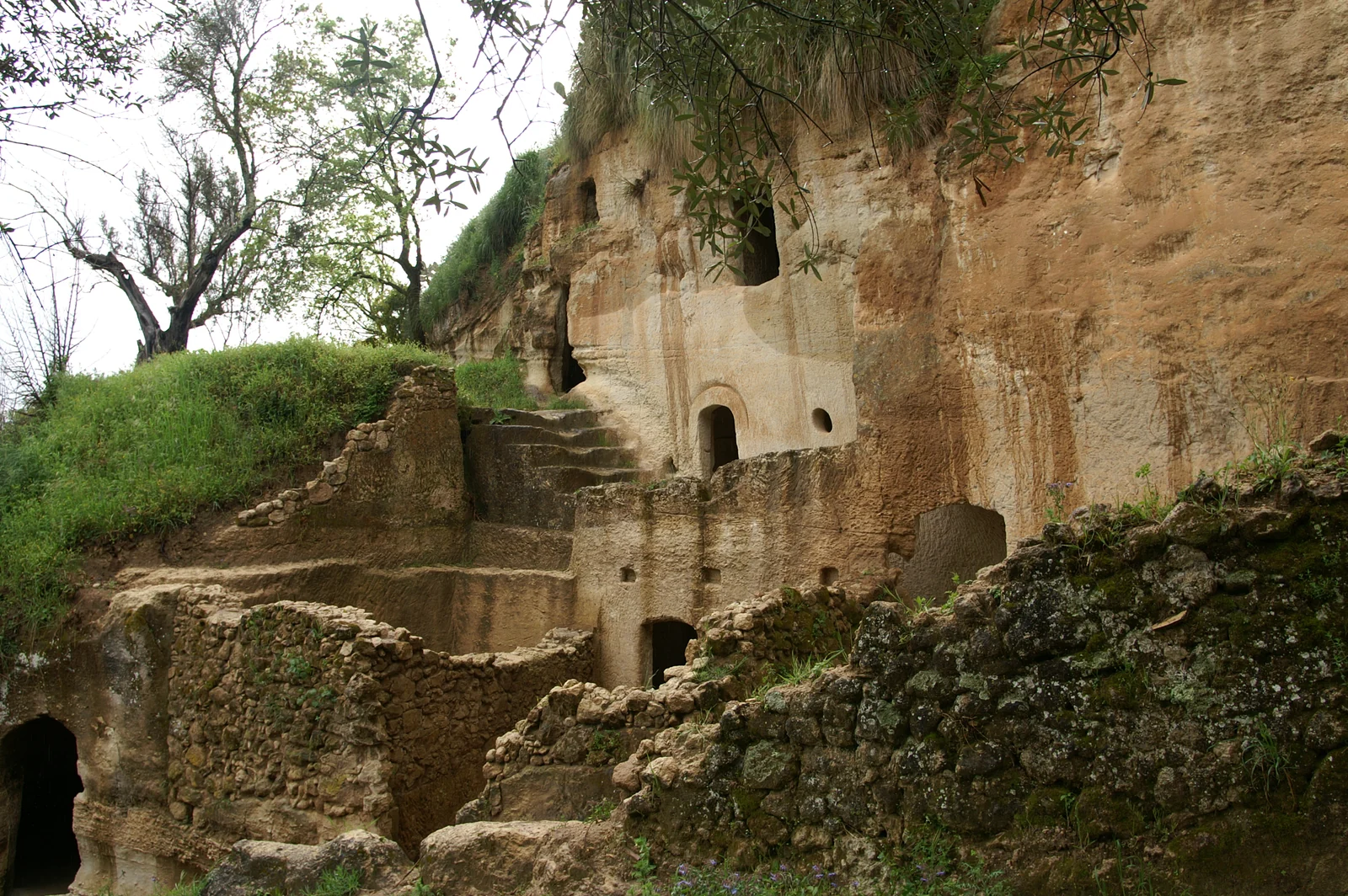
Photo: Mboesch / Wikimedia Commons — CC BY-SA 4.0 · Resized and converted to WebP.
Where to stay
In the municipality of Vibo Valentia the national database of the Ministry of Tourism lists 144 accommodation businesses with a verified CIN code: 7 hotels, 33 other licensed accommodation and 104 other types such as B&Bs and private rentals.
Licensed businesses from the official list of accommodation named as the source in this section. Where the list gives it, the property's official identification code appears next to its name: the national CIN code, or the code assigned by the Region or by the body that keeps the list. Private individuals are not listed. This list is the official census of licensed businesses, not a list of Apulica partners: to stay in Vibo Valentia you do not have to check one property after another yourself; write to Apulica and we look for the stay that suits your journey, checking availability and conditions before any confirmation.
CALA DEL PORTO
Hotel · ★★★★
CIN IT102047A1AQJNKL8J
BAIA DI TRAINITI
Campsite · ★★★
CIN IT102047B1YWX3E3AY
Azienda Scigliano Ivan
Farm stay
Regional agritourism list 2023
A LA MAISON DE GABRY
B&B
CIN IT102047B4Z2AL5ZHH
B&B DI FRANCIA NICOLA
Guest rooms
CIN IT102047B46LL6VAKM
CORAL BLUE
Holiday home
CIN IT102047B4XQP72V9L
HOTEL 501
Hotel · ★★★★
CIN IT102047A1EHJ6JC8Z
LOASI VILLAGGIO CAMPING
Campsite · ★
CIN IT102047B3JT5JOBZJ
ANTICA LOGGIA
B&B
CIN IT102047B46S5JD6ZJ
BLUBAY ROOM
Guest rooms
CIN IT102047B4QZ4F4XAO
First the places that presented themselves to Apulica, the latest first; then one place of each type in turn, by official category and stars, then by name. No position is paid for.
All 37 entries in alphabetical order
Page 1 of 4
| Name | Type | Identification code |
|---|---|---|
| A LA MAISON DE GABRY | B&B | IT102047B4Z2AL5ZHH |
| ANTICA LOGGIA | B&B | IT102047B46S5JD6ZJ |
| Azienda Scigliano Ivan | Farm stay | Regional agritourism list 2023 |
| B&B DA NICOLETTA | B&B | IT102047B4EMBXVYK9 |
| B&B DI FRANCIA NICOLA | Guest rooms | IT102047B46LL6VAKM |
| B&B RESIDENZA VECCHI TEMPI | B&B | IT102047B4KZA2HRKZ |
| B&B VENICE | B&B | IT102047B4TTJRIGKA |
| B & B VIBO IN CENTRO | B&B | IT102047B4K6JDVWAU |
| B&B VICO MERCANTI | B&B | IT102047B46LKZ2OXU |
| B & B VILLA ZUFRò | B&B | IT102047B4ZGZDNC3P |
Ask Apulica for a stay in Vibo Valentia We reply shortly, within a few hours at most, with a proposal for you to consider.
Sources: Ministero del Turismo – Banca Dati Strutture Ricettive (dashboard pubblica), 2026-10-12
YOUR JOURNEY
How to shape a journey here
We can organise a guided visit, from the castle and the Archaeological Museum to the cathedral and the Greek walls, or a few days between the town and the Costa degli Dei, with transfers from the station to Pizzo, Tropea, Mileto and the Serre. For a trip, a guide or a transfer you can write to Apulica with the button below.
Plan your tripKeep exploring
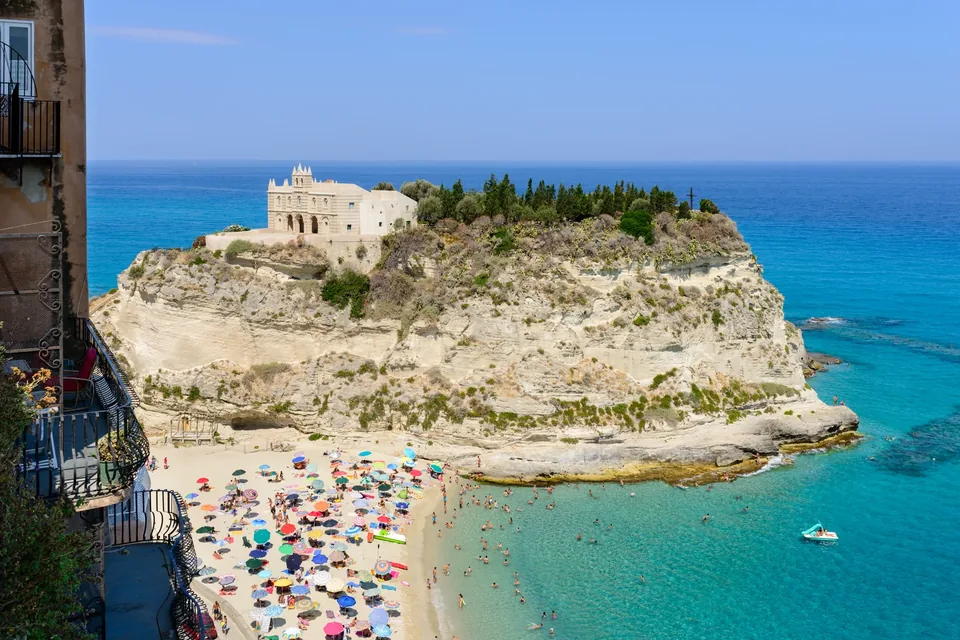
Tropea and Capo Vaticano
The clifftop town, the Tropea onion and the Capo Vaticano headland along the Costa degli Dei, on Calabria’s Tyrrhenian coast.
Read the guide →Photo: Norbert Nagel / Wikimedia Commons — CC BY-SA 3.0 · Resized and converted to WebP.

Pizzo
Pizzo (VV), Calabria: 8,744 residents, 22.76 km². The official facts of the municipality, its town council website and its registered accommodation. The Aragonese castle where Joachim Murat was shot, the little church of Piedigrotta carved out of the tuff by the sea, the Tartufo di Pizzo ice cream and the beaches of the Costa degli Dei.
Read the guide →Photo: Benjamin Smith / Wikimedia Commons — CC BY-SA 4.0 · Resized and converted to WebP.

“Come to Vibo Valentia as a guest, not as a tourist: that is how these places truly let you know them.”