

Why go
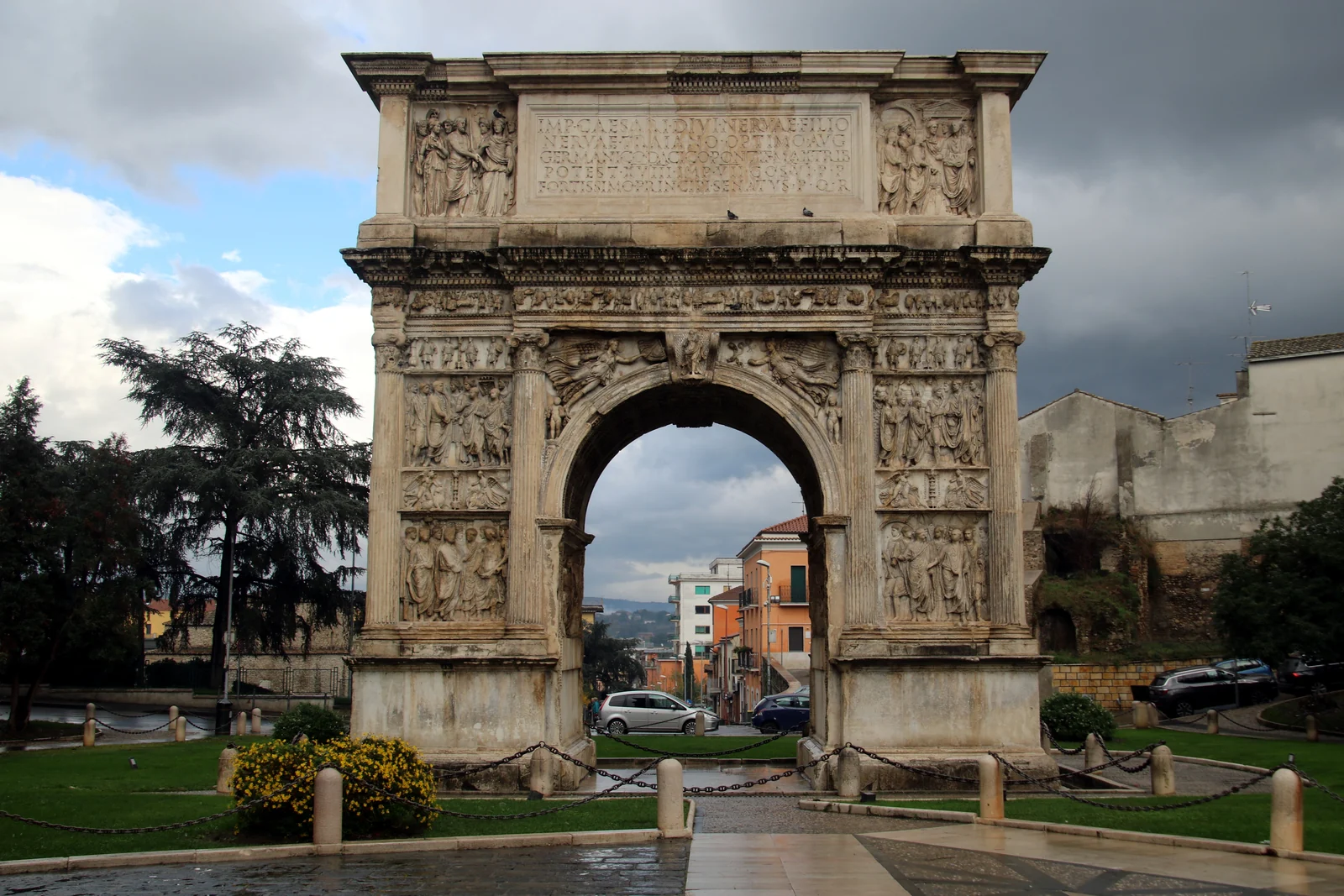
Benevento is the city the Lombards made their capital. They founded a duchy here in 571 and, under Arechis II, turned it into a principality: the star-shaped church of Santa Sofia and its cloister have been a World Heritage site since 2011, within the serial site "The Longobards in Italy. Places of power". Before that it had been a Roman colony on the Via Appia, as the Arch of Trajan, the Roman Theatre and the Ponte Leproso still show.
The city is explored on foot. Corso Garibaldi is the axis of the centre: Santa Sofia halfway along, the Rocca dei Rettori at one end, the Arch of Trajan at the end of a short side street. In between are lanes, courtyards, flights of steps and small Baroque palaces, the cathedral rebuilt after the war and Mimmo Paladino's Hortus Conclusus.
Benevento is a municipality in the province of Benevento, in Campania. Its ISTAT code is 062008. It is the capital of the province of Benevento. On 1 January 2025 it had 55,712 residents. The municipal territory covers 130.87 km² and ranges from 84 to 484 metres above sea level; the town hall stands at about 146 metres.
Sources: Associazione Italia Langobardorum, Longobardi in Italia — Benevento · Associazione Italia Langobardorum, Longobardi in Italia — Chiesa di Santa Sofia · Comune di Benevento, Luoghi — Chiostro di Santa Sofia · Comune di Benevento — La Storia · Italia.it (Ministero del Turismo) — Benevento · Arcidiocesi di Benevento — Cattedrale · Comune di Benevento, Luoghi — Hortus Conclusus · ISTAT, Codici statistici delle unità amministrative territoriali: elenco dei comuni al 21 febbraio 2026 · ISTAT, Popolazione residente per età, sesso e stato civile al 1° gennaio 2025 (POSAS) · ISTAT, Principali statistiche geografiche sui comuni: superficie e altimetria al 31 dicembre 2021
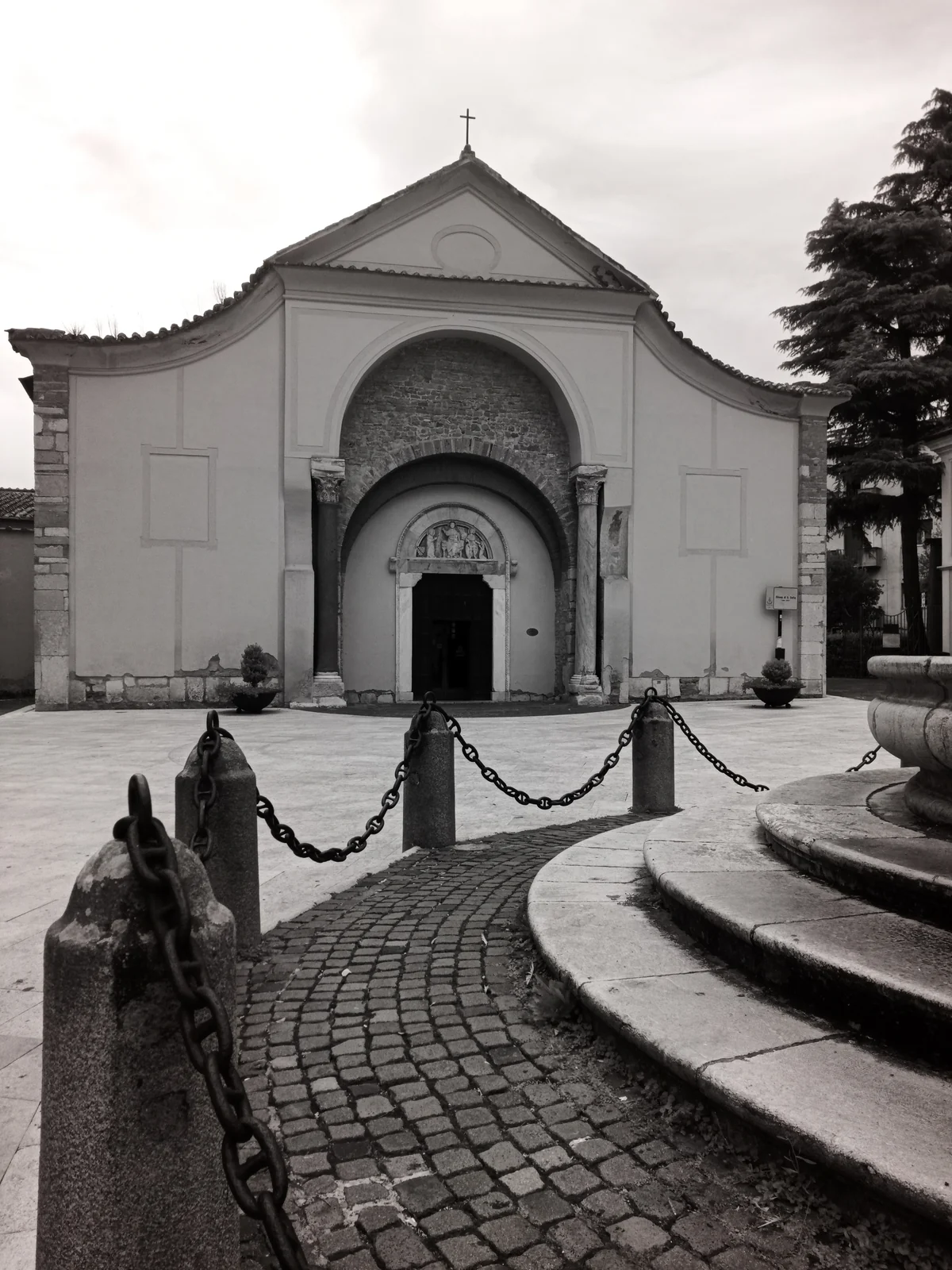
Photo: Palmerino1 / Wikimedia Commons — CC BY-SA 4.0 · Resized and converted to WebP.
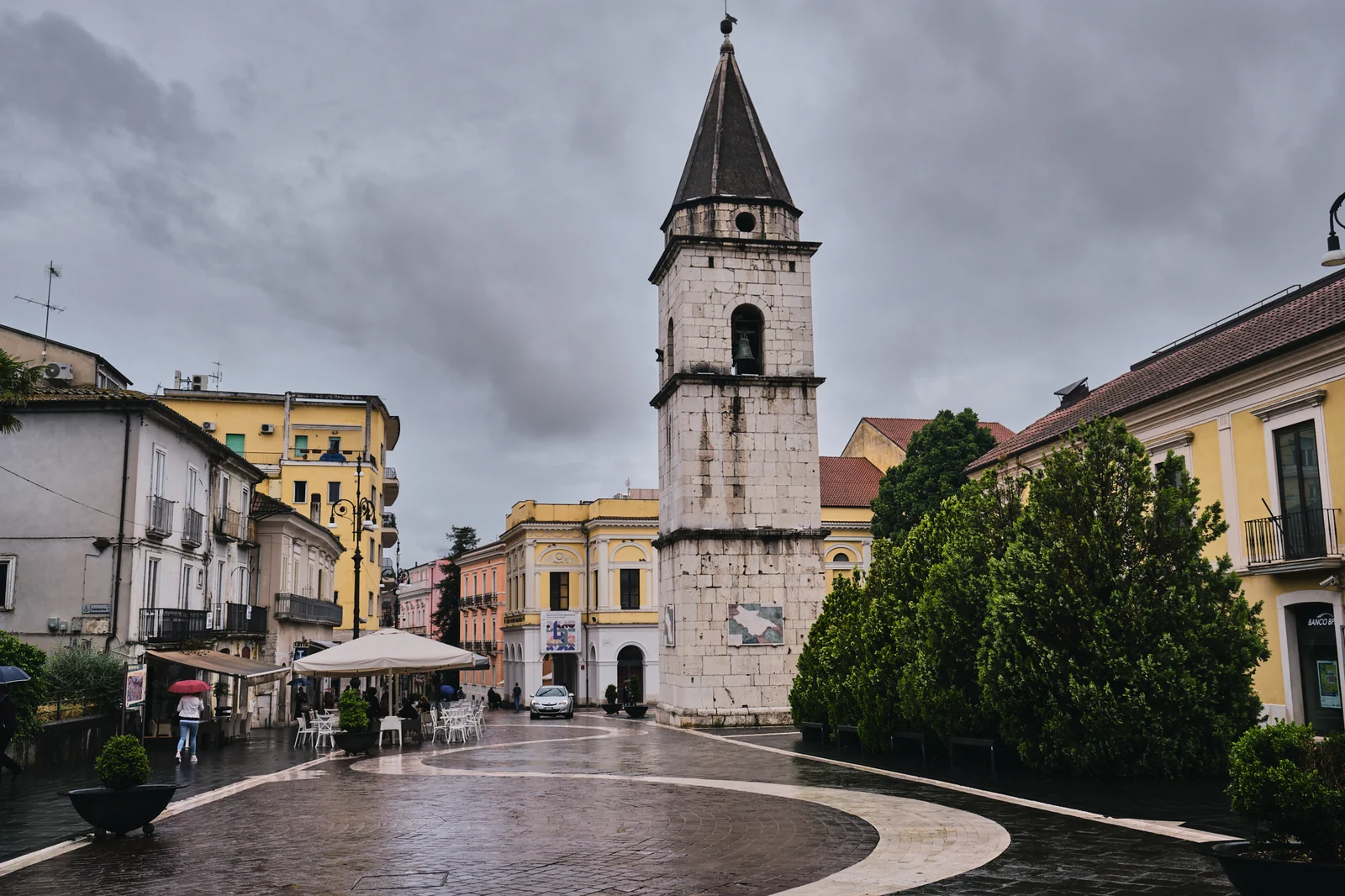
Photo: Angel de los Rios / Wikimedia Commons — CC BY-SA 2.0 · Resized and converted to WebP.
History
The first Samnite settlement lay at Cellarulo, where the Sabato and Calore rivers meet. The town was called Maleventum: the Romans defeated Pyrrhus here in 275 BC and in 268 BC made it a Latin colony, with the auspicious name Beneventum. In imperial times it flourished on the Via Appia, at the point where the road split into two branches, one of which later took the name Via Traiana: the temple of Isis rose under Domitian in AD 88, the Arch of Trajan between 114 and 117, the theatre under Hadrian.
In 571 the Lombards founded the duchy of Benevento. Arechis II, who proclaimed himself prince after the fall of the kingdom of Pavia in 774, made the city a "second Pavia" and built Santa Sofia, already complete in 760, as the national sanctuary of his people; beside it rose a convent entrusted to his sister Gariperga. The city's history traces the legend of the witches, which took shape in the twelfth and thirteenth centuries, to the rites of the early Lombards around a walnut tree, cut down according to tradition by Bishop Barbatus.
In 1077, with the death of the last Lombard prince, papal rule began; it lasted until 1860, with a Napoleonic interlude: in 1806 Benevento became a principality given to Talleyrand. After the revolt that followed the famine of 1316 Pope John XXII had the Rocca dei Rettori built as the new seat of government. On 3 September 1860 Salvatore Rampone ordered the last apostolic delegate to leave the city, and Benevento obtained a province of its own in the new Kingdom.
In 1943 bombing hit the city hard, as a railway junction between Rome and Apulia: the cathedral was destroyed in September of that year and rebuilt after the war.
Sources: Comune di Benevento — La Storia · Associazione Italia Langobardorum, Longobardi in Italia — Benevento · Associazione Italia Langobardorum, Longobardi in Italia — Chiesa di Santa Sofia · Comune di Benevento, Luoghi — Teatro Romano · Arcidiocesi di Benevento — Cattedrale
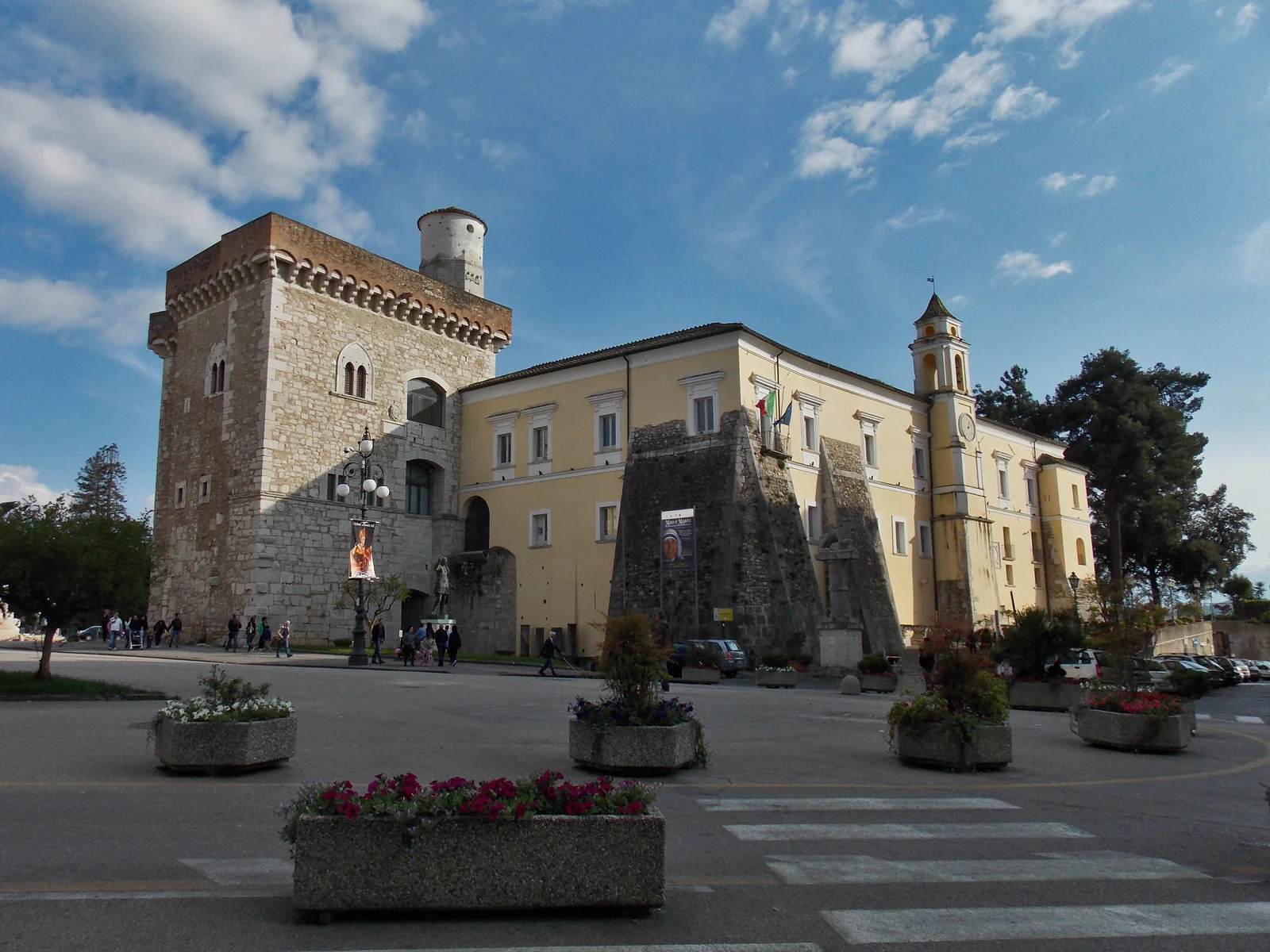
Photo: Antonio De Capua / Wikimedia Commons — CC BY-SA 4.0 · Resized and converted to WebP.
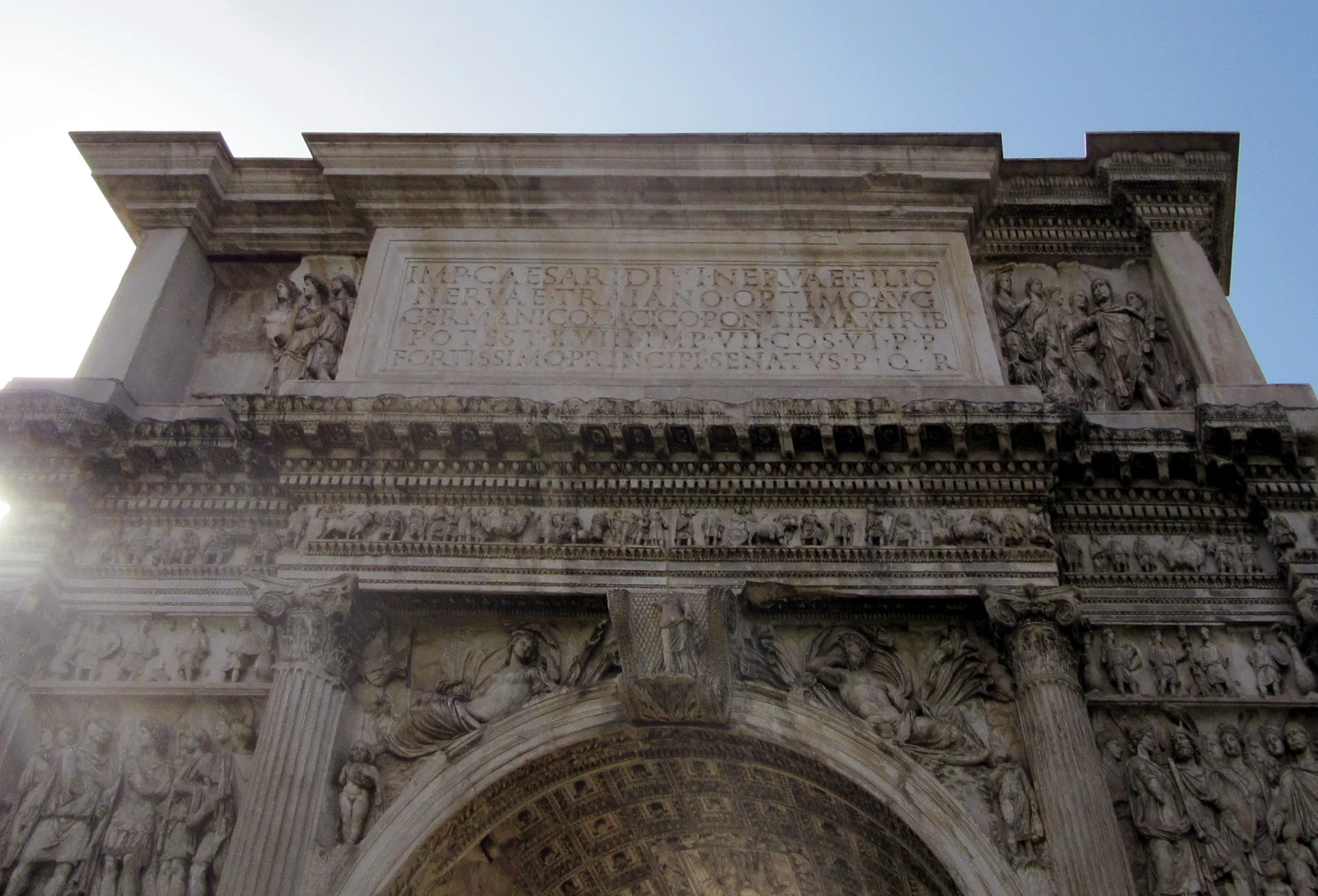
Photo: Gianfranco / Wikimedia Commons — CC BY-SA 4.0 · Resized and converted to WebP.
What to see
Santa Sofia has a rare star-shaped plan: the church fits within a circle of 23.50 metres, with two concentric ambulatories, reused columns with ancient capitals and, in the apses, fragments of eighth-century frescoes showing the Annunciation to Zechariah, the Annunciation and the Visitation. The façade is Baroque, rebuilt after the 1688 earthquake. The cloister, built between 1142 and 1175 by Abbot John IV, has 47 columns of granite, limestone and alabaster, and is now part of the Museo del Sannio, with the finds from the temple of Isis and the Lombard section.
The Roman Theatre, in the western part of the ancient city, has a cavea about 98 metres across, of which the lower order with twenty-five arches survives; some of the masks from the keystones are built into houses of the old town. The Arch of Trajan marked the start of the Via Traiana; the five-arched Ponte Leproso carried the Appia over the Sabato river and was restored by Septimius Severus and Caracalla in 202.
The cathedral keeps inside the Janua Maior, the twelfth-century bronze door broken into fragments in 1943 and reassembled; a copy cast in 2012 stands on the façade. Beneath the floor is the underground route of the Diocesan Museum, with finds from the Samnite age to late antiquity. In the garden of the former convent of San Domenico, the Hortus Conclusus is Mimmo Paladino's open-air installation of 1992, free to enter.
Sources: Associazione Italia Langobardorum, Longobardi in Italia — Chiesa di Santa Sofia · Comune di Benevento, Luoghi — Chiostro di Santa Sofia · Associazione Italia Langobardorum, Longobardi in Italia — Museo del Sannio · Ministero della Cultura, Luoghi della cultura — Teatro romano di Benevento · Comune di Benevento, Luoghi — Teatro Romano · Comune di Benevento — La Storia · Comune di Benevento, Luoghi — Ponte Leproso · Arcidiocesi di Benevento — Cattedrale · Comune di Benevento, Luoghi — Museo Diocesano · Comune di Benevento, Luoghi — Hortus Conclusus · Comune di Benevento, Luoghi — Chiesa di San Domenico
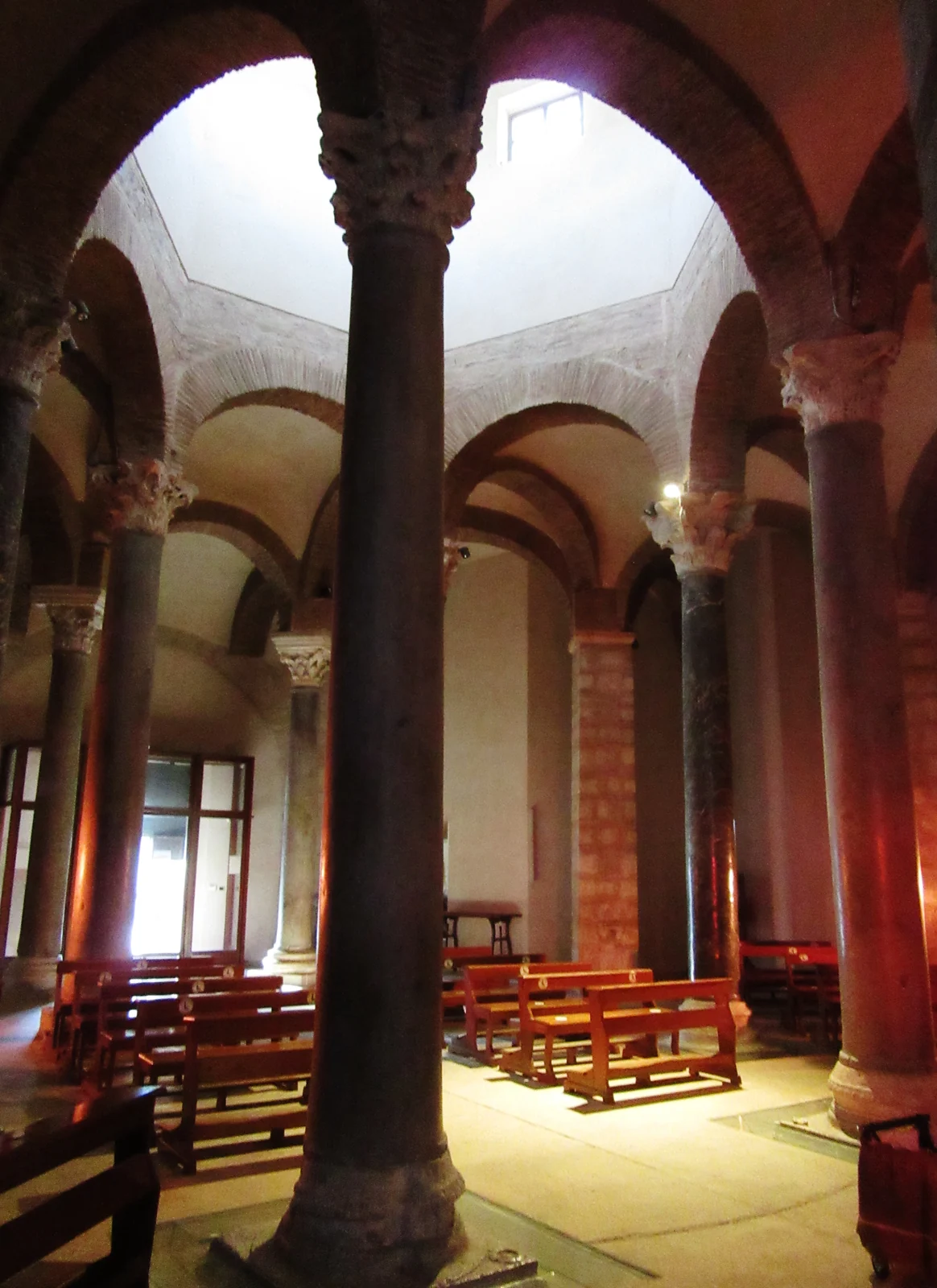
Photo: Paulacastelli / Wikimedia Commons — CC BY-SA 4.0 · Resized and converted to WebP.
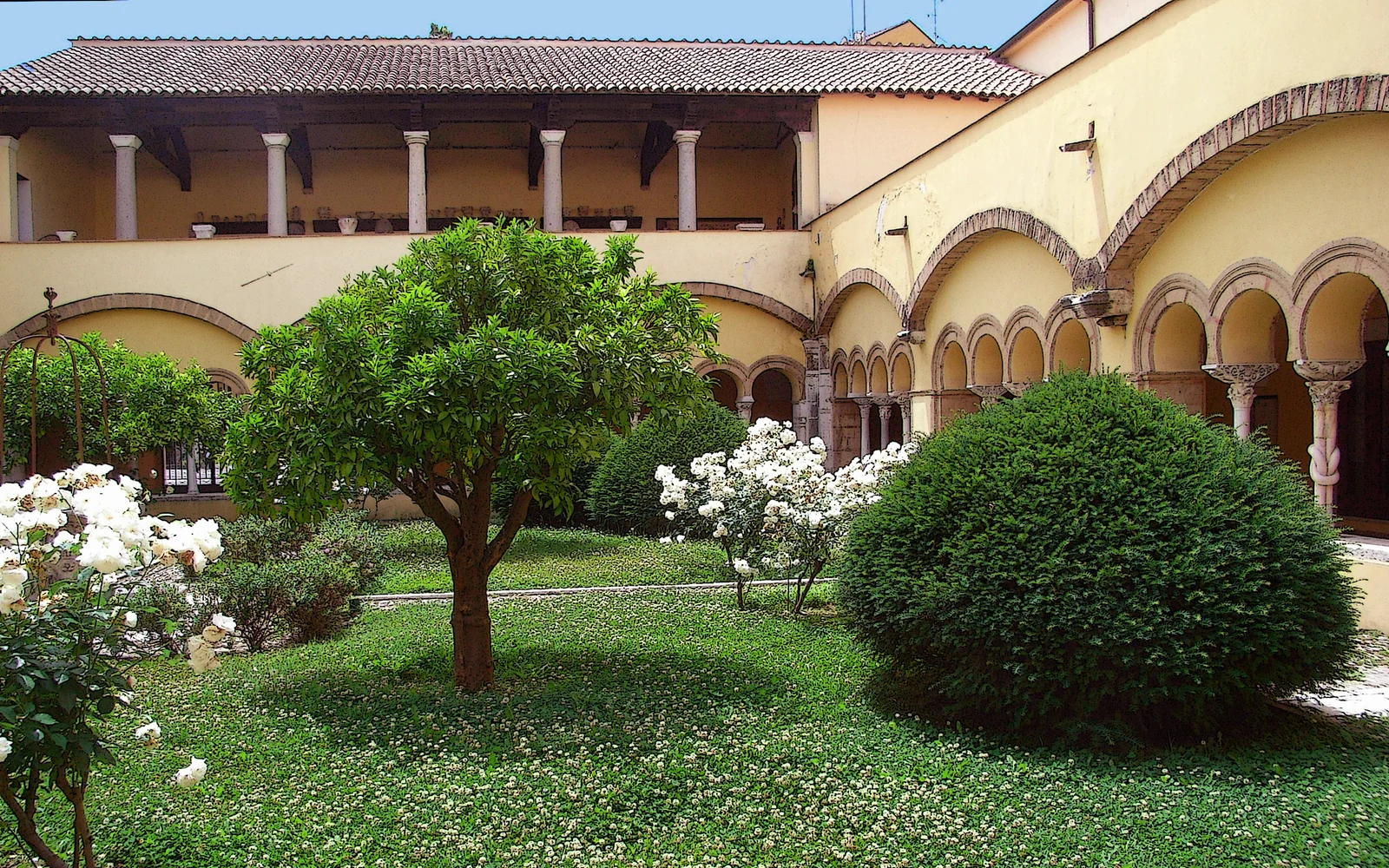
Photo: Enrico Viceconte / Wikimedia Commons — CC BY 2.0 · Resized and converted to WebP.
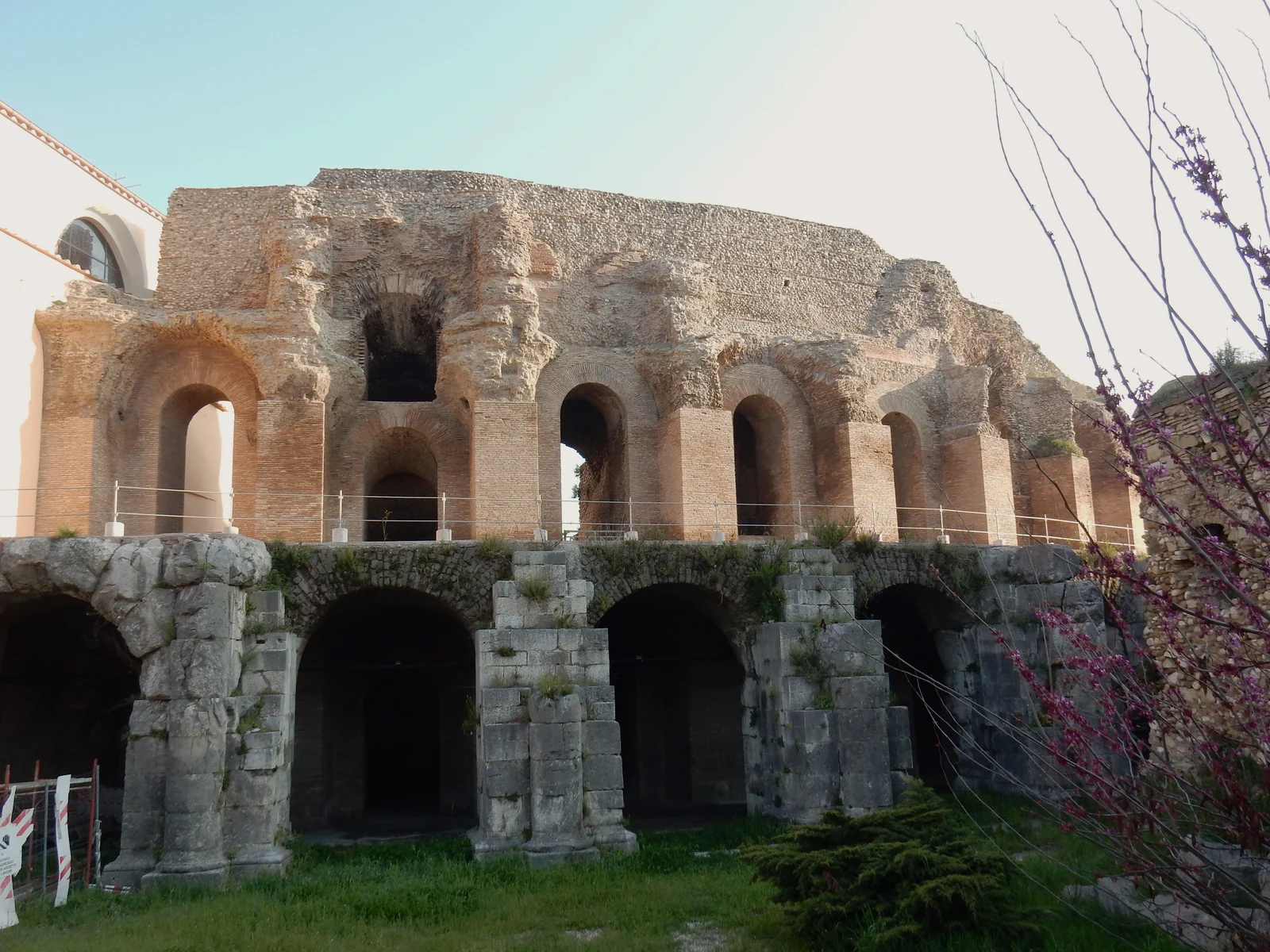
Photo: Lucamato / Wikimedia Commons — CC BY-SA 4.0 · Resized and converted to WebP.
Flavours
The city's ancient name, Maloenton, according to the historian Gianni Vergineo meant a place full of flocks of sheep and goats: the Samnites lived from herding and farming, on the flat, fertile land where the Sabato and the Calore meet. According to the protection consortium, part of the province of Benevento now lies within the area of origin of buffalo mozzarella from Campania, a PDO cheese.
Along Corso Garibaldi, Italia.it notes, is the café with artists' posters on the walls and bottles of the liqueur that is the city's symbol; people talk or study at its tables, since Benevento is also a university town. On the posters Italia.it sees ladies who might be witches, like those of the legend the municipality tells in its history of the city.
Sources: Comune di Benevento — La Storia · Consorzio di tutela Mozzarella di Bufala Campana DOP — Territorio · Italia.it (Ministero del Turismo) — Benevento
Things to do
A walk ties two thousand years together: from the Arch of Trajan you go down Corso Garibaldi to Santa Sofia and the Museo del Sannio, carry on to the cathedral and the Roman Theatre and reach the Ponte Leproso over the Sabato. The Hortus Conclusus, open Tuesday to Sunday, also hosts concerts, talks and performances.
In the evening there is the theatre: the Teatro comunale Vittorio Emanuele, designed in 1850 by Pasquale Francesconi and opened in 1862, is an Italian-style theatre with horseshoe boxes, back to theatre after its years as a cinema. The Fondazione Città Spettacolo also stages its season at the municipal theatre of La Salle.
During the festival at the end of August, Piazza Santa Sofia and Piazza Roma host concerts, and the Rocca dei Rettori and the Museo del Sannio exhibitions, many with free entry.
Sources: Italia.it (Ministero del Turismo) — Benevento · Comune di Benevento, Luoghi — Hortus Conclusus · Comune di Benevento, Luoghi — Teatro Comunale Vittorio Emanuele · Fondazione Città Spettacolo — Festival 2026
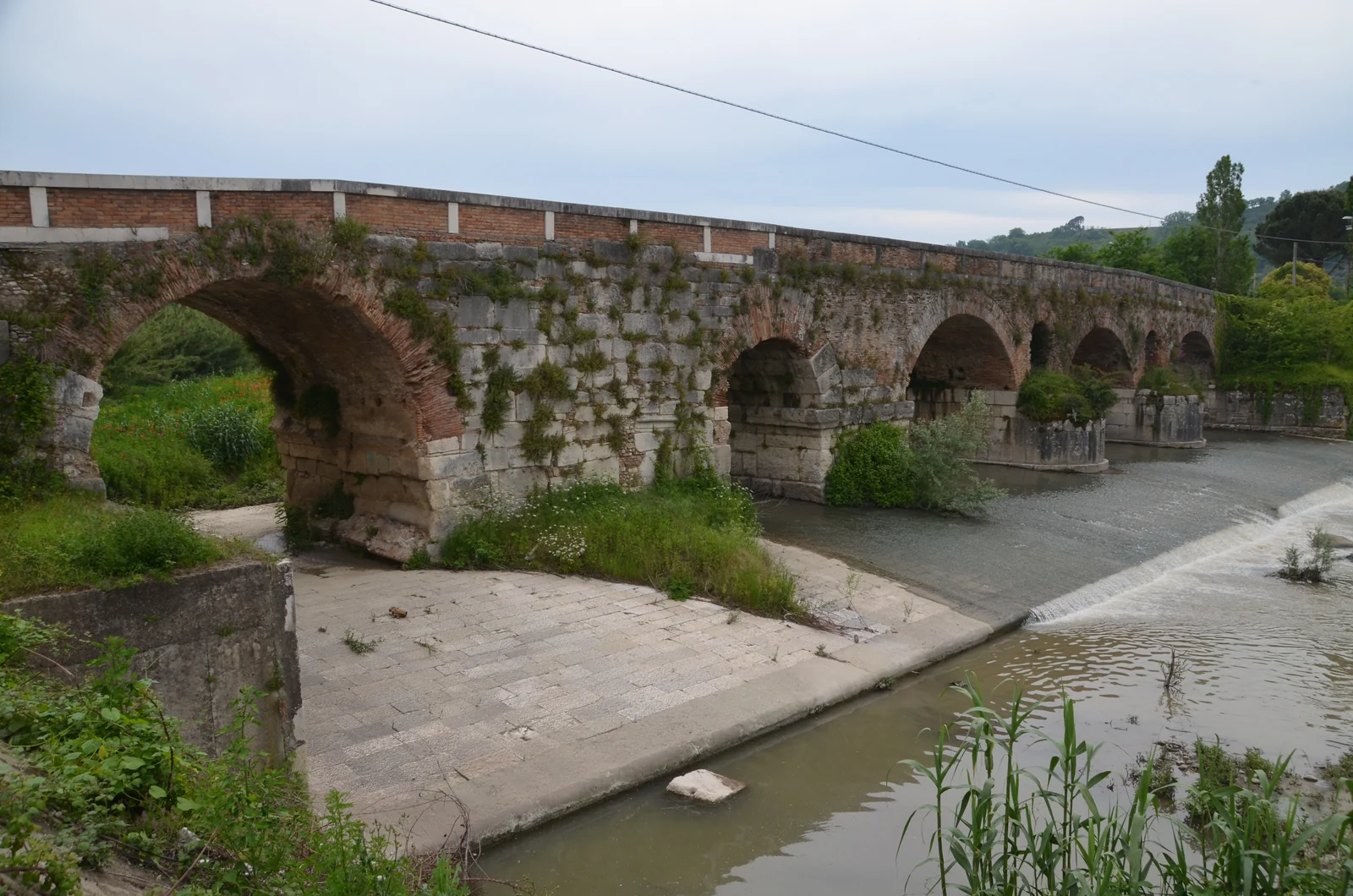
Photo: Carole Raddato / Wikimedia Commons — CC BY-SA 2.0 · Resized and converted to WebP.
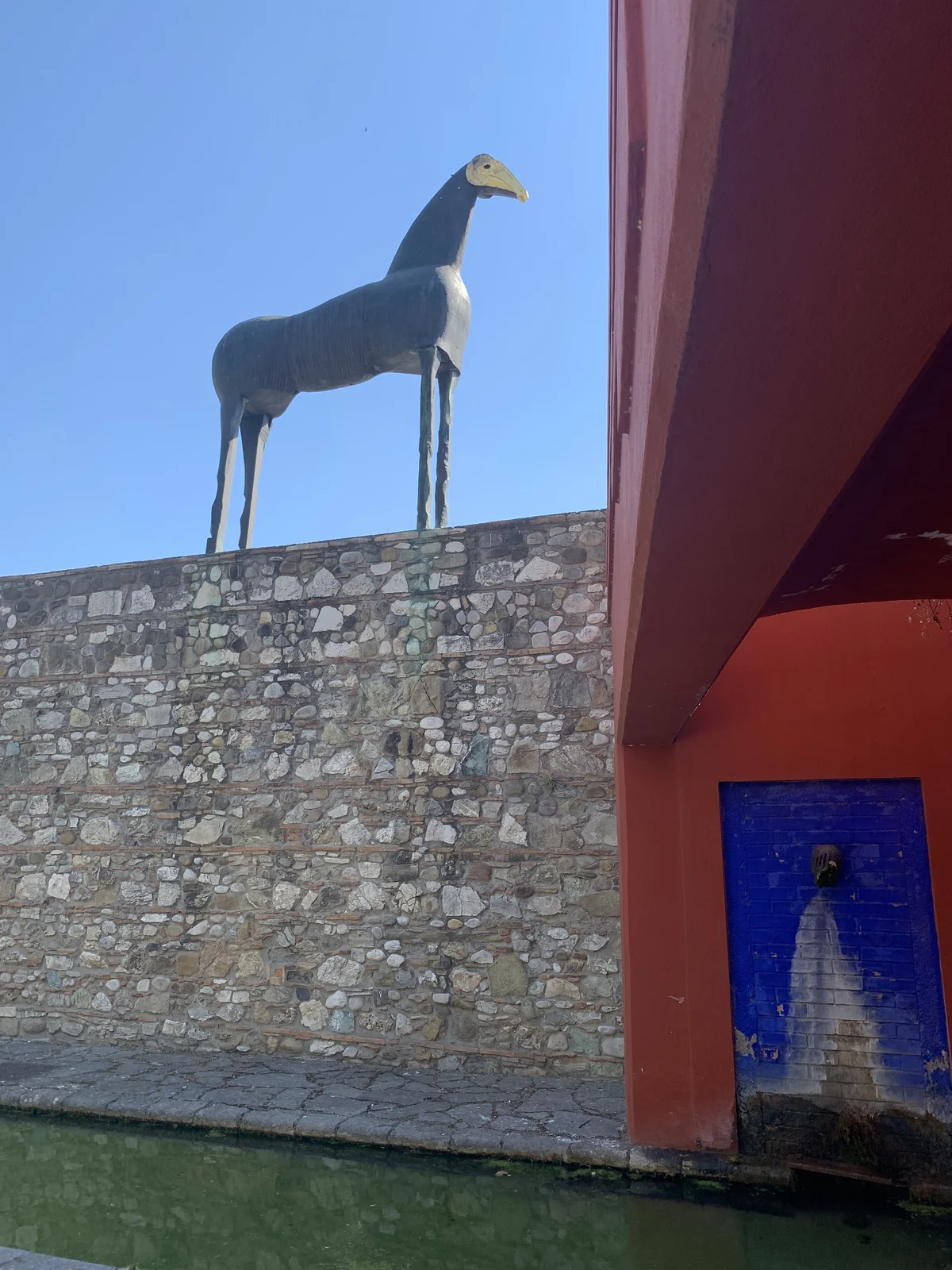
Photo: Davidfragnito / Wikimedia Commons — CC BY-SA 4.0 · Resized and converted to WebP.
When to go
The Roman Theatre opens every day, from 1 November to 15 March from 9 am to 5.40 pm and from 16 March to 31 October until 7.20 pm; the Museo del Sannio is closed on Mondays; Santa Sofia is open every day, morning and afternoon, except during services.
From 21 November 2026 to 10 January 2027 the city holds the eleventh "InCanto di Natale", with lights, music and shows organised by the municipality and the Fondazione Città Spettacolo; it opens on Saturday 21 November in Piazza Risorgimento. At the end of August comes the Benevento Città Spettacolo festival, at its 47th edition in 2026; each year's programme is on the Foundation's website.
Sources: Ministero della Cultura, Luoghi della cultura — Teatro romano di Benevento · Associazione Italia Langobardorum, Longobardi in Italia — Museo del Sannio · Associazione Italia Langobardorum, Longobardi in Italia — Chiesa di Santa Sofia · Fondazione Città Spettacolo — Benevento si illumina con l’XI edizione di «InCanto di Natale» · Fondazione Città Spettacolo — Festival 2026
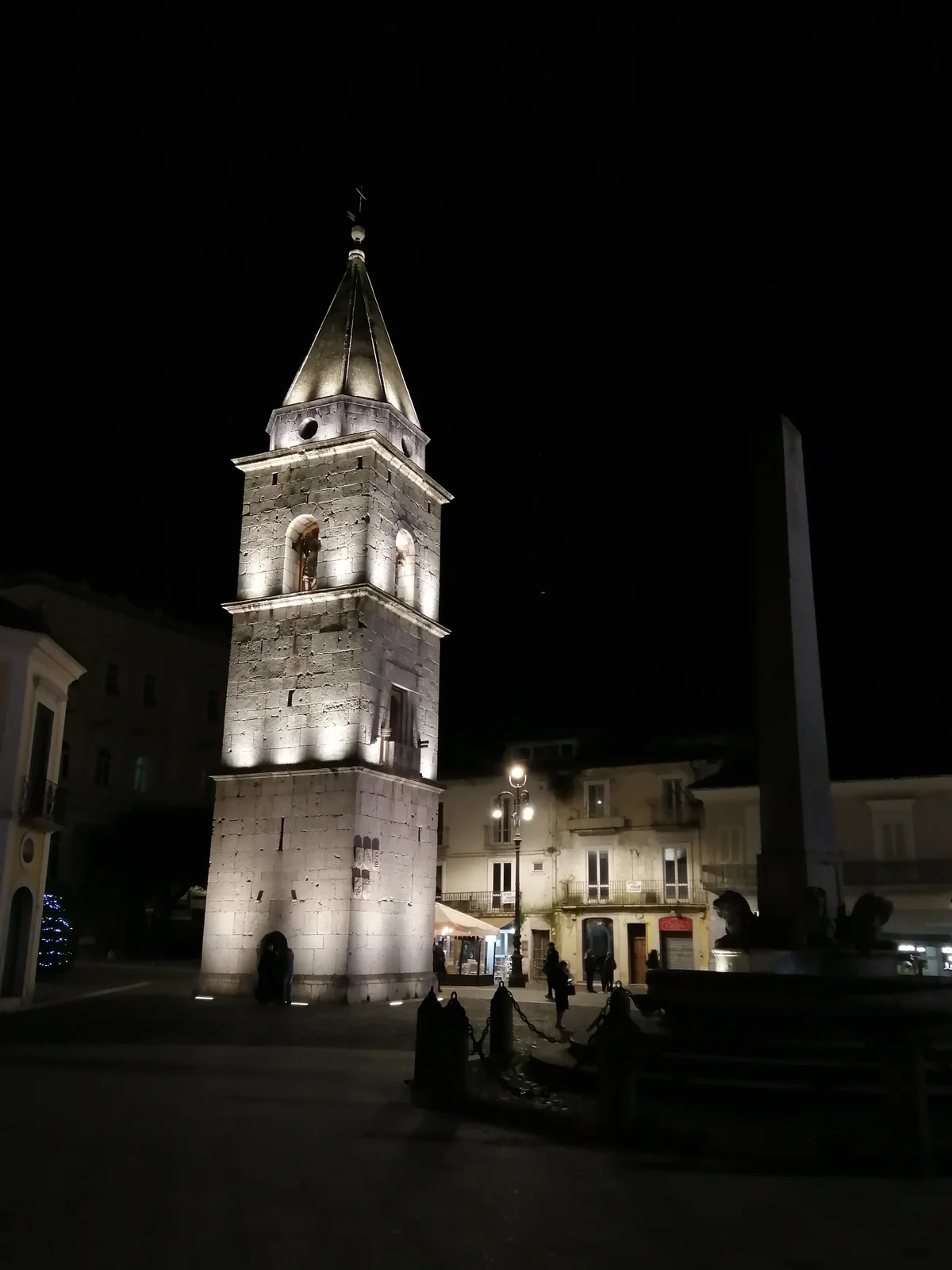
Photo: Acolleoni / Wikimedia Commons — CC BY-SA 4.0 · Resized and converted to WebP.
Getting there and around
Benevento lies inland, more than sixty kilometres from Naples, and according to Italia.it it is now easier to reach by high-speed train than by air or motorway. The station has six tracks and assistance for people with disabilities, booked with the RFI Sala Blu in Naples.
The old town is explored on foot: Italia.it describes it as a tangle of lanes, small squares, courtyards, steps and arches around Corso Garibaldi.
The official website of the Comune di Benevento, registered in IndicePA, the index of the digital addresses of Italy’s public administrations, is the reference for the town council’s offices, opening hours and news. Its address is listed among the sources of this section.
Sources: Italia.it (Ministero del Turismo) — Benevento · RFI — Stazione di Benevento · Comune di Benevento, sito istituzionale · IndicePA (AgID), Indice dei domicili digitali delle pubbliche amministrazioni: dataset Enti
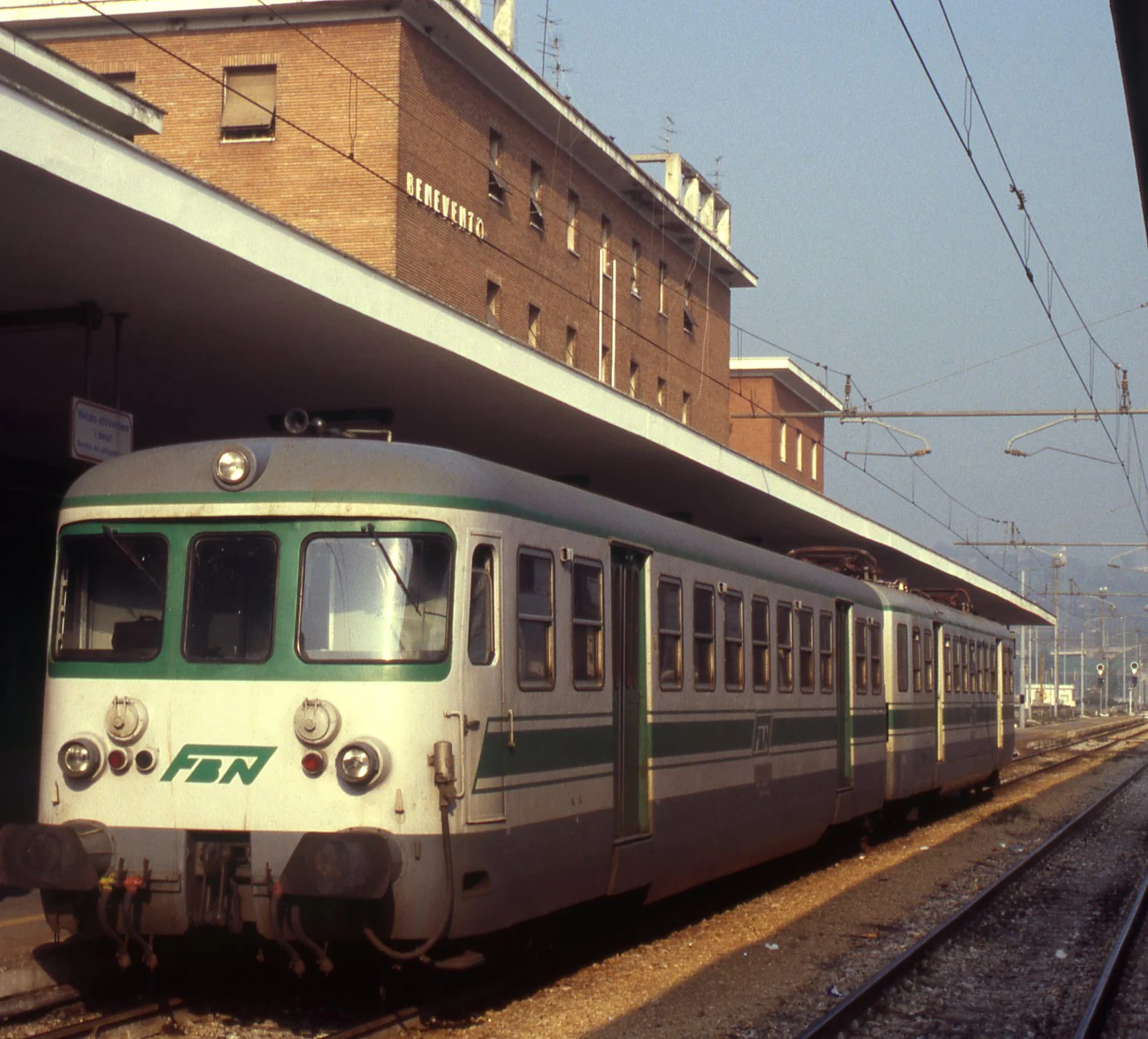
Photo: Smiley.toerist / Wikimedia Commons — CC BY-SA 4.0 · Cropped, resized and converted to WebP.
Where to stay
The old town, between the Arch of Trajan, Corso Garibaldi and the cathedral, is the handiest place to stay: the main monuments are a few minutes' walk from one another.
In the Ministry of Tourism’s national database of accommodation (BDSR), on 12 October 2026, Benevento had 144 establishments with a verified national identification code (CIN): 5 hotel-type establishments, 42 non-hotel establishments and 97 other establishments.
One day is enough for Santa Sofia, the Museo del Sannio, the Arch and the Roman Theatre; with an extra evening there is time for the theatre or, at the end of August, the festival.
Sources: Italia.it (Ministero del Turismo) — Benevento · Ministero del Turismo – Banca Dati Strutture Ricettive (dashboard pubblica) · Associazione Italia Langobardorum, Longobardi in Italia — Museo del Sannio · Ministero della Cultura, Luoghi della cultura — Teatro romano di Benevento
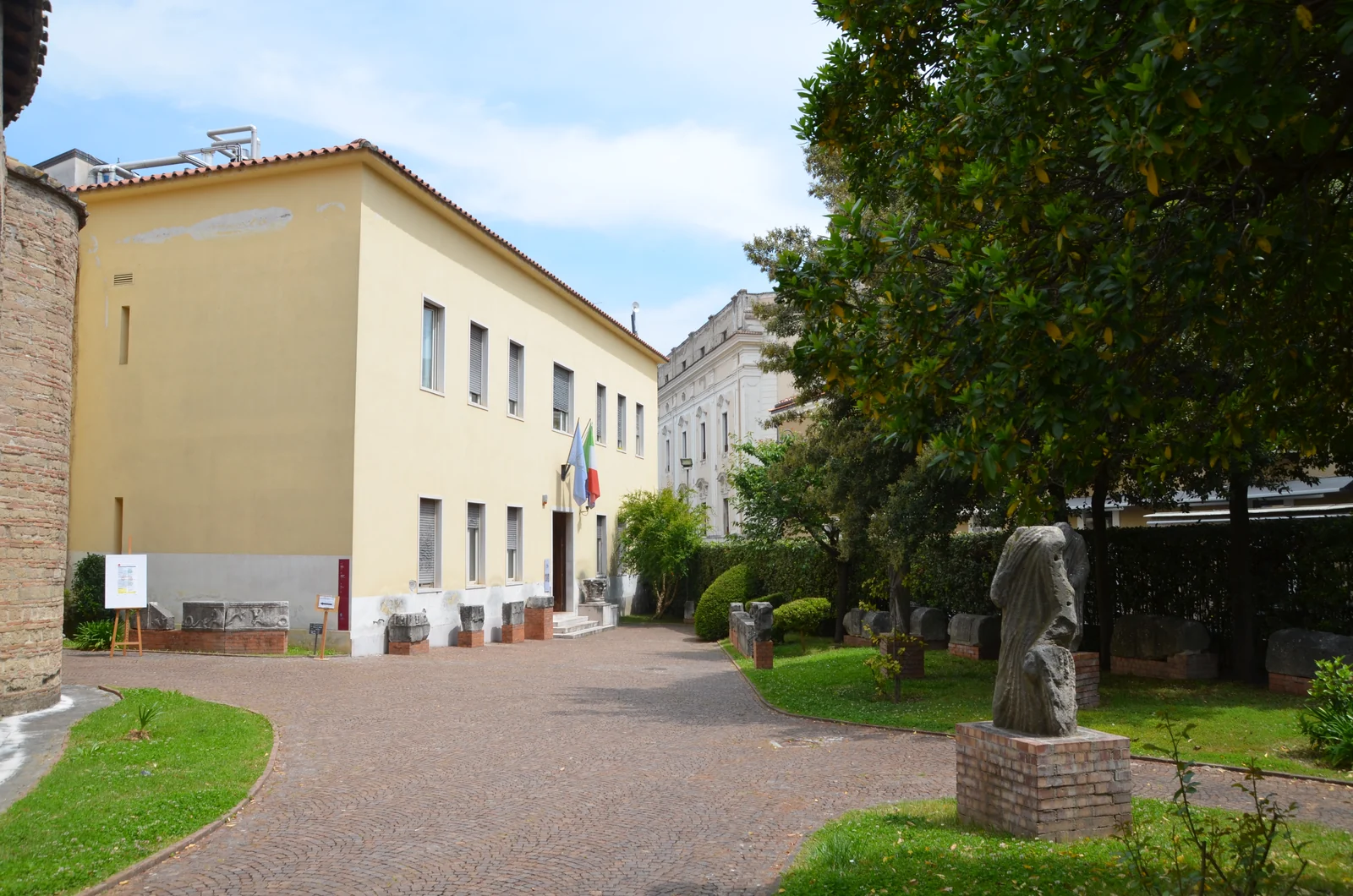
Photo: Following Hadrian / Wikimedia Commons — CC BY-SA 2.0 · Resized and converted to WebP.
Nearby
Benevento is one of the seven towns of the UNESCO site "The Longobards in Italy", spread over five regions, together with Cividale del Friuli, Brescia, Castelseprio-Torba, Spoleto, Campello sul Clitunno and Monte Sant'Angelo, in the province of Foggia, with the sanctuary complex of San Michele: anyone following the Lombards can link Benevento with Apulia.
Among the places Apulica already covers, the nearest are Taurasi (about 21 km) and Avellino (about 26 km): straight-line distances between the centres of the municipal territories.
Sources: Associazione Italia Langobardorum, Longobardi in Italia — Orari e biglietti · Associazione Italia Langobardorum, Longobardi in Italia — Benevento · ISTAT/Openpolis, confini comunali della regione Campania (CC BY 4.0, ISTAT/Openpolis)
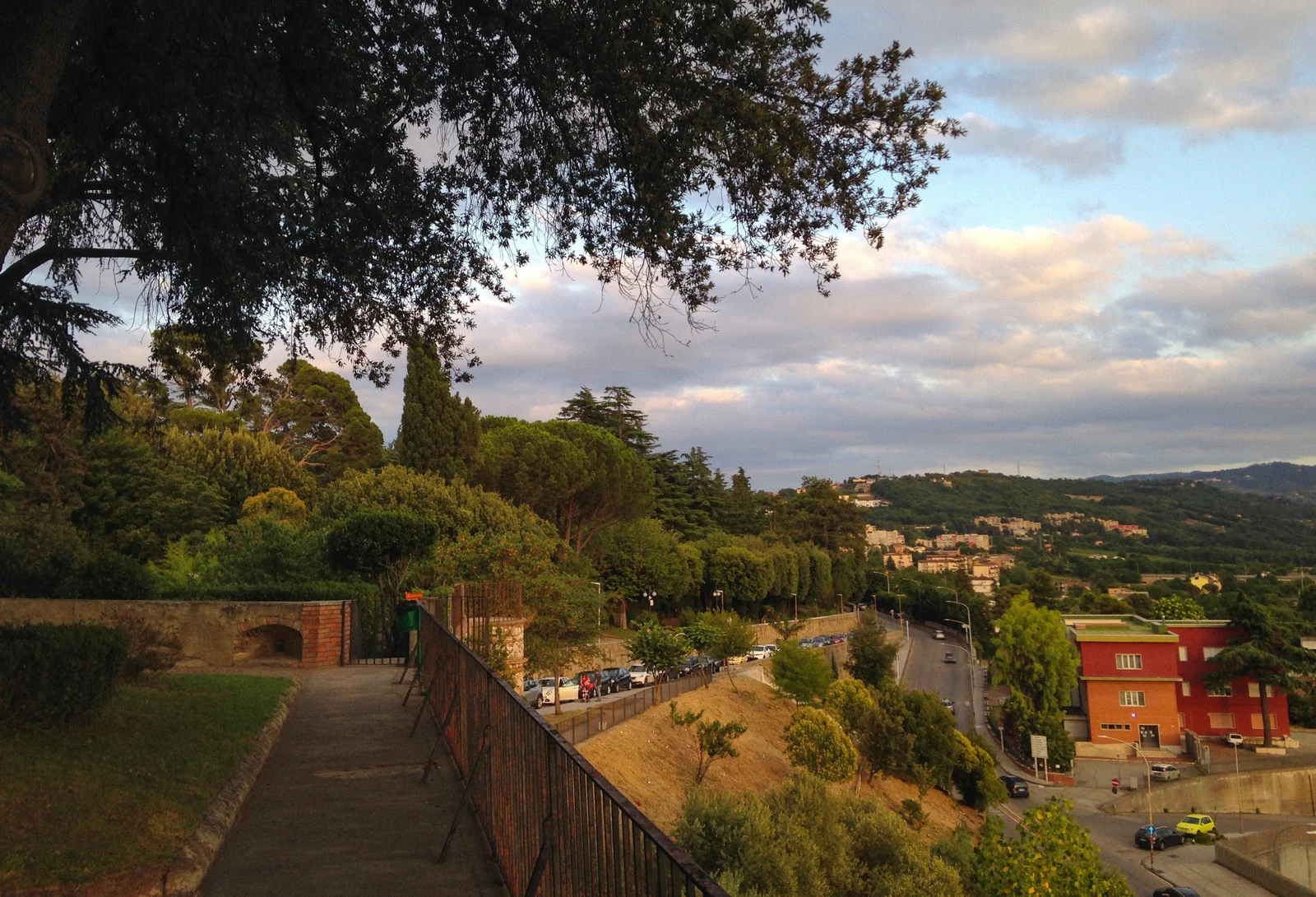
Photo: EvelinaRibarova / Wikimedia Commons — CC BY-SA 4.0 · Resized and converted to WebP.
Where to stay
In the municipality of Benevento the national database of the Ministry of Tourism lists 144 accommodation businesses with a verified CIN code: 5 hotels, 42 other licensed accommodation and 97 other types such as B&Bs and private rentals.
Licensed businesses from the official list of accommodation named as the source in this section. Where the list gives it, the property's official identification code appears next to its name: the national CIN code, or the code assigned by the Region or by the body that keeps the list. Private individuals are not listed. This list is the official census of licensed businesses, not a list of Apulica partners: to stay in Benevento you do not have to check one property after another yourself; write to Apulica and we look for the stay that suits your journey, checking availability and conditions before any confirmation.
Antum Hotel
Hotel · ★★★★
Regional code (CUSR) 15062008ALB0024
A murata
Farm stay
Regional code (CUSR) 15062008EXT0002
70 metri dal Duomo
Guest rooms
Regional code (CUSR) 15062008EXTK0DH
Casa Orsini -Appartamento Prato
Holiday house
Regional code (CUSR) 15062008EXT3ZBD
hotel d.g. garden
Hotel · ★★★★
Regional code (CUSR) 15062008ALB0025
Agriturismo Leone Anna
Farm stay
Regional code (CUSR) 15062008EXT0149
Bayab
Guest rooms
Regional code (CUSR) 15062008EXTZWX3
Casa Orsini - Appartamento Terra
Holiday house
Regional code (CUSR) 15062008EXT1UEK
hotel villa traiano
Hotel · ★★★★
Regional code (CUSR) 15062008ALB0028
Alta Collina
Farm stay
Regional code (CUSR) 15062008EXT0006
First the places that presented themselves to Apulica, the latest first; then one place of each type in turn, by official category and stars, then by name. No position is paid for.
All 48 entries in alphabetical order
Page 1 of 5
| Name | Type | Identification code |
|---|---|---|
| 70 metri dal Duomo | Guest rooms | Regional code (CUSR) 15062008EXTK0DH |
| A murata | Farm stay | Regional code (CUSR) 15062008EXT0002 |
| Agriturismo Leone Anna | Farm stay | Regional code (CUSR) 15062008EXT0149 |
| Alta Collina | Farm stay | Regional code (CUSR) 15062008EXT0006 |
| Antiche Terme | Hotel | Regional code (CUSR) 15062008ALB0007 |
| Antum Hotel | Hotel | Regional code (CUSR) 15062008ALB0024 |
| Azianda Agricola Papa Veronica | Farm stay | Regional code (CUSR) 15062008EXT0148 |
| Bayab | Guest rooms | Regional code (CUSR) 15062008EXTZWX3 |
| Cancelleria | Farm stay | Regional code (CUSR) 15062008EXT0012 |
| Casa Maestrina | Guest rooms | Regional code (CUSR) 15062008EXT0117 |
Ask Apulica for a stay in Benevento We reply shortly, within a few hours at most, with a proposal for you to consider.
Sources: Ministero del Turismo – Banca Dati Strutture Ricettive (dashboard pubblica), 2026-10-12
YOUR JOURNEY
How to shape a journey here
We can organise a guided visit of Roman and Lombard Benevento, to combine with a day in Irpinia between Taurasi and Avellino, with transfers from the station or from Naples. For a trip, a guide or a transfer you can write to Apulica with the button below.
Plan your tripKeep exploring
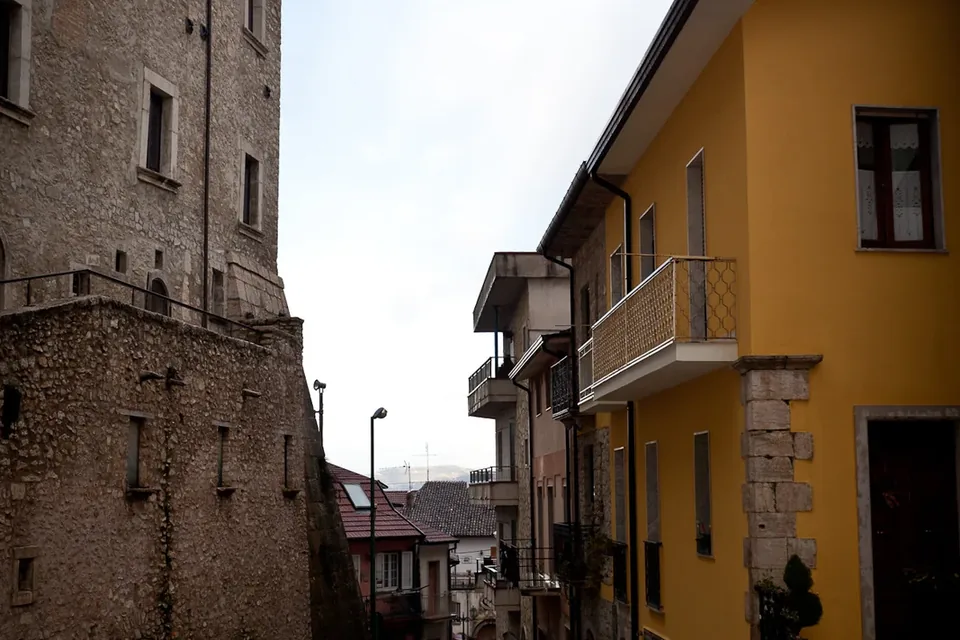
Taurasi
An Irpinia village from which to develop a journey around wine, heritage and food, with encounters still to be selected.
Read the guide →Photo: jimmyweee / Wikimedia Commons — CC BY 2.0 · Resized and converted to WebP.

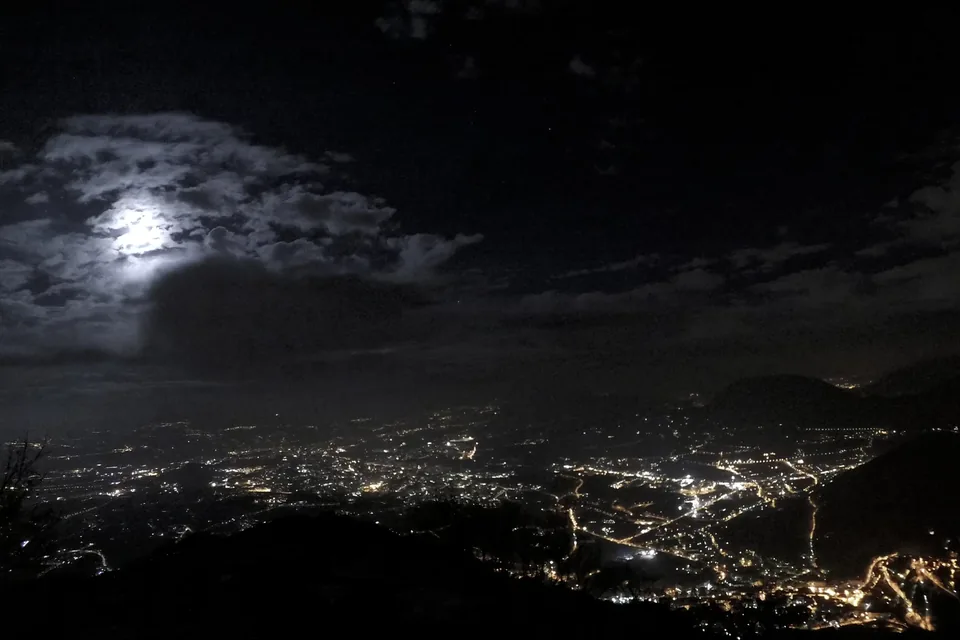
Avellino
The city as an introduction to the territory: its old centre, Museo Irpino and a possible route towards wine country.
Read the guide →Photo: Francesco Matarazzo / Wikimedia Commons — CC BY-SA 4.0 · Resized and converted to WebP.

“Come to Benevento as a guest, not as a tourist: that is how these places truly let you know them.”