
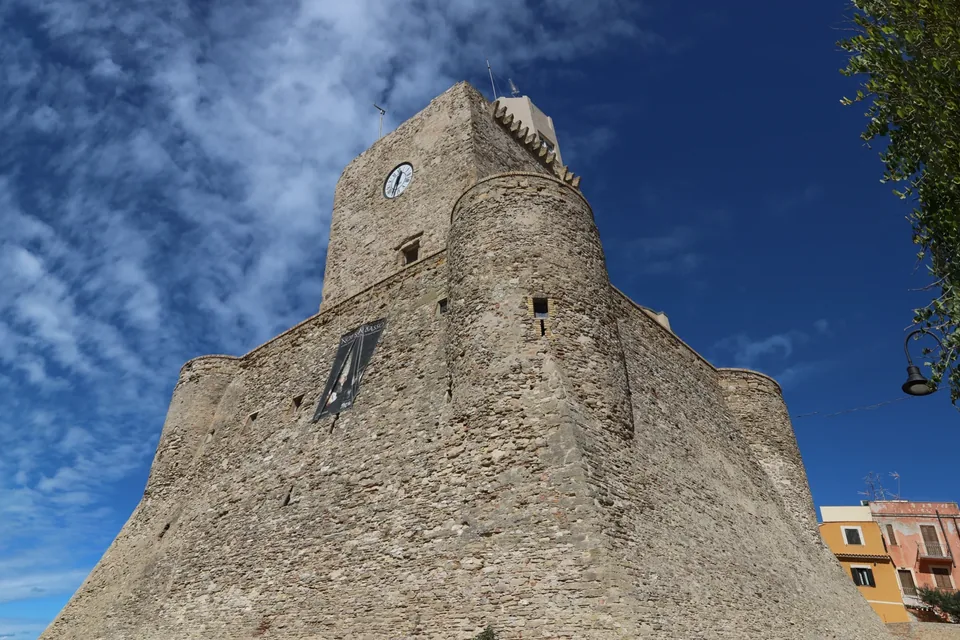
Termoli
An old town on a rocky spur over the sea, the Swabian castle, the cathedral of San Basso and the trabucchi of the Adriatic coast.
Read the guide →Photo: C.lapia / Wikimedia Commons — CC BY-SA 4.0 · Resized and converted to WebP.
Entries from Termoli to Isole Tremiti. Back to Where: Puglia, Basilicata, Campania, Calabria, Abruzzo and Molise
An old town on a rocky spur over the sea, the Swabian castle, the cathedral of San Basso and the trabucchi of the Adriatic coast.
Read the guide →Photo: C.lapia / Wikimedia Commons — CC BY-SA 4.0 · Resized and converted to WebP.
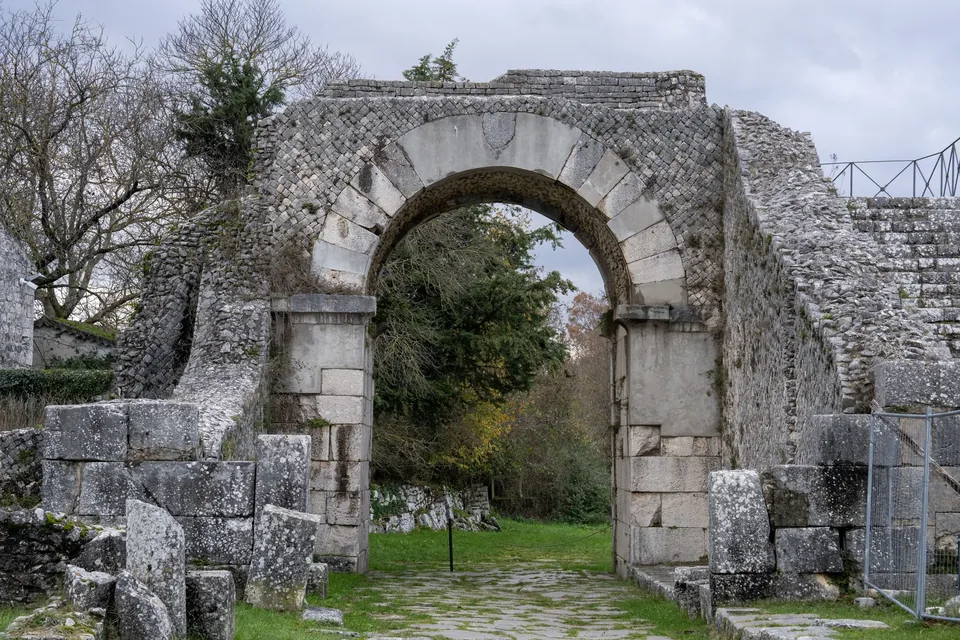
The Altilia-Saepinum archaeological area, the medieval village of Sepino and Samnite Terravecchia above the Tammaro valley.
Read the guide →Photo: Stapinium / Wikimedia Commons — CC BY 4.0 · Resized and converted to WebP.
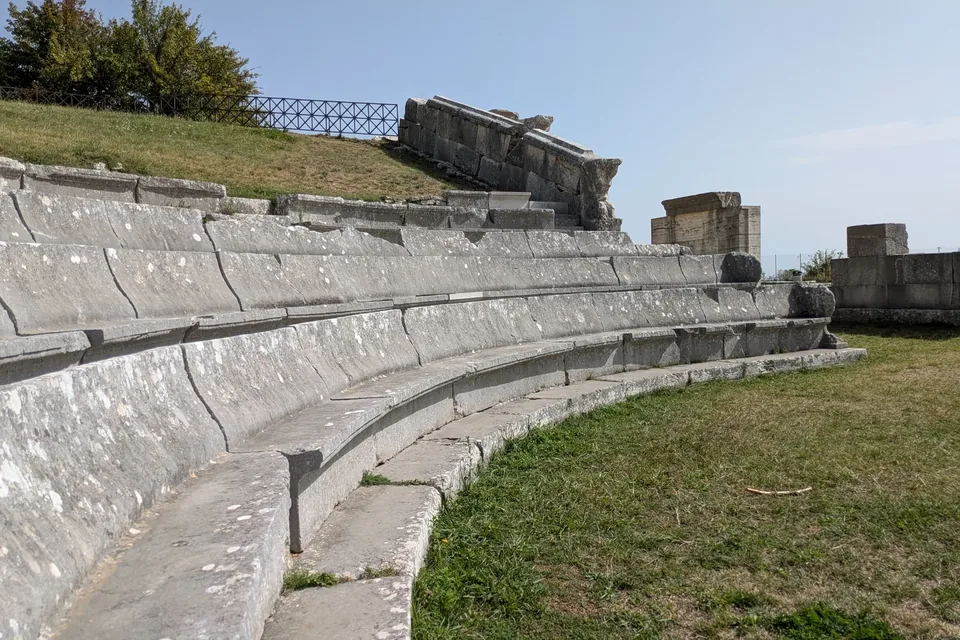
The Italic sanctuary on the slopes of Monte Saraceno: the assembly cavea, the temples and the Samnites’ Domus publica.
Read the guide →Photo: Accurimbono / Wikimedia Commons — CC BY-SA 4.0 · Resized and converted to WebP.
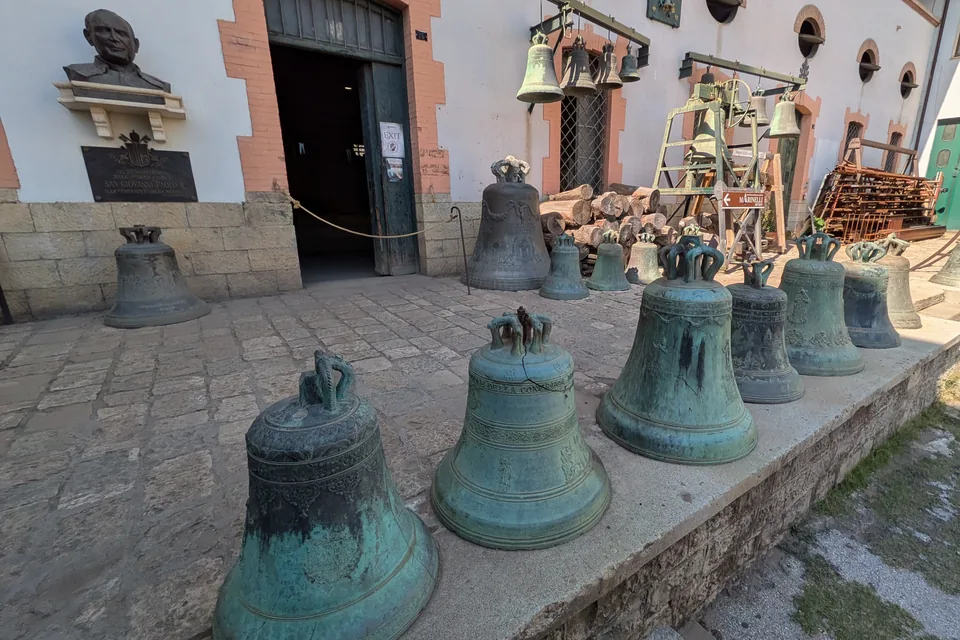
The Pontifical Marinelli Foundry and its museum, copper and wrought-iron workshops, and the December ’Ndocciata.
Read the guide →Photo: Accurimbono / Wikimedia Commons — CC BY-SA 4.0 · Cropped, resized and converted to WebP.
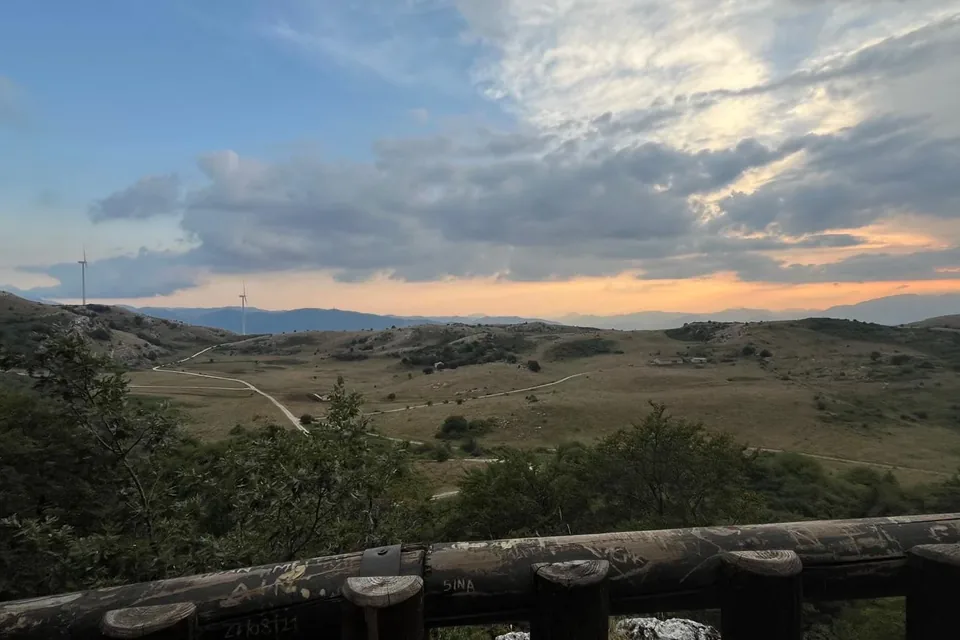
A village of the Molise Apennines among pastures and beech woods, with a tradition of scissors and knives and the arrival of transhumance from Puglia.
Read the guide →Photo: Spivi14 / Wikimedia Commons — CC BY-SA 4.0 · Resized and converted to WebP.
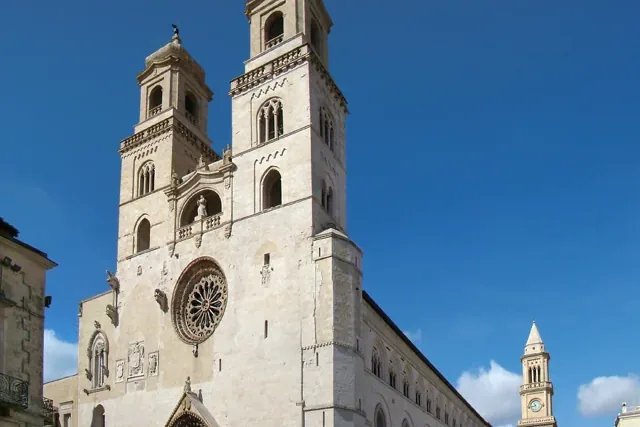
Bread culture, the old town and the Murgia landscape as the starting point for a journey.
Read the guide →Photo: Tango7174 / Wikimedia Commons — CC BY-SA 4.0 · Resized and converted to WebP.
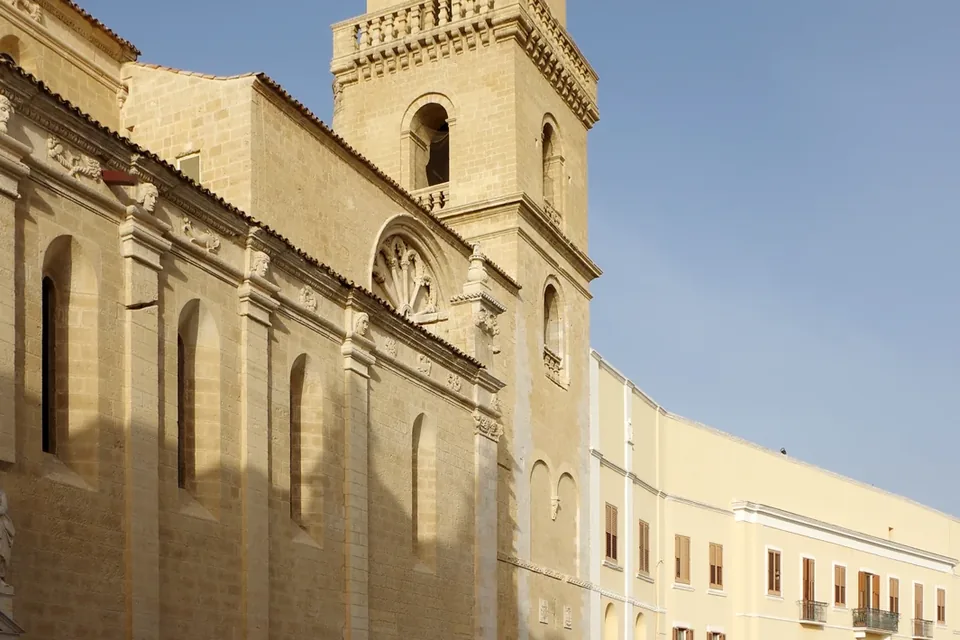
Rock-cut neighbourhoods, pastoral history and the relationship between town and landscape.
Read the guide →Photo: Berthold Werner / Wikimedia Commons — CC BY-SA 3.0 · Resized and converted to WebP.
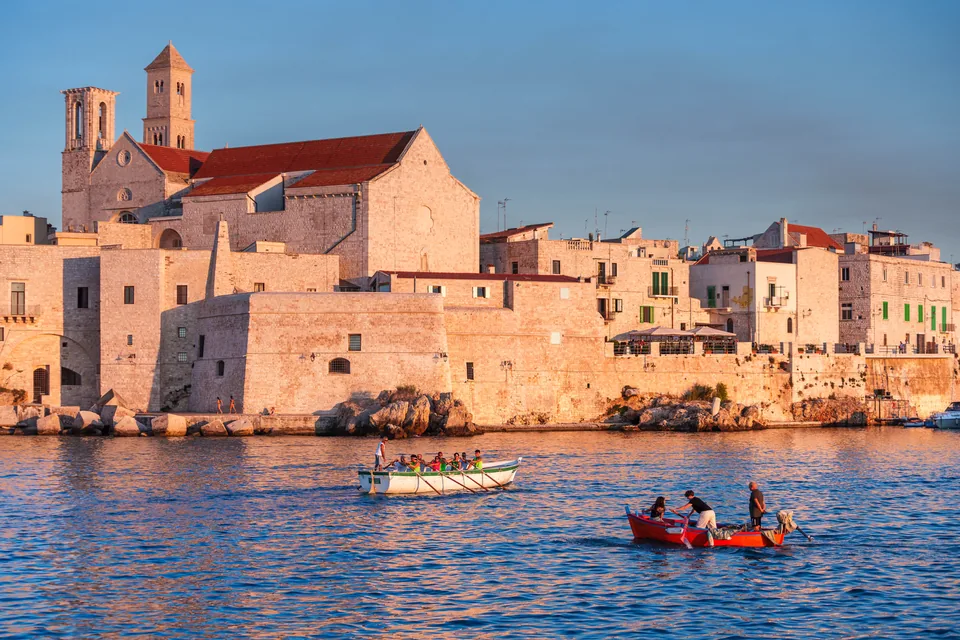
The old town, harbour and cooking shaped by farming and fishing traditions. A centre on a rocky promontory, the cathedral and a rice, potato and mussel tiella.
Read the guide →Photo: Pakycassano / Wikimedia Commons — CC BY-SA 4.0 · Resized and converted to WebP.
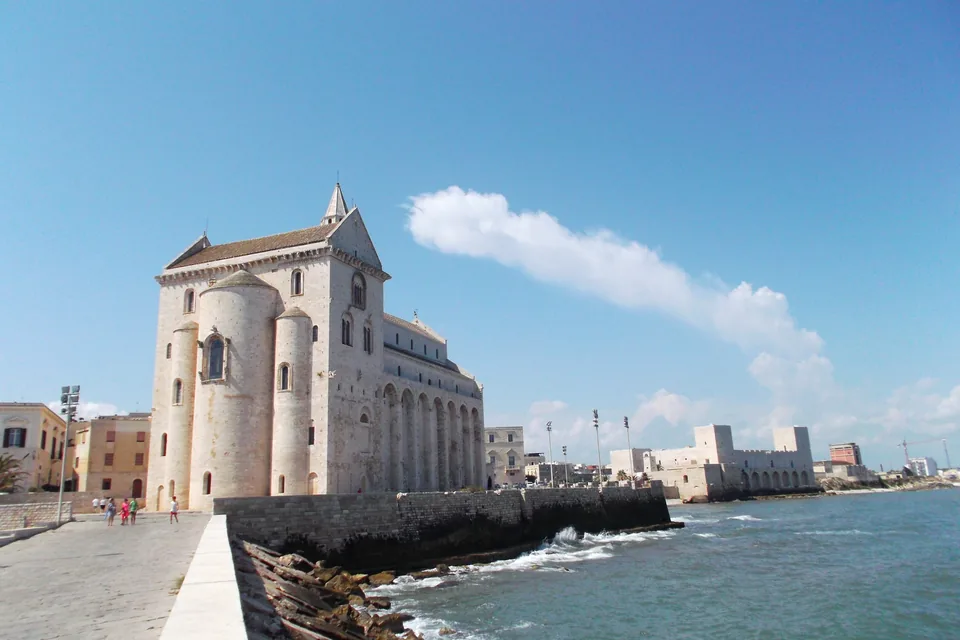
Cathedral, castle and Jewish heritage for a coastal ending with cultural depth. The Romanesque cathedral on the sea with Barisano’s bronze door, Frederick II’s castle of 1233, the two medieval synagogues of the Giudecca, the harbour and the monastery of Colonna on its peninsula.
Read the guide →Photo: Termauri / Wikimedia Commons — CC BY-SA 4.0 · Resized and converted to WebP.
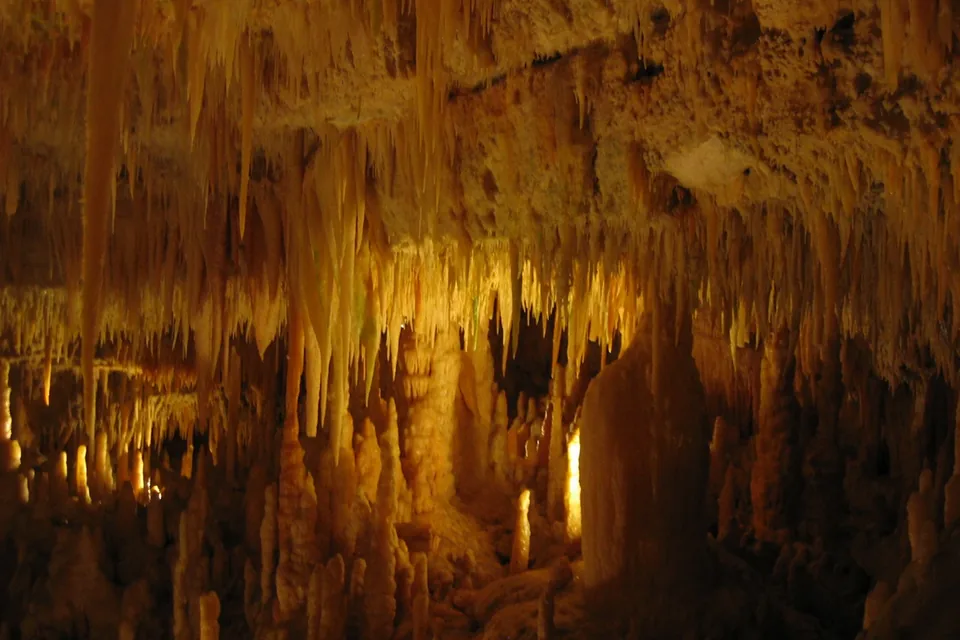
Karst, caves and the town within a journey connected to the Itria Valley.
Read the guide →Photo: ReMagio at Italian Wikipedia / Wikimedia Commons — Public domain · Resized and converted to WebP.
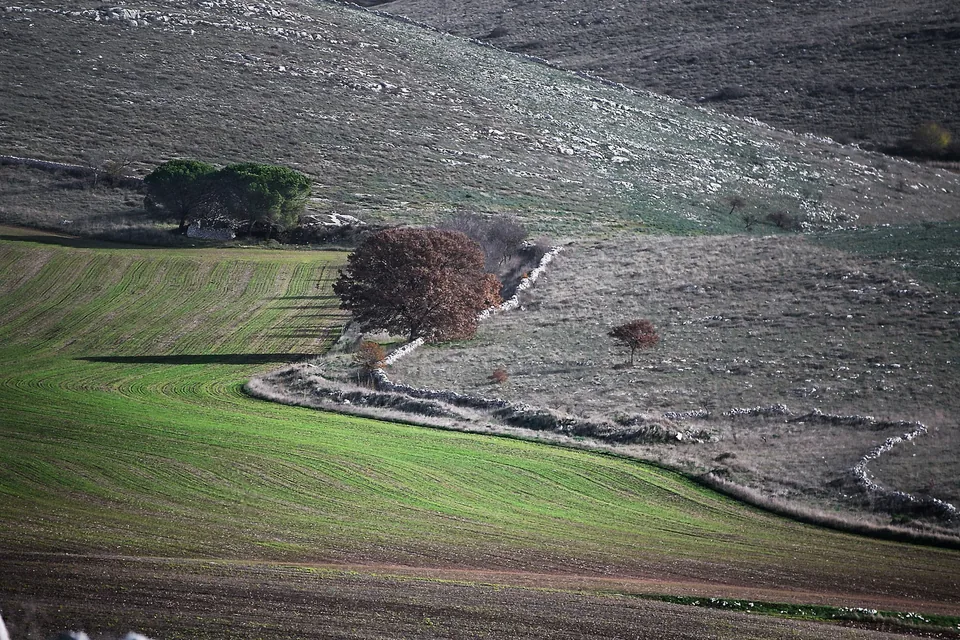
Stone, pasture and farming to explore the landscape beyond the towns. A national park of Mediterranean steppe, durum-wheat bread and cardoncello mushrooms.
Read the guide →Photo: Acquario51 / Wikimedia Commons — CC BY-SA 4.0 · Resized and converted to WebP.
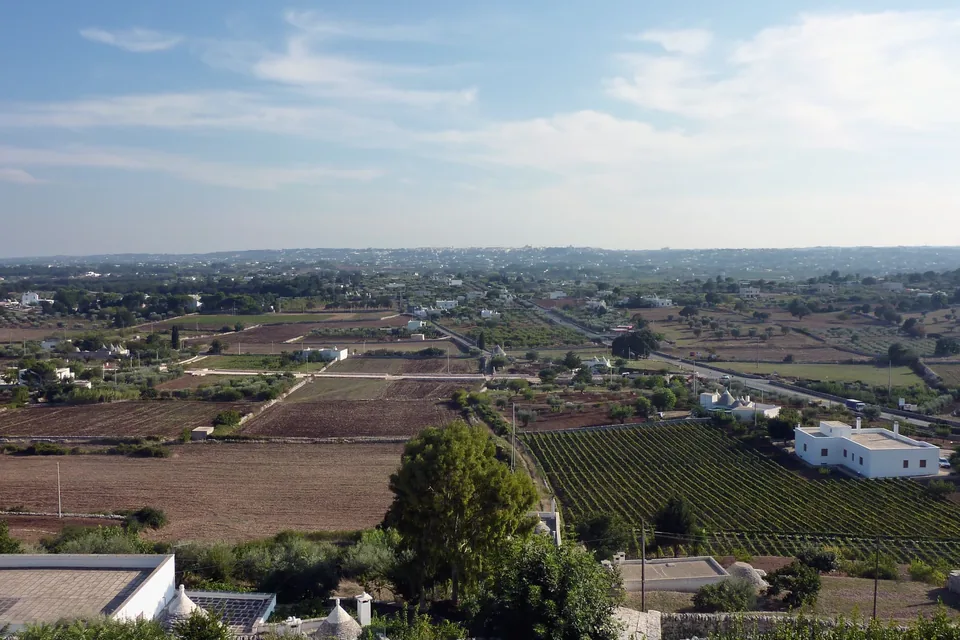
Rural architecture, towns and food as parts of the same journey. Trulli across the countryside, Locorotondo, Cisternino, Martina Franca and Slow Food capocollo.
Read the guide →Photo: Adbar / Wikimedia Commons — CC BY-SA 3.0 · Resized and converted to WebP.
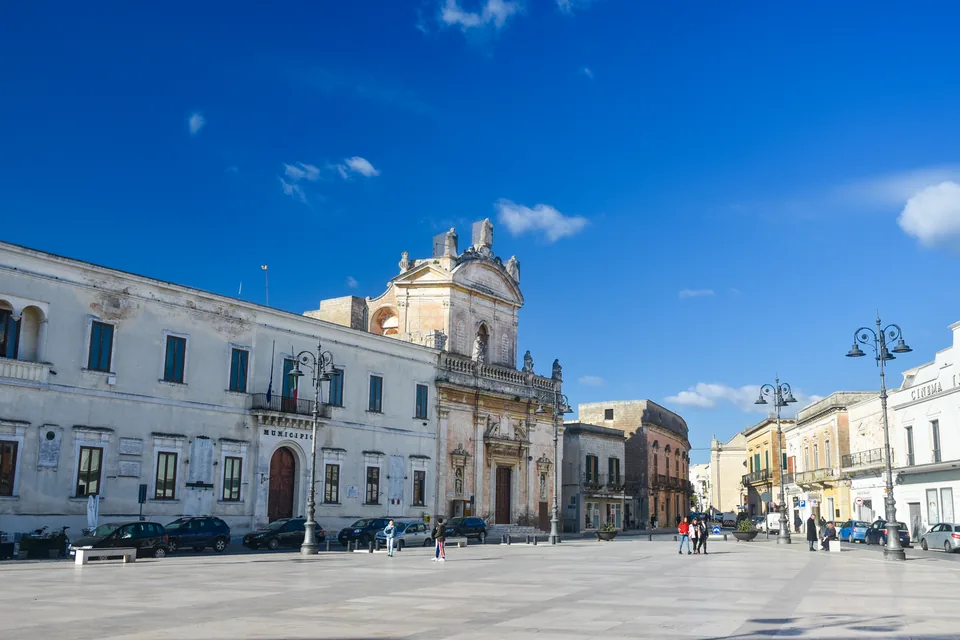
The Messapian city of three wall circuits and the Fonte Pliniano, the home of Primitivo and an Ionian coast of reserves, submerged Roman sarcophagi and towers.
Read the guide →Photo: Andrea Fistetto / Wikimedia Commons — CC BY-SA 4.0 · Resized and converted to WebP.
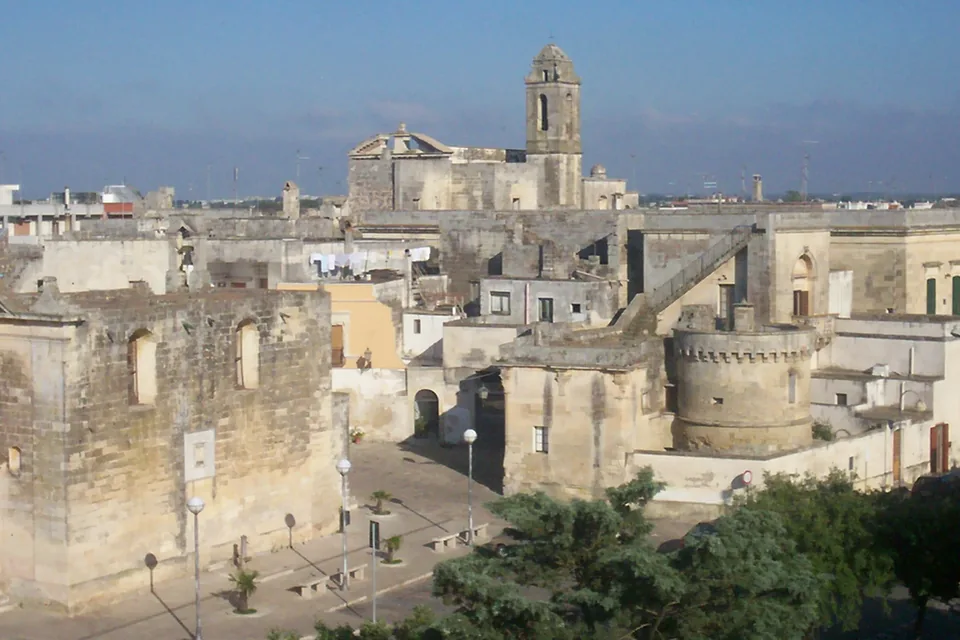
Courtyards, megalithic heritage and Cistercian culture in Grecìa Salentina. In the Terra, the old centre with its regular blocks, the Aragonese castle, the mother church of 1596 and the early eighteenth-century palaces; in the countryside the Teofilo menhir, 4.70 metres tall, the Specchia dei Mori and the medieval village of Apigliano.
Read the guide →Photo: Freddyballo / Wikimedia Commons — CC BY-SA 3.0 · Resized and converted to WebP.
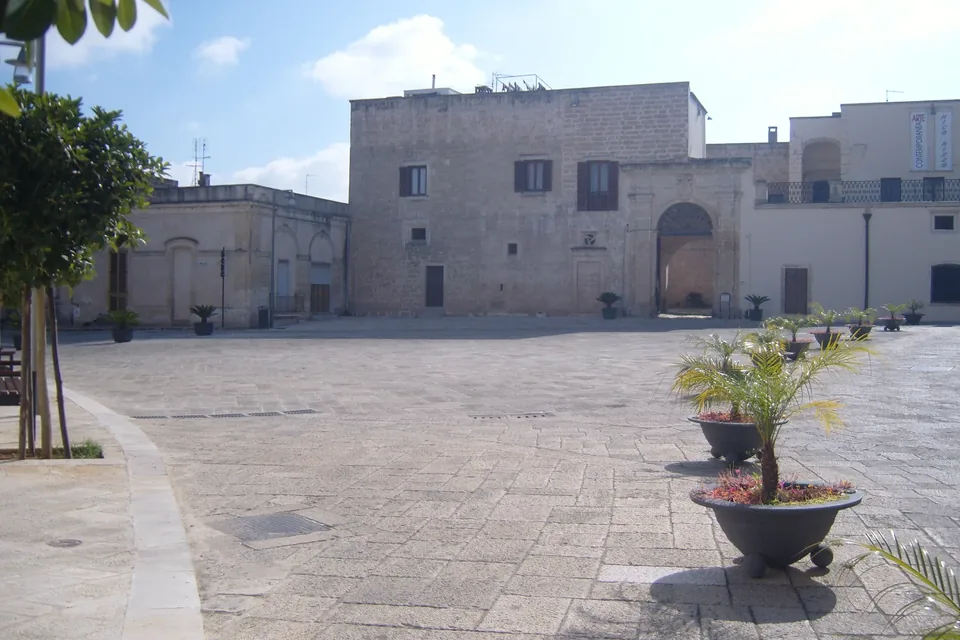
Rainwater wells, courtyard houses and a partly underground olive mill: water and work in a small Grecìa Salentina town.
Read the guide →Photo: Freddyballo / Wikimedia Commons — CC BY-SA 3.0 · Resized and converted to WebP.
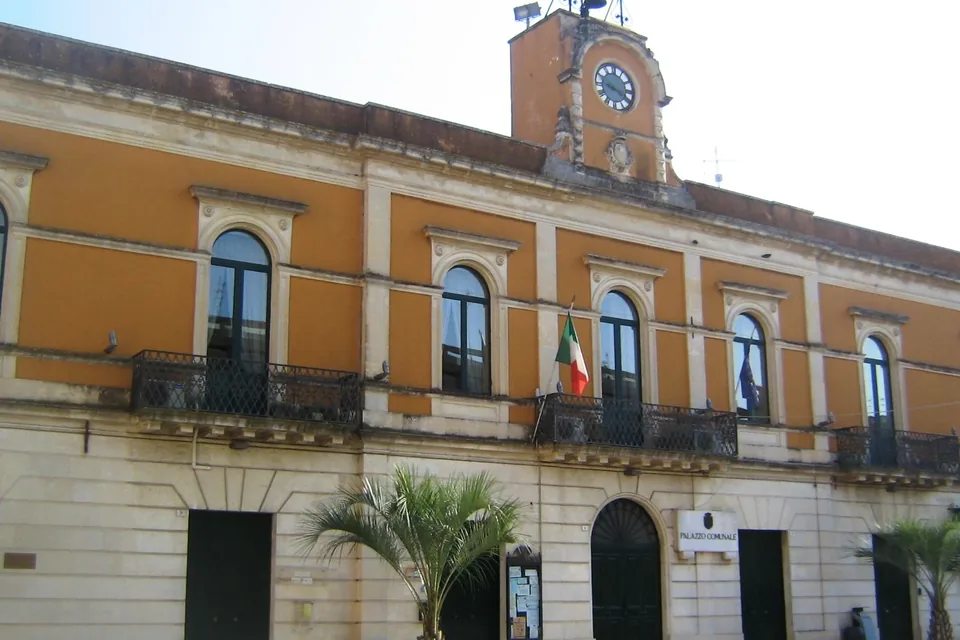
Griko culture, rural memory and a connection with Athens in inland Salento.
Read the guide →Photo: Lupiae / Wikimedia Commons — Public domain · Resized and converted to WebP.
Grinding stones and presses beneath the town: the Granafei mill and historic centre tell the story of olive oil.
Read the guide →Photo: Freddyballo / Wikimedia Commons — CC BY-SA 3.0 · Resized and converted to WebP.
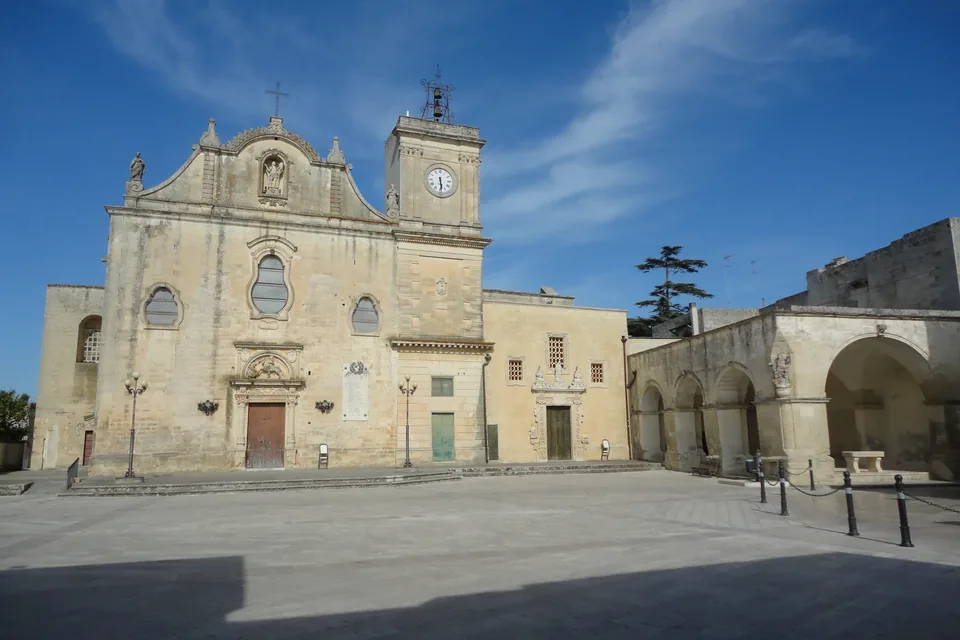
Augustinian heritage and musical culture: Melpignano beyond the night of its major concert.
Read the guide →Photo: Lupiae / Wikimedia Commons — CC BY-SA 3.0 · Resized and converted to WebP.
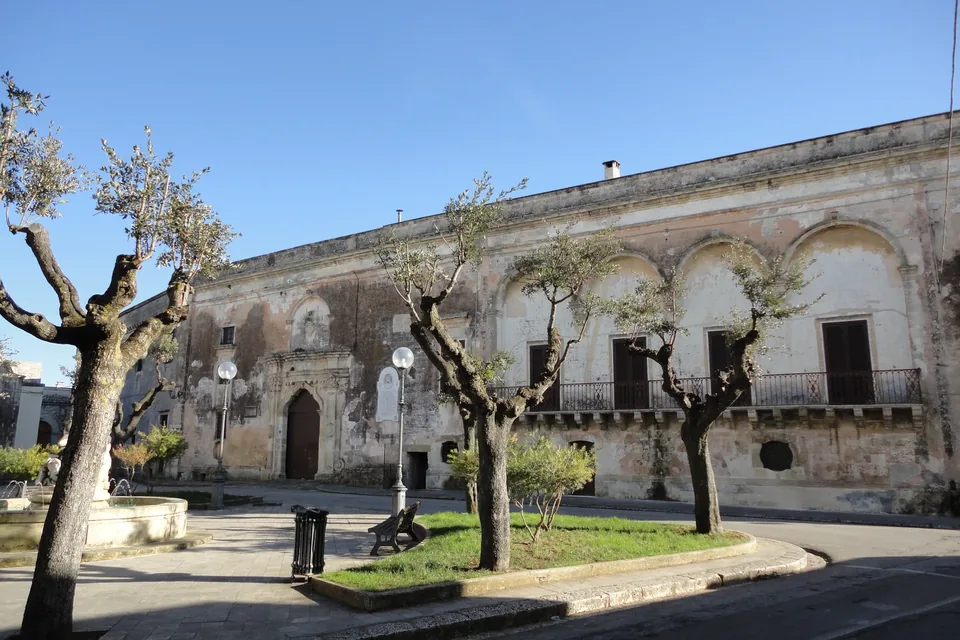
Palazzo Bacile, religious heritage and olive-oil production history in lower Salento, inland from the Castro coast.
Read the guide →Photo: Lupiae / Wikimedia Commons — CC BY-SA 3.0 · Resized and converted to WebP.
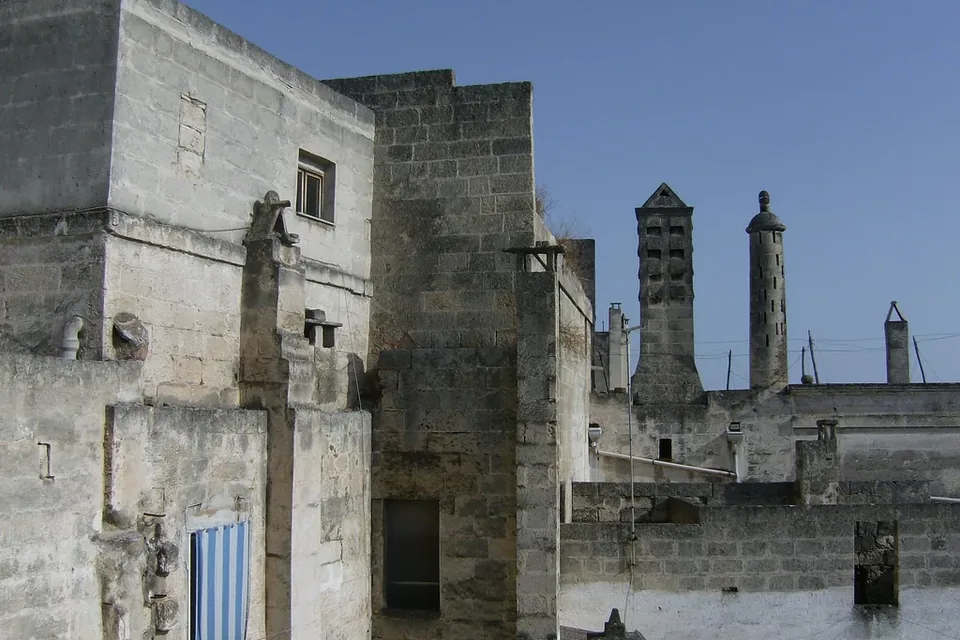
Grottaglie: ceramics and rock. A ceramics quarter round the old town, a historic centre carved into the tuff and ravines a few kilometres from Taranto.
Read the guide →Photo: gunzapper / Wikimedia Commons — CC BY 2.0 · Resized and converted to WebP.
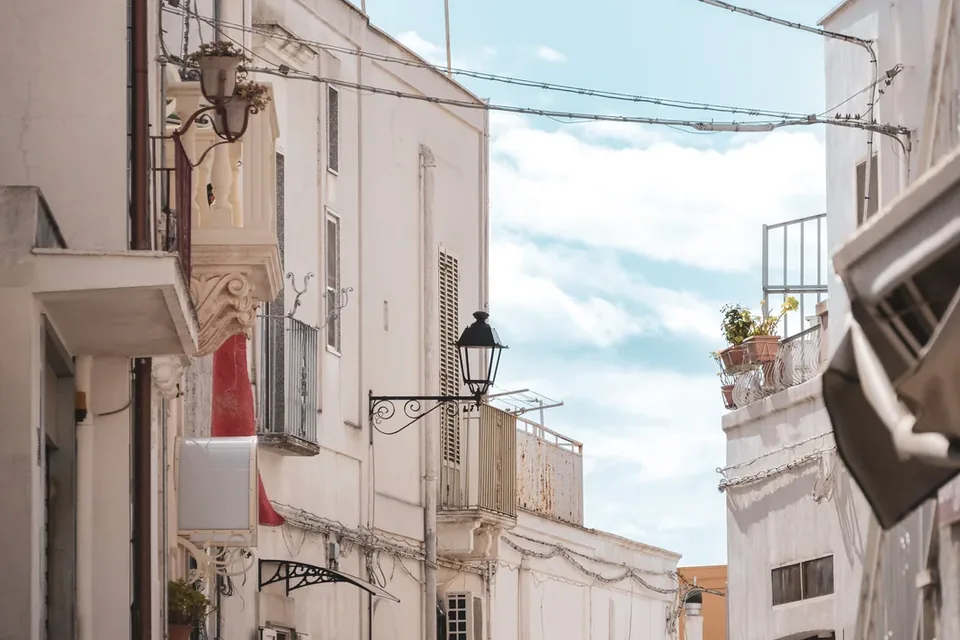
Crispiano: farm estates and the Ionian countryside. About a hundred masserie at the foot of the Murgia, fifteen kilometres from Taranto, amid oil and wine.
Read the guide →Photo: Azelf Lele / Wikimedia Commons — CC BY-SA 4.0 · Resized and converted to WebP.
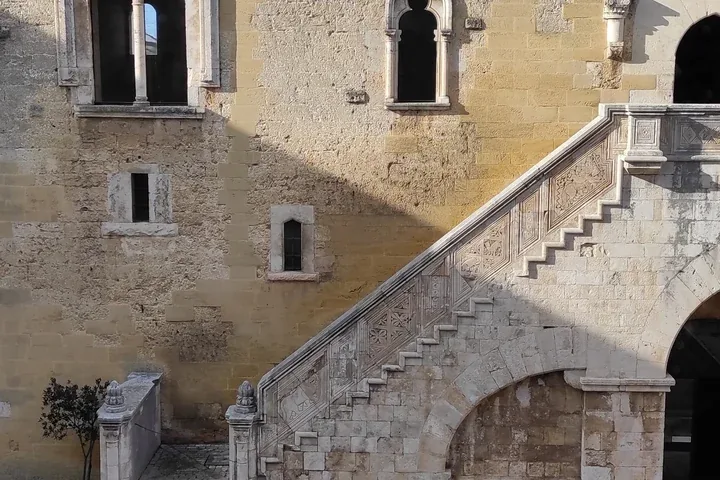
Gioia del Colle: castle and rural memory. A Norman-Swabian castle rebuilt by Frederick II, the Murge plateau and the town’s own Mozzarella di Gioia del Colle.
Read the guide →Photo: Frababz85 / Wikimedia Commons — CC BY-SA 4.0 · Resized and converted to WebP.
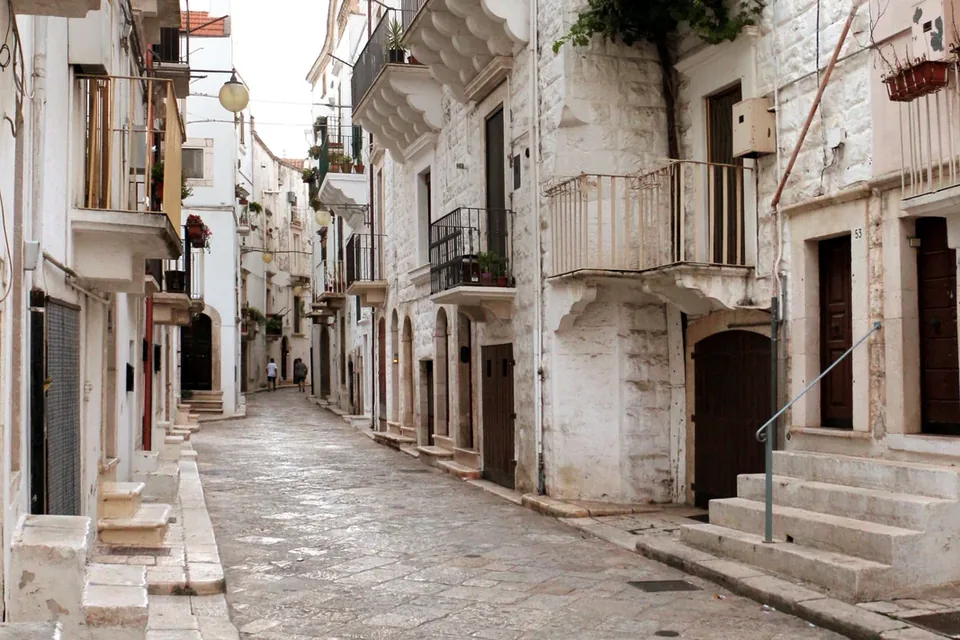
Putignano: papier-mâché and town memory. Europe’s oldest carnival runs from 26 December to Lent with papier-mâché floats, while farinella recalls rural cooking.
Read the guide →Photo: Sailko / Wikimedia Commons — CC BY 3.0 · Resized and converted to WebP.
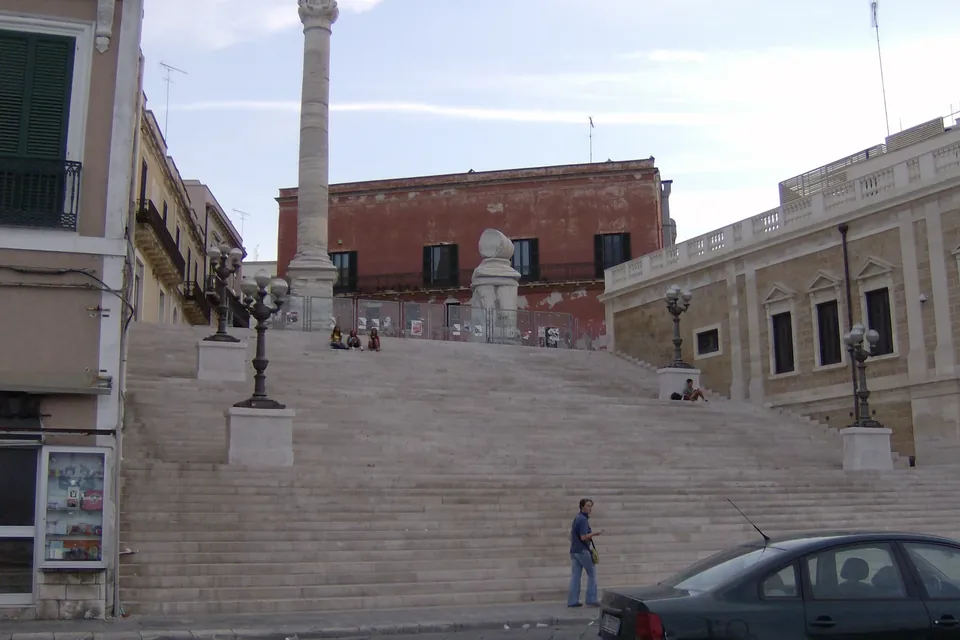
Brindisi: reading the city from its harbour. The Roman Columns above the Virgilian Steps, the castles built to defend the harbour and the Brindisi artichoke.
Read the guide →Photo: Zappuddu / Wikimedia Commons — Public domain · Resized and converted to WebP.
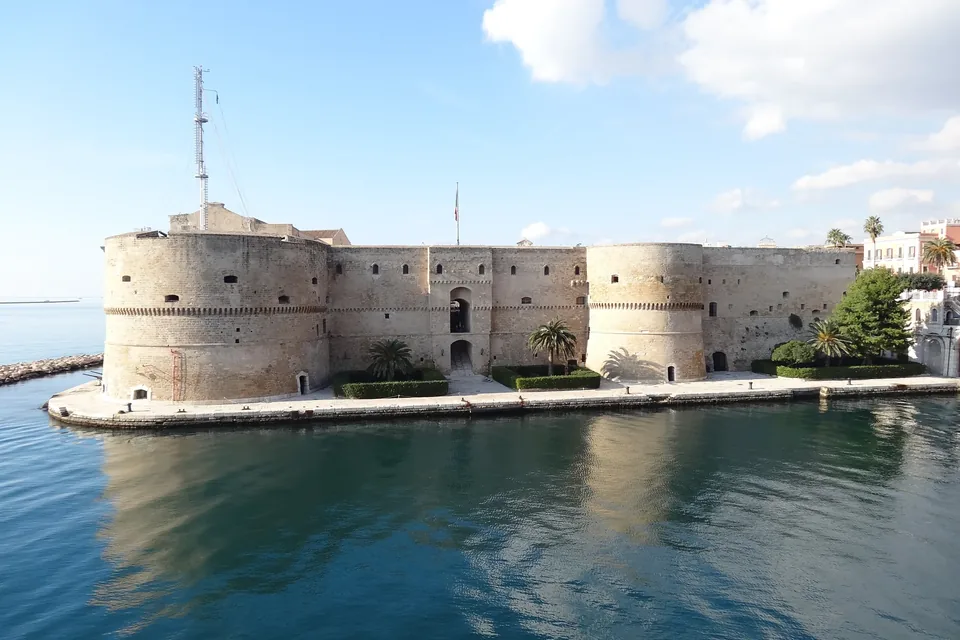
Taranto: two seas and archaeology. The Mar Grande and Mar Piccolo, a polis founded by Spartan colonists, the MArTA museum and Taranto’s mussels.
Read the guide →Photo: Livioandronico2013 / Wikimedia Commons — CC BY-SA 3.0 · Resized and converted to WebP.
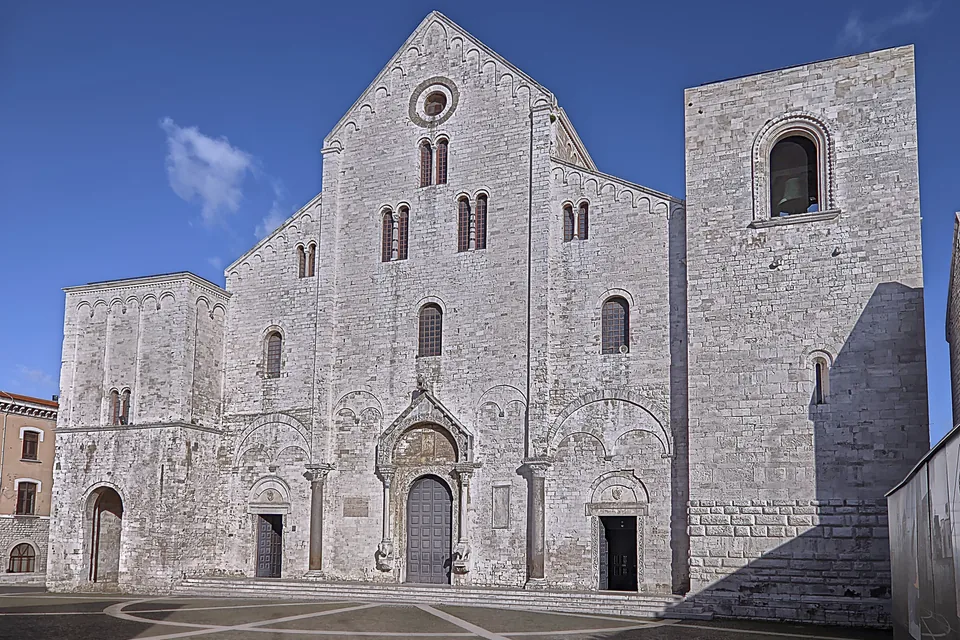
The old town as a first encounter with Puglia. The Basilica and relics of Saint Nicholas, Bari Vecchia between its two harbours, the Murat district, focaccia and orecchiette with turnip tops.
Read the guide →Photo: Acquario51 / Wikimedia Commons — CC BY-SA 4.0 · Resized and converted to WebP.
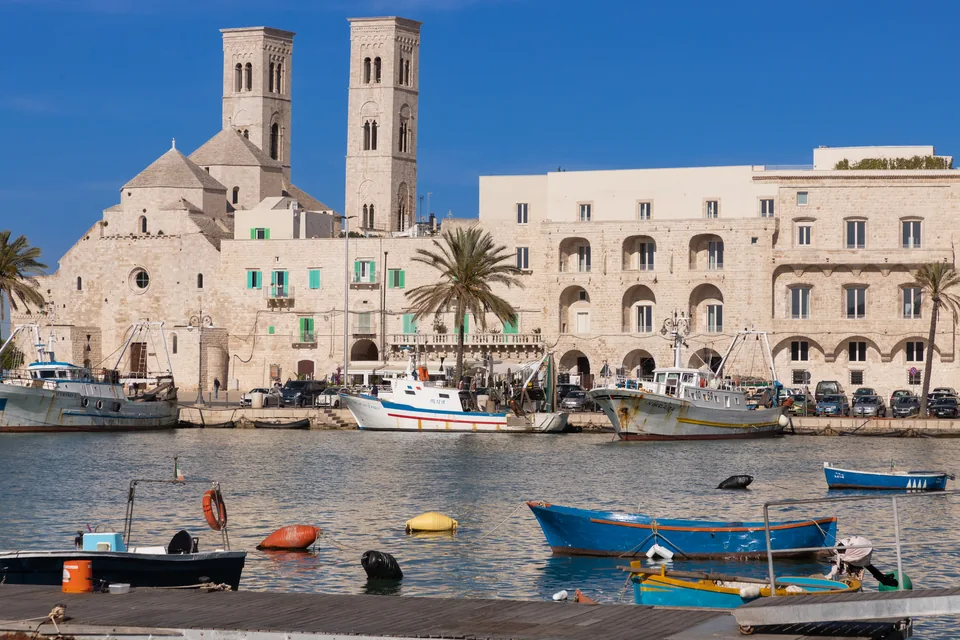
Romanesque architecture and karst landscape beyond the coast. The cathedral on the harbour, a fishing fleet among the lower Adriatic’s largest and the Pulo. In town the cathedral born from the Jesuit church, the Diocesan Museum and the Apulian Regional Seminary; outside the old town the basilica of the Madonna dei Martiri, a pilgrims’ stop since 1162, and the oil of the Terra di Bari PDO.
Read the guide →Photo: Genesis5663 / Wikimedia Commons — CC BY-SA 4.0 · Resized and converted to WebP.
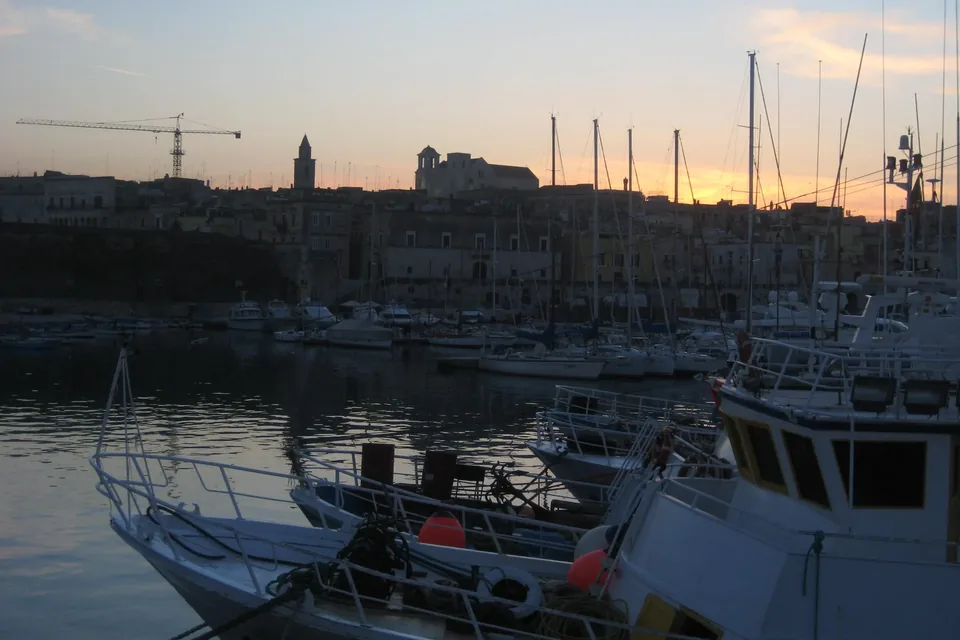
From the La Chianca dolmen to the Romanesque town and harbour. Aragonese walls, a Swabian castle, Romanesque churches and the sospiro, a Slow Food Presidium.
Read the guide →Photo: Geppisimone at Italian Wikipedia / Wikimedia Commons — CC BY-SA 3.0 · Resized and converted to WebP.
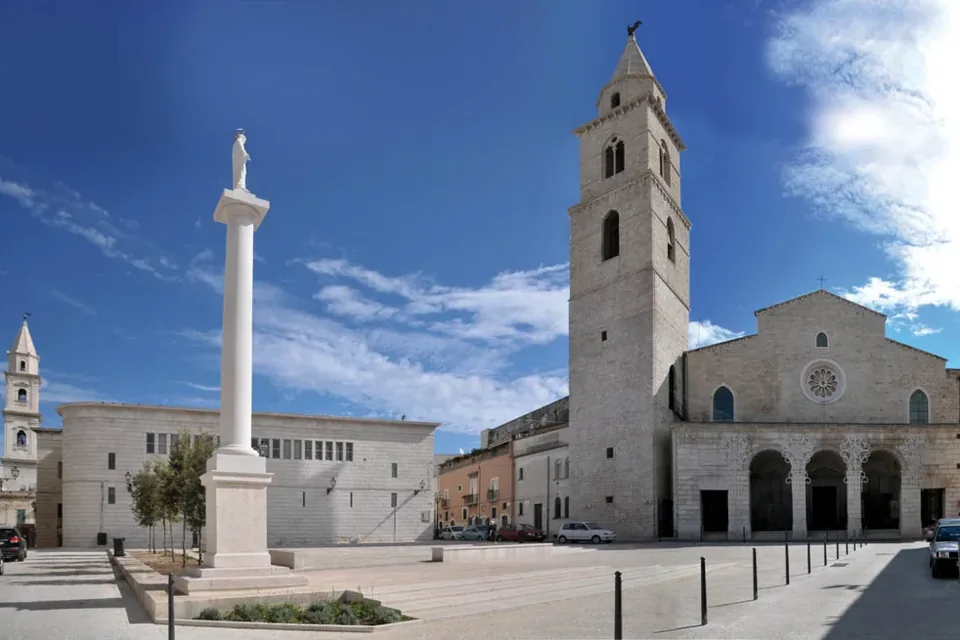
A town worth exploring beyond its famous castle. Imperial memory, the Cathedral of Santa Maria Assunta, burrata, which was born here, and confectionery.
Read the guide →Photo: Marcoleo11 / Wikimedia Commons — CC BY-SA 4.0 · Resized and converted to WebP.
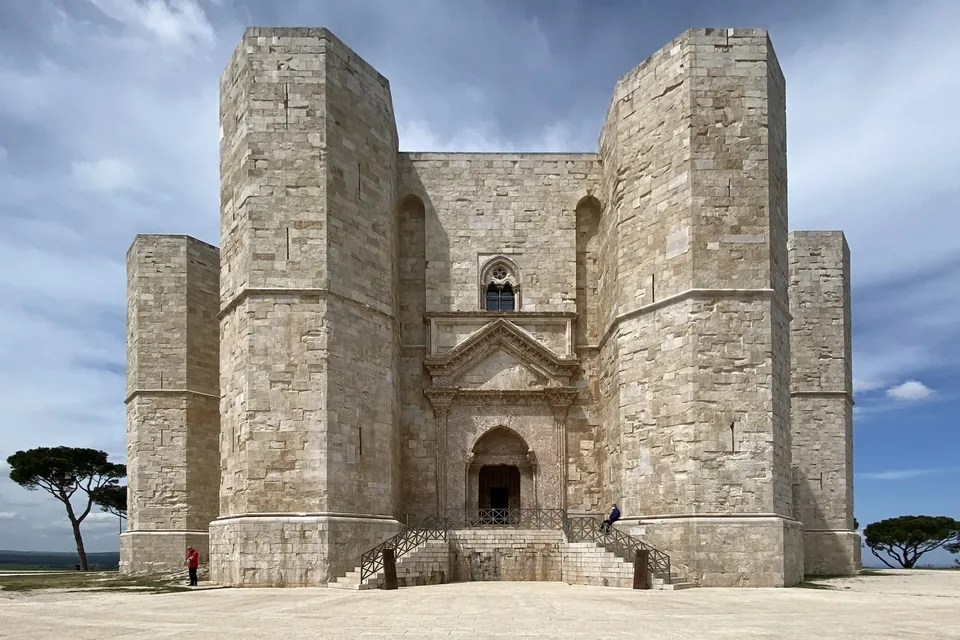
Frederick’s architecture within the Murgia landscape. The octagonal castle, on the UNESCO list since 1996, inside the Alta Murgia National Park.
Read the guide →Photo: Bernard Gagnon / Wikimedia Commons — CC0 · Resized and converted to WebP.
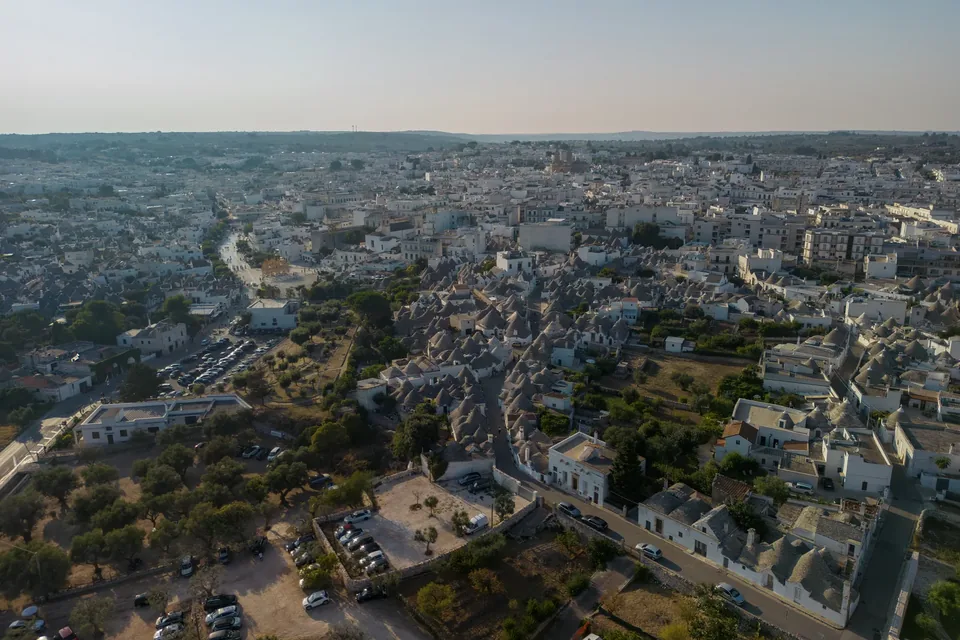
Trulli through their shape, space and everyday use. The Monti and Aia Piccola districts hold more than a thousand trulli, a World Heritage Site since 1996.
Read the guide →Photo: ParisTaras / Wikimedia Commons — CC BY-SA 4.0 · Resized and converted to WebP.
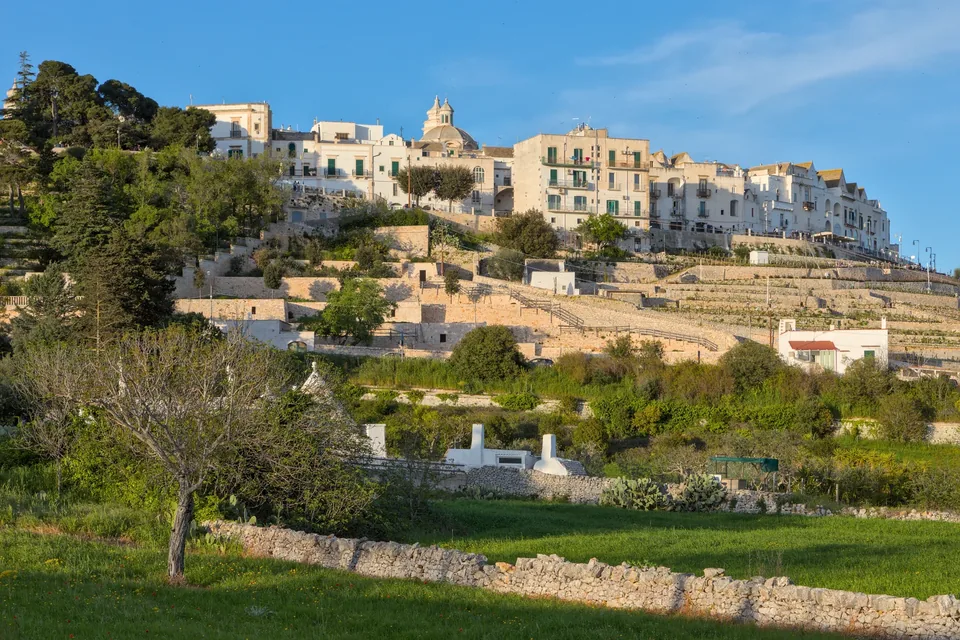
Cummerse roofs as a way to distinguish the Itria Valley’s towns. A circular old centre on a hilltop and Locorotondo DOP wine.
Read the guide →Photo: Benjamin Smith / Wikimedia Commons — CC BY-SA 4.0 · Resized and converted to WebP.
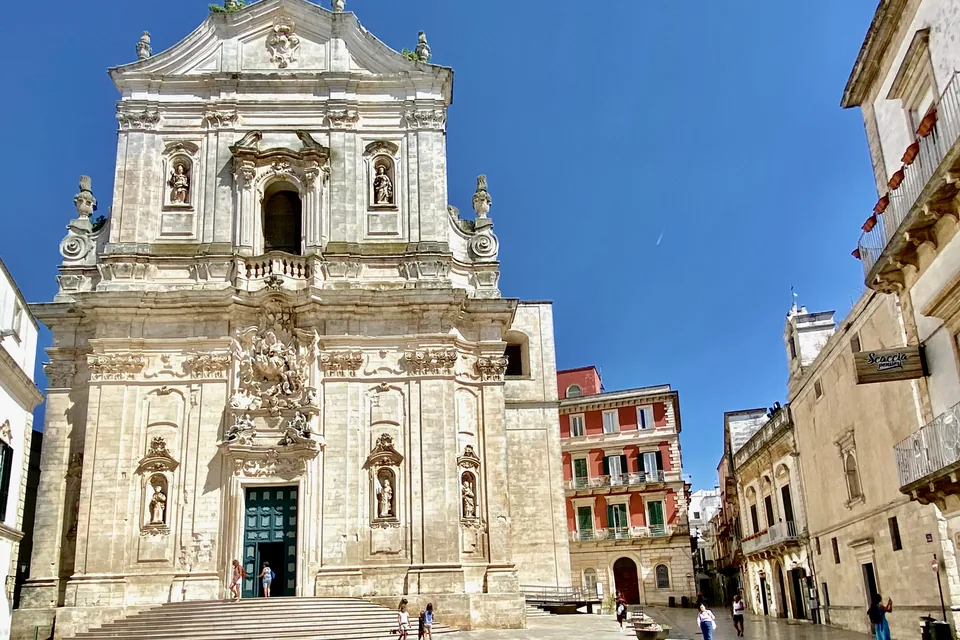
The town and a food craft connected to its landscape. Itria Valley Baroque, stone lanes and wrought-iron balconies, capocollo and Martina DOP white wine.
Read the guide →Photo: Alisa58 / Wikimedia Commons — CC BY-SA 4.0 · Resized and converted to WebP.
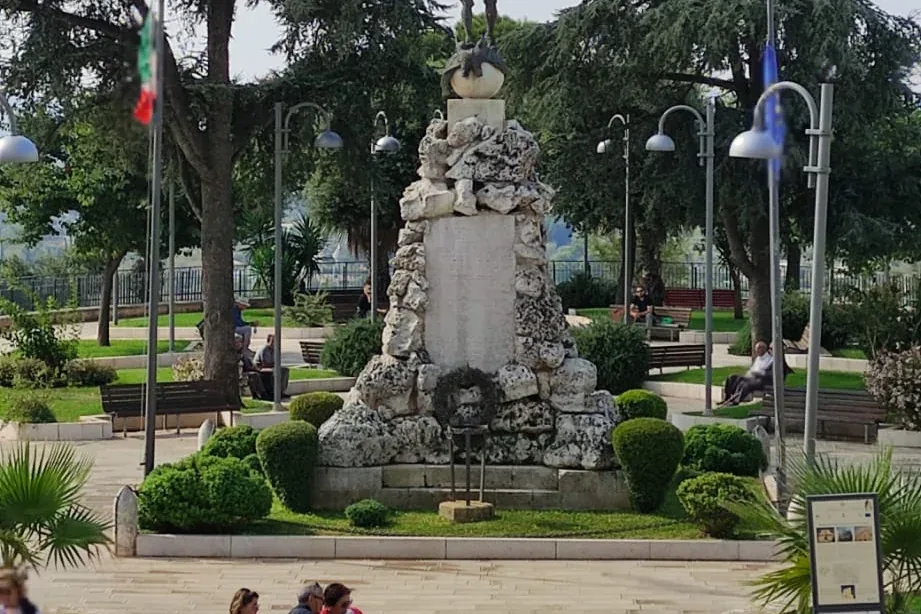
Fornello pronto, bombette and a walk through the town. A white, paved village with the Orange Flag and the mother church of San Nicola di Pàtara.
Read the guide →Photo: Kiuz / Wikimedia Commons — CC BY-SA 4.0 · Resized and converted to WebP.
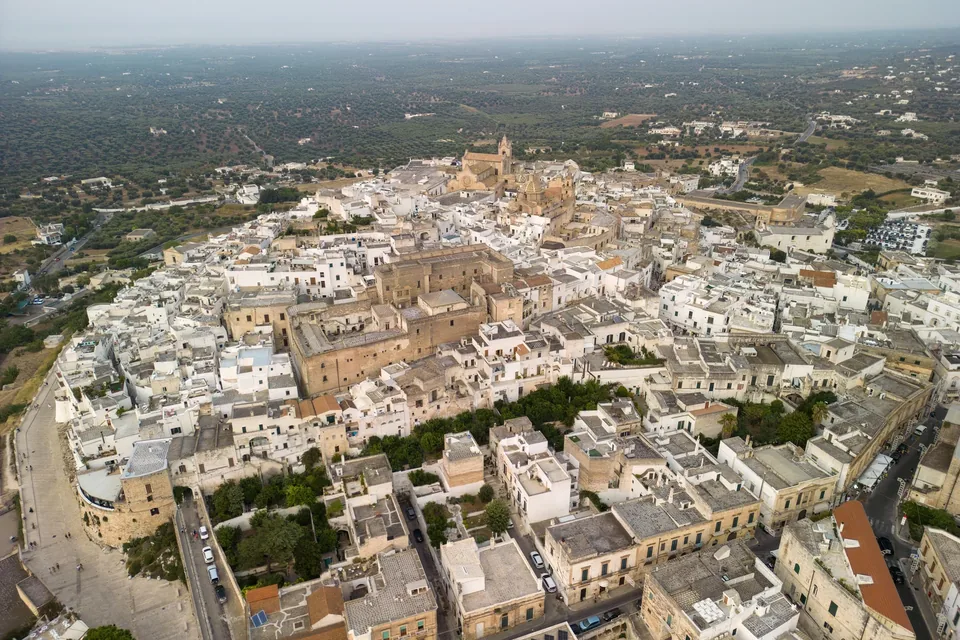
Houses, steps and agricultural landscape within one visit. The White City on three hills, its cathedral, the olive plain and Collina di Brindisi DOP oil.
Read the guide →Photo: ParisTaras / Wikimedia Commons — CC BY 4.0 · Resized and converted to WebP.
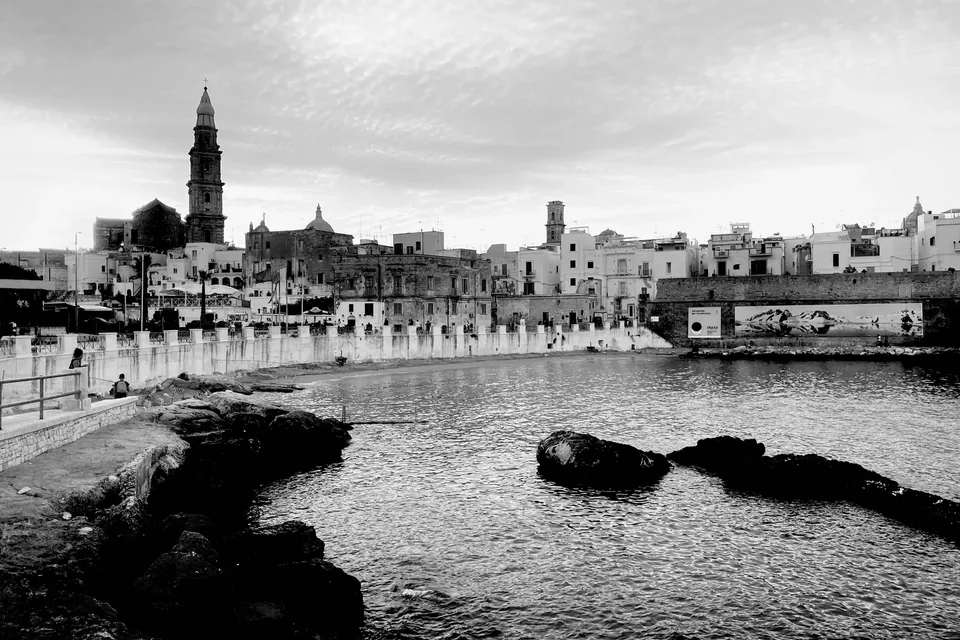
An Adriatic conclusion connected to the rural landscape. A harbour reaching into the old town, the cathedral, rural contrade and ‘mareterra’ cooking.
Read the guide →Photo: RaTio65 / Wikimedia Commons — CC BY-SA 4.0 · Resized and converted to WebP.
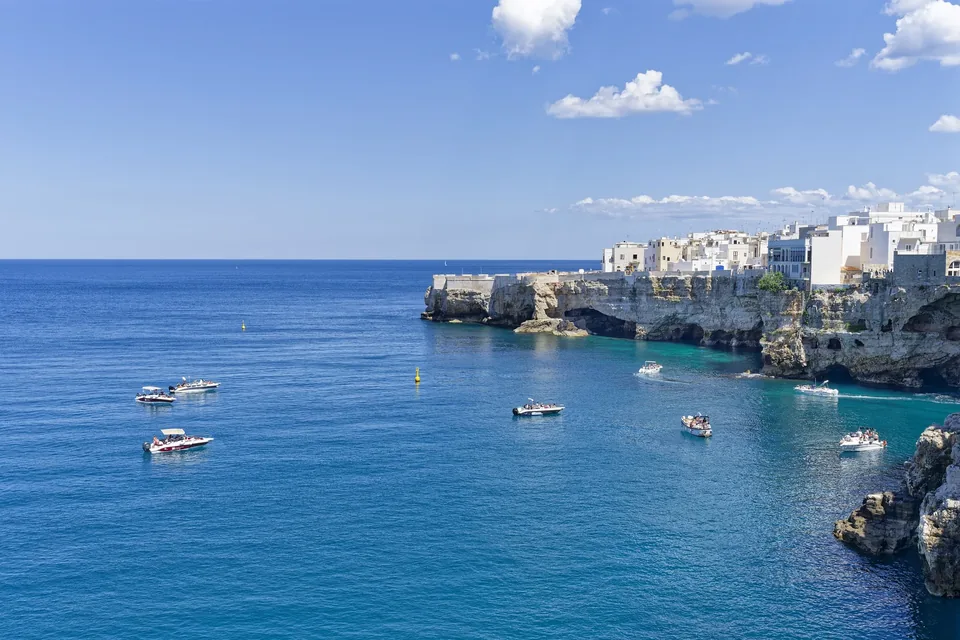
Old town, viewpoints and a coffee as a travel pause. A white town on a cliff, the Arco Marchesale, contemporary art and the multicoloured Polignano carrot. And then the history of the mother church, the Pino Pascali museum, the dives from the houses of the old town, the feast of Saint Vitus and the Costa Ripagnola nature park.
Read the guide →Photo: Maksimsokolov / Wikimedia Commons — CC BY-SA 4.0 · Resized and converted to WebP.
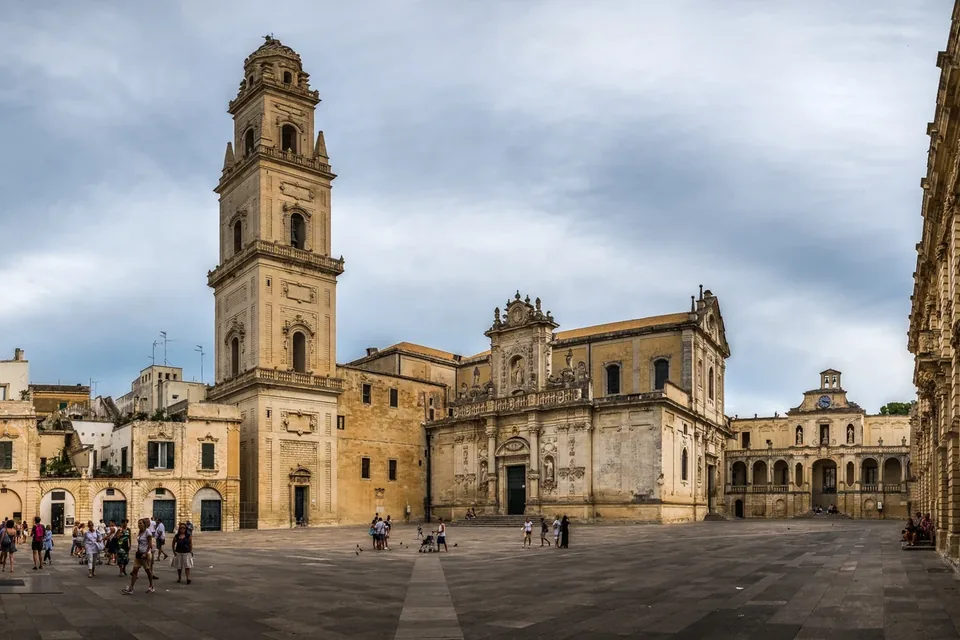
Baroque architecture, papier-mâché and Salento food: a city of telling details.
Read the guide →Photo: Giuseppe Milo / Wikimedia Commons — CC BY 3.0 · Resized and converted to WebP.
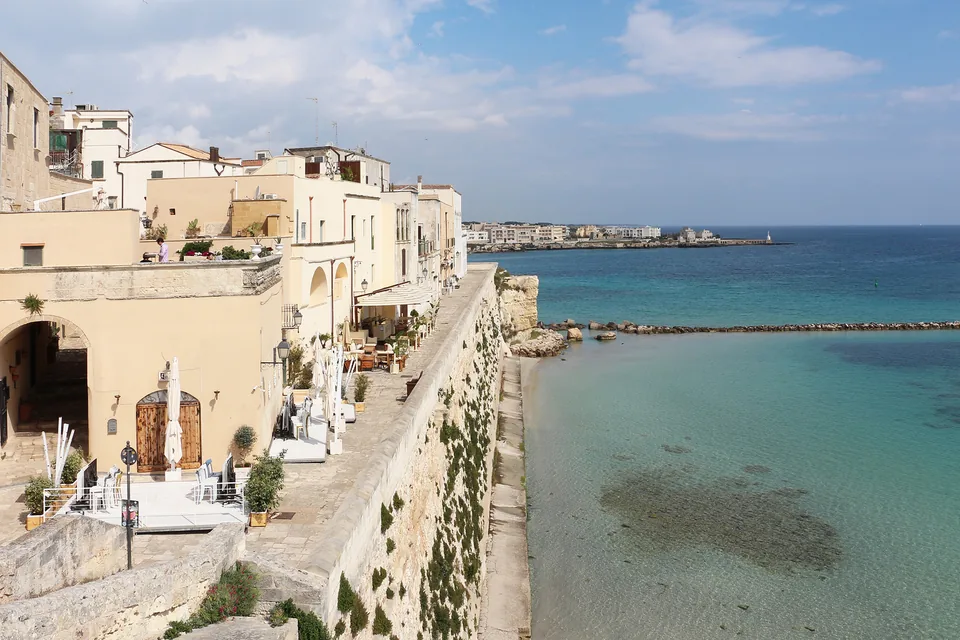
The cathedral, Adriatic landscape and time to explore the historic centre. Inside and around the walls: Pantaleone’s mosaic of 1163-1165, the crypt with its forty-two columns, the Byzantine church of San Pietro, the Aragonese castle of Walpole’s novel, the Punta Palascìa lighthouse and the Grotta dei Cervi at Porto Badisco.
Read the guide →Photo: Bernard Gagnon / Wikimedia Commons — CC0 · Resized and converted to WebP.
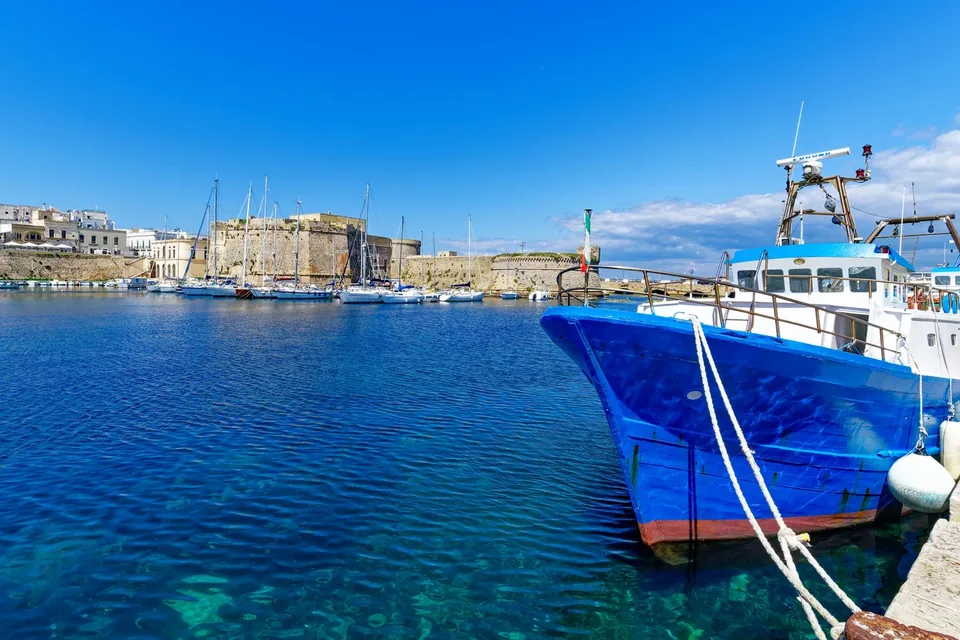
The bridge, churches and Ionian townscape beyond a beach holiday. An old town on a fortified island, linked by a masonry bridge, and the local scapece.
Read the guide →Photo: Holger Uwe Schmitt / Wikimedia Commons — CC BY-SA 4.0 · Resized and converted to WebP.
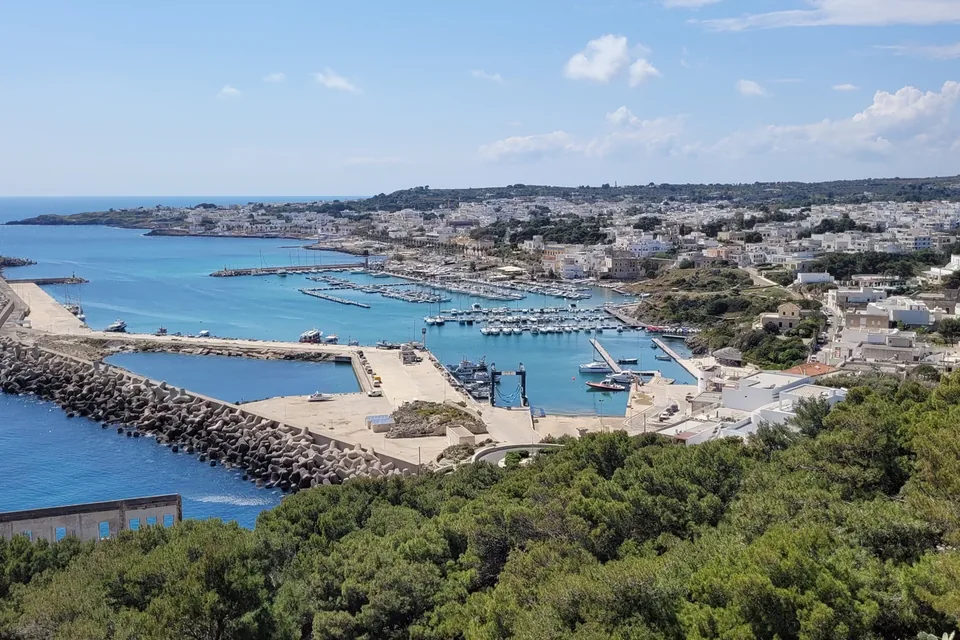
The sanctuary, seafront architecture and the outline of the coast. The cape where the Adriatic embraces the Ionian, the de finibus terrae basilica and frise.
Read the guide →Photo: Bernard Gagnon / Wikimedia Commons — CC0 · Resized and converted to WebP.
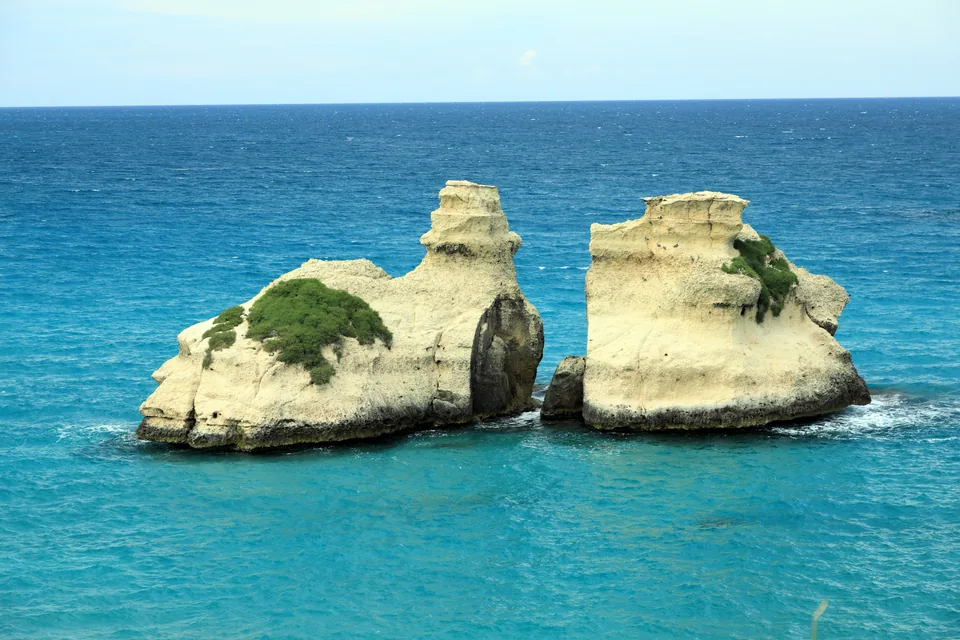
Sea stacks, pine woodland and a contrast with Melendugno’s inland villages. The bay holds the 2026 Blue Flag: to the north stands the 1568 coastal tower that gave it its name, at the other end the cave of San Cristoforo, a seaside sanctuary from the fourth century BC, and the Two Sisters sea stacks.
Read the guide →Photo: Falk2 / Wikimedia Commons — CC BY-SA 4.0 · Resized and converted to WebP.
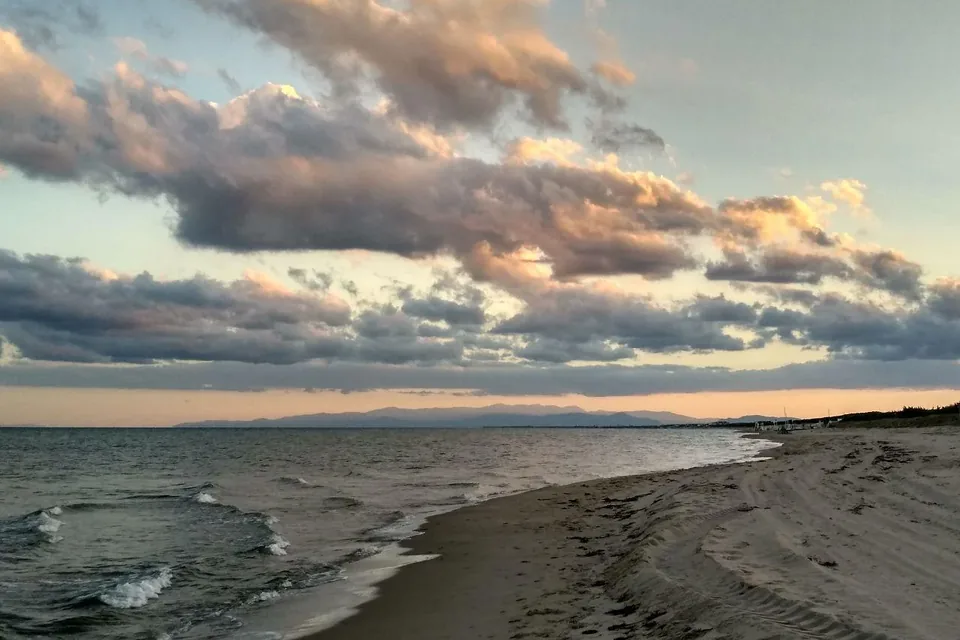
The historic centre and Rudolph Valentino’s story in inland Puglia. A town on the edge of the Gravina Grande ravine and its frugal ciallèdda bread.
Read the guide →Photo: Archeolucia / Wikimedia Commons — CC BY-SA 4.0 · Resized and converted to WebP.
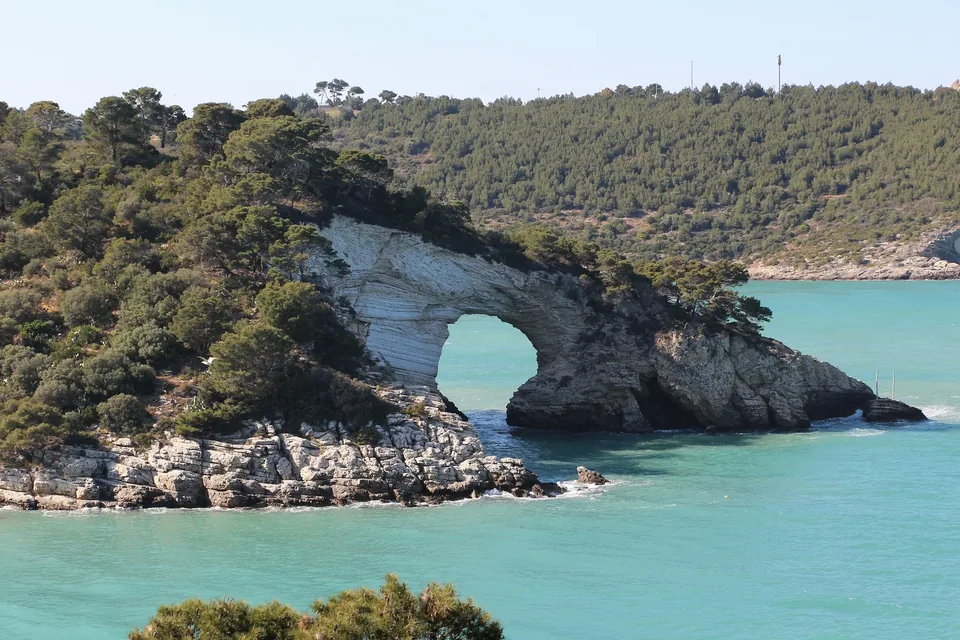
Gargano: villages, woodland and coast. Beech woods, lagoons and white villages in the national park, the Archangel’s mountain and Ogliarola olives.
Read the guide →Photo: Bernard Gagnon / Wikimedia Commons — CC0 · Resized and converted to WebP.
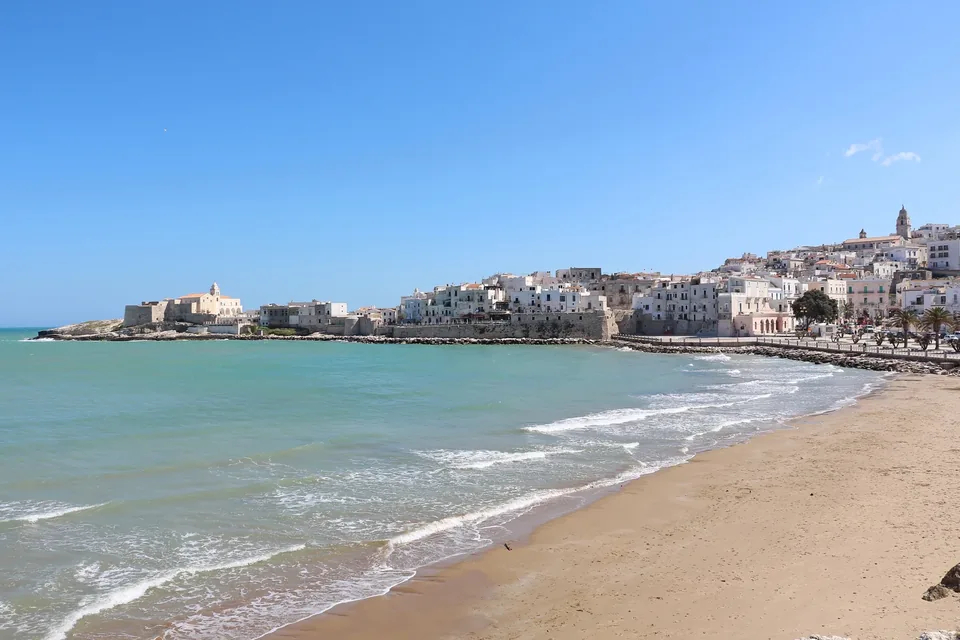
Vieste: old lanes and fishing structures. An old town on a rocky spur above the sea, its castle and cathedral, the Petrone viewpoint and trabucchi. The guide also covers the La Salata necropolis, the Sant’Eufemia lighthouse, the Petrone Museum with finds from the Defensola flint mine and the Pilgrims’ Way to Monte Sant’Angelo.
Read the guide →Photo: Bernard Gagnon / Wikimedia Commons — CC0 · Resized and converted to WebP.
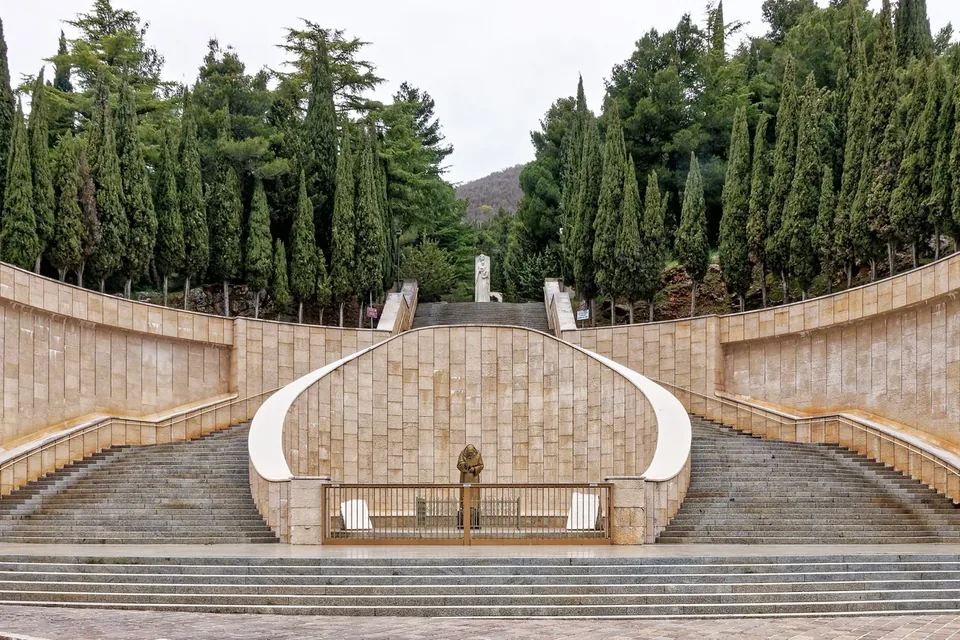
San Giovanni Rotondo: pilgrimage and town. Padre Pio’s pilgrimage centre in the heart of the Gargano, below Monte Calvo, and a town walled in the 1300s.
Read the guide →Photo: Holger Uwe Schmitt / Wikimedia Commons — CC BY-SA 4.0 · Resized and converted to WebP.
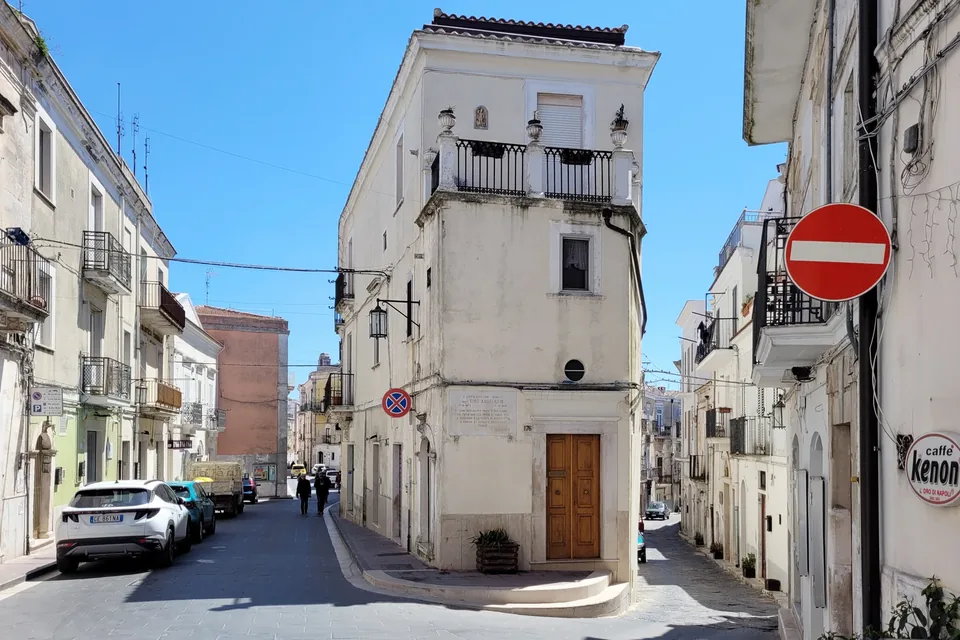
Monte Sant’Angelo: the cave and Junno quarter. The Archangel Michael’s cave sanctuary on the Via Francigena, a cult spread by the Lombards and a round loaf.
Read the guide →Photo: Bernard Gagnon / Wikimedia Commons — CC0 · Resized and converted to WebP.
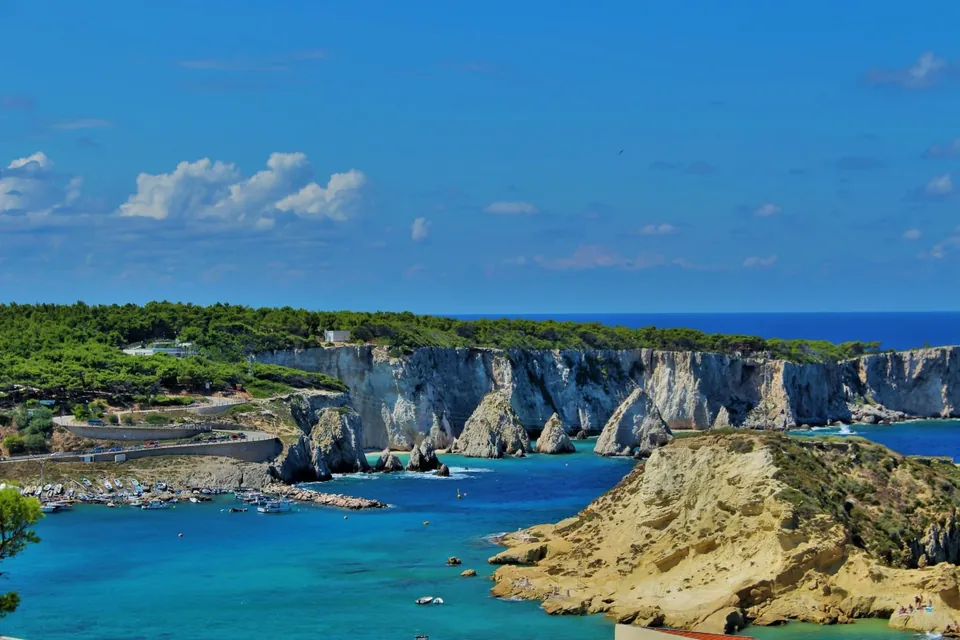
Tremiti: San Nicola and the island landscape. Puglia’s only archipelago, 12 nautical miles off the Gargano, with pine woods, white cliffs and an abbey fortress. In the marine protected area, 34 dive sites and wrecks from Roman times to the Lombardo, the steamer of Garibaldi’s Thousand; on San Nicola the church of Santa Maria a Mare with its eleventh-century mosaics, the cloisters and the memory of the political exiles.
Read the guide →Photo: Sara Caputo / Wikimedia Commons — CC BY-SA 4.0 · Resized and converted to WebP.


